
The Vandalism Problem That Started It All

The roots of alternate-night trick-or-treating go back to the early twentieth century, when Halloween had a serious reputation problem. The tradition began in 1938, after early Halloween celebrations were rife with violence and vandalism; Beggars’ Night was adopted in hopes of deterring the chaos and providing a safer environment.
In 1938, The Des Moines Register reported that Des Moines police had fielded more than 550 vandalism reports on a single Halloween night. That level of disorder prompted city officials to act. The practice of separating trick-or-treating from Halloween started back in the 1930s to protect from vandalism and property damage while children were out in the streets.
The idea was straightforward: if children were out gathering candy on the 30th, the adults causing trouble on the 31st would have fewer cover stories. It was a practical fix born out of genuine frustration, not tradition for tradition’s sake.
Beggars’ Night: A Tradition with Deep Roots
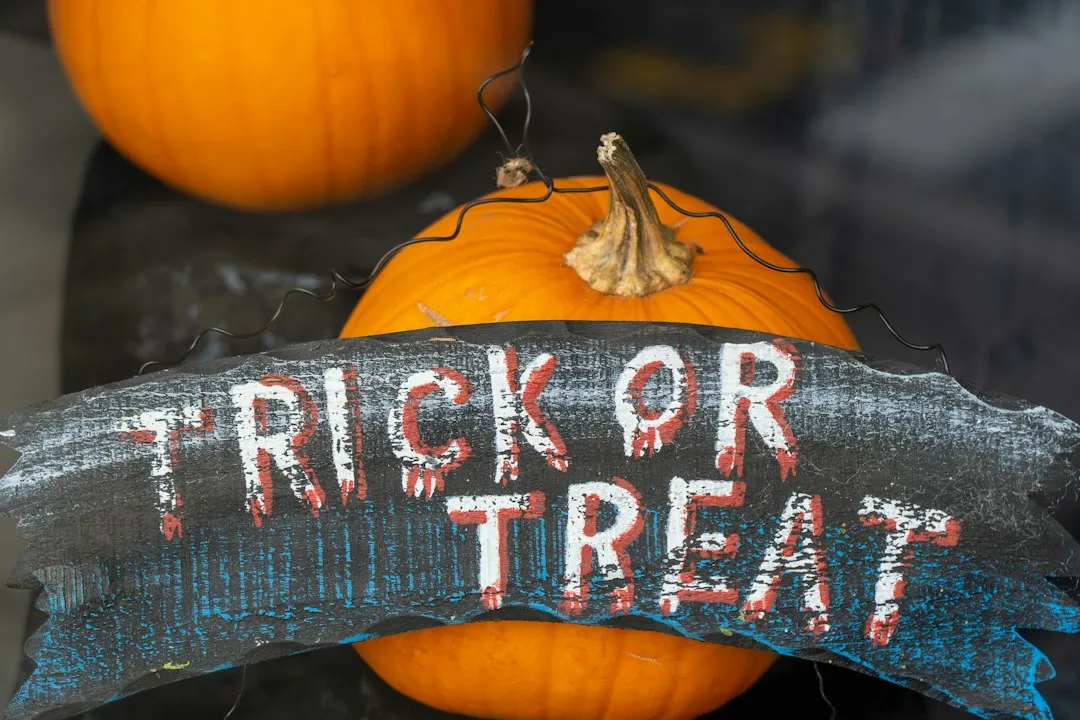
Beggars’ Night is a regional term for the practice of going trick-or-treating in the period before Halloween night. It emerged to address security concerns over young children involved in unsupervised trick-or-treating, with younger children encouraged to go door-to-door on another night instead.
In the Buffalo area, Beggars’ Night falls on October 30 and is a scaled-up version of Halloween. In Des Moines, Beggars’ Night also falls on October 30, and children ring doorbells, say “Trick or Treat,” then tell riddles or jokes before receiving their candy. That joke-telling element became a beloved local quirk that distinguished Des Moines’ version from anywhere else in the country.
When separate from Halloween, the night of trick-or-treating is sometimes known as Beggars’ Night, popularized by an 86-year Iowa tradition. The word “Beggars'” itself harkens back to an older vocabulary around door-to-door soliciting that has since largely faded from everyday use.
Des Moines: 90 Years of Going Against the Calendar
Des Moines and surrounding communities continued to hold Beggars’ Nights on October 30 in lieu of traditional Halloween trick-or-treating, with city law maintaining that date for the next 86 years. That kind of institutional staying power is genuinely rare in American municipal life.
In Des Moines, a 90-year tradition called Beggars’ Night has officially ended. A survey in Des Moines and surrounding cities found that residents overwhelmingly preferred trick-or-treating to occur on Halloween instead of the night before.
Beggars’ Night, the Des Moines area custom of trick-or-treating the night before Halloween, was officially replaced with October 31 festivities beginning in 2025. The decision came after last year’s storms forced thousands of children to trick-or-treat on October 31 for the first time since the tradition began in 1938. A weather emergency, in the end, did what decades of debate could not.
When a Storm Changes Everything

Weather is probably the single most common reason a town shifts its trick-or-treat date on short notice. It happens nearly every October somewhere in the country. Three Licking County municipalities in Ohio announced they would move their trick-or-treat date from Halloween to the night before, with Johnstown moving its date because of predicted rain and wind on Halloween evening.
Several towns in Pennsylvania rescheduled trick-or-treating because of weather concerns, and Iowa’s city of Waukon moved trick-or-treating to a Saturday because of several high school sports events on Friday night. Weather and local scheduling collide in ways that make rigid date adherence genuinely impractical for many communities.
In 2024, Beggars’ Night moved to coincide with Halloween for the first time since 1938, ostensibly due to severe weather; other communities had occasionally done the same in that span by local resolution, either to accommodate weather or to avoid holding it on a Sunday.
The Sunday Problem and Blue Laws
When October 31 falls on a Sunday, some communities quietly move trick-or-treating to Saturday. This isn’t arbitrary. Blue laws are laws restricting or banning certain activities on Sundays, and they were originally adopted for religious reasons, specifically to promote the observance of the Christian day of worship.
Even where formal blue laws no longer apply, the cultural resistance to Halloween activities on a Sunday persists in certain regions, particularly in more religious communities across the South and Midwest. The practical outcome is a town that holds trick-or-treating on Saturday the 30th while the broader country celebrates on the 31st.
In some Ohio communities, the model for Beggars’ Night is for it to occur on Halloween, unless October 31 falls on a Friday, Saturday, or Sunday, in which case trick-or-treating is planned for the Thursday prior to Halloween. That sliding formula has been a genuine attempt to balance religious sensibility with community participation.
Police Coverage and Public Safety Logistics

One reason that rarely makes headlines but matters enormously in small towns is simple staffing. Smaller towns often choose an alternative night for police coverage purposes; for example, in Hampton Falls, New Hampshire, they often have trick-or-treating on the 30th so the town can have support from Hampton and Seabrook police departments to keep kids safe.
Certain towns and cities across the country choose to have trick-or-treating on a day before or after Halloween for safety reasons, with towns in the Seacoast of New Hampshire splitting trick-or-treating between October 30 and October 31 so police departments can assist with coverage in neighboring towns.
A small town with a four-officer department simply can’t safely manage a large crowd of children on a busy road while also responding to other calls. Staggering the dates across neighboring communities lets limited resources stretch further. It’s less romantic than a 90-year tradition, but it reflects genuine care for residents’ safety.
Parades, Events, and Scheduling Conflicts
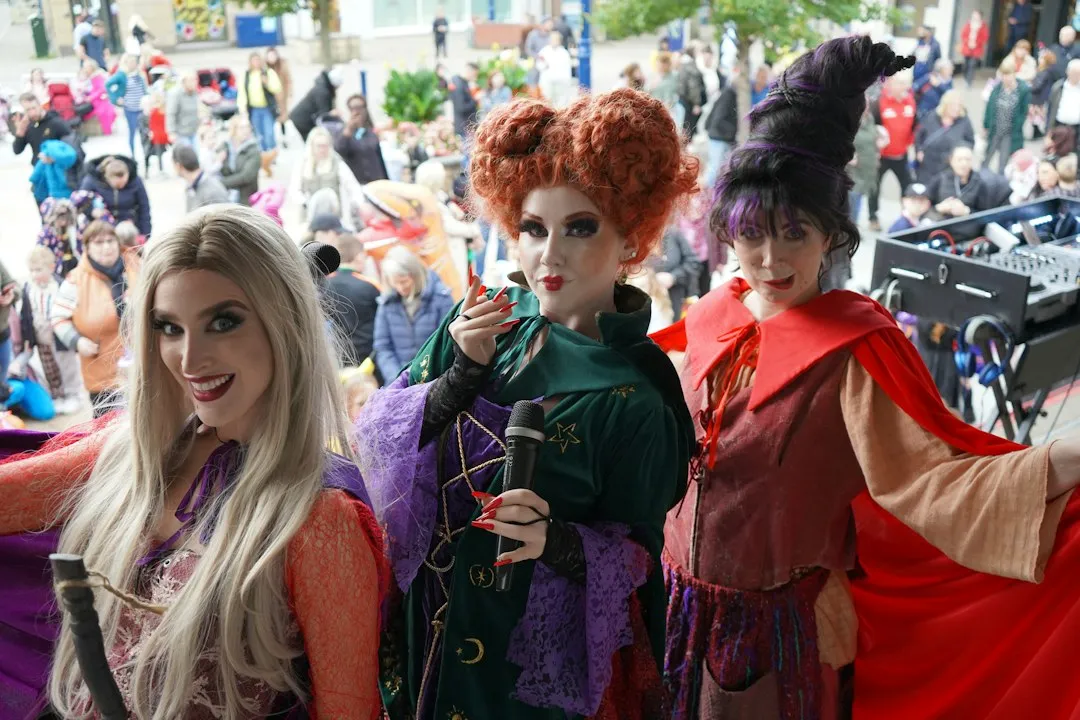
Sometimes trick-or-treating moves simply because something else is already happening on October 31. Toms River, New Jersey, usually celebrates Halloween with trick-or-treating on October 30 to allow for the parade on Halloween. When a town has built a beloved annual parade around the evening of the 31st, moving the candy portion to the night before is the natural solution.
The separation actually makes practical sense: parents with young children can finish trick-or-treating on the 30th and then bring older kids to the parade the following night without trying to do both at once. Two events, two evenings, two distinct experiences. Some towns have found this works better than cramming everything into a single chaotic night.
The “Penny Night” and Multi-Night Traditions
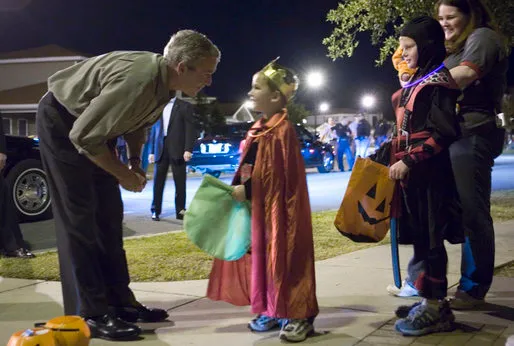
Des Moines wasn’t the only place where Halloween expanded beyond a single evening. Central Ohio couldn’t confine its merriment to just one night, and by the 1950s, festivities had expanded to three distinct nights: Halloween, Beggars’ Night, and Penny Night. Penny Night consisted of children going door-to-door asking for pennies rather than candy.
The multi-night tradition reflects something interesting about how American communities adapted a somewhat chaotic and ambiguous holiday to their own needs. Rather than one standardized national event, Halloween became locally negotiated, shaped by neighborhood culture, municipal politics, and practical concerns about managing large crowds of children after dark.
One reason for the Beggars’ Night tradition can be attributed to the fact that Halloween became the night for parties and parades, with community-organized parties taking place on October 31 and trick-or-treating moved to the night before. Function, not folklore, often drove those decisions.
Regional Patterns Across the Country
This isn’t a scattered or random phenomenon. It clusters in specific regions. The Midwest, particularly Iowa and Ohio, has the strongest alternate-night traditions. New England has its own version, particularly in the Seacoast area of New Hampshire and southern Maine, where individual towns set their own schedules and those schedules vary by just one or two days.
In 2025, communities like Dover, New Hampshire, Eliot, Maine, Hampton Falls, New Hampshire, and Portsmouth, New Hampshire all held trick-or-treating on October 30, while neighboring towns like Exeter, Greenland, and Hampton held theirs on October 31. The patchwork quality of these schedules can feel bewildering from the outside, but each date usually reflects a deliberate local decision.
In some ways, this regional variation is a window into how differently American communities govern themselves even at the most granular level. A candy-collection schedule for children turns out to be something towns take seriously, coordinate around, and occasionally debate for years.
Community Surveys and Changing Opinions
What’s notable about the recent changes in Des Moines is how the decision was made. Following the weather-related shift in 2024, metro mayors asked residents to weigh in on when they preferred trick-or-treating: October 30, October 31, or the last Saturday of the month. The fact that a formal survey was conducted shows how seriously these communities take the question.
In 2022, the Bondurant City Council shifted Beggars’ Night from the day before Halloween to the last Saturday of October, which shows the trend toward weekend scheduling that many communities across the country have been moving toward independently. A Saturday date means parents don’t have to rush kids home from school, and the evening feels less compressed.
The current formula for Beggars’ Night in Ohio was proposed by the Mid-Ohio Regional Planning Commission in 2008, but each municipality decides for themselves whether they want to follow the recommendation or not. That local autonomy is ultimately what makes the American Halloween calendar look so varied from one zip code to the next.
What It All Actually Means
The impulse to move trick-or-treating off of October 31 has never really been about diminishing Halloween. It’s been about managing it, protecting children, accommodating local events, and respecting community sensibilities. The date on the calendar matters less to most families than whether the evening is safe, organized, and fun.
What the Des Moines story in particular reveals is that even a 90-year tradition can give way when circumstances change and residents are given a real say. After nearly nine decades, one of central Iowa’s quirkiest Halloween traditions came to an end, with Beggars’ Night officially replaced by October 31 festivities beginning in 2025.
Ultimately, these date shifts are small acts of local governance that reflect larger values: community coordination, child safety, and the quiet negotiation between tradition and practicality. Halloween, it turns out, is as much a civic event as a cultural one. The night it falls on is almost beside the point.
AI Disclaimer: This article was created with the assistance of AI tools and reviewed by a human editor.