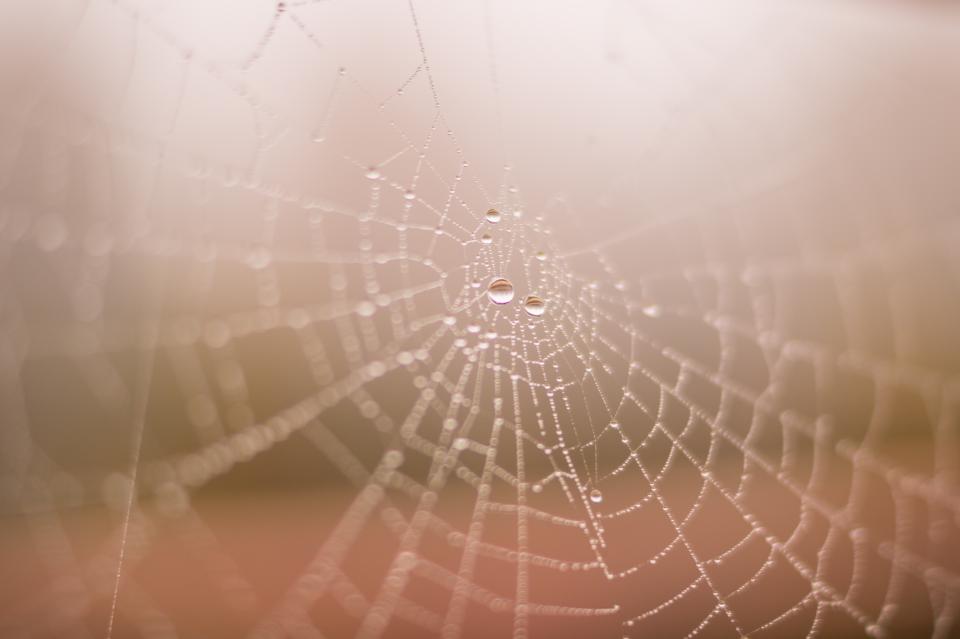

Most people, spotting a spider scurrying across the bathroom floor, reach for a shoe. It’s an instinct that’s hard to argue with. Spiders have an image problem, and frankly, it has stuck around for a long time. Still, the science tells a surprisingly different story about what these eight-legged houseguests are actually doing in your home.
The truth is that the vast majority of spiders sharing your living space are neither aggressive nor dangerous. They’re working. Quietly, patiently, and for free.
The Numbers Behind Their Appetite
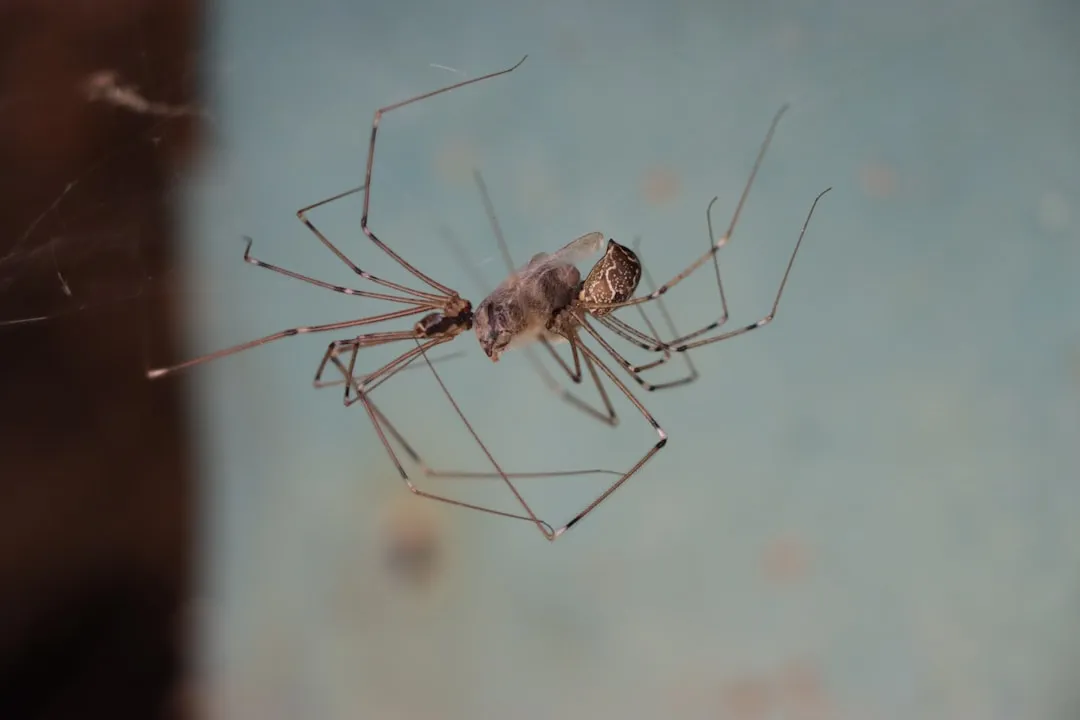
A landmark study revealed stunning estimates about how much the world’s spiders eat annually: between 400 and 800 million tons of insects and other invertebrates. To put that in perspective, the entire human population consumes about 400 million tons of meat and fish every year. Spiders, collectively, match or exceed that figure in pest consumption alone.
A single spider can eat about 2,000 insects a year. That’s one spider. In one year. Most households host far more than one. This research, by Martin Nyffeler of the University of Basel and Klaus Birkhofer of Lund University in Sweden, used data from 65 previous studies to estimate spider populations across seven global biomes.
What House Spiders Are Actually Eating
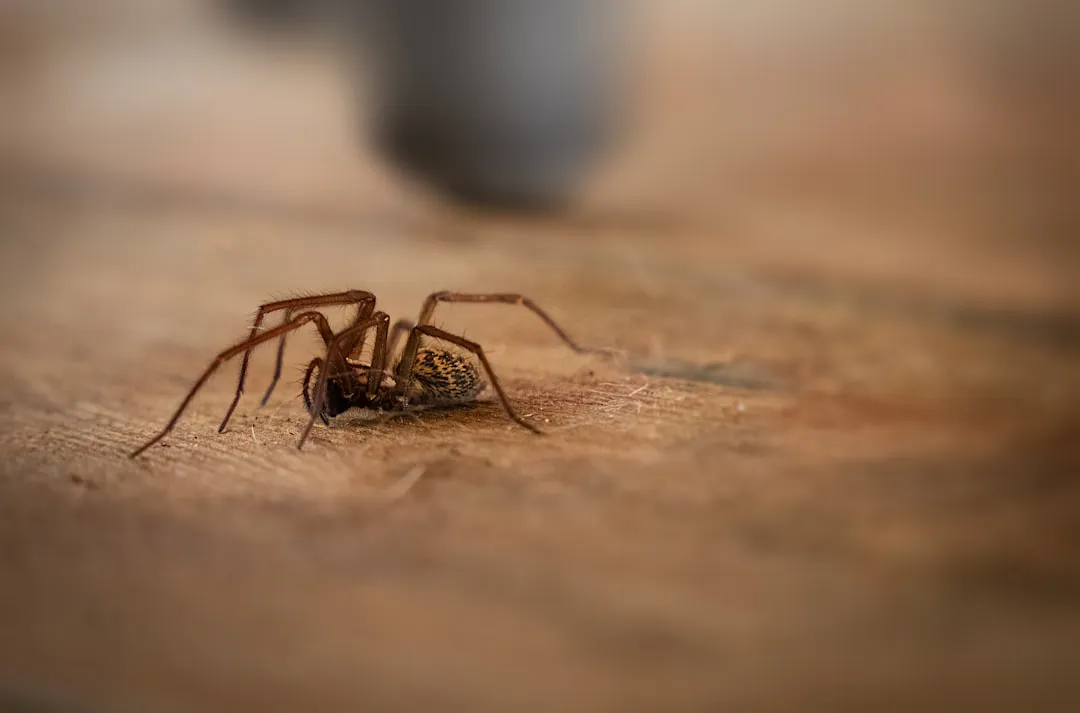
Most house spiders are carnivores and enjoy eating a variety of household insects like flies, cockroaches, earwigs, mosquitoes, fleas, moths, and ants. These are exactly the pests that cause the most frustration, and in some cases, genuine health concern, for homeowners.
By eating bugs like mosquitoes, which can carry illnesses such as malaria and the Zika virus, spiders help lower the risk of disease transmission in your home. That’s not a trivial benefit. Spiders feast on common household pests such as mosquitoes, flies, and roaches, offering practical, chemical-free, and eco-friendly home pest control.
Most Indoor Spiders Are Harmless to Humans
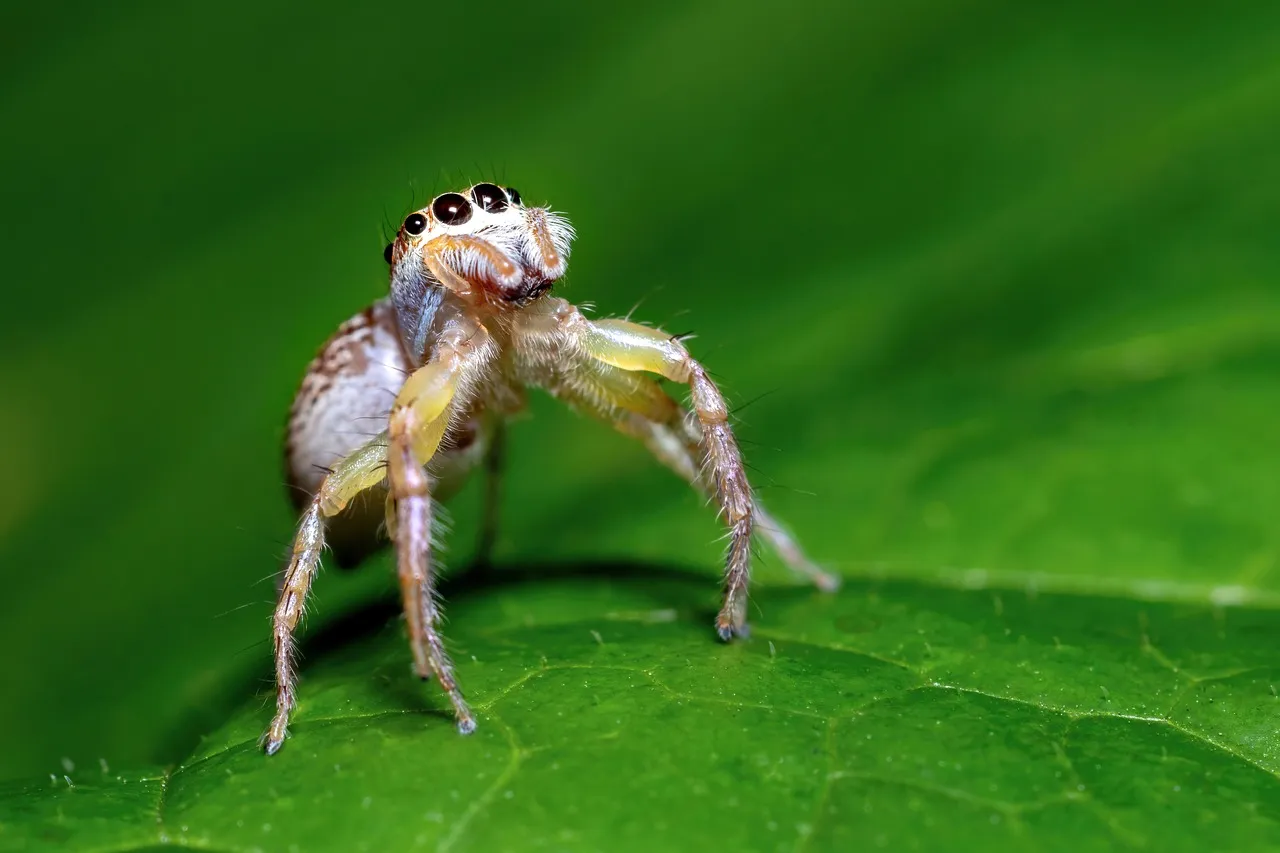
While there are an estimated 40,000 species of spiders in the world, very few of them are actually a threat to humans, including the common house spider. The fear tends to be disproportionate to the actual risk.
Research emphasizes that despite the vast number of spider species, only about 0.5% are considered potentially dangerous to humans. Most spiders are shy and harmless to humans, and although all spiders have venom, most cannot bite through human skin. For the average household encounter, the risk is close to zero.
The Common Species You’re Likely to Find Indoors
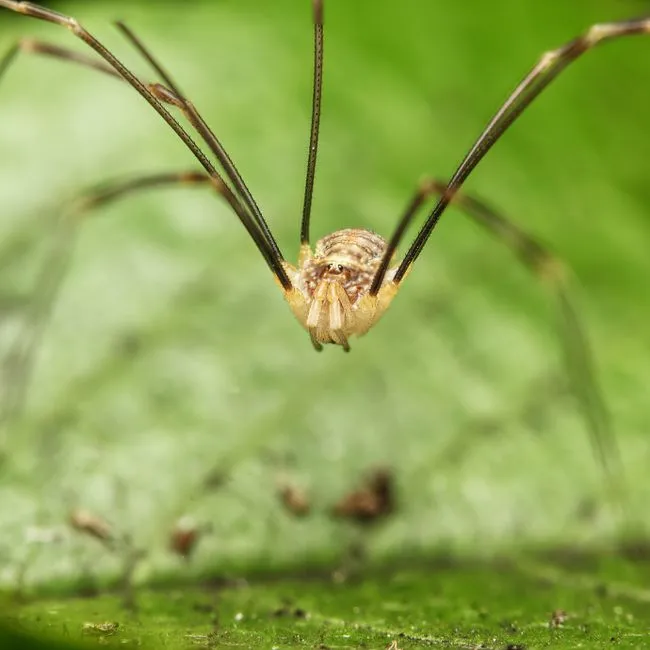
The most common house spiders in the US include the American house spider, cellar spider (daddy longlegs), and wolf spider. The American house spider, known for its messy webs in corners, is one of the most frequently seen indoor spiders. None of these species are considered medically significant.
Not all house spiders pose a danger to humans; most are harmless and can even be beneficial by controlling insect populations within our homes. However, two notable exceptions are considered dangerous: the black widow and the brown recluse spiders. Knowing the difference matters, but it’s worth remembering that encountering those two species indoors is genuinely uncommon for most people.
Cellar Spiders: The Unlikely Guardians
House spiders eat fleas, flies, roaches, earwigs, moths, mosquitoes and other unwanted insects in homes. In fact, one spider can eat up to 2,000 insects in just one year. Cellar spiders in particular occupy basements, garages, and corners that tend to harbor other pest populations.
They also eat other spiders, keeping their own population in check. Cellar spiders, also known as daddy long legs, have been known to feast on black widows. That makes them arguably one of the more useful neighbors you never asked for, quietly removing a far more threatening spider species from the premises.
Hunting Styles: Web Builders vs. Active Hunters
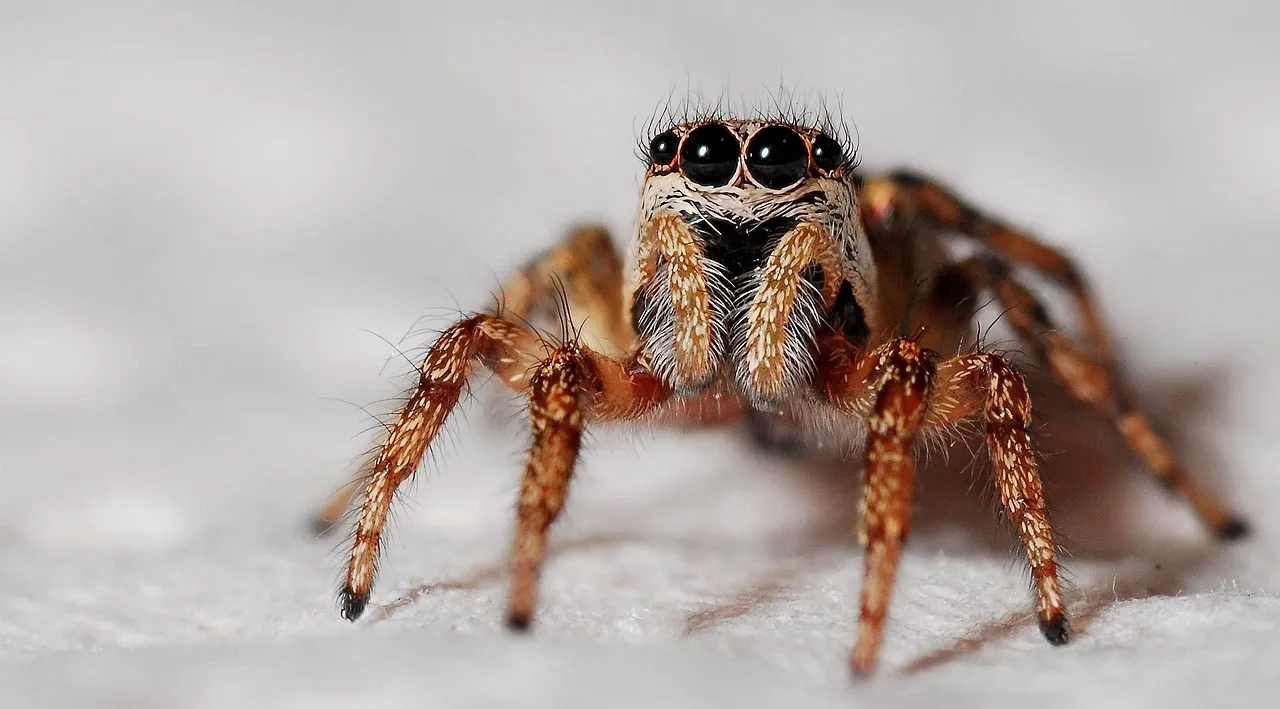
When people think of spiders, they usually picture large webs stretched across corners or between trees. However, many spiders don’t build webs at all. Jumping spiders actively stalk their prey using excellent eyesight, while wolf spiders hunt by running after insects instead of waiting in a web.
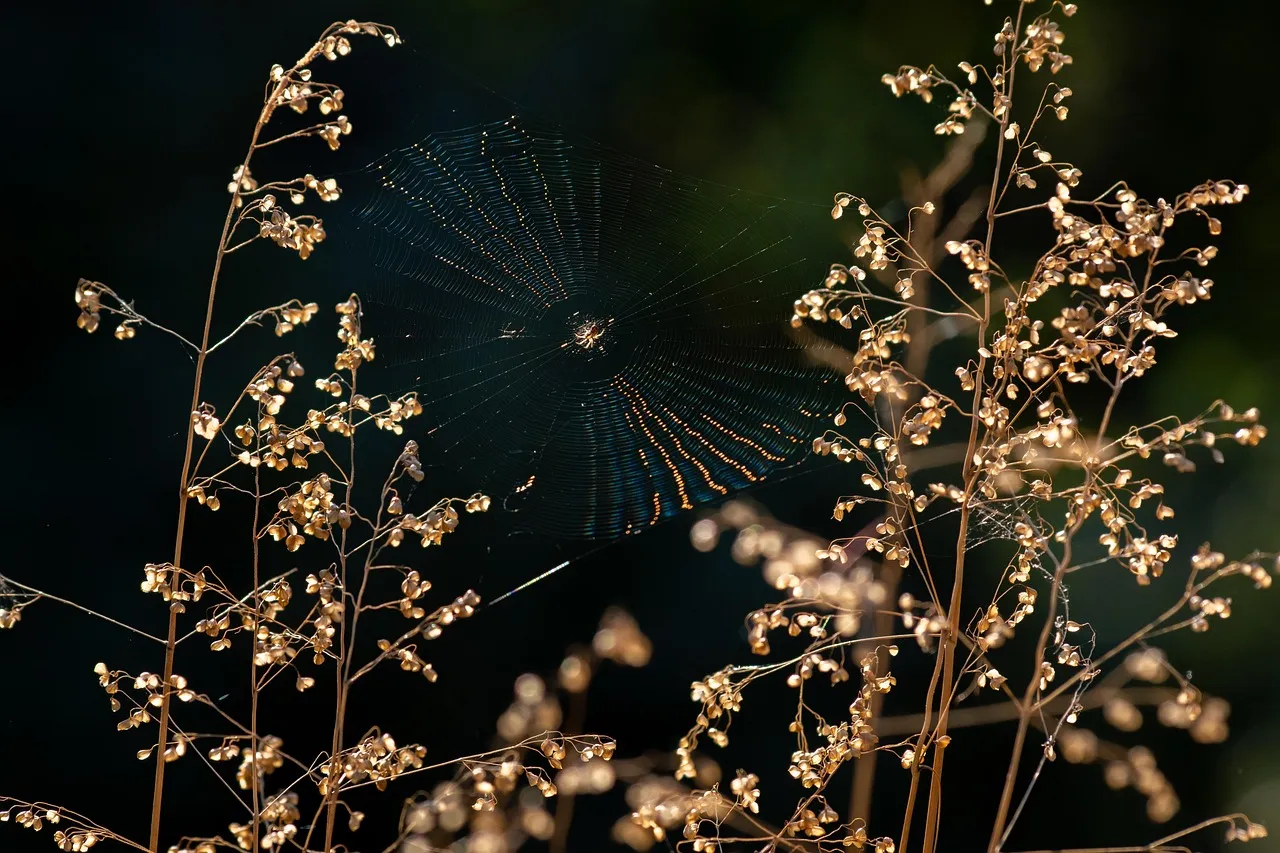
Web-spinning spiders often weave between shrubs and flowers, keeping insects under control on the plants themselves, while hunting spiders patrol the ground for crawling pests. Inside the home, both strategies work in the homeowner’s favor. Whether a spider builds a web in a corner or patrols the floor at night, it’s catching insects either way.
Spiders as a Signal of Indoor Insect Activity
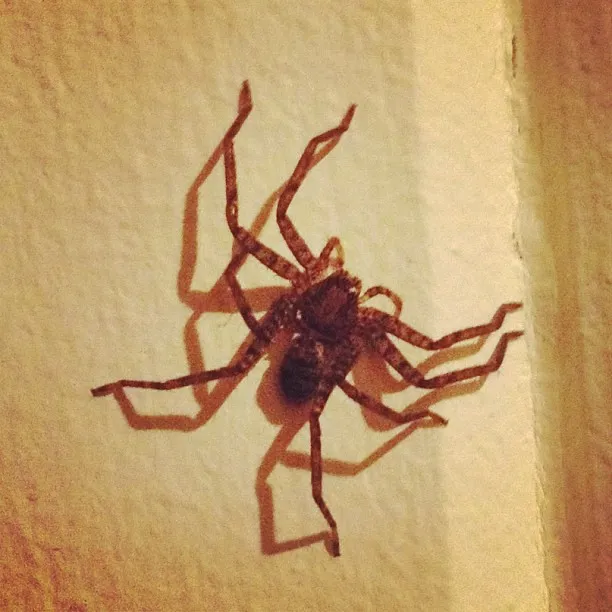
If you’re seeing more spiders indoors, it may also mean there’s an abundant food source – other insects. Reducing insect activity around your home often helps reduce spider activity as well. So a sudden spike in spider sightings is often more of a diagnostic clue than a standalone problem.
The spiders you find in your home are considered the first line of defense when it comes to pest control. In this sense, they’re responding to a pre-existing condition, not creating one. Treating the insect source typically resolves both issues at once.
The Fear Factor: Arachnophobia in Context

The Cleveland Clinic estimates that arachnophobia affects up to 15 percent of the general population and is more common in females than males. That’s a significant portion of people who experience genuine distress at the sight of any spider, regardless of species or actual danger.
The response is understandable, but it often leads people to eliminate spiders that cause no harm and provide real benefits. Many people think spiders are dangerous and think of them as pests, but spiders are mostly beneficial because they feed on pest insects. Understanding what a spider actually does in a home shifts the equation considerably, even if the instinctive discomfort doesn’t disappear overnight.
Spider Venom: A Medical Resource in Development
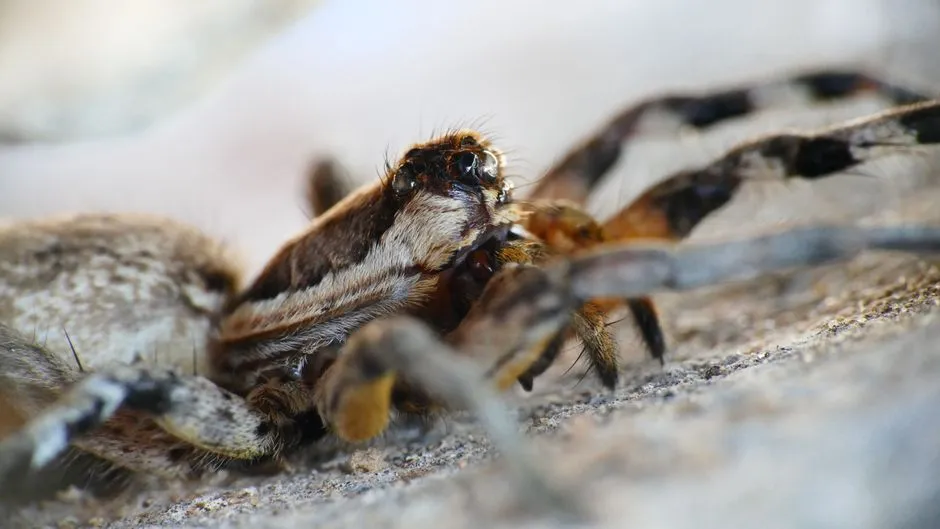
Scientists have been studying spider venom for its potential uses in medicine. Some spider venoms contain peptides that could be helpful for various therapeutic applications. The compounds found have shown promise for helping develop medicine to relieve pain, manage chronic conditions, fight off infections and viruses, and treat neurodegenerative diseases.
In 2024, a research team received $17.8 million in funding from the Medical Research Future Fund (MRFF) to begin a four-year trial to assess the potential of Hi1a, a peptide in the venom of the K’gari funnel web spider, as a treatment to prevent heart damage during a heart attack or donor heart procurement. In addition to treatment for pain, potential has been found for treating heart arrhythmia, neurodegenerative diseases, epilepsy, cancer, and erectile dysfunction. The spider, long feared, is increasingly becoming a source of medical breakthroughs.
When to Leave Them Alone – and When Not To
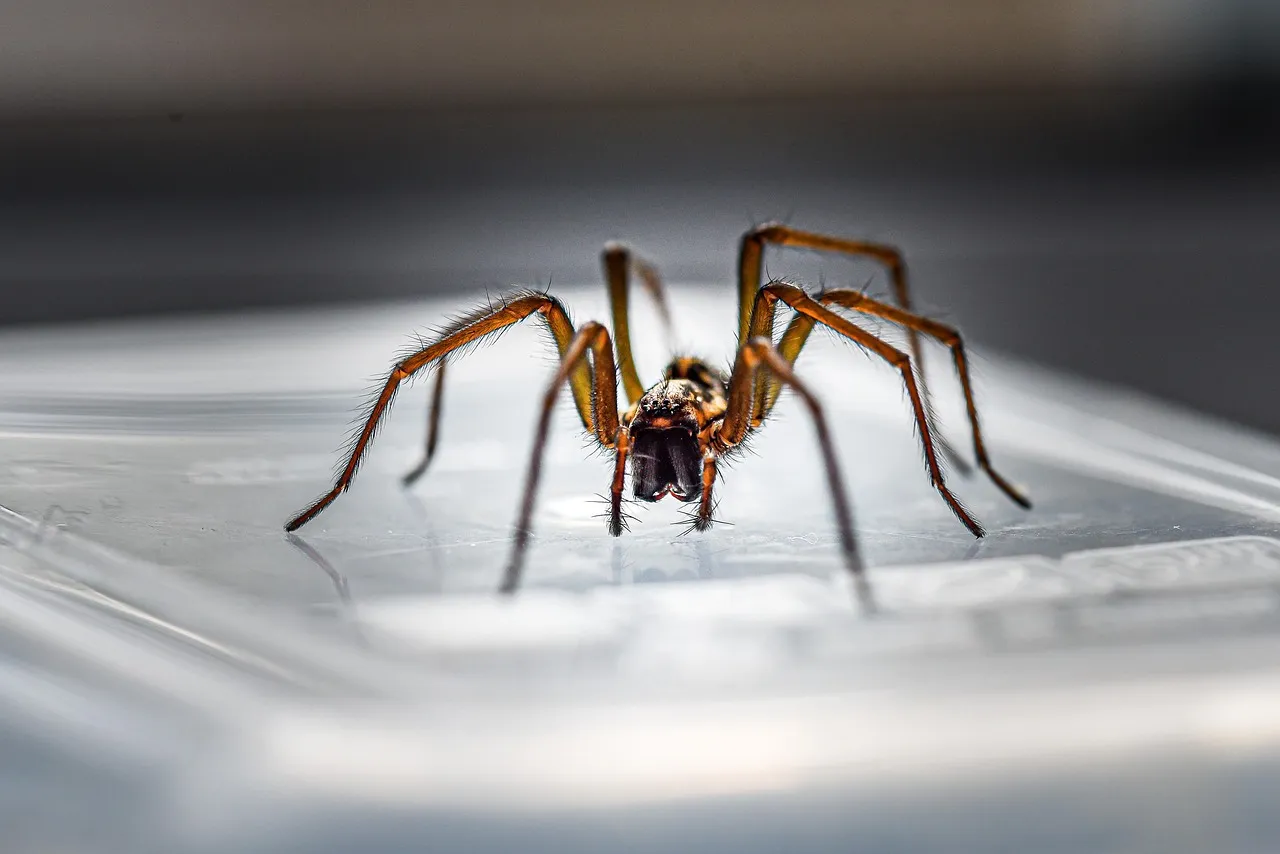
Most house spiders are harmless and can even be beneficial by controlling insect populations within our homes. Spiders seen out in the open during the day are unlikely to bite people. In most cases, leaving them be is the more practical and ecologically sound choice.
Common house spiders rarely bite, and their venom is not usually dangerous. In fact, they help control pests like flies, mosquitoes, and ants. The exceptions, as noted, are the brown recluse and black widow. Spiders seen out in the open during the day are unlikely to bite people. Focus spider control efforts on removing webs and hiding places. Pesticides are not generally needed.
The Takeaway
The case for spiders indoors isn’t that you need to love them, or even grow comfortable with them. It’s simply that the reflex to eliminate every spider in sight comes at a cost that most people don’t calculate. A creature that consumes mosquitoes, cockroaches, and disease-carrying flies, requires no food budget, leaves no chemical residue, and is actively contributing to medical science is, at minimum, worth a second look before reaching for the spray can.
Spiders, ubiquitous and abundant predators in terrestrial ecosystems, often are the subjects of an unjust negative perception. However, these remarkable creatures stand as unsung heroes within our ecosystems, contributing a multitude of ecosystem services critical to human well-being. The science, in 2026, is fairly clear on that point.
AI Disclaimer: This article was created with the assistance of AI tools and reviewed by a human editor.