

Most people assume that familiarity makes time fly. You know the song, you’ve heard it before, so it should breeze past without a second thought. Except, quite often, the opposite happens. The second listen stretches. Sections you barely registered the first time now seem to unfold at a leisurely pace, and a four-minute track starts to feel like a six-minute one.
This is not an illusion you’re imagining, and it’s not unique to you. It’s a genuinely curious feature of how the brain processes time, music, and expectation simultaneously. The science behind it touches on memory, attention, dopamine, and even the architecture of predictive thinking.
Your Brain Processes Familiar Music Differently
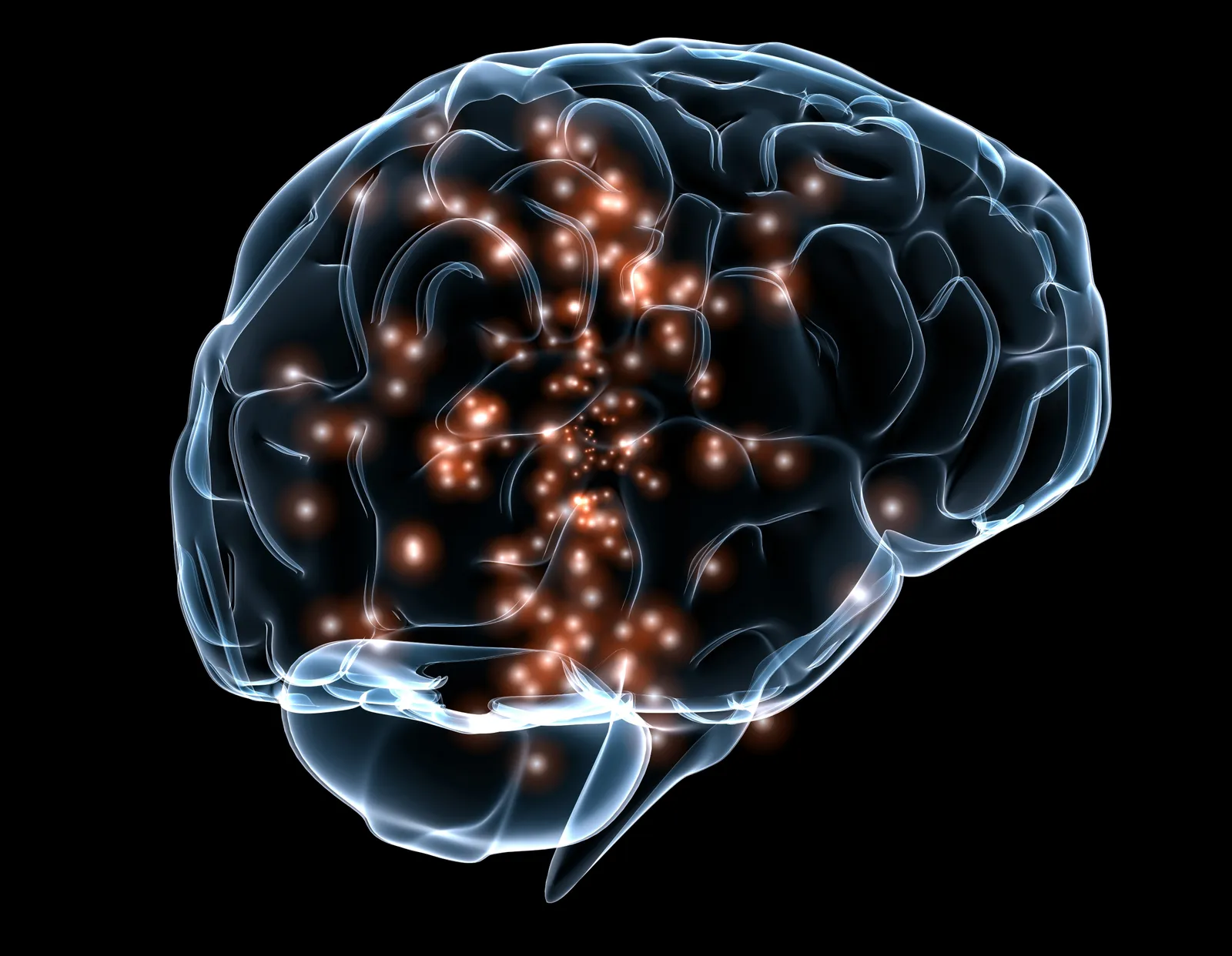
When you hear a song for the first time, your brain is intensely busy trying to map out what comes next. The first time you hear a piece of music, you don’t really know what it’s going to do next. The second time you have a better idea, and by the third, fourth, or fifth listen, you start to have a very good idea how that melody will progress. That predictive work is neurologically demanding, and it absorbs your attention in ways that compress your sense of duration.
A 2025 study published in Brain Topography found that frequent listening to unfamiliar music excerpts forms functional connectivity in the brain as music becomes familiar and memorable. In other words, repeated listening physically reshapes how your neural networks respond to the same piece. The brain of someone hearing a song for the second time is a meaningfully different brain than the one that heard it for the first time.
The Attention Gate Opens Up
Time perception research has consistently pointed to attention as the key variable in how long moments feel. Subjective time is governed less by an immutable clock than by the flexible deployment of attention. When a song is new, your attention is absorbed by the task of prediction and decoding, which narrows the window through which time passes. When the song is familiar, that decoding effort drops off, and the attention gate opens wider.
Dual-task and working-memory loads, immersive videogames, and flow states reliably siphon attention from time and produce systematic underestimation, while contexts that force vigilant monitoring leave the gate open and generate robust overestimation. A familiar song essentially removes one of the brain’s biggest distractors from duration tracking. With less cognitive work to do, your internal clock runs more freely and registers more time passing.
Complexity Shrinks as the Song Becomes Known
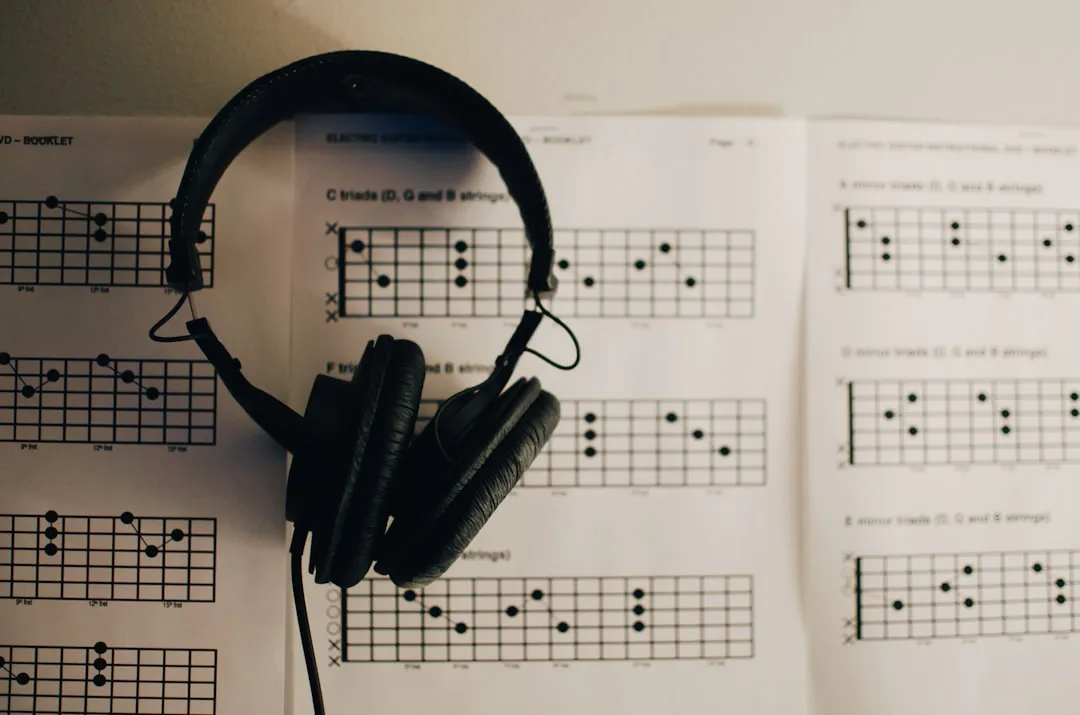
The more often you hear a piece of music, the less complex it seems to you. This might sound like a simple observation, but its consequences for time perception are real. When complexity drops, the brain processes the music more efficiently, and that efficiency frees up conscious attention to monitor the passing of seconds and minutes. You become more aware of the song’s structure as it unfolds, rather than simply being carried through it.
This effect can make individual sections feel drawn out. A bridge that felt like a blur on the first listen now registers in full detail, because your brain has the spare capacity to attend to it. Think of it like walking a path for the second time: familiar landmarks make the walk feel longer, not shorter, because you notice each one deliberately instead of rushing toward the unknown destination.
Dopamine and the Distortion of Memory Time
Dopamine plays a surprisingly direct role in how time feels, especially during and after listening to music. Our memories do not simply keep time, they distort it, stretching and compressing the past to reflect the structure of experience. Researchers combined functional magnetic resonance imaging with eye-tracking to test whether activation of the dopaminergic system expands mnemonic representations of time between contextually distinct events.
Tone switches significantly activated the ventral tegmental area, and the magnitude of these responses predicted greater time dilation between item pairs spanning those switches. Applied to music, this suggests that emotionally resonant moments in a familiar song can cause the memory of that moment to feel longer than it actually was. The second time you hear a song, your dopaminergic system may already be primed for those peaks, and that priming affects how you experience duration both during and after listening.
Predictive Processing and the Disappearing Surprise
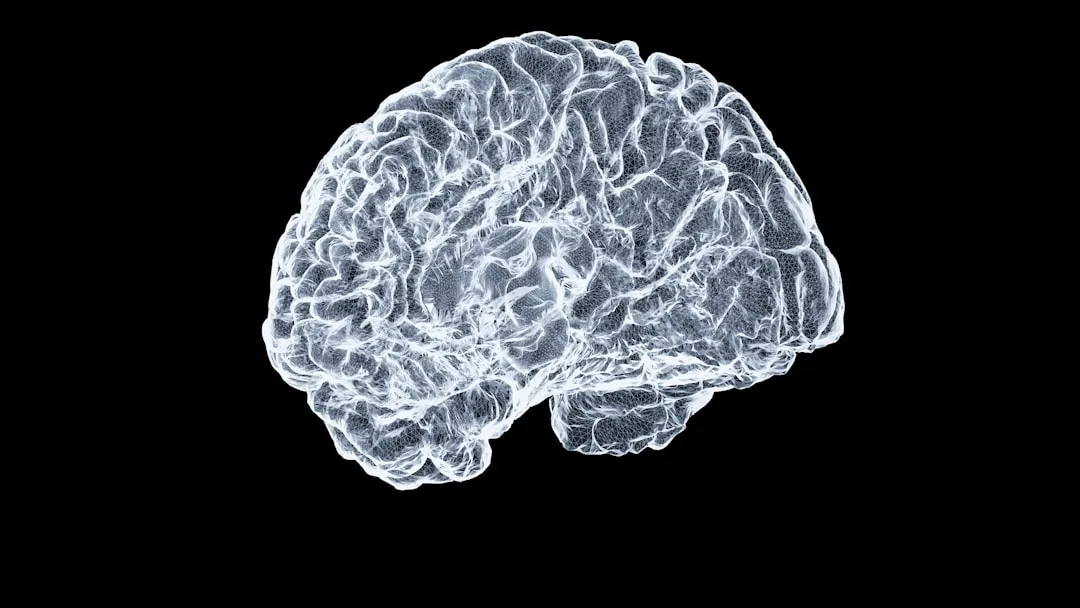
A key concept in modern neuroscience is predictive processing, the idea that the brain is constantly making and updating predictions about the world. Musical memory engages perceptual, mnemonic, and predictive processes that enable listeners to recognize and internally continue familiar melodies. When expected musical events are briefly omitted, these predictive mechanisms often trigger a notable response. The brain notices the gap, which itself contributes to temporal awareness.
On a first listen, every chord change is a small surprise, and surprises tend to compress perceived time because they redirect attention quickly. On a second listen, those surprises vanish. The brain already knows the changes are coming, so instead of snapping between moments, it sits inside them. That sitting-inside quality is precisely what makes familiar music feel more expansive.
Emotional Weight Stretches Certain Moments

A new song can sound great, but it does not carry the same emotional weight as music we are familiar with. Emotional weight is not just a metaphor here. Research consistently shows that emotionally intense experiences alter subjective duration, and music is no exception. A moment in a song that now carries personal meaning will feel different from the first time it washed past unnoticed.
Bittersweet songs were the most likely to produce deep connections, and were also associated with a greater ability to build a mental model of the song. This ability increased with frequency of all song listens, but more so for bittersweet ones. Bittersweet songs were listened to many more times on average than other song types. Emotionally complex music seems to reward repeated listening in a way that also deepens temporal awareness, making each familiar repeat feel richer and longer.
Memory Traces Make the Song Feel Bigger
Songs that are highly familiar, emotionally charged, or recently heard often last longer because they have stronger memory traces. This is not just about the song itself but about how densely it has been woven into your long-term memory. A richer memory trace means the brain retrieves more context when the song plays, and that additional retrieval activity creates a sense of fullness or expansion during the listening experience.
The more times people listened to their favorite song, the more the listeners could hear it internally. In fact, the more times they listened to the song, the more of it they could hear in their heads. This internal representation becomes so detailed on repeated listens that the mental version of the song begins to run alongside the actual playback, essentially doubling the experience and making it feel more time-consuming than it is.
Music-Evoked Autobiographical Memory Adds Another Layer

Dr. Kelly Jakubowski, a music psychologist from Durham University, calls this music-evoked autobiographical memory, when a familiar song pulls you back to a specific moment in your life without trying. When a song triggers a vivid memory, the brain is now processing two time-frames at once: the present moment of listening and the recalled past moment. That dual processing is cognitively heavier, and heavy cognition has a well-established tendency to stretch perceived time.
This also explains why songs from emotionally significant periods of your life, a long road trip, a difficult year, a first love, can feel almost cinematic in duration on a re-listen. Your brain is not just playing a track. It’s reconstructing an experience. That reconstruction takes up cognitive real estate, and the brain interprets that effort as time passing.
The Mere-Exposure Effect and Sharpened Listening

A study conducted in partnership with the National Library of Medicine suggests that the more often we listen to something, the more we like it, a phenomenon known as the mere-exposure effect. Our brains reward familiarity by releasing small bursts of dopamine when we recognize patterns. Liking a song more makes you listen more carefully, and careful listening is itself a time-expanding activity.
The curious loop here is that the more a song grows on you, the more attentively you listen, and the more attentively you listen, the longer it feels. This is partly why songs you’ve loved for years seem to have a different density than ones you’ve just discovered. You’re not just hearing them more; you’re hearing them more deeply, and depth takes time.
Cortical Entrainment Shifts with Familiarity
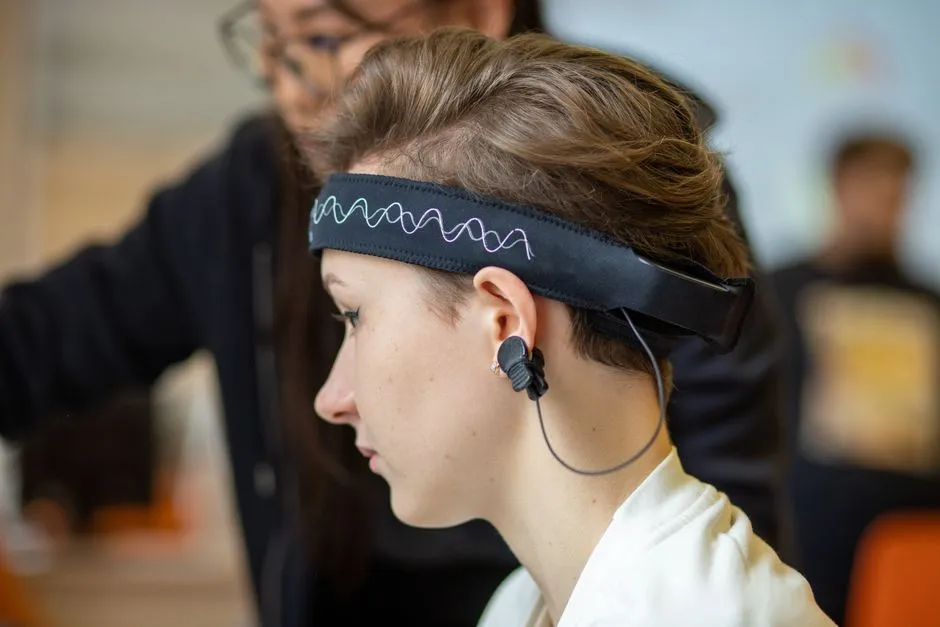
EEG research has shown that the brain literally responds differently to familiar versus unfamiliar music at a neural frequency level. EEG studies have shown that stronger entrainment occurs while listening to unfamiliar music than while listening to familiar music. Entrainment is the process by which brainwaves synchronize with rhythmic external stimuli. Stronger entrainment during unfamiliar listening means the brain is being actively pulled along by the music, which can shorten perceived duration.
This may indicate that the familiarity with music affects cortical activities when attention is not fully devoted to listening to music. When familiarity reduces entrainment, the brain becomes a more independent observer of the music rather than a passenger inside it. That observational distance gives rise to a clearer, cooler awareness of time ticking forward. The song is the same length. You’re just more awake to it.
The Takeaway

There’s no single mechanism behind the stretched-time feeling of a second listen. It’s a convergence of reduced cognitive novelty, widened attention, emotional memory, and shifts in how the brain’s reward circuitry responds to familiar patterns. Each of these layers compounds the others.
What this really points to is just how actively the brain constructs our experience of music, not passively receiving it but constantly predicting, remembering, and feeling alongside it. A song is never quite the same object twice. The second time you press play, you bring more of yourself to it, and that self takes up time. That’s not a flaw in perception. It might be the whole point.
AI Disclaimer: This article was created with the assistance of AI tools and reviewed by a human editor.