

You’re walking through a grocery store, passing a display of fresh bread, and suddenly you’re six years old again, standing in your grandmother’s kitchen on a Sunday morning. The memory wasn’t on your mind a second ago. It wasn’t something you were trying to retrieve. It just arrived, fully formed and emotionally charged, carried in on a wave of warm yeast and flour.
This kind of experience is far more than a quirk of imagination. It reflects something genuinely distinctive about how the human brain handles smell compared to every other sense. Scientists have been studying it seriously for decades, and the findings are, in many ways, more surprising than the experience itself.
The Direct Route: How Smell Bypasses the Brain’s Relay Station
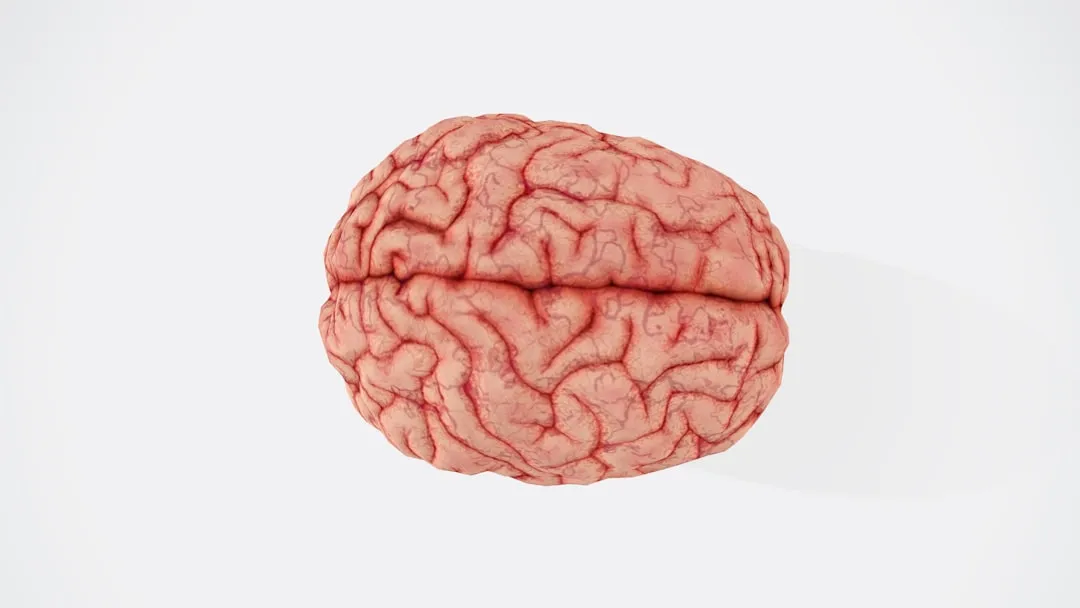
Unlike sight, sound, or touch, which are first routed through the thalamus, signals from the nose feed almost directly into the amygdala and the hippocampus. This anatomical shortcut is the key to understanding why smell feels so different from other senses. Smell is the only sense that bypasses the thalamic relay and has primary access to regions of the brain typically found to be active during emotional processing, long-term memory formation, and higher-order cognitive reasoning.
Olfactory sensory neurons, present within the olfactory epithelium that covers the back of the nasal cavity, transduce odorant stimuli into electrical signals, sending them to the olfactory bulb – the first relay of olfactory information. From there, the pathway runs straight to emotional and memory centers, without the detour every other sense takes. That directness is not incidental. It’s structural, and it shapes everything about how scent-linked memories are stored and recalled.
The Proust Effect: A Name for Something You’ve Already Felt

Psychologists call the effect, where a single scent revives a vivid past episode, the Proust effect, named after Marcel Proust’s famous madeleine scene in In Search of Lost Time. The French author observed that olfactory stimuli are prone to spontaneously elicit vivid and intensively felt autobiographical memories. What Proust described as a literary sensation turned out to be a neurological reality that scientists would spend the following century trying to explain.
Neuroscience now recognizes this phenomenon as real: memories evoked by smells tend to be more emotional, vivid, and older than those triggered by visual or auditory stimuli. It isn’t nostalgia in the loose, sentimental sense. It’s a specific form of involuntary recall with measurable differences from the kind of memory you access deliberately, when you’re actively trying to remember something.
The Amygdala’s Role: Why These Memories Feel So Emotional
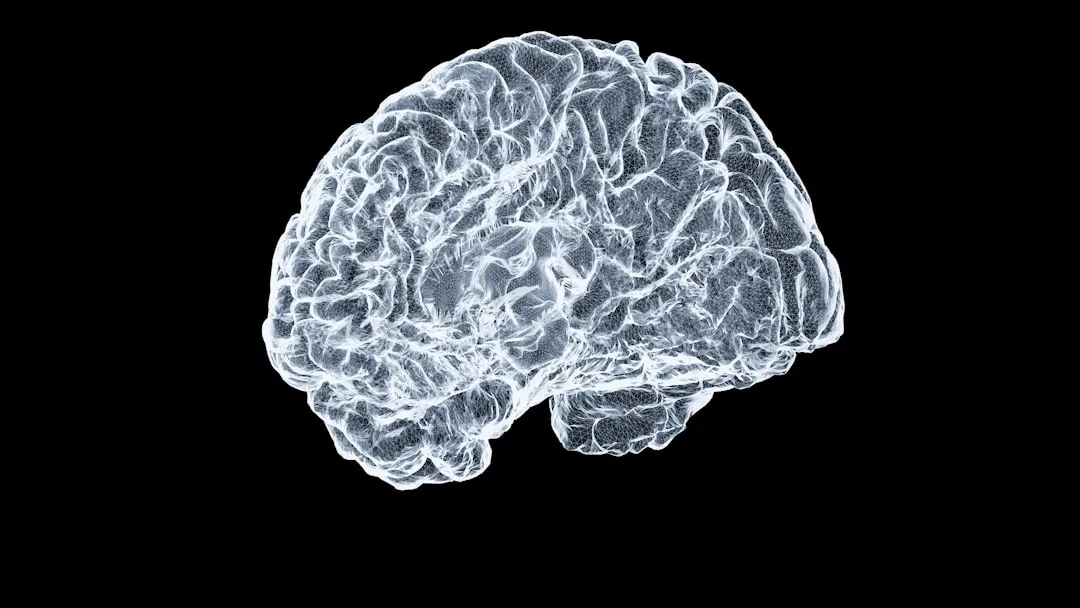
The amygdala is the region of the brain that interprets emotional information, such as happy, sad, or funny experiences. Because smell connects to it so directly, scent-triggered memories carry a strong emotional charge almost by default. The mechanism underlying why odor-evoked autobiographic memories are quite emotional is the direct neural communication between the olfactory system and the amygdala-hippocampal complex of the limbic system, which is directly involved in basic-level emotion and memory processing.
A neuroimaging study has indicated that the amygdala is more strongly activated when autobiographical memories are evoked by olfactory cues than by other sensory cues, such as visual ones. This helps explain the feeling that scent-triggered memories don’t just surface intellectually. They arrive with weight, with feeling, sometimes even with a physical sense of being transported somewhere else entirely.
Why Smell Memories Are Unusually Resistant to Forgetting

Olfactory memory is notably resistant to forgetting, with recognition performance for odors declining by only about five percent after one year compared to a thirty-second delay. That number is striking when you consider how quickly we forget faces, names, or things we’ve read. Olfactory memories are generally less verbal and more sensory, making them more resistant to being forgotten and less prone to rational reconstruction.
The resistance to forgetting may be partly because smell memories are encoded alongside emotion, which is a known amplifier of long-term retention. Researchers have suggested that emotion and memory are connected on a neuroanatomical level, and enhanced memory for emotional experiences is attributed to this connection. So the emotional charge that makes a smell-triggered memory feel overwhelming is also part of what preserved it so well in the first place.
The Role of the Hippocampus in Storing Scent-Linked Experiences

Olfactory memory is mediated by the limbic system and relies on the intactness of the hippocampus for olfactory recognition. The hippocampus is essentially the brain’s filing system for episodic memories, the kind tied to specific times and places. Human hippocampal connectivity is stronger in olfaction than in other sensory systems, which means the brain is inherently better wired to lock scent into long-term memory than it is with, say, a piece of music or a visual image.
Research has found that patients with memory impairment limited to the hippocampus exhibit a significant decline in olfactory recognition memory, which confirms just how central that brain region is to the whole process. Damage the hippocampus, and the scent-to-memory shortcut begins to break down in measurable ways.
Why Some Odors Are More Evocative Than Others

A single scent can unlock vivid memories, but research published in 2025 investigates the factors that make some odors more evocative than others. A study examining odor-evoked episodic memory in 106 participants found that the protocol empirically dissociates odor recognition and associative memory processes, suggesting that recognizing a smell and actually connecting it to a personal memory are two separate cognitive events.
The influence an odor has on memory often depends on its distinctiveness, and research found that more distinct odors contributed to enhanced memory retrieval. A highly familiar, generic scent might trigger a vague sense of familiarity. A smell that was unique to a specific time and place in your life, however, has a much stronger anchor. That’s why the particular perfume of an old relative, or the exact combination of chemicals in a childhood classroom, can feel so precise and overwhelming.
Involuntary Memory: When Recall Happens Without Trying

Involuntary memory is a sub-component of memory that occurs when cues encountered in everyday life evoke recollections of the past without conscious effort. Smell is among the most powerful triggers of this type of recall, precisely because of how automatically olfactory signals reach emotional centers. Involuntary memory processes appear to be more than mere attentional lapses or failures in executive control; such memories may serve functions in their own right, including maintaining continuity of the life narrative and aiding problem-solving via fast, effortless access to memories with distinctive cue overlaps.
Involuntary retrieval reactivates sensory feature-dependent yet item-unspecific representations via temporally extended memory replay, accompanied by rapid mid-frontal theta-power increases. In plain terms, the brain lights up differently during involuntary recall than it does when you’re deliberately trying to remember something. Smell-triggered memories tend to follow the involuntary pathway, which is why they arrive unannounced, often with striking clarity.
When It Goes Wrong: Smell, Memory Loss, and Alzheimer’s Disease

Alzheimer’s patients find it difficult to identify odors, and this worsens as the disease progresses. One characteristic of Alzheimer’s is that the hippocampus deteriorates. Given how tightly smell and memory are intertwined at the neurological level, the loss of olfactory function has become one of the earlier warning signs researchers are examining. Duration of Alzheimer’s symptoms was found to be a strong predictor of both immediate and delayed olfactory recognition memory scores.
Olfactory immediate and delayed recognition memory scores were significantly lower in the group with mild dementia due to Alzheimer’s disease than in comparison groups. This is a clinically significant finding. As researchers look for non-invasive early indicators of cognitive decline, smell-based assessments are gaining real attention in neurological research.
Using Smell to Strengthen Memory: Emerging Research

Researchers say the finding that smell can be linked to memory enhancement transforms the long-known tie between smell and memory into an easy, non-invasive technique for strengthening memory and potentially deterring dementia. The idea is relatively straightforward: if scent is a powerful encoding tool, deliberately pairing new information with specific smells during learning could anchor that information more firmly. Several studies showed that spatial memory for smells can be improved with repetition during one day or with training across several days.
This line of research is still developing, and scientists are careful about overstating results. Training effects might not be present without explicit instruction to memorize odor-place associations, or for more complex associations. Still, the broader principle that olfactory cues can serve as deliberate memory anchors is well-established enough to be taken seriously, both in clinical settings and in everyday life.
What Early Science Got Right About the Human Nose

As far back as 1935, psychologist Donald Laird was among the first to systematically explore links between odor and memory, even as many contemporaries were preoccupied with vision and prominent scientists had disparaged humans’ sense of smell. Laird and colleagues asked 254 study participants to record moments in which smells spurred flashbacks to the past, receiving hundreds of anecdotes – from a whiff of perfume reviving the discomfort of an awkward dance class to the smell of wool recalling a long-lost uncle’s overcoat.
The memories these passing odors evoked were remarkably intense, emotional, and deep-seated. Nearly a century later, the neuroscience has confirmed what Laird’s participants were already describing in vivid detail. The human olfactory system is intimately connected to the memory centers of the brain, and the deeper we look into that connection, the more consequential it turns out to be – not just for understanding memory, but for understanding emotion, identity, and even health.
The Takeaway

The next time a smell stops you in your tracks and drags you back to a moment you’d completely forgotten, it’s worth pausing to appreciate what’s actually happening. Your brain hasn’t malfunctioned. It’s doing exactly what it was designed to do, faster and more emotionally than any other sensory pathway allows.
Smell is, in a very real sense, the memory sense. It encodes deeply, fades slowly, and retrieves without warning. The science behind it has grown considerably in recent years, and researchers are now using that knowledge to explore everything from memory enhancement techniques to early disease detection. A seemingly simple moment – catching a familiar scent on the wind – turns out to be a window into some of the most complex and significant wiring in the human brain.
AI Disclaimer: This article was created with the assistance of AI tools and reviewed by a human editor.