
Plants have been engineering their own survival for millions of years. One of their most remarkable strategies involves enlisting animals as unwitting partners: the seeds of certain species only germinate reliably after a journey through a digestive system. It sounds counterintuitive, but for a surprising number of plants, the inside of an animal’s gut is exactly where the process of becoming a new plant truly begins.
What Is Endozoochory?
Endozoochory is a type of mutualistic seed dispersal in which animals ingest seeds, usually contained in fruits, and then pass them in their feces, effectively distributing them to new locations. The relationship is a two-way deal: the plant offers nutritious fruit pulp, and the animal, without realizing it, moves the seed somewhere entirely new.
Frugivorous vertebrates such as mammals, birds, and reptiles commonly disperse seeds via defecation after fleshy fruits are consumed. The scale of this process across the plant kingdom is striking. Approximately a quarter of angiosperm and nearly two thirds of gymnosperm lineages have evolved fruits to attract animal dispersers.
The Problem of the Hard Seed Coat
Scarification is a technique used to break seed dormancy, primarily when a seed has a hard, impermeable seed coat that prevents water and gas exchange, thus inhibiting germination. Many plants have evolved seeds with coats so tough that they simply cannot absorb enough water to sprout on their own. The seed sits in the soil, chemically inert, waiting for something to crack the barrier.
In nature, this happens naturally when seeds are ingested by animals and pass through their digestive tract, effectively breaking down the seeds’ barrier to germination. The gut essentially does what would otherwise take months of weathering, microbial action, or fire to accomplish. For some species, there is simply no realistic alternative trigger.
How the Digestive Tract Does the Work
After retention in the crop, ingested seeds enter the proventriculus, where pepsin and hydrochloric acid are secreted, forming an acidic gastric juice. Together with food items, this gastric juice is transported to the gizzard, where most chemical digestion takes place. The gizzard is also responsible for mechanical breakdown of hard and large food items like seeds, using a combination of muscle strength and ingested hard particles.
Some seeds have evolved to pass through the digestive tracts of animals, where the mechanical action of chewing and grinding in the gastrointestinal system can scarify the seed coat. This scarification facilitates water absorption by the seed and softens the seed coat, promoting germination upon seed deposition. It is a precise kind of damage: enough to open a door for water, but not enough to kill the embryo inside.
The Chemistry Behind Dormancy Breaking
Some seed characteristics may be altered by the oral apparatus and digestive system of frugivores, resulting in physiological changes due to pulp removal or mechanical changes due to scarification of the testa, which affect seed integrity and germination. In some species, the pulp itself contains chemical inhibitors that prevent the seed from germinating while it is still inside the fruit. The digestive process strips all of that away.
Some seeds get higher germination rates after going through digestive tracts because digestion removes the physical layers or chemical compounds that inhibit seed germination. Phenolics also play a role in seed dormancy, delaying germination, and lengthening viability in the seed bank. When these compounds are broken down during gut passage, the chemical lock on germination is effectively lifted.
Germination rates were improved by gut passage in some species, suggesting dormancy is broken by gut passage, presumably by acid scarification. Acidic environments can, however, damage seeds with soft coats and thereby lower germination rates. The difference between a helpful dose of acid and a lethal one often comes down to how long the seed spends in the gut.
Timing Matters: Retention Time in the Gut
Seed retention time in the dispersers’ digestive tract is one factor affecting germination, and helps to explain the variation in seed responses observed among plant species, and even within a species. Too little time in the gut may leave the seed coat still impermeable. Too much time risks embryo damage from prolonged acid exposure.
Successful germination of these seeds depends principally, among other factors, on the duration seeds spend inside the gut: too long a time in the acid environment leads to damage of the embryo, too short a time preserves the impermeable nature of the coat. Most seeds are egested between 12 and 24 hours, potentially indicating an optimal time for dormancy to break.
Which Animals Are the Best Dispersers?
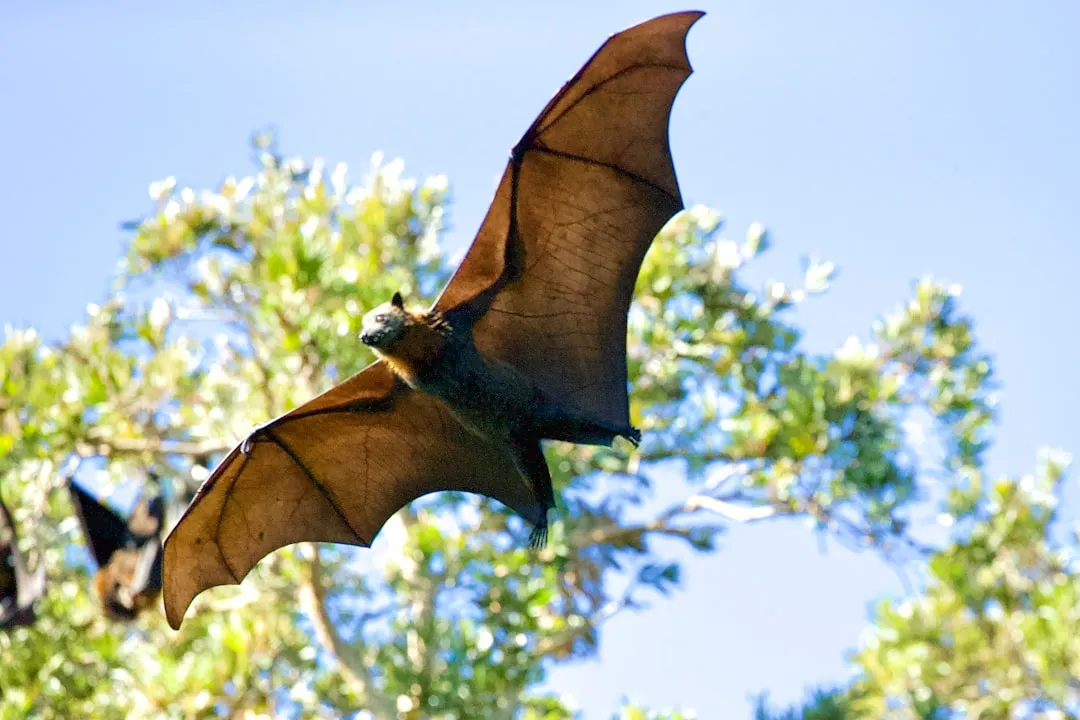
Vertebrate-mediated seed dispersal is probably the main long-distance dispersal mode. Through endozoochory, large mammals act as mobile links between habitats within and among forest patches. Larger animals generally travel greater distances between eating and defecating, which means seeds end up farther from their parent plant.
Folivore-frugivores, who rely more on leaves in their diet but also eat a large amount of fruit, rank among the better feeding guilds for increasing germination. In contrast, primates that include a significant fraction of insects in their diet did not significantly affect the percentage of seed germination and in fact delayed the germination process in some cases. The diet composition of the animal matters as much as the species itself.
Seed dispersers commonly have an effect on the germinability of seeds, or on the rate of germination, or both, in about half of the plants they consume, with data available from around 42 bird species, 28 non-flying mammals, 10 to 15 bats, 12 reptiles, and 2 fish species. The breadth of this list is a reminder that gut-passage dispersal is not a narrow quirk but a widespread ecological mechanism.
Not Every Seed Benefits: When Gut Passage Hurts
Animal ingestion generally expedites germination of hard seeds with thick endocarps or hard coats, but seeds with thin coats can be significantly affected by the proteolytic conditions in the animals’ digestive tracts and suffer reduced germination or even death. The same process that liberates one seed can destroy another. Plant traits that determine whether a seed survives the journey are therefore under strong evolutionary pressure.
The combination of plant and animal vector characteristics affects the probability with which the seed is eaten and survives the passage through the digestive tract. Among characteristics influencing survival in the digestive tract, seed traits are the main driver. The propagule must be able to survive rough mechanical and chemical conditions, including the molar mill and acidic environment in the stomach.
Enhancement of germination occurred about twice as often as inhibition across the broad range of species studied. Still, that is a meaningful share of cases where the gut journey works against the plant, which suggests the relationship has its costs and is not equally advantageous for every species.
The Role of Tapirs, Primates, and Ungulates
Results from germination trials showed that tapir endozoochory was associated with higher seed germinability and accelerated germination time compared to manually depulped seeds, likely because seed dormancy breaking is favored by the combined processes in the digestive tract. Tapirs are considered among the most important large seed dispersers still alive in the Neotropics today.
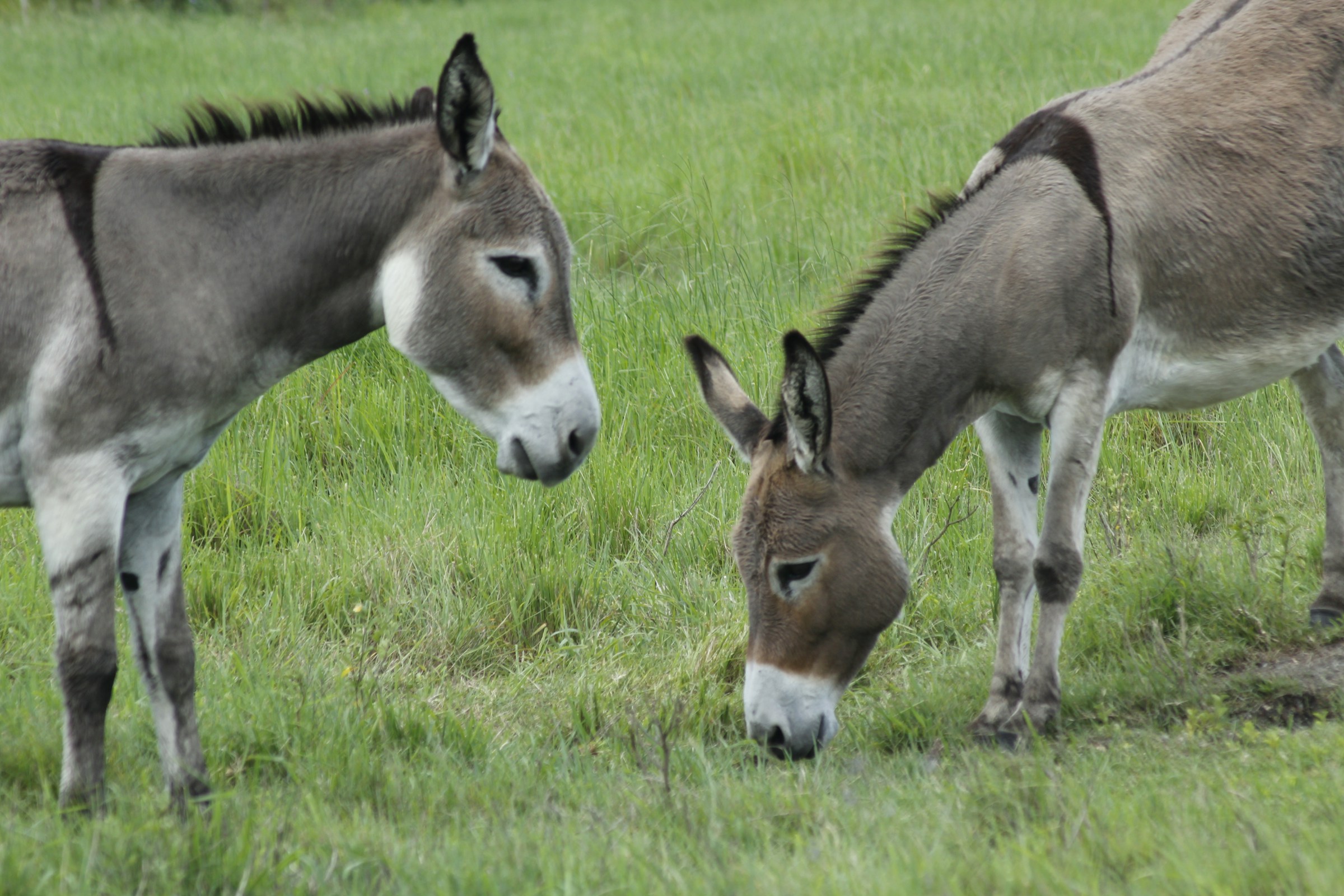
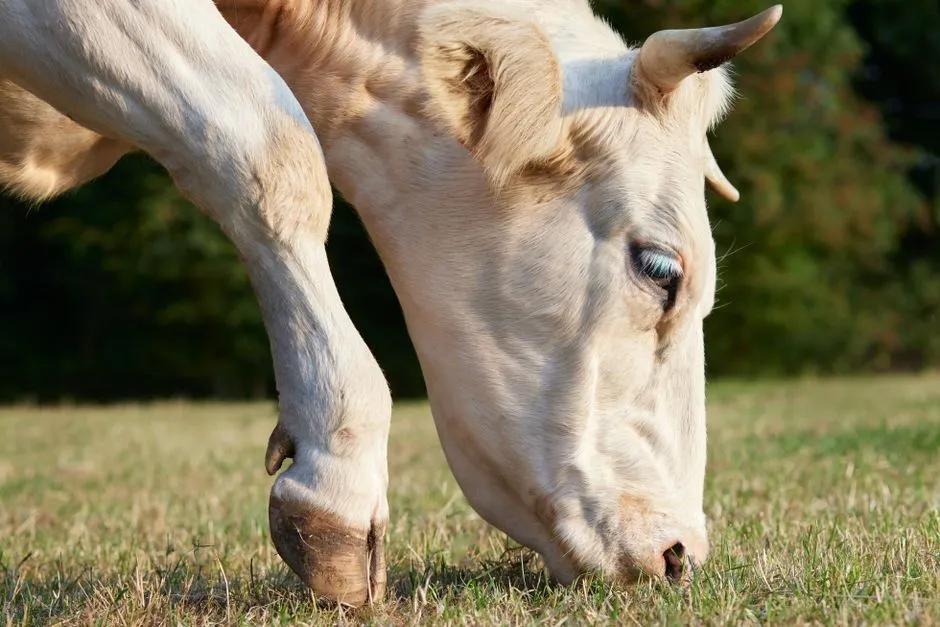
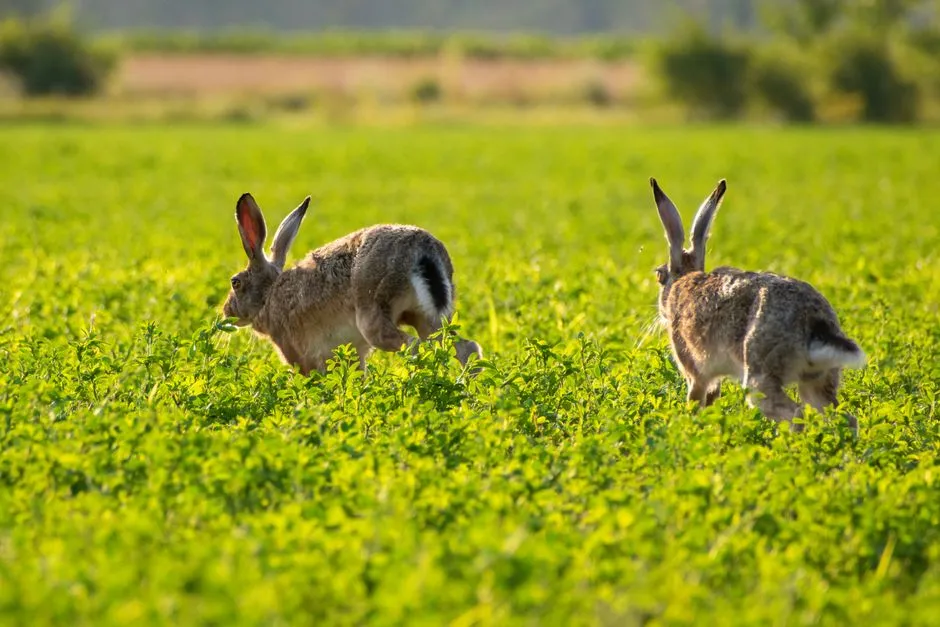
In a meta-analysis study, researchers found that seeds passing through the digestive tract of primates exhibited a germination rate roughly a third higher compared to those not ingested. For ungulates, the picture is more complex. Research recorded the highest germination rate after digestion by cattle, followed by goats and sheep, while other studies reported the highest germination rate after digestion by donkeys and rabbits, with no simple relationship between animal digestive system or body weight and germination rate of digested seeds.
Dispersal Distance and the Advantage of Moving Far
Being dispersed further away from the parent plants means the seeds are carried to an environment with less competition with parents and siblings, better light conditions, avoidance of predators and pathogens, and an opportunity to colonize new habitats. This benefit compounds the germination advantage. A seed that sprouts faster in better soil, far from crowded siblings, has a genuine head start in life.
The seed dispersal kernel of tapirs showed a distance value larger than that of foxes and howler monkeys, illustrating why body size matters so much. There is a trade-off between germination success and dispersal distance, since seeds that spend more time in the gut travel farther but may also suffer more acid damage along the way. Evolution, it turns out, has to negotiate that tension too.
What Happens When the Dispersers Disappear?
The downsizing of disperser assemblages by selective defaunation is a worldwide phenomenon thought to have important consequences for animal-dispersed plants. When large frugivores vanish from an ecosystem, the plants that depended on them for both gut-passage scarification and long-range transport are suddenly stranded, their seeds unable to travel or germinate as reliably as before.
Ongoing declines of large-bodied frugivores limit the dispersal of large-seeded plants, contributing to their local demise and the downsizing of seeds across assemblages. Research using structural equation models shows that assemblages with higher human pressure have smaller maximum seed sizes, especially through downsizing of extant frugivores. In Madagascar, the pattern is especially clear, where giant lemurs and elephant birds once moved enormous seeds that no living animal can now carry.
Megafauna extinction had several potential consequences, such as a scale shift reducing the seed dispersal distances, increasingly clumped spatial patterns, reduced geographic ranges and limited genetic variation and increased among-population structuring. Some of these plants have scraped by through alternative dispersers like rodents or water, but the full ecological role of the lost megafauna has not been replaced.
The Quiet Urgency of Conservation
The relationship between seeds and guts is not a biological footnote. It sits at the center of how forests regenerate, how plant populations stay genetically diverse, and how ecosystems recover after disturbance. Since large-seeded plants contribute substantially to carbon stocks, defaunation can jeopardize the maintenance of tropical forest carbon storage. The stakes reach well beyond botany.
The extirpation of megafrugivores from ecosystems may have cascading effects on the seed dispersal and thus connectivity of plant populations, especially for plants carrying large fruits that cannot be dispersed by the remaining smaller-bodied frugivores. Frugivore extinctions may therefore directly affect plant genetic diversity and genetic differentiation and the capacity of vertebrate-dispersed plants to track climate change.
Final Thoughts
There is something worth sitting with in this story. A seed that cannot sprout without first being swallowed is a seed that trusts the world to keep moving, to stay populated with the right animals in the right places. It is one of evolution’s longer bets, placed across millions of years and now being called in at a moment when the animals making good on that bet are disappearing faster than at almost any point in recent geological history.
Understanding why some seeds need an animal’s gut is not just a matter of ecological curiosity. It is a practical guide to what we stand to lose when we allow the living infrastructure of forests, the tapirs, the large primates, the fruit-eating birds, to thin out. The seeds are still there. The question is whether the animals that unlock them will be too.
AI Disclaimer: This article was created with the assistance of AI tools and reviewed by a human editor.