

The Scale of the Movement Is Hard to Ignore
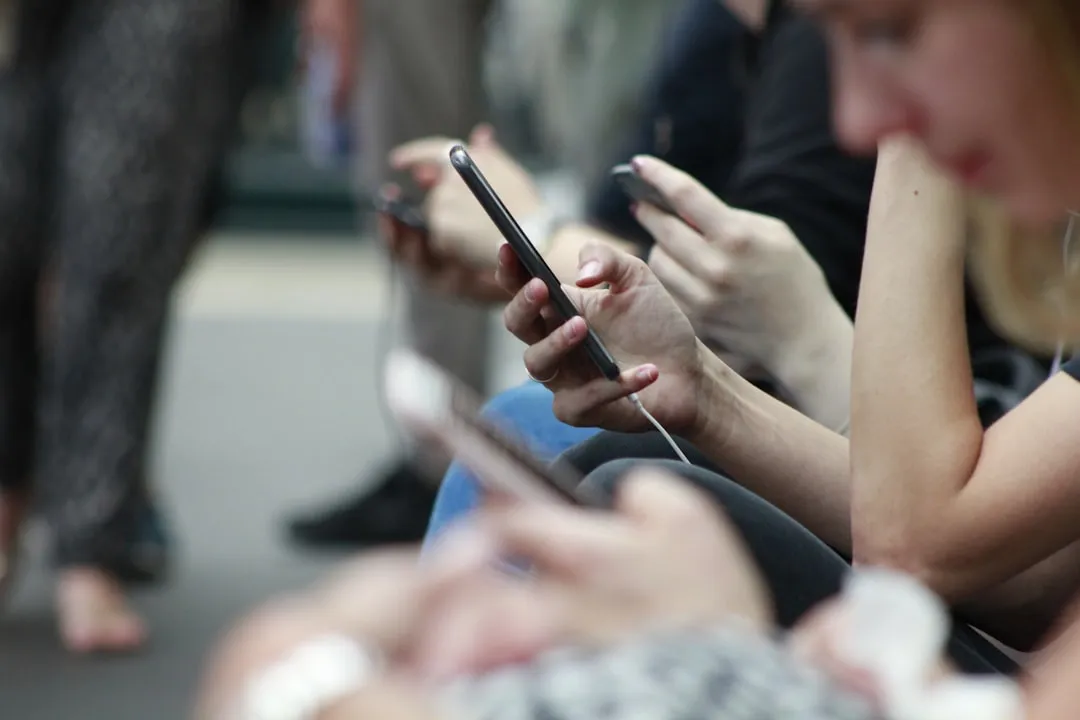
Between 2024 and 2025, almost two-thirds of U.S. states adopted a policy to restrict cell phone use during the school day. That’s a remarkable legislative sprint by any measure. As of October 2025, 31 states and the District of Columbia had required districts to limit or ban cell phone use in K–12 classrooms.
By 2024, nearly one-third of countries had enacted national cellphone bans in schools. The trend is clearly international, not just an American reaction. Florida was one of the earliest movers, enacting one of the nation’s most far-reaching policies to curb cellphone and social media use in schools in July 2023.
Why Teachers Were Already Frustrated
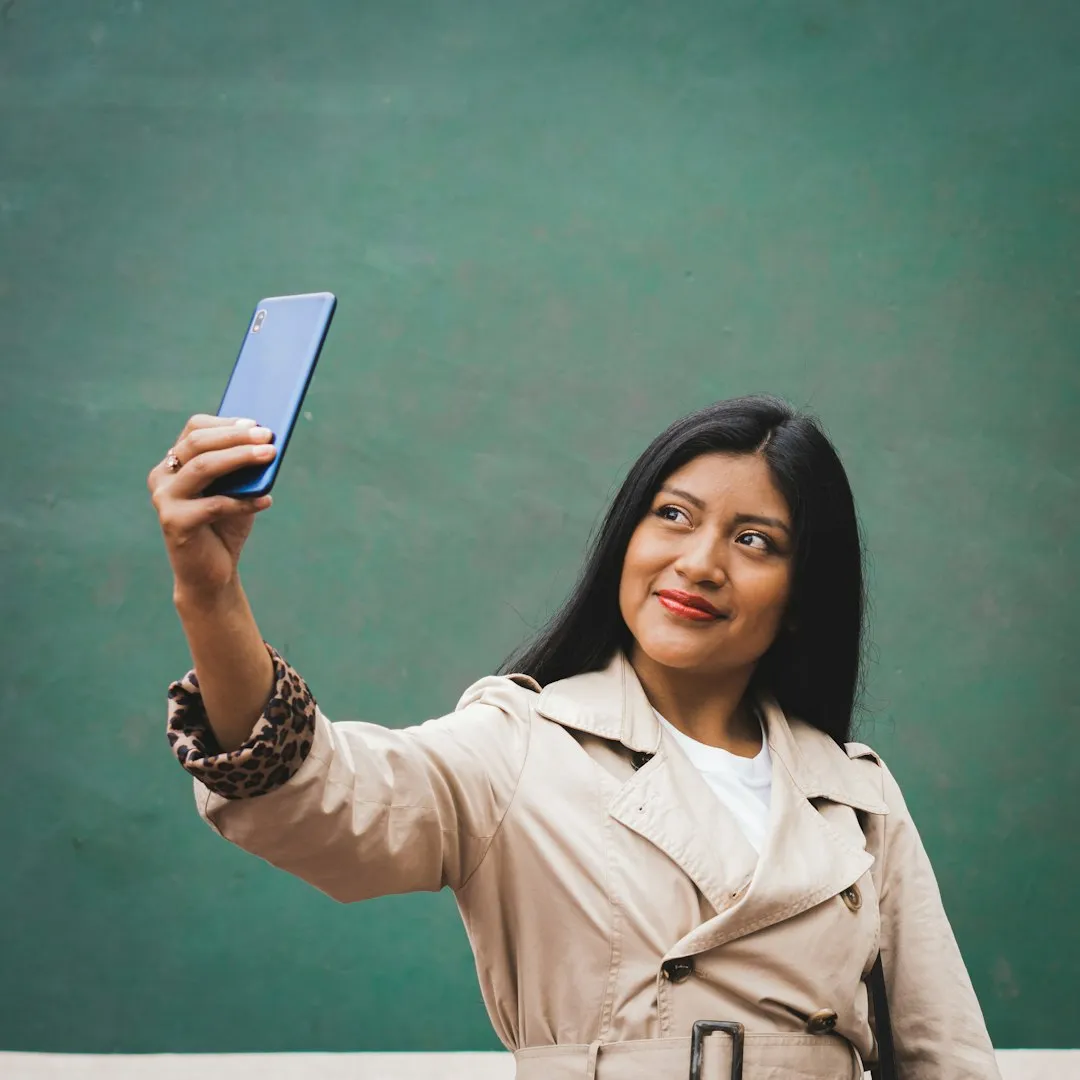
A 2024 Pew Research study found that about one in three teachers consider students distracted by cellphones “a major problem.” Among high school teachers, that figure rises sharply, to 72%. That’s not a minor complaint. For many educators, getting a lesson to land had become a constant battle against a glowing screen.
Research published in JAMA Pediatrics in 2025 found that students average 1.5 hours on phones during their approximately 6.5 school hours each day, with roughly one in four students exceeding 2 hours each day. The apps used most often included messaging, Instagram, video streaming, audio, and email – none of which have much to do with learning algebra.
What the Public Actually Thinks
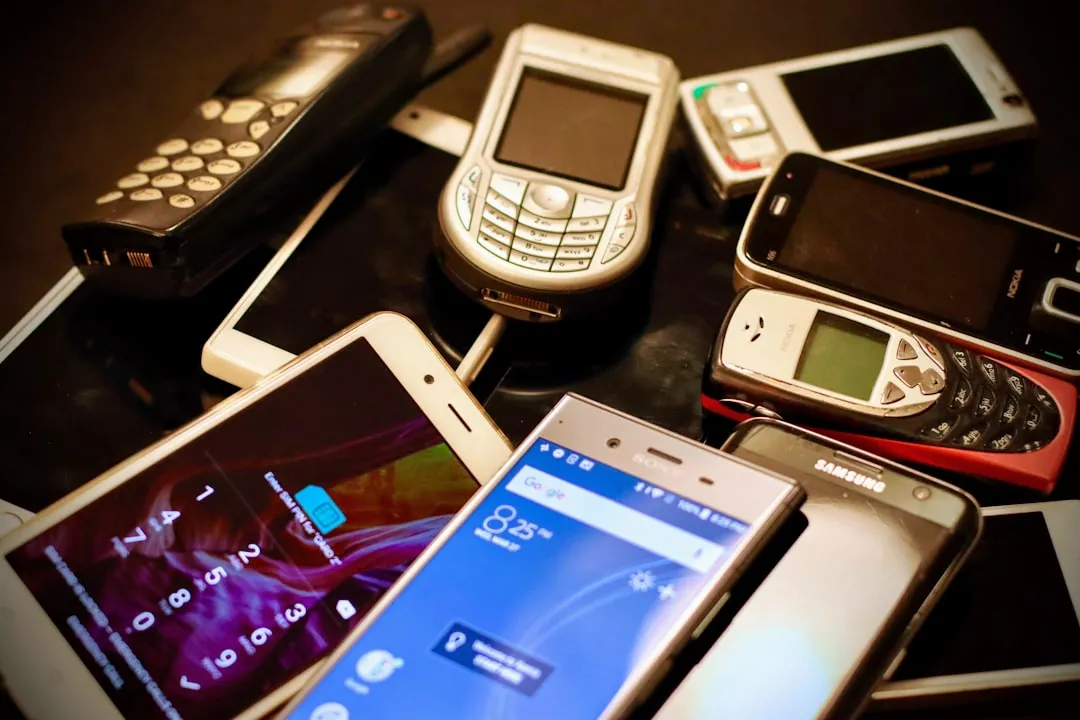
Pew researchers found that 74% of U.S. adults say they would support banning cellphones during class for middle and high school students, up from 68% the previous year. That’s a meaningful shift in public opinion within a short window of time.
Successful implementation of these policies includes clear expectations for students, parents, and teachers, consistent enforcement, and steadfast administrative support. Support at the public level, however, doesn’t always translate cleanly into school hallways. According to a 2024 EdChoice/Morning Consult poll, more than one-third of parents believed that their children should be allowed to have cell phones during class time. The debate is rarely as clean as a headline suggests.
Florida’s Experiment: The Most Concrete Evidence So Far

A landmark study released in October 2025, analyzing data from a large Florida school district, one of the first to implement a strict ban, provides the most concrete evidence of efficacy to date. The researchers tracked outcomes across two full academic years, which gave them enough data to look past the initial adjustment chaos.
There were no statistically significant changes in test scores during the first year of the ban, when disciplinary rates were high. During the second year, in contrast, test scores increased significantly, with positive effects concentrated during the spring semester, rising by an average of 1.1 percentiles. The researchers suggest this may be due to the higher stakes of spring tests, which can affect grade advancement and high school graduation.
The Gains Are Real, but They’re Not Uniform

Test score improvements were concentrated among male students, up by 1.4 percentiles on average, and among middle and high school students, up 1.3 percentiles on average. Female students, by contrast, saw no statistically significant change. That’s a detail that often gets lost in the broader enthusiasm for the policy.
In the second year of the ban, test scores improved by 1.1 percentiles more in schools that previously had high distraction rates. While 1.1 percentiles may seem small, in educational research, this is meaningful for a low-cost intervention. The cost comparison matters: phone pouches are cheap, and if gains are real even at a modest scale, the return is difficult to dismiss.
Early evidence suggests that the policy is associated with gains in academic achievement that are especially pronounced among low-income learners. That’s one of the more important data points in the entire debate, and it tends to get underreported.
A Separate Study Looked at Course Grades Directly
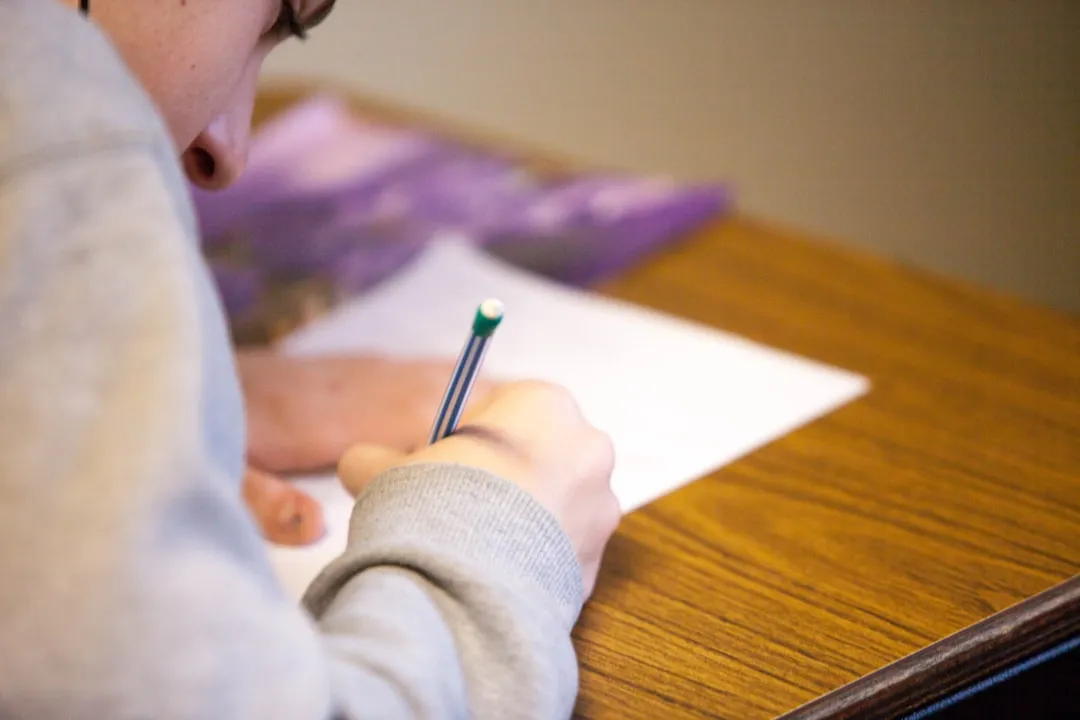
A 2024 study conducted by Yondr, a cell phone pouch company, examined more than 37,000 final course grades in middle and high schools collected before and after the implementation of phone restrictions. Results indicated that student academic success rates increased by 6.27% after implementing restrictions using the pouches, with a 38% increase in the probability of passing grades.
It’s worth noting that this study was conducted by a company that sells the pouches themselves, which adds a layer of caution to the interpretation. Still, the scale of data involved was substantial, and independent researchers have found patterns pointing in a similar direction. The convergence of multiple data sources, even imperfect ones, is meaningful.
Attendance Improved Too, and That May Explain Some of the Grade Gains
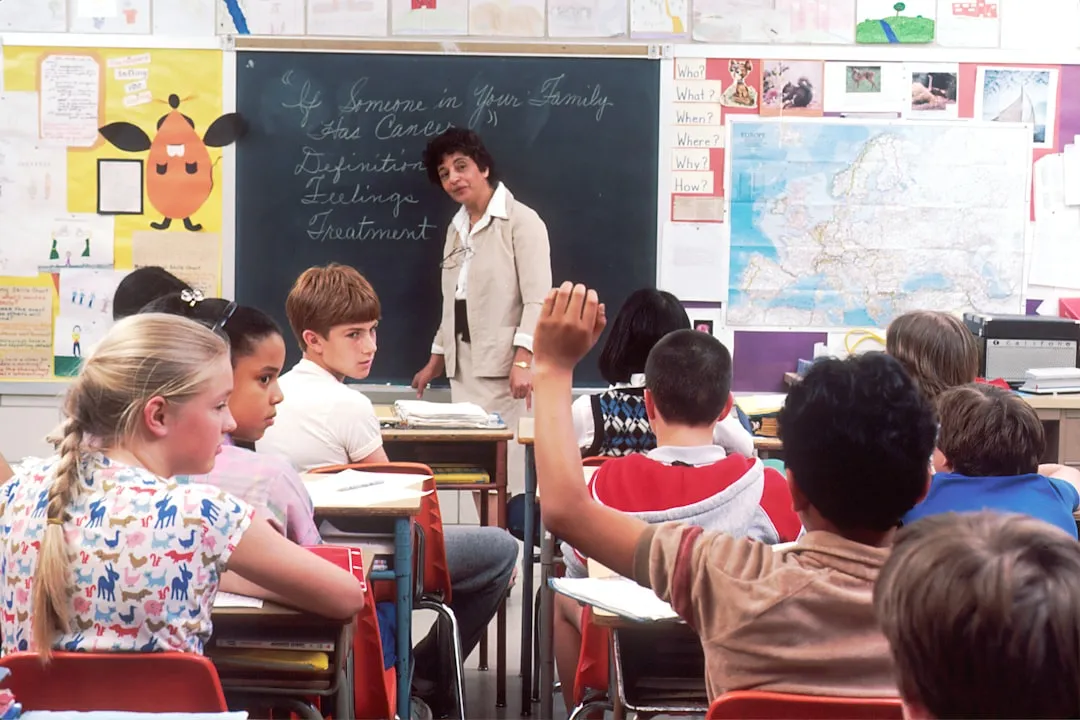
The ban improved middle and high school students’ attendance, in particular unexcused absences, which likely helped improve the test scores. That’s a connection that’s easy to overlook. Better attendance means more instructional time, which is one of the most direct levers schools have on outcomes.
Students demonstrated significant improvements in test scores and a substantial decrease in unexcused absences, especially in middle and high school settings, following the implementation of bans. The researchers posit that fewer absences may help explain the higher test scores, though other variables, like better focus, may also be contributing.
The First Year Is Rough: Discipline Spikes Before Things Settle
In the first year of adoption, schools that banned phones saw about a 16% increase in suspension rates, both in-school and out-of-school, but this effect faded in subsequent years. This is a pattern that shows up across multiple studies and is worth taking seriously. Removing something students are deeply attached to doesn’t go smoothly immediately.
The first year after the implementation of the bans saw a significant increase in student suspensions, with suspensions rising roughly a quarter overall that first year, and around 30% for Black male students. That disparity in disciplinary outcomes by race is a genuine concern that researchers have flagged. As schools keep their bans in place, however, indicators like student well-being and suspension rates improve. In the first year of the phone bans, students’ self-reported well-being dropped substantially as disciplinary rates rose, but within three years, students’ well-being was actually above what it was at baseline.
The Mental Health Question: Where the Evidence Gets Complicated
Students attending schools that ban the use of phones throughout the school day aren’t necessarily experiencing better mental health and well-being, as the first worldwide study of its kind found that just banning smartphones is not enough to tackle their negative impacts. In the landmark study published in the Lancet Regional Health Europe, 1,227 students from 30 schools across England provided data about smartphone and social media usage and a range of mental health and well-being outcomes.
There is no evidence that restrictive school policies are associated with overall phone and social media use or better mental wellbeing in adolescents, according to that Lancet study. While some studies show indirect benefits for student well-being, the evidence of direct benefits for student mental health is mixed. The classroom and the phone at home are two different problems, and a six-hour school ban doesn’t address the other 18 hours.
What Happens to Social Life When Phones Disappear
When KIPP NYC College Prep High School banned cell phones in 2024, the early implementation was rough. However, as weeks passed, they found gains in student learning, stronger engagement, and improved mental health. KIPP also reported student attendance at after-school and sporting events increased by 50%.
Renewed social habits during the school day led to increased social activity after school, even when students were no longer prohibited from using their phones. That’s a fascinating ripple effect: the ban during school hours appeared to restart face-to-face habits that then persisted once the bell rang. In a separate survey, most teachers supported similar policies, with 62% reporting improved student behavior, and many describing increased student engagement and stronger peer interaction due to reduced phone distractions.
The Biggest Lesson Bans Are Still Teaching
The irregularity of the research on phone bans suggests one should err on the side of caution when it comes to making broad claims of improved student performance, safety in schools, and attention span. The evidence is real but uneven, and the policy is often outpacing the science.
Over time, bans are associated with improved attendance and test scores, suggesting that reducing distractions can enhance student focus and academic performance. Schools can amplify these gains by linking cellphone policies with attendance interventions, advisory programs, or social-emotional supports that encourage sustained engagement. The phone, in other words, is not the only variable. The ban works best when schools also invest in making the classroom worth showing up to.
The Takeaway
The phone ban movement is real, large, and growing. The early academic data, especially from Florida and the national Yondr study, suggests measurable benefits in grades and attendance, particularly in the second year and beyond, and most strongly for students who were the heaviest users before the ban.
The mental health picture is murkier. Banning the device during school hours doesn’t undo the hours students spend on their screens each evening, and researchers are clear that the two problems need separate solutions. The ban is one tool, not a complete fix.
What’s emerging from the data is a consistent pattern: give it time, enforce it consistently, and pair it with genuine investment in the classroom environment. The grades aren’t changing because a phone disappeared from a pocket. They’re changing because attention, at least for a few hours a day, finally had somewhere else to go.
AI Disclaimer: This article was created with the assistance of AI tools and reviewed by a human editor.