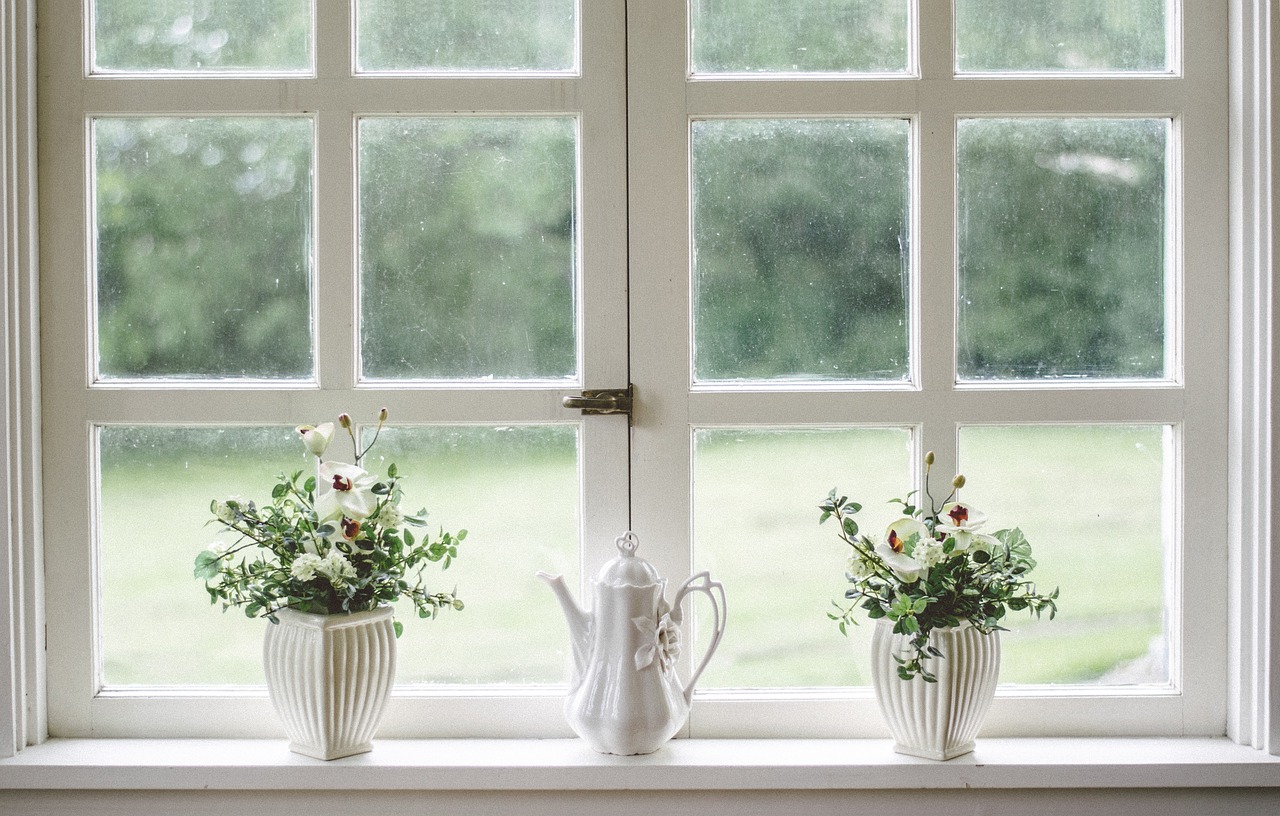

Walk into certain rooms and something shifts almost immediately. Your shoulders drop, your breathing slows, and you’re not entirely sure why. It’s not magic, and it’s not purely a matter of taste. A growing body of research in environmental psychology and neuroarchitecture is revealing exactly how and why the physical features of a space shape your emotional state, often before you’ve had a conscious thought about it.
Given that most people spend the majority of their time indoors, researchers have increased their interest in the connections between interior architecture and overall mental health. Research published in the International Journal of Environmental Research and Public Health confirms that most people have measurable psychological responses to their indoor environments. The implications for how we design and live in spaces are significant.
The Brain Reacts Before You Do

Colors and spatial features trigger immediate responses in the limbic system, the brain region responsible for emotions and behavior, before conscious processing occurs in higher cognitive centers. This is a key reason why a room’s effect on mood can feel instantaneous and almost physical. Clutter, for example, triggers measurable neurological responses within 200 milliseconds, activating stress pathways that elevate cortisol and worsen anxiety symptoms. Your nervous system is essentially doing a rapid audit of the room the moment you step inside, long before your rational mind catches up.
Clutter Is a Biological Stressor

Studies have shown that clutter increases cortisol levels, the body’s primary stress hormone. Physical clutter not only fills our spaces but also our minds, leading to mental fatigue, stress, irritability, and heightened anxiety. The effect is more direct than most people realize. Part of the reason clutter feels overwhelming is that every item represents work that needs to be done and a choice that needs to be made. All these decisions create a type of cognitive overload known as decision fatigue.
When examining clutter and mental health data across multiple studies, a consistent pattern emerges. Research published in the Personality and Social Psychology Bulletin suggests that cluttered environments correlate with cortisol elevations ranging from roughly 18 to 25 percent compared to organized spaces. The calmer rooms you’ve instinctively preferred are almost certainly the tidier ones.
Color Works on Your Nervous System

Evidence from a foundational study published in Color Research and Application showed a strong preference for cooler hues in interior spaces. Blue encourages serenity, trust, and concentration. Cool blues are perceived as calming and can support relaxation and focus, which makes them ideal for bedrooms, libraries, or study areas.
Green represents balance, growth, and connection with nature. It is often associated with reduced stress and mental fatigue, making it suitable for living rooms, offices, and wellness spaces. Studies in environmental psychology support this perception, though responses do vary across individuals. There is, however, an important nuance worth noting. Mood responses are context-dependent and influenced by light exposure, room use, and individual differences, which is why a beautifully lit neutral room can feel more restorative than a badly lit room painted in a supposedly calming shade.
Natural Light Does More Than Illuminate
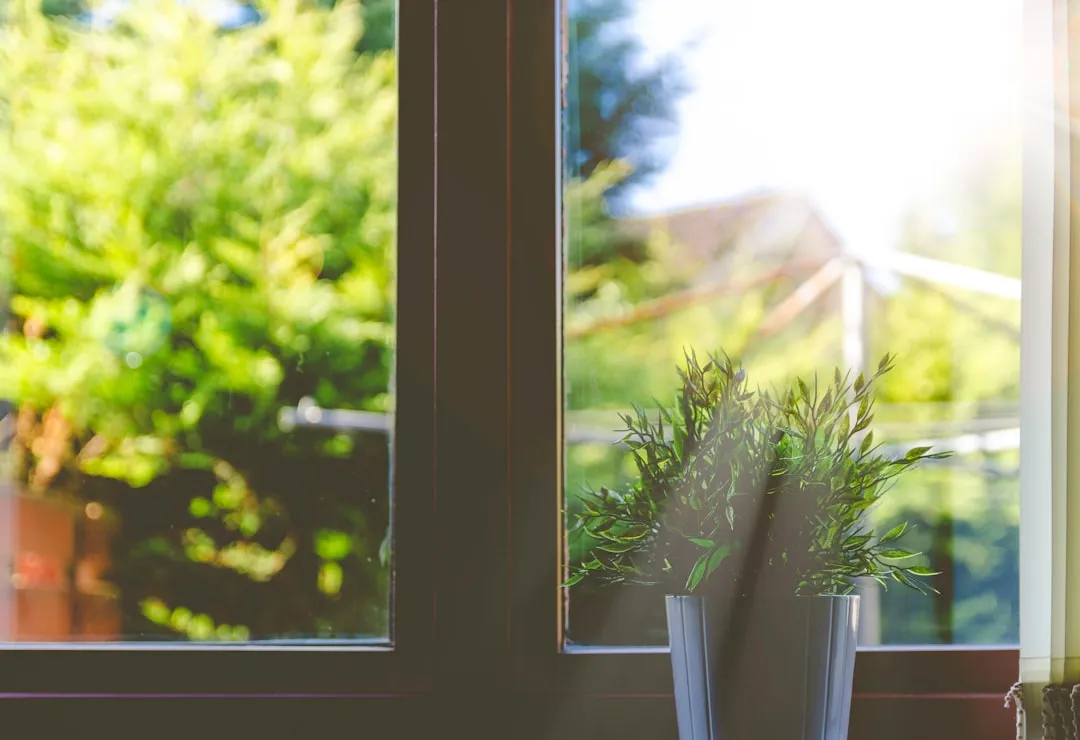
A 2025 review published in Management Strategies and Engineering Sciences reveals that natural light significantly enhances mood, reduces stress, and improves cognitive performance by regulating circadian rhythms and promoting visual comfort. The finding is consistent across multiple research traditions. Researchers highlight the critical role of daylight in reducing stress and supporting circadian regulation, noting that artificial lighting alone, even when evenly distributed, is insufficient for facilitating psychological restoration.
Beyond sleep, the quality of lighting has a significant impact on mood and productivity. Research reveals that well-lit environments with natural light, or artificial lighting designed to simulate daylight, can significantly improve emotional wellbeing and concentration levels. A room that feels calm often simply has better access to the sky.
Nature-Inspired Design Calms the Body Physically
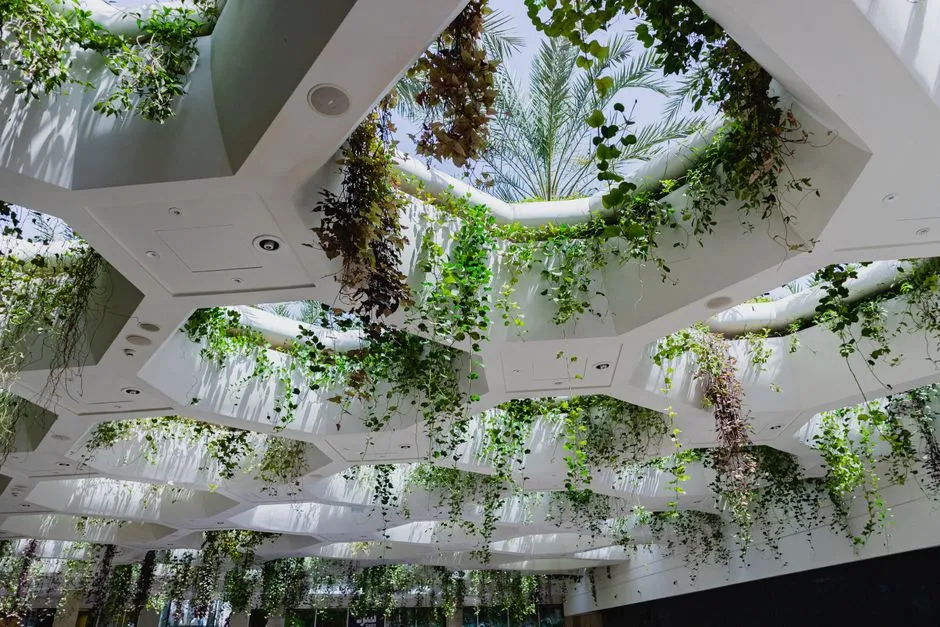
Research shows that nature-inspired rooms evoke more positive emotional states and lead to decreased levels of electrodermal activity, which is a direct physiological marker of relaxation. This is not just self-reported comfort. The stress response measurably drops. Biophilic design, which incorporates natural elements, reduces stress and enhances well-being. Terrapin Green’s 14 Patterns of Biophilic Design include elements like complexity, order, and thermal variability.
Across hospitals, eldercare residences, and other confined settings, biophilic strategies such as indoor vegetation, access to daylight, and nature-simulating systems have consistently improved mood, reduced anxiety, and enhanced cognitive resilience. In residential homes, even modest additions like a potted plant or a view of a garden can carry real physiological weight.
Curves and Shapes Signal Safety
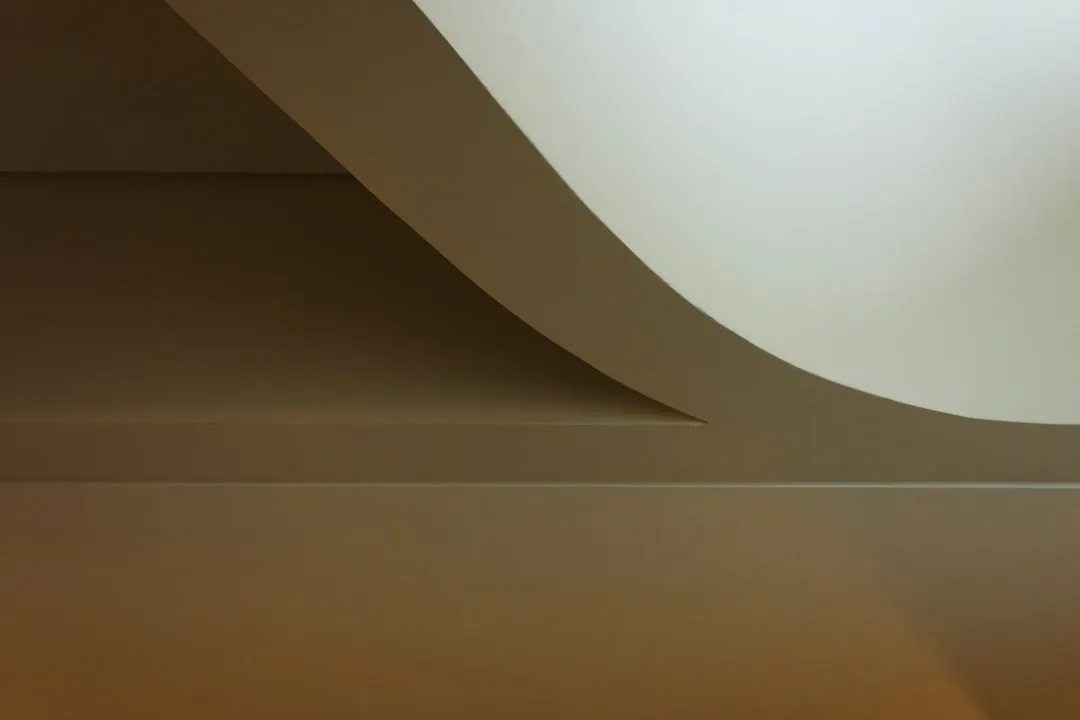
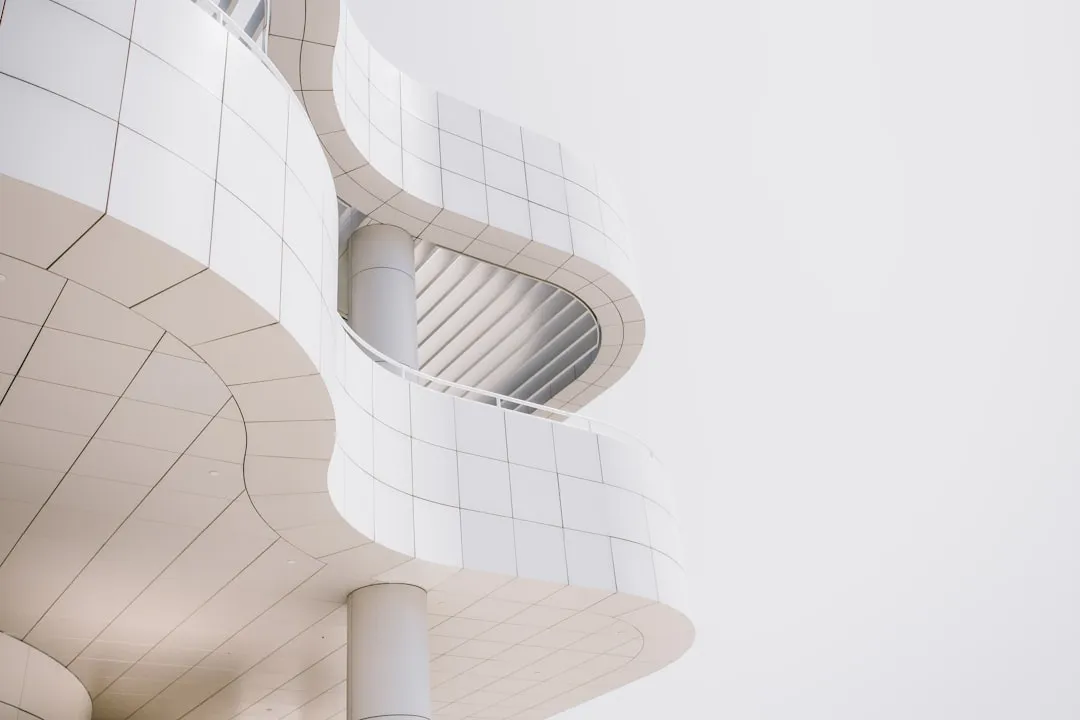
Research shows that people are more likely to linger in curved rooms, which feel more inviting and less threatening. The explanation runs deeper than aesthetics. Research suggests that incorporating curvy lines in upholstery or wavy wall textures can bring a sense of calm to a space. Rooms that incorporate curvy and rounded textures aid in a feeling of calm. On the other end, sharper textures can make a space seem more energetic, and angular shapes and hexagon patterns bring thoughts of action and movement.
This is partly why the sharp, hard-edged minimalism of certain design trends can feel energizing rather than restful, even when the space is spotlessly clean.
Texture and Material Carry Emotional Weight

Research from Jefferson University explores how sensory input specifically impacts the human experience. Studies have shown that textured materials like concrete, stone, and wood are often related to feelings of heaviness, strength, tradition, and a connection to nature.
Alternatively, smooth materials like glass, metal, or plastic are associated with feelings of calmness, modernity, and cleanliness. Many individual materials are characterized as warm or cold, as peaceful or welcoming, with a high degree of consistency. These associations are made whether a person is touching or simply viewing the materials in a room. Designers working with these material choices are, in effect, writing emotional cues into the space.
Privacy and the Sense of Control

When we feel that our personal space is being respected, we experience a sense of calm and improved well-being. Conversely, spaces lacking privacy can make us feel stressed or uneasy, as if we are exposed or vulnerable. People also prefer the edges of rooms to wide open, exposed spaces, where they feel more vulnerable.
When designers understand how layout, proxemics, and privacy impact behavior and emotions, they can create spaces that make us feel comfortable, productive, and mentally healthy. Using concepts such as defensible space theory, environments can be customized to meet users’ needs while giving them a sense of control and security. A room that offers a sheltered corner or a clear view of the door will almost always feel more calming than one that doesn’t.
The Circadian Complication of Cool Colors at Night

The color-calm relationship is real, but it’s also more complicated than popular design advice typically acknowledges. Research suggests that cooler hues such as blue appear to have an unfavorable effect on human circadian rhythm at night, especially when utilized in spaces that are used in the evening. This directly contradicts what psychologists and interior designers typically advocate in terms of soothing colors, as common design preferences for cool tones at bedtime may conflict with biological needs.
Cool colors, despite being perceived as psychologically calming, can intensify circadian disruption by reflecting more melanopically weighted light at night. This suggests that the color temperature of surfaces should be treated with the same level of importance as light source color temperature and intensity in circadian lighting design. The right calm color in the wrong room at the wrong time of day can quietly work against you.
The Honest Limits of Design Psychology
It would be misleading to suggest that a single paint color or a curved sofa can reliably transform anyone’s mental state. The emerging field of neuroarchitecture is working to address this by bringing the instruments of neuroscience into the study of built space. Functional MRI, electroencephalography, heart rate variability, galvanic skin response, and cortisol measurement all offer more reliable data than self-reported comfort. Instead of asking whether a room feels stressful, researchers can now measure the stress hormones the room actually produces.
Feelings about color and space are often deeply personal and rooted in individual experience or culture. The psychological effects of interior design will vary from person to person, though some responses do appear to hold across broader populations. A calm room is rarely the product of one single decision. It’s the outcome of many small, considered choices that happen to work together.
The Takeaway

The rooms that feel instantly calmer are not accidental. Custom design based on psychological principles can significantly improve people’s well-being in a space. When designers understand how layout, proxemics, and privacy impact behavior and emotions, they can create spaces that make us feel comfortable, productive, and mentally healthy.
The cleaner the space, the softer the shapes, the closer the connection to natural light and organic materials, and the more considered the sense of privacy, the more reliably a room will signal safety to your nervous system. None of this requires a full renovation. It requires paying attention to what your body is already telling you the moment you walk through the door.
AI Disclaimer: This article was created with the assistance of AI tools and reviewed by a human editor.