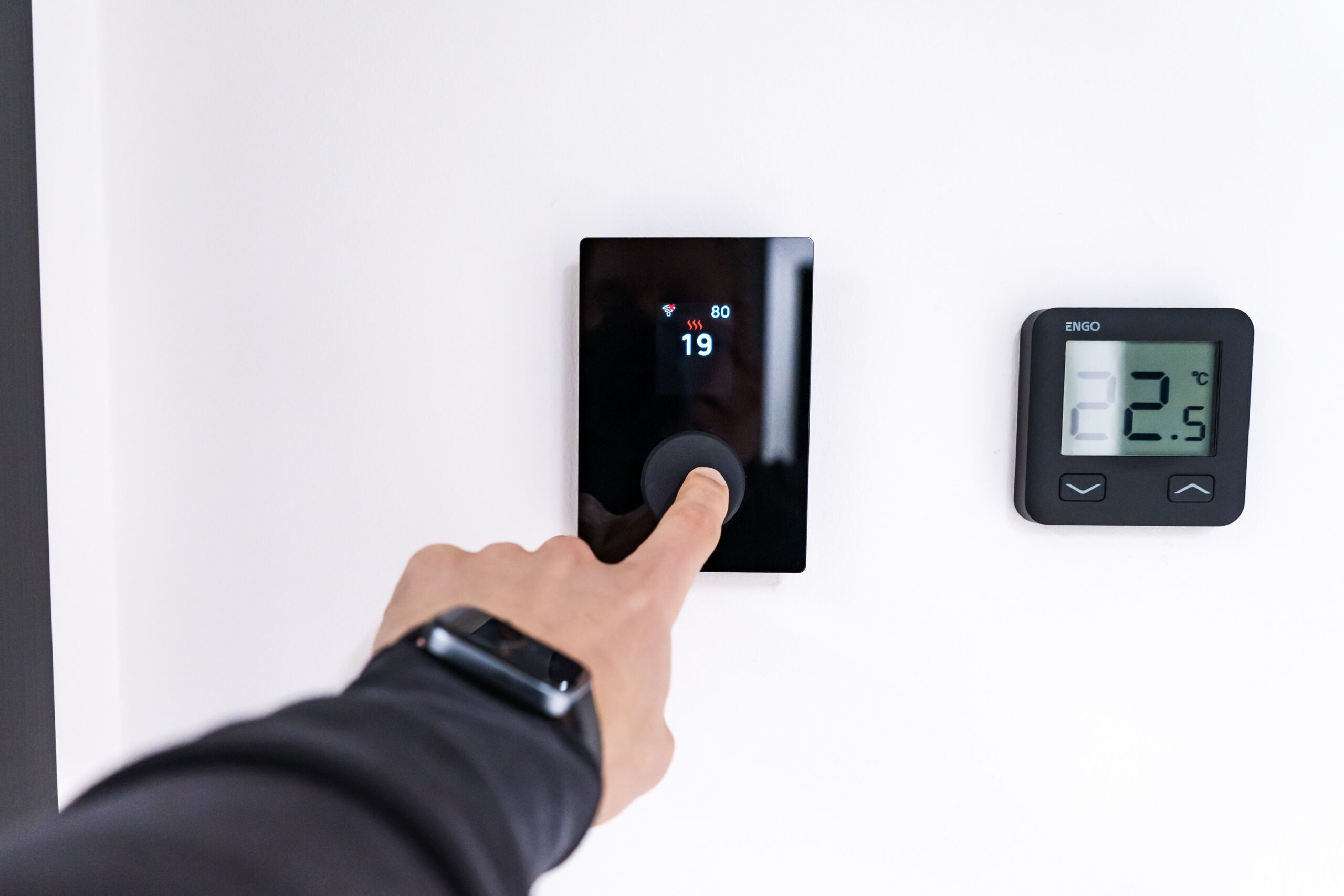

You set the thermostat to a comfortable temperature, you walk into the bedroom, and it feels like a different building entirely. It’s not your imagination playing tricks, and it’s not necessarily a broken heater. The gap between what the thermostat reads and what your body actually experiences is real, measurable, and driven by a handful of well-understood physical and biological factors. Once you know what to look for, a genuinely cold room becomes a solvable problem.
The Thermostat Measures Air, Not Comfort
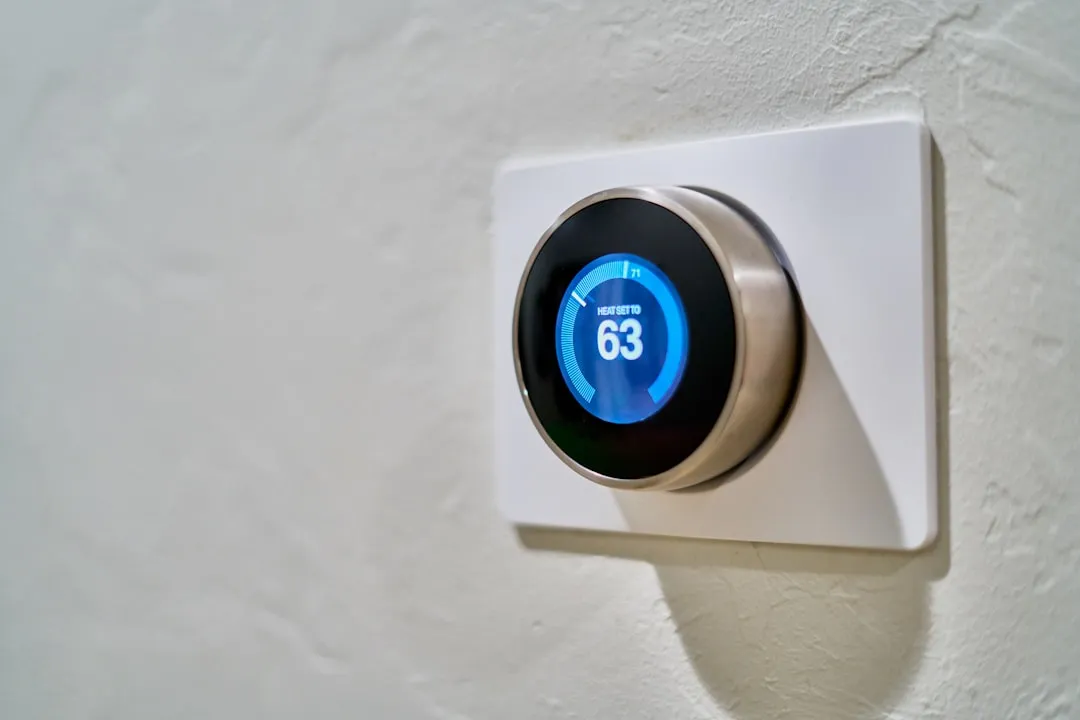
The temperature displayed on your thermostat measures air temperature, not how warm your body actually feels. That’s a meaningful distinction. A person’s sensation of warmth is influenced by several main physical parameters: air temperature, mean radiant temperature, relative air speed, and humidity.
This combination of factors creates what researchers call the “perceived temperature,” which is what our body actually feels, not always what the thermometer reads. A thermostat placed in a centrally located hallway may report 70°F with confidence, while the spare bedroom at the end of the house sits several degrees colder. The number on the wall is only telling part of the story.
Radiant Heat from Surfaces Makes a Bigger Difference Than Most People Realize
Mean radiant temperature is the average temperature of all the surfaces surrounding us: ceiling, windows, walls, and floor. Cold walls and uninsulated windows continuously pull heat away from your body through radiation, even when the air in the room is nominally warm.
This is why it’s possible to feel cold in a 72°F room when seated near a cool window or wall, and why insulated or radiant-heated floors make you feel more comfortable. For radiant heat to move between an object and the human body, it needs an uninterrupted line of sight, so ceilings and unobstructed windows have an outsized influence on the radiant temperature experienced in a specific place in a house. The physics here are straightforward: heat moves from warm bodies to colder surfaces, constantly and silently.
Leaky Ductwork Is Quietly Stealing Your Warmth
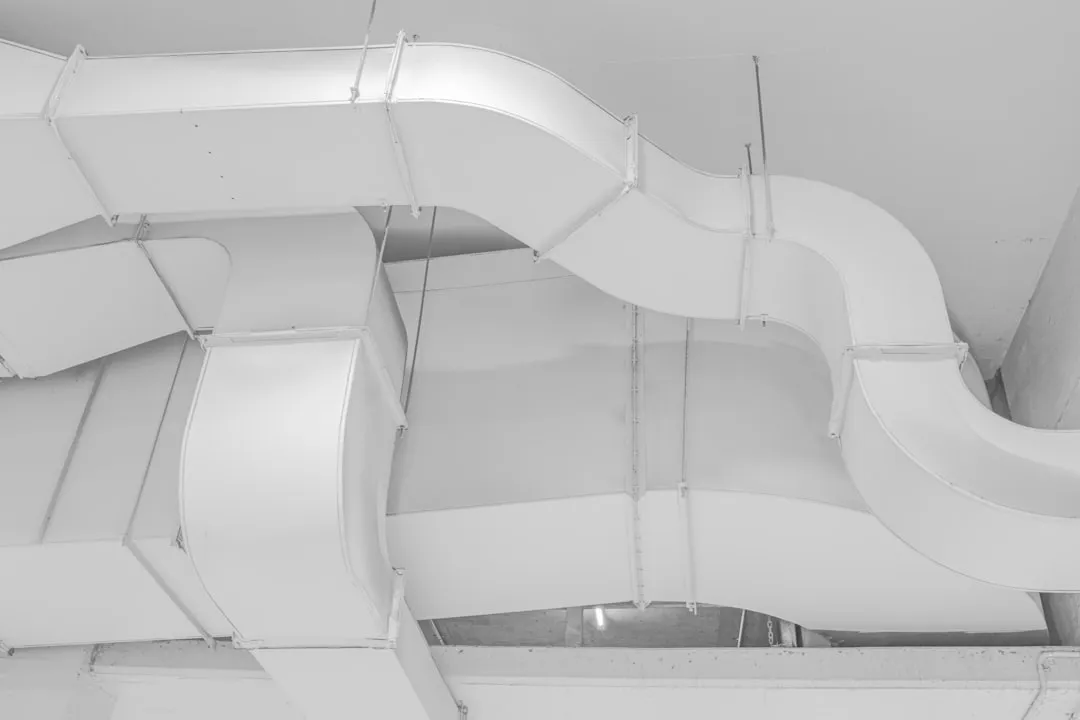
According to Energy Star and the EPA, houses with forced-air heating and cooling systems experience significant air leakage. In a typical house, approximately 20 to 30% of the air moving through the duct system is lost due to leaks, poor connections, splits, and holes. That’s a substantial portion of heated air that never reaches the rooms that need it most.
Duct leakage in existing homes can range from 12% to 35%, and most American houses have poor-quality flex duct running outside of the envelope into attics and crawlspaces, typically leaking an average of about 20%. Rooms that are far away from the HVAC unit are the most affected by duct leakage. The result is a room that feels perpetually cold no matter how high the thermostat climbs.
Where the Thermostat Lives in Your Home Actually Matters
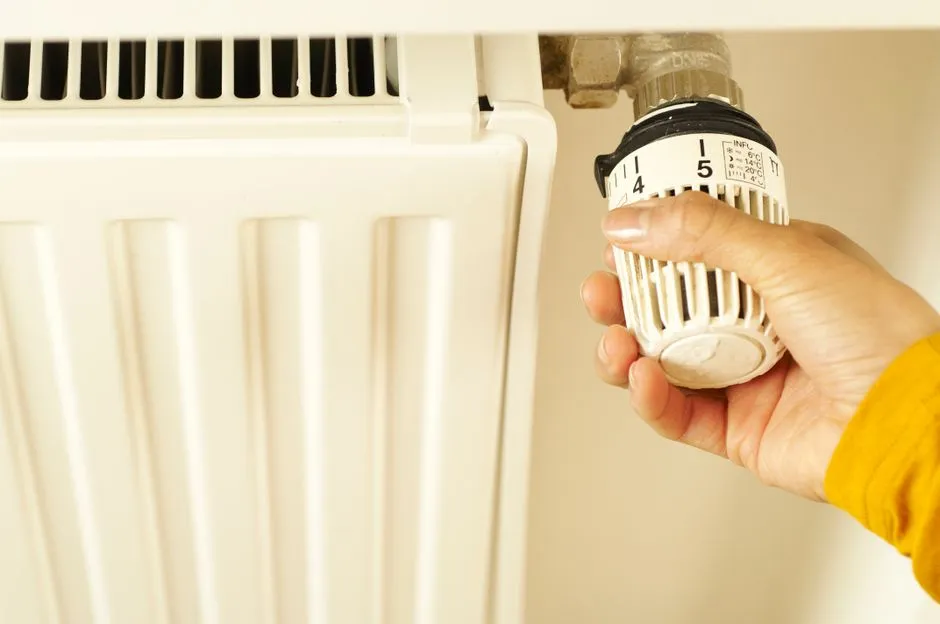
If your thermostat is located in a warmer area of the home, it may register that the desired temperature has been reached even though other rooms are still cold. This is one of the more frustrating mismatches in home comfort, because the system believes its job is done while a bedroom down the hall remains chilly.
Placing the thermostat near appliances like ovens or heaters can cause it to register higher temperatures than the actual room temperature, and direct exposure to sunlight can cause the thermostat to overestimate the indoor temperature, leading to inadequate heating. Positioning the thermostat centrally means it gets an average reading of the home’s temperature, which promotes more even heating.
Air Leaks Around Windows and Doors Let the Cold Creep In
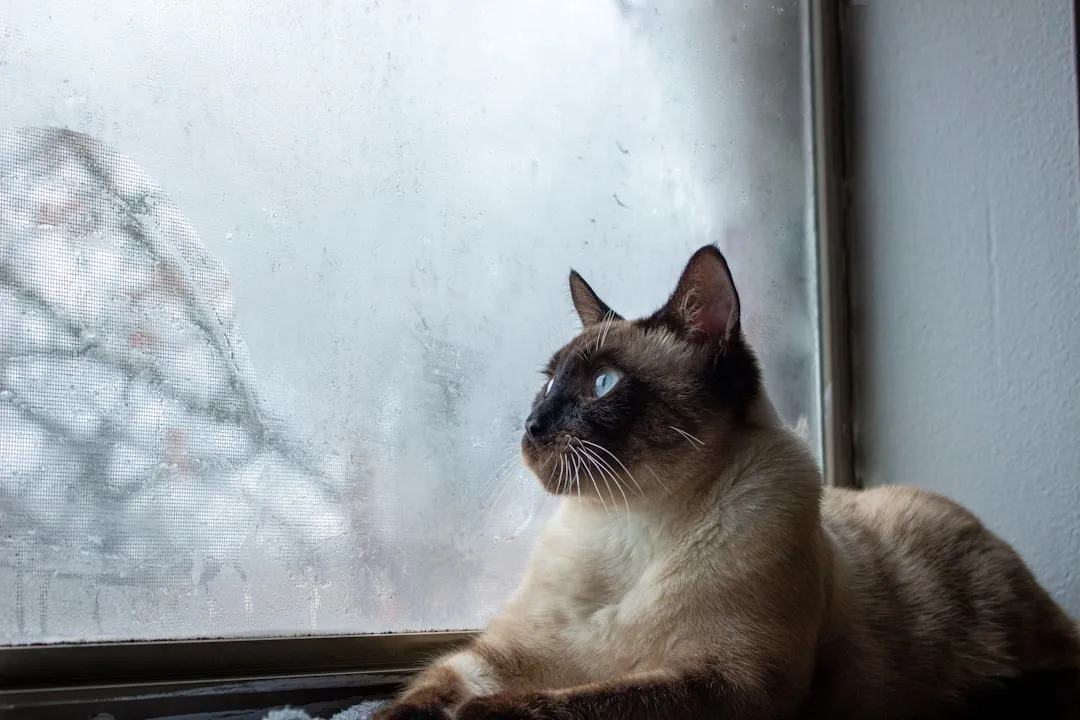
Air leaks through windows and doors are common culprits for creating temperature imbalances within a home. When warm air escapes through gaps around windows and doors during winter, or cold air enters due to poor seals, it affects how each room is heated by the HVAC system.
House leakage can account for approximately 15% of the heating and cooling load, if not more. Some of the largest problems occur at the ceiling through penetrations such as HVAC chases, plumbing, light fixtures, and HVAC grilles. A room with older window frames, a poorly sealed exterior door, or a drafty fireplace flue will lose warmth faster than the heating system can replace it.
Humidity Levels Shape How Warm a Room Feels
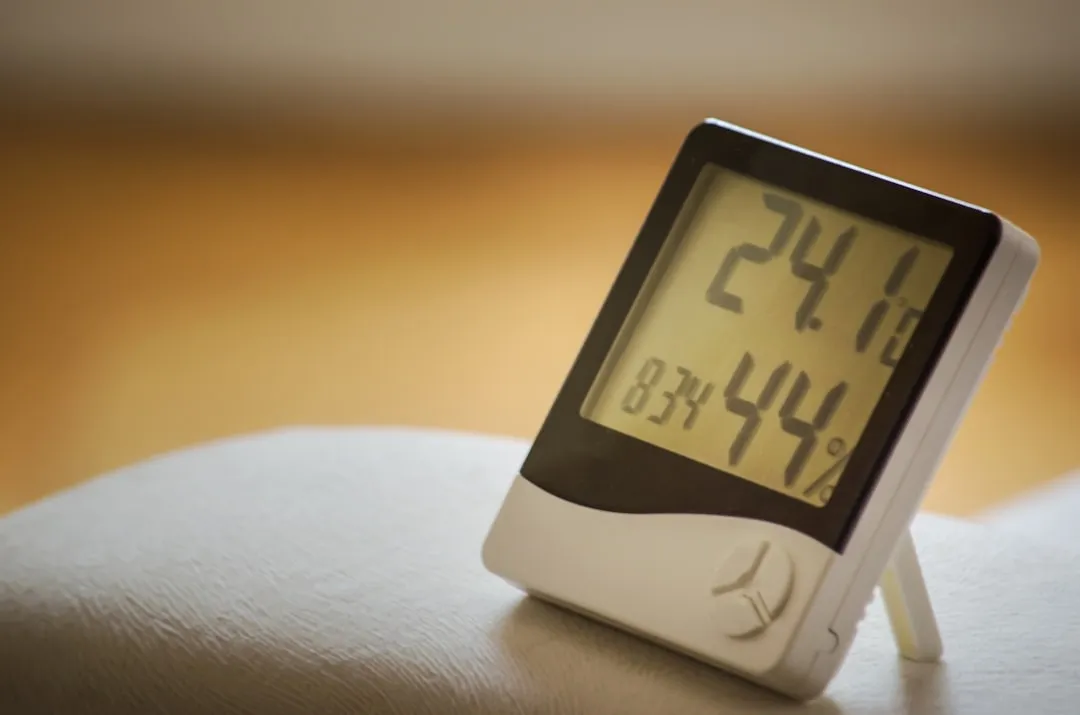
When air is damp, it pulls heat from your skin more quickly, which can make cool rooms feel colder than dry ones. The reverse is also true: very dry air in winter can feel crisper and more uncomfortable even at the same temperature. Both extremes interfere with how the body regulates heat.
Humidity, ideally controlled to a target of 35% to 55%, keeps things like air quality, bacteria, fungus, and viruses in check, while also providing respiratory, eye, and skin comfort and decreasing condensation on windows and drywall. Relative humidity has a measurable impact on occupants’ thermal sensation, and research consistently ranks it among the top contributing factors to perceived indoor temperature. A simple hygrometer can reveal if this is part of your problem.
HVAC System Size and Short Cycling
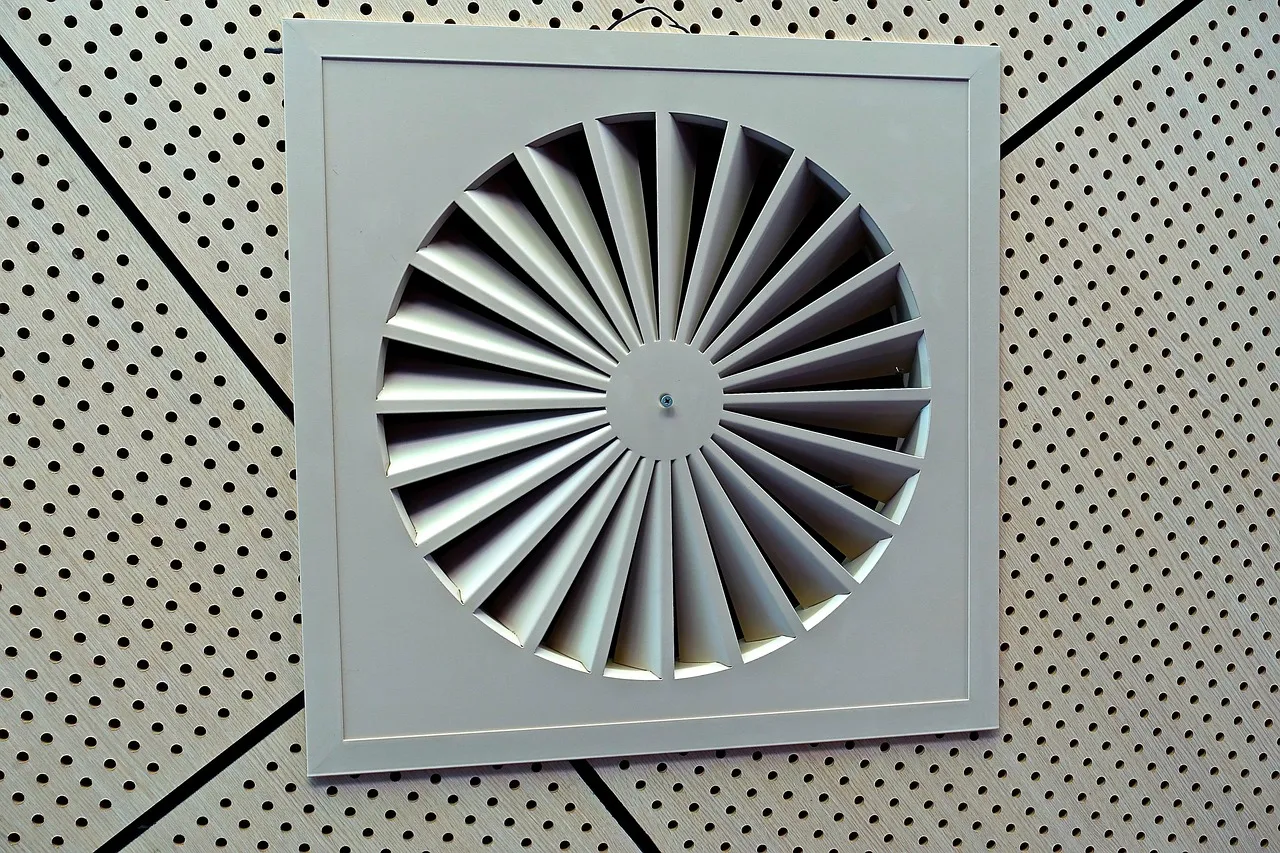
Your furnace or heat pump needs to be properly sized for your home’s square footage and layout. If it’s too small, it may struggle to maintain even heating, leaving rooms at the end of the duct system colder. Conversely, an oversized system can short cycle, turning on and off too quickly before distributing heat evenly throughout the house.
Short cycling is a particularly sneaky problem because the system appears to be running normally. It reaches the thermostat’s target temperature near the unit quickly, shuts off, and distant rooms never receive a full, sustained flow of warm air. This uneven heating can be especially noticeable in multi-story homes, where heat naturally rises and leaves lower levels cooler.
Dirty Filters and Blocked Airflow Reduce Output Room by Room

The filter in your furnace or heat pump traps airborne contaminants, keeping them from cycling back into your indoor space. However, you’ll need to replace or clean the filter from time to time. Otherwise, a thick layer of dirt forms a protective film on the filter, lowering the volume of air your heating system can process and deliver.
This can lead to certain areas being warmer or colder than others due to poor airflow. When rooms are not receiving adequate airflow from the HVAC system, they tend to be either too hot or too cold compared to other spaces in the building. A clogged filter is one of the easiest problems to fix, yet one of the most commonly overlooked reasons a specific room stays cold.
Individual Biology and Age Change the Experience

Thermal sensations are different among people, even in the same environment. Two people sitting in the same room, at the same thermostat setting, can have genuinely different physical experiences of cold. This isn’t a matter of opinion; it reflects real physiological differences.
Age plays a role: as metabolism slows over time, the body generates less internal heat. Hormonal differences also affect temperature perception. On average, women tend to feel cold more quickly than men due to differences in body composition, circulation, and hormonal regulation. The thermal comfort temperature range also varies depending on climatic features, ventilation mode, type of building, and age of the study population. Elderly people and younger children have distinctive thermal acceptability.
The Science of Perceived Temperature and Research Findings
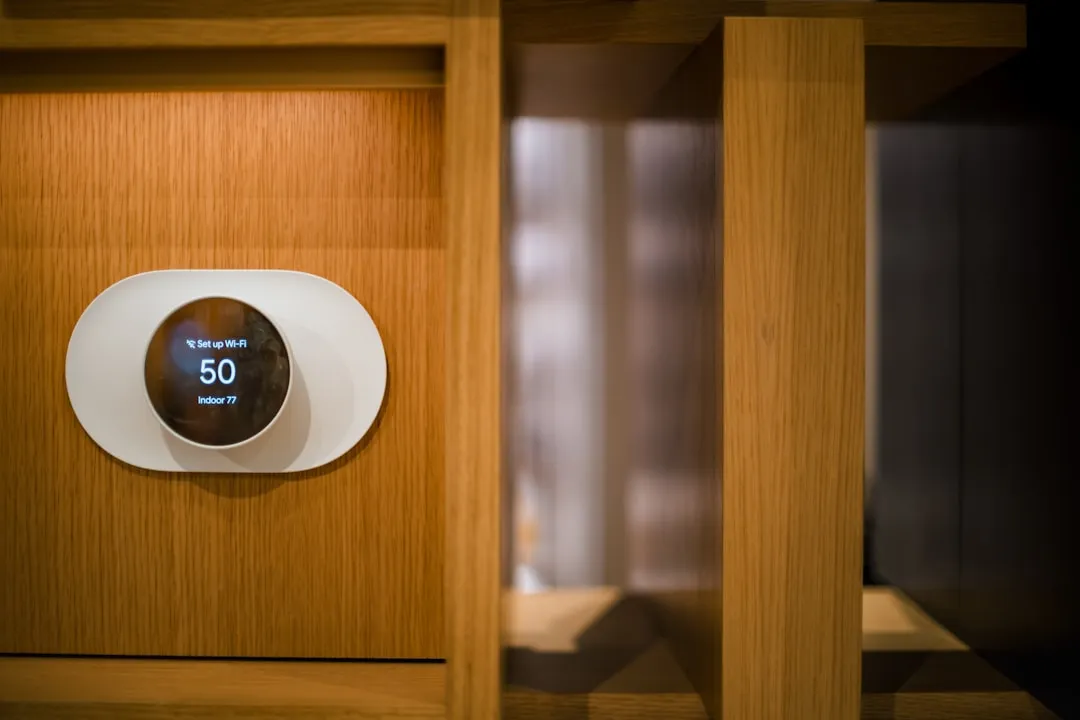
Research reveals that air temperature, radiant asymmetry caused by envelopes, and relative humidity are the three most significant factors affecting thermal discomfort, with weights of 0.376, 0.209, and 0.194, respectively. That means radiant surface temperature and humidity together account for nearly as much perceived discomfort as air temperature itself. The thermostat only directly controls one of those three.
Factors that affect the Predictive Mean Vote comfort index are metabolic rate, clothing insulation, air temperature, mean radiant temperature, air speed, and relative humidity. Despite advancements in thermal comfort technologies and the amount of energy used to provide it, most building occupants are not satisfied with the thermal environment in their building, with too-hot and too-cold temperatures cited as the main catalysts for discomfort. Comfort, in other words, is a multi-variable problem that a single thermostat reading can’t fully capture.
The Takeaway
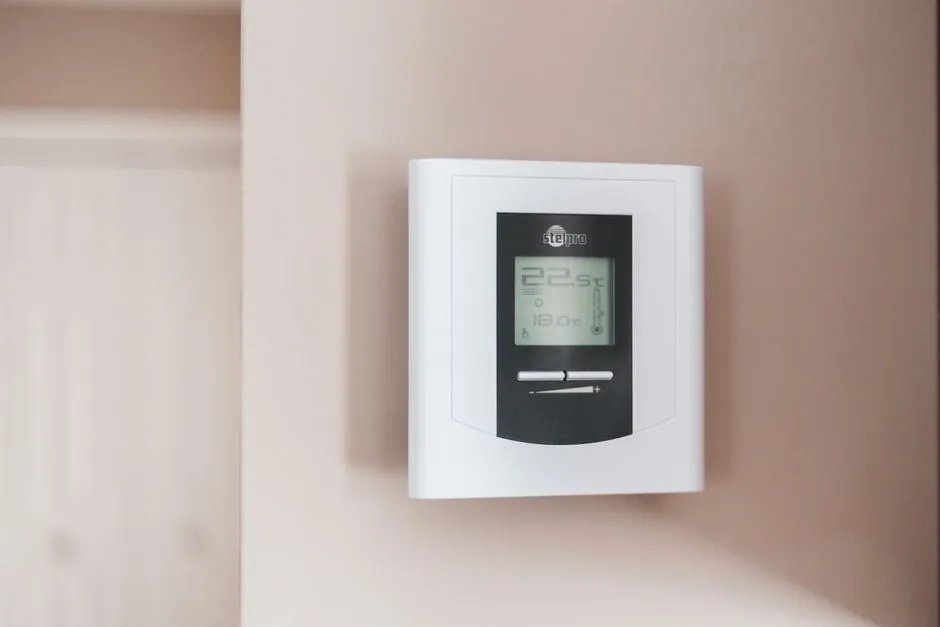
A cold room is rarely the result of just one thing. It tends to be a quiet accumulation of factors: cold surfaces radiating heat away from you, a thermostat positioned too far from the problem area, air leaking through duct joints or window seals, or humidity that’s slightly off in one direction or another. Understanding which factor is at work in your specific room changes a vague complaint into a fixable condition.
The thermostat number was never meant to be the final word on how comfortable a space feels. It’s a starting point. Feeling colder in one room than another isn’t just a quirk of the thermostat, nor is it always a problem with the heating system. It’s a combination of physics, humidity, surfaces, and psychological perception, and understanding these mechanisms allows us to act knowledgeably to improve our comfort. Start with the surfaces. Check the ducts. Then look at the air you can’t see.
AI Disclaimer: This article was created with the assistance of AI tools and reviewed by a human editor.