

The Numbers Behind the Struggle

Depression after retirement is more common than most people expect. It’s estimated that close to one in three retirees in the United States develops symptoms of depression at this stage of life. That’s a striking figure for a life event that nearly everyone looks forward to.
Research shows that retirees are approximately 40 percent more likely to experience depression than adults who are still working. The gap is wide enough to matter, and it tends to appear sooner than most new retirees anticipate.
A 2025 survey from the Financial Planning Association found that only around half of financial planners believe their clients are financially prepared for retirement – and just 11 percent believe their clients are emotionally prepared. The emotional side of this transition is dramatically underestimated, even by the professionals guiding people through it.
When the Honeymoon Phase Ends

Many new retirees find that after a few months the novelty of being on a permanent vacation starts to wear off. They begin to miss the sense of identity, meaning, and purpose that came with their job, the structure it gave their days, or the social aspect of having colleagues. Instead of feeling free and fulfilled, they feel depressed, aimless, and isolated.
The shift tends to hit around that four to six month mark – not at the very beginning, and not years later. The initial excitement carries people through the first weeks. It’s when that excitement fades and no new structure has taken its place that the difficulty really sets in.
A 2024 report from the Transamerica Center for Retirement Studies found that while most retirees reported generally happy lives, roughly three in ten said they had trouble making ends meet, 27 percent felt unmotivated and overwhelmed, nearly a quarter felt anxious and depressed, and 17 percent were isolated and lonely. These aren’t rare edge cases. They reflect a wide pattern.
The Identity Problem at the Core

One of the most profound challenges faced by retirees is the post-retirement identity crisis, where individuals struggle to redefine their sense of self once their professional roles are no longer central to their lives. This transition can lead to feelings of purposelessness, loss of identity, and increased vulnerability to mental health issues such as depression, anxiety, and loneliness.
The psychological concept of “role identity” suggests that a person’s sense of self is often shaped by the roles they occupy in society. Someone who identifies strongly with their role as a doctor, teacher, or lawyer may derive much of their self-worth and social interaction from their occupation. When this role is suddenly removed after retirement, it can lead to a loss of purpose, self-esteem, and meaning.
A 2024 research paper published in ENTRENOVA found that the transition and adjustment to retirement was particularly difficult for individuals with a strong work identity. The stronger the tie, the harder the landing.
When Structure Disappears
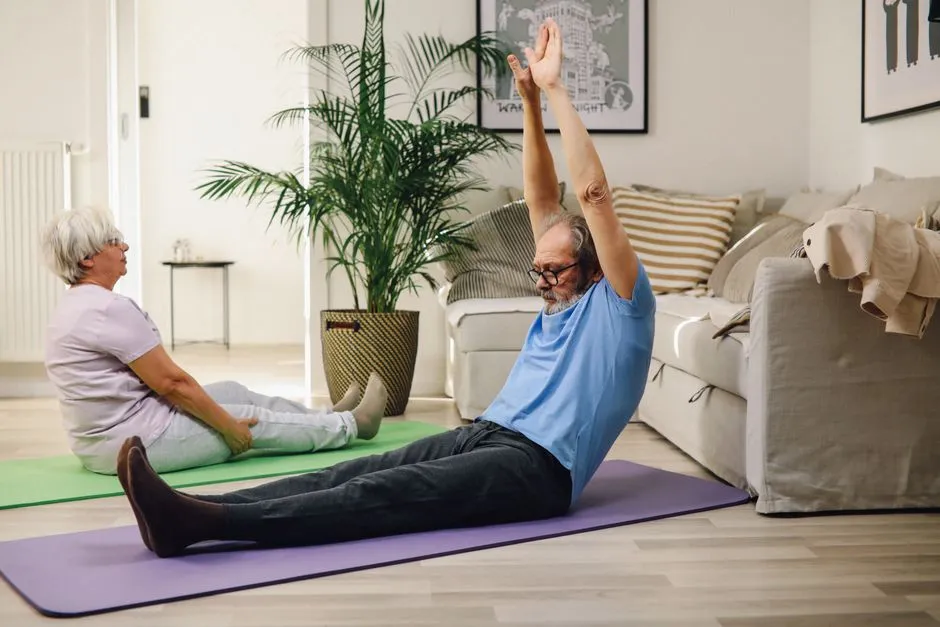
The most common manifestations of depression in retirement are the absence of a routine and the loss of identity. For many people, work has been the organizing factor in their life – what time they got up, when they ate, the timing of vacations, when to sleep at night were all dictated by the structure of work. The disappearance of this organizing concept can leave a lot of people feeling untethered and lost.
This is not a minor inconvenience. When routine collapses, so does a lot of the invisible scaffolding that kept daily life coherent. Sleep patterns shift. Meals become irregular. Days blur together.
Retirement may entail the loss of daily routines, physical and mental activity, sense of identity and purpose, social interactions and connections, and a reduction in income. Mental health and well-being can be significantly affected by retirement because of the disconnection from those job aspects, such as cognitive and physical activity, daily routine, and access to a stable social network.
Social Isolation and Its Quiet Toll

Work often provides more than just income – it offers routine, purpose, social connections, and identity. When these elements suddenly disappear, some retirees may find themselves struggling to fill these gaps, potentially leading to depression.
Most people underestimate how much of their social life was built around work. Colleagues become a kind of default social network – one that requires zero effort to maintain. When that network vanishes, many retirees find themselves more isolated than they expected.
Social isolation and loneliness are significant concerns for many retirees. The concern isn’t abstract, either. Chronic loneliness in older adults carries real health consequences that researchers continue to document.
Physical Health Risks That Follow

Some studies have linked retirement to a decline in health. One ongoing study found that retired people, especially those in the first year of retirement, are about 40 percent more likely to experience a heart attack or stroke than those who keep working. That number alone challenges the assumption that stopping work is straightforwardly good for the body.
The mechanisms are likely connected. Less movement, less cognitive engagement, less social contact, and increased psychological stress can all contribute to worse cardiovascular outcomes. The mind and the body tend to react together.
A longitudinal study published in JAMA Psychiatry found that retirees with a high sense of purpose in life were 2.4 times more likely to remain free from Alzheimer’s disease than those with low purpose. Purpose, in other words, is not a soft concept – it has measurable neurological implications.
Who Struggles Most
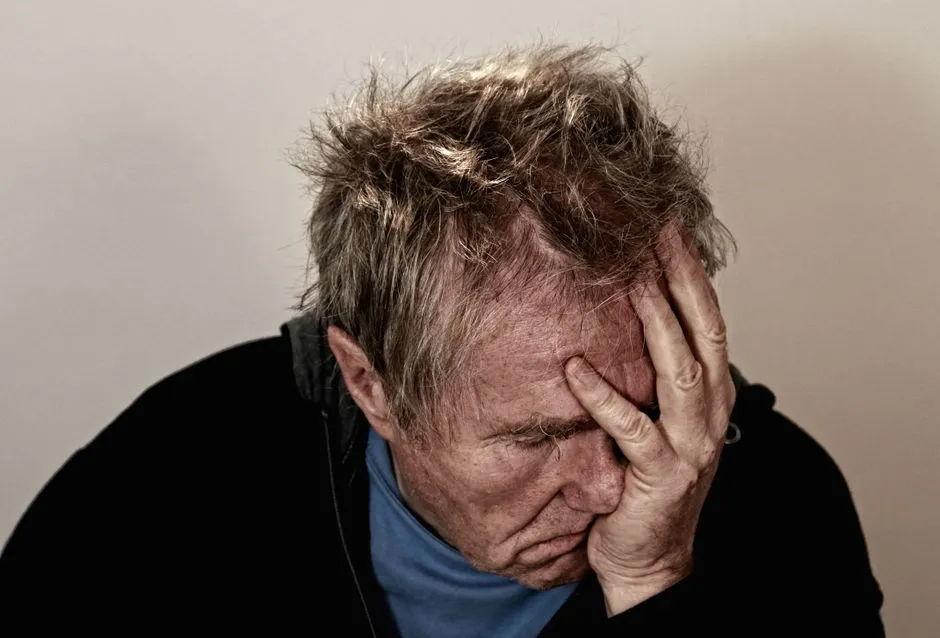
The key variable appears to be how tightly wound a person’s sense of self was around their job. Research indicates that retirees strongly tied to their work roles are more prone to experience diminished mental well-being after retiring. High achievers, executives, and people in caregiving professions tend to be especially vulnerable.
There’s also the factor of choice. People who retire voluntarily tend to adjust better than those pushed out by mandatory retirement ages or health limitations. Control over the timing makes a real difference to how people process the change.
A meta-analysis on retirement depression found that the mean prevalence of depression among retirees was 28 percent, with depression being more frequent in those who faced mandatory retirement. Involuntary retirement removes both the timeline and the emotional preparation.
The Role of Volunteering
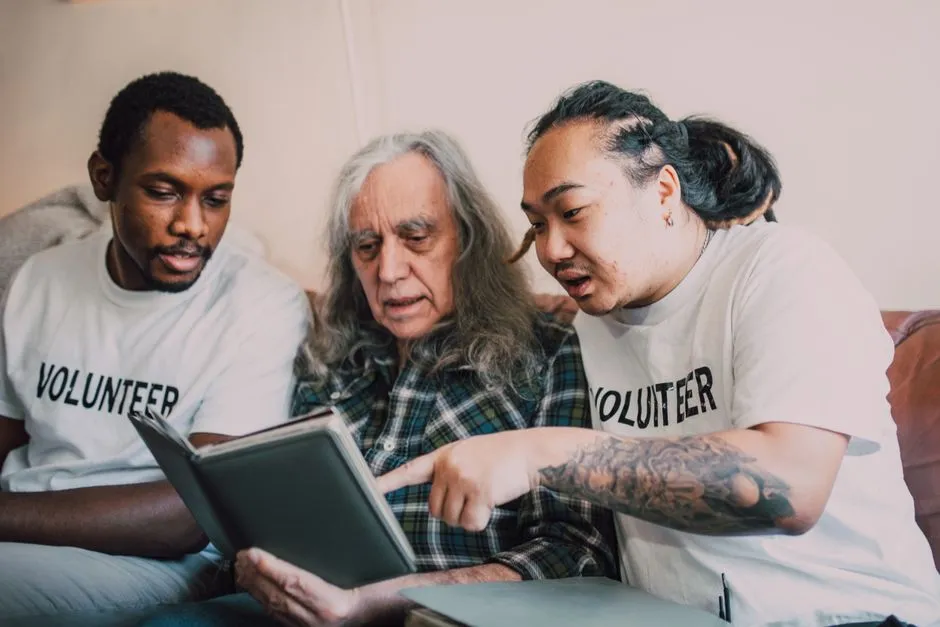
A 2025 study published in the Journal of Aging and Health identified three core components that support successful adjustment after retirement: identity rebuilding, social interaction, and independence – all grounded in activity engagement. That combination matters. Passive leisure alone doesn’t tend to cut it.
One study found that senior volunteers faced a 43 percent lower risk of developing depression than their non-volunteering counterparts, a significant decrease mainly resulting from the meaningful engagement and expanded social networks that volunteer work fosters. That’s a substantial protective effect from a relatively accessible activity.
Research shows that almost two-thirds of Senior Corps volunteers felt that volunteering in retirement helped improve their social connections and reduce feelings of isolation. The structure and social contact that volunteering provides appears to replicate some of what work once offered.
How Therapy and Routine Help

Retirement depression affects up to 40 percent of retirees due to loss of routine, purpose, and social connections, but evidence-based therapeutic interventions like Cognitive Behavioral Therapy can effectively treat symptoms while helping individuals establish meaningful post-career lifestyles.
Cognitive Behavioral Therapy helps retirees reframe unhelpful thoughts. Someone thinking “I’m useless now that I’m not working” can be supported to replace that with something more balanced, like recognizing they still have valuable experience that can be applied in new ways. The shift in narrative can be genuinely transformative.
Rebuilding structure, purpose, and connection are the foundation of adjustment, and therapy is a practical, effective tool when depression or anxiety takes hold. For many retirees, it’s the combination of structured routine and professional support that makes the real difference.
Building a New Identity After Work

Individuals who adjust well tend to enter a phase of re-evaluation, where they explore new passions, hobbies, or part-time work to find meaningful engagement. Achieving psychological well-being involves embracing change, creating new routines, and developing a sense of identity that extends beyond professional titles.
Pursuits like learning a musical instrument or picking up a new language bring fulfillment, boost cognitive function, and help reduce feelings of isolation. Studies from Johns Hopkins and the Mayo Clinic highlight that learning new skills improves mental and physical health, keeps the mind sharp, and reduces stress.
Just as financial advisors recommend diversified investment portfolios, psychologists suggest developing diverse “social portfolios” for retirement well-being. This means cultivating various types of relationships – family connections, activity-based friendships, community involvement, and intergenerational relationships. It’s a practical framework, and one that tends to hold up over time.
The Takeaway

The disorientation some retirees feel within the first six months is real, documented, and worth taking seriously. It doesn’t mean retirement is a mistake or that something is wrong with the person experiencing it. It means that work provided more than a paycheck – it provided structure, identity, and connection – and replacing those things takes deliberate effort.
The research is fairly clear on what helps: purposeful activity, consistent social contact, professional support when needed, and the willingness to rebuild a sense of self that doesn’t depend on a job title. None of that is easy, but none of it is out of reach either.
The retirees who adjust best tend to be the ones who treat this chapter not as a long, open-ended vacation, but as a genuine transition requiring the same thoughtfulness they once applied to their careers. The freedom is real. So is the work required to use it well.
AI Disclaimer: This article was created with the assistance of AI tools and reviewed by a human editor.