
What “Serotiny” Actually Means
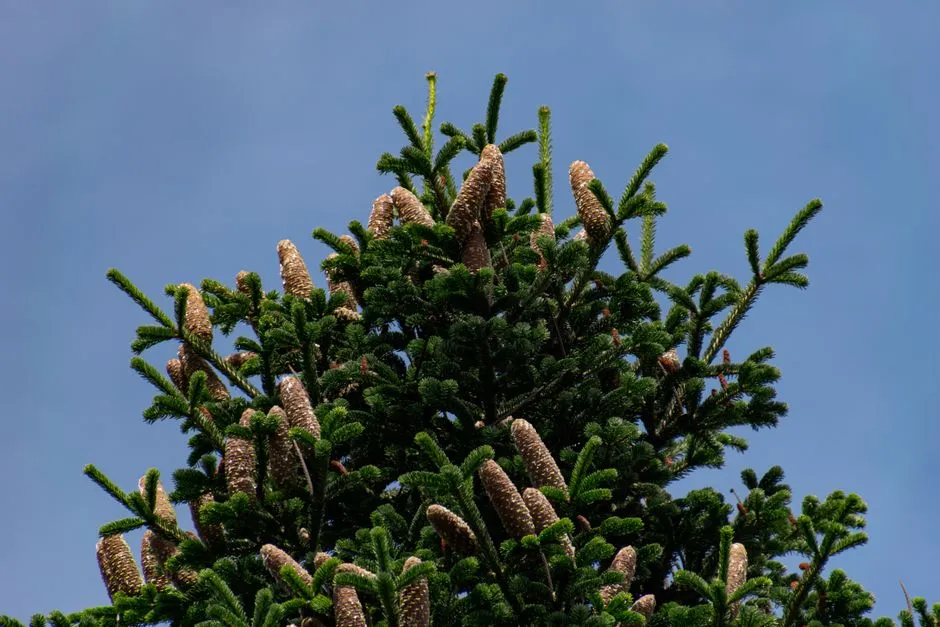
Serotiny is a key fire-adaptive trait that enables certain plants to retain seeds in closed cones until triggered by fire, thus facilitating post-fire regeneration. The word itself comes from the Latin “serotinus,” meaning late or delayed, which is a fitting description for cones that may hold viable seeds for decades before releasing them.
Serotiny, meaning the maintenance of closed cones in the canopy after seed ripening, is widely recognized as an adaptation to fire in many woody plants. It represents one of the clearest examples in botany of a species not merely tolerating a destructive force, but using it as a reproductive cue.
The Species That Have Mastered This Trick
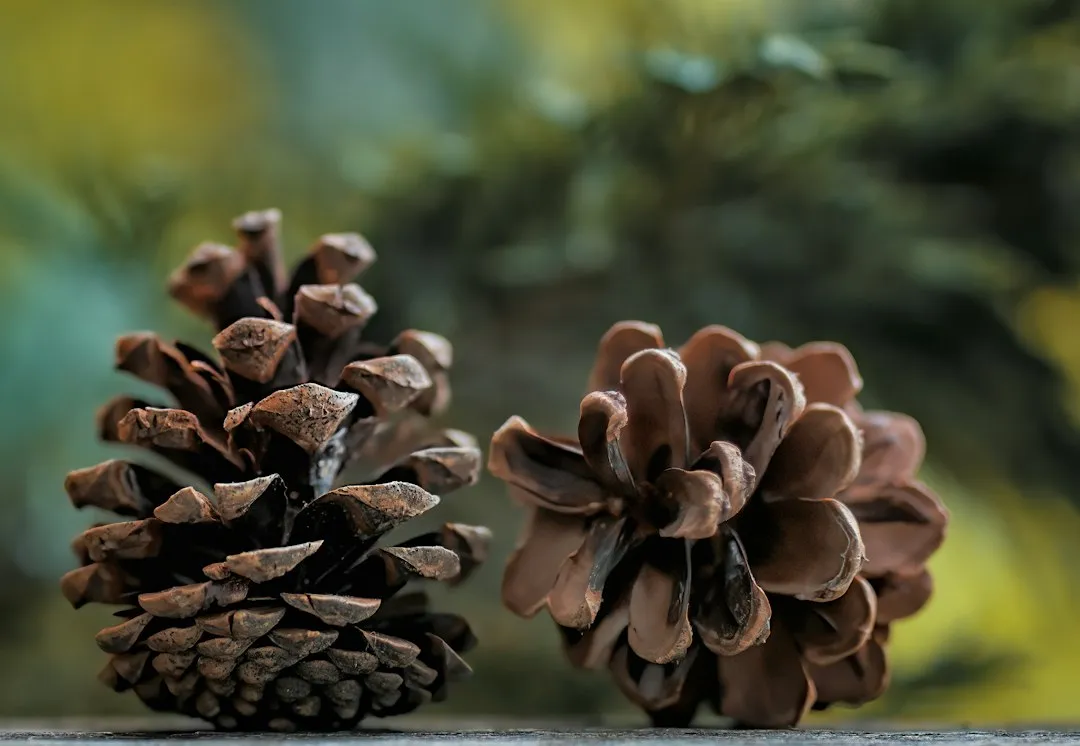
Trees like the Jack Pine (Pinus banksiana) and the Lodgepole Pine (Pinus contorta) have evolved cones that remain tightly closed for years, holding viable seeds inside until a specific environmental trigger occurs. These two species are perhaps the most studied examples in North America, though they are far from alone.
Other examples of this fire-stimulated seed dispersal include Table Mountain pine (Pinus pungens), also called hickory pine or prickly pine, which grows in dry, rocky sites in the Appalachian Mountains. Beyond North America, Banksia species in Australia and certain Eucalyptus trees share the same general strategy, though the mechanisms can differ slightly between them.
How the Resin Seal Works
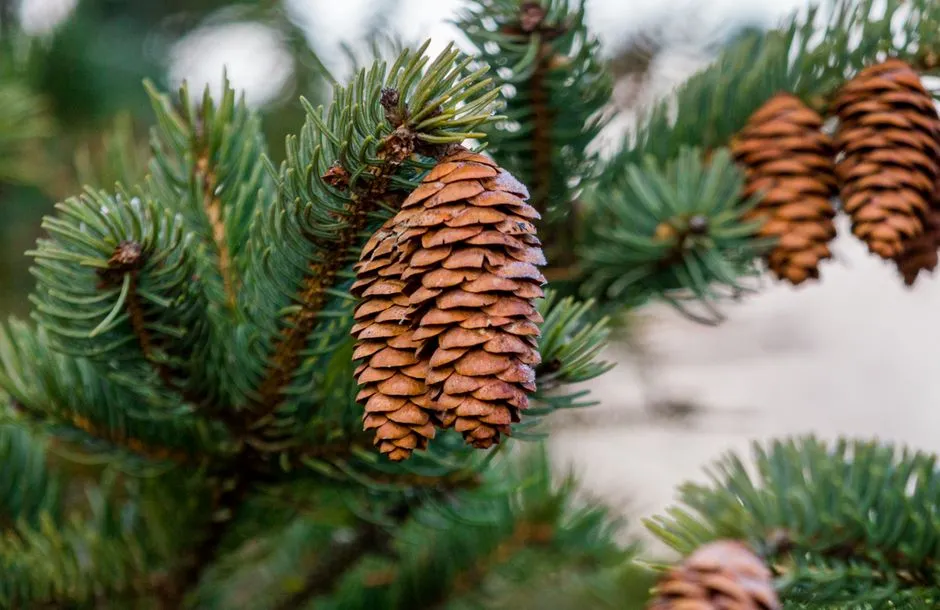
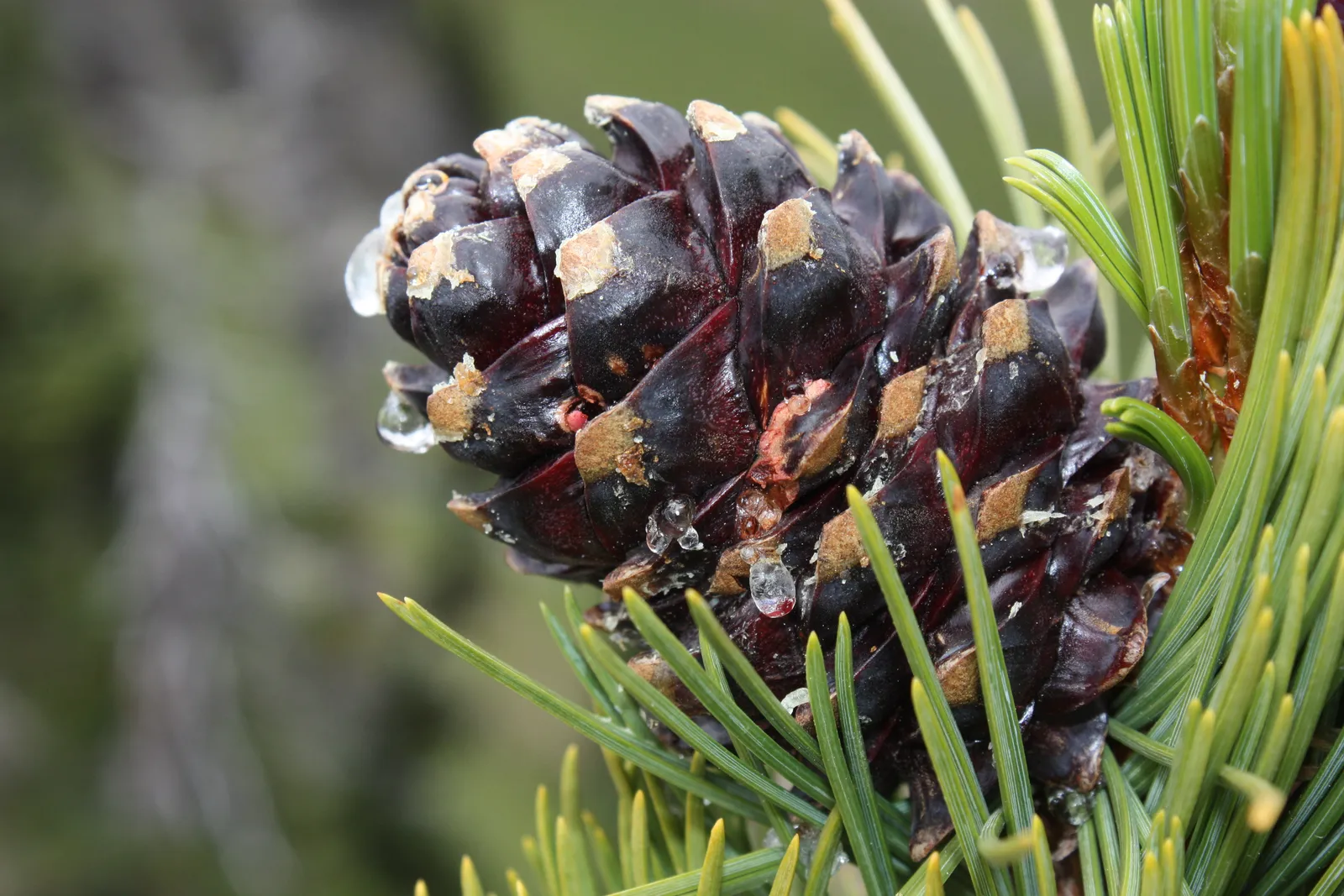
The mechanism behind this delay involves a heavy coating of resin. This resin acts as a specialized adhesive, sealing the cone scales shut and protecting the seeds from moisture, decay, and seed-eating animals. Think of it as a natural vault, one that only unlocks under a very specific set of thermal conditions.
The resin only melts when temperatures reach a specific threshold, typically between 113 and 140 degrees Fahrenheit. Because these temperatures are rarely reached through ambient sunlight, a forest fire is often the only way to break the seal. As the cones mature, specialized resin ducts within the cone tissues secrete resin between the scales, making the bond progressively more secure over time.
The Cone Can Survive for Decades
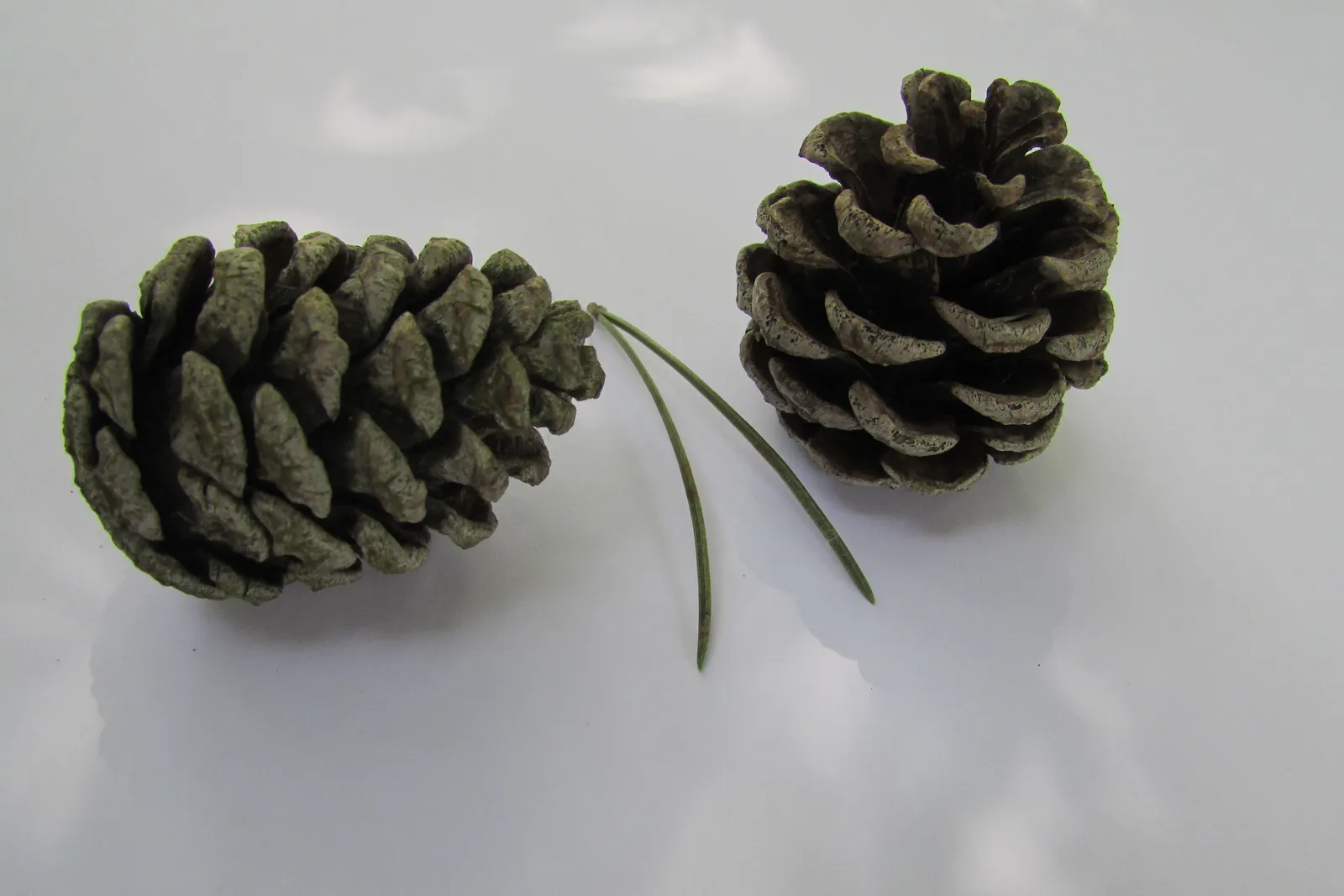
Resins hold the scales of the cones tightly closed with the seeds inside, and they can remain in the crowns of the trees for 30 to 50 years. This is a remarkable storage strategy. The tree essentially builds a canopy seed bank, holding its genetic material in reserve for whenever a fire eventually arrives.
Jack pine in North America has serotinous cones held in the canopy that can withstand temperatures of up to 360 degrees Celsius for one minute before igniting; heating to above 140 degrees Celsius melts the resin that keeps the cones closed and liberates the protected seeds inside after the fire has passed. The engineering here, while entirely biological, is genuinely impressive.
Perfect Timing: Why Fire Creates the Ideal Nursery
When fire clears a forest, these heat-sensitive cones open to release seeds directly onto the nutrient-rich ash bed, where sunlight is abundant and competition is temporarily reduced. The timing isn’t accidental. Fire removes competing vegetation, opens the canopy, and enriches the soil simultaneously.
These seeds germinate in conditions that favor the tree’s seedlings, where the forest floor is clear and plenty of sunlight shines through an open canopy. Without fire, that combination of open ground, light, and reduced competition would simply never exist in a mature forest. The serotinous cone is essentially waiting for exactly that moment.
Not All Populations Are Equally Serotinous
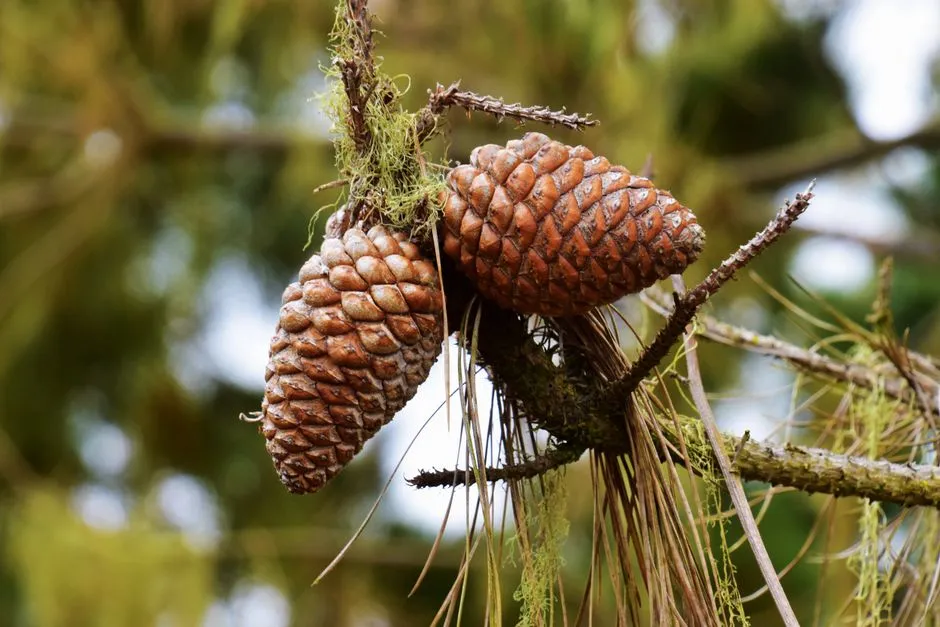
Serotiny is not uniform across all lodgepole pine populations. Trees in areas with frequent, high-intensity fires tend to have a greater proportion of serotinous cones, while those in regions with milder fire regimes may produce cones that open annually regardless of fire. This variability reflects a deep evolutionary relationship between fire and forest, in which the rhythm of burning shapes the reproductive strategies of the trees.
Naturalists sometimes talk about lodgepoles as if all cones on the species were serotinous and relied on fire to disperse their seeds. The answer is that lodgepoles actually grow both serotinous and non-serotinous cones, depending on the age and genetics of the individual tree. This flexibility is an asset, allowing the species to hedge its bets across variable landscapes.
Three Types of Serotinous Cones
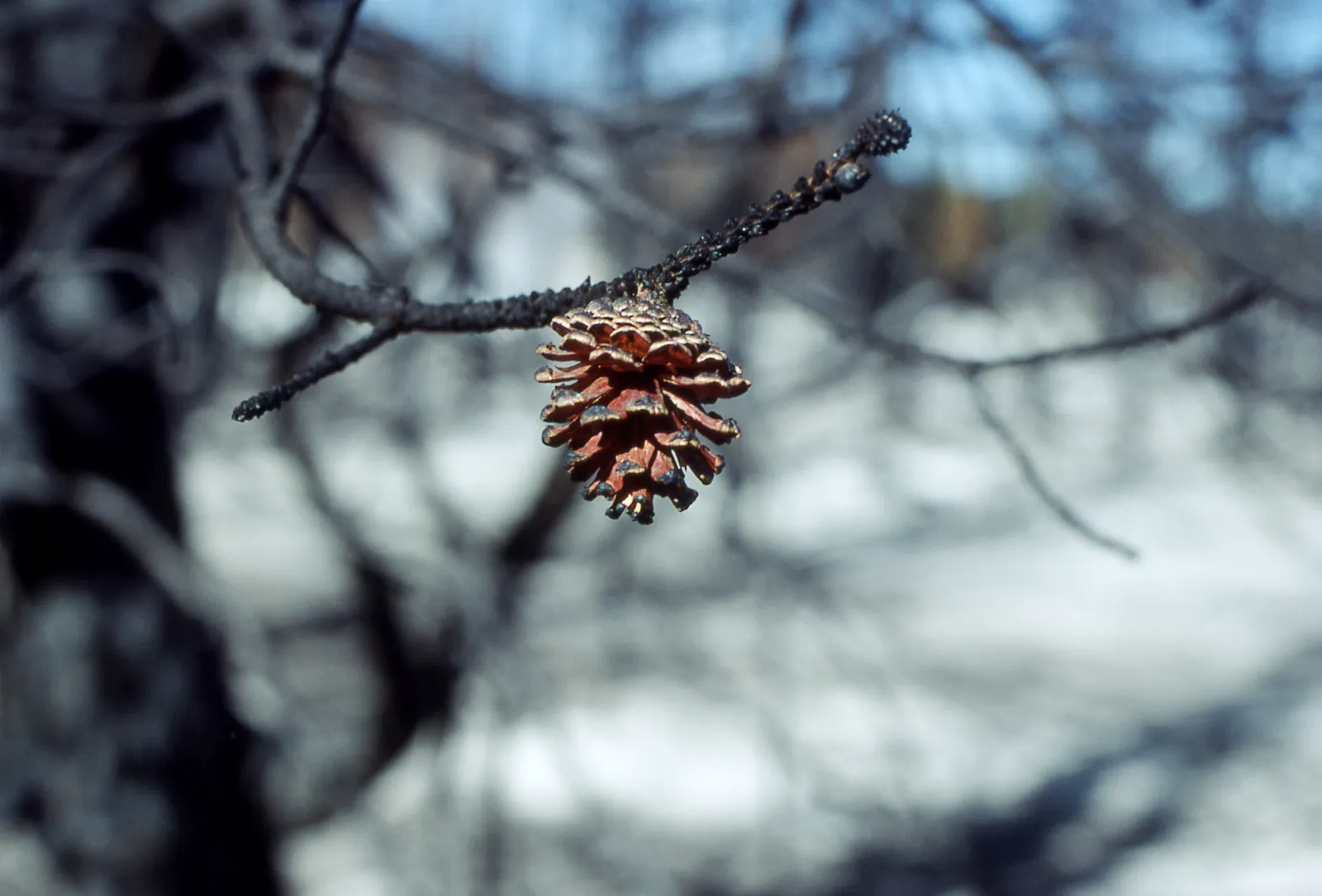
The opening of pyriscent cones is prompted by higher temperatures caused by fires that melt their resins, while necriscent cones open with the death of their protective tissues, killed either by fire or due to plant senescence. Moreover, xeriscent cones can open in dry and hot periods, thus releasing their seeds even in the absence of fire.
These distinctions matter more than they might initially appear. Some species play a strict game, requiring actual flames. Others are slightly more flexible, responding to prolonged heat or drought. The Aleppo pine takes this further by simultaneously producing two types of cones: regular mature brown cones that open seasonally during hot dry days and serotinous cones that remain closed after maturation and only open in response to fire.
The Role of Resin Chemistry
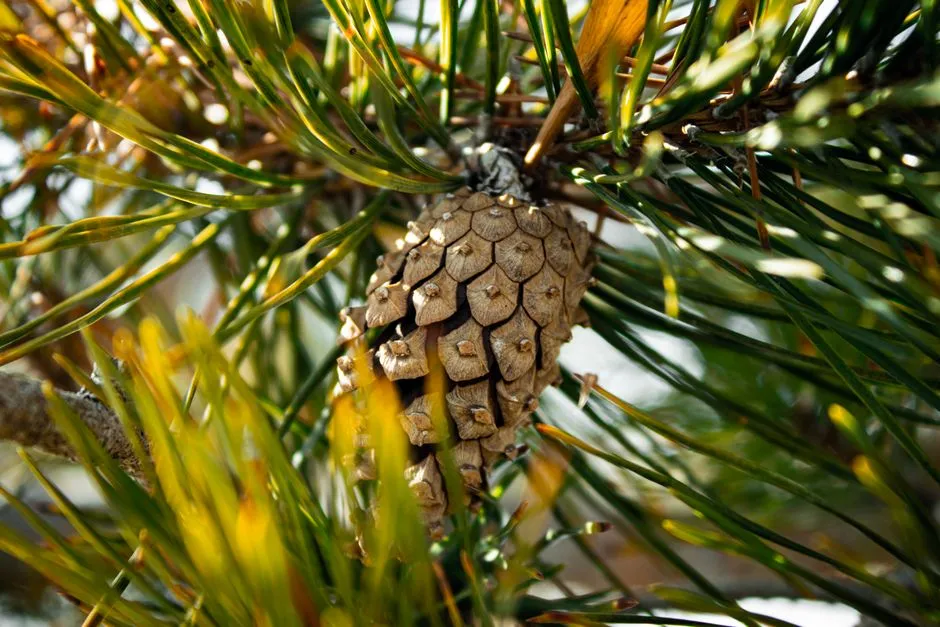
Using field data and structural equation modeling, researchers found that cone resin content is the key physiological driver of serotiny, indirectly shaped by climate and soil factors. This is a relatively recent finding that helps explain why serotiny levels can differ so dramatically even between trees of the same species growing in the same forest.
Serotiny level is intricately linked to the chemical composition of cones, especially the resin content, which serves as a natural adhesive to maintain cone closure. Strong correlations have been detected between resin content in cone scales and serotiny level across, as well as within, species. Climate and soil acidity influence how much resin a tree produces, which in turn determines how fire-dependent its cones ultimately are.
What Happens When Fire Suppression Disrupts the Cycle
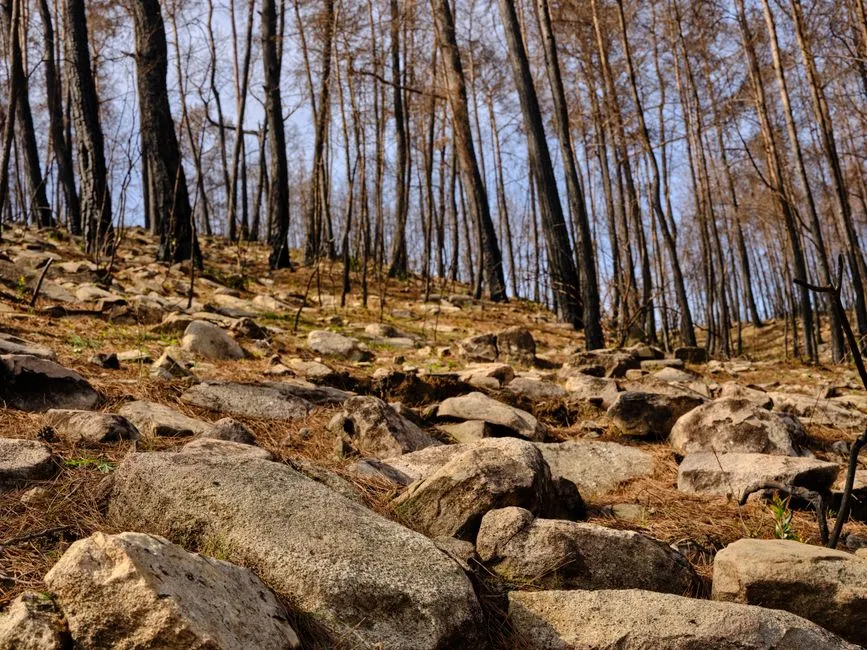
Jack pine, although easily killed by fire, has developed serotinous cones that depend upon high heat to open and release the seeds. Without a fire to enable the cones to open, jack pine would be replaced by another species. Fire suppression, practiced widely throughout the twentieth century, has disrupted this cycle in ways that are still being measured today.
These trees are exemplary of why many ecosystems need low-severity fires, and why the suppression of fire across a landscape can hurt the ecosystem. When fires are kept out for too long, serotinous seed banks age out, competing species move in, and the entire forest structure can shift in ways that are difficult to reverse.
Climate Change Is Adding New Pressure
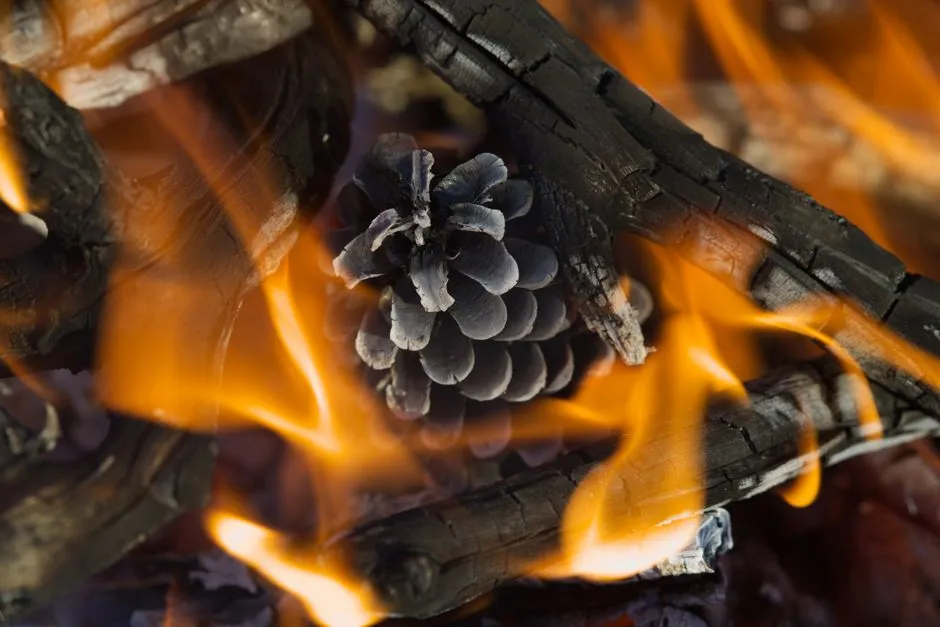
The existence of maintenance costs of serotinous cones has strong implications for the effects of climate change, combining more frequent severe droughts and wildfires, on the resilience of natural populations, via modifications of the canopy seed banks and recruitment after stand-replacing fires. As fire behavior becomes more extreme and unpredictable, the relationship between serotinous species and fire is being tested in new ways.
Beetle outbreaks have lasting impacts on seed availability and implications for post-fire regeneration due to decreased seed viability in serotinous cones, and high consumption of residual canopy and ground layer cones. When bark beetles kill large swaths of forest before a fire arrives, the seed bank stored in those canopy cones can degrade significantly. As climate change promises western North America a sharp increase in the frequency, intensity, and severity of wildfires, a better understanding of cone serotiny and the intricacies of all its interactions will prove invaluable in managing pine forests.
The Bigger Picture: Fire as a Partner, Not an Enemy
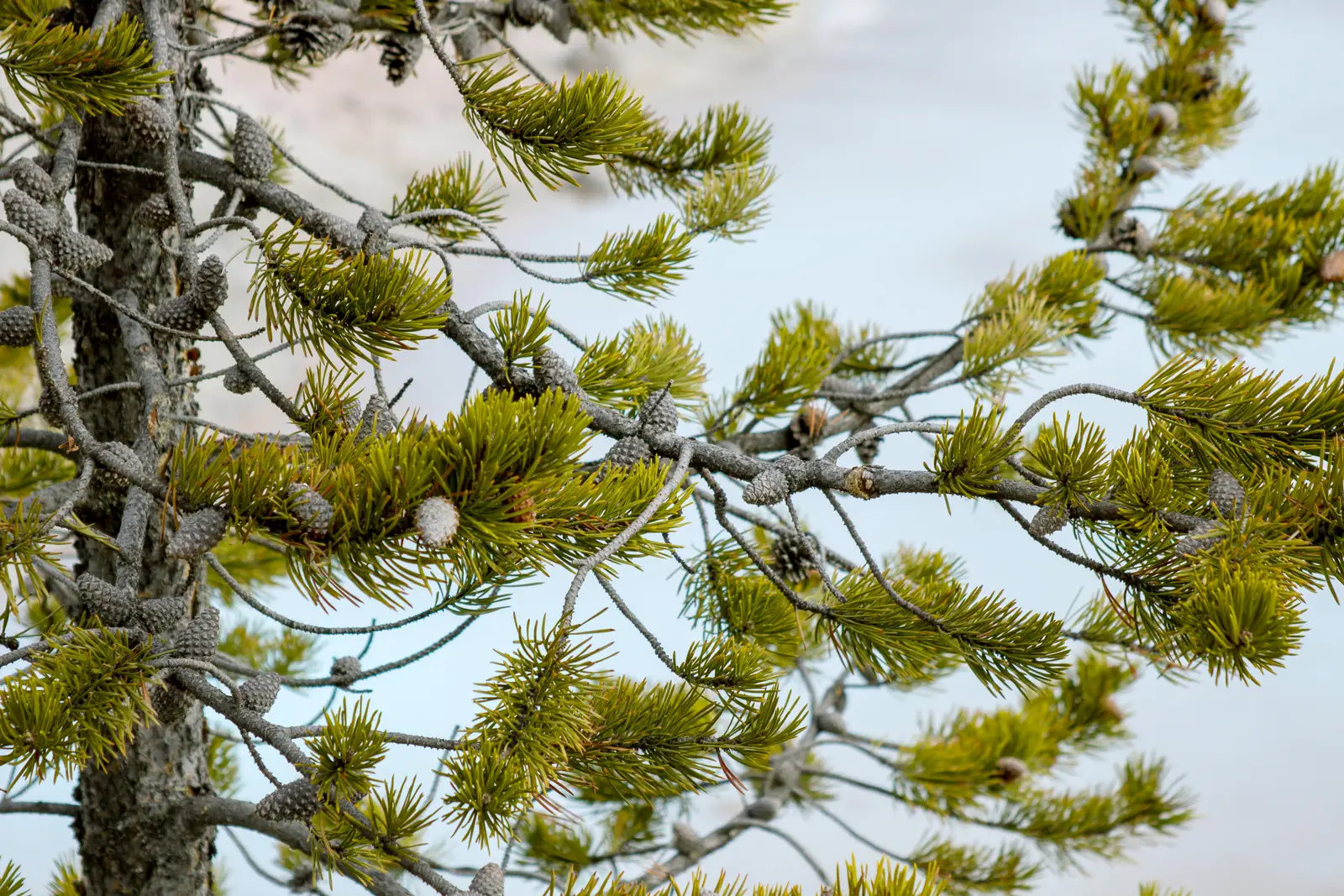
The serotinous cone is, in many ways, a reframing of how we understand wildfire. These pines didn’t survive in spite of fire. They built their entire life cycle around it. After a fire, up to 20,000 seedlings can sprout in a single acre, forming dense forests sometimes called “doghair stands.” That kind of regenerative power wouldn’t be possible without the heat trigger.
Research published in 2025 provides support for the potential of conditional pyriscence contributing to substantial post-fire regeneration following high-severity fire, with the potential to more broadly apply to other conifer-dominated fire-prone regions globally. The science is still expanding. What was once understood as a niche trait is turning out to be more widespread and more nuanced than ecologists had assumed.
There’s something worth sitting with here. A pine tree seals its seeds away and waits, sometimes for half a century, for exactly the right catastrophe. When the fire finally comes, it doesn’t resist. It opens up, releases everything it’s been holding, and trusts the ash to do the rest. As forest management evolves in a warming world, that kind of long-view patience might be one of the most instructive strategies nature has on offer.
AI Disclaimer: This article was created with the assistance of AI tools and reviewed by a human editor.