
The Drugs Are Often the Exact Same Molecule

Many medications prescribed for dogs and cats are identical to human drugs, meaning the same molecule and the same manufacturer. This applies to a wide range of common treatments including antibiotics, anti-anxiety medications, heart drugs, and thyroid medications. When the active ingredient is chemically identical, there’s nothing about the pill itself that makes it exclusively “veterinary.”
Most common pet medications, including antibiotics, heart drugs, thyroid meds, and anti-anxiety meds, are identical to human drugs and can be filled at any human pharmacy. This overlap exists because many chronic conditions in animals are managed with the same pharmacological pathways as in humans.
Vet Clinics Mark Up Medications Significantly

Vets buy medications wholesale and mark them up 50 to 300 percent to cover dispensing and overhead, which means the vet price can be several times the pharmacy price for the exact same pills. This markup isn’t unique to veterinary medicine, but it is particularly pronounced for drugs that happen to have a robust, competitive human generic market.
Vet clinics mark up medications significantly, often 100 to 300 percent, while human pharmacies like Walmart, Costco, and Cost Plus Drugs operate on razor-thin margins. That structural difference in business model is a primary reason the same pill can carry such a different price tag depending on where you fill it.
The Price Gap by the Numbers
Across 30 commonly prescribed pet medications, the median vet-office markup over Costco’s cash human-pharmacy price is 4.6 times, with the highest spread reaching 9.8 times for ivermectin 0.27% topical and the lowest at 1.4 times for Vetmedin, a veterinary-only formulation. Those are not trivial differences.
For drugs that share an identical active ingredient with human formulations, fluoxetine shows an 8.9 times price difference, mirtazapine 9.7 times, gabapentin 6.8 times, and prednisone 6.0 times when filled with a veterinary script at a human pharmacy. Over the course of a year, for a pet on chronic medication, this matters enormously.
Pet owners spend an average of $200 to $400 per year on prescription medications, but can save 30 to 70 percent by filling prescriptions at online pet pharmacies, human pharmacies, or warehouse clubs like Costco, according to the AVMA and FDA.
The $4 Drug List Is Real, and It Works for Pets
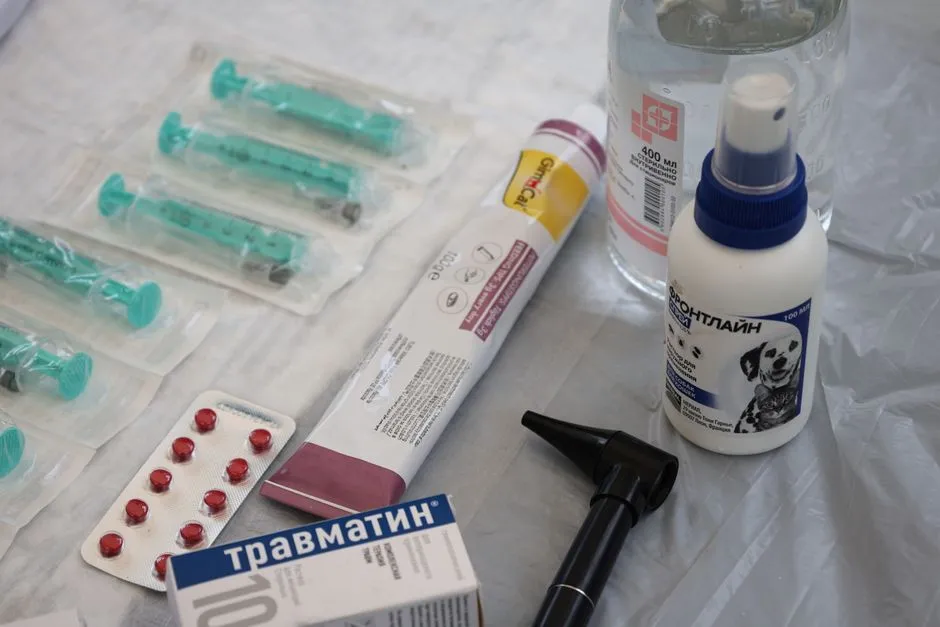
Many big box pharmacies offer antibiotics and other generic pet medications for just $4. This is one of the least-known savings tools available to pet owners, yet it requires no special membership or coupon to access.
Walmart’s $4 program is the single best tool for pet medication savings, and nine of the most common pet prescriptions are on the list. Drugs like amoxicillin, metronidazole, prednisone, and furosemide all appear on that list, and all are commonly prescribed for pets.
When a vet prescribes amoxicillin for a dog’s infection, the same drug can cost $35 at the vet clinic pharmacy and $4 at Walmart. Same manufacturer, same pill, same dose. The only difference is where you fill it.
Discount Cards Apply to Pet Prescriptions Too

Discount cards such as GoodRx and SingleCare apply to pet prescriptions filled at human pharmacies, because the coupon is tied to the drug and the pharmacy rather than the patient. This detail trips up a lot of pet owners who assume such cards are for humans only.
GoodRx prices for common pet medications can be remarkably low. Gabapentin can be as little as $2.00, trazodone $2.00, fluoxetine $2.48, furosemide $1.80, and phenobarbital $3.34. These prices apply directly when a vet writes an external prescription and the owner fills it with a card at a participating human pharmacy.
Not All Pet Medications Have a Human Equivalent
Veterinary-only formulations such as Apoquel, Bravecto, Heartgard, NexGard, Vetmedin, and Cerenia show modest 1.4 to 2.1 times price spreads because no human-pharmacy alternative exists; online pet pharmacies like Chewy tend to be the cheaper channel rather than Costco. These drugs were developed specifically for animals and have no approved human market equivalent.
Vet-only drugs like Cerenia, Convenia, and Apoquel are not available at human pharmacies; for those, online pet pharmacies like Chewy are typically 20 to 50 percent below the vet. So for this category, the savings strategy shifts from human pharmacies to reputable online pet-specific retailers.
It Is Legal in All 50 States
Filling pet prescriptions at regular human pharmacies is legal in all 50 states, and most major pharmacies accept pet prescriptions. Savings can be staggering, often 80 to 95 percent off vet pharmacy prices. Many pet owners simply never knew this was an option because no one at the clinic mentioned it.
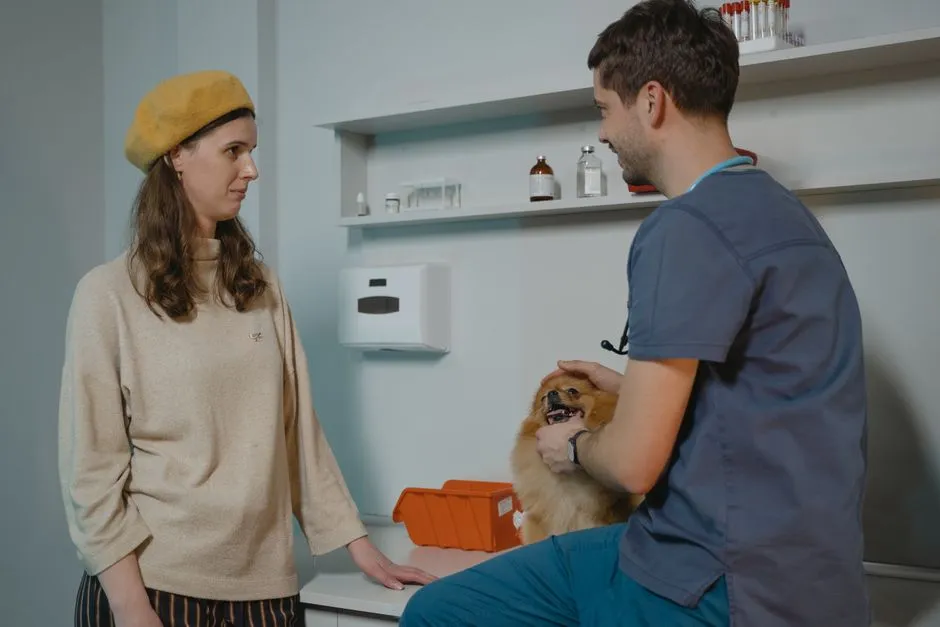
Veterinarians are required by the Veterinary Practice Act to provide a prescription to be filled outside of the practice at a pharmacy outlet of the client’s choosing, including a brick-and-mortar or online pharmacy. You have the right to ask for that written prescription, and the vet is generally obligated to provide it.
A prescription cannot be withheld simply because the client chooses to have it filled somewhere other than the veterinary practice. This is worth knowing before your next visit.
Regulatory Standards Explain Some of the Price Difference

Reasons for price differences with mostly generic medications include manufacturing, regulatory standards, and distribution, as well as different pricing in different markets with the same costs. Veterinary-labeled drugs sometimes go through separate approval pipelines that carry additional costs, even when the active ingredient is identical.
A 2025 study published in a European veterinary context reinforced this pattern. In the EU, furosemide for dogs costs nearly nine times more per human-equivalent dose than the human version, and amoxicillin for pets carries a ratio exceeding 170 to 1 compared to its human equivalent. These figures are extreme, but they highlight how regulatory and market structures compound the pricing gap.
Compounding Pharmacies Offer Another Route

Some pets require unusual dosages or formulations that standard pills don’t accommodate. In those cases, compounding pharmacies can prepare a medication in a custom dose or delivery form such as a flavored liquid or transdermal gel. Typical compounding costs run $25 to $40 for a 30-day supply, compared to $30 to $55 at a vet clinic.
Compounding is particularly useful for cats, small dogs, or pets that resist swallowing tablets. Office stock is compounded medication a veterinarian keeps on hand without a prescription written for a specific animal, and the bulk substance used must appear on FDA’s current office stock list. For pet owners, the practical takeaway is that asking a licensed compounding pharmacy to work from a written vet prescription is often both legal and cheaper than buying pre-made veterinary products.
How to Actually Act on This Information
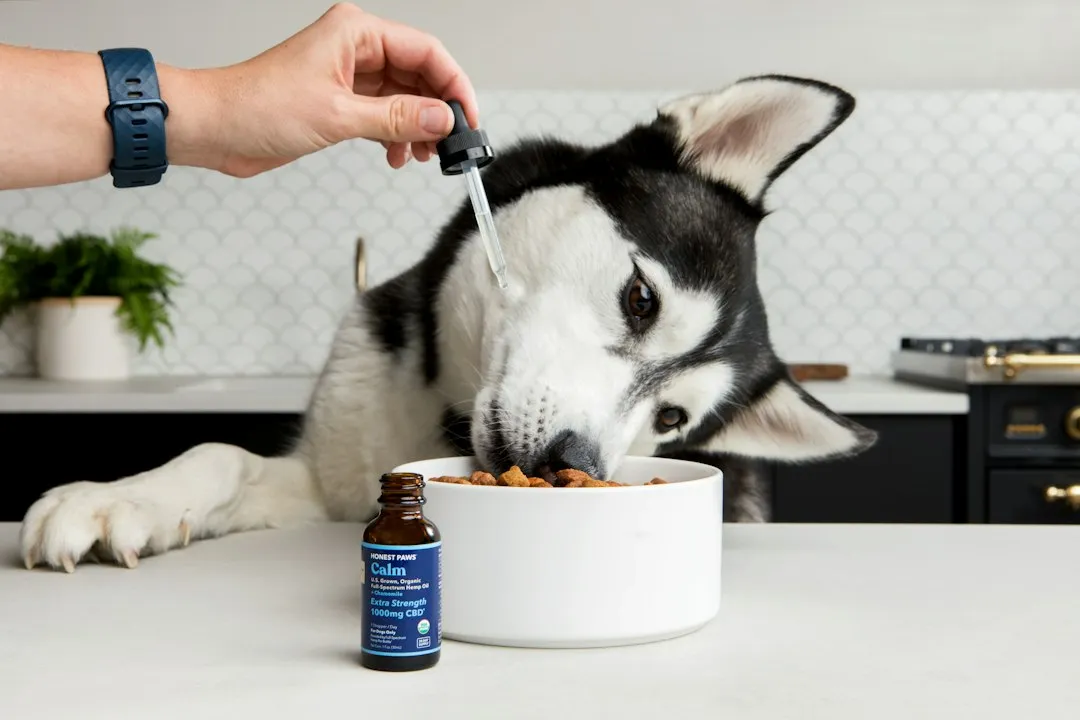
The cheapest way to handle a pet prescription is to get it in writing, find out whether the drug is also a human generic, and compare the human-pharmacy cash price against a discount card and a transparent mail-order option before you fill. This three-step check takes only a few minutes and can save a meaningful amount.
Cost Plus Drugs is another option for pet medications. Since they carry only human generics, any crossover drug is available, and if a pet’s medication is not on Walmart’s $4 list but is available as a human generic, Cost Plus may offer the best price.
Walgreens’ Prescription Savings Club, priced at $20 per year for individuals, includes discounts on pet medications and can make some drugs cheaper than Walmart’s $4 list for 90-day supplies. For pets on long-term medications, a 90-day supply almost always brings the per-dose cost down further.
The Takeaway

The price of your pet’s medication is often not about what’s inside the pill. It’s about where you fill it and whether you know that you have a choice. Millions of pet owners overpay for pet medications every month because they do not realize they can fill pet prescriptions at regular human pharmacies.
Asking your vet for a written prescription costs nothing. Spending two minutes comparing prices across Walmart, Costco, GoodRx, and Cost Plus Drugs before you fill a long-term prescription is a small action with a potentially large return. For anyone managing a pet’s chronic condition, the savings can easily reach several hundred dollars a year – and that’s money that stays in your pocket without compromising your animal’s care one bit.
AI Disclaimer: This article was created with the assistance of AI tools and reviewed by a human editor.