
The Core Principle: Disease History Decides First
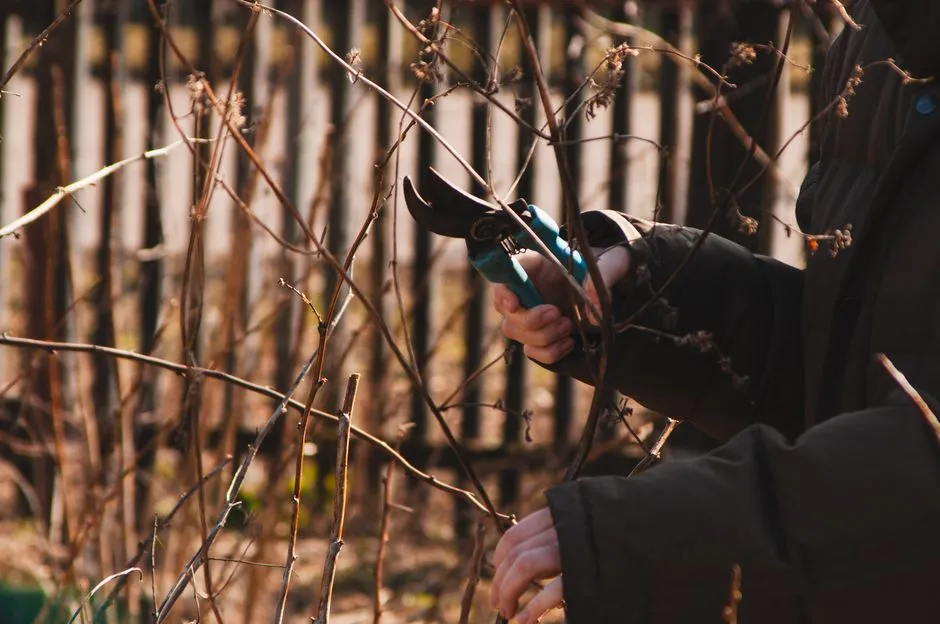
The answers to fall pruning depend, in part, on the specific plant and whether disease or insect pests are a factor. Plants with disease or insect pest troubles should be pruned back in fall to reduce the chances of carryover to the following season.
Sanitation is one of the best investments gardeners can make in reducing problems for next season. Peonies and rudbeckia with blackened foliage should definitely be cut back in fall, and the same is true for bee balm and phlox, which are routinely plagued by powdery mildew.
Think of fall cleanup as a more selective process. Some plants should go, some should stay, and others are best judged by the condition of their foliage.
The Timing Mistake Most Gardeners Make
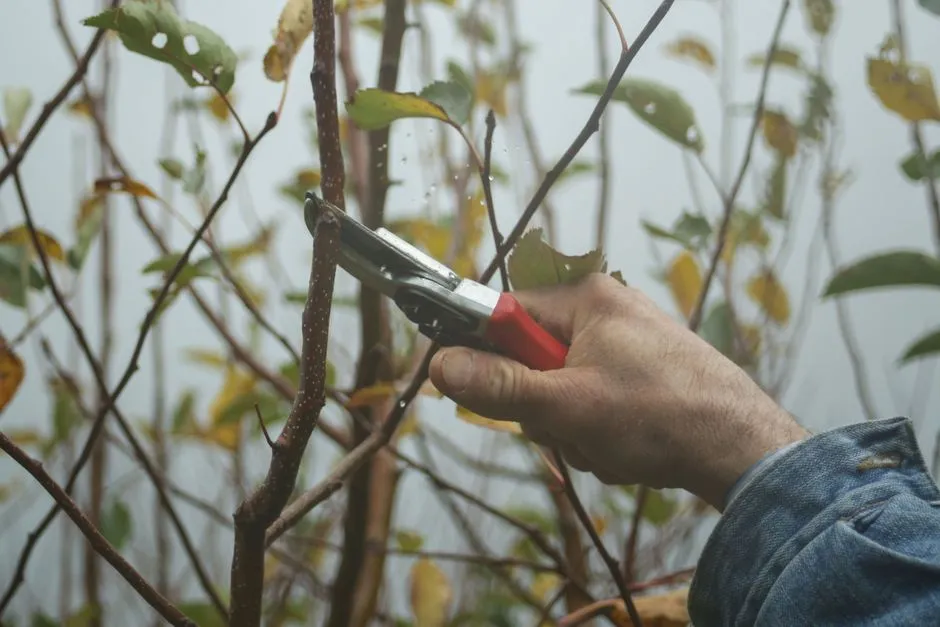
The biggest mistake with fall pruning is assuming every perennial should be cut back at the same time and to the same height. Yellowing foliage, finished flowering, or frost damage are better signals than the calendar alone.
Cutting plants back too early can remove nutrients they are still sending to their roots. For many perennials, experts recommend waiting until the foliage has naturally died back or has been killed by frost.
Fall pruning should generally occur in early to mid-fall, about four weeks before your first frost date. Cutting plants back later than that can expose some perennials to winter damage and make them less likely to survive the long winter ahead.
Peonies: Cut Back, but Only at the Right Moment
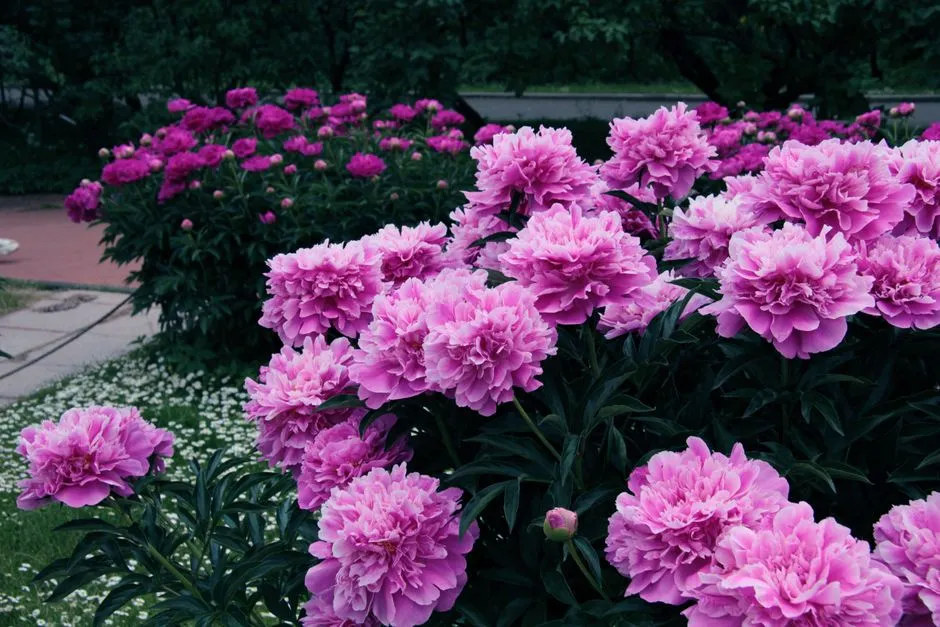
Healthy peony foliage should be allowed to remain on the plant until it has completely died back naturally. Cutting green peony foliage too early in late summer or early fall prevents the plant from continuing to absorb sunlight and store energy in its roots for next year’s growth and blooms.
Peonies are also prone to fungal diseases such as botrytis blight and powdery mildew. For this reason, dead peony foliage should not be left lying around the crown all winter.
Wait until the foliage has yellowed or been hit by frost, then cut herbaceous peony stems down to roughly one to two inches above the soil. Collect the leaves and stems rather than leaving them around the crown. Tree peonies are different and should not be treated this way, since their woody stems remain alive through winter.
Hostas and Daylilies: Clear Candidates for Fall Cleanup
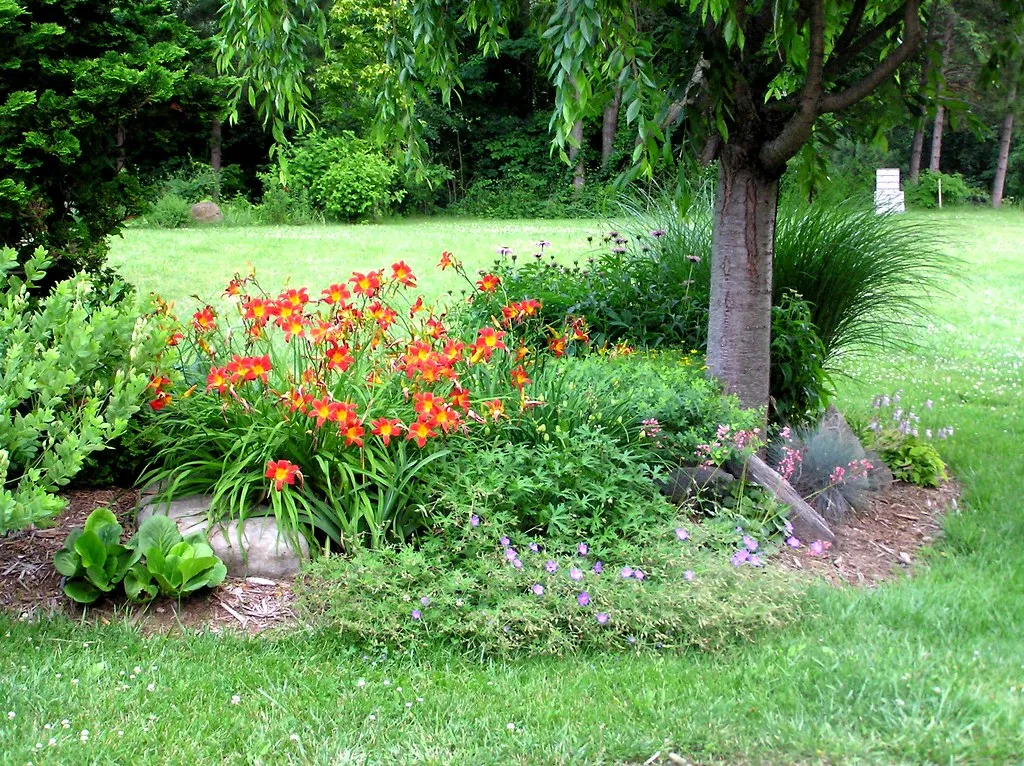
Hostas may shine through summer with lush, layered leaves, but once frost hits, they collapse into slimy clumps that invite pests and mold. Cutting them back to the crown in fall prevents slug infestations and fungal problems while keeping your garden tidy. Be sure to discard the cuttings rather than composting to eliminate lingering eggs or spores.
Daylilies put on a spectacular show all summer, but once their blooms fade, the remaining foliage quickly turns soggy and disease-prone. Cutting back the leaves to around four inches above the ground in late fall prevents rot and deters pests like slugs from settling in. Clearing away all debris improves airflow and keeps the soil healthy through winter.
Russian Sage and Other Woody-Stemmed Plants: Leave Them Alone
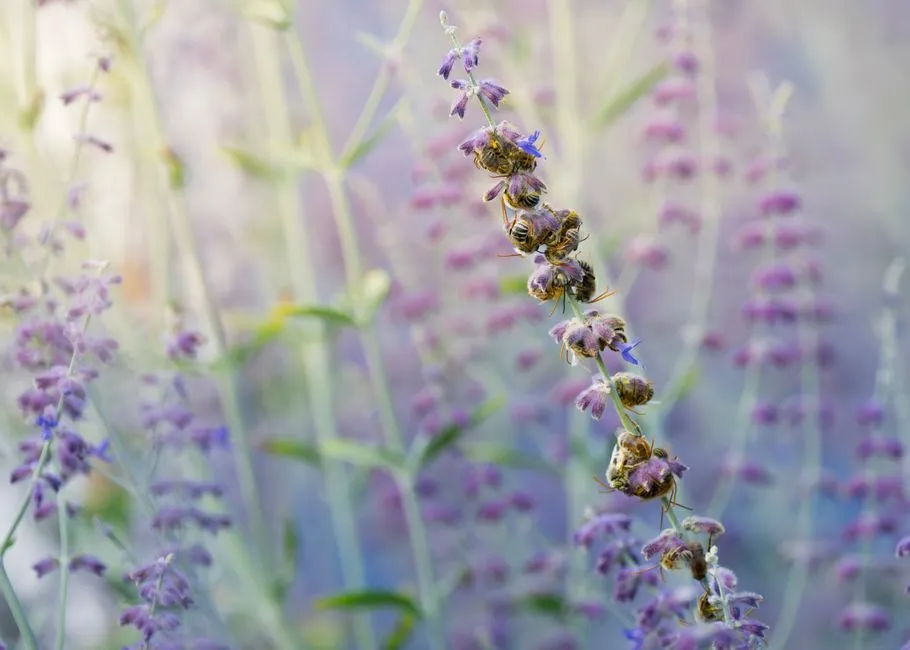
Russian sage is incredibly tough once established, but fall is not the best time to give this perennial a major haircut. The woody stems of Russian sage help protect the plant’s crown through winter. Cutting the plant too low in autumn can leave the crown more exposed to cold temperatures and repeated freezing and thawing.
The summer-blooming Russian sage has somewhat woody stems. You can leave the plant standing for winter interest. In the spring, prune it back to about 8 to 12 inches high before new growth starts.
Coneflowers and Black-Eyed Susans: Wildlife Depends on Them
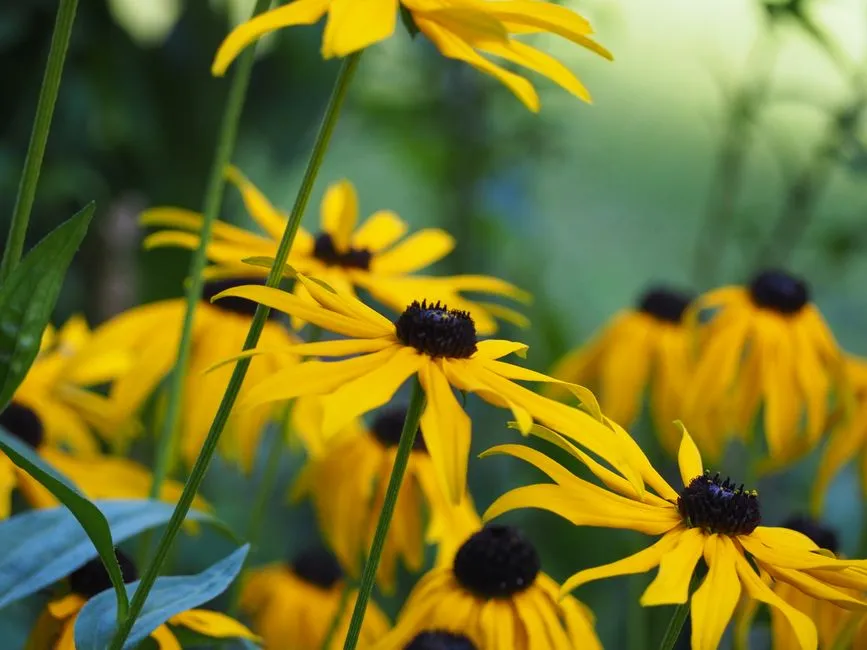
Come late fall and winter, the dried flowerheads of black-eyed Susans are valuable food resources for a range of birds, including American goldfinches, cardinals, and sparrows. While the flowers will fade, that dark central cone remains and acts as a beacon of nutritious seeds for birds.
Coneflowers can look architectural during winter, with varieties ranging between two and five feet in height, and the dried seed heads also dazzle when touched by frost. The seed heads are a great food source for birds, including cardinals, bluejays, and goldfinches.
Although late-season bloomers such as rudbeckia and coneflowers may have turned brown, birds still feed on the seed. Many butterflies overwinter on plant debris. Allowing plant tops to remain over winter can also help collect leaves and snow for insulation and moisture.
Hollow Stems: A Hidden Winter Home for Native Bees
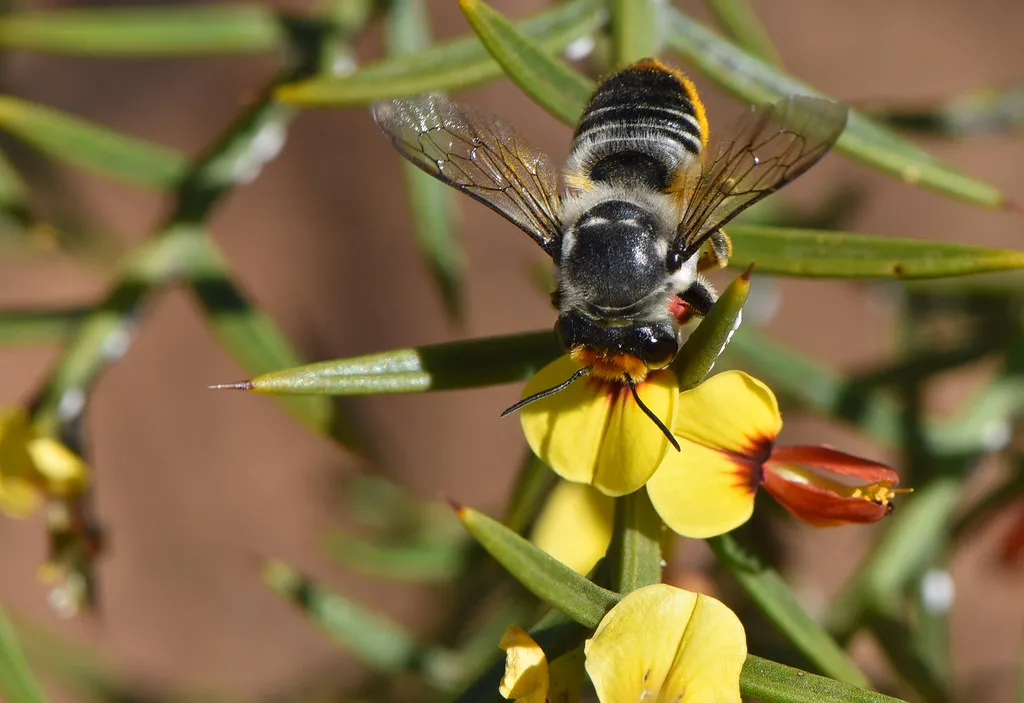
The hollow stems of perennials can provide native bees with winter housing or a nursery. In fact, more than 100 species of bees in North Carolina alone like to nest in hollow stems, twigs, or wood, where they spend the winter or raise their young.
Researchers at NC State examined nearly 3,000 perennial stems from 20 gardens in 10 North Carolina counties to learn exactly when stem-nesting bees move in. Their findings offer a more useful approach to cutting back perennials for pollinators than simply telling gardeners to leave everything untouched indefinitely. The trick is knowing the difference between this year’s newly dead stems and older stems that may already have residents inside.
The Xerces Society notes that roughly 30 percent of native bees nest in cavities in dead wood, hollow stems, or brush piles. That number puts the stakes into perspective the next time you reach for pruning shears in October.
Ornamental Grasses: The Case for Waiting Until Spring
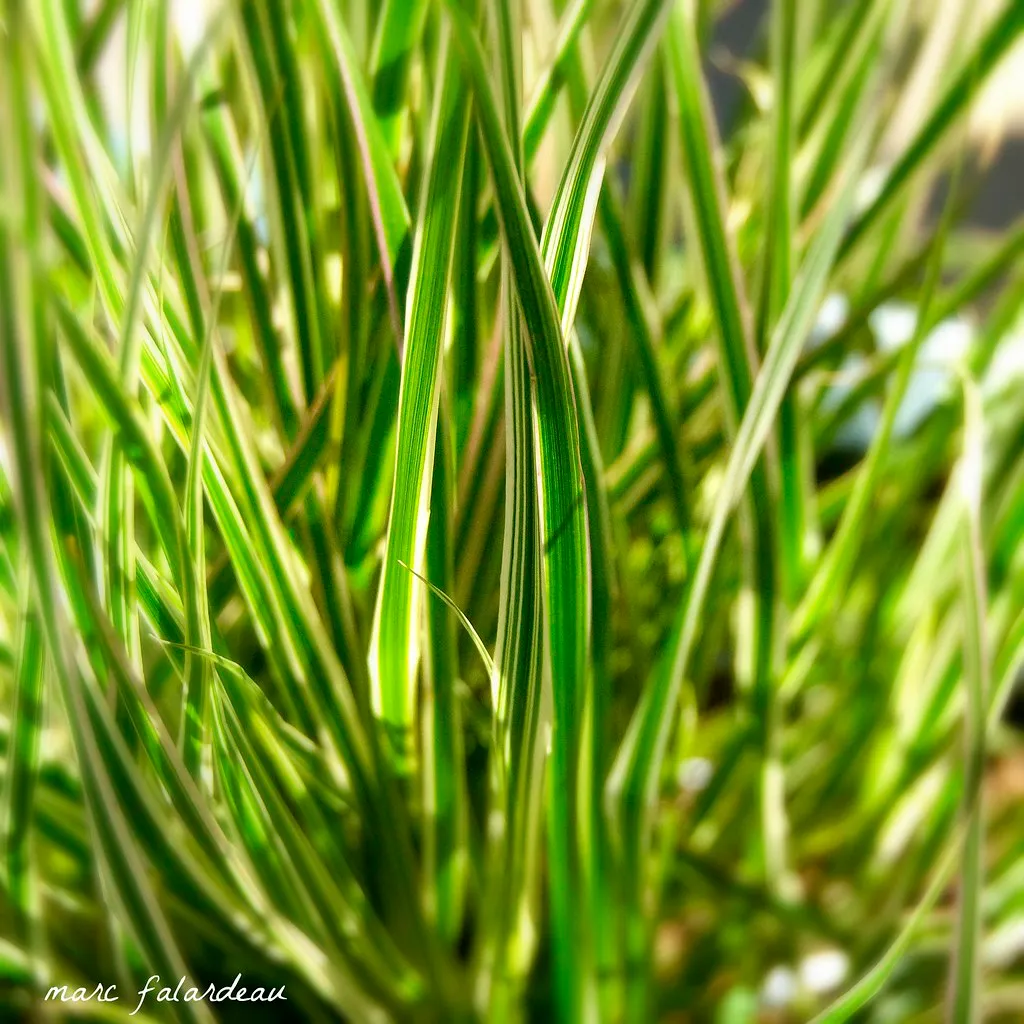
Ornamental grasses such as Miscanthus or Pennisetum have attractive seed heads that can add interest to the winter landscape. These seed heads can catch and glisten with frost or provide a unique textural element when covered in snow. Additionally, they offer protection to overwintering insects and provide habitat for birds that may feed on the seeds.
For some marginally hardy perennials, like garden mums, waiting until early spring to cut back the dead tops can actually improve a plant’s chances of survival.
Left standing, perennials can add color and form to a winter garden. Ornamental grasses, for example, are plants that gardeners frequently leave untrimmed since, in addition to color and form, they can provide movement to a static winter scene.
Evergreen and Semi-Evergreen Perennials: Handle with Care
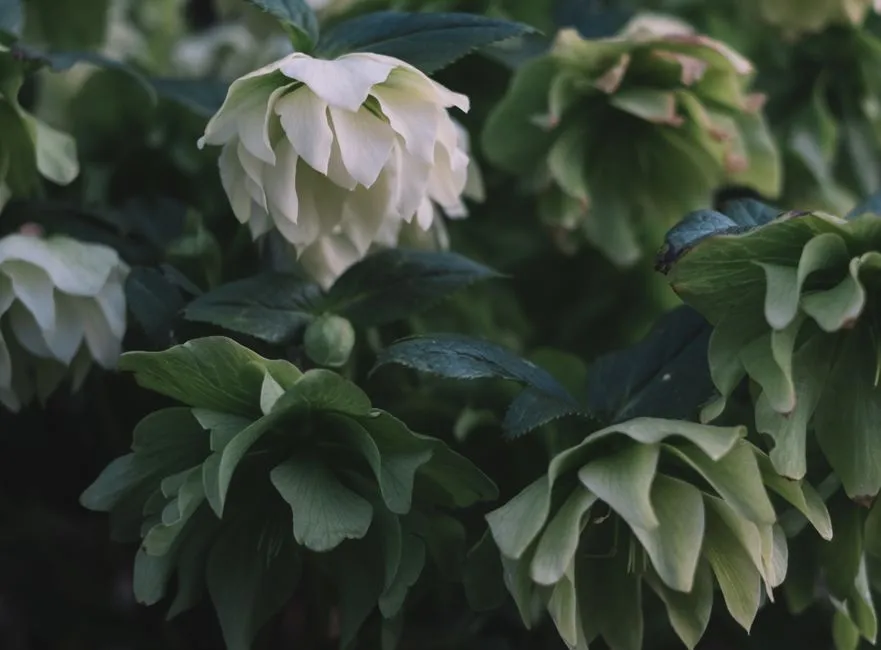
Perennials with evergreen or semi-evergreen foliage like foamflower, coral bells, and hellebores should not be cut back until spring. Take care just to cut back their spent foliage and not the new growth.
Coral bells boasts colorful foliage from spring to fall, and even through the winter in warmer climates. Whether coral bells are evergreen or not in your zone, cutting them back in late fall is not recommended. Their foliage protects their crown through the winter.
The “Old Wood” Problem: Plants That Set Buds Before Winter
The main reasons not to prune perennials in the fall are bud set and spring flowering, wildlife support, and root or crown exposure.
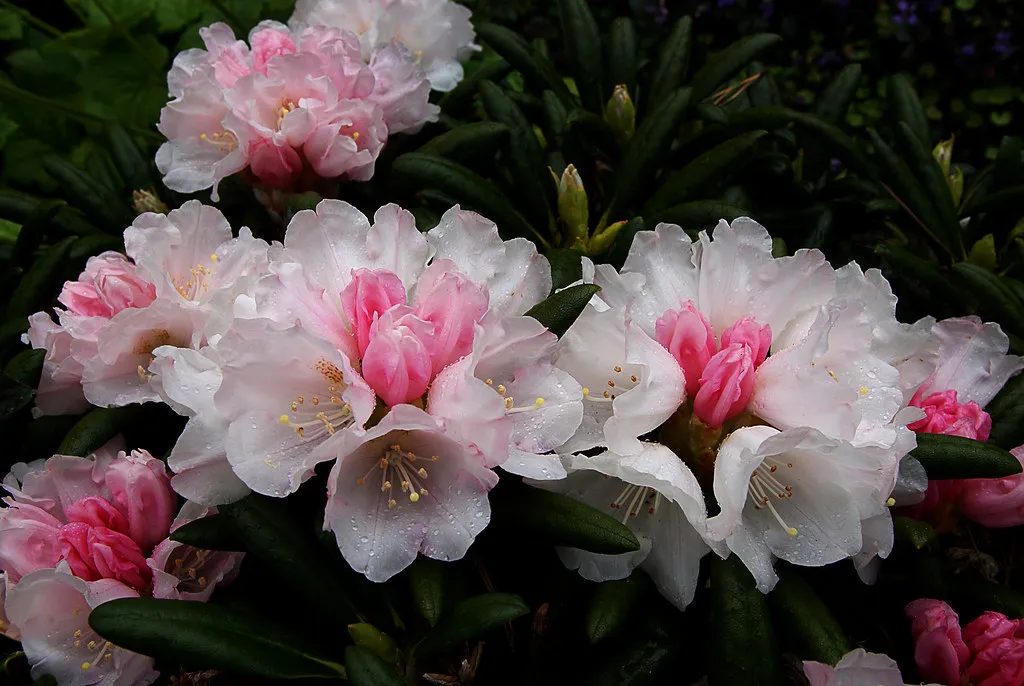
Rhododendrons bloom on old wood, so pruning them in the fall means you’re pruning away next year’s flowers. The same logic applies to lilacs and certain hydrangeas, where fall cuts eliminate the very growth needed for next spring’s blooms.
Many hydrangeas should not be cut back, especially during fall cleanup. Some hydrangeas set buds for next year on this year’s growth, so cutting them back will result in only foliage the following season.
The Takeaway: Selective, Not Sweeping
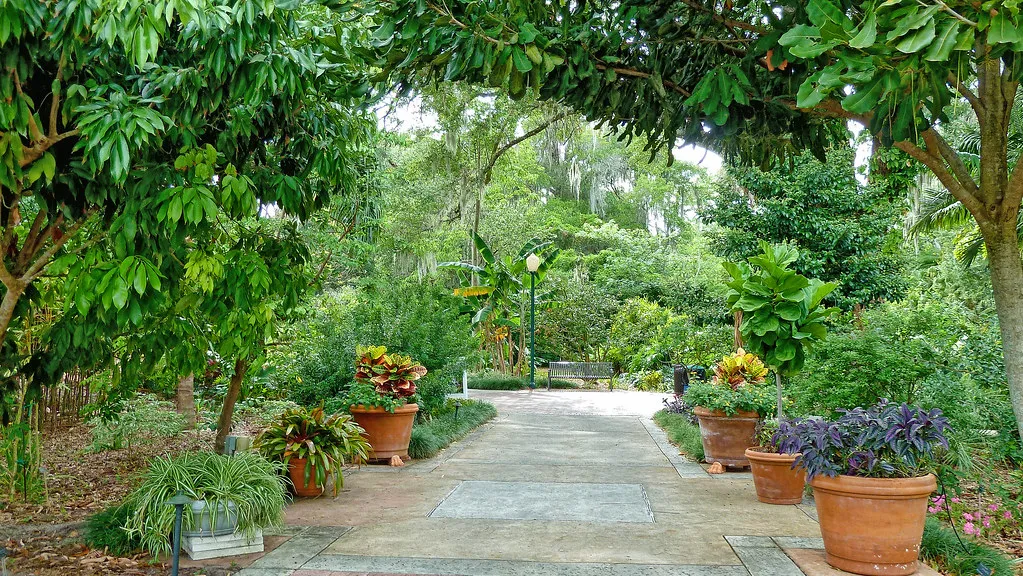
For most healthy plants, leaving plant tops over winter is fine and, in many respects, preferable. Many species retain dried seed heads and foliage that may have aesthetic value.
Some perennials actually benefit from being left alone until spring. While removing certain dead or diseased foliage can help prevent problems next year, other plants provide winter food and shelter for birds and beneficial insects.
The real shift here is moving away from the idea of a clean garden as a good garden. A bed left thoughtfully standing through winter is doing ecological work that no amount of spring planting can fully replace. Cut what’s diseased, leave what’s alive with purpose, and the garden will reward you and a great many other creatures come spring.AI Disclaimer: This article was created with the assistance of AI tools and reviewed by a human editor.