

The Numbers Are Hard to Ignore
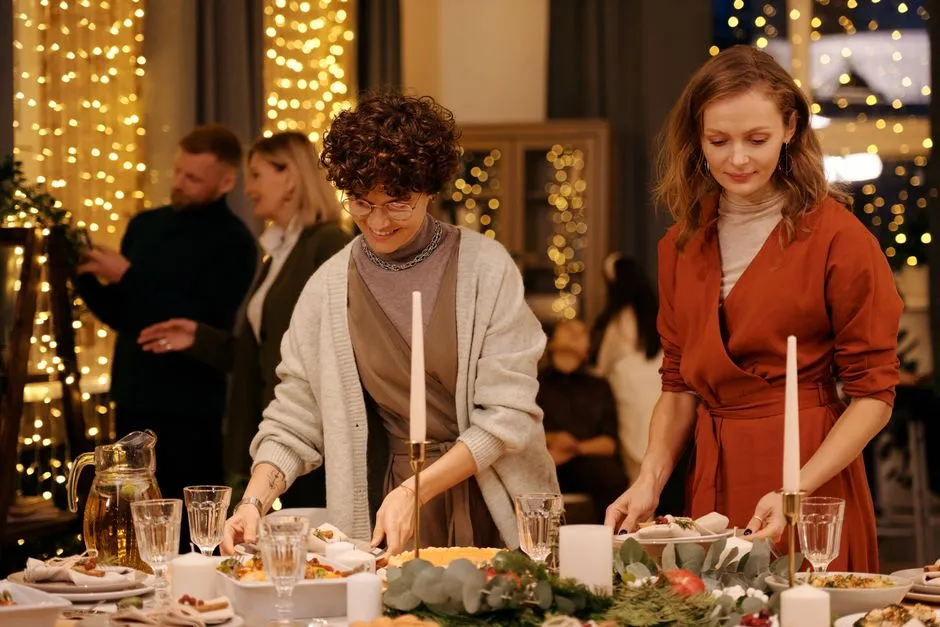
Multiple surveys point to the day after Thanksgiving as the single most popular moment to put up a Christmas tree. A poll by Axios Local surveyed 1,834 people and found that roughly 55 percent of respondents said they set up their trees the day after Thanksgiving. That’s a significant majority, not a quirky minority.
An artificial tree supplier asked 3,500 Americans across 47 states to share when they typically put up their Christmas tree, and found that the average American puts up their tree about 4.5 weeks before Christmas, which lands right after Thanksgiving. The convergence of different surveys around the same general window is worth noting.
Waiting until after Thanksgiving remains the most common approach at around 43 percent of Christmas-celebrating adults, according to CivicScience data. The window between Thanksgiving and December 1st has become, for many households, the standard opening act of the season.
It Signals a Mental Shift, Not Just a Decoration Change

Putting up a tree the day after Thanksgiving does something that goes beyond aesthetics. Research published in the Journal of Environmental Psychology found that people who put up their Christmas decorations early tend to be happier and friendlier. Psychologists say Christmas decorations are nostalgic and bring people back to simpler and happier times, at least mentally.
Psychologist Deborah Serani confirmed that decorating can lift your mood, explaining that it “does create that neurological shift that can produce happiness” and that “Christmas decorating will spike dopamine, a feel-good hormone.” That’s not a small claim. It suggests the act of decorating right after Thanksgiving is doing real psychological work.
Nostalgia Plays a Bigger Role Than People Realize
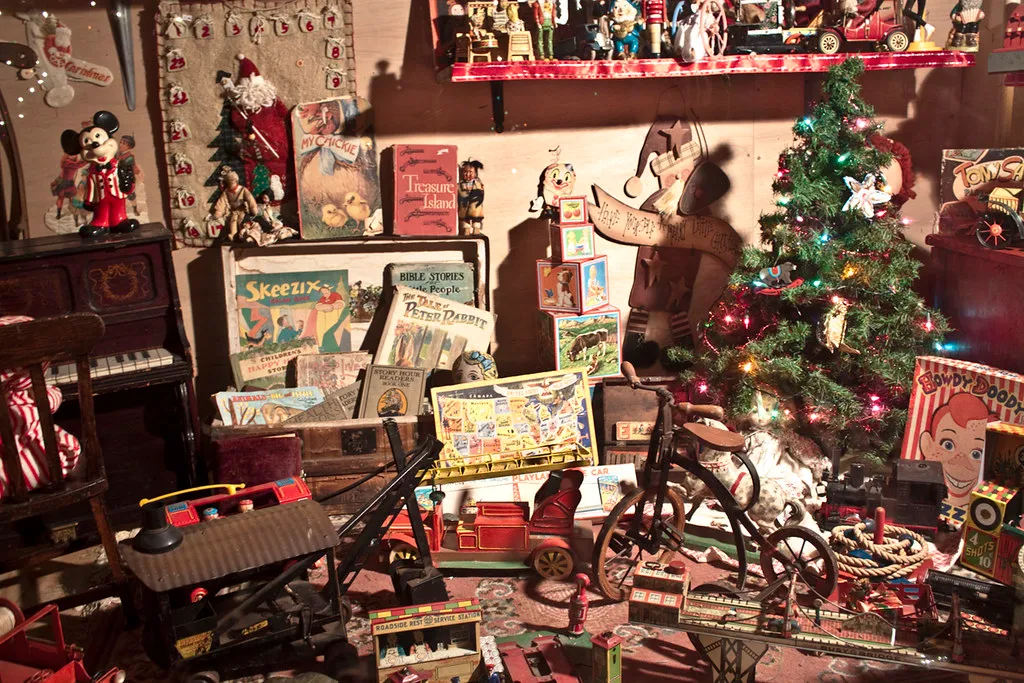
Psychologists say Christmas decorations are nostalgic and bring people back to simpler and happier times, and they also help boost dopamine. For many adults, the smell of pine, the familiar weight of old ornaments, and the glow of string lights are inseparable from childhood memories. The tree is not just a decoration. It’s a time machine.
This sense of nostalgia can definitely increase happiness, and psychologist Deborah Serani suggests there may be more than one reason behind the tinsel-infused mood boost. When nostalgia and sensory cues combine, they create a powerful emotional experience. It’s part of why the same people do it year after year, almost instinctively.
Black Friday and the Tree: An Accidental Pairing That Stuck
According to a survey by YouGov, about 27 percent of Americans start decorating the weekend after Thanksgiving. This aligns with the traditional start of the Christmas season, marked by Black Friday. The two events exist side by side, and over time they started reinforcing each other.
Retailers contribute to this trend by launching holiday sales and displays immediately after Thanksgiving, reinforcing the idea of an extended festive season. When you’re already out picking up deals on ornaments and lights at half price, it’s a short trip from the store to setting up the tree at home. The timing feels natural because retail has spent decades making it feel that way.
The Day After Thanksgiving Extends the Season Intentionally
Some people put the tree up early for a very straightforward reason: they want more time to enjoy it. According to a Wakefield Research survey of 1,000 Americans, 79 percent of participants agreed that the earlier they decorate for Christmas, the more holiday spirit they experience. More days with the tree lit means more of that feeling.
Studies show that there are mental health benefits related to decorating for Christmas before December. Even if it’s just getting the Christmas tree up in the living room or pulling out the ornaments, decorating for Christmas is shown to boost moods and “activate” the holiday spirit. Stretched over five or six weeks instead of three, the season feels richer rather than rushed.
Generational Differences in Timing
Gen Zers tend to be quickest to get into the Christmas spirit, while Baby Boomers more typically wait until after Thanksgiving. Younger generations, raised alongside social media and holiday content that starts flooding feeds in early November, have a different relationship with seasonal timing altogether.
Only about nine percent of Baby Boomers aged 65 and older start decorating right after Halloween, and more than half of that group waits until Thanksgiving festivities have quieted to begin stringing up lights. The day after Thanksgiving still appeals broadly across age groups, but the reasons differ. For older adults it’s often tradition; for younger ones it’s often mood and self-expression.
Where You Live Shapes When You Decorate
Geography has more influence on decorating timing than many people assume. About 50 percent of Americans put their Christmas tree up after Thanksgiving. Those in rural areas are most likely to put their trees up before Thanksgiving, compared to suburban and urban dwellers.
Nearly half put decorations up after Thanksgiving but before December 1, while roughly a third start their outdoor decorating even before Thanksgiving arrives. Urban households tend to follow the post-Thanksgiving window more closely, while rural communities often move earlier, suggesting that community rhythm and local culture shape the calendar as much as personal preference does.
It Signals Community Warmth to the Neighborhood
There’s a social dimension to the early tree that doesn’t get discussed enough. There’s another possible benefit to decorating early: the neighbors might think you’re friendlier. Research has shown that people interpret Christmas decorations on a home as a cue that the people inside are sociable.
The Journal of Environmental Psychology found that homes with Christmas decorations had more significant attributes of sociability. Putting up a tree the day after Thanksgiving, where it’s visible through a window or glowing from the porch, quietly communicates something to the street. It says that this is a warm household, open to the season and to connection.
Artificial Trees Make Early Setup Practical
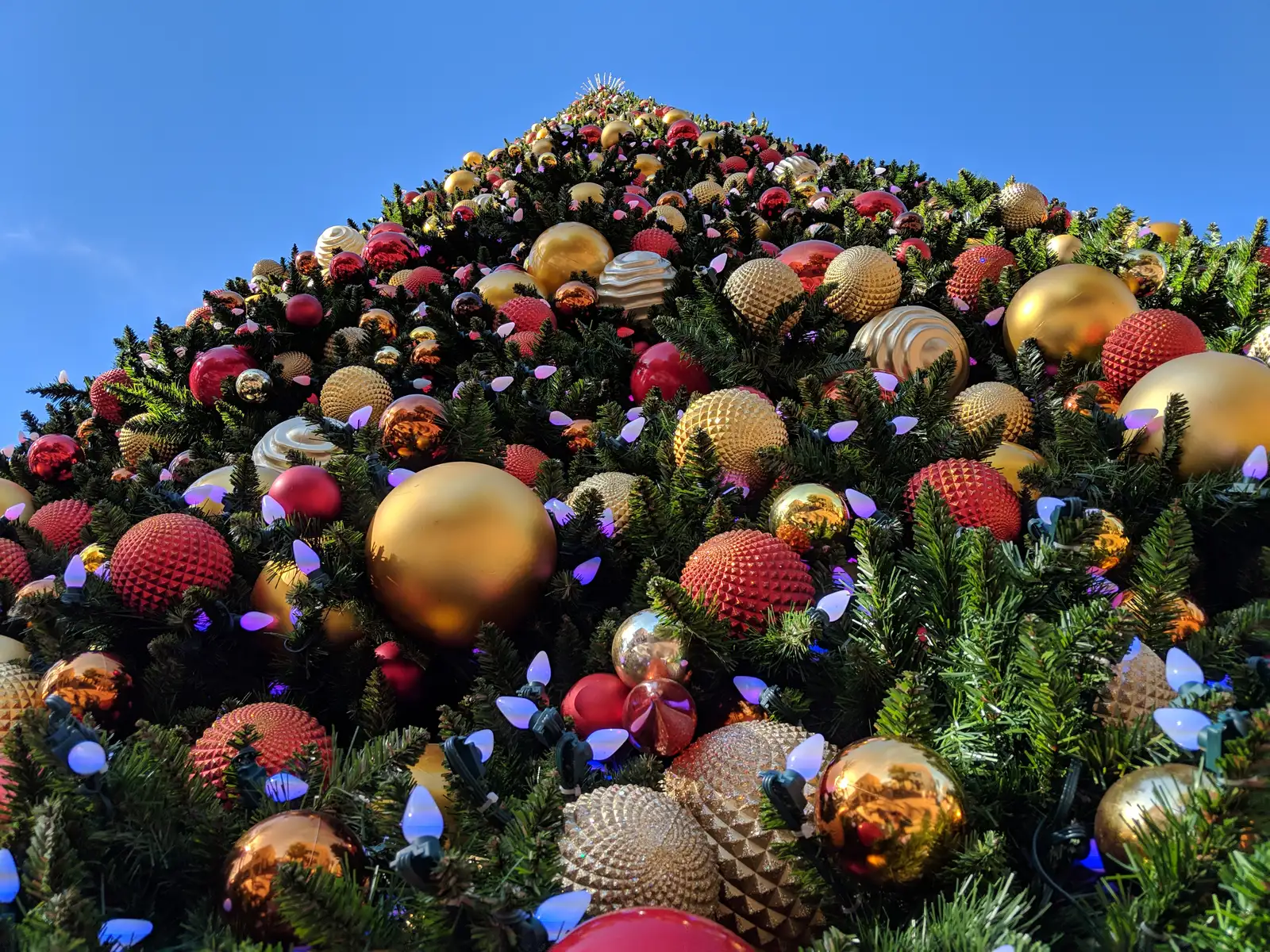
One practical reason so many people feel comfortable putting the tree up right after Thanksgiving is that most of them aren’t using real trees. About 71 percent of Americans who put up a tree prefer an artificial one. An artificial tree has no freshness deadline, no water to refill, and no needle drop to worry about. The practical barrier to early setup simply disappears.
The only potential downside to decorating early with a real tree is ensuring it lives long enough to make it to the big day. If properly cared for, Good Housekeeping estimates a healthy Christmas tree will last about five weeks on average. For those who want the Christmas spirit to last longer than that, a fake tree does the trick. Five weeks from Thanksgiving lands right on Christmas Day, which is part of why the timing works so well for real-tree households too, as long as the tree is fresh.
The Trend Is Growing, Not Fading
According to new CivicScience data, 23 percent of U.S. adults who celebrate Christmas put up their decorations right after Halloween, a six-percentage-point jump from 2024. The overall direction of the trend is toward earlier decorating each year, with the post-Thanksgiving window still holding as the most popular single point of entry.
About 47.7 percent of Americans decorate after Thanksgiving but before December 1, and roughly 11 percent decorate before Thanksgiving. As decorating culture continues to shift and retail seasons keep creeping earlier, the day after Thanksgiving looks likely to remain the anchor point. It sits at the center of competing pressures, between those who want to hold the line and those who’d happily start in October.
The Takeaway
Putting up the tree the day after Thanksgiving isn’t just a quirk or an impatient habit. It’s a behavior rooted in psychology, nostalgia, retail culture, and a genuine desire to extend the season’s warmth. The numbers back it up consistently across surveys and years.
What’s striking is how personal the motivation still feels, even when tens of millions of people are doing the same thing on the same day. For some it’s childhood memory. For others it’s the dopamine hit of lights in the dark of late November. For many it’s simply that Thanksgiving marks the moment the year starts winding down, and the tree is how they mark it. That quiet overlap between gratitude and anticipation, the turkey still on the counter and the ornaments coming out of storage, turns out to be a powerful place for a tradition to take root.
AI Disclaimer: This article was created with the assistance of AI tools and reviewed by a human editor.