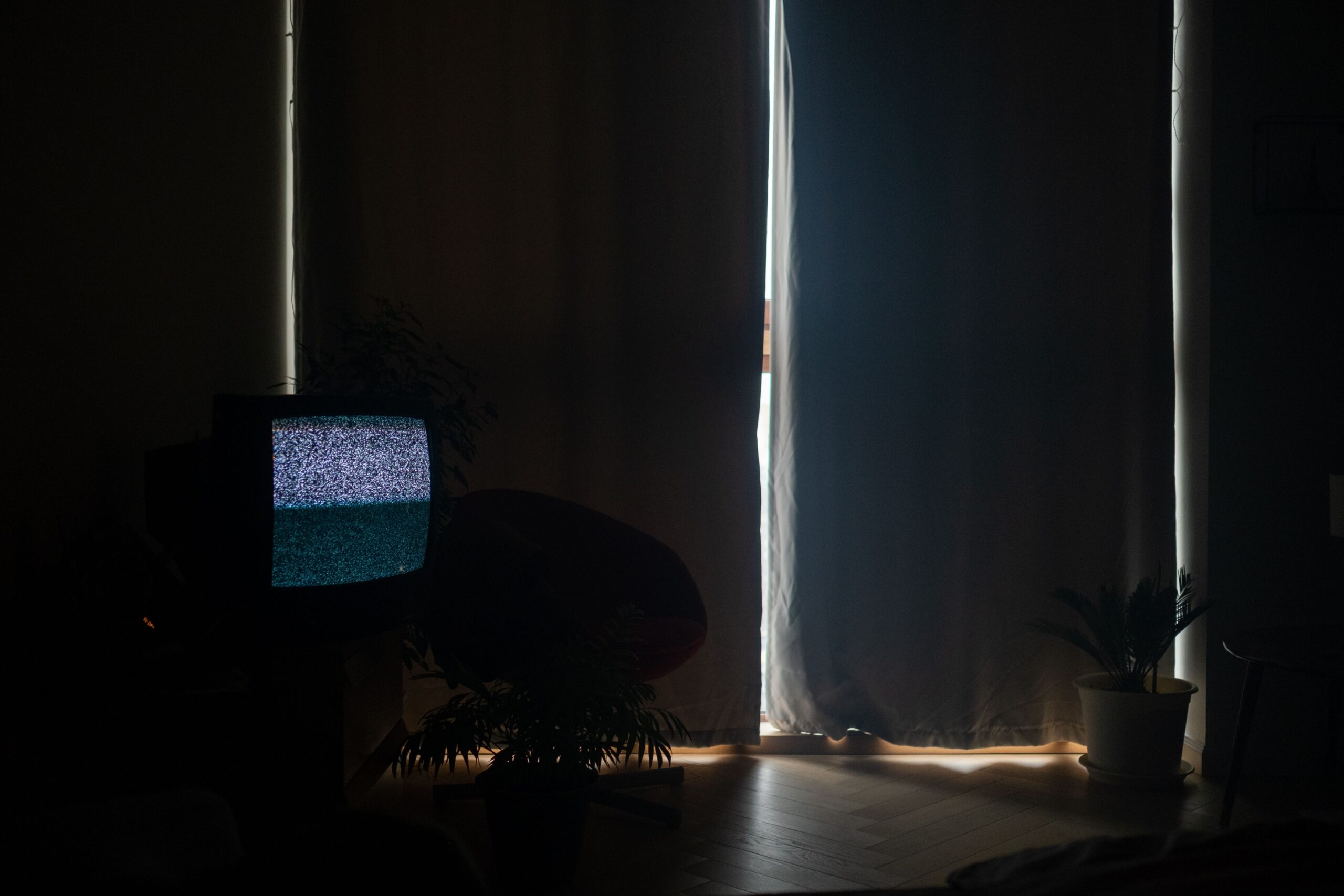

More Than Half of Americans Do It
According to a national consumer study, nearly two thirds of Americans fall asleep with the TV on. That’s a striking figure when you consider how consistently sleep professionals advise against screens in the bedroom. A National Sleep Foundation poll also found that roughly six in ten Americans watch TV right before bed. These aren’t small or outlier samples. This is mainstream behavior across age groups.
According to a SleepFoundation.org poll, watching television is the most popular bedtime ritual for U.S. adults, cited as the go-to routine for more than half of sleepers, well above showering or bathing and talking to a partner. When a habit is that widespread, dismissing it as laziness or poor discipline misses the point. Something deeper is going on.
Racing Thoughts and the Need for Mental Distraction
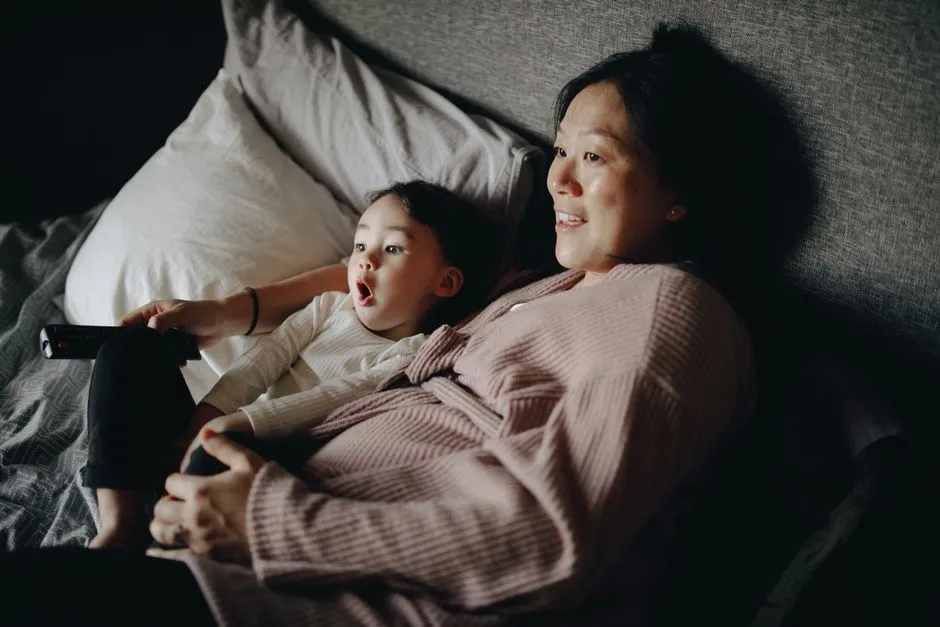
The most common reason people leave the TV on at bedtime is to manage racing thoughts. The transition from a busy day to a dark, silent room can feel like an invitation for anxiety, worry, and mental replays of the day. Background noise from a TV gives the brain something low-stakes to latch onto, pulling attention away from intrusive thoughts.
Sleep psychologist Dr. Nicola Cann notes that TV can serve as a distraction from anticipatory anxiety or overthinking. It gives people something else to focus on so that they don’t start replaying an awkward conversation or worrying about the day ahead. For people who lie awake cataloging their stresses, that redirection can be genuinely effective. According to survey findings published by the American Psychological Association, roughly four in ten people have lain awake at night due to stress.
It Functions Like White Noise, But With More Grip
Cleveland Clinic psychologist Chivonna Childs says falling asleep to the TV or something streaming is soothing and calming, similar to white noise, and that the ritual also helps distract people from racing thoughts. The comparison to white noise is useful, though it’s not quite accurate.
Clinical psychologist Patricia Dixon notes that falling asleep to a TV show is very different from a sound machine. While white noise can drown out sound, a show or film offers people something to focus on, which certain types of minds genuinely need. White noise is formless. TV has structure, voices, and just enough narrative pull to keep the anxious mind from turning inward.
Conditioned Behavior and the Sleep Cue Effect
Many people who sleep with the TV on started doing it as children, often in households where the television ran constantly. If you grew up falling asleep on the couch while your parents watched the evening news, your brain likely built a strong association between the sound of a TV and the feeling of safety and relaxation. That association can persist for decades, making it feel nearly impossible to fall asleep without it.
For many, the TV has simply become a sleep cue. If you have fallen asleep to the TV for years, your brain has learned that the glow and the chatter mean bedtime. This is basic conditioning. The brain doesn’t distinguish between healthy and unhealthy cues. It just follows the pattern it’s been given.
Loneliness and the Comfort of Familiar Voices
For people who live alone, clinical psychologist Dr. Dixon says watching TV can be a distraction against loneliness. She describes working with an older woman who lives by herself and says she cannot sleep unless the TV is on, partly because she struggles with feelings of loneliness.
People form what researchers call parasocial relationships with TV characters. These are one-sided bonds where viewers develop a sense of familiarity and even friendship with fictional or on-screen personalities. The bond strengthens with repeated exposure, which is why people tend to fall asleep to the same shows over and over rather than trying something new. Hearing familiar voices creates a sense of companionship that makes the bedroom feel less empty, working similarly to how some people cope with loneliness through music. The TV essentially simulates the feeling of having someone else in the room.
Anxiety, Hypervigilance, and Trauma Responses
Sleeping with the TV on can, in some cases, be a trauma response. For people who have experienced some level of trauma, they might have a hypervigilance to any noise, and if the TV is on, it drowns out any other background noises that might make them alert or fearful. This isn’t true for everyone who reaches for the remote at bedtime, but it’s a real pattern for a meaningful subset of people.
For people with generalized anxiety or high stress levels, silence can feel oppressive. The TV acts as a kind of mental buffer zone, filling the quiet with something predictable enough to be calming but engaging enough to redirect attention. When the world outside the window feels uncertain, a familiar sitcom rerun can provide a strange but genuine form of emotional steadiness.
The Role of Habit, Not Just Need
If you can’t fall asleep without the TV, you’re far from alone. In a survey of 844 adults aged 18 to 94, nearly a third said they used television as a sleep aid, second only to books. That’s a substantial share of the population leaning on the same nightly prop.
Falling asleep to the TV is sometimes described online as a sign of anxiety, ADHD, or a trauma response. However, a habit isn’t a diagnosis, and plenty of people simply like the sound. The habit, for many, is genuinely benign. It formed gradually over years, it works well enough, and there’s never been a strong enough reason to change it.
The Night Owl Connection

Research has found a correlation between individuals who prefer to stay up late and the need for noise or light to fall asleep. This tendency is common among night owls and could be related to delayed sleep phase syndrome, where a person’s biological clock is naturally set to a later schedule.
The hum and glow of the television can provide a sense of normalcy for these individuals, mimicking the stimulation they might otherwise seek during the waking hours of the night. For someone whose internal clock doesn’t naturally wind down until well past midnight, the TV essentially bridges the gap between wakefulness and sleep in a way that dark silence simply cannot.
What Happens to Sleep Quality
The downside of sleeping with the TV on is that it keeps the brain active without us even noticing. Both the sound and light continue stimulating the brain all night, which may be why so many people experience fatigue during the day even if they slept through the night.
A study published in JAMA Network Open in March 2025 looked at screen use in adults across the United States and Puerto Rico. Compared with people who avoided screens before bed, those who used them had a notably higher rate of poor sleep quality and slept less per week overall. A Cleveland Clinic psychologist also warns that the blue light from a TV or device may lead to less quality sleep, as it can prevent the body from releasing melatonin. Still, research on the blue light question is more nuanced than it once seemed.
Blue Light: Less of a Villain Than Advertised
Blue light from phones or screens is often blamed for poor sleep, but research has shown that the biggest disrupter may actually be delaying bedtime rather than the light itself. This distinction matters. If you’re watching TV for twenty minutes before falling asleep, the light may not be the main problem. If you’re staying up two hours past your intended bedtime because the next episode auto-played, that’s a different story.
A 2024 study in Sleep Medicine Reviews found that light emitted from screens is not intense enough to disrupt sleep on its own. Watching TV may in fact be a better option compared to scrolling on a phone, partly because the viewing distance is greater and the content tends to be less personally stimulating. The screen is across the room, not inches from your face.
What To Do If You Want to Break the Habit

Shows that are familiar or predictable are especially helpful for winding down, as watching TV can help reduce cognitive arousal. If you’re going to keep the TV on, choosing something you’ve already seen tends to work better than something new and engaging. Rewatching a comfortable old series puts far less demand on the brain than following an unfamiliar plot.
If nighttime anxiety is the underlying issue, TV can help reduce it. Many people can’t stop thinking about everything they need to get done or replay cringeworthy moments from the day. If what you watch is calm and something you’ve already seen, it can wind down the brain. Setting a sleep timer so the TV shuts off after you drift off removes the overnight stimulation without disrupting the falling-asleep ritual you’ve come to rely on.
The Takeaway
Needing the TV to fall asleep isn’t a character flaw or a sign of disorder. For most people, it’s a learned behavior that solved a real problem at some point, whether that was loneliness, anxiety, silence, or just boredom. The brain found something that worked and held onto it.
The honest consideration is whether the habit is actually serving you well. If you wake up tired despite a full night’s sleep, the TV running in the background may be quietly clipping your sleep quality. A timer costs nothing. A slightly earlier channel change costs even less. Whether you’re ready to experiment with alternatives or perfectly content with your nightly reruns, understanding why you reach for that remote is a reasonable place to start.
AI Disclaimer: This article was created with the assistance of AI tools and reviewed by a human editor.