
The “Just in Case” Brain

One of the most familiar reasons people hold onto empty boxes is the feeling of preparedness they provide. Psychologists call this “anticipatory thinking,” which means we think about what might happen in the future. The empty box becomes a kind of mental insurance policy, a placeholder for problems that haven’t happened yet.
Maybe you’ll use it to store your toys, organize your desk, or even return the item if it breaks. Keeping the box feels like keeping a backup plan. Even when that plan is vague or unlikely, the brain still finds it comforting. They make us feel like we’re prepared for anything. Psychologists say this comes from our need to feel safe and in control. Life can be unpredictable, and keeping things like boxes helps us feel like we have a safety net.
Loss Aversion and the Pain of Letting Go

One of the most powerful forces keeping boxes in closets is a well-established cognitive bias: loss aversion. According to the original research conducted by Daniel Kahneman and Amos Tversky, the pioneers of loss aversion, the torment of a loss can be psychologically twice as powerful as an equivalent gain. Throwing away a box, even an empty one, registers in the brain as losing something.
Loss aversion is a reflection of a general bias in human psychology, the status quo bias, that makes people resistant to change. So when we think about change we focus more on what we might lose rather than on what we might get. The result is that an empty box sitting on a shelf feels safer than a decision to discard it. When you contemplate a change, your brain immediately highlights what you might lose and downplays what you might gain.
The Endowment Effect: You Own It, So It Has Value
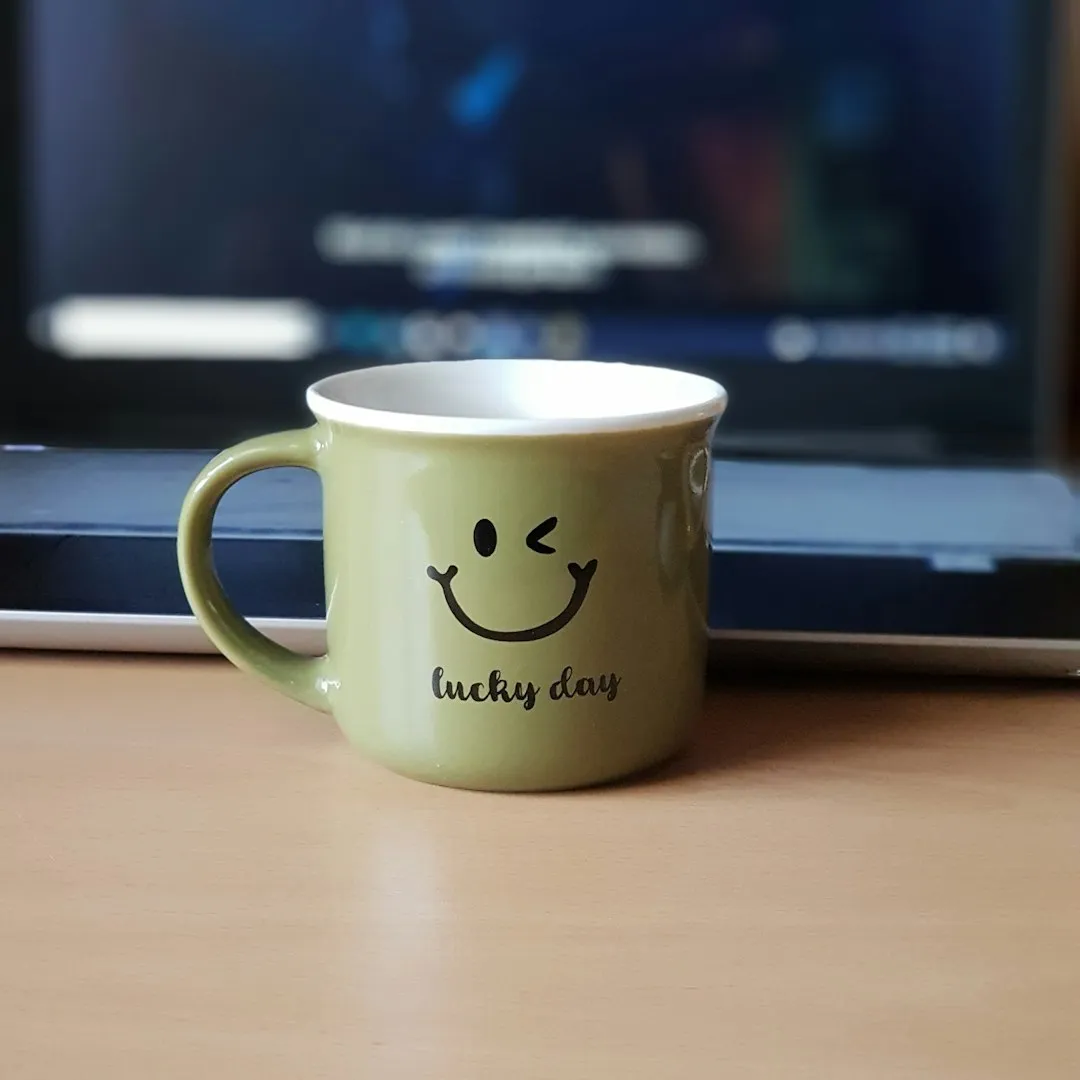
The endowment effect is a related but distinct phenomenon: we value things more highly simply because we already own them. You’d charge more to give up a mug you were handed than you’d pay to acquire the same mug. It’s a specific expression of loss aversion applied to possessions, and it reinforces status quo preferences by inflating the perceived value of what we already have.
Research commonly suggests that endowment effects reflect our larger underlying decision bias called “loss aversion,” or the tendency to weigh losses more heavily than gains. Applied to an empty box, this means the moment you own it, it feels worth more than it objectively is. We tend to overvalue things simply because we own them. That cardboard rectangle stops being trash and becomes, in some quiet way, an asset.
Sentimental Memory and the Emotional Snapshot
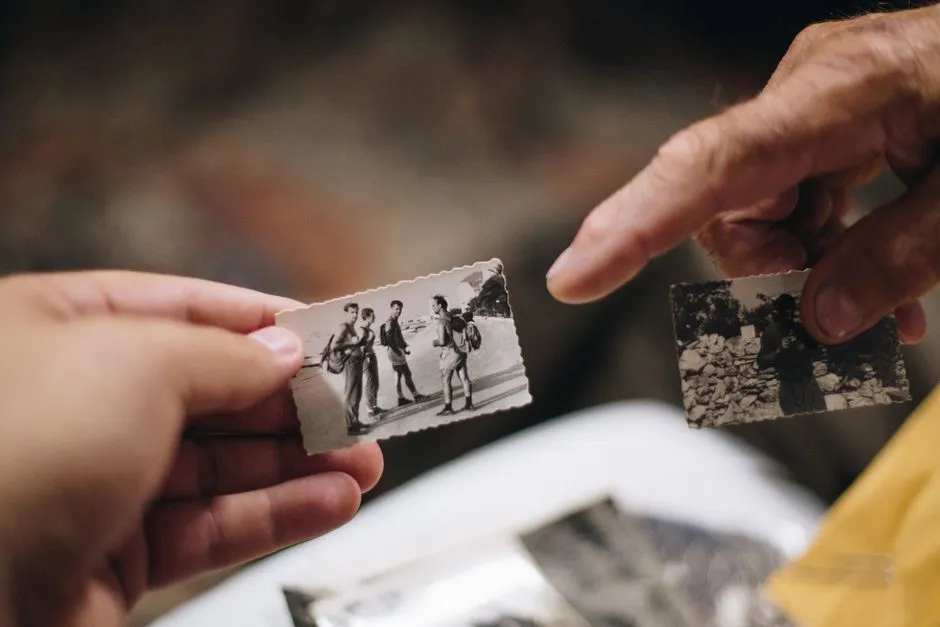
Empty boxes do more than just sit in your room, they carry memories. When you open a new game or a pair of shoes, the box is part of that happy moment. It’s like a photo that reminds you of a great day. Our brains tie objects to feelings, and boxes are no exception.
The unboxing experience marks the beginning of a user’s relationship with their device or product, creating lasting memories and emotional connections. The box itself becomes a physical marker of that emotional moment. Throwing one away can feel like letting go of that happiness. This is called “sentimental attachment,” and it’s why you might keep a box from a gift even if it’s just collecting dust.
Status Quo Bias and the Inertia of “Not Deciding”

Sometimes the box stays not out of love for it, but simply because no decision was ever made. You haven’t decided it’s worth keeping. You just haven’t had to decide anything at all. Keeping it lets you postpone a choice you’d rather not make, and postponing feels like nothing, which is exactly why it keeps winning.
The current situation becomes the baseline against which all alternatives are measured, and moving away from it, even toward an objectively better outcome, gets mentally coded as a loss. Loss aversion then amplifies that effect, making the psychological cost of change feel steeper than the benefit. This is why a closet full of boxes can persist for years without anyone consciously choosing to keep them. Neuroimaging research shows that overriding a default option recruits more neural resources than accepting it, meaning inertia isn’t a moral failing, it’s an architectural feature.
When Does Box-Keeping Become a Clinical Problem?

There’s an important line between saving packaging out of habit and a clinically recognized pattern. It’s worth drawing a line here, because “I keep a lot of boxes” and “I have a clinical problem” are not the same thing. Hoarding disorder involves persistent difficulty discarding possessions, not just product packaging, but things of any kind, regardless of whether they’re useful. It’s paired with real distress at the thought of letting them go.
Hoarding disorder is characterized by persistent difficulties parting with possessions, associated distress, and clutter that compromises the intended use of living spaces. At that point, the issue moves well beyond cardboard. Hoarding disorder causes significant impacts on social, occupational, and other important areas of functioning, and health risks include falls and other injuries due to clutter.
How Common Is Hoarding Disorder?

Hoarding disorder is more prevalent than most people realize. A meta-analysis synthesized data from eleven carefully selected studies and found the estimated prevalence of hoarding disorder to be roughly two and a half percent, or about one in forty individuals. That makes it a meaningful public health concern, not a rare condition.
The overall prevalence of hoarding disorder is approximately two and a half percent, with higher rates for people over sixty years old and people with other psychiatric diagnoses, especially anxiety and depression. The prevalence and features of hoarding appear to be similar across countries and cultures. The bulk of evidence suggests that hoarding occurs with equal frequency in men and women.
Hoarding symptoms typically appear in early-to-mid adolescence and, in contrast to many other psychiatric disorders, symptom severity increases with age. Psychiatric comorbidity is common in hoarding disorder, with up to seventy percent of individuals having at least one additional disorder, most commonly anxiety and depression.
The Anxiety Connection

Anxiety serves as a powerful driver behind hoarding behaviors, manifesting in several distinctive fear patterns that make discarding items feel genuinely threatening. These fears create a psychological imperative to acquire and keep possessions regardless of practical considerations. An empty box, in this context, isn’t just cardboard. It’s a buffer against an uncertain world.
The fear of wasteful behavior ranks among the most common anxieties, with many hoarders expressing intense concern about environmental impact or squandering potentially useful items. This anxiety creates moral distress about discarding anything that might conceivably serve a purpose someday, from empty containers to broken appliances waiting to be repaired. The box becomes morally loaded. Getting rid of it doesn’t feel neutral; it feels like doing something wrong.
Identity, Self-Concept, and the Possessions We Keep

Studies have found that people who struggle with hoarding disorder have significant difficulty separating their self-concept from their possessions, and that following disposal of possessions, a perceived feeling of emptiness within the self appears to be particularly central to hoarding behaviour. The object and the person become fused in a way that makes discarding feel like self-erasure.
By keeping the boxes, some users assert their identities, showcase their status, and relive the excitement of owning a product. This is especially visible with premium consumer goods, where the packaging itself carries social meaning. Someone who cheerfully hands over a stack of saved boxes to a neighbour moving house isn’t showing those clinical signs. The difference lies in whether the object has fused with the person’s sense of self, or whether it simply hasn’t been thrown out yet.
The Difference Between Hoarders, Collectors, and the Rest of Us
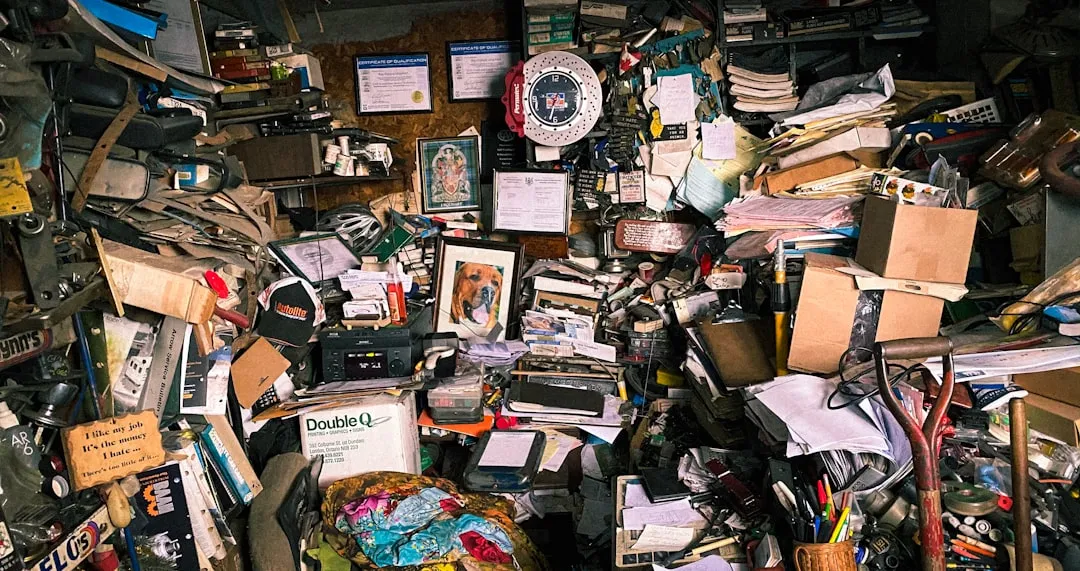
Experts make a distinction between hoarders and collectors. They specify that while hoarders find it difficult to throw anything away, people who are simply disorganized are more than willing to throw things away. While collectors can classify their collection, a hoarded stockpile defies any pattern of organization.
Hoarding is not the same as collecting. Collectors typically acquire possessions in an organized, intentional, and targeted fashion. Once acquired, the items are removed from normal usage, but are subject to being organized, admired, and displayed to others. The person who keeps a pristine iPhone box on a shelf is doing something different from the person who cannot walk through their hallway. Acquisition of objects in people who hoard is largely impulsive, with little active planning, and triggered by the sight of an object that could be owned. Objects acquired by people with hoarding lack a consistent theme, whereas those of collectors are narrowly focused. Disorganized clutter is a hallmark of hoarding disorder.
The Takeaway
The empty box in your closet is doing a surprising amount of psychological work. It’s holding a memory, hedging against uncertainty, resisting a decision you haven’t made, and benefiting from the same cognitive bias that shapes major financial choices. None of that makes you a hoarder.
Most people who keep boxes simply haven’t been pushed to decide yet. Fear of making the wrong decision isn’t a universal driver of our urge to save items. For most of us, the habit is harmless and entirely human. The important thing is knowing the difference between ordinary inertia and a pattern that starts to crowd out the rest of life.
Understanding the psychology doesn’t necessarily make it easier to flatten that box and put it in the recycling bin. But it does make the hesitation a little more forgivable.
AI Disclaimer: This article was created with the assistance of AI tools and reviewed by a human editor.