

The Three Little Muscles Behind the Magic
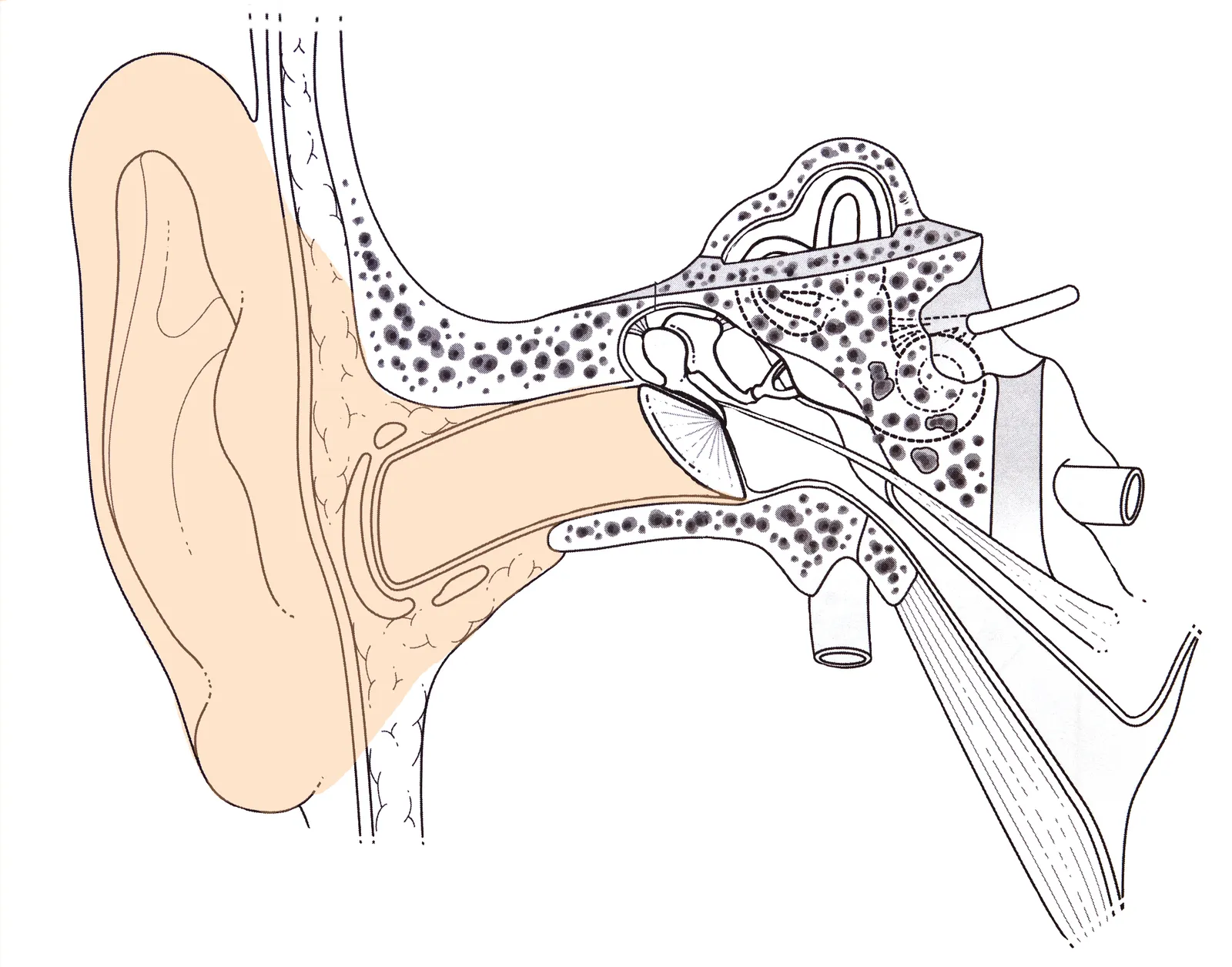
Ear wiggling is the movement of the external ear using three muscles attached to it from the front, above, and behind. These are formally called the auricularis anterior, superior, and posterior. Humans have only three extrinsic muscles around each ear, while dogs, for example, have an average of 18 muscles per ear. Human auricular muscles have long been considered vestigial, meaning biological elements that no longer serve a practical purpose.
Although the auricular muscles of modern humans are small and weak, in our distant ancestors, these muscles likely moved the ears back and forth, improving hearing by capturing sound more effectively. The fact that humans retained them at all is telling. They didn’t vanish completely; they just went mostly quiet.
How Rare Is the Ability, Really?

Only roughly ten to twenty percent of people can wiggle their ears. These vestigial muscles are still used by this small fraction of the population who have retained the fun ability. That means the overwhelming majority of people have no conscious access to those muscles at all.
A small 1995 study of 204 men and 238 women found that approximately twenty-two percent of participants were able to move one ear, while about eighteen percent could move both ears simultaneously. Significantly more men than women were able to move both ears at the same time. It’s one of the more curious little asymmetries in human biology.
It’s About Brain Wiring, Not Just Muscles
Some of the brain’s neural pathways are naturally under conscious control, while others aren’t. Auricular muscles are controlled by the facial nerve, but in most people the neural pathway governing ear wiggling is not under conscious control, making the action impossible.
Those who can wiggle their ears have not just retained vestigial ear muscles; their brains are wired to allow them to do so. They still have neural pathways that enable them to move those muscles, while others may have lost them a few branches back on the family tree. Think of it less like a physical limitation and more like a door that’s been locked from the inside.
The Genetics Are Complicated
A 1949 study found that while most ear wigglers had at least one parent who could do the same, five out of 24 cases showed that both parents lacked the trait. This suggests that ear wiggling doesn’t follow the regular dominant inheritance pattern seen in traits like tongue rolling, freckles, or brown eyes.
The AncestryDNA team set out to identify the genetic connection by asking over 790,000 people whether they could wiggle their ears and then comparing their answers with their genetic profiles. This process revealed 250 DNA markers that relate to ear wiggling. That’s a surprisingly wide genetic footprint for what looks like a trivial trait. Looking at the results, the AncestryDNA team concluded that the variation in people’s ear-wiggling ability is at least partly due to genetics, but a larger portion is a result of practice and behavior.
An Evolutionary Relic from Deep Time
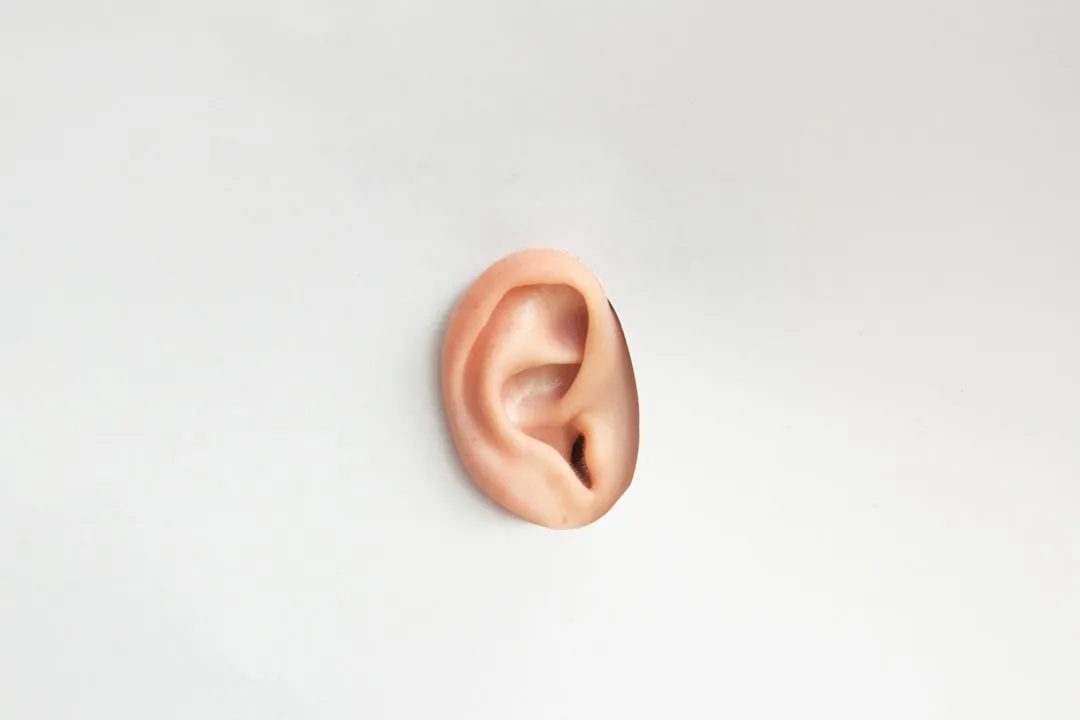
Some humans can voluntarily move their ears and have an overt reflexive control of the pinnae, but this voluntary movement seems to have been lost during the course of primate evolution. A 2015 study in the journal Psychophysiology found that neural circuits for pinna orienting have survived in a purely vestigial state for over 25 million years.
For animals like dogs, cats, and monkeys, ear movement helps track sounds, which is crucial for detecting predators or prey. Over millions of years, humans evolved to rely less on hearing for survival. As a result, the auricular muscles became weaker and are now considered a vestigial feature, an evolutionary leftover that’s no longer necessary but hasn’t completely disappeared.
The “Neural Fossil” Theory

Researcher Strauss hypothesized that humans have “retained a vestigial pinna-orienting system that has persisted as a ‘neural fossil’ within the brain.” That phrase is remarkably precise. The system didn’t die. It fossilized. The wiring is still there; it just doesn’t fire the same way it once did.
According to the results of Strauss’ research, all humans have some ability to move or wiggle their ears, and such movement can be prompted by sound. However, these movements are barely noticeable. The difference between ear wigglers and everyone else may simply be a matter of degree, not an entirely different biological setup.
Your Ears Still Try to Listen Harder Than You Think
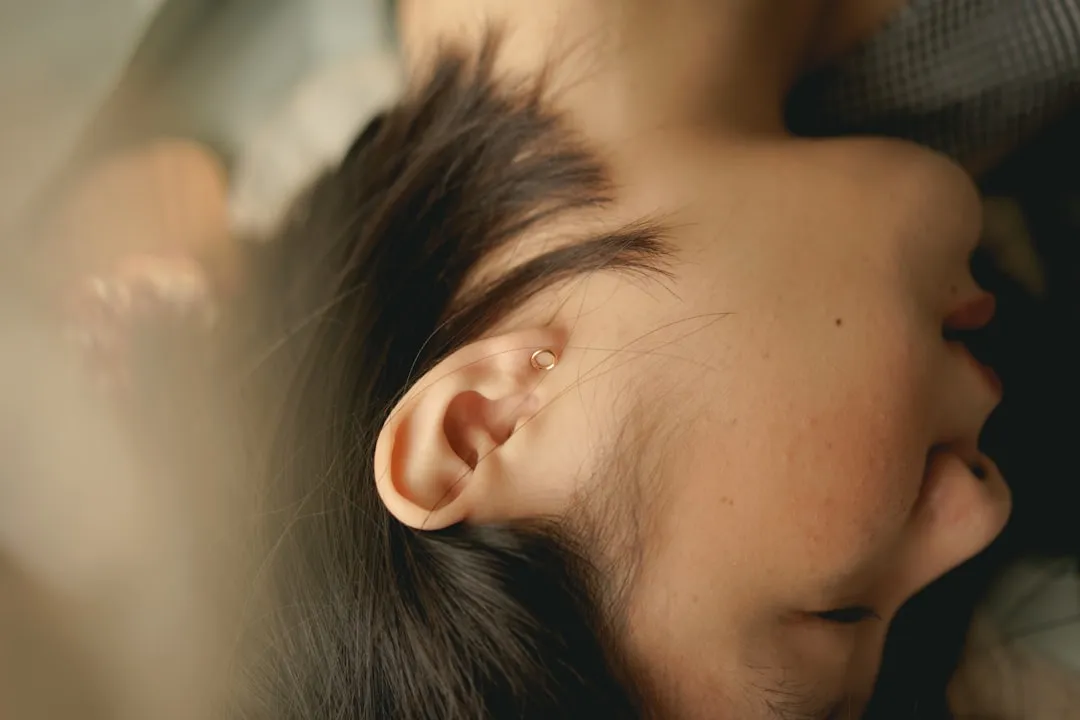
Small muscles in our outer ears unconsciously flex when we’re trying to pick one sound out of a din of noise. When we strain to catch what someone is saying in a noisy room, the superior auricular muscles kick into action, likely in an attempt to sharpen our hearing ability. Because the muscle is small, though, it probably has little effect on our actual hearing.
These muscles, particularly the superior auricular muscle, exhibit increased activity during effortful listening tasks. This suggests they are engaged not merely as a reflex but potentially as part of an attentional effort mechanism, especially in challenging auditory environments. Most of us never notice this happening. It’s completely automatic.
Can Anyone Actually Learn to Do It?
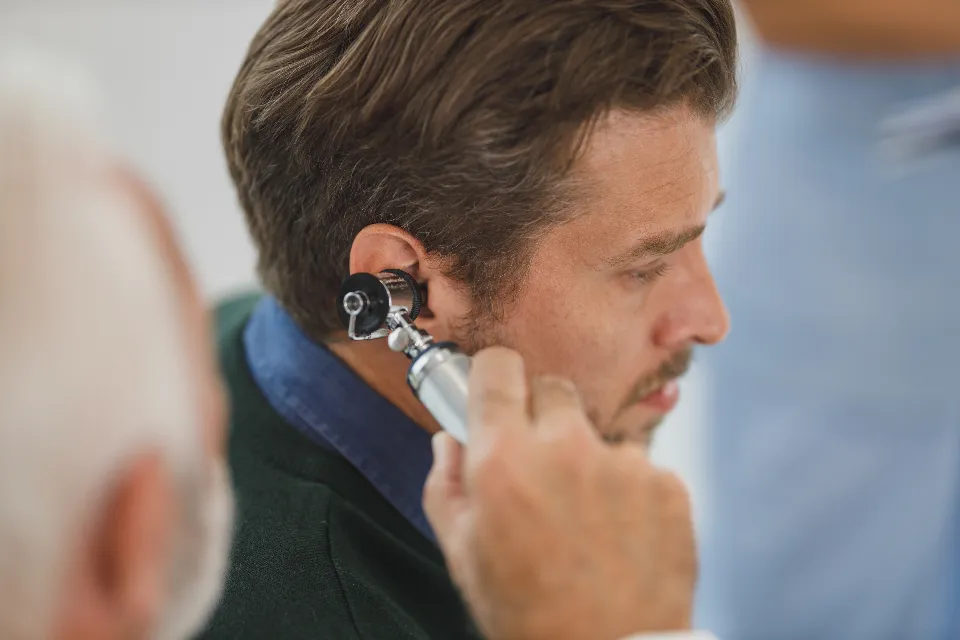
Although the mechanism behind ear wiggling is complex, it is possible for potentially anyone to learn how to wiggle their ears because the necessary muscles and nerves are already in place. There are many anecdotal reports of people being able to teach themselves the skill by practicing in a mirror.
Research conducted using a kymograph to measure ear movements found that only two out of twelve subjects had any voluntary control at the start, but that the others could acquire this ability through training with an early form of biofeedback. So it’s not entirely hopeless, though patience is clearly required. The ability is partly due to genetics, but a larger portion is a result of practice and behavior, and many people can train those muscles regardless of their genetic predisposition.
A Curious Gender Gap

In a study examining the abilities of 442 subjects, including 204 men and 238 women, approximately twenty-two percent could move one or the other ear and about eighteen percent could move both ears simultaneously, but significantly more men could move both ears simultaneously.
Researchers have noted this difference without reaching a definitive explanation for it. Results have been discussed with reference to a possible left ear and right hemisphere advantage for localizing environmental sounds, primitive ear-moving abilities no longer functional in modern humans, and potential by-products of other adaptive sex differences. It remains an open question, and to date, no further research has been specifically conducted on this gender gap in ear wiggling.
The Surprising Future of Ear Muscles and Hearing Aids
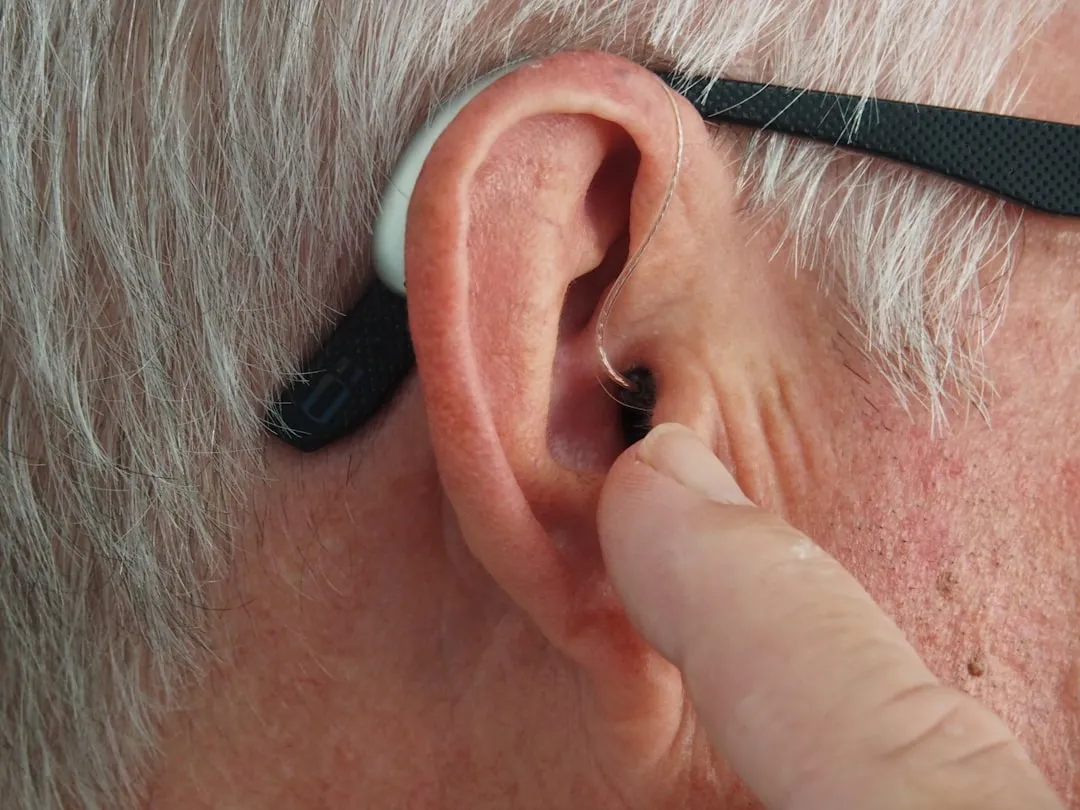
Though considered vestigial, involuntary ear movements may help researchers develop better and more accurate hearing aids in the future. This is perhaps the most unexpected chapter in the whole story. A trait most people have written off as a quirky leftover might turn out to have a practical application in audiology.
Under controlled laboratory conditions, it has been shown that electrical signals from the posterior auricular muscle may provide information on a user’s reactions to sound. The anatomical location of this muscle is potentially advantageous for applications involving behind-the-ear or in-the-ear devices, making it a target of choice in attempts to develop such applications. Scientists are essentially trying to read the ear’s old signals and turn them into something useful again.
Final Thoughts
Ear wiggling sits at this unusual crossroads of biology, evolution, and individual variation. It’s not quite a superpower, not quite useless, and not quite as genetically straightforward as people assume. The muscles are there in everyone; the question is whether the brain still speaks to them clearly enough to move on command.
What makes this topic quietly compelling is how much it reveals about our evolutionary past. Those tiny, seemingly pointless muscles are carrying 25 million years of history. Every now and then, in a small fraction of people, that ancient system wakes up just enough to do something visible. And the rest of us watch and wonder why we can’t do the same.
AI Disclaimer: This article was created with the assistance of AI tools and reviewed by a human editor.