
The Scam Epidemic Is Making the Phone Feel Dangerous
Perhaps the most concrete driver is the sheer scale of phone-based fraud targeting older adults. In 2024, the FBI Internet Crime Complaint Center reported that adults aged 60 and older submitted over 147,000 complaints and reported an estimated $4.8 billion in losses to cyber-enabled fraud. That’s not a background concern – it’s a crisis that touches nearly every older household.
Americans aged 60 and up reported around $5 billion in losses to scams in 2024, and one key factor behind this spike is that AI tools are making scam messages more convincing than ever. When a phone call might be a fraudster pretending to be a grandchild in distress, or a government agent threatening arrest, the instinct to not answer at all becomes entirely rational.
The FTC reported that the phone was the top fraud contact method reported by the elderly, with 16,000 reports, followed by online with 10,000 reports. Older adults also reported significantly higher median individual losses of $1,500 on phone scams than younger consumers. For many seniors, the phone has simply become a vector for harm rather than connection.
Fraud Anxiety Is Now a Recognized Mental Health Burden

A new study from the University of Portsmouth found that a significant number of older adults in the UK are affected by fear of fraud, especially those who live alone or have previously been victims of crime. The researchers described it as a hidden epidemic. Not a fear that flares up occasionally, but one that shapes daily life.
The research uncovered profound anxiety among older adults due to fraud attempts, significantly affecting their sense of security and daily interactions. Many respondents expressed a constant state of suspicion and fear. That kind of chronic alertness is exhausting, and avoiding the phone entirely is one way people manage it.
The study found that fear and anxiety about fraud were major concerns for many respondents, and the issue was severe enough that many elderly adults were too anxious to even participate in the survey because the topic was too upsetting. When the mere discussion of the problem causes distress, it’s clear that the psychological weight is significant.
Robocalls and Unknown Numbers Have Broken Trust in Caller ID
Today, 86% of calls from unknown numbers go unanswered, according to Hiya’s State of the Call 2026 report. That number tells you everything about how fundamentally the phone call has changed as a medium. If nearly nine out of ten calls from unknown numbers are ignored across all age groups, older adults who are specifically targeted by fraudsters have even more reason to stay cautious.
In 2024, 41% of older adults who reported losing $10,000 or more to a business or government imposter scam indicated that a phone call was the initial contact method. Scammers have also learned to spoof numbers to look legitimate. Phone spoofing allows fraudsters to make calls appear as though they’re coming from real agencies like the IRS or FBI.
When even familiar-looking numbers can be faked, there’s simply no reliable way to know who is calling. For an older adult who has been burned before, or who has watched a neighbor get defrauded, the safest response can feel like silence.
Hearing Loss Makes Phone Calls Genuinely Difficult
Nearly half of American adults over 75 have difficulty hearing, according to the National Institute on Deafness and Other Communication Disorders. A phone call strips away all the visual context that makes communication easier: facial expressions, lip movement, body language. For someone with hearing loss, a voice-only conversation over a compressed audio line can be genuinely exhausting or simply unintelligible.
Hearing loss is increasingly prevalent among older adults and significantly impacts their ability and motivation to communicate, often resulting in reduced social participation, increased feelings of loneliness, and a higher risk of social isolation. Choosing not to answer is sometimes less about avoidance and more about the practical reality that the call won’t go well anyway.
Studies show a 28% higher likelihood of social isolation among older adults with hearing impairments. Many people begin to withdraw from social activities when hearing becomes difficult, often gradually and without realizing it. The phone, which requires hearing above almost all else, is often the first thing to go.
Cognitive Fatigue Plays a Bigger Role Than People Assume
Phone conversations demand a specific kind of mental energy. You have to follow a voice in real time, formulate responses quickly, manage the unwritten social rules of turn-taking, and do it all without the usual cues that make conversation flow naturally. For older adults dealing with any degree of cognitive slowing, even mild age-related changes, this is a meaningful load.
The absence of social cues such as facial expressions during a phone call can make a person feel self-conscious, and something as simple as the sound of one’s voice or choice of words can trigger that discomfort. For people who already feel uncertain about their memory or word-finding, the phone becomes a stage where their vulnerabilities feel exposed.
There’s no shame in this. It’s a practical reality of aging that doesn’t get discussed enough. The cognitive overhead of a live phone call is genuinely higher than a text or a face-to-face chat, and stepping back from it is often a quiet act of self-preservation rather than withdrawal.
Social Isolation Creates a Feedback Loop

According to the U.S. Centers for Disease Control and Prevention, more than a quarter of seniors say they have little or no contact with others, and a third report feeling lonely. This isolation doesn’t just result from phone avoidance – it can also reinforce it. When someone rarely speaks to others, the prospect of a sudden call from an unknown number feels even more disorienting and threatening.
Experts have linked such isolation in part to hearing loss, which can interfere with communication and relationship building. Over time, the less someone uses the phone, the more unfamiliar and uncomfortable it becomes. Skills, like all things, atrophy without practice.
The result is a kind of compounding withdrawal. Each unanswered call makes the next one a little easier to ignore. Eventually, not answering becomes the default setting rather than a conscious decision, and that shift often happens so gradually that neither the person nor their family notices it clearly.
Loss and Grief Can Quietly Change Communication Habits
When close friends and long-term partners die, the social landscape of an older person’s life changes significantly. The people they once called most often may be gone. The people who called them regularly may no longer be in their lives. The phone, which once connected them to a rich network, now mainly brings strangers or occasional check-ins from family.
This is a grief-related dimension that rarely gets discussed in the context of phone habits. When most of the people you most wanted to talk to are no longer reachable, the emotional reward of answering a call drops considerably. The phone shifts from being a source of joy to something that mostly delivers reminders of absence.
It’s worth noting that this isn’t depression in a clinical sense, though depression is certainly a risk factor. It can simply be a form of reorganizing around what’s left. Older adults are often making practical, emotionally intelligent decisions about where they invest their limited energy, and an uncertain phone call doesn’t always make the cut.
The Landline Shift Has Created Practical Confusion
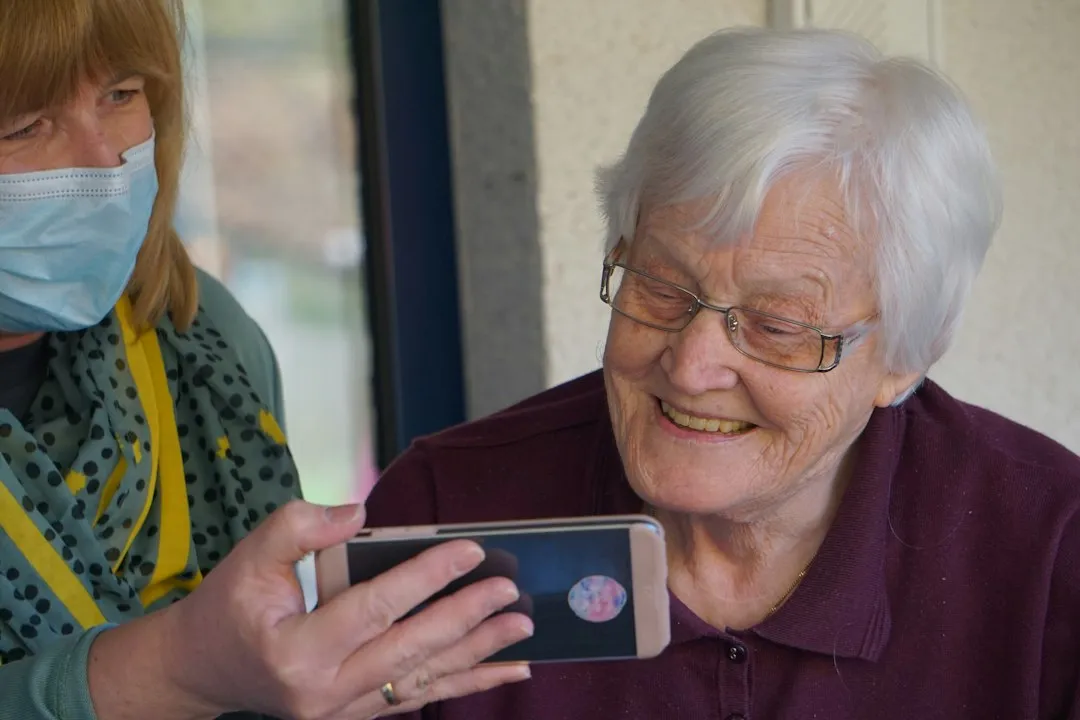
According to CDC National Health Interview Survey data from 2024, roughly 58% of adults aged 65 and older now live in wireless-only households, while nearly 20% still maintain both a landline and wireless phone. This transition hasn’t always been smooth. Many older adults adopted smartphones later in life and may not be as comfortable navigating caller ID, voicemail apps, or the settings that control how calls are displayed.
Unfamiliar interfaces can make answering a call feel uncertain. Someone who isn’t sure which button to press to accept a call, or who has accidentally declined calls while trying to answer them, may simply start letting calls go to voicemail as a default. What looks like avoidance from the outside can be a technology comfort issue from the inside.
This isn’t a criticism – it’s a structural gap. The shift from a simple two-button landline to a touchscreen smartphone with dozens of settings happened quickly, and not everyone received sufficient support to navigate it confidently. The result is a practical barrier that sits quietly beneath more obvious explanations.
Telephobia Affects Older Adults Too, Not Just Younger Generations
Phone anxiety is most commonly discussed in the context of younger people. Telephobia can affect up to 76% of millennials and 40% of baby boomers. That figure for baby boomers is striking and underreported. The assumption that older generations are natural phone talkers isn’t fully accurate.
The fear of phone calls is often associated with fear of being criticized, judged, or rejected, and can fall under the umbrella of social anxiety, which affects 15 million adults in the United States. Older adults are not immune to these anxieties. In fact, those who have experienced cognitive changes, grief, or social withdrawal may feel more vulnerable in the unscripted, spontaneous environment of a live call.
Those who experience telephobia may have no issues with communication in person but find phone communication specifically difficult. For some, telephobia can negatively affect both personal and professional life. For older adults whose professional obligations have ended, the personal impact remains very real.
Rebuilding the Connection Requires More Than Just Calling Again
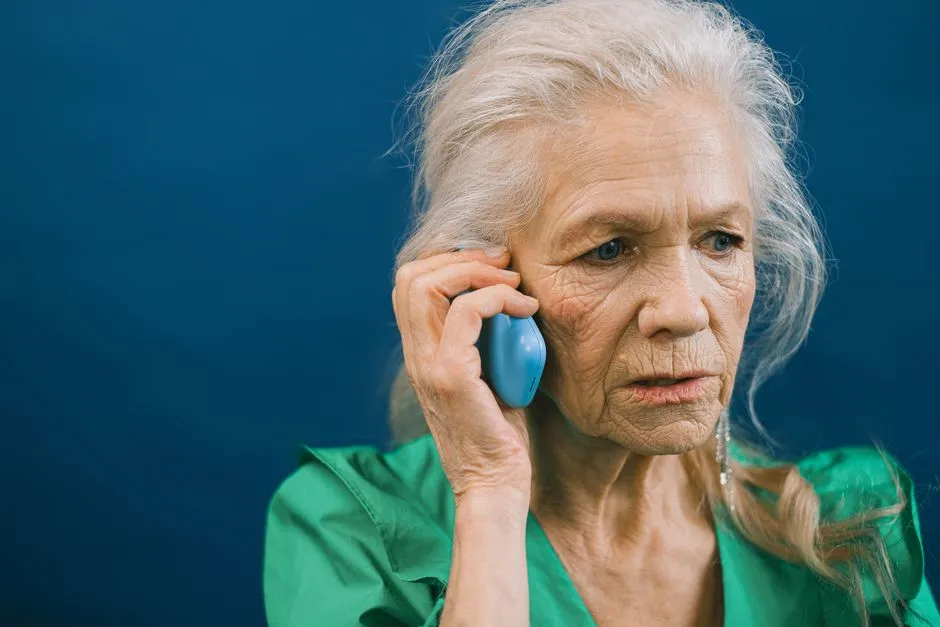
Families who are worried about an older adult’s silence often respond by calling more frequently or more insistently. This can feel counterproductive to the older person, especially if calls feel like surveillance or pressure rather than genuine connection. The solution isn’t volume – it’s quality and predictability.
Scheduling calls in advance, so the older person knows to expect them, removes the startle factor and the anxiety of an unexpected ring. Texting first to say you’re about to call gives them agency. These small adjustments respect the reality that the phone environment has changed for them, even if the desire for connection hasn’t.
Research from NYU Langone Health, published in JAMA in May 2025 from a large clinical trial of 977 older adults, found that hearing aids and hearing education were low-risk interventions with the potential to help promote social connection among older adults. Addressing the underlying barriers – whether hearing, anxiety, or fraud fear – is often more effective than simply urging someone to pick up.
The Takeaway
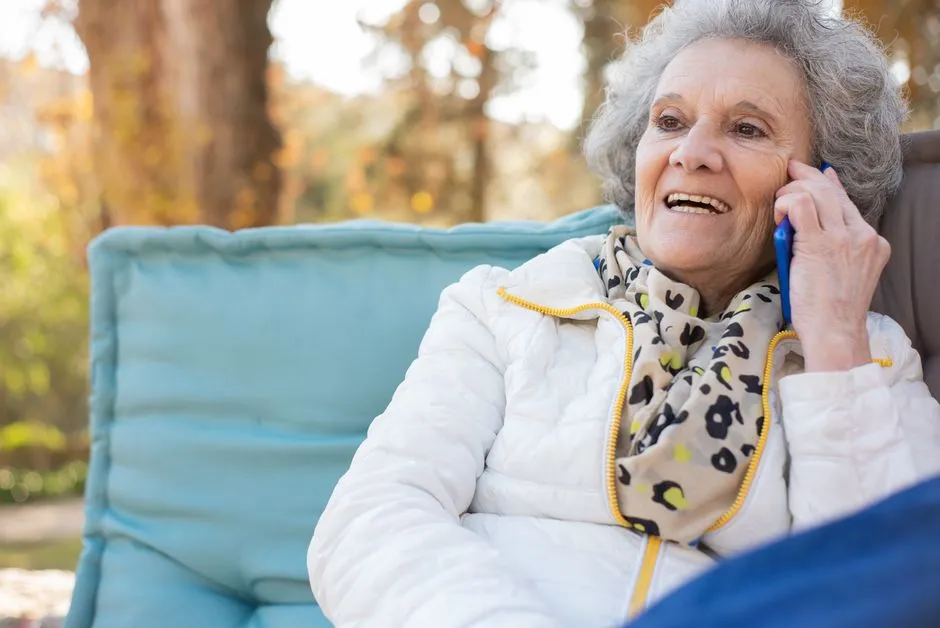
When an older adult stops answering the phone, it’s rarely just stubbornness or disinterest. It’s usually the result of multiple pressures converging at once: a flood of scam calls, genuine hearing challenges, emotional fatigue, and a communication landscape that has changed faster than many people have been able to adapt to.
The phone call, once the backbone of staying in touch, now asks a lot of older adults. It arrives without warning, strips away visual context, and in many cases carries real risk. Understanding this is the first step toward finding better ways to stay genuinely connected.
Rather than treating the silence as a problem to override, it may be more useful to treat it as information – a signal that the method of connection needs as much attention as the connection itself.
AI Disclaimer: This article was created with the assistance of AI tools and reviewed by a human editor.