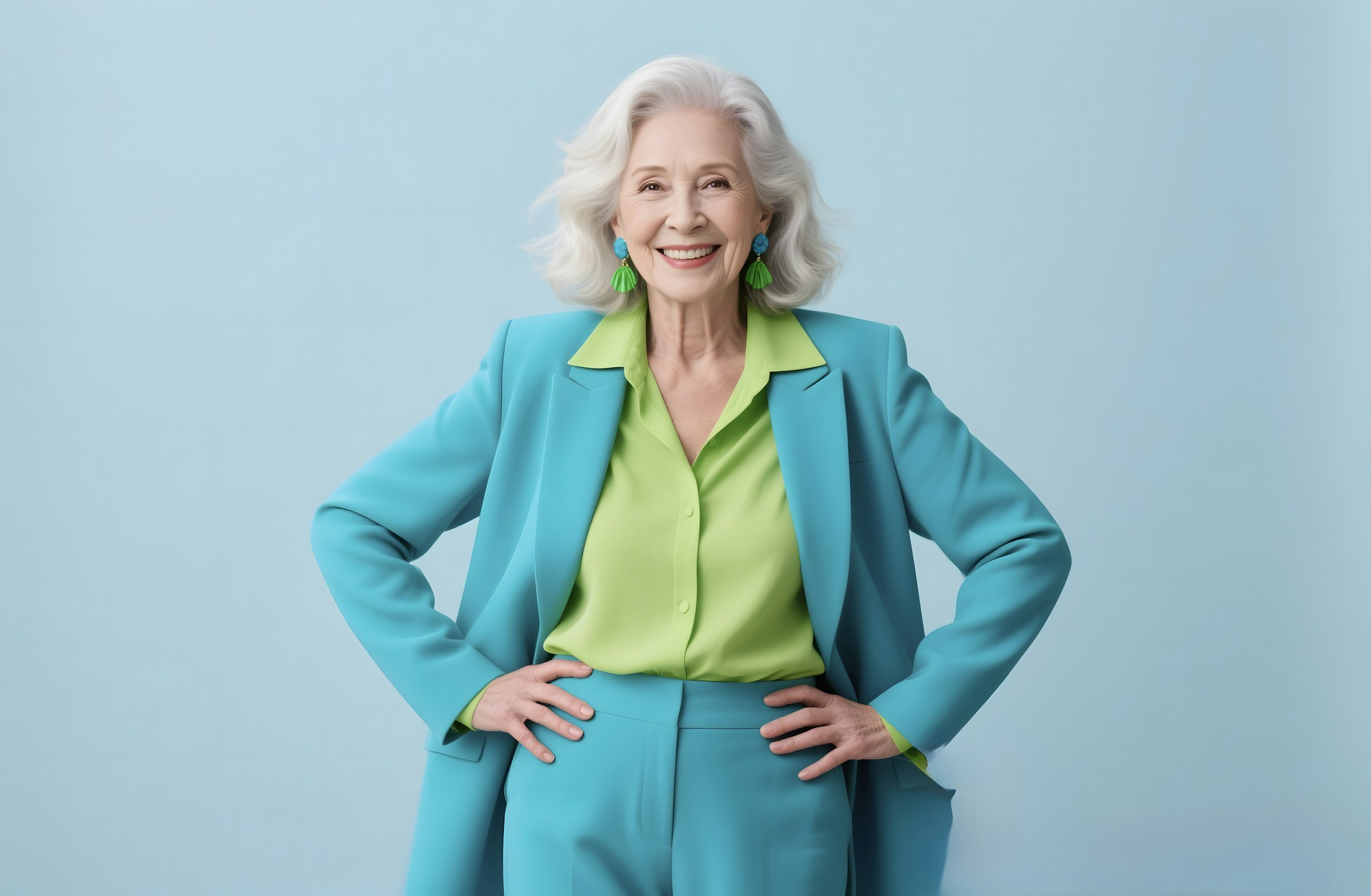

Most people notice it at some point with a parent, grandparent, or neighbor. The same soft cardigan. The same comfortable trousers. Day after day, without much variation. It’s easy to assume something has gone wrong, but the reality is often more deliberate, and more interesting, than that.
The habit of settling into a reliable daily outfit is genuinely common among older adults, and it tends to happen gradually. It’s driven by a mix of psychology, physical change, and plain practicality. Understanding why it happens reveals as much about how we all make decisions as it does about aging itself.
The Brain Gets Tired of Choosing

Decision fatigue is at the core of the conversation around daily outfit repetition. We live in an environment with more options than any previous generation has navigated, and more options means more decisions. Decision fatigue, the documented decline in decision quality that follows a sustained period of choosing, is a real phenomenon, and the wardrobe is one of its earliest and most consistent triggers.
The capacity to make good decisions is not unlimited. It behaves more like a resource that depletes over a day. Every choice made, large or small, draws a little from the same pool, and as the pool drains, the quality of decisions falls.
Decision fatigue refers to a decline in mental energy and decision-making ability after making too many choices. This psychological phenomenon affects people of all ages, but it can feel especially taxing in later years due to dips in cognitive resources.
Older Adults Tend to Avoid Unnecessary Decisions

Decision avoidance is more frequent with age, though the associated mechanisms remain underexplored. This isn’t about giving up. It reflects a natural shift in how the aging brain prioritizes effort and energy.
Too many clothes can lead to daily indecision. Simplifying a closet helps when a few comfortable outfits are kept in regular rotation. Choosing easy-to-wear pieces in neutral colors that mix and match offers a bit of variety without the morning mental overhead.
Physical Comfort Becomes a Genuine Priority

Leisure wear for older adults should prioritize comfort and ease of movement without sacrificing style. Fabrics that stretch, such as jersey knit, spandex blends, and soft fleece, are ideal as they allow for a wide range of motion and are gentle on the body. When a person finds a garment that genuinely works, wearing it repeatedly becomes the logical choice.
Mobility problems, arthritis, and other physical conditions can make dressing tiresome. Choosing garments with easy closures, like Velcro, magnetic buttons, or slip-on designs, can significantly reduce the effort involved in getting dressed. Once that perfect combination is found, sticking with it is simply efficient.
Clothing and Identity Are Deeply Connected
Clothing choices are deeply personal and connected to one’s identity. By honoring longstanding preferences while implementing practical modifications, older adults can maintain their dignity during the daily dressing routine. A familiar outfit isn’t just fabric. It can be a quiet assertion of self.
Self-concept clarity, a construct developed by psychologist Jennifer Campbell, describes how clearly and confidently a person’s beliefs about themselves are defined. Research links a clear, stable sense of identity to higher self-esteem and less anxiety, the kind of internal steadiness that doesn’t need constant outside confirmation. For some older adults, a consistent wardrobe reflects exactly that stability.
Routine Provides Structure and Calm
Habit researcher Wendy Wood has shown that much of daily life runs on automatic routines shaped by context rather than conscious effort. When small parts of life stay consistent, the mind doesn’t have to constantly recalibrate, and that background steadiness frees attention for the things that actually need it.
Dressing the same way every morning becomes an anchor to the day. It removes a small but real source of stress from a daily schedule. For someone managing health appointments, medications, or mobility challenges, that mental relief is not trivial.
The Spotlight Effect Works in Their Favor

Cornell psychologist Tom Gilovich’s research on the spotlight effect showed that people consistently overestimate how much their appearance gets noticed. In one experiment specifically about clothing, participants believed about half of observers would notice what they were wearing. The actual figure was closer to roughly one in four.
Colleagues aren’t tracking which shirt someone wore on which day. Most of the people around us are thinking about themselves, not auditing someone else’s outfit. Older adults who have lived enough decades to understand this tend to stop worrying about it earlier than most.
Physical Changes Affect What Fits and Feels Right
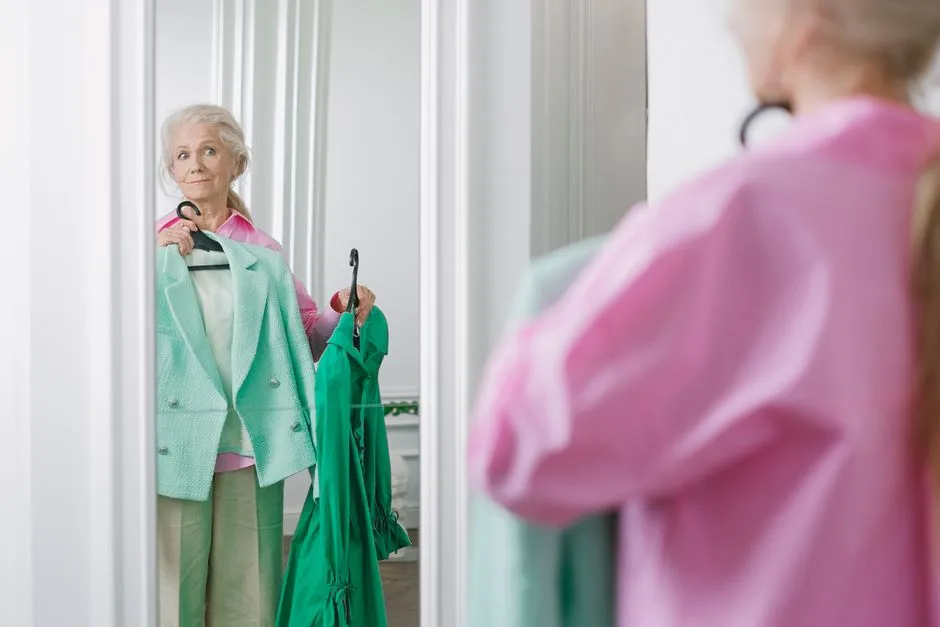
It is vital to understand age-related body changes when developing clothing options for older adults. Aging affects body composition, causing various physical and chemical alterations, such as changes in the skin. These shifts make certain garments uncomfortable even if they fit perfectly a decade ago.
In terms of clothing type preferences among older adults, pants were the most desired item, followed by innerwear and t-shirts. People prioritize features such as stretchiness, comfort, wearability, light weight, and washability. When clothes check all those boxes, repeating them daily makes complete sense.
Simplification Is Not the Same as Giving Up
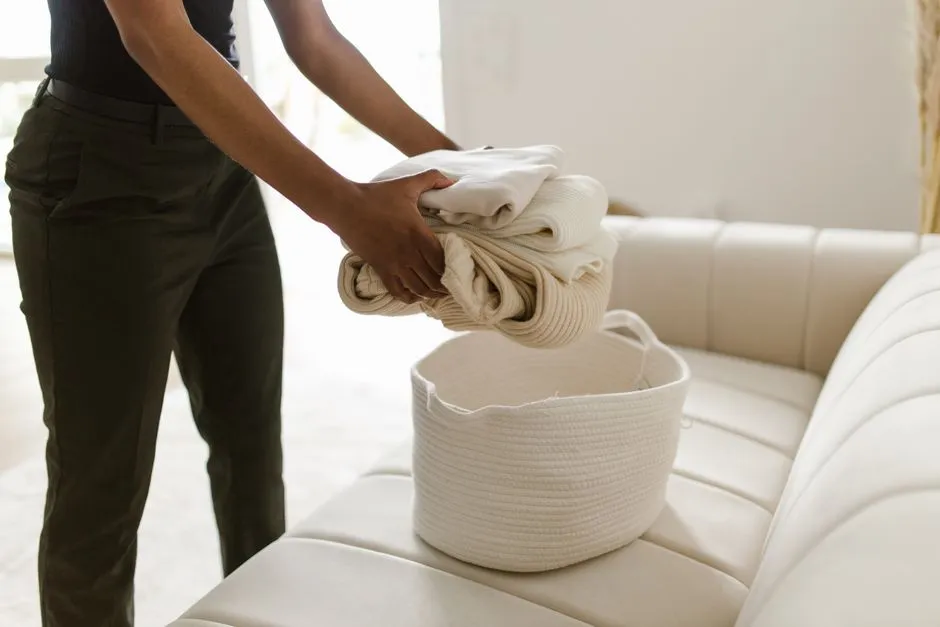
Wearing the same thing every day is not a personality deficit. According to the research, it is a coherent response to cognitive overload, a marker of independence from social pressure, and for some, a form of protective consistency.
Reducing the morning routine to zero active choices, even just that one, has a measurable effect on how much mental clarity remains for the rest of the day. For people already managing full schedules and high cognitive demands, the personal uniform functions less like a style statement and more like a productivity tool. That logic doesn’t disappear with age. If anything, it gets sharper.
When It Might Signal Something More
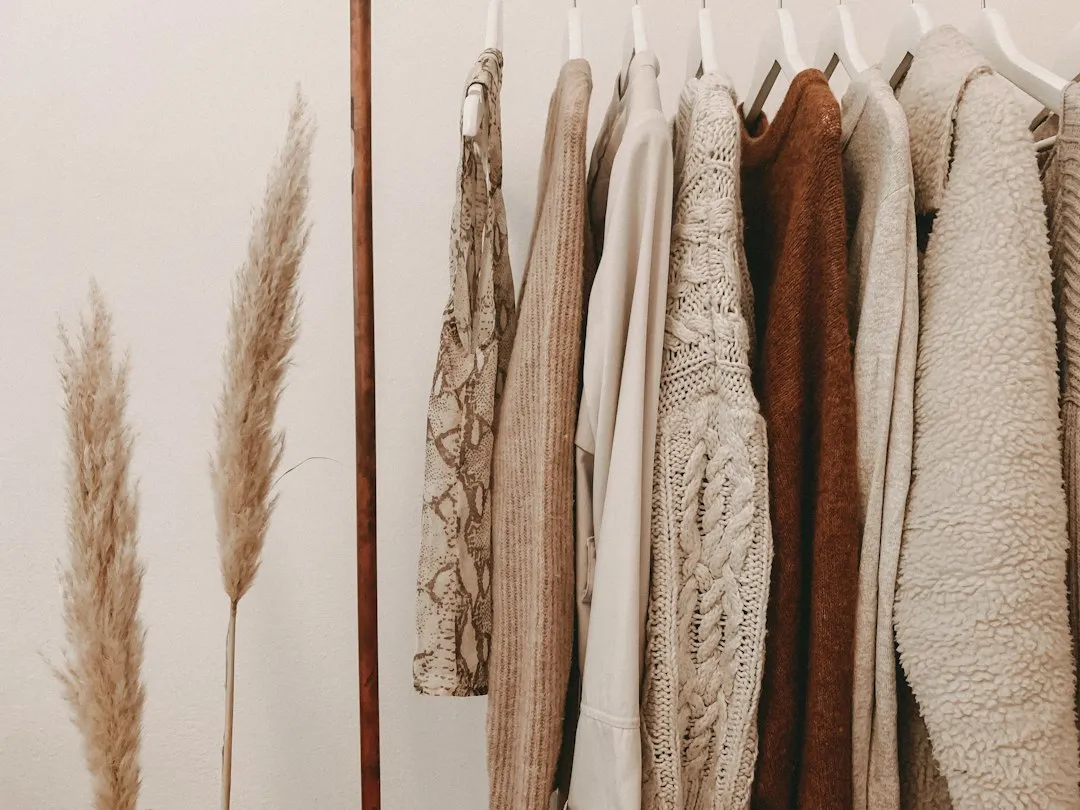
There’s a meaningful difference between choosing a reliable outfit and wearing the same unwashed clothes out of confusion or neglect. The former is a lifestyle preference. The latter can sometimes be an early signal of cognitive decline or depression worth paying attention to.
According to the American Psychiatric Association, approximately two and a half percent of individuals fulfill the criteria for hoarding disorder. This prevalence tends to be elevated among individuals aged 60 and above, as well as those who contend with additional mental health conditions, notably anxiety and depression. If a change in clothing habits arrives suddenly alongside other behavioral shifts, a gentle conversation with a doctor is worth having.
Adaptive Fashion Is Making the Choice Easier Than Ever
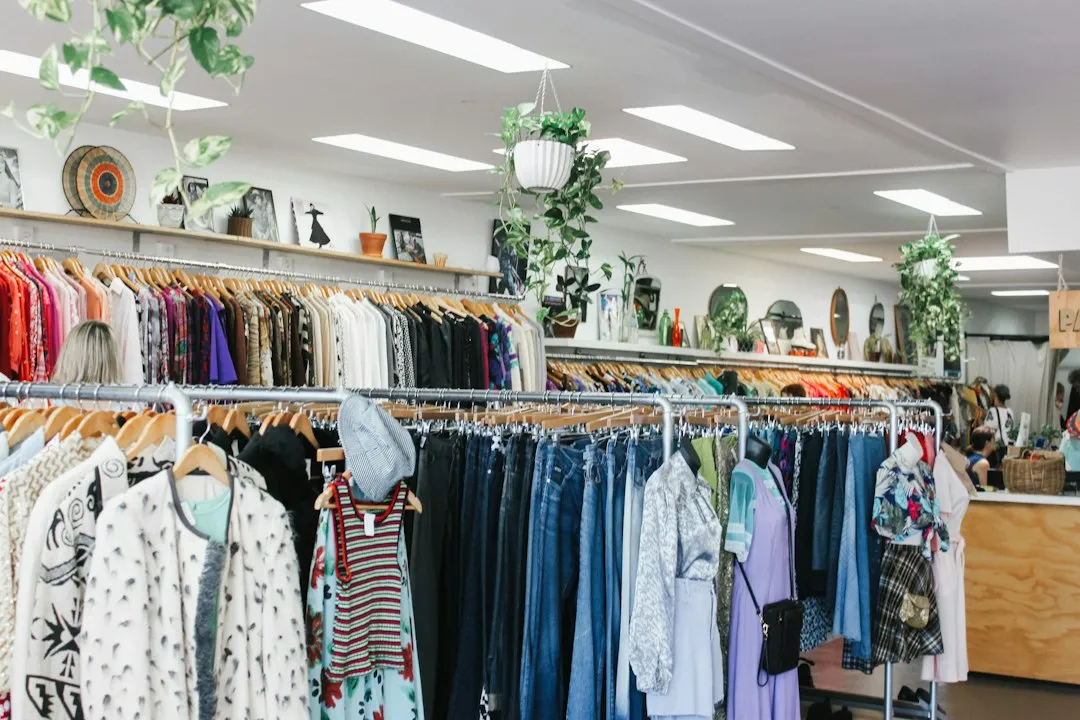
Getting dressed should feel like a normal part of the day, not a test of grip strength, balance, or patience. That is the idea behind adaptive fashion for seniors: clothing that reduces the effort of dressing while still looking like something a person would genuinely choose to wear.
For older adults dealing with arthritis, reduced dexterity, limited reach, tremor, or balance changes, small design changes can make a noticeable difference. Adaptive clothing can also help preserve personal style and independence. The growth of adaptive fashion has given older adults more reason to find one or two outfits they truly love and commit to them confidently.
Final Thoughts

The image of an older person in their reliable daily uniform is often misread as decline. In most cases, it’s the opposite. It’s accumulated wisdom about what actually matters in a morning routine and what simply doesn’t.
Comfortable and easy-to-wear clothing is essential for older adults to maintain their independence and sense of identity while staying comfortable throughout the day. The outfit that gets chosen again and again is rarely chosen lazily. It’s usually chosen well.
There’s something worth considering for the rest of us too. When an older adult stops worrying about outfit variety, they may have simply arrived somewhere the rest of us are still working toward: knowing what’s enough.
AI Disclaimer: This article was created with the assistance of AI tools and reviewed by a human editor.