

The Brain Shifts Toward Habit for Good Reason

As the brain ages, its ability to flexibly manage goal-directed behavior gradually changes. Research published in Current Psychology in 2024 found that the formation of habits has been recognized as an opportune route for behavioral adjustment that promotes resilience among older adults, specifically because flexible, goal-directed control becomes more demanding with age.
Findings from that study align with the view that an opportune route for behavioral adjustment in favour of resilience among older adults is to rely on preserved habitual, rather than declining goal-directed action control processes. In plain terms, the habitual brain holds up better than the problem-solving brain. Reaching for a trusted routine is not resistance to change. It’s the brain working efficiently within its means.
Control Is Not a Small Thing
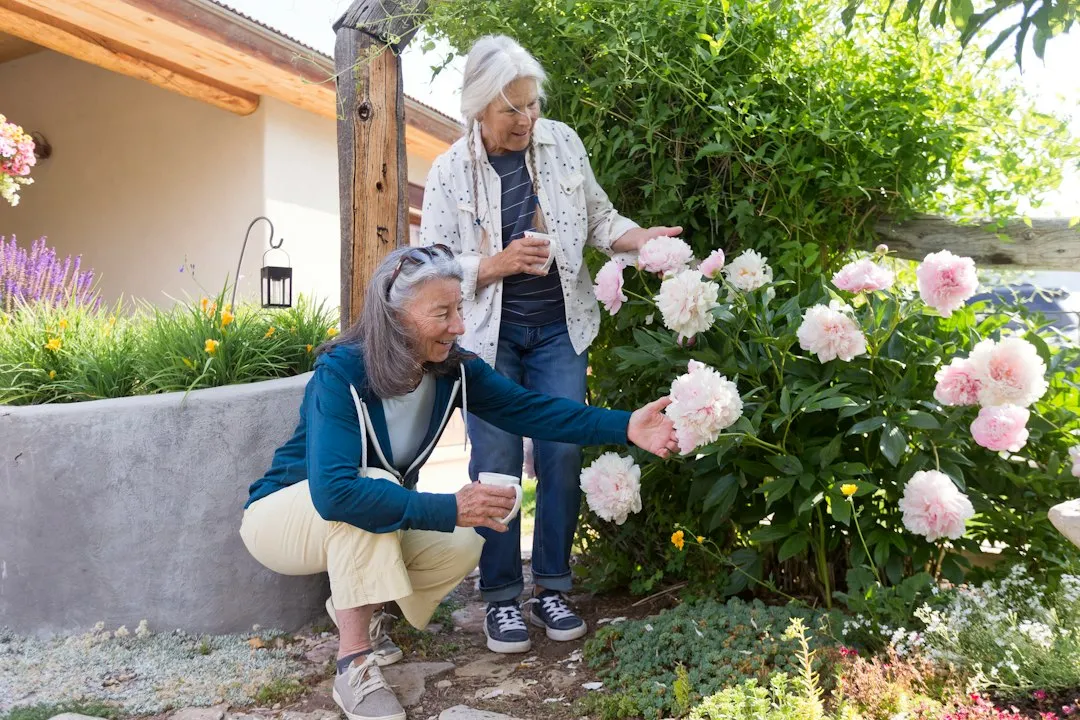
Losing control over daily life, even incrementally, is one of the central anxieties of aging. Research on aging in place consistently shows that home provides older people with a sense of autonomy and independence, of control over daily activities and events, body, individuality and social status.
The meanings of home to older people, including autonomy, independence, security and continuity of self-identity, create strong preferences for ageing in place and continuing to live in one’s own home. When routines are disrupted, that sense of control goes with them. The reaction isn’t irrational. For someone who has already ceded control in other domains of life, the daily schedule may be one of the last things that remains entirely theirs.
Anxiety and Cognitive Decline Are Closely Linked

The aging brain already works harder to process information, and prolonged anxiety places additional strain on cognitive systems. When disruptions to routine trigger anxiety, the effect isn’t simply emotional. It has measurable neurological consequences over time.
The prefrontal cortex regulates the amygdala through top-down inhibitory control, and cognitive decline may involve reduced prefrontal gray matter volume and impaired white matter integrity, leading to weakened inhibitory regulation. The resulting amygdala hyperactivity may contribute to abnormal activation of fear and anxiety-related circuits. Routine, therefore, doesn’t just comfort. It may actually protect an aging brain from an escalating anxiety loop.
Routine Reduces the Mental Load of Each Day
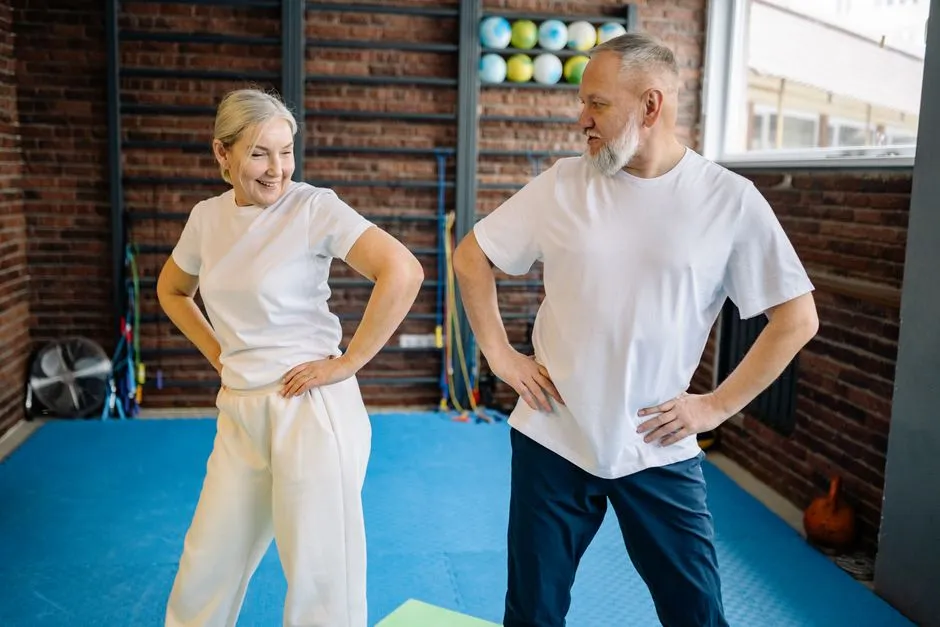
Patients who can stick to a familiar routine to get through the day minimize their need to process new information, preserving their independence and self-esteem. Every decision costs cognitive energy, and older adults are, on average, working with a narrower margin of that resource.
Establishing a predictable routine can provide a sense of comfort and security, allowing seniors to maintain a higher level of independence and quality of life. When mornings follow a known pattern, when meals arrive at the same hour, when evenings unfold predictably, the brain is freed from constant micro-decisions. That freed capacity can go toward things that actually matter.
Socioemotional Selectivity: Choosing What Matters Most
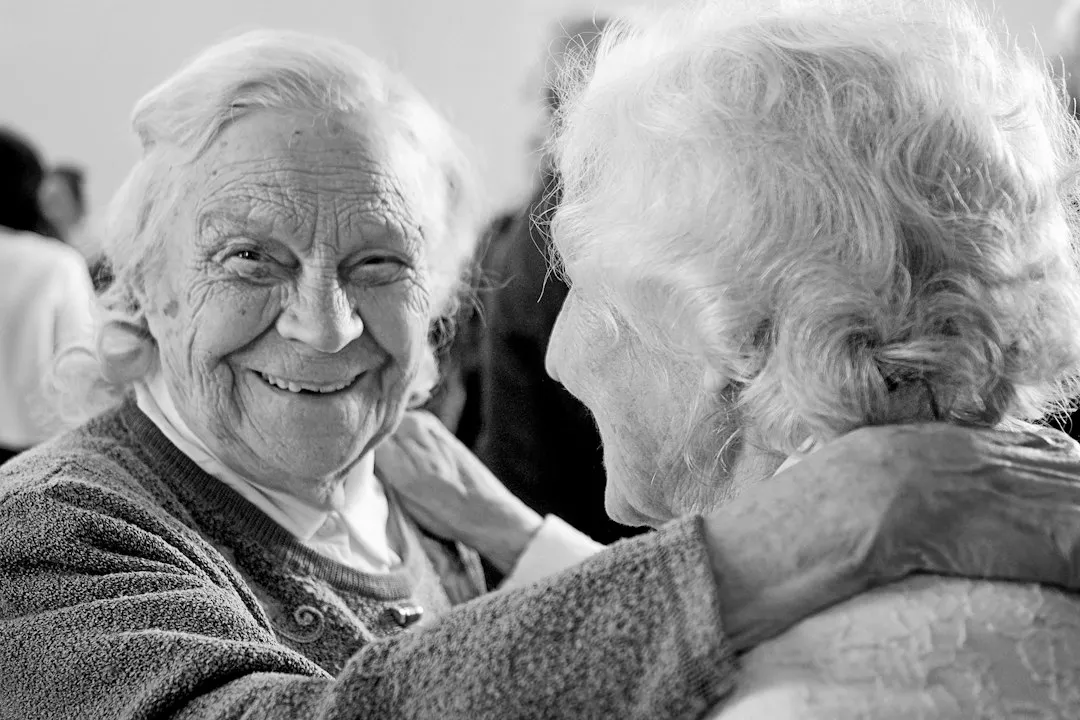
Stanford psychologist Laura Carstensen’s socioemotional selectivity theory offers one of the most useful frameworks for understanding routine attachment. Socioemotional selectivity theory is defined as a model that explains how perceived limitations on time lead individuals, particularly older adults, to prioritize emotional goals and seek emotionally meaningful interactions over future-oriented goals.
With aging, older adults perceive the time left as being more restricted, and as a result, they gradually shift away from preparatory consumptive goals, such as knowledge acquisition and forming new relationships, and towards more emotionally gratifying goals, including a sense of belonging, purpose, and value. A reliable daily routine is, in this context, an expression of that priority shift. It is not stagnation. It is clarity about what counts.
Memory Issues Deepen the Dependence on Structure

Among people aged 65 and older, an estimated thirty to forty percent are expected to experience some degree of cognitive decline, according to the Alzheimer’s Association and CDC, 2025. For many in that group, routine becomes not a preference but a navigational tool.
Predictability fosters a sense of control over one’s environment, which can be comforting in the face of memory loss. When the sequence of a morning is known by feel, when habits carry the person through tasks without requiring active recall, those habits serve a deeply practical function. Regular routines also provide a framework for engaging in mental exercises that can slow the progression of cognitive decline and maintain brain health.
Healthy Habits That Anchor Routine Also Protect the Brain

The content of a routine matters as much as its consistency. The most evidence-supported way to support an aging brain is not a single activity but a daily pattern of ordinary habits: regular physical movement, protected sleep, social connection, genuine mental engagement, a mostly-plants eating pattern, and caring for hearing, vision, blood pressure, and mood.
Participants who reported the highest number of protective factors began one study with brains that looked eight years younger than their actual age, and their brain aging continued to progress more slowly throughout the two-year follow-up. That’s not a trivial finding. Consistency matters far more than intensity, and a modest routine you keep for years beats an ambitious one you abandon.
Attachment Theory Extends Into Later Life

Attachment isn’t something that belongs only to childhood. A 2025 editorial published in the International Journal of Public Health made the case that attachment is a process influencing the entire life cycle, and its consideration in healthcare should not be restricted solely to childhood, particularly given the biopsychosocial challenges of aging.
Recent literature highlights that secure attachment in older adults improves treatment adherence, strengthens emotional regulation, and fosters trust in medical care. When an older adult clings to their routine, they may also be anchoring themselves to something emotionally secure in a world where other attachments have become fragile or have been lost altogether.
Place, Identity, and the Familiar Environment

Routine is not just about time. It’s deeply tied to place. Research on aging in place consistently shows that familiar environments reinforce a person’s sense of who they are. Research indicates that older people are drawn to the home for affirmations of self-identity, security, familiarity and new ways of interacting with the community.
Research found that lower levels of negative attitudes toward aging were positively related with place attachment and consequently predicted better psychological well-being. The specific chair, the particular mug, the same walk at the same hour: these are not trivial quirks. They are threads connecting a person to themselves, and disrupting them pulls at something fundamental.
When Routine Becomes Rigid: Knowing the Difference

Not every attachment to routine is healthy. When schedule adherence causes serious distress at even minor deviations, or when it begins to narrow a person’s world, it’s worth paying attention. Older adults with obsessive-compulsive disorder, for instance, struggle with unwanted, recurring thoughts or compulsions and often feel that by performing certain actions repeatedly they will be able to feel a sense of control.
While some cognitive control functions decline with age, others seem to be preserved or even improve with age, which means rigidity is not inevitable. The goal for families and caregivers is to distinguish between protective routine and anxious compulsion. By addressing anxiety, seniors can protect and even restore aspects of cognitive function, which makes that distinction genuinely worth making.
What Families and Caregivers Can Take Away

Understanding why routine matters so much to an older adult changes how families and caregivers respond to it. Rather than seeing resistance to change as a personality flaw, it becomes legible as a coping strategy, one that neuroscience, psychology, and lived experience all support. By providing structure, predictability, and a sense of stability, a consistent daily routine can help reduce anxiety, encourage independence, and improve overall health and quality of life.
Many older individuals face a notable challenge in flexibly adjusting and aligning their behavior with changing circumstances and personal goals. Respecting established routines, rather than steamrolling them in the name of efficiency or convenience, is often the most effective form of care. Seniors who have not yet experienced abnormal cognitive decline can reap the same benefits from routine as their peers with dementia or Alzheimer’s do: less stress and anxiety, better sleep quality, and maintained independence. That’s worth protecting.
The Takeaway
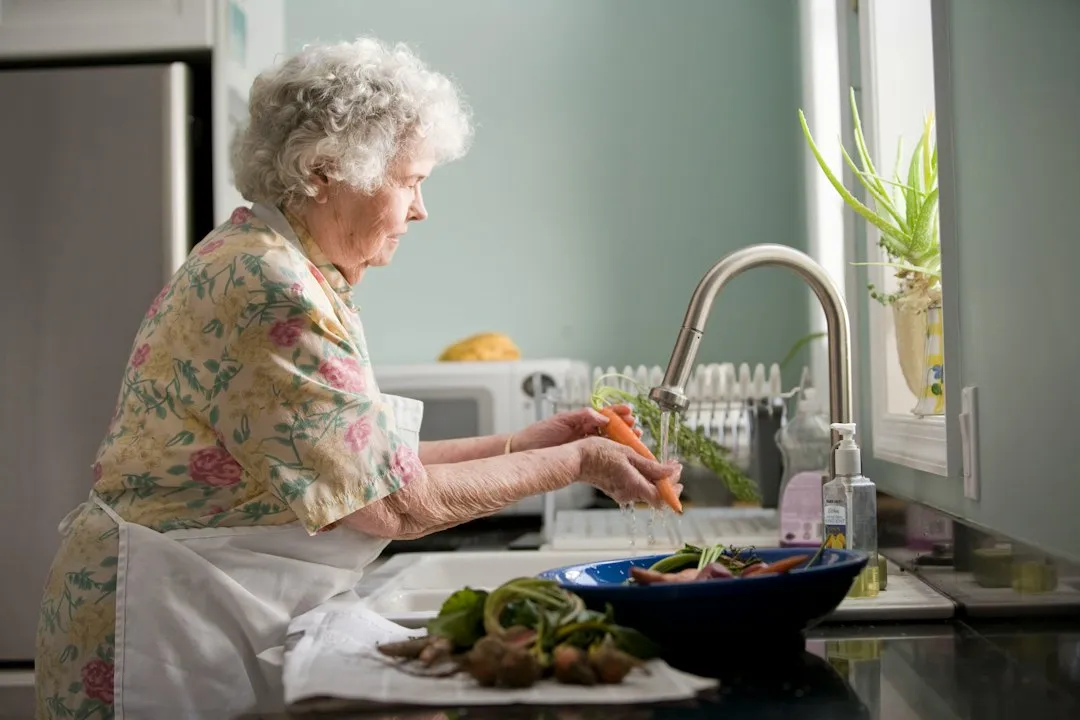
Routine in old age is rarely about inflexibility as a character trait. It tends to be a rational, neurologically grounded response to a world that has become harder to navigate. The brain leans on what it knows. The self anchors to what still feels familiar. And the person holding all of that together reaches, quite naturally, for the structure that keeps things coherent.
The next time an older adult insists that dinner must happen at exactly the same time, or that the morning walk cannot be skipped, it’s worth pausing before dismissing that as stubbornness. What looks like rigidity from the outside may be, from the inside, the quiet act of staying intact.
AI Disclaimer: This article was created with the assistance of AI tools and reviewed by a human editor.