

Phototropism: The Fundamental Force Behind Leaf Movement

One of the most typical ways that plants move is through a process known as phototropism – essentially, they move and grow toward the light. This isn’t passive drift. It’s a directed biological response that plants use to stay competitive in their environment.
Plants don’t just “lean toward the light” – they reorient entire physiological systems in response to directional light cues. This process, called phototropism, is driven by auxin redistribution: when light strikes one side of a stem, auxin accumulates on the shaded side, causing cells there to elongate faster.
Over time, this creates asymmetrical growth including bent stems, sparse foliage on the shadowed side, and weakened vascular tissue. Unrotated houseplants like pothos, snake plants, and rubber trees commonly develop pronounced lean angles of 15 to 30 degrees within 10 to 14 days under unilateral light.
Heliotropism: When Leaves Actually Track the Sun
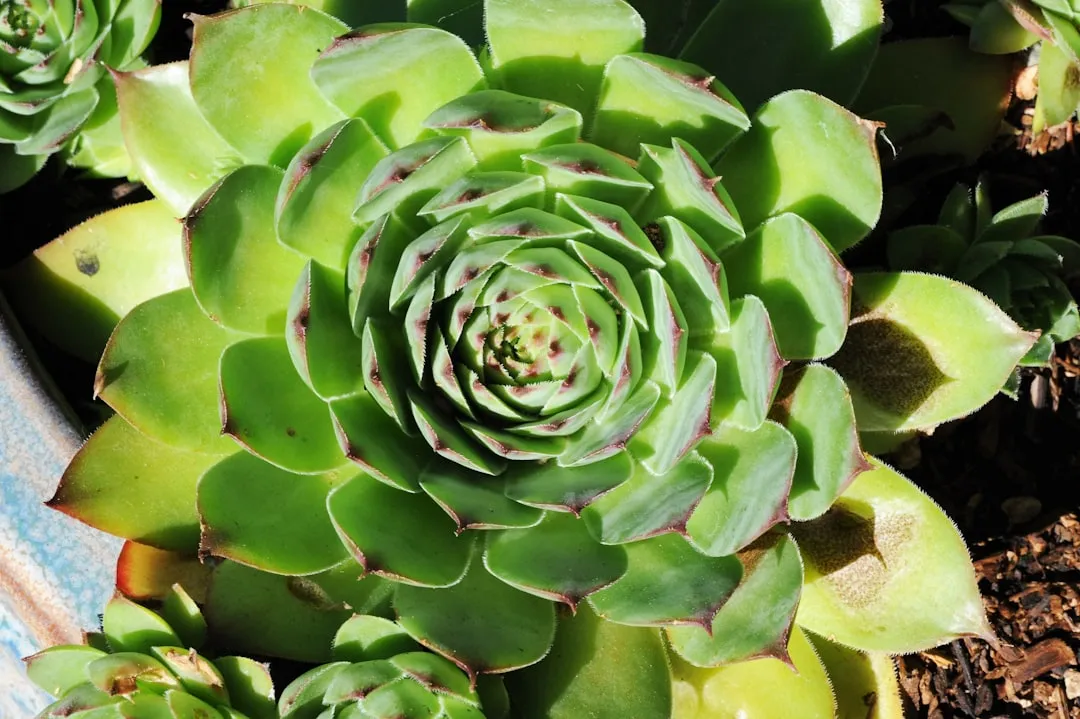
Heliotropism is the phenomenon whereby certain plants orient their leaves and other organs toward the sun to maximize sunlight absorption. This behavior is primarily divided into two types: diaheliotropism, where plants track the sun to increase direct solar radiation for enhanced photosynthesis and growth, and paraheliotropism, where plants adjust their orientation to minimize sunlight exposure, helping to conserve water and reduce overheating.
Heliotropism is a more dynamic and oscillatory form of plant movement by which some or all of an individual’s aerial tissues continually shift their orientation throughout the day, following or avoiding the ever-changing position of the sun.
Unlike phototropic growth movements that are also made in response to light, heliotropic movements are reversible. Some researchers refer to heliotropism as diurnal (daily) phototropism, distinguishing it from phototropic plant movements that are irreversible growth movements. This reversibility is what makes heliotropism so striking to observe in houseplants.
The Pulvinus: The Hidden Engine of Leaf Motion
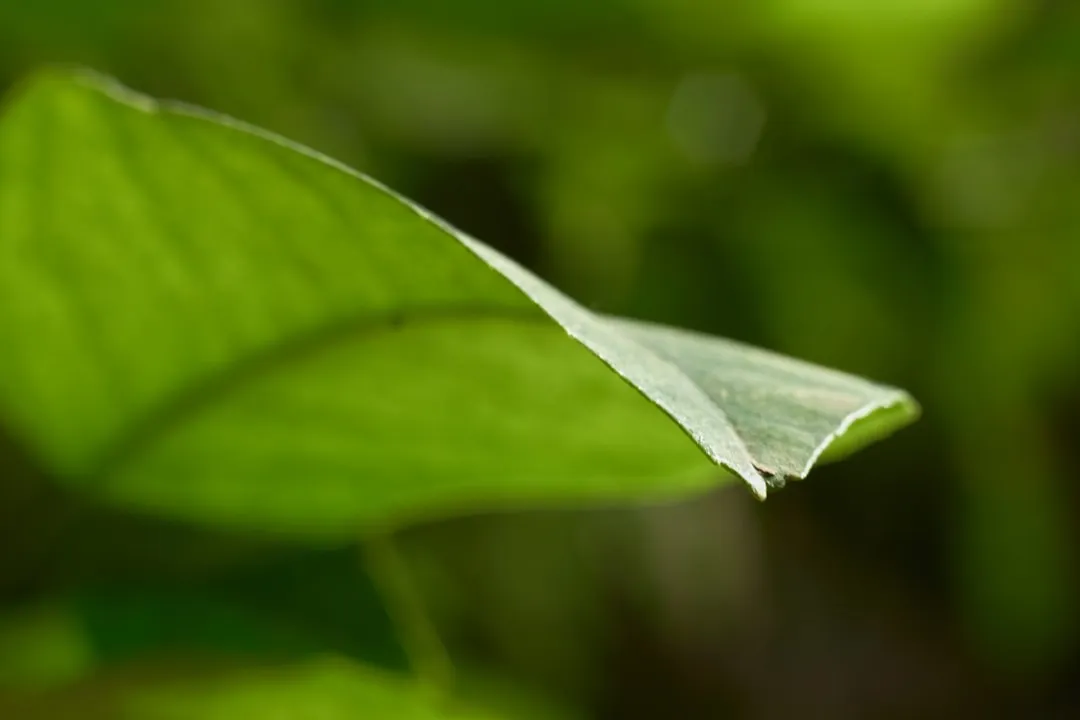
The adjustments of heliotropic plants are often controlled by a specialized structure known as the pulvinus, which manages leaf movement through changes in turgor pressure. These movements can occur rapidly, allowing plants to adapt continuously to shifting light conditions.
Within leaves, the movement occurs in a specific motor organ called the pulvinus, located in the petiole (stem), whilst in flowers the entire stem is involved in the motion. The perception of the light stimulus for leaf heliotropism can either take place in the pulvinus, or distant to the motor organ on the leaf itself.
Nyctinastic leaf movements are caused by changes in volume in two types of motor cells located on opposite sides of the pulvinus, a specialized motor organ located at the base of the leaf. The pulvinus acts as a joint to change the position of the leaf. Think of it as a biological hinge, one that is constantly adjusting.
Nyctinasty: The Nightly “Sleep” of Houseplant Leaves

This circadian rhythmic behavior, termed nyctinasty, is regulated by a biological clock. Nyctinasty has been observed in over 200 plant genera across 38 families, and is most frequently observed in legumes.
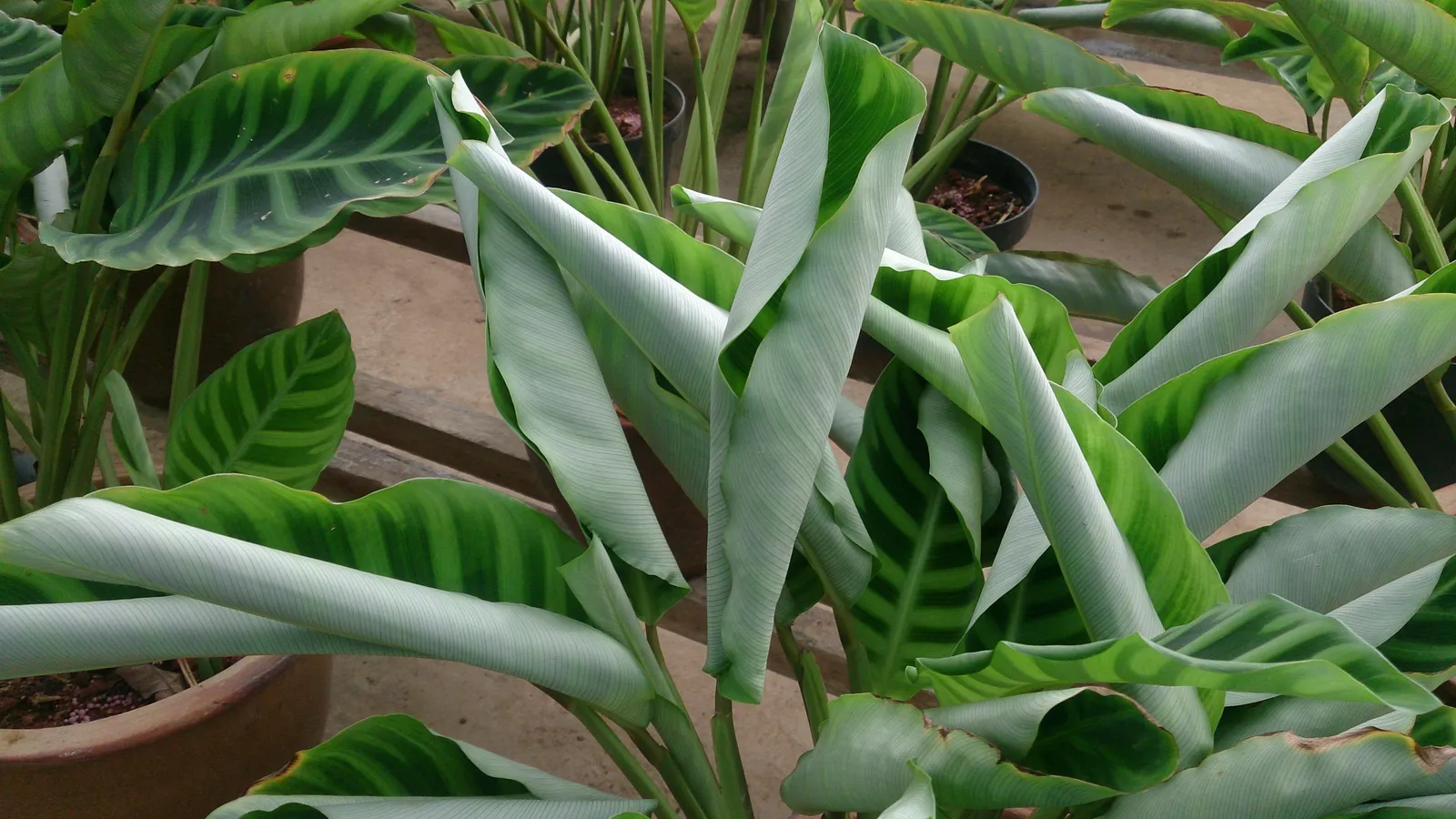
Some plants open their leaves during the day and close them at night, in a manner reminiscent of animal sleep. This circadian rhythmic behavior is regulated by a biological clock. The prayer plant (Maranta leuconeura) is among the most visible examples kept as a popular houseplant today.
To open the leaf, the extensor cells swell with water while the flexor cells shrink. To close the leaf at night, the process reverses. This hydraulic shift is regulated by the movement of potassium and chloride ions.
What Science Has Recently Measured in Leaf Movement
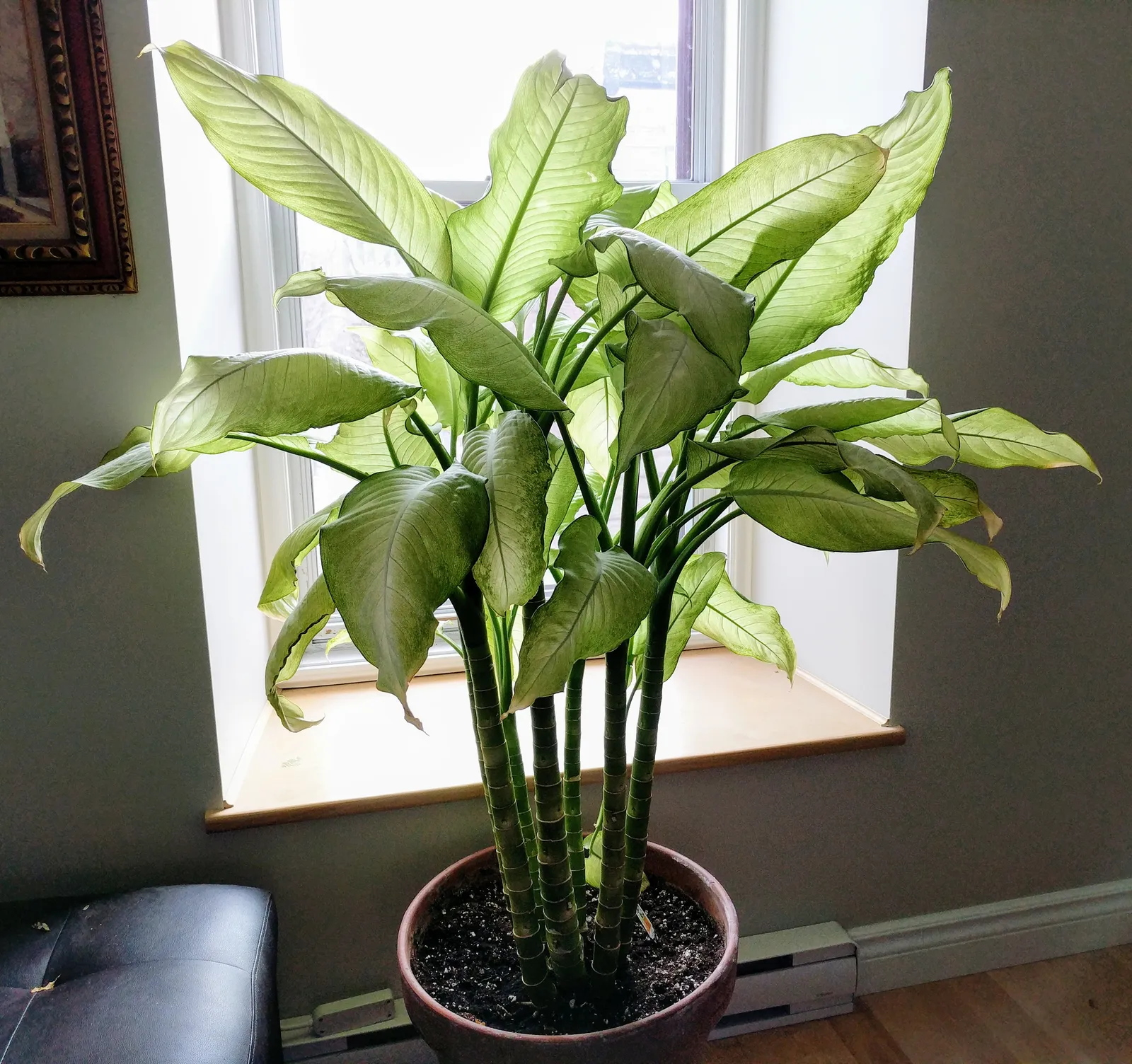
Plants use sunlight to produce energy through photosynthesis. Leaves adjust their position throughout the day to harvest the optimal amount of sunlight and avoid photodamage. Leaf movements are controlled by changes in growth rates of different parts of the leaf: lamina, petiole, or both.
In natural light conditions, the displacement average of Calathea leaves between 7:00 a.m. and 12:30 p.m. was 3.67 cm as estimated using deviation maps. The maximum displacement was 7.92 cm. The maximum variation in the vertical angle was 69.6 degrees from 12:30 to 6:00 p.m. These measurements, captured using terrestrial LiDAR scanning, confirm that everyday houseplants are moving far more than most owners realize.
The petiole can bend either upward (hyponasty) or downward (epinasty) by changing the elongation rate between the abaxial and adaxial leaf sides. Hyponasty is a part of the shade avoidance syndrome, observed when plants compete for sunlight in dense vegetation.
The Role of Blue Light and Photoreceptors

Research has for decades focused on the mechanisms regulating the phototropic bending of embryonic organs such as hypocotyls towards directional blue light. Work primarily conducted on Arabidopsis thaliana has revealed that the main photoreceptors mediating this response are two related membrane-associated protein kinases, PHOTOTROPIN 1 (PHOT1) and PHOTOTROPIN 2 (PHOT2).
Over the past two decades, molecular-genetic analysis has identified the blue-light photoreceptors and their mechanism of activation that modulate phototropism in plants. It is a reasonable assumption that the same, or similar, photoreceptor molecules are involved in blue-light modulated heliotropism.
When exposed to blue light, interactions between phot1 and phot2 and another membrane-associated protein NON-PHOTOTROPIC HYPOCOTYL 3 (NPH3) are disrupted. Although the signaling pathway is not fully understood, the phototropins and NPH3 are essential for the redistribution of auxin, which is carried out by the polar subcellular redistribution of PIN-FORMED (PIN) auxin transport proteins.
Why Plants Bother Reorienting at Night
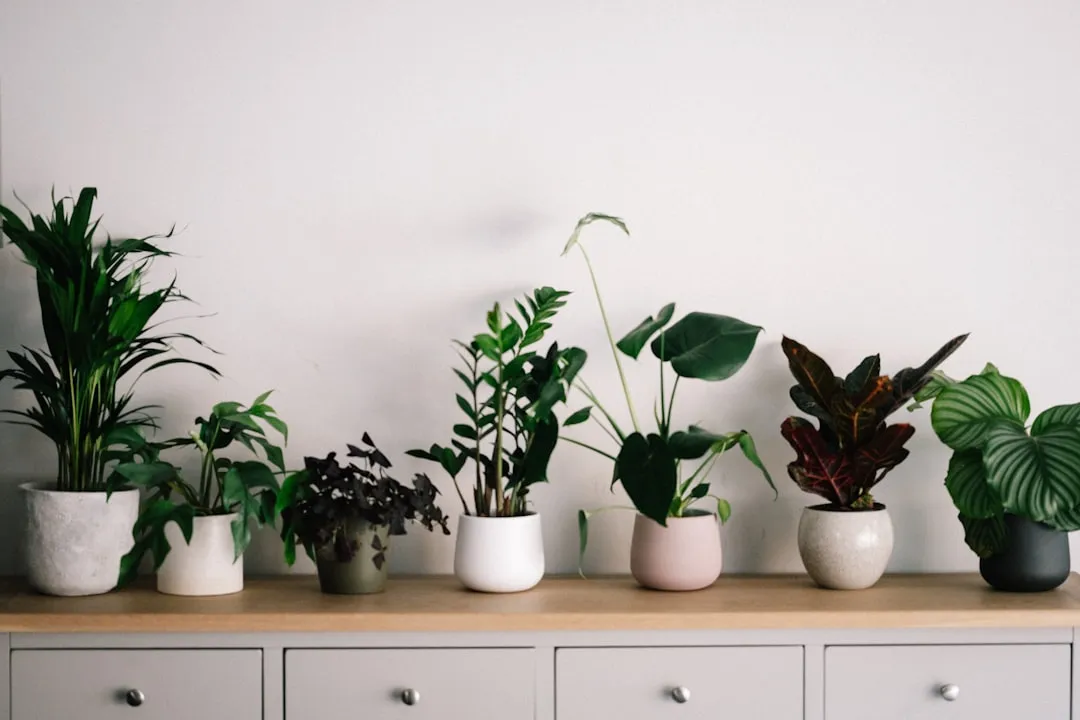
Heliotropic movements track the daily solar transit. After sunset, they reverse direction in total darkness to face the anticipated direction of the next sunrise. This nighttime repositioning is not accidental: it gives the plant a head start for the following morning’s light harvest.
Darwin’s hypothesis states that nyctinastic leaf folding prevents nighttime heat loss from the leaf surface and protects the leaves from frost damage. The second is Erwin Bünning’s hypothesis – as biological clock rhythms are disrupted even by weak light exposure such as moonlight, he proposed that nyctinastic movement prevents moonlight from illuminating the leaf surface at night, preventing disruption of the photoperiod.
Another theory argues that it prevents the accumulation of dew on the leaf surface, which can lead to fungal growth or interfere with gas exchange. Regardless of the specific advantage, nyctinasty demonstrates that plants possess a complex internal schedule that allows them to anticipate environmental changes before they occur.
The Oldest Recorded Observations of Leaf Movement
The earliest record of nyctinasty dates back to Alexander the Great, whose admiral Androsthenes of Thasos described the nyctinastic behavior of Tamarindus indica in 325 BC. Approximately 2000 years later, in 1729, the French astronomer Jean-Jacques d’Ortous de Mairan reported that the nyctinastic movement of Mimosa pudica continued even under conditions of continuous darkness – this is often cited as the first discovery of a biological clock.
The recent discovery of fossilized leaves with symmetrical feeding patterns suggests that foliar nyctinasty first appeared 250 million years ago. That context makes the prayer plant on your windowsill considerably more ancient in its behaviors than it might appear.
Which Houseplants Move the Most
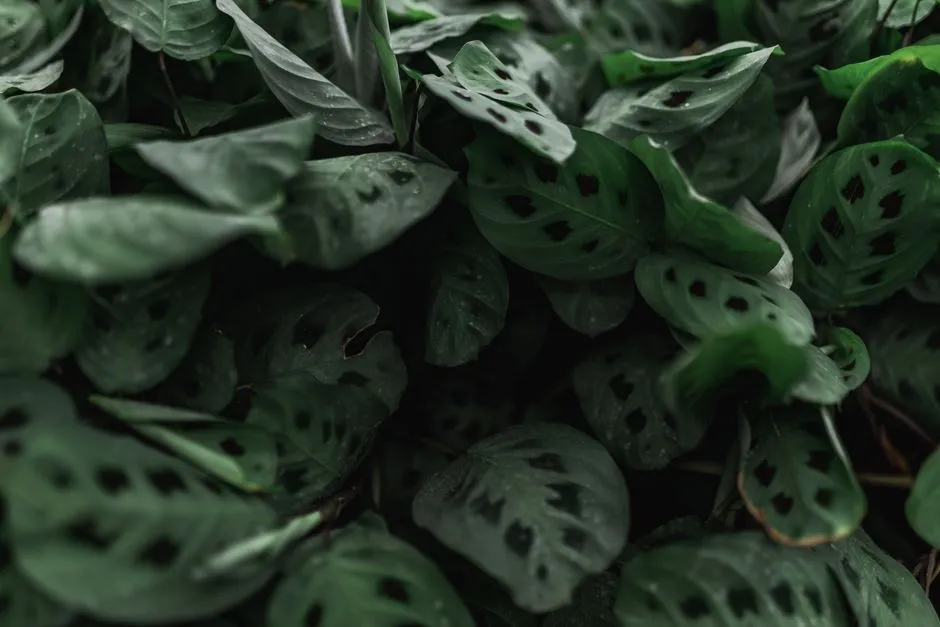
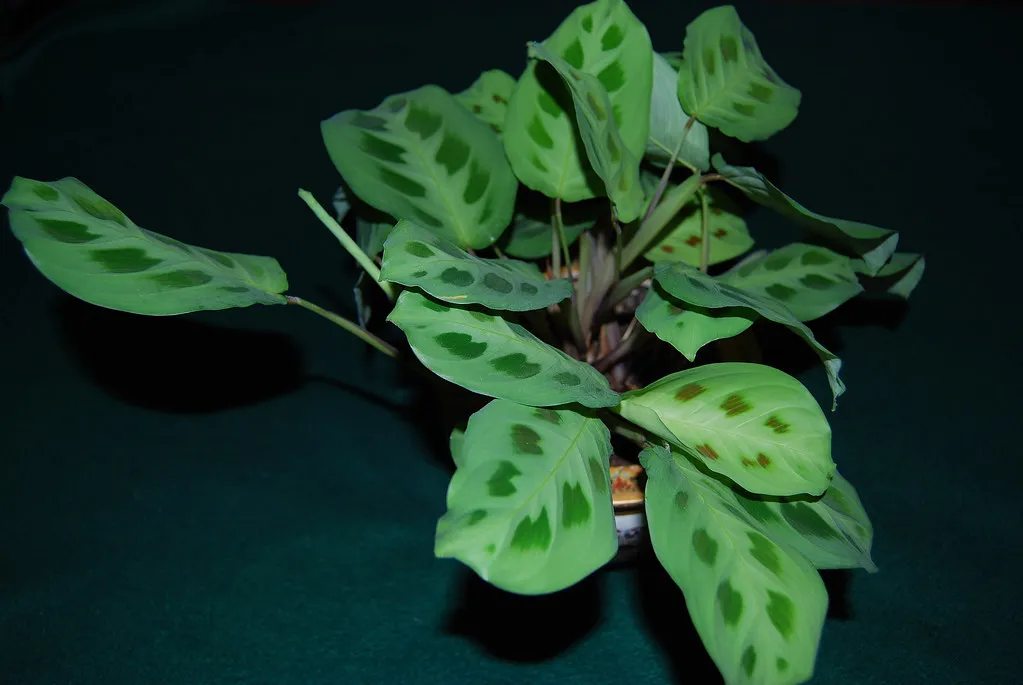
The prayer plant, Maranta leuconeura, is a popular houseplant. It is called prayer plant because it folds up its leaves at night, as if hands in prayer. The movement is not as sudden as in the sensitive plant, but you can see the results each night and day. This kind of nighttime folding is known as nyctinasty.
Calatheas (now reclassified as Goeppertia) also perform nyctinasty, but the movement is generally less dramatic. Maranta leaves fold more fully vertical, while Calathea leaves tend to angle upward rather than fully close.
Plants such as alfalfa, cotton, and some species in the mallow family exhibit solar tracking ability, adjusting the position of their leaves throughout the day to optimize light intake. Among common houseplants, those with broader, softer leaves and flexible petioles tend to show the most visible daily motion.
What Happens When Leaf Movement Stops
The ability to anticipate circadian rhythms gives plants fitness advantages, such as enhanced chlorophyll content and improved photosynthesis. When those rhythms are disrupted, the plant often shows measurable signs of stress. A prayer plant that stops folding at night, for instance, is often signaling that something in its environment has shifted.
Leaves can respond to environmental stimulations such as light, temperature, touching, and chemical substances by visible movement. A sudden absence of leaf movement can therefore indicate insufficient light, temperature extremes, root stress, or a breakdown in the plant’s internal moisture regulation.
The rhythm of nyctinastic movement is not affected by environmental conditions and occurs even under continuous light and dark conditions. When this deeply embedded circadian behavior stops entirely, it’s worth treating the plant as a signal that something in its care routine needs attention.
A Living Clock Worth Paying Attention To
AI Disclaimer: This article was created with the assistance of AI tools and reviewed by a human editor.