
Turn on the tap at one house and the water lathers easily, leaves no film on the glass, and flows clear through every fixture. Drive three miles down the road and a different family is scrubbing limescale off their showerhead every other week. Same city, same municipal system, wildly different water. The explanation goes deeper than most people realize, quite literally beneath the ground they’re standing on.
Water hardness is not a matter of cleanliness or even water treatment quality. It’s a story about geology, aging infrastructure, and the specific path water takes before it ever reaches your kitchen faucet. The block-by-block variation that puzzles so many homeowners has real, traceable causes, and understanding them changes how you think about what’s actually coming out of your tap.
What “Hard Water” Actually Means
Hard water is water that contains high levels of dissolved minerals, mainly calcium and magnesium. These minerals are picked up as water moves through soil and rock formations, ultimately entering your water supply. The more minerals in the water, the “harder” it is considered.
Water hardness is typically measured in parts per million (ppm) or mg/L of calcium carbonate, or in grains per gallon (gpg). Anything above seven grains per gallon is generally classified as hard water. About sixty percent of homes have water classified as “hard” or “very hard” above that threshold, while an additional twenty-five percent receive moderately hard water between 3.5 and 7 gpg.
The Scale of the Problem Across the U.S.
Approximately eighty-five percent of U.S. homes receive hard water, according to USGS measurements. That’s not a minor inconvenience affecting a small slice of the country. It’s the dominant experience for the overwhelming majority of American households.
Only approximately fifteen percent of U.S. homes have naturally soft water, concentrated primarily in the Pacific Northwest and pockets of the Northeast where surface water sources contain low dissolved mineral content. People who live in those regions tend to see less than three grains per gallon of hardness minerals in their water, making it some of the softest in the country.
Bedrock Is the Real Architect of Your Water
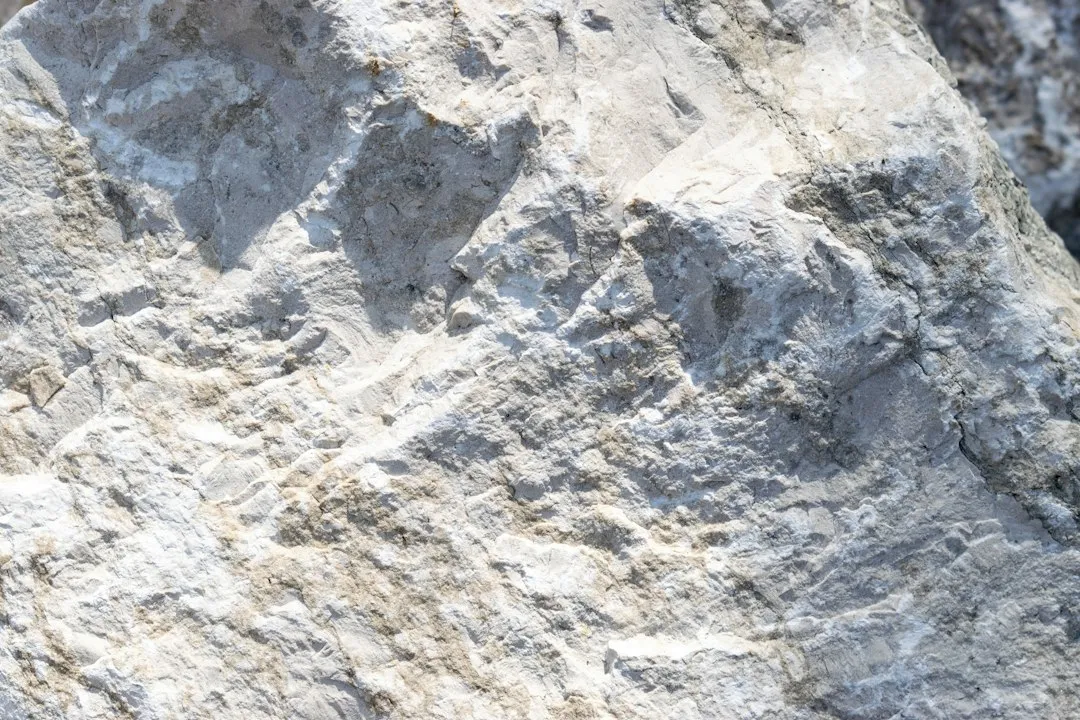
If your region sits on limestone, chalk, or gypsum formations, your water will be hard. These rocks contain high concentrations of calcium carbonate, which dissolves easily as water flows through them. This is the foundational reason why water hardness shifts so dramatically from one zip code to the next.
In areas with limestone or granite bedrock, like much of the Midwest and Mountain West, water dissolves calcium and magnesium as it flows underground, resulting in hard water. This can cause scale buildup in pipes and appliances, dry skin, and water spots. In contrast, regions with sandstone or volcanic rock may have naturally softer water. The geology under your feet is writing the story long before any treatment plant gets involved.
Why the Southwest and Midwest Are Hit Hardest
The states with the hardest water include Indiana, Wisconsin, Utah, Kansas, and Arizona. Cities like Las Vegas, Phoenix, and Indianapolis consistently rank among the hardest in the U.S. The numbers behind these rankings are striking.
The Las Vegas Valley Water District currently lists approximately 280 ppm, or 16 grains per gallon, which is classified as very hard. Phoenix’s 2025 report lists total hardness ranging from 172 to 302 ppm, or approximately 10 to 17.6 grains per gallon. Indianapolis utility data for 2025 lists hardness at 317 ppm, or 19 grains per gallon, which is very hard under the USGS classification. Those are not modest differences from the national average.
How Rivers and Reservoirs Carry Minerals into Cities
Hard water forms when groundwater or surface water passes through limestone, chalk, or gypsum deposits. As water travels through these mineral-rich formations, it picks up calcium and magnesium ions. The more contact water has with these rocks, the harder it becomes.
Rivers and reservoirs that pass through mineral-heavy formations, such as the Colorado River, carry those minerals directly into municipal supplies. In Las Vegas, water is carried into Lake Mead from the mineral-dense Colorado River, resulting in more than 16 grains per gallon of hard water for homes in the metro area. The river’s long journey through mineral-rich terrain makes the city’s hardness problem almost inevitable.
Why Two Houses on the Same Block Can Test Differently
Even within a single city, hardness can vary by neighborhood depending on which wells or treatment plants serve your area. The only way to know your actual hardness is to test your specific water. This surprises most people who assume a city delivers uniform water to every address.
Pipes themselves can contribute to elevated mineral content in some homes. Older galvanized steel plumbing leaches minerals into the water as it corrodes over time. Scale that has already built up inside pipes can also add to the mineral load as water passes through. This is less of a primary cause and more of a compounding factor, but it helps explain why two homes in the same neighborhood can test differently. One may have older internal plumbing that adds to the baseline hardness arriving from the municipal supply.
The Role of Climate in Making Hard Water Worse
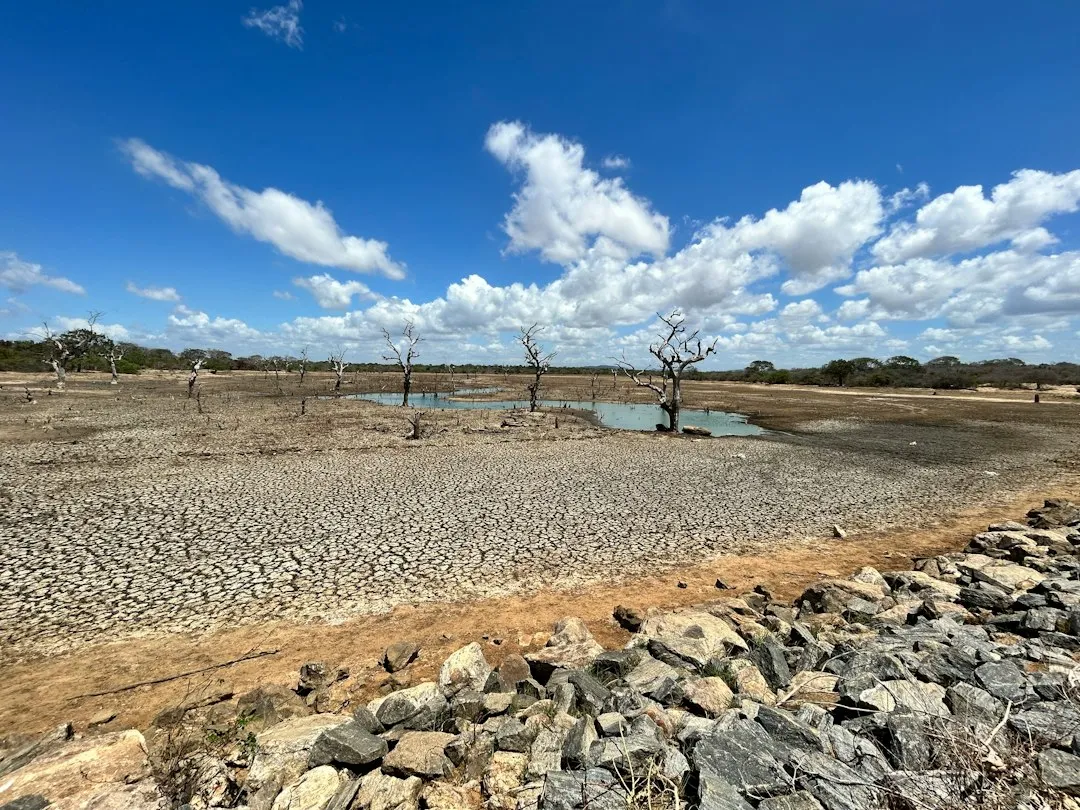
In drier climates, hard water problems are often more pronounced. Low rainfall means less dilution of mineral-rich water sources, and higher evaporation rates concentrate the minerals already present. The combination of limestone geology and an arid climate pushes hardness levels significantly higher than geology alone would explain.
Regional variations are significant, with Southwest states reaching 350 ppm and above while northern states average 20 to 120 ppm. Climate and geology essentially amplify each other in places like Arizona and Nevada, creating some of the most extreme hardness readings in the country.
What Hard Water Actually Does Inside Your Home
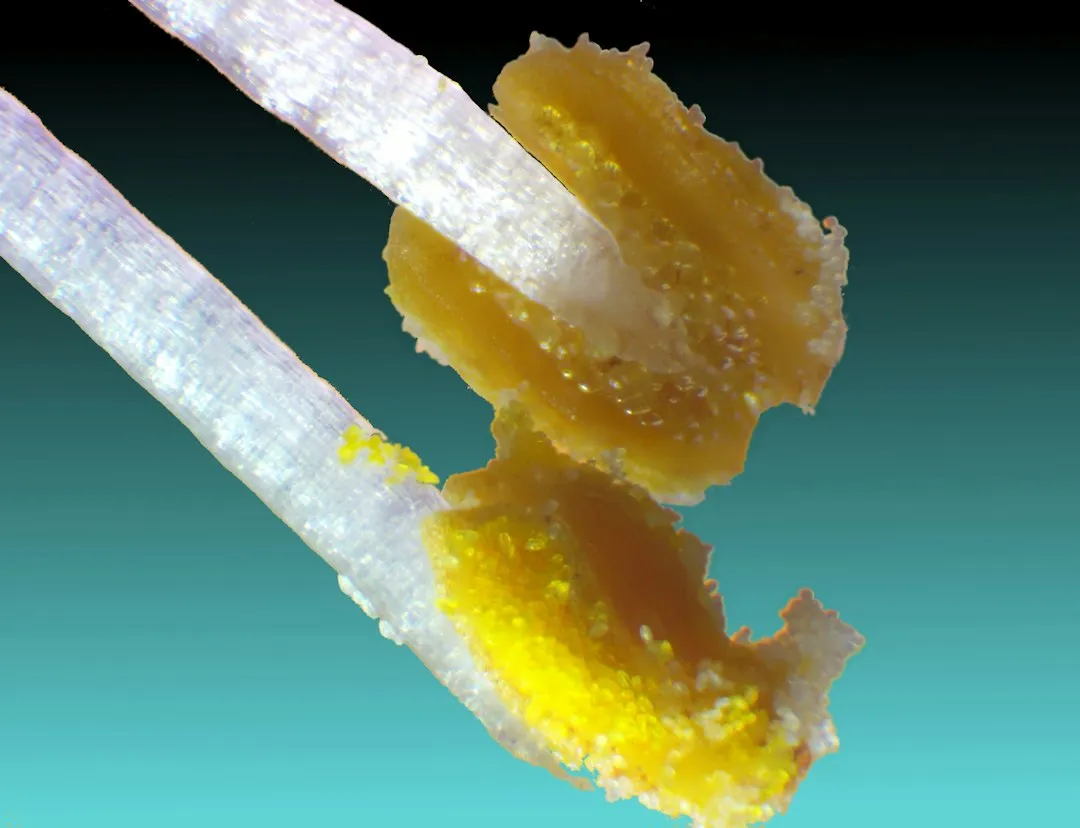
When hard water is heated, the chemistry changes. As temperature rises, dissolved minerals combine with carbonates to form solid calcium carbonate deposits, commonly known as limescale. Scale forms gradually. Each time hot water flows through a pipe or appliance, a thin layer may settle on heating elements, valves, and pipe walls.
Washing machines often drop from an eleven-year life expectancy to just 7.7 years. Dishwashers can fail in as little as seven years instead of ten. Faucets and fixtures see their lifespans drop from nine years to about 5.4 years due to internal seal degradation. Soap reacts with the calcium and magnesium ions in hard water to form soap scum rather than lather, which is why hard-water households use significantly more detergent, shampoo, and cleaning products to achieve the same results as soft-water households.
The Financial Cost That Creeps Up Quietly
Research from the Water Quality Research Foundation estimates hard water costs the average affected household approximately $800 per year in combined energy waste, appliance wear, and extra cleaning product spend. That’s a recurring expense most homeowners never attribute to their water.
Hard water can increase energy costs by up to forty percent through scale buildup. Just a quarter-inch of scale in your water heater creates an insulating layer that reduces efficiency by four percent for gas units and six percent for electric ones annually. The replacement costs of appliances due to hard water corrosion range from $400 to $1,500 for a washer and $300 to $800 for a water heater. The damage compounds over years before most homeowners connect the dots.
What Homeowners Can Actually Do About It
Municipal treatment plants filter bacteria and sediment, but calcium and magnesium pass right through. That means the standard water treatment process offers no protection against hardness. Homeowners in hard-water areas need to take their own steps.
Most American homes with hard water rely on salt-based ion exchange softeners. Water heaters operate twelve to twenty-nine percent more efficiently when protected from limescale buildup, and most water softener systems pay for themselves within one to two years through ongoing household savings. Testing your own water first is always the right starting point, since hardness at the property level can differ meaningfully from the citywide average.
The Takeaway
Hard water is not a sign that something has gone wrong. It’s simply geology expressing itself through your plumbing. The bedrock under your neighborhood, the source of your municipal supply, the age of the pipes in your walls, and the climate overhead all combine to produce the water hardness your home experiences. None of those factors stop at your property line, which is why your neighbor’s water can tell a different story than yours.
The practical upshot is straightforward. No federal source assigns one permanent hardness value to each state. Hardness should be checked at the utility or property level because conditions vary widely within a state. A simple test kit is the fastest way to get the real number for your specific address, and that number is the only one that actually matters for your household decisions.
AI Disclaimer: This article was created with the assistance of AI tools and reviewed by a human editor.