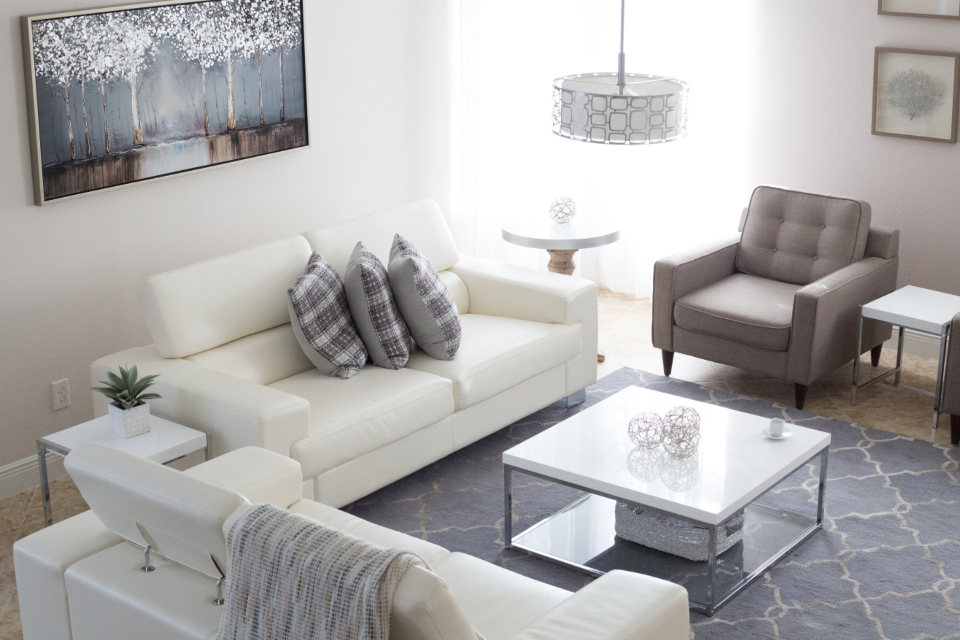

Your Brain Is Constantly Competing With What It Sees
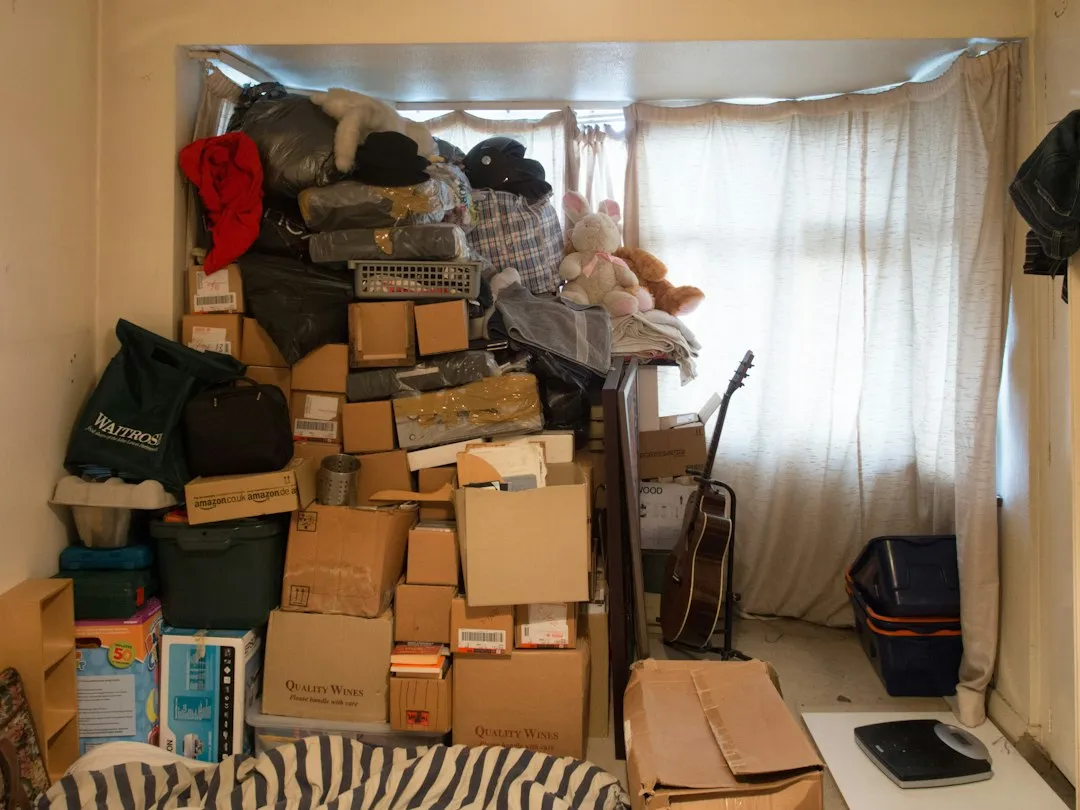
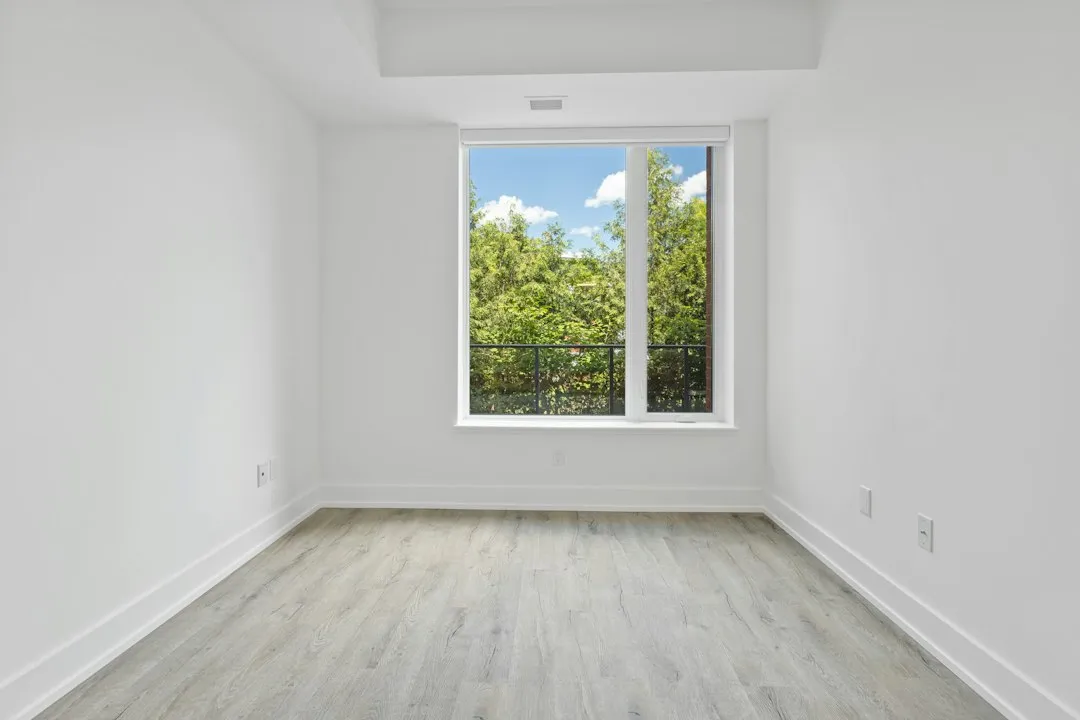
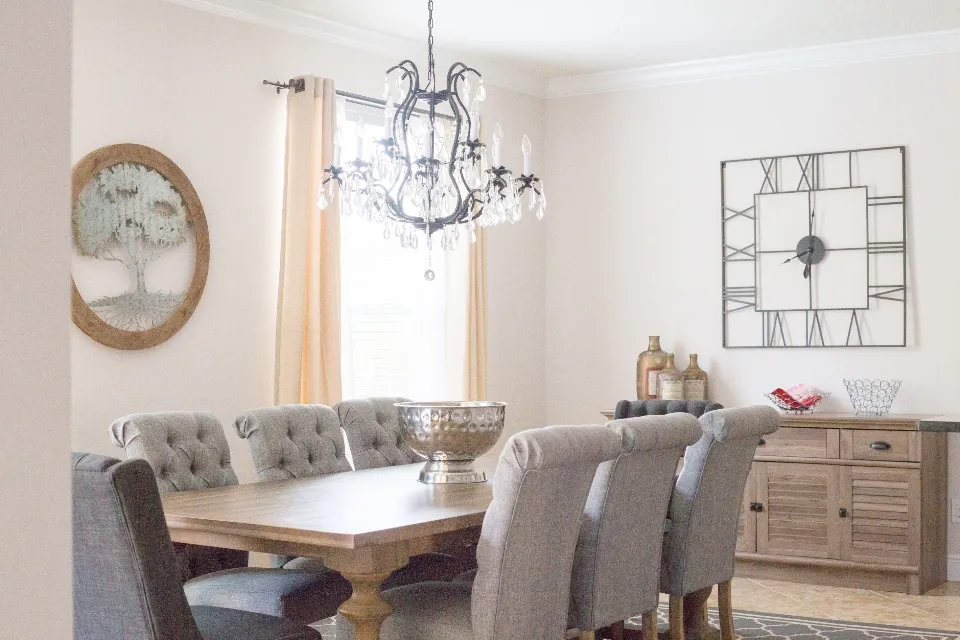
The visual system doesn’t get to switch off just because you’re trying to relax. Researchers have concluded that physical clutter in our environment can overload the visual cortex, competing for attention in our brain and interfering with our ability to focus and process information. An empty room removes most of those competing inputs at once.
A 2024 study by Yale researchers found that visual clutter alters information flow in the brain’s primary visual cortex, directly reducing your ability to concentrate. This isn’t a small background effect. It’s a measurable change in how information moves through one of your brain’s most active regions.
The brain tends to favor order, reducing the competition for attention and mental load. An uncluttered room isn’t just easier to look at. It’s literally less work for your nervous system to process.
Clutter Raises Cortisol Levels
The stress hormone cortisol rises in ways that are difficult to consciously notice until they’ve already taken hold. A 2009 UCLA study showed that women in cluttered homes had higher cortisol levels, a stress hormone, compared to those in tidier spaces. The connection between the physical environment and hormonal stress response is well-established, and it runs deeper than mood.
Clutter creates stress that has three major biological and neurological effects: our cortisol levels, our creativity and ability to focus, and our experience of pain. That last one surprises most people. The idea that a messy room could actually amplify how we feel physical discomfort isn’t intuitive, yet the research points in that direction.
What the evidence describes is closer to a loop: low well-being may lead to more clutter, which in turn makes well-being worse, according to Francis Quinn of Robert Gordon University. Empty rooms break that cycle before it starts.
Silence in Space Has Its Own Physiology
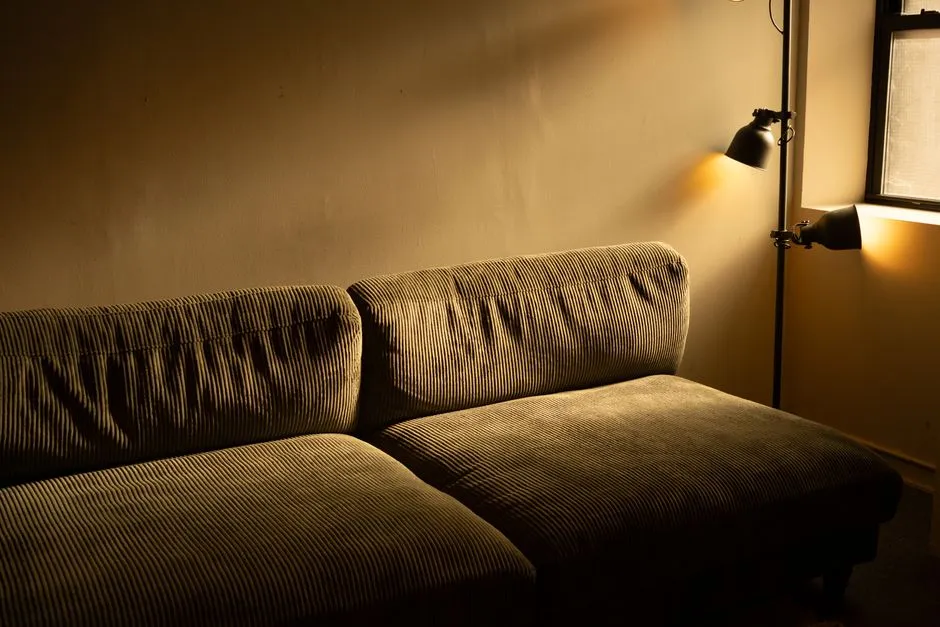
An empty room doesn’t just reduce what you see. It changes what you hear. Fewer objects mean fewer surfaces for sound to bounce between, and that quieter acoustic environment has a measurable effect on the body. Constant noise triggers the release of cortisol, leading over time to chronic stress, anxiety, and irritability. Loud environments keep the nervous system on high alert, making it harder to relax, while quieter surroundings help the body reset and recover.
Noise exposure elevates cortisol and blood pressure, whereas silence reverses these effects. Research found that even brief silent intervals reduce physiological arousal. A quieter room isn’t just more comfortable. It’s biochemically restorative in a way that noisy, object-dense rooms cannot match.
The “Breathing Room” Effect on the Mind

Designers and researchers have started using a specific term to describe what open, less-filled spaces do to attention and stress. Negative space creates what some researchers call the “breathing room effect,” a psychological phenomenon where people experience decreased cortisol levels and improved information retention due to reduced cognitive load. The principle applies equally whether we’re talking about screen interfaces or physical rooms.
Opinions on empty rooms in controlled studies were predominantly positive, with participants describing bright and spacious environments as comfortable and noting that the lack of objects around them helped them concentrate. Space, in other words, isn’t absence. It’s a functional design feature with a cognitive payoff.
Why Hotel Rooms Feel So Restful
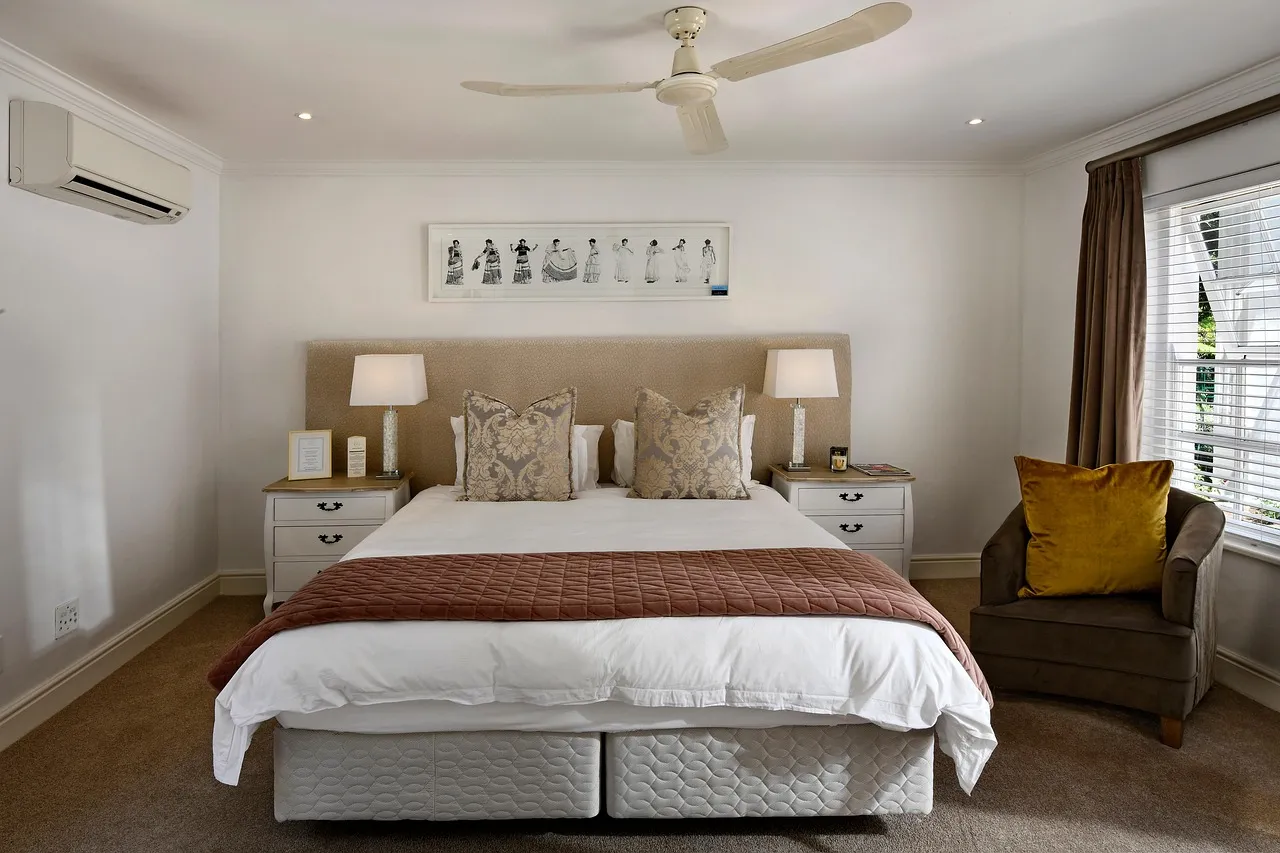
Many people notice the same thing when they travel: checking into a hotel room, even a modest one, brings an almost immediate sense of relief. There is a specific sense of peacefulness when you enter your hotel room for the first time. People frequently comment on this feeling, referring not only to the service but to the environment itself.
It’s not about the distance. It’s about the emptiness. Hotels enforce a kind of involuntary minimalism. There are almost no personal objects, no accumulated decisions, no visual reminders of unfinished business. The brain reads that as rest, not vacancy.
The beauty of an empty room is that it does not place expectations on you. From the moment you step in, there is nothing to catch your eye and draw your mind to something else. That absence of pull is precisely the point.
The Cognitive Load Behind a Full Room

Every object in a room is, in a very real sense, a micro-demand on attention. A stack of books signals unread content. A pile of clothes signals a pending task. Navigating clutter can create cognitive overload, which results in a stressed state that can cause agitation, overwhelm, and shutdown. The room itself becomes a low-grade source of pressure.
Clutter is described as “an ongoing and unintentional strain that can hinder concentration and energy levels.” The word “unintentional” matters here. Most people aren’t consciously aware that their surroundings are draining them. They just notice they feel tired or anxious without a clear reason.
Clutter acts as a constant reminder of chaos. Piles of clothes or scattered papers signal tasks left undone, and this can elevate stress, especially during periods of high pressure. An empty room removes all of that signaling entirely.
Color, Light, and the Design of Calm
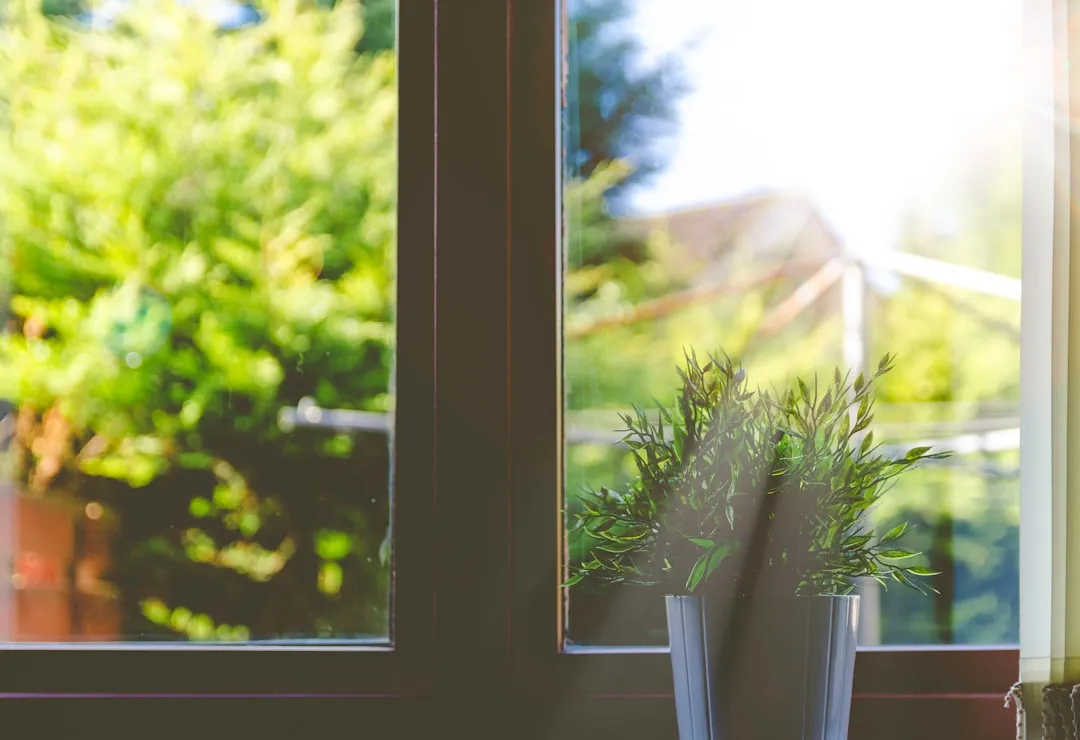
Empty rooms that feel peaceful don’t just owe their effect to the absence of objects. What remains in the room, particularly light and color, plays a substantial role. Natural light significantly impacts mood and biological rhythms. Exposure to daylight has been shown to regulate circadian cycles, reduce feelings of confinement, and elevate mood through increased serotonin production.
Soft, muted tones like gentle blues, calming greens, or warm neutrals can instantly create a sense of peace, having a soothing effect on both mind and body and helping you feel more relaxed the moment you step inside. A bare room flooded with natural light and painted in restrained tones isn’t austere. It’s designed, whether deliberately or not, for calm.
Research has shown that people respond more favorably to blue and green color schemes and non-complex, calm visual environments, reinforcing the idea that what stays in a room is as important as what gets removed from it.
Empty Space as a Psychological Mirror
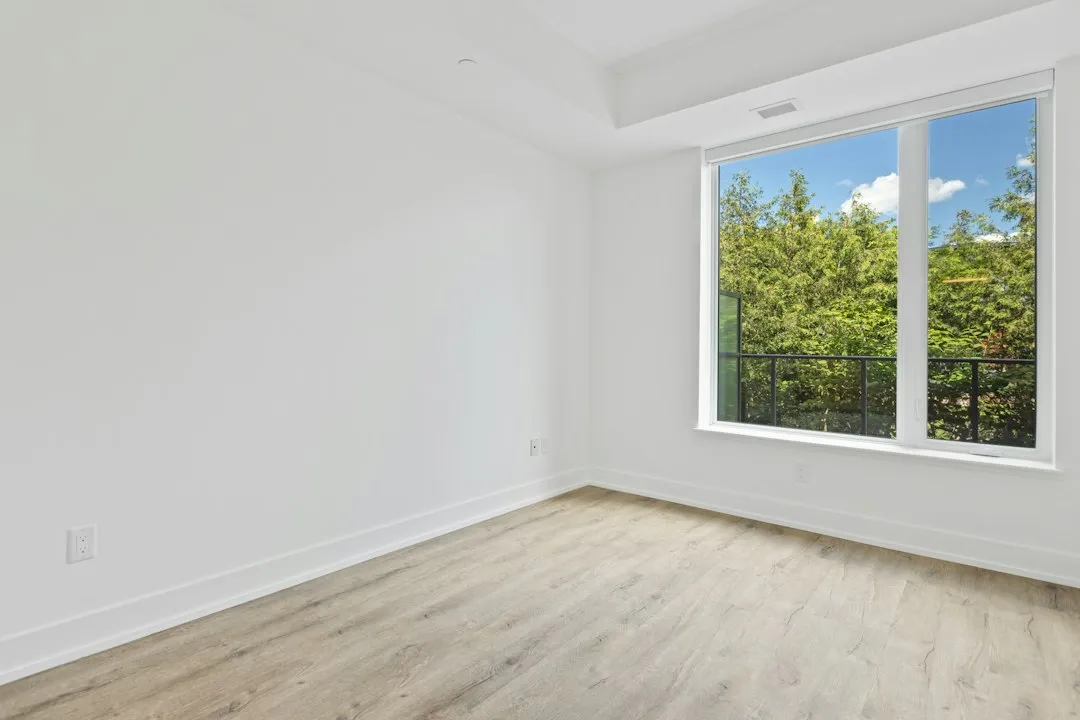
Not everyone experiences empty rooms as peaceful. The same space can feel freeing to one person and unsettling to another. Empty spaces are treated like psychological screens that reflect what the viewer is bringing along. This is why one vacant room can feel peaceful to one individual, nostalgic to another, and threatening to someone else.
According to environmental psychology, human beings turn to behavioral cues to feel safe: signs of life, sound, warmth, and order. When those cues disappear, tension can be created in their absence. For people who associate stillness with safety, the bare room is a gift. For others, the same stillness triggers unease.
This ambivalence is worth acknowledging. The research on empty spaces tilts clearly toward peace for most people in most contexts, but it’s not absolute. Context, personal history, and mental state all shape how a room’s emptiness lands.
What Silence Does to Creativity and Thought
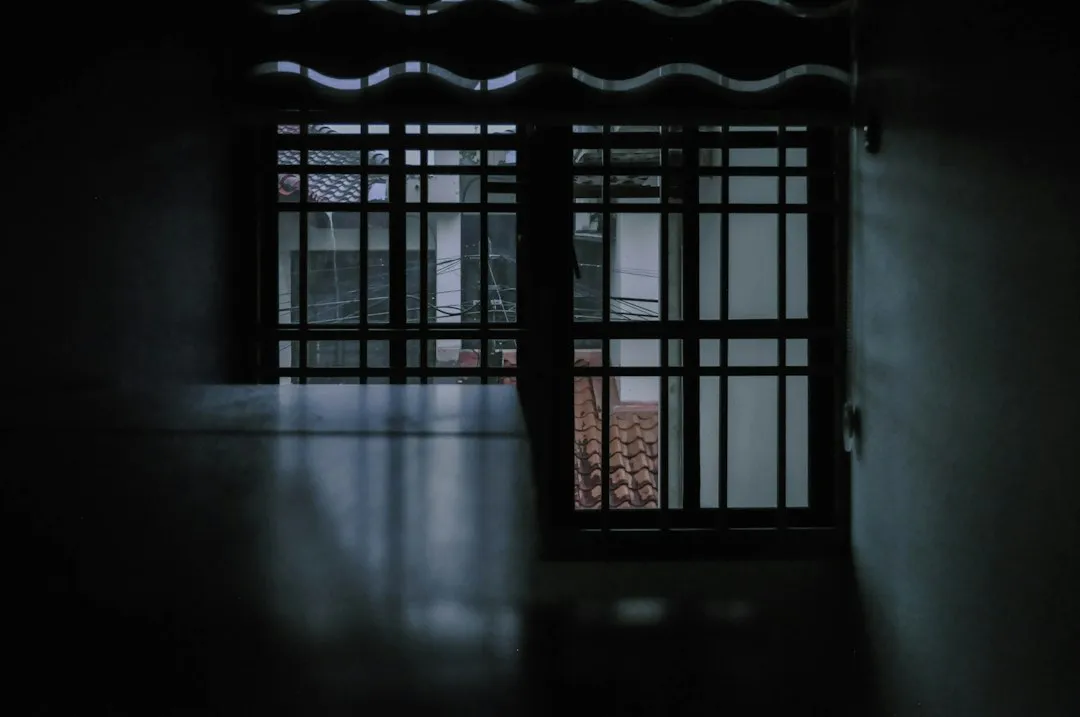
One consistent finding across several research areas is that mental quietude, including the kind that comes from a visually quiet room, improves the quality of thinking. Countless research has shown that our best ideas and thoughts come when we can focus on a single train of thought and not have to split our mental energy between a messy maze of competing inputs. An empty room is one practical way to achieve that.
Clearing the head in silence may be a key to increased creativity. Though clinical research on the exact relationship between silence and creativity is still developing, periods of mental downtime have been found to increase productivity and improve problem-solving. A bare room, free of visual noise, creates the kind of mental space that busy environments rarely allow.
The Growing Turn Toward Minimalism as a Health Choice
What was once considered an aesthetic preference has taken on something closer to a public health argument. Environmental noise, including the visual and cognitive noise of dense, cluttered spaces, is increasingly associated with adverse health effects including psychological distress and cognitive impairments. The minimalism trend, viewed through this lens, looks less like a design movement and more like a response to overstimulation.
Organized spaces encourage better choices and spark motivation. A 2013 study in Psychological Science found that tidy environments lead to healthier decisions and foster a sense of control. The empty room, in that sense, is not a room that lacks something. It’s a room that has deliberately held back what isn’t needed.
Silence, and by extension the spatial quiet of an empty room, is a biological necessity. Studies show it lowers stress, boosts brain cell growth, and sharpens focus. That’s a compelling case for leaving more floor visible and more walls bare.
The Takeaway
The peace you feel in an empty room isn’t a trick of the imagination. It’s the measurable result of a nervous system that’s no longer competing, a visual cortex that’s no longer overloaded, and a stress hormone that’s finally been given permission to drop. The room isn’t empty of experience. It’s full of room to think.
We tend to fill spaces as a reflex, as if a bare wall is a problem to solve. The research suggests the opposite might occasionally be true. Sometimes the most useful thing a room can offer is the absence of everything it doesn’t need.
AI Disclaimer: This article was created with the assistance of AI tools and reviewed by a human editor.