
The Label Is a Legal Requirement, Not a Universal Truth
Care labels in the United States are governed by the Federal Trade Commission’s Care Labeling Rule, codified at 16 CFR Part 423. Under this rule, every garment sold in the United States must carry a permanent label giving a full care method, either washing or drycleaning, plus any warning needed to prevent damage. That sounds thorough, but there is a catch buried in the fine print.
If the item can be washed and dry-cleaned, the label needs only one of these instructions. However, manufacturers may want to consider that consumers like having washing instructions for items that can be washed. In practice, this means a garment that is perfectly washable may carry only a dry cleaning instruction because the manufacturer chose that route.
Manufacturers must have a reasonable basis for all care instructions and warnings, meaning reliable evidence to support them. For example, a manufacturer cannot say “Dryclean Only” unless there is proof that washing will harm the garment. When brands skip the testing and default to “dry clean only,” they are essentially taking a shortcut at the consumer’s expense.
“Dry Clean” and “Dry Clean Only” Are Not the Same Thing
This distinction trips up most shoppers, but it matters enormously. “Dry clean only” is a stronger warning than “dry clean,” which is just a recommendation. One is a prohibition backed by manufacturer evidence; the other is a suggestion about the preferred cleaning method.
A plain “dryclean” label is one tested method and says nothing about water. “Dryclean Only” is different: under the FTC Rule it is a warning, and a manufacturer needs evidence that washing will damage the garment before printing it. So if your tag simply reads “dry clean” without the word “only,” you have considerably more flexibility than you might think.
Clothing tags marked “dry clean” or “dry clean recommended” may be washed at home if you follow the right steps. This applies to a broader range of garments than most people realize, particularly those made from common, less fragile fabrics.
Some Brands Use the Label as a Safety Net, Not a Science
Some brands use the “dry clean only” label to protect themselves from customer complaints, rather than for the benefit of the garment or consumer. It is a liability shield more than a care instruction, and once you understand that, the label feels a little less authoritative.
“Dry clean only” on a washable cotton shirt, chosen to avoid testing, is the kind of over-cautious instruction the FTC has specifically said it does not accept. Still, enforcement is inconsistent, and many garments end up carrying the label out of corporate habit rather than fabric science.
The upshot is that some garments have never been tested for home washing at all. The label reflects a business decision, not necessarily a material reality. That gap between legal obligation and actual practice is where many home-washable garments quietly end up mislabeled.
Many Common Fabrics Handle Water Just Fine
Wool, cashmere, silk, cotton, and linen are all washable in principle – people have washed all five in water for several thousand years. The issue is not the fabric itself but the construction of the garment and the aggressiveness of the washing method used on it.
Many dry-clean only clothes can safely be washed at home, including wool, cashmere, silk, cotton, linen, and some blends when handled gently. The key phrase there is “handled gently.” A cold water hand wash is a very different physical experience for a fabric than a hot machine cycle with heavy spin.
Fabrics like polyester, cotton, viscose, and linen can be thrown into the washing machine, and even garments made of silk labeled as “dry clean only” can be tossed in on the “delicate” cycle or hand washed. Knowing your fabric composition is half the battle.
Structured Garments Are the Real Exception
Not everything with a “dry clean only” label is playing it safe. Some garments genuinely cannot survive home washing, and it has nothing to do with fiber content. Delicate fabrics that can be damaged by water, clothes with intricate details like embroidery and beads, and those with linings or which are tailored are typically labeled “dry clean only.”
A tailored wool blazer can lose two full sizes if washed incorrectly. The inner structure, padding, and lining interact badly with water in ways that the outer fabric alone might not. Dry cleaning blazers is recommended to preserve the lining.
Fabrics that almost never survive home washing include silk with unstable dyes, rayon, viscose, wool gabardine, suede, leather, and structured suits. These are the cases where the label is entirely earned and skipping the dry cleaner is a genuine risk.
The Dye, Not the Fiber, Is Often the Real Concern

Color stability is one of the most overlooked reasons why some garments carry a dry cleaning instruction. Silk is normally dry cleaned to preserve the dye, though white silk fabric can easily be washed at home. This tells you something important: the material itself is not the problem, the coloring process is.
Before washing any dry-clean only item at home, test for color bleeding by dampening a white cloth with cool water and pressing it on a hidden seam. If color transfers, do not wash at home. This simple test takes under a minute and can save a garment entirely.
Different dyes behave differently in water, and some bleed dramatically even in cold temperatures. Dark-colored wools and richly saturated silks are particularly worth testing before attempting any home wash. The bleed test is small effort for significant peace of mind.
Wool Can Shrink, But It Depends on How You Wash It
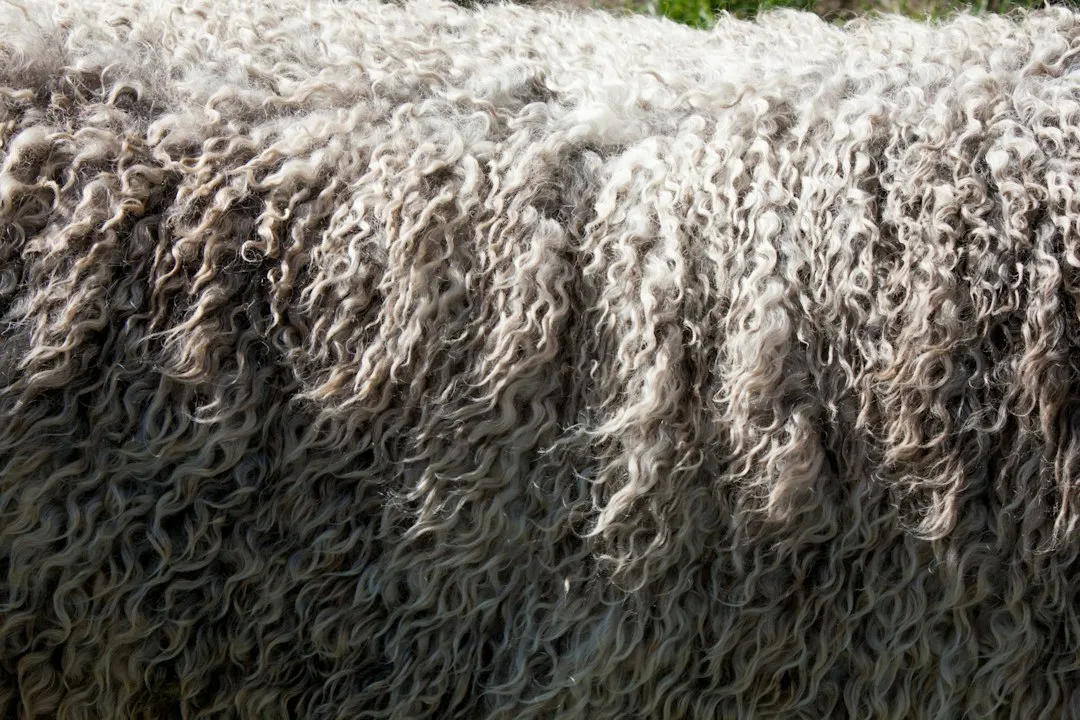
Wool is probably the fabric that generates the most fear around home washing, and that fear is not entirely unfounded. Wool can shrink between five and ten percent even in cold water if it is agitated. The problem is not water itself but the mechanical action that accompanies it in a standard washing machine.
Washing “dry clean only” clothes in a standard washer can ruin them by causing shrinkage, changing the feel of the fabric, or bleeding the colors. However, calm hand washing in cool water with minimal agitation is an entirely different story for many wool garments, particularly unstructured knits.
Wool knits cannot be machine washed because the shape will be destroyed. The distinction between machine washing and careful hand washing is not a minor detail here. It is often the entire difference between a ruined garment and a successfully cleaned one.
The Chemicals in Dry Cleaning Are a Growing Concern
Beyond fabric care, there is a compelling health and environmental reason to explore home washing when it is genuinely safe. The most common solvent used in dry cleaning is PCE, also called perc, tetrachloroethylene, or perchloroethylene. It has been the industry standard for decades, and its safety record is now under serious scrutiny.
The U.S. Environmental Protection Agency classifies PCE as a likely human carcinogen. A study published in 2025 revealed that exposure to PCE tripled the risk of liver fibrosis, or excessive scarring on the liver, which can lead to liver cancer. Both dry cleaning workers and regular customers face some level of exposure.
In late 2024, under the Toxic Substances Control Act, the EPA banned the use of PCE for all consumer uses and implemented a ten-year phase-out of PCE in dry cleaning services, with prohibitions on new machines and accelerated phase-outs for older equipment. This regulatory shift makes finding safe home-washing alternatives more relevant than ever for health-conscious consumers.
How to Test Whether Your Garment Can Be Washed at Home
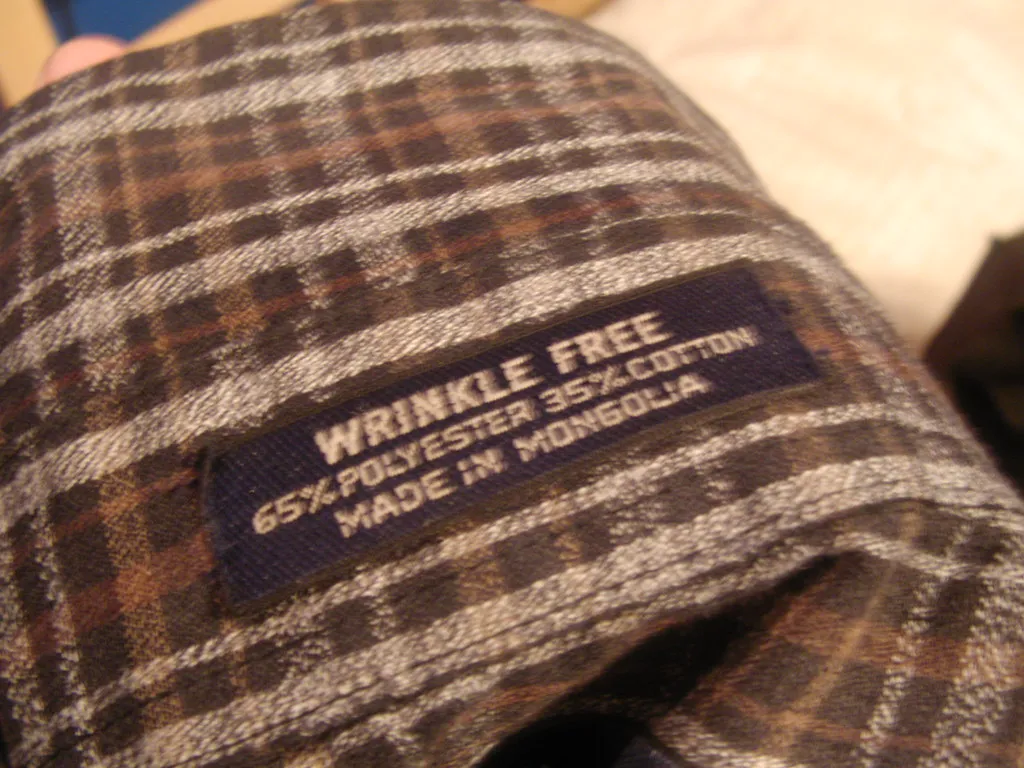
The honest answer about whether a garment can be safely home-washed depends on the fabric, structure, dye, lining, trim, and how much risk you are willing to take. There is no single formula that covers every garment, which is why a quick assessment before washing is worth your time.
Check the care label for fabric content, wash warnings, drying instructions, and trim details. If the garment is unlined, unstructured, made from a common natural fiber, and passes the color bleed test, the chances of a successful home wash improve considerably.
Many garments labeled “dry-clean only” can safely be hand washed in cool water using gentle cleaners, as long as they are not structured garments that must retain their shape. When in doubt, err toward a hand wash rather than a machine cycle, and always air dry flat rather than tumble drying.
Steaming Is a Useful Middle Ground
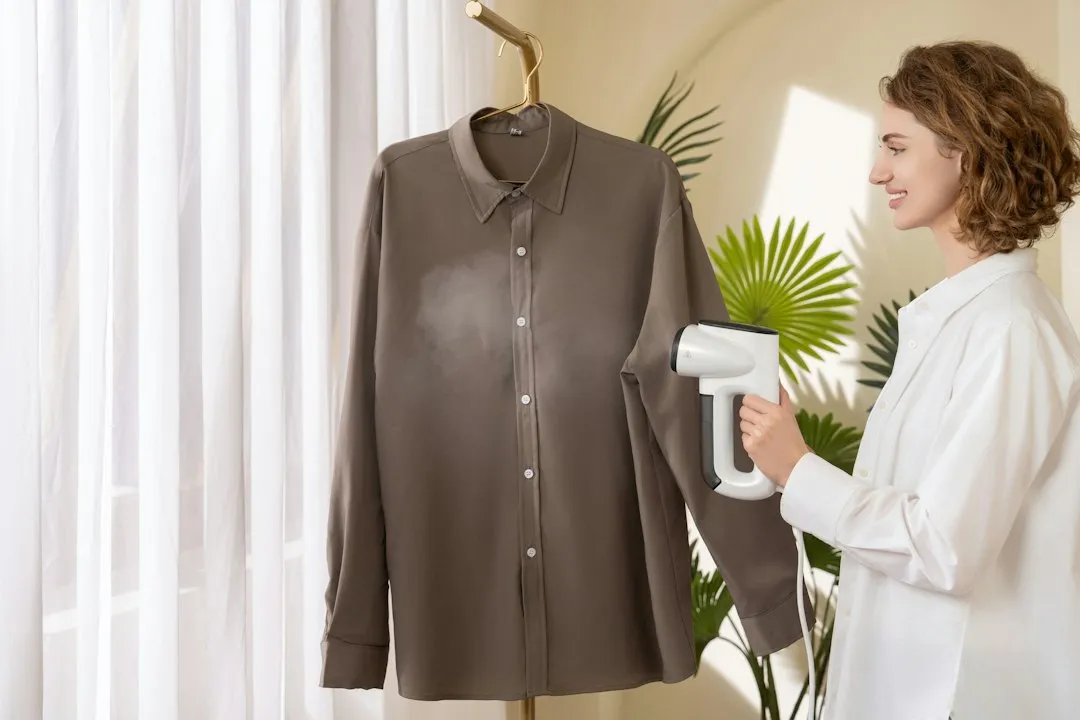
For garments where full washing feels too risky but dry cleaning feels excessive, steaming offers a practical compromise. Steaming can help refresh some dry-clean only clothes between professional cleanings. It may reduce wrinkles and light odor, but it will not remove deep stains, body oils, or heavy buildup.
It is sometimes possible to spot clean a “dry clean only” garment for minor marks, particularly on fabrics that are otherwise too delicate for full immersion. Spot cleaning combined with steaming can extend the time between professional cleans significantly.
For lightly worn garments that simply need refreshing, this approach makes a lot of practical sense. Steaming also helps restore shape to wool and structured pieces without the risks that come with water immersion. It is worth having a good quality garment steamer at home if you own a lot of “dry clean only” pieces.
The Takeaway
The “dry clean only” label carries real weight for structured, lined, or chemically sensitive garments. For a surprising number of everyday items, though, it reflects manufacturer caution or business convenience more than a genuine fabric limitation. Knowing the difference saves money, reduces chemical exposure, and extends the life of your wardrobe.
The most useful habit is simply reading the full care label, checking the fabric composition, running the bleed test, and making an informed call. The “dry clean only” label isn’t always a hard rule, but it is a real warning. Treat it with respect, understand what it actually means, and you will be in a much better position to decide when to follow it and when it is safe to wash at home.
AI Disclaimer: This article was created with the assistance of AI tools and reviewed by a human editor.