
It’s More Common Than You Think
Research from Dr. Benjamin Hart at the University of California found that roughly sixteen percent of dogs are considered serious poop eaters, while about a quarter of dogs have been caught eating their own feces at least once. Estimated prevalence across multiple studies ranges from about one quarter to nearly half of all dogs being described by their owners as coprophagic.
It’s estimated that almost half of domestic dogs exhibit this behavior at some point in their lives. A study on shelter dogs showed that coprophagy was observed in nearly thirteen percent of the animals, and half of them were returned after adoption for this reason. That last statistic is sobering. Many of those dogs likely just needed some management, not a new home.
The Ancestral Instinct Behind the Behavior
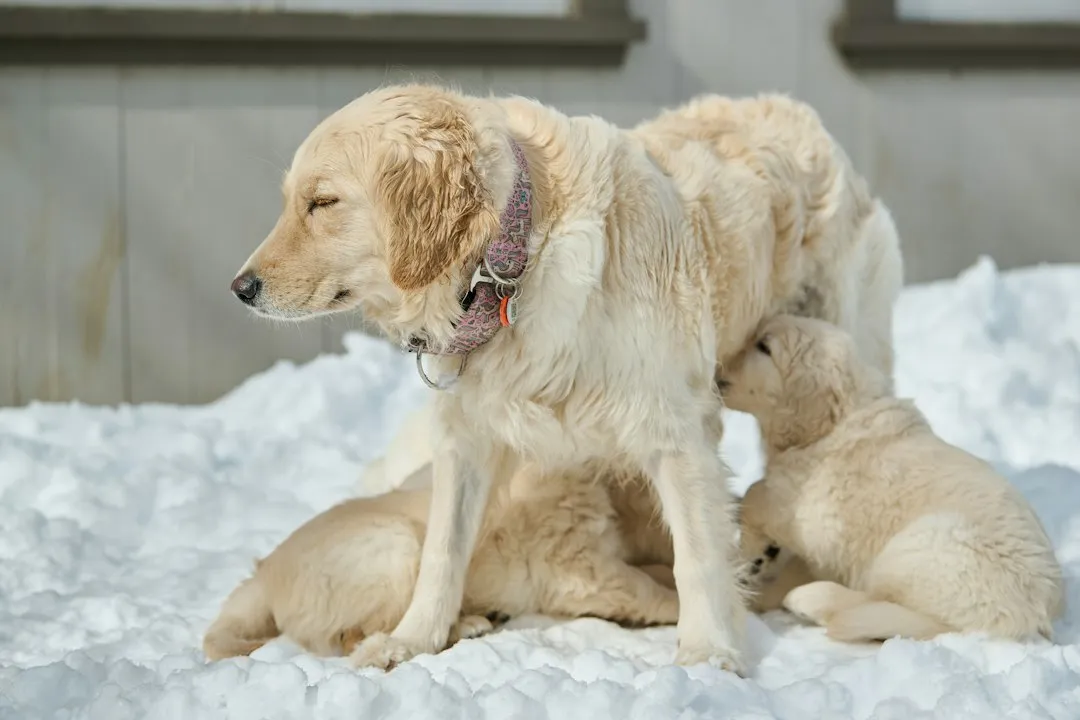
Dogs evolved from wild ancestors who were opportunistic scavengers. In the wild, leaving feces in the den area could attract predators. Mother dogs in particular have strong instincts to keep their living areas clean – they lick their puppies to stimulate elimination and then consume the waste to protect the family from predators.
Nursing female dogs often eat the poop of their young to keep their den clean. This is considered completely normal behavior. Puppies also mimic maternal behavior, since mother dogs clean the nest by eating waste to keep it safe – and some pups simply copy this.
Dogs Prefer It Fresh – and There’s a Reason
Research indicates that ninety-two percent of dogs who eat poop prefer it when the feces are fresh, typically no more than one to two days old. This is not random. Research confirms dogs typically prefer poop that is no more than two days old, which coincides with when the feces of a dog infected with parasites begin to develop infective larvae. It’s possible that dogs eat fresh droppings before these larvae multiply as a way to reduce the risk of spreading parasites – a behavior likely inherited from wild ancestors.
The reason most poop-eating dogs limit themselves to fresh feces is that in addition to digestive enzymes, it also contains high levels of microbes necessary to regenerate beneficial bacteria in the gut. It’s a strange form of self-supplementation, but from an evolutionary lens, it makes a kind of sense.
When Nutrition Is the Culprit
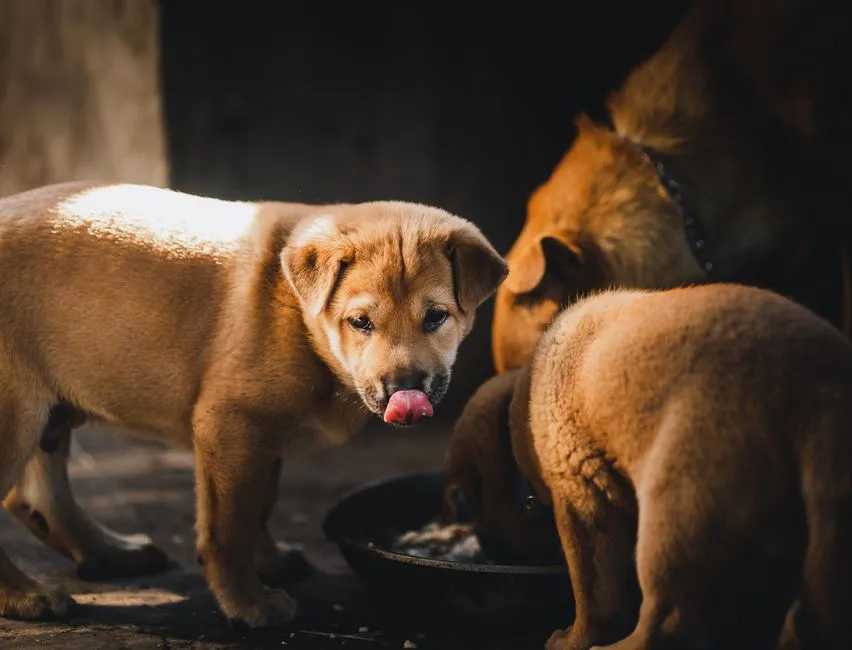
One reason dogs eat feces is nutritional deficiency. Dogs sometimes eat feces to compensate for missing nutrients in their diet. If a dog isn’t getting enough essential vitamins or minerals, they might turn to poop as a way to fill the nutritional gap.
Rabbit poop is a very rich source of not only enzymes but also B vitamins, which is why many dogs, given the opportunity, will happily consume rabbit droppings. If a dog’s food isn’t fully digested due to diet, pancreatic issues, or parasites, they may re-ingest poop to reclaim nutrients. Still, it’s worth noting that it’s generally believed that coprophagia is rarely the result of a nutritional deficiency in a dog’s diet, and most well-fed dogs who do it have other reasons driving the habit.
Anxiety, Stress, and Confinement
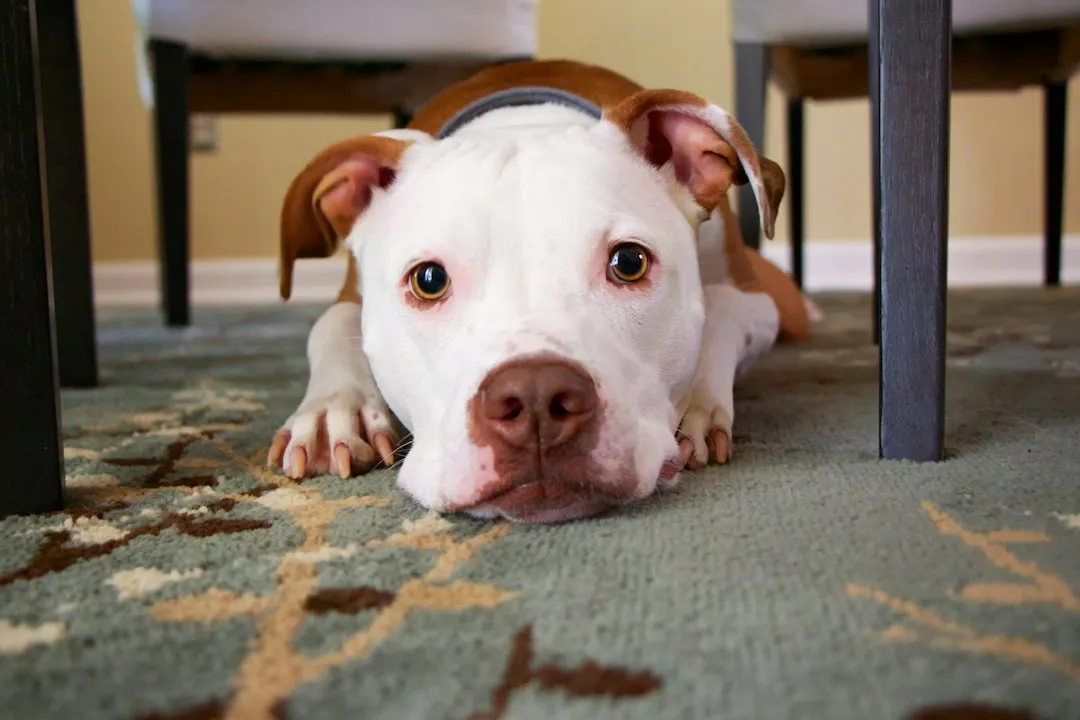
Some dogs eat poop as a displacement behavior when they’re anxious. If an anxious dog is confined, they may defecate and eat their own poop. Possible sources of anxiety that can cause coprophagia include general anxiety, worrying about being confined, separation anxiety, and lack of enrichment activities when confined.
This is especially common in young puppies who are confined or crated too frequently during the first few months of their lives. This is their socialization period, and being kept to themselves too often during this period has been shown to lead to future issues with coprophagia. Dogs that were left alone, had little stimulation, or lived in socially restrictive environments showed an increased prevalence of coprophagia, suggesting a strong behavioral component in addition to medical causes.
Attention-Seeking Gone Wrong
Dogs quickly learn that certain actions get a reaction from their owners. When a dog eats poop, the immediate response is often dramatic – owners yell, chase, or otherwise react strongly. Puppies left to their own devices can turn to feces as play or stress coping, and reactions from owners – like shouting or chasing – can reinforce the behavior as attention-seeking.
Some dogs, especially those in kennel situations, may eat poop because they’re feeling anxious or stressed. Research also suggests dogs who are punished for inappropriate elimination can convince themselves that pooping itself is bad, so they hide the evidence by eating it. Yelling at your dog after the fact is almost always counterproductive here.
When It’s a Medical Problem
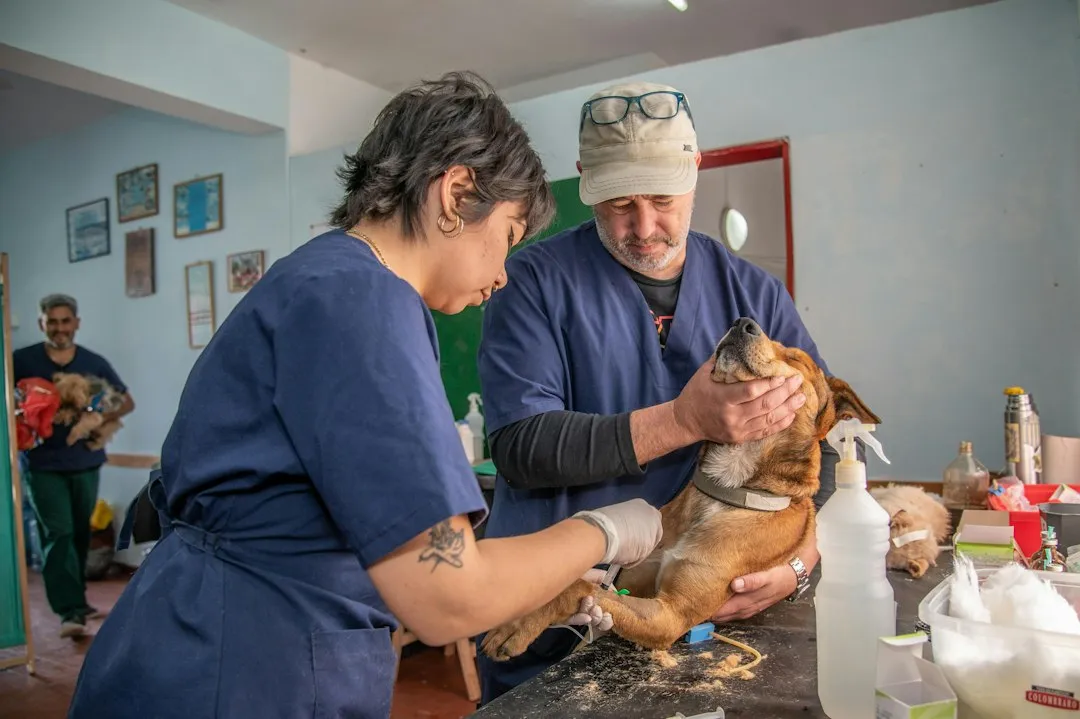
Coprophagia can be associated with diseases of the intestinal tract and sometimes other parts of the body, such as the liver or brain. A vet will need to perform diagnostic tests to determine if a dog has an underlying medical problem such as pica, intestinal parasites, nutritional deficiencies, or gastrointestinal disease.
Diseases that can lead to pica, such as liver disease and anemia, can result in coprophagia. Canine cognitive dysfunction – sometimes called doggie dementia – can also contribute to this behavior. Intestinal parasites like roundworms, hookworms, or whipworms steal nutrients from a dog’s diet, which can cause inflammation and malabsorption, and that can then lead to coprophagia. Any new or sudden onset of the habit in an adult dog warrants a veterinary visit.
Multi-Dog Households and Social Learning
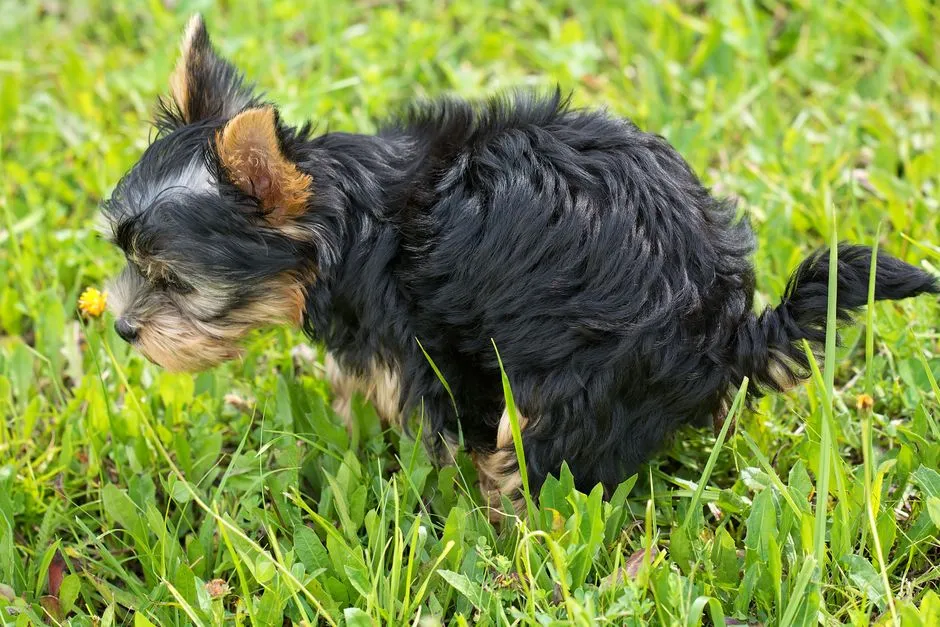
The Hart study found that coprophagia tends to be more common in multi-dog households, suggesting that social factors play a role. Isolation, loneliness, and boredom can contribute to coprophagia, as dogs kept alone are more likely to engage in this behavior.
In some instances, a healthy dog may consume the feces of a weaker or ill companion, particularly if the latter becomes incontinent. This behavior is theorized to be an instinctive response to remove signs of weakness in the pack, protecting the group from potential predators. Coprophagic dogs were more likely to be reported as greedy eaters than non-coprophagic dogs.
What Vets Actually Recommend
To stop a dog from eating poop, the core approach is to remove feces quickly, supervise potty breaks, reward the dog for leaving it alone, and address any medical, dietary, or behavioral cause behind the habit. Most dogs need a mix of management, training, and consistency rather than punishment.
Many dogs run back to poop because nothing better happens after they eliminate. Creating a predictable routine – poop, turn to owner, treat, move away – works well. Using a high-value reward the dog doesn’t get all day, such as small pieces of cooked chicken or a favorite toy, can work better than ordinary kibble. Punishing the behavior of poop-eating could worsen the problem by causing the dog to associate pooping with punishment, which may lead the dog to consume feces more quickly in order to cover up the act of pooping.
Food Additives and Deterrent Products
Veterinarians can be consulted about special dietary supplements that may help alter the taste of fecal matter. These supplements are harmless for a dog but change the smell or taste of the poop, making it less likely the dog will try it. A change in diet can be beneficial – switching to a brand with lower protein content reduces the amount of protein excreted into feces, which the dog finds palatable. Commercially available products added to food can also decrease palatability.
Not a single food additive significantly reduced coprophagia in controlled evaluations, which indicates that supplements alone are not a reliable solution. They may help as part of a broader plan, but they shouldn’t be the only tool. Making sure a dog gets enough physical and mental exercise throughout the day will tire them out, release pent-up energy, and make poop-eating a less attractive prospect.
The Takeaway
Coprophagia is one of those behaviors that embarrasses owners far more than it bothers dogs. Understanding why it happens is genuinely useful, because the fix depends almost entirely on the cause. A puppy doing it out of curiosity is a very different problem than an anxious adult dog or one with a gut disorder.
The clearest guidance from vets is consistent: rule out medical causes first, then address behavior with management and positive reinforcement. The first step is getting a dog checked out by a vet to ensure a medical issue isn’t causing the behavior – a nutritional deficiency, for example, may require supplements if a deficiency is diagnosed. Patience and environmental management usually matter more than any single product or quick fix. Most dogs, with the right approach, do improve over time.
AI Disclaimer: This article was created with the assistance of AI tools and reviewed by a human editor.