
It Goes All the Way Back to the Wolf
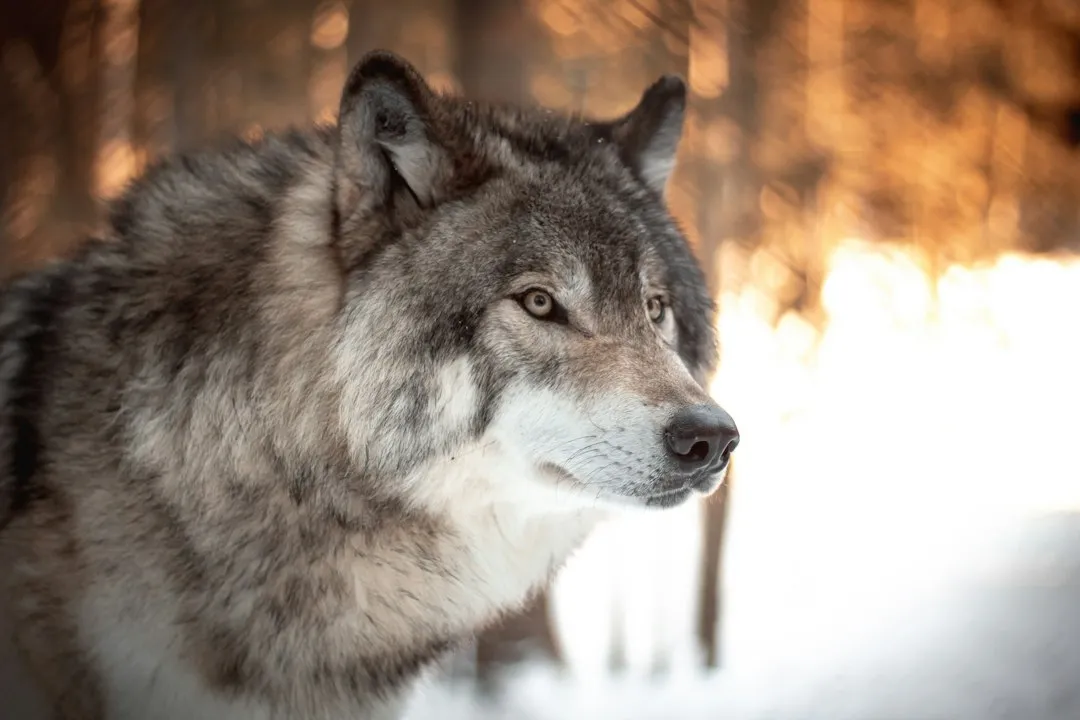
The most fundamental explanation for this behavior is ancestry. Despite thousands of years of domestication, dogs retain many instincts that wolves depend on in the wild. Food-carrying is one of those holdovers that never quite got bred out.
When a wolf pack makes a kill of a large mammal, a feeding hierarchy that allows the pack leaders to feed first is observed; once they have withdrawn, the juveniles may have to compete with each other for the best of what remains. Relocating a piece of food was simply a smart way to survive.
Gray wolves are powerful predators, but bears and smaller scavengers often steal their meals. To protect their leftovers, wolves bury the remains of kills, according to research published in Canadian Field-Naturalist. The carrying behavior is an extension of that same protective logic.
Resource Guarding: The Survival Instinct That Never Left
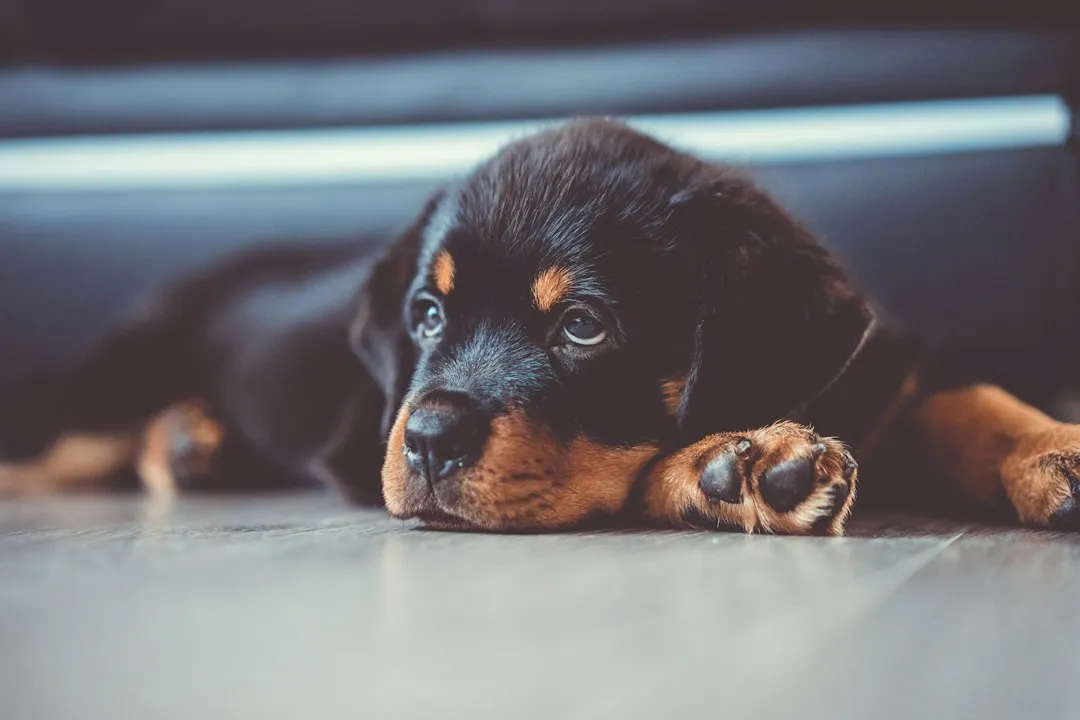
One of the primary reasons dogs may grab their food and move it elsewhere stems from their ancestral pack behavior. In the wild, dogs and their wolf ancestors would often graze in groups, where food could become a contested resource. Subordinate members of the pack would instinctively remove pieces of food to a safer location where they could eat without fear of losing their meal to a more dominant member.
This instinct has a specific name among animal behaviorists. Before dogs were domesticated, they often ran in packs. The more subordinate pack members would carry food away to hide it from other members of the pack. This is called resource guarding.
When dogs feel threatened by potential competitors, even if they exist only in their imagination, they may resort to moving food away from the bowl to ensure they consume it in peace. This is especially true for households with multiple dogs or even different species of pets. In other words, the perceived threat doesn’t need to be real for the behavior to kick in.
Pack Rank Plays a Bigger Role Than Many Owners Realize
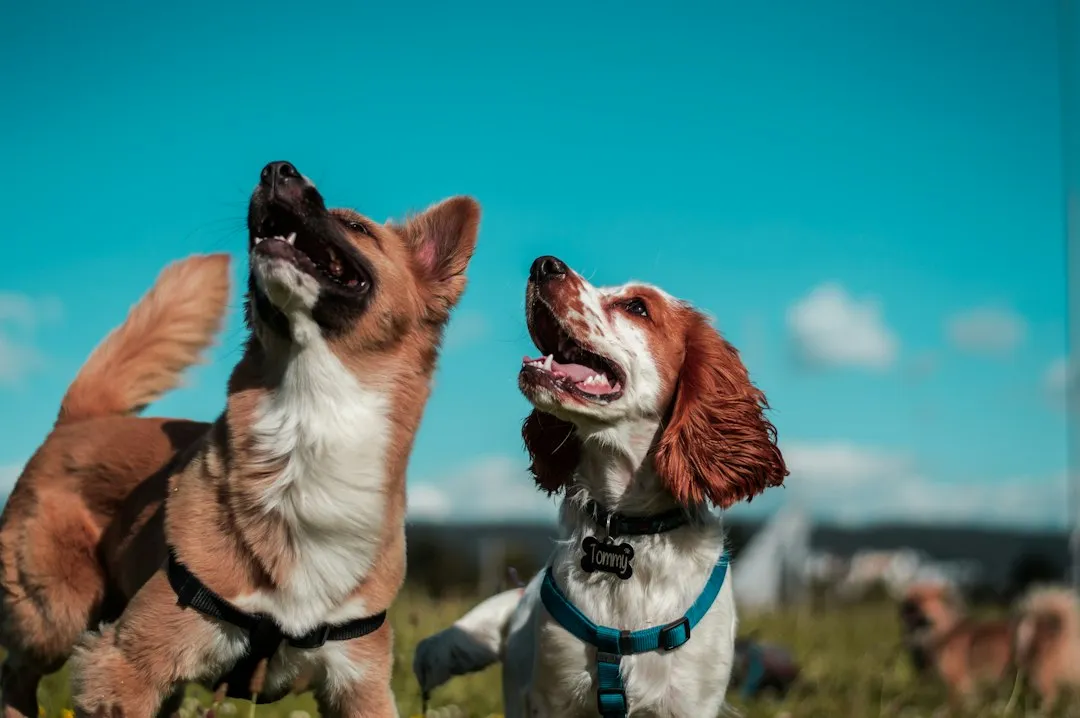
In households with multiple dogs, a dog may carry a mouthful of food to a different area to avoid the alpha dog. Many alpha dogs will not allow submissive dogs to eat until they have finished, so submissive dogs take a mouthful and move away from the bowl to avoid being reprimanded by the alpha for eating without permission.
Research into wolves and dogs backs this up quite specifically. In the group setting, rank was the primary factor determining feeding behavior. Although the dominant individuals of both species defended the carcass more than subordinates, in the dogs, the subordinates mostly stayed away from the resource and the most dominant individual monopolized the food.
Rank positioning is even more important in dogs than wolves, as dominant dogs keep the food for themselves while each wolf pack member has a chance to eat. So ironically, domestic dogs may show stronger rank-based food competition than their wild relatives.
How Common Is This Behavior?
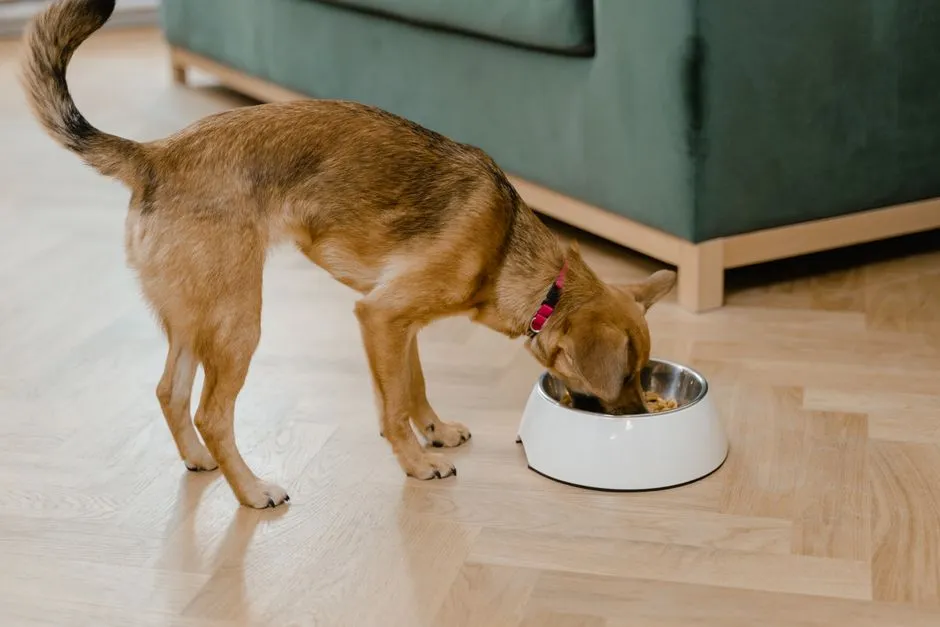
Recent studies suggest that as many as roughly a third of dogs exhibit this intriguing tendency to remove food from their designated bowls and consume it elsewhere. That’s a meaningful portion of the dog population, which suggests it’s far from a fringe behavior.
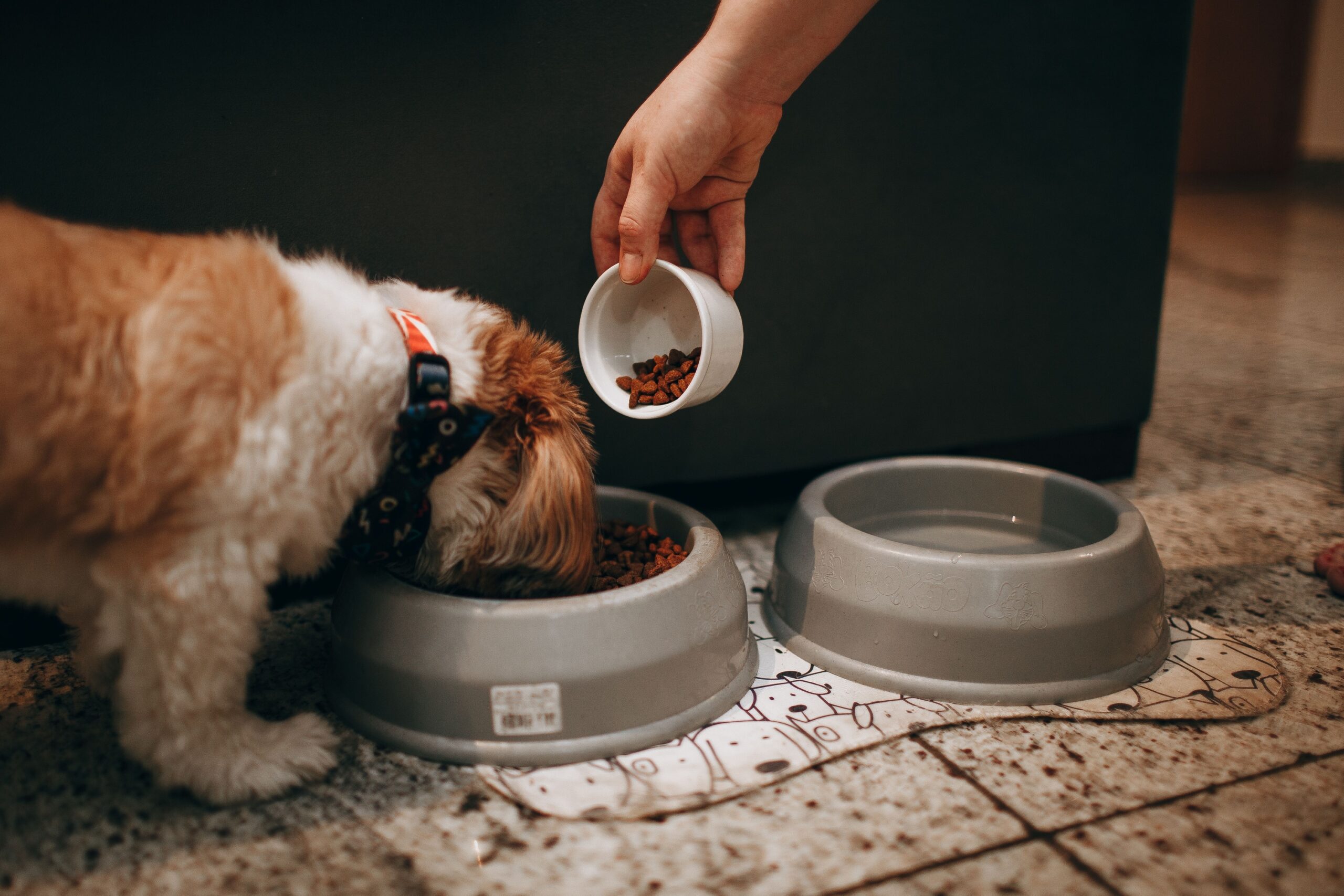
Carrying food away from the bowl is normal resource behavior, not a fault in the food. Dogs move valuable items to a place that feels defensible and quiet, away from foot traffic, other pets, and noisy surfaces.
A dog that finds something valuable in an exposed place has two options: eat it fast where it stands, or move it somewhere it can be consumed without interruption. Canids do both, and which one an individual dog picks depends on how secure the feeding spot feels and how portable the food is. That last point matters more than people might think.
Does Breed Make a Difference?
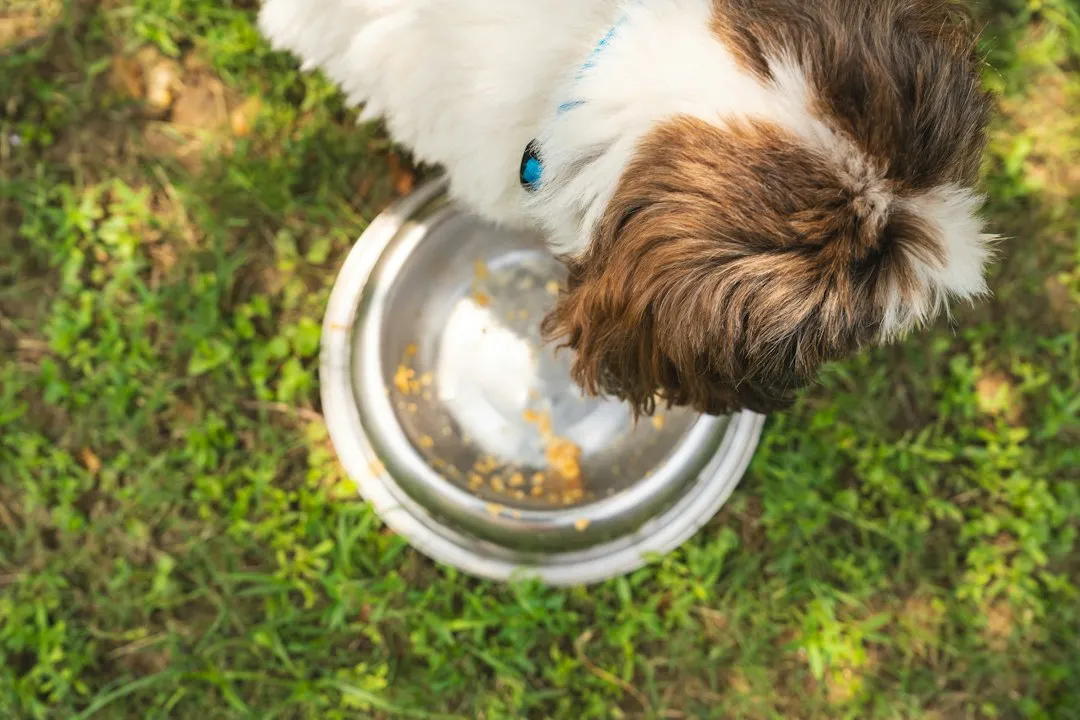
This food-moving behavior doesn’t appear to be associated with specific breeds. While some studies show that smaller dogs do this more than larger dogs, many going so far as to carry their entire food bowl elsewhere, other experts have found that more wolf-like dogs such as Siberian Huskies, Malamutes, and Great Pyrenees also tend to take their food to other places to eat it.
So the behavior cuts across the size spectrum and seems less tied to breed than to individual personality and the dog’s sense of security in its environment. A tiny Chihuahua and a large Malamute may do it for different but overlapping reasons.
The Companionship Factor: Some Dogs Just Want Company
Not every case of food-carrying comes from competition or anxiety. Sometimes it’s the opposite. Another reason dogs might take their food and eat it somewhere else is their intrinsic need for companionship. Unlike humans, who might seek solitude while eating, dogs are social creatures that thrive on family connections. When your dog carries their food to where you or other family members are, they are likely attempting to create a sense of togetherness. This behavior can stem from their desire for emotional bonding during meals.
If your dog is separated from you during mealtime, they may relocate their food to where you are to experience the comfort of your presence while eating. It’s a surprisingly touching interpretation of what looks like an odd habit.
Bowl Discomfort and Whisker Fatigue
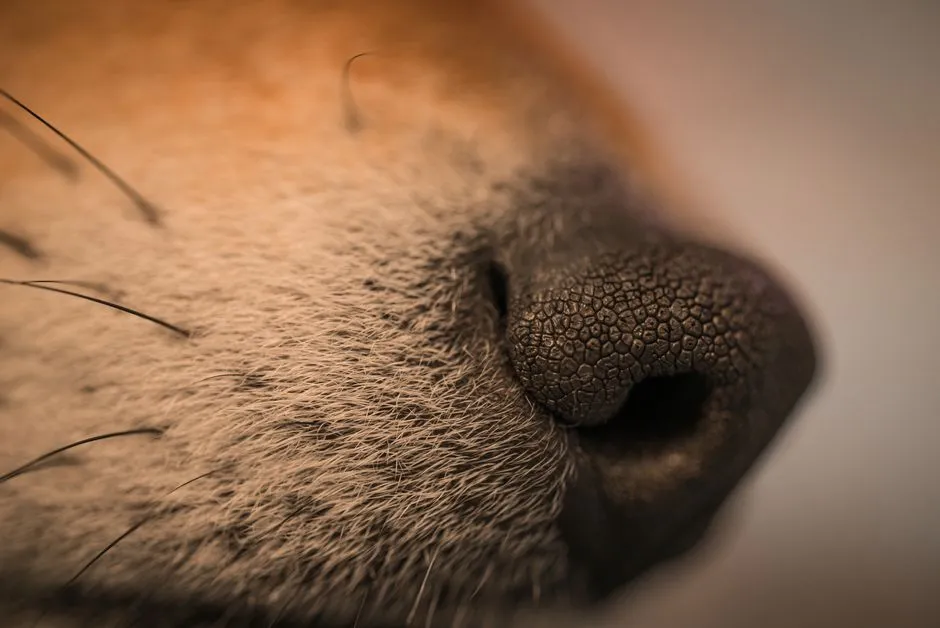
A physical explanation that’s gaining more attention from vets is the concept of whisker fatigue. Whisker fatigue in dogs is a recognized phenomenon where overstimulation of the sensitive whiskers can cause stress or discomfort. These tactile hairs are deeply embedded with nerve endings, making them highly sensitive to touch.
When a dog eats or drinks from a bowl that is too deep or narrow, their whiskers rub against the sides of the bowl, causing discomfort and potentially leading to whisker fatigue. The natural response is to pull the food out and eat it somewhere that doesn’t require pressing their face into a confined space.
Some dogs might paw at their bowl, drop food on the floor to eat more comfortably, or nudge their bowl repeatedly as if trying to adjust it. If your dog consistently eats their food off the floor rather than from the bowl itself, bowl shape is worth investigating before assuming a behavioral cause.
Noise and Surface Anxiety Around the Feeding Area
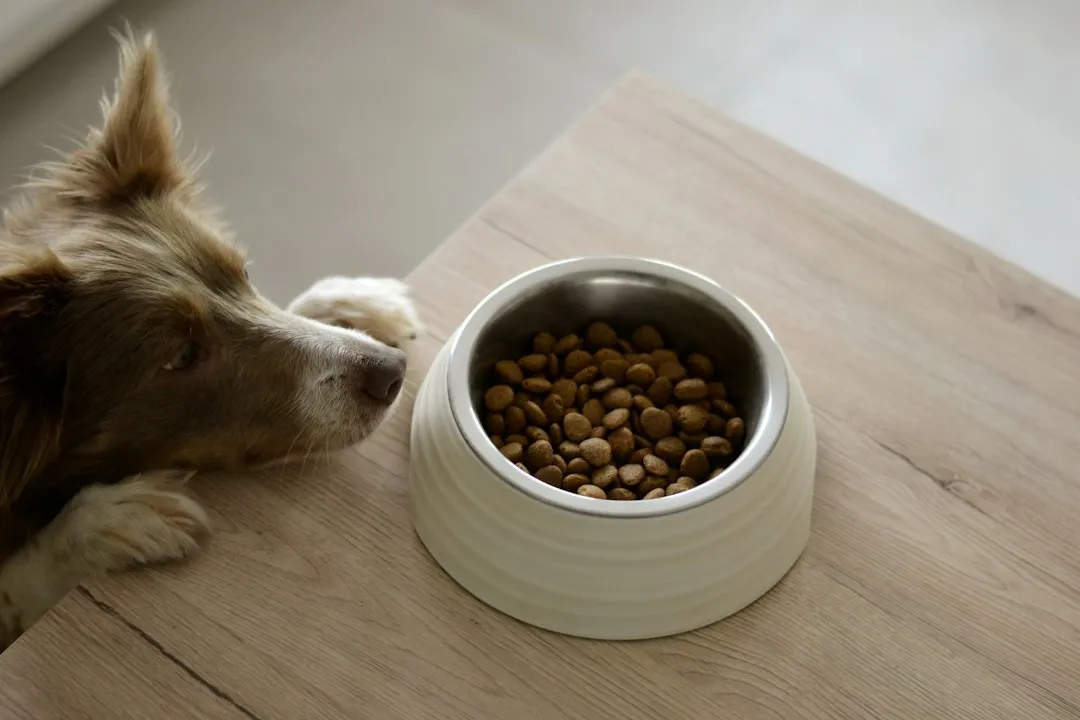
Not all dogs are social eaters. Some prefer quiet while they enjoy their meal. If their food bowl is placed in a high-traffic area, like the kitchen or near other pets, they may feel more comfortable carrying their food elsewhere, such as a cozy, carpeted spot where they won’t be disturbed.
Noise or discomfort from certain bowl materials, including metal and glass, can cause dogs to move food away from the bowl to a quieter spot. Metal bowls in particular can create an echoing clang that some dogs find genuinely startling.
Dogs move valuable items to a place that feels defensible and quiet. Fresh food that holds together in pieces is especially easy to carry. This also explains why wet food or soft treats tend to prompt this behavior more often than loose kibble, which scatters before a dog can get it anywhere.
Food Caching: Stashing for Later
Some dogs stash food for later, a habit leftover from their survival instincts. If they move their food to the carpet, they might treat the rug like a safe place to “store” their meal for later. If you notice your dog burying food under blankets or furniture or trying to nudge it under the rug, they could be in full-on hoarding mode.
Burying food helps keep carcasses fresher, and sometimes wolves will cache food in anticipation of prey scarcity. Your dog likely buries items to satisfy this protective instinct. Even the most pampered, well-fed house dog may act as though the next meal isn’t guaranteed.
This implies that dogs have inherited satiety mechanisms that are the result of adaptation to a “feast or famine” food availability in wolves. The urge to save something for later runs surprisingly deep.
What You Can Actually Do About It
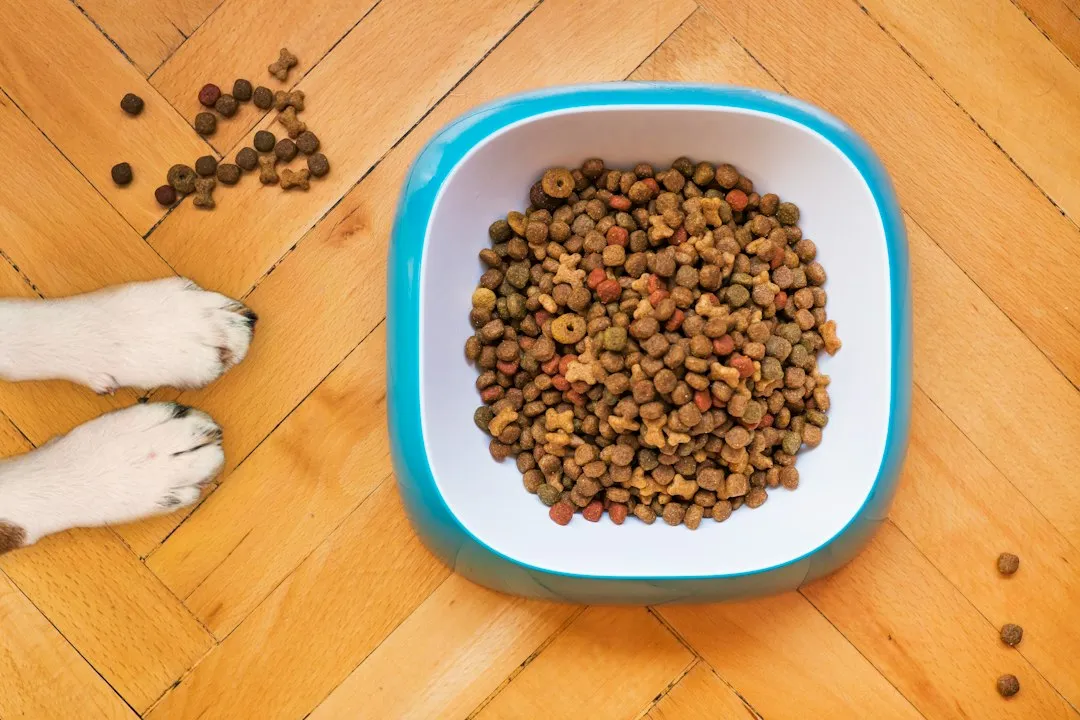
There are times when dogs move their food because of competition, so you can help ease your dog’s mind by separating them from other pets during mealtime. You may have to put them and their food in a closed-off room or kennel during chow time, but only if they are comfortable. With fewer chances of perceived competition, your dog will be able to eat in peace.
To manage the behavior, provide a quiet, secure feeding area and avoid interruptions during meals. Consistent feeding routines and positive reinforcement can reduce this behavior.
Switching to shallow or wide-rimmed bowls is one of the most effective steps. These allow your dog to eat and drink without constant whisker contact against the bowl sides. Ceramic or plastic bowls with broad surfaces are usually more comfortable than narrow stainless steel ones. Sometimes the fix is that simple.
When to Talk to Your Vet
For the vast majority of dogs, carrying food to another spot is harmless. It’s a behavioral expression of instincts that go back tens of thousands of years. Still, if the behavior appears suddenly, especially in a dog that never did it before, it can signal something worth checking out.
Dogs may carry food away to escape noisy or busy areas, or due to physical discomfort like joint pain or whisker fatigue. Joint pain, in particular, might cause a dog to prefer eating while lying on a soft surface rather than standing on tile.
Observe for signs of stress or aggression around feeding times. A dog that growls, snaps, or guards its relocated food more intensely than usual may benefit from a structured behavior consultation with a qualified veterinary behaviorist.
The Takeaway
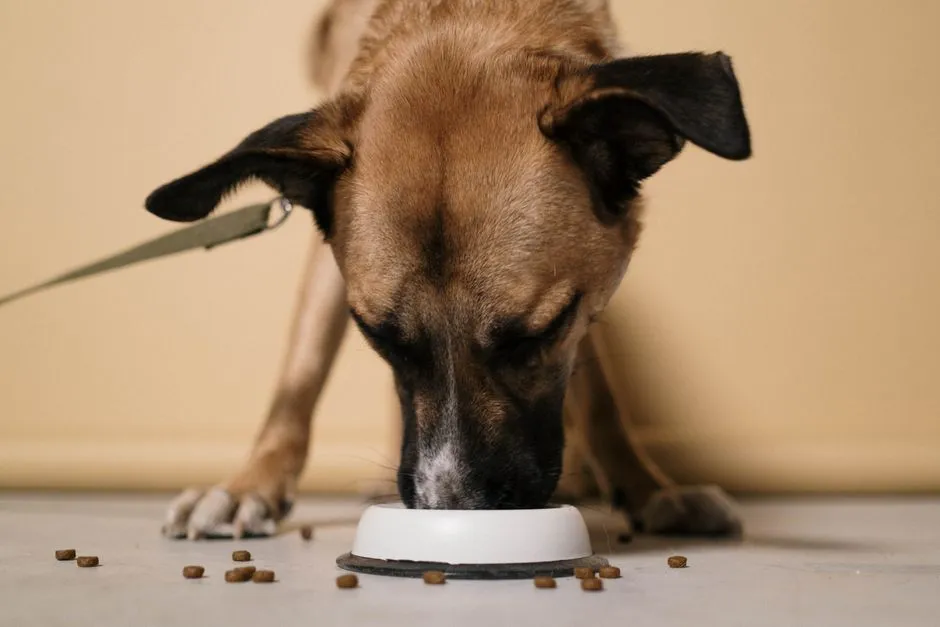
What looks like a strange or mildly annoying habit is actually a layered behavior with roots in survival, social structure, physical comfort, and even a quiet desire for company. Your dog isn’t being difficult. They’re being a dog.
Most of the time, the solution is straightforward: a quieter feeding spot, a wider bowl, or separate mealtimes in a multi-pet home. Dogs relocate valuable food away from foot traffic, away from other pets, and off hard slippery floors. It is normal resource behavior rather than a sign of a problem with the food, and it usually resolves when the bowl is moved somewhere quiet.
Understanding the “why” matters because it reframes the whole situation. Once you see the behavior through the lens of instinct and comfort rather than stubbornness, you’re already halfway to a practical solution that works for both of you.
AI Disclaimer: This article was created with the assistance of AI tools and reviewed by a human editor.