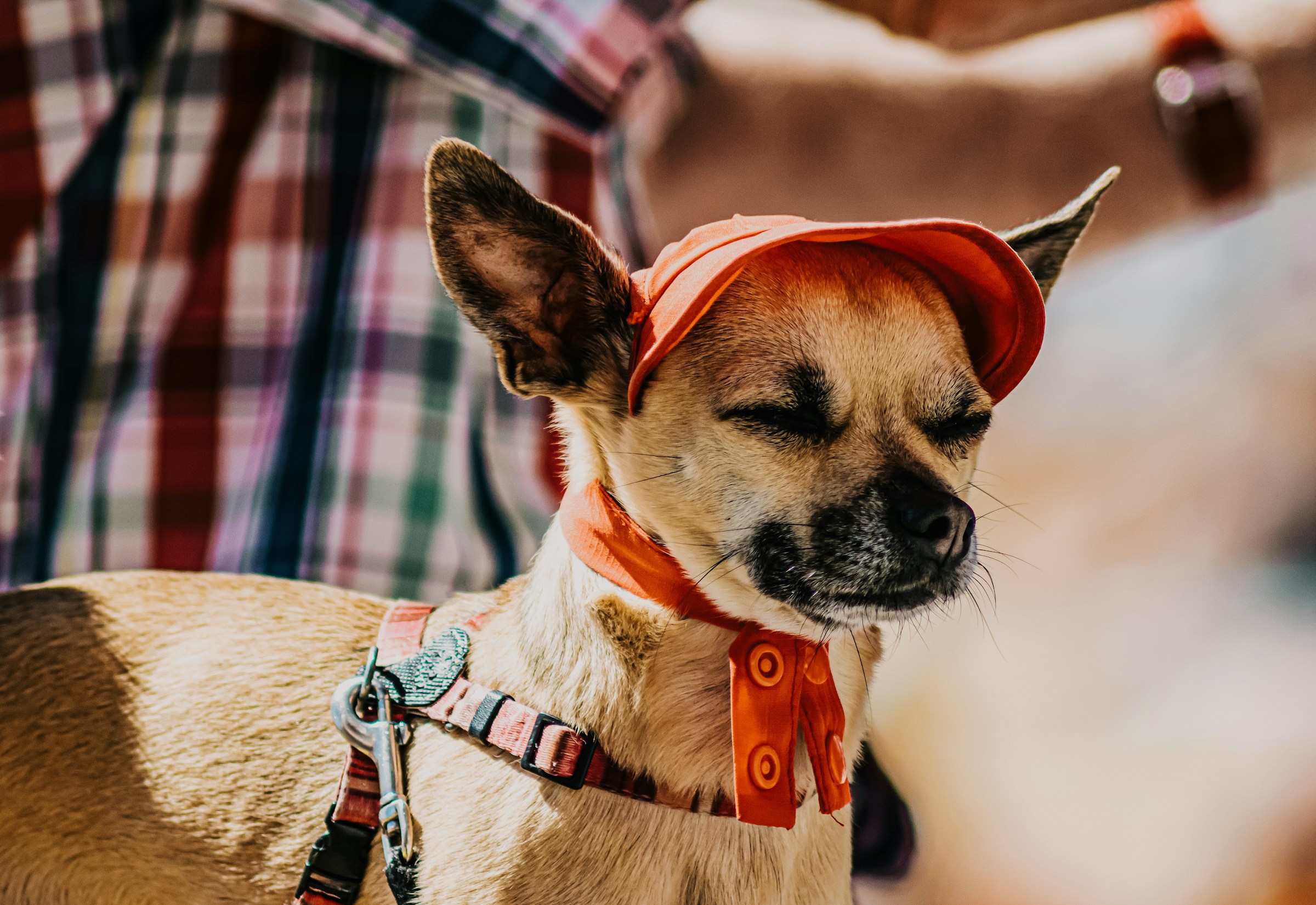

Most dog owners have experienced it at least once. A familiar friend walks through the door, the dog rushes over with a wagging tail, and then suddenly stops, stiffens, and erupts into barking. The only thing that changed? A baseball cap. It sounds almost comical, but the behavior is far more common than people realize, and the reasons behind it run deeper than a simple personality quirk.
The truth is that a hat triggers a surprisingly complex chain of reactions inside a dog’s brain, one that touches on vision, memory, social learning, and survival instinct. Understanding that chain helps owners make real progress in managing the behavior rather than just hoping it goes away on its own.
The Silhouette Problem: How Dogs See the World
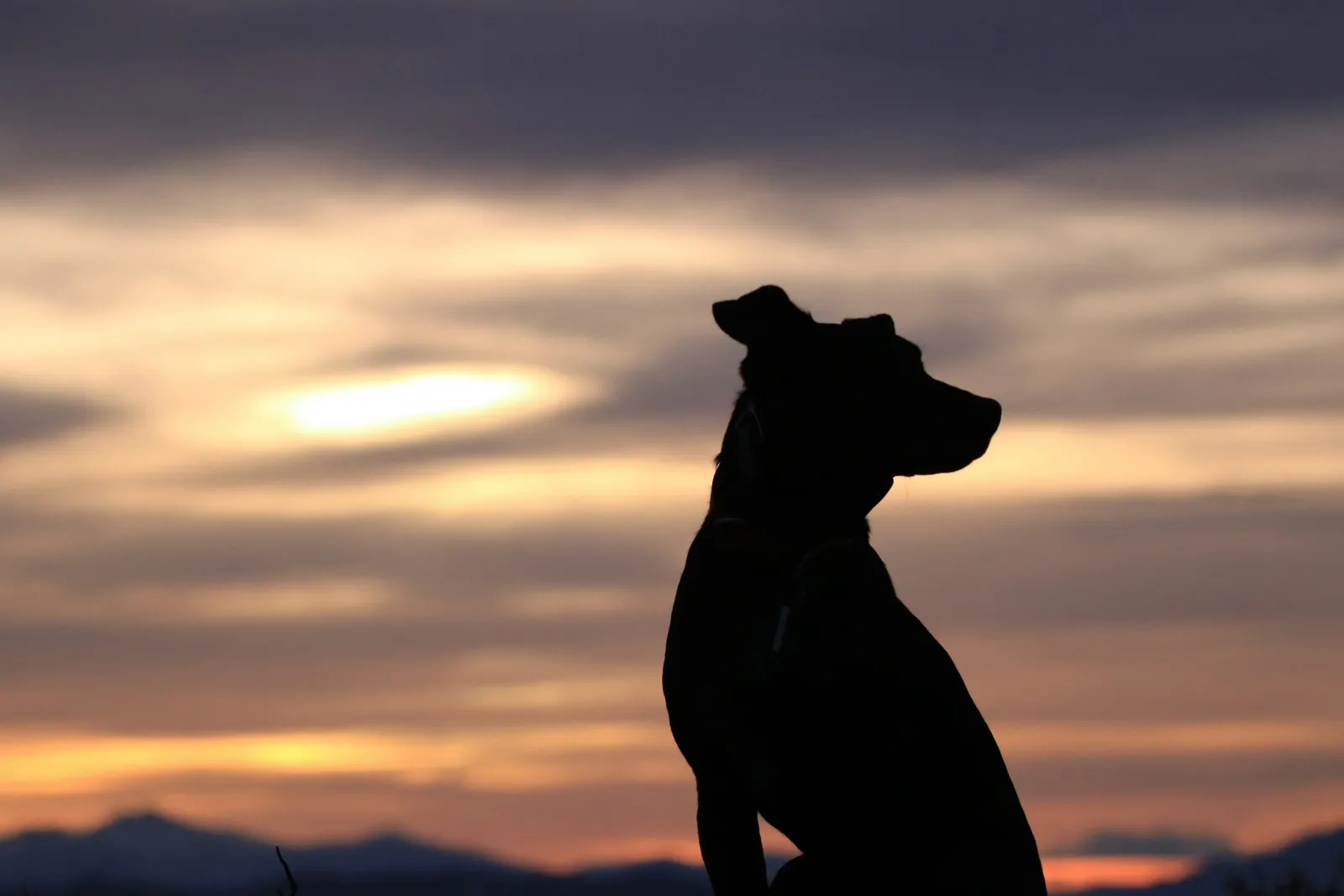
Dogs pay close attention to outlines and silhouettes as much as to any other visual cue, which is why many dogs bark at people with hats on or large bulky backpacks. When a brim extends beyond the natural head shape or a beanie adds unexpected height, the person’s overall form no longer matches what the dog has memorized. Hats, canes, umbrellas, and wheeled luggage can all alter a person’s silhouette and make them seem unfamiliar to a dog.
Dogs likely do not grasp the “removable part” aspect of being human, so if someone is wearing a hat or a huge coat, they have essentially morphed into a big-headed, strange sort of person from the dog’s perspective. This isn’t stupidity on the dog’s part. It’s simply how canine visual processing works, and it’s actually a very efficient threat-screening system under natural circumstances.
Faces Matter More Than We Think

Studies have shown that dogs are able to distinguish negative and positive emotional expressions in both human and dog faces. They actively scan for these cues every time they meet someone. Research using eye-tracking technology found that dogs discriminate between human facial regions in their spontaneous viewing patterns and look most to the eye region, regardless of facial expression.
Dogs are in total awareness of both human and canine forms, but what they cannot easily discern is any removable part, such as hats and caps. This is difficult for them to initially comprehend, and a hat critically hides facial expressions, movement, and eye contact, all of which dogs are conditioned to read before meeting someone. When those signals are blocked, a dog has little choice but to treat the encounter as potentially threatening.
The Critical Socialization Window
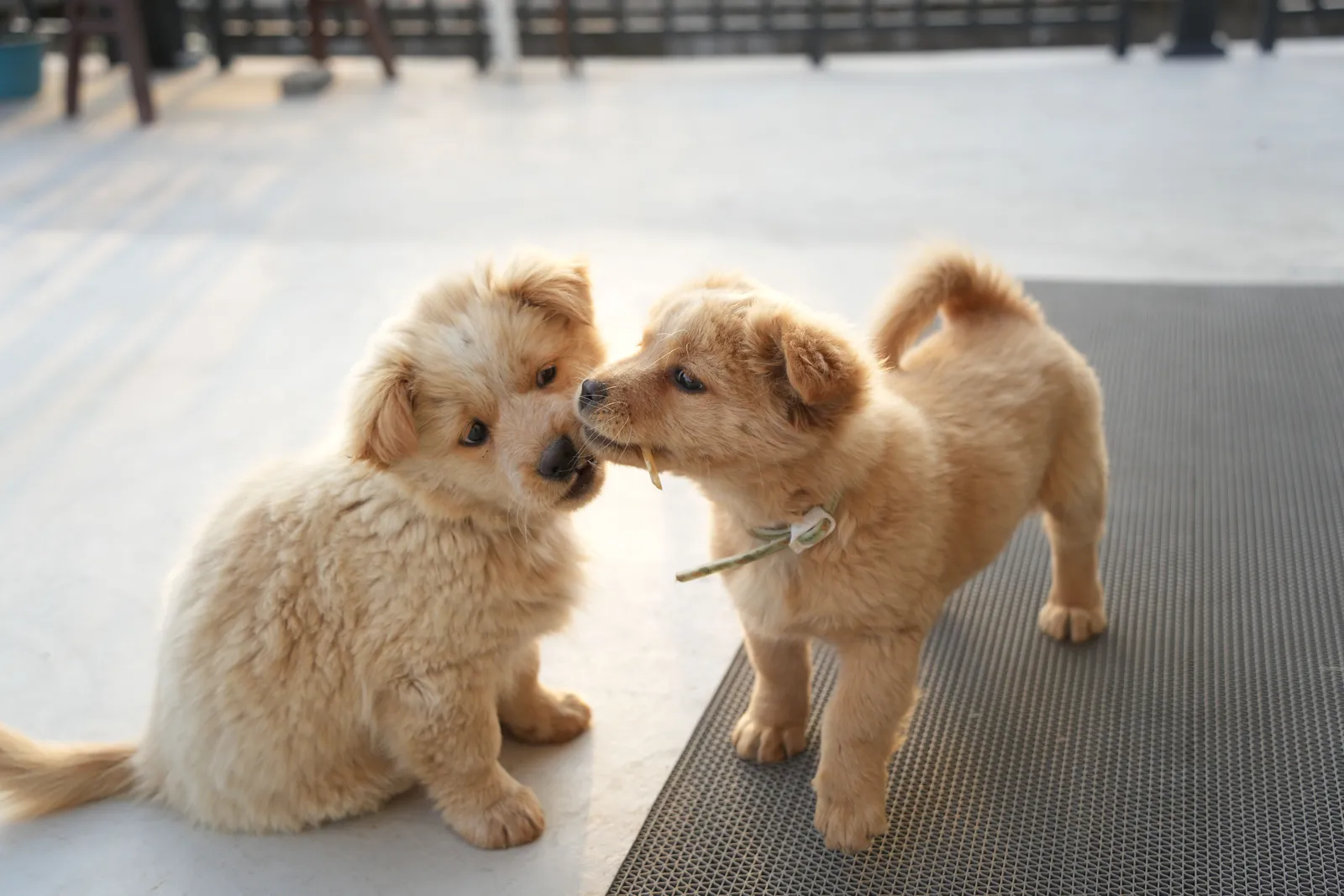
This odd behavioral quirk is common in many dogs and stems from a lack of thorough socialization during critical puppyhood periods. Between the ages of four weeks and four months, a dog goes through a critical imprinting phase, during which it is important to expose them to as many new situations and experiences as possible. The more they are exposed to as a puppy, the less fearful they will be as a grown dog.
Dogs that are poorly socialized in their early life are more fearful overall, and the early life period until roughly twelve to fourteen weeks of age is a crucial phase that shapes a dog’s behavior in lasting ways. Missing that window doesn’t doom a dog, but it does mean there is more work required later to build confidence around unfamiliar things.
What Research Says About Fear and Socialization
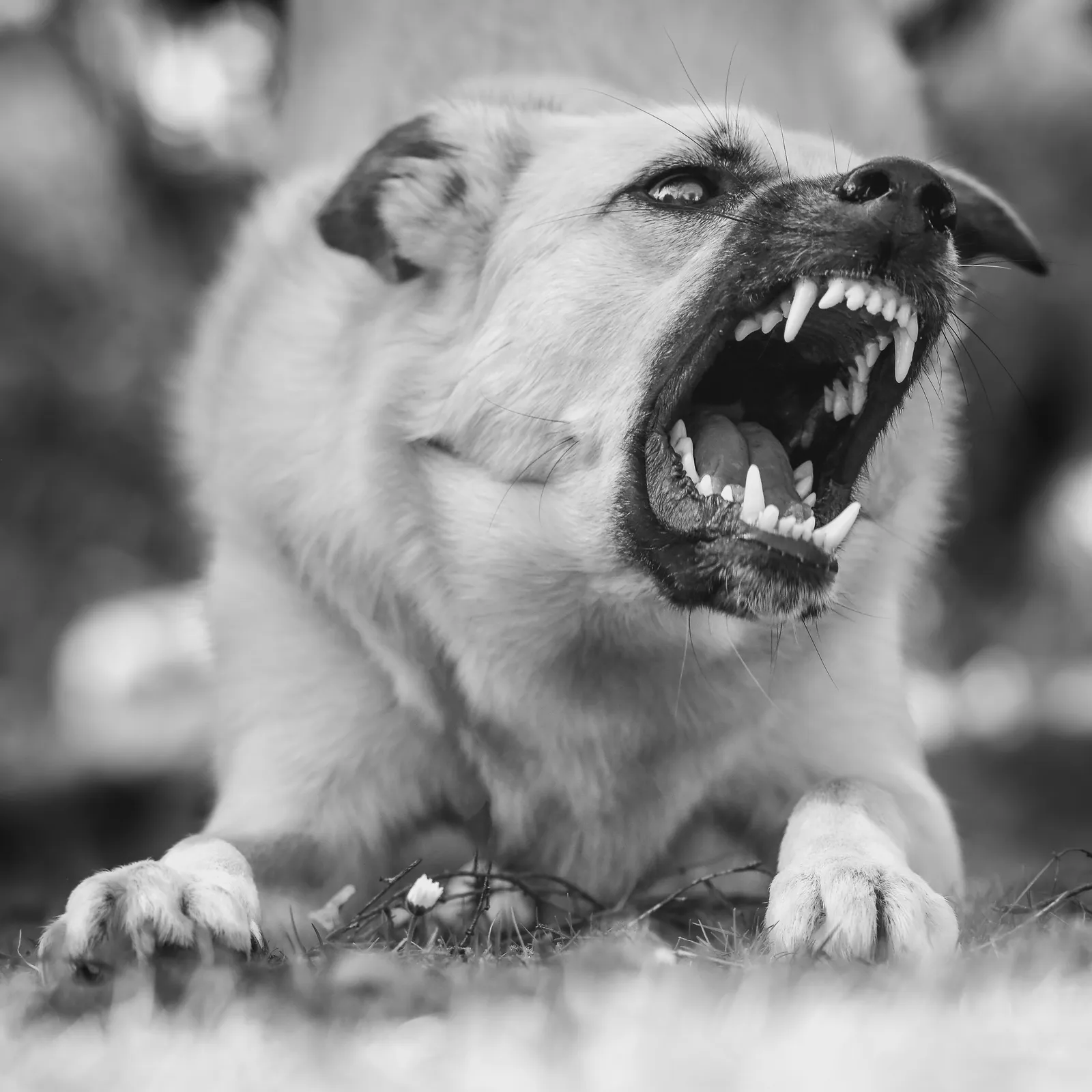
A large behavioral survey of six thousand dogs investigated the factors associated with canine social fearfulness, which is one of the most prevalent behavioral problems causing distress in pet dogs, including fear of conspecifics and unfamiliar people. Social fearfulness was associated with several factors, including urban environment, poor socialization during puppyhood, infrequent participation in training and other activities, small body size, and female sex, with breed differences also suggesting a genetic contribution.
Kennel-raised dogs can have increased fear of new people, objects, and environments, and even decreased trainability. Dogs that experienced adversity during early life in commercial breeding kennels or hoarding situations were reported by their new owners to show more nonsocial fears, such as fear of loud noises or unfamiliar objects, compared to control dogs. Hats, of course, fall squarely into the “unfamiliar object” category for these animals.
Past Experiences Leave a Lasting Mark
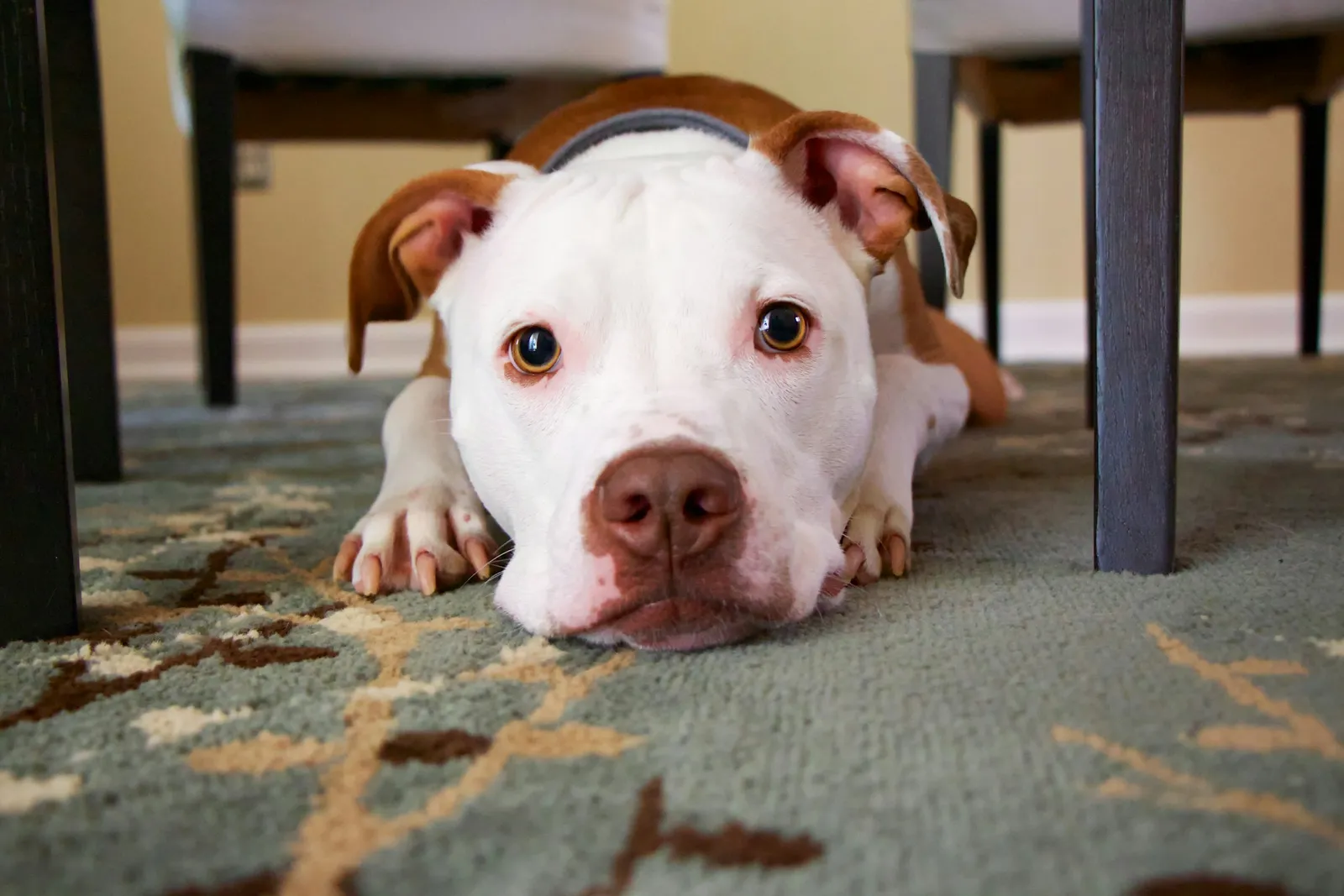
If a dog had a scary experience with a tall man in a baseball cap as a puppy, plenty of tall men in hats will now feel risky by association. The dog is not judging the individual; it is following a mental shortcut where it reasons that last time someone like this appeared, it felt unsafe. This is why some dogs bark at delivery drivers, men in work boots, or people carrying large bags.
A dog’s history plays a huge role. A less-than-friendly encounter in the past might lead to defensive barking when they see someone similar. If barking at certain people has ever gotten them attention, positive or negative, the behavior can stick. Over time, dogs create mental profiles of who feels safe, who feels questionable, and who needs a few more sniffs before earning trust.
The Beard Connection: It Goes Beyond Hats
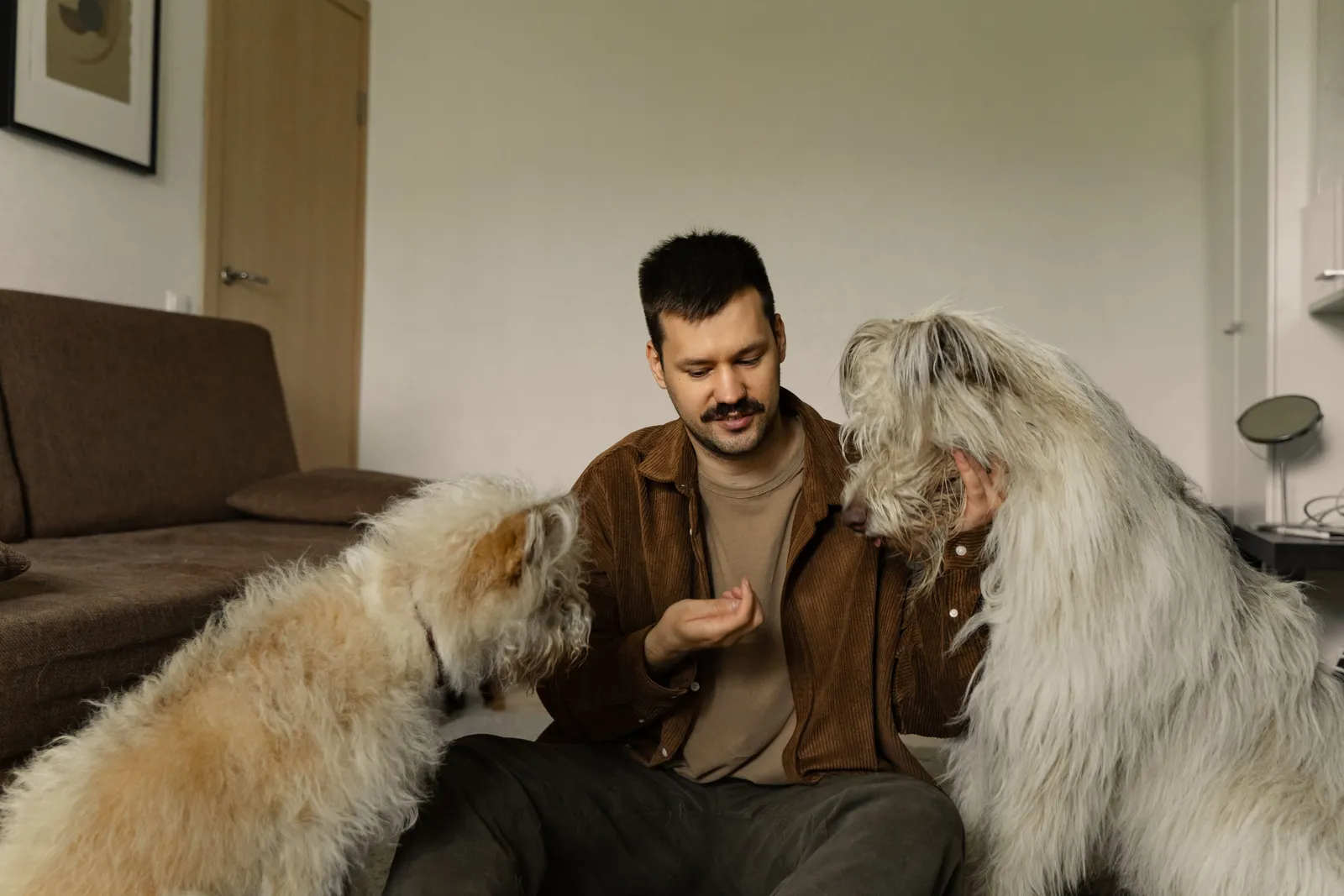
The same principle that makes dogs fear hats also explains why they fear facial hair, especially longer beards that may hide the face. Anything that obscures the regions a dog depends on for reading intent creates the same underlying problem. As bioethicist Jessica Pierce noted in her book “Unleashing Your Dog,” a hat distorts a person’s appearance, causing dogs to become fearful of the unknown, the same reason some dogs fear wheelchairs, sunglasses, canes, backpacks, bikes, and skateboards if they are not used to seeing them.
Think of it as a recognition failure. The dog’s internal database says “this person should look like this,” and the hat produces a mismatch. That mismatch alone is enough to flip the switch from greeting mode to alert mode in a fraction of a second.
Breed and Genetics Also Play a Role
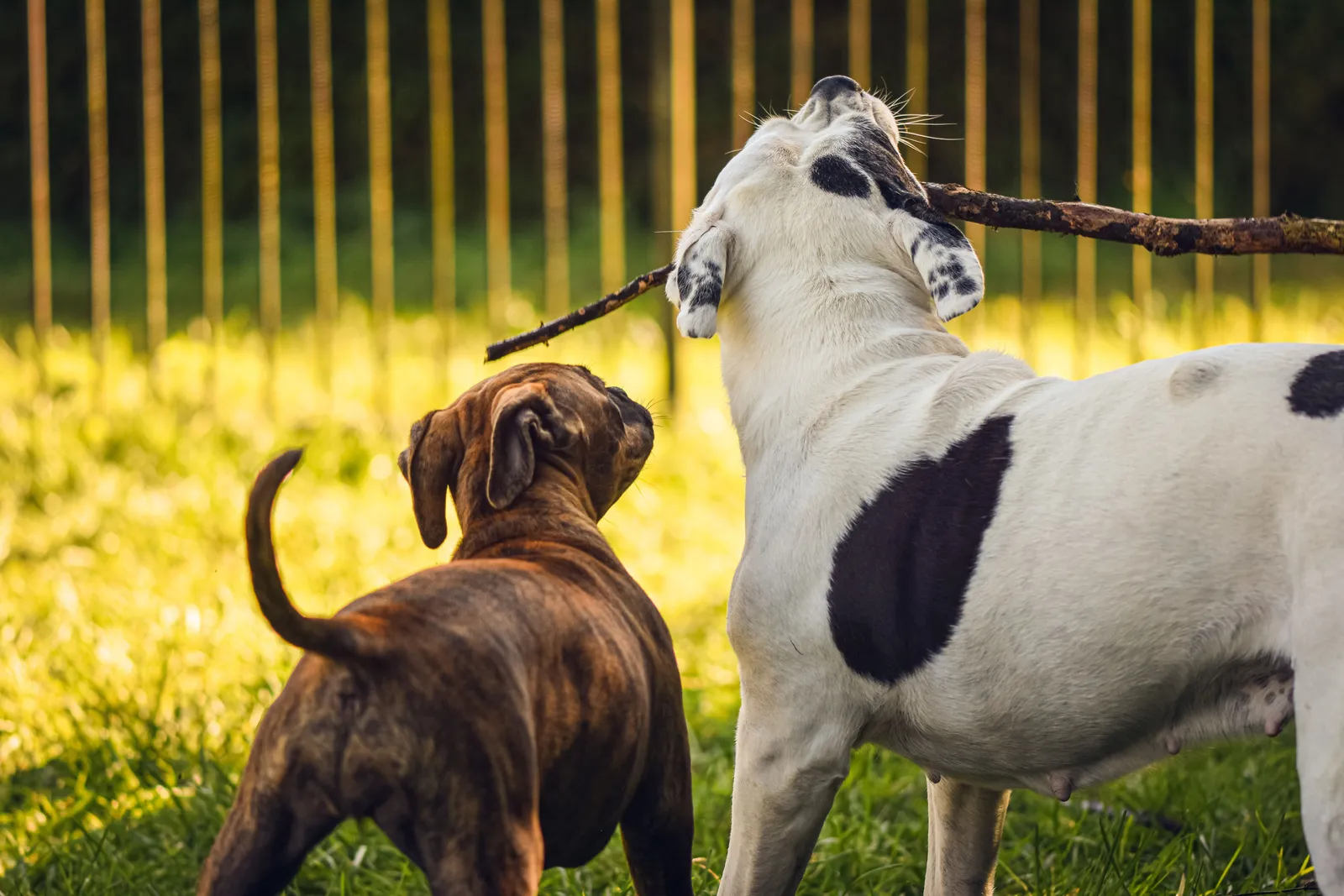
Social fearfulness in dogs is associated with several factors including poor socialization during puppyhood, with breed differences also suggesting a genetic contribution to the problem. Some breeds were selectively developed for heightened watchfulness and alert behavior, which makes them more likely to treat any visual anomaly, including a stranger’s wide-brimmed hat, as a signal worth barking about.
Research indicates that non-social fear in dogs is associated with multiple demographic and environmental factors, and genetics also play a role, suggesting that molecular studies in high-risk breeds are warranted. This means that for some dogs, the hat reaction has both a learned and a partly inherited component, something worth keeping in mind when choosing a breed if hat-wearing visitors are common in your life.
Scent, Sound, and the Full Sensory Picture
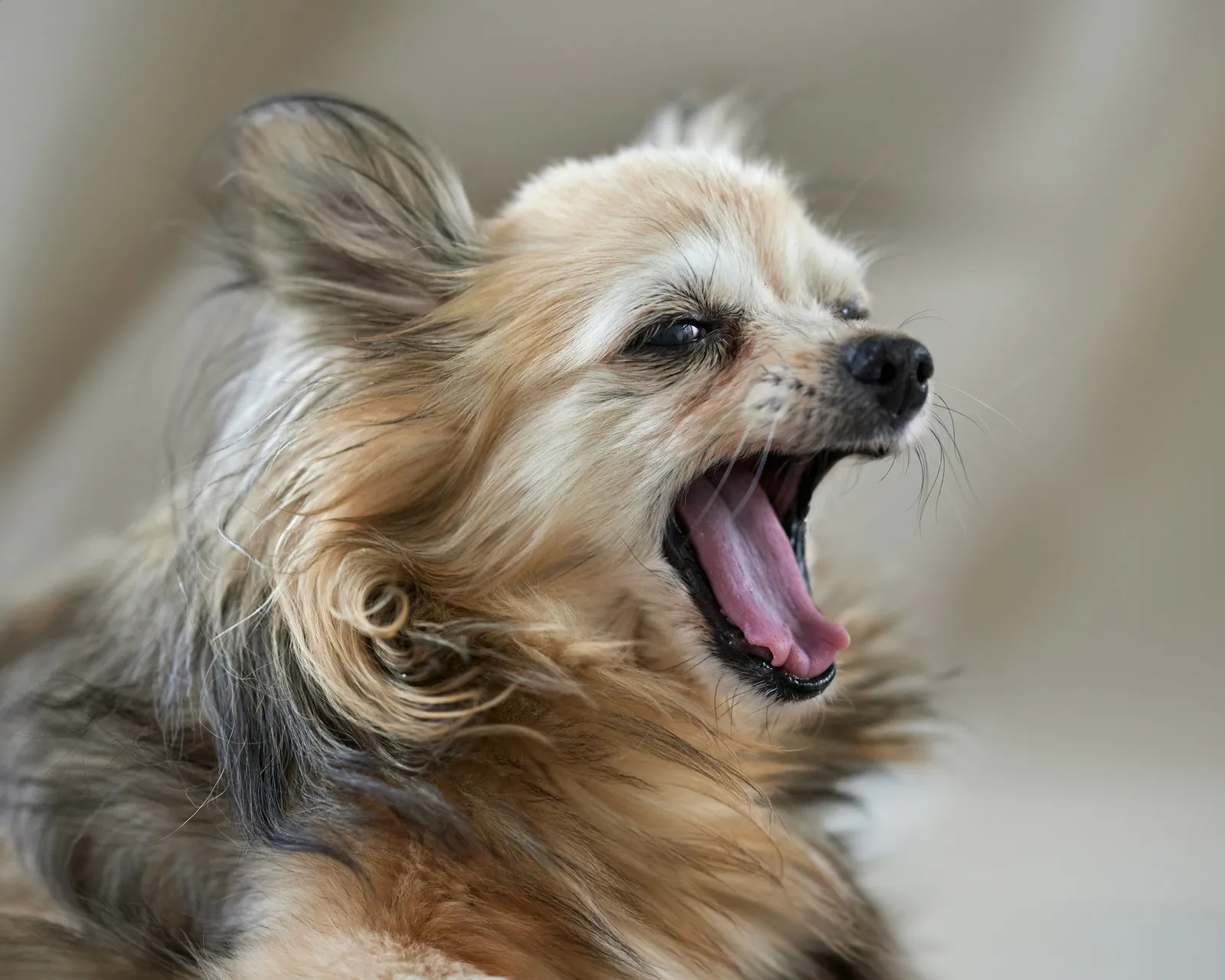
Studies show that dogs have roughly three hundred million scent receptors compared to about six million in humans, and dogs can detect changes in human body odor linked to stress or fear, meaning someone who is genuinely anxious around dogs can literally smell different to them. A nervous person wearing an unfamiliar hat combines two unsettling signals at once, which can amplify a dog’s reactive response significantly.
Dogs also notice subtle cues like posture, eye contact, and even heart rate, things humans don’t consciously register. So when a hat-wearing stranger avoids eye contact, holds an awkward posture, or moves stiffly, the dog is picking up on all of it simultaneously. The hat is often the most visible trigger, but it rarely arrives alone.
Reinforcement: When Barking Seems to Work
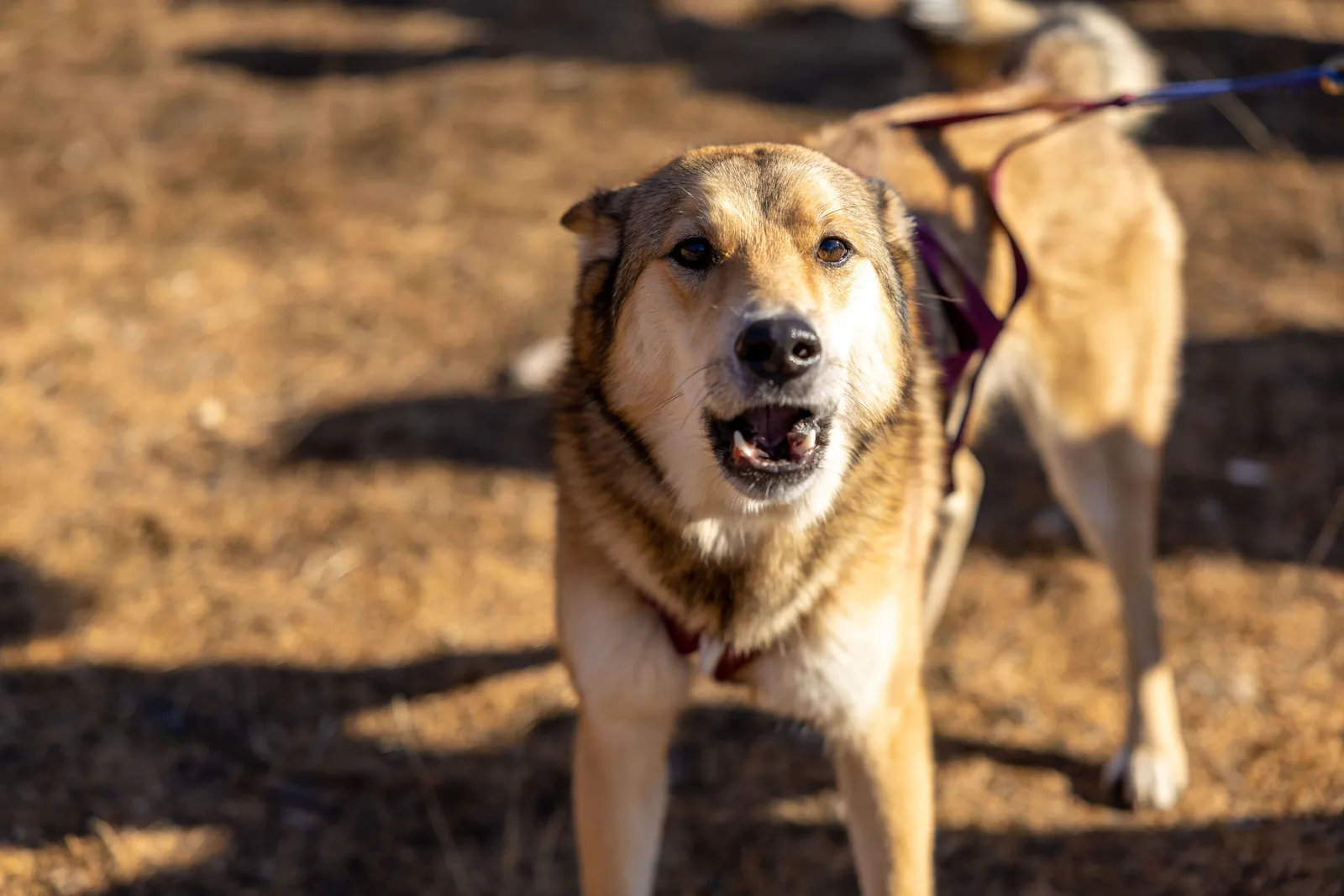
If each time a dog barks at a person wearing a hat and that person walks away, the dog may think it is thanks to their barking that the person has left, and therefore the dog will feed on this false confidence, which makes the problem take root more deeply. This is a critical point that many owners miss entirely. Every time the hat-wearer retreats, the dog files it away as a win.
The behavior then grows from a fear response into a practiced habit. What started as alarm becomes a reliable strategy the dog reaches for automatically. Breaking that pattern requires consistent management, not just the occasional gentle correction.
Desensitization: The Most Effective Fix
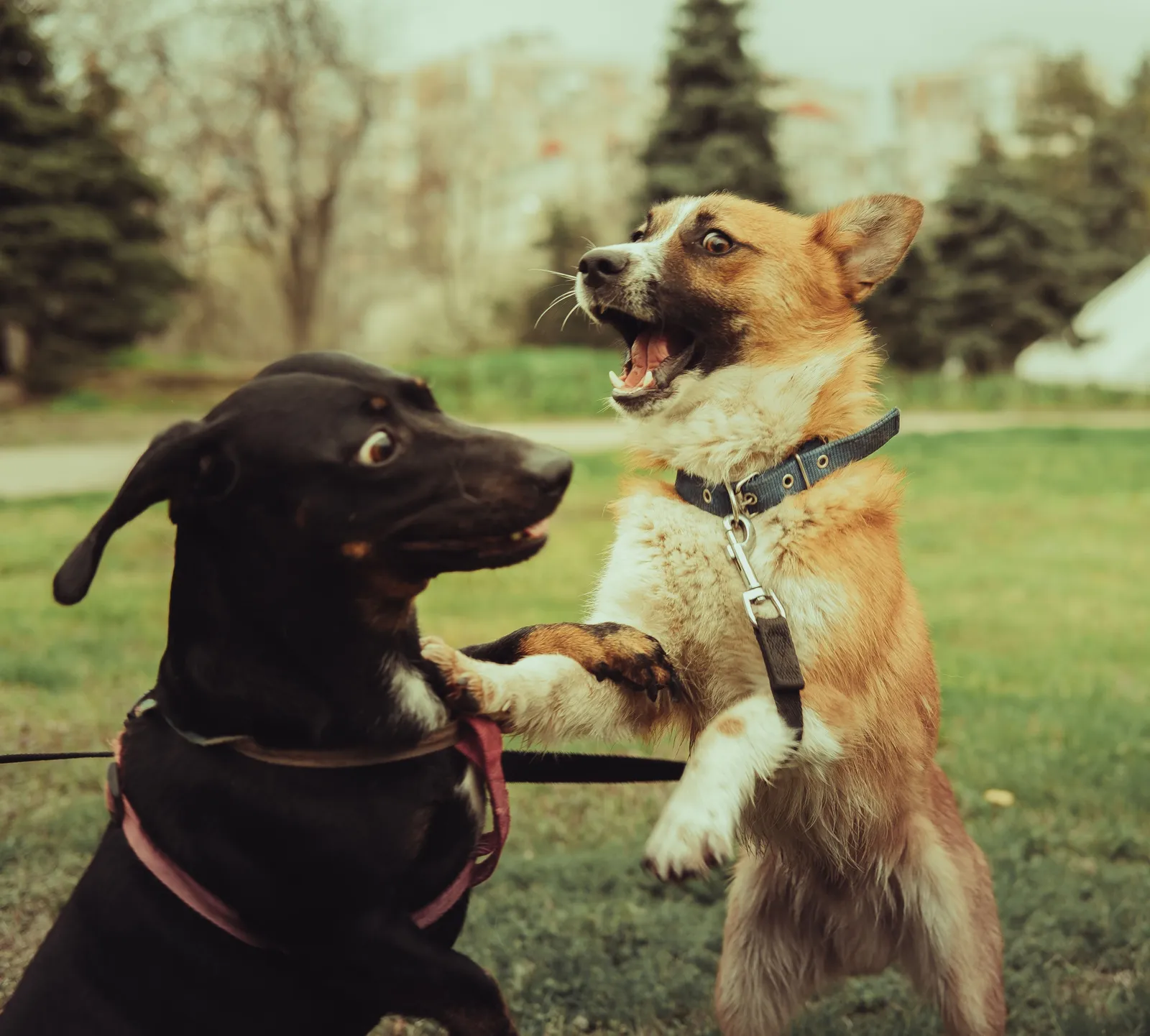
Desensitization and counterconditioning are very effective ways to help fearful dogs overcome their reactions. The key is to set the dog up for success by preventing barking frenzies each time it sees something odd. Controlled, calm exposure at a distance the dog can handle without reacting is where the process has to start.
The recommended approach is to create small intervals in a safe setting with no distractions and allow the dog to safely sniff and discover the hat first. Desensitize by wearing it periodically and creating a positive association with affection and treats after the dog sniffs it on their own. Placing treats under the hat for the dog to explore, and wearing the hat in short intervals while gently praising when barking ceases, are all part of an effective protocol.
Puppies that are exposed to people wearing hats along with plenty of happy praise and treats quickly learn that hat-wearing people are nothing to fear and actually bring good things. Starting young makes the whole process considerably easier, though adult dogs can absolutely learn too with patience and repetition.
Final Thoughts
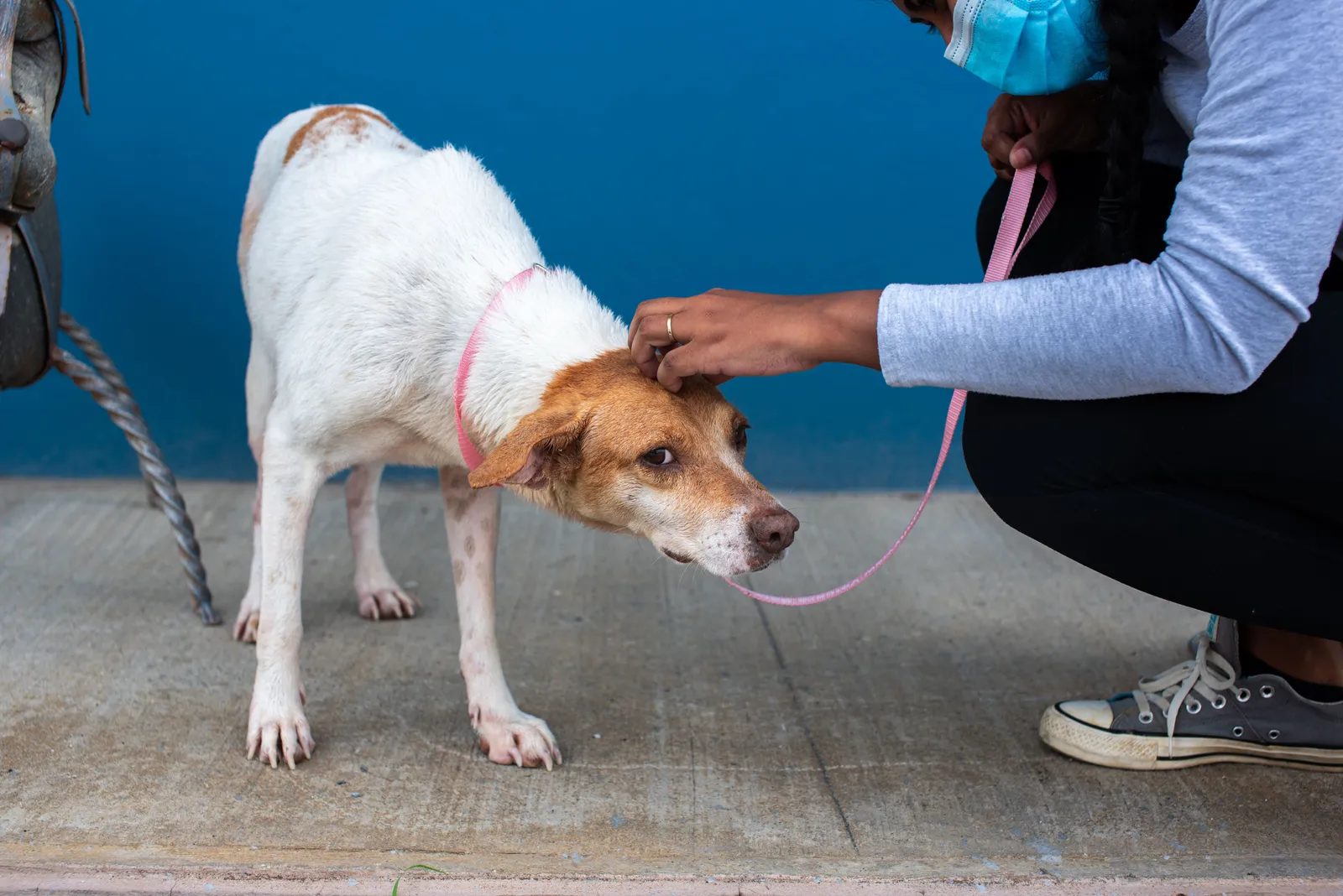
A dog barking at someone in a hat isn’t being dramatic or stubborn. It’s responding to a genuine gap in its experience or a real disruption to the visual and social cues it relies on to feel safe. The behavior makes complete sense once you understand how dogs actually perceive the world.
The good news is that this particular fear, unlike many others, responds well to structured, positive exposure. A little patience and some treats go a long way. Most dogs can reach a point where a baseball cap triggers nothing more alarming than a curious sniff, which is a much better outcome for everyone at the door.
AI Disclaimer: This article was created with the assistance of AI tools and reviewed by a human editor.