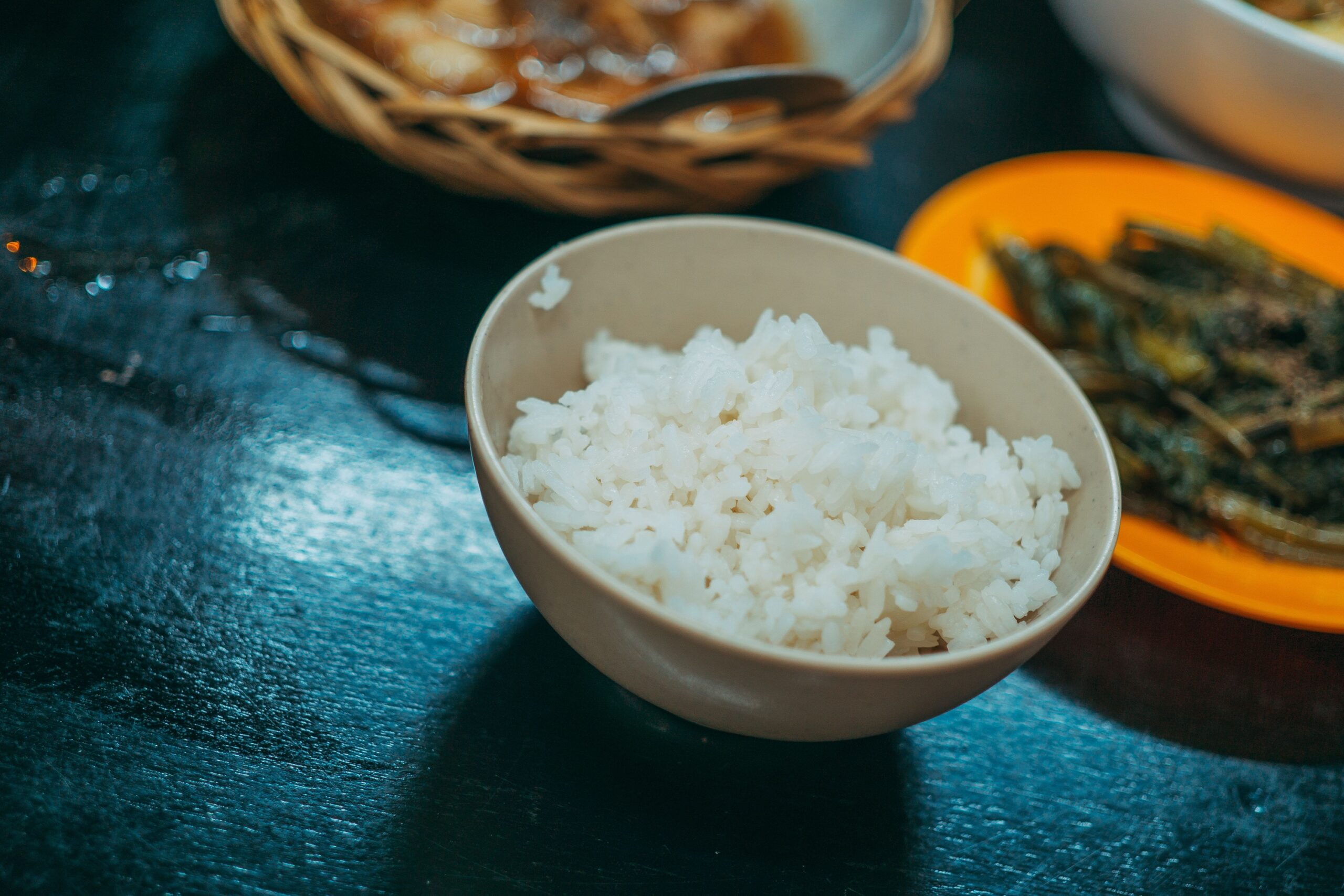

Rice feeds more people on this planet than any other grain. It shows up in thousands of forms, across dozens of cuisines, prepared by hands that have learned wildly different rules about what to do before it ever hits the pot. One of the most quietly persistent disagreements in cooking is whether to rinse it first. The answer turns out to be more layered than a simple yes or no.
The rinse-or-skip debate is not just a matter of habit or stubbornness. It touches on food science, nutrition research, cultural history, and the specific dish being cooked. Understanding why both camps are partly right, and partly wrong, is genuinely useful.
The Starch on the Surface Is the Real Starting Point
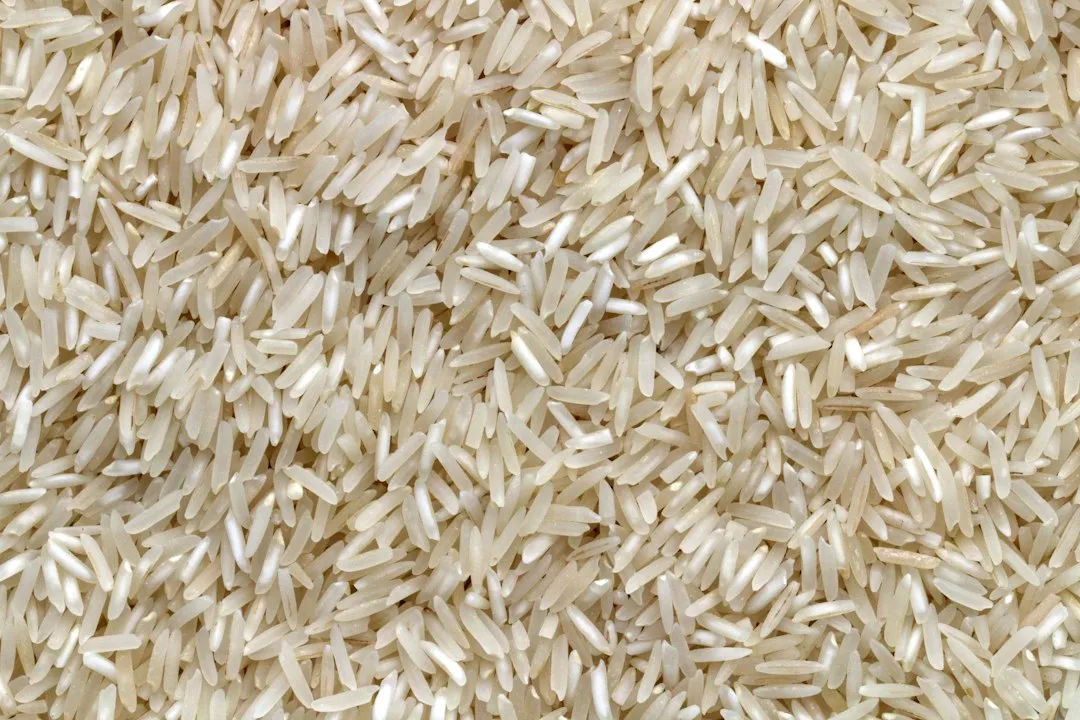
Culinary experts claim pre-washing rice reduces the amount of starch coming from the rice grains. The cloudy rinse water visible during washing has been shown by studies to be free starch, specifically amylose, that sits on the surface of the rice grain as a result of the milling process.
When you rinse rice, you move surface starches. Shorter grain rice tends to carry a type of starch called amylopectin, which essentially wants to stick together. Rinsing removes some of that amylopectin, which helps the grains stay separate and not clump during cooking.
Excess starch can also cause rapid water absorption during cooking, leading to uneven softening or a gummy consistency. Rinsing until the water runs clear helps ensure starch-free grains that cook more uniformly.
What Science Actually Found About Texture
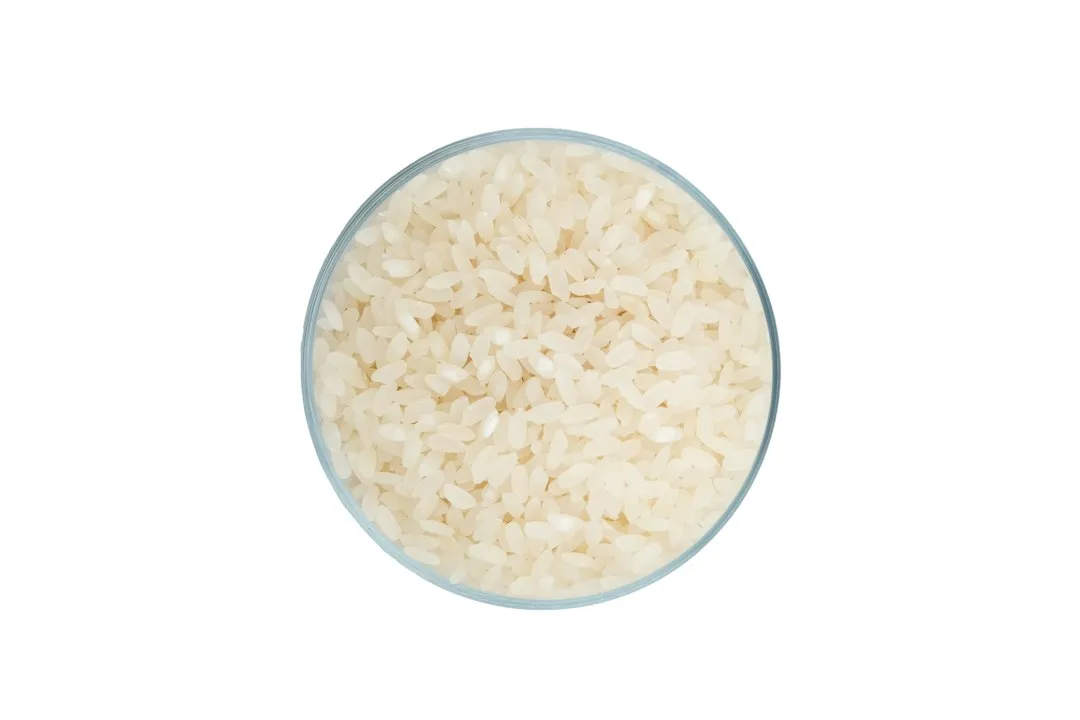
Washing rice before cooking is common practice used to remove dust and any remaining bran from the milling process. However, a published study in Food Chemistry found that the washing procedure does not significantly affect either the hardness or the stickiness of cooked rice, though the interaction between rice variety and washing times on stickiness did prove significant.
In other words, rinsing probably matters more for some rice varieties than others, and the effect on texture is real but not dramatic across the board. The type of rice you are working with is a key variable that often gets overlooked in the debate.
When Rinsing Is Deliberately Skipped for the Dish
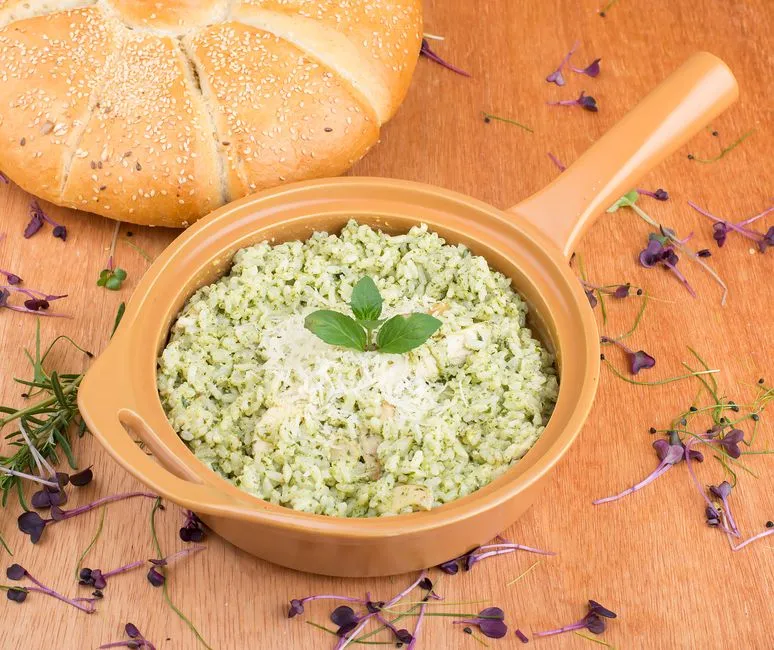
For risotto, traditionally cooked with arborio rice, rinsing is not recommended, precisely because the creamy texture of the finished dish depends on that surface starch being present throughout cooking.
Some people are hesitant to wash their rice when making certain recipes. If the goal is to make sticky sushi rice or a creamy rice pudding, the usual logic for rinsing no longer cleanly applies. Stickiness in those cases is the point, not something to engineer away. Rinsing would undermine the whole dish.
Arsenic in Rice: A Real Concern, With Complicated Answers
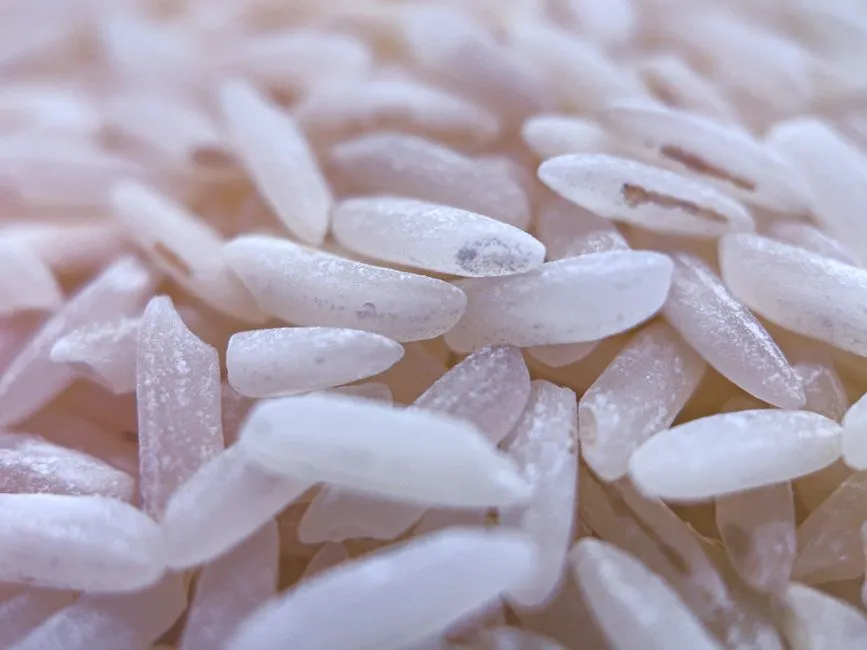
Rice is known to contain relatively high levels of arsenic, due to the crop absorbing more of it as it grows. Washing rice has been shown to remove about ninety percent of bio-accessible arsenic, but it also rinses out a substantial amount of other nutrients important for health, including copper, iron, zinc, and vanadium.
Research published through a systematic investigation of cooking techniques found that with increasing numbers of rinses, total arsenic content decreased by roughly twenty-eight percent in brown rice and thirty-nine percent in white rice under specific milling conditions.
A study from the Institute for Sustainable Food found a cooking method called the parboiling with absorption method, which can reduce arsenic levels in rice by over fifty percent in brown rice and seventy-four percent in white rice, without losing micronutrients. This suggests that how you cook rice may matter more for arsenic reduction than whether you rinse it beforehand.
The Nutrient Loss That Rinsers Often Don’t Know About
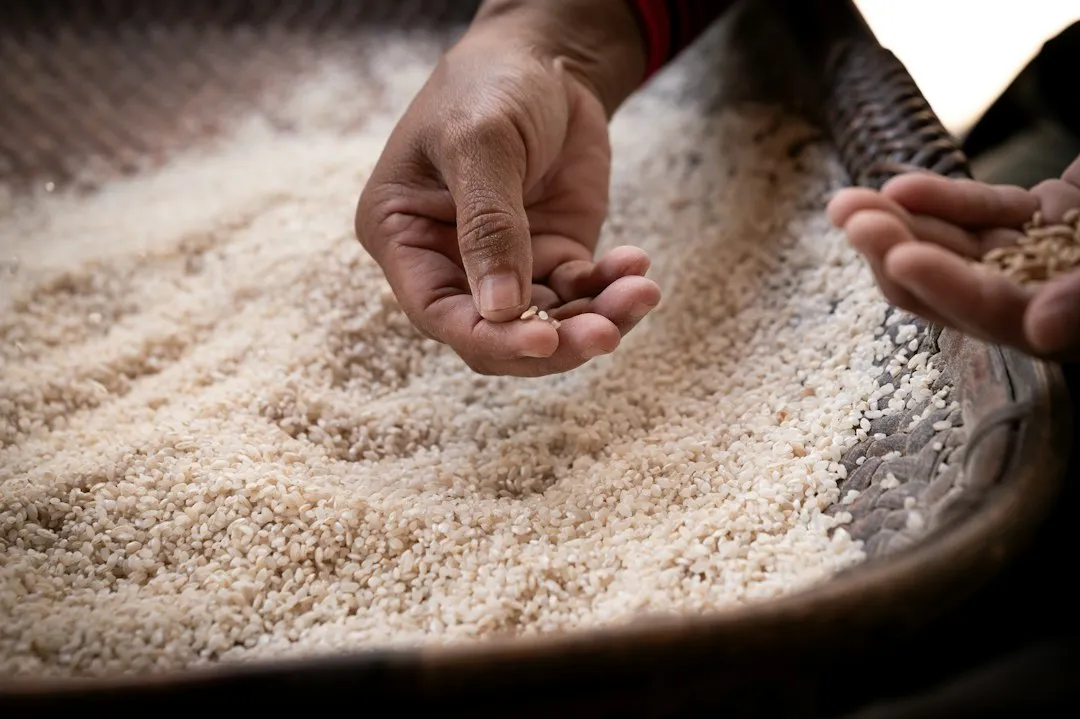
A study led by researcher Sarah Gray found something striking: rinsing white rice removed close to ninety percent of its iron. It also washed away nearly eighty percent of B vitamins, including folate, niacin, and thiamine.
Most packaged white rice sold in stores is enriched, meaning manufacturers spray a nutrient coating onto the grain after milling. This coating sits on the surface, not inside the grain. When you rinse this rice, that coating washes away, and the vitamins go straight down the drain with the starchy water.
Brown rice tells a different story entirely. Rinsing barely affects its iron or vitamin content. The bran layer on brown rice holds its nutrients far more tightly than polished white grains do.
Cultural Traditions Run Deep and Shape the Habit
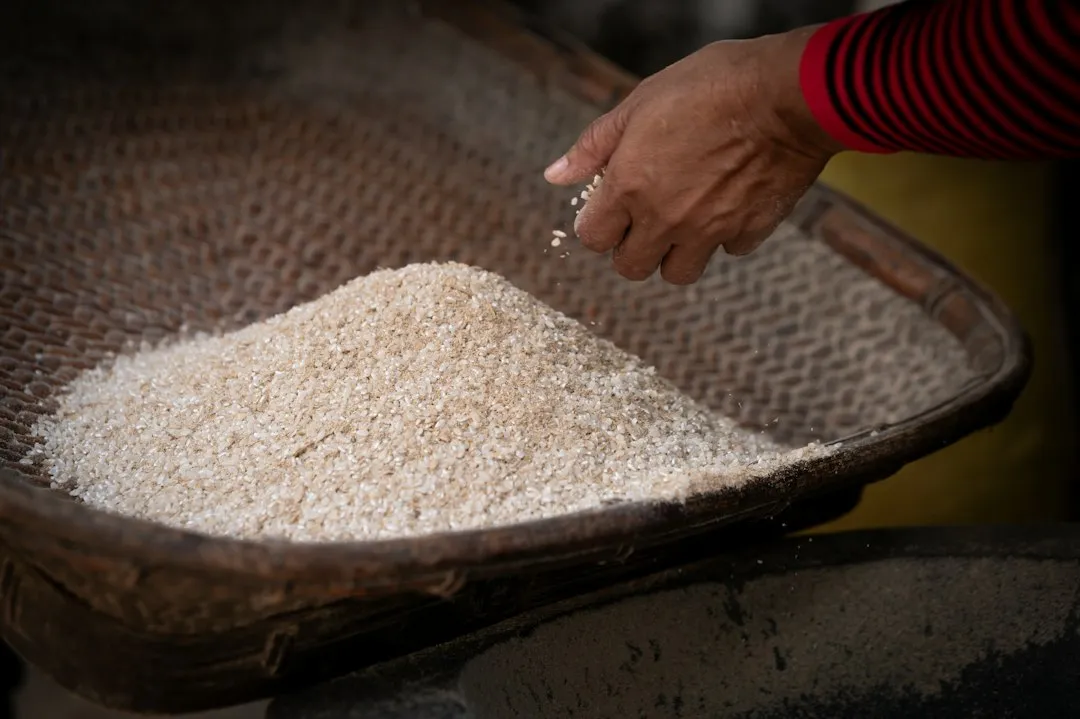
The practice of rinsing rice varies considerably from one culture to another. In many Asian cuisines, rinsing rice is a deeply rooted tradition that has been passed down through many generations.
Rinsing rice is deeply rooted in culinary traditions globally. In Japan, washing is considered a ritual honoring the grain’s purity, while Indian recipes often specify soaked and rinsed basmati for elongation. Historically, rinsing was also necessary to remove husk fragments and impurities in hand-pounded rice.
For many cooks, rinsing is simply what they watched their grandmother do without question. The habit becomes identity before it ever becomes a decision. That is a legitimate reason to keep doing it, even if the science behind the original motivation has shifted.
Fortified Rice: The Case Where Skipping Makes Sense
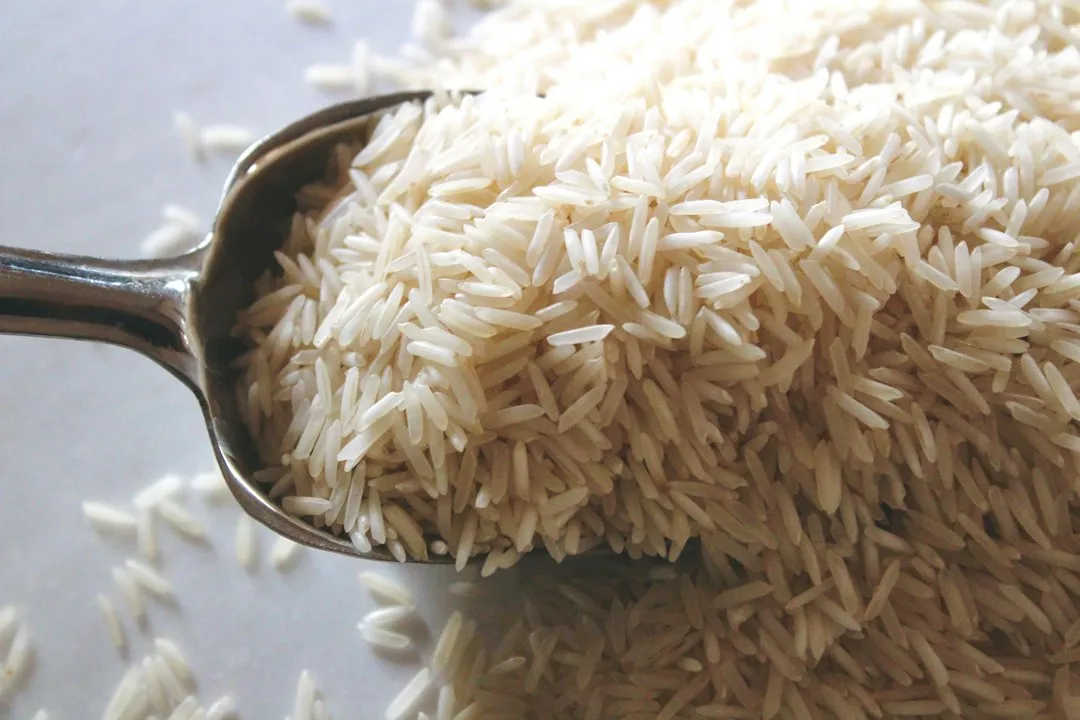
There are specific situations where washing rice could actively reduce its nutritional value, particularly with fortified rice. Rinsing fortified rice is not a recommended practice when the rice has been enriched with micronutrients, and washing it will lead to the loss of nutrients added specifically to address micronutrient deficiencies.
Pre-washed, parboiled, or instant rice is already processed to remove starch and contaminants. Enriched rice labels may explicitly advise against rinsing in order to preserve the added nutrients. This is worth checking on the packaging before you follow a lifelong habit automatically.
Microplastics: An Unexpected Reason to Rinse
Irrespective of the packaging, whether plastic or paper bags, rice contains similar levels of microplastics. Plastics in pre-cooked instant rice have been found to be fourfold higher than in uncooked rice. If you pre-rinse instant rice, you could reduce those plastics by roughly forty percent.
This finding, relatively recent in the research conversation around rice preparation, adds a layer to the rinse argument that goes beyond texture or arsenic. Microplastic contamination in food is a growing area of concern across the food safety field, and rice appears to be one area where a simple rinse offers meaningful help.
The Rice Variety Changes Everything
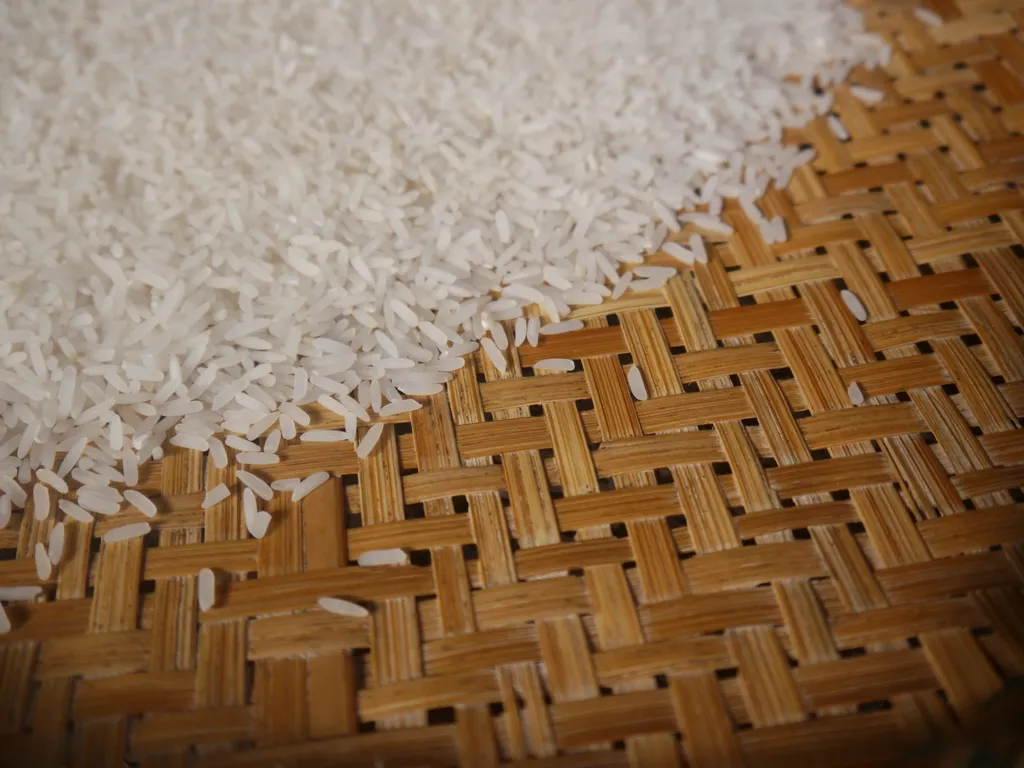
Despite over half the world’s population using rice as a staple food, it is cultivated, prepared, and cooked differently across regions, and even cleaned differently. Basmati, jasmine, sushi rice, arborio, brown long-grain, and parboiled varieties all behave differently in water and respond differently to rinsing.
White rice, jasmine, basmati, and pre-cooked varieties are generally good candidates for rinsing, while enriched rice, such as some US-fortified long-grain white rice, is better left unrinsed unless removing surface starch is the primary goal.
Treating all rice the same regardless of variety is where a lot of the confusion in this debate originates. The question is never quite just “should I rinse?” but “what am I rinsing, and why?”
How Many Times Should You Actually Rinse?
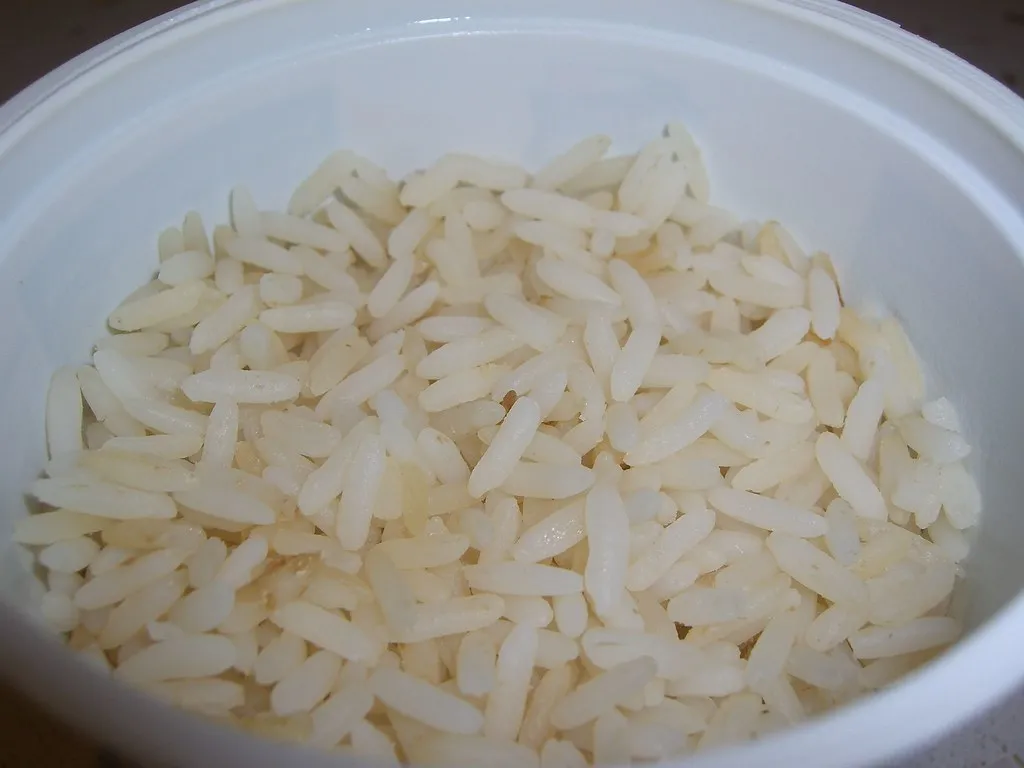
Some cooks use five to ten changes of water when rinsing, going until the water becomes much clearer, though not completely clear, since stripping all surface starch can cause too much separation of the grains.
A straightforward approach is to place rice in a strainer or mesh sieve and rinse under cold water, giving it a gentle shake, until the water runs clear. For most everyday white rice, that takes about one to two minutes. Over-rinsing beyond clear water is generally unnecessary and only prolongs a task that is already simple.
The bowl-rinse method, where you place rice in a bowl, cover it with cool water, swirl gently, and pour off the cloudy water, repeated three to four times, is often preferred for delicate grains like sushi rice because it preserves more nutrients than running water continuously over the grain.
The Takeaway
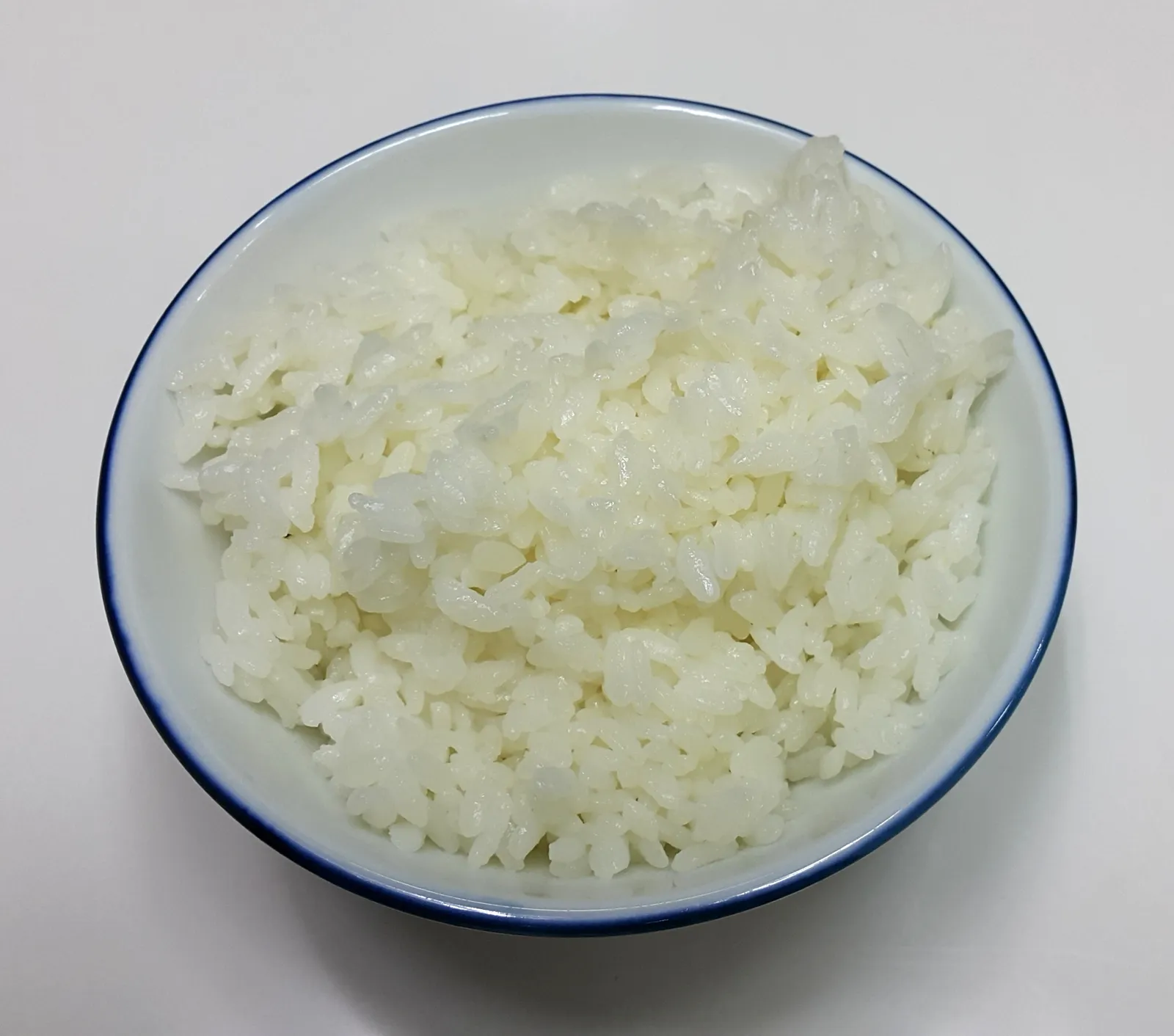
The rinse debate has no single correct answer, and it probably never did. The right choice depends on the rice variety, the dish being prepared, whether the rice is fortified, and what outcome matters most to you at that moment, texture, safety, nutrition, or all three at once.
What is clear from the research is that rinsing does something, just not always what people assume it does. It removes surface starch and some contaminants, but it can also strip nutrients that were added back after milling. The cooks who always rinse are not wrong. Neither are the ones who skip it, as long as they know what they are choosing and why.
Rice has been feeding civilizations for thousands of years, rinsed and unrinsed alike. The grain survives both approaches. Knowing the difference simply lets you make the call with open eyes.
AI Disclaimer: This article was created with the assistance of AI tools and reviewed by a human editor.