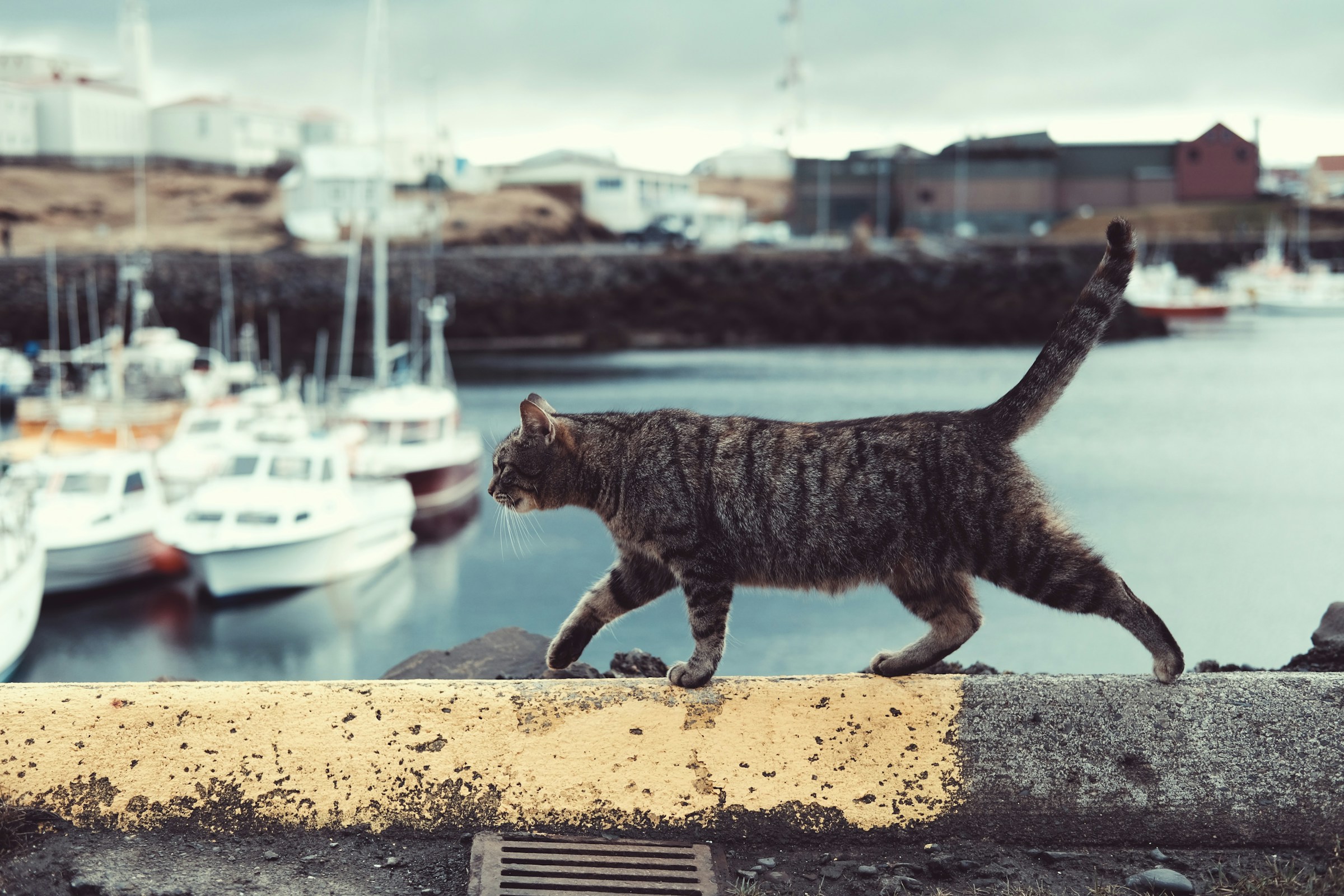

Far More Cats Fetch Than Anyone Expected
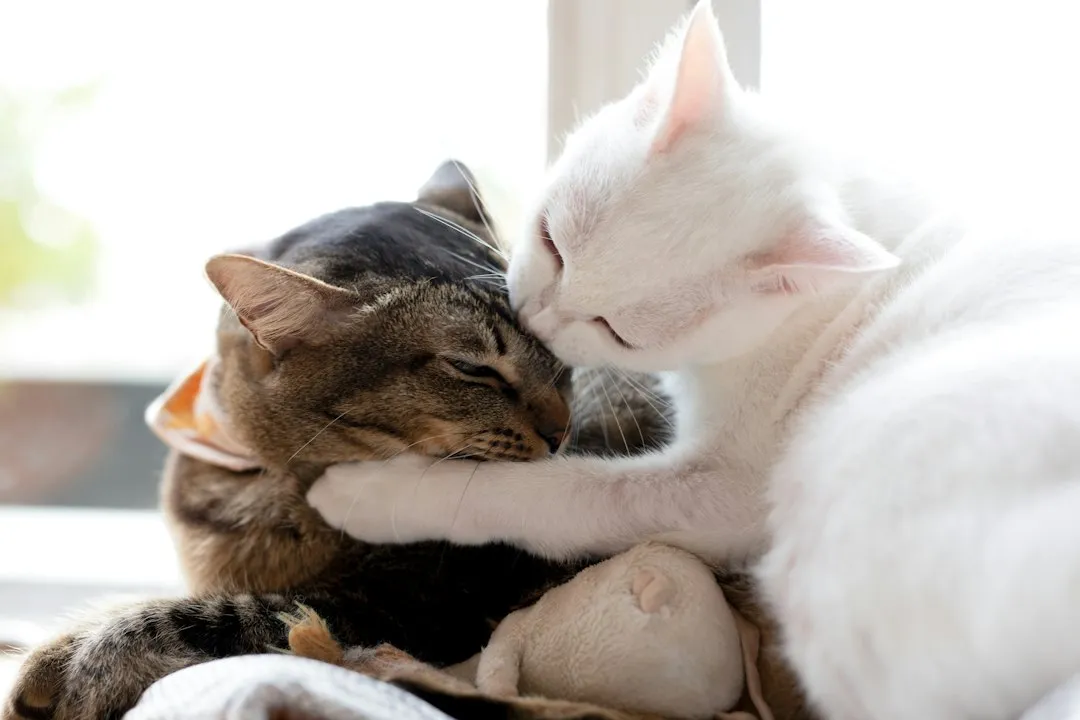
The headline number here is striking. Fetching was reported in roughly 41% of cats and nearly 78% of dogs in a large peer-reviewed study. The study, led by Mikel Delgado and colleagues, analyzed data from online surveys conducted between 2015 and 2023, involving over 8,000 cat owners and nearly 74,000 dog owners.
The survey revealed that about 41% of cat owners reported their feline friends would “sometimes, frequently or always retrieve toys or objects that they threw,” a figure that significantly surpasses previous estimates. This was published in the journal PLOS ONE on September 4, 2024, and quickly reshaped how researchers think about cat behavior.
Cats Weren’t Trained to Do It
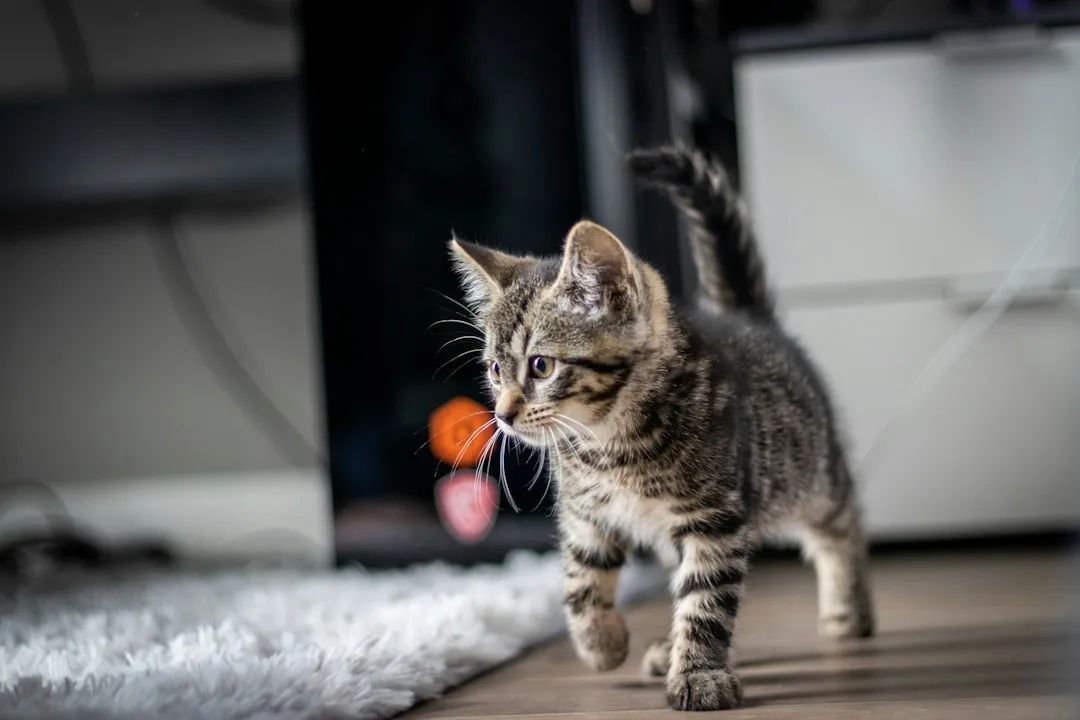
The vast majority of cats who fetched, about 94%, offered the behavior spontaneously, with no training to do so. That is not a small detail. It means the behavior is emerging on its own, without any deliberate human encouragement.
The overwhelming majority of owners reported that fetching emerged in the absence of explicit training, and the behavior was primarily first noticed when the cats were less than one year old. Only around 6% of cats who fetch were trained to do so. That makes cat fetch genuinely different from most other trained pet tricks.
It Starts Early, Often Before the First Birthday
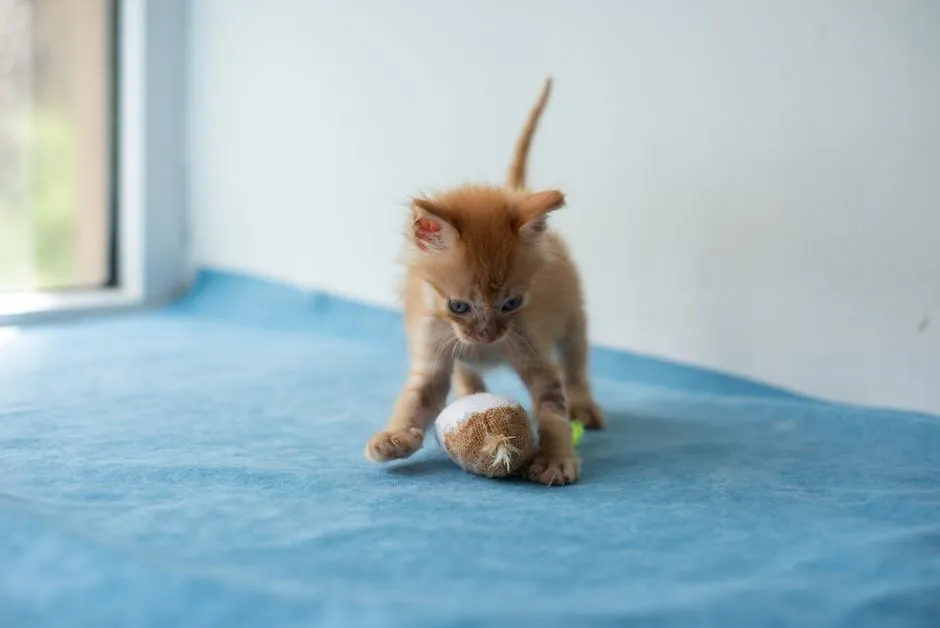
Some characteristics of fetching behavior included a typical age of onset of less than one year of age in the majority of cats surveyed. The behavior appears to emerge naturally during kitten development and simply stays. Play behaviour typically emerges in the first two to three weeks of life and is primarily directed towards littermates.
What’s interesting is that this early onset suggests fetching isn’t a learned imitation of dogs or humans. It develops during the same window when kittens are first discovering how to interact with objects and their environment, which tells us something real about where it comes from.
It’s Rooted in Hunting Instincts

Despite the very different hunting and play styles of cats and dogs, fetching appears to combine elements of predatory and social behavior for both species. Hunting and retrieving their kill is part of predatory behavior for both animals, which is why the physical mechanics of fetch look so much like a hunt in miniature.
Play in cats is never purely recreational. It is a direct expression of predatory drive, and every stalk, pounce, and grab rehearses the motor patterns of hunting, which is why even well-fed indoor cats that have never seen live prey will engage in complex predatory play sequences throughout their lives. Fetch simply channels that drive into a social ritual with humans.
The Cats Are the Ones in Charge
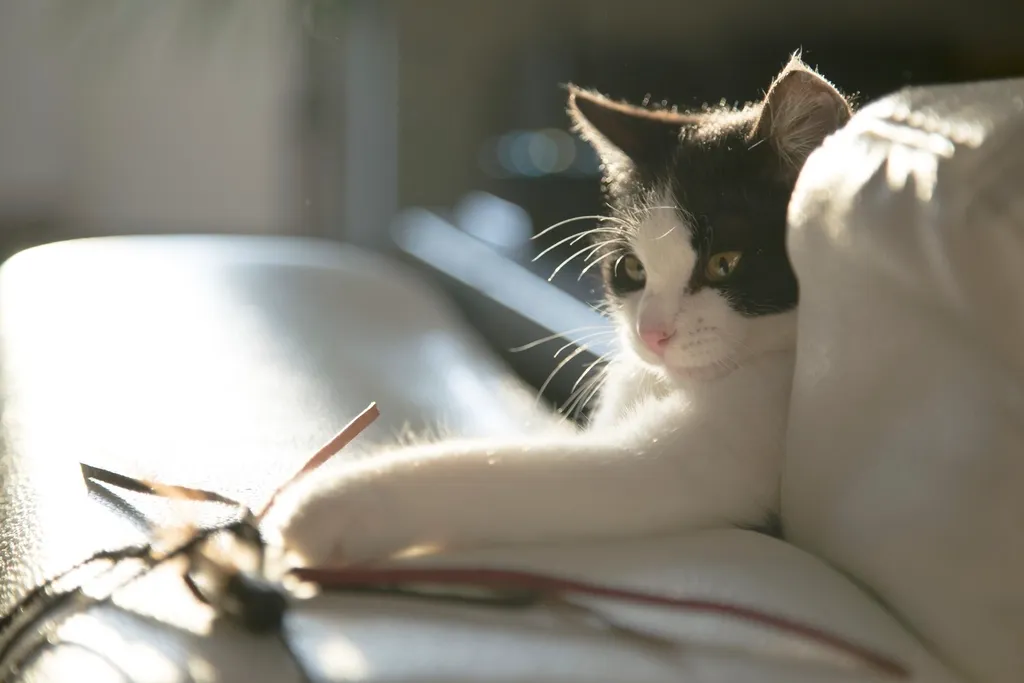
Cats initiated and terminated fetching bouts more often than did their owners, demonstrating independent and coordinated agency in the onset and maintenance of fetching behavior with their human partners. That’s a meaningful distinction. Dogs typically wait for you to throw. Cats often decide when the game begins and when it ends.
Unlike dogs, who often rely on cues from their owners, cats seem to take the initiative. They not only start the fetching game but also decide when it’s time to wrap things up, showcasing their infamous independent streak. Researchers at the University of Sussex described this as cats demonstrating a form of social control over their human companions.
Breed Plays a Real Role
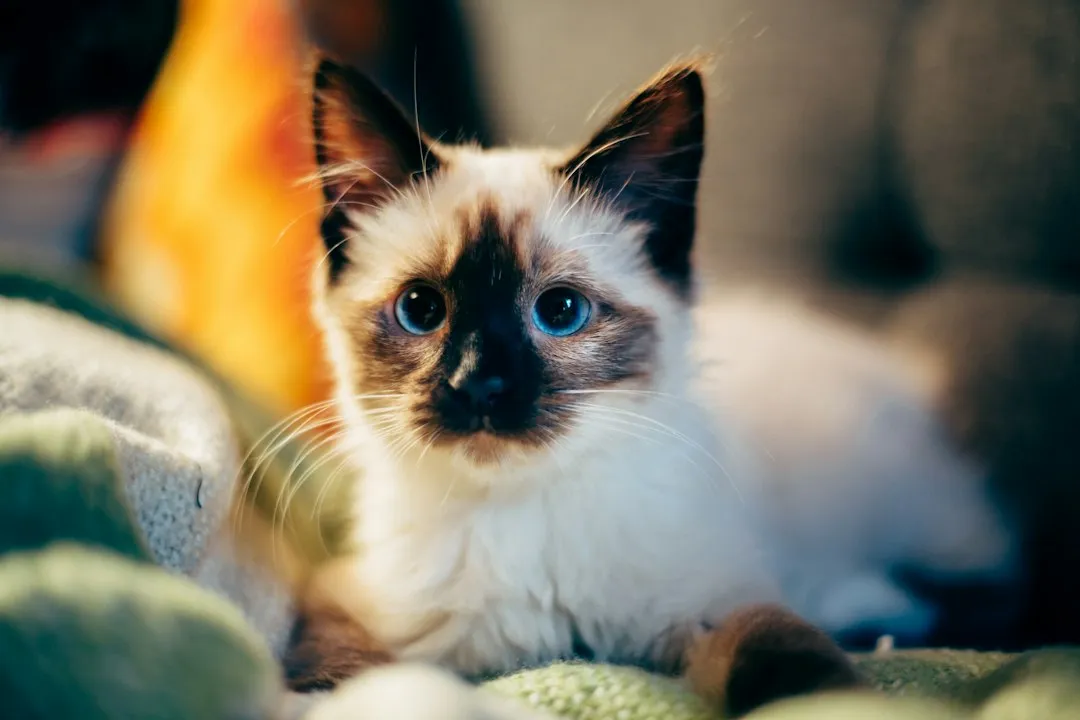
Burmese, Siamese, and Tonkinese cats show a higher tendency for fetching compared to other breeds. Among cats, felines with roots in the Eastern Hemisphere were more likely to fetch, with Abyssinians, Bengals, Siamese, and Siberians among the top fetching breeds.
Geneticists believe that domestic cats were brought to the Far East early in the process of cat domestication and were then genetically isolated from other populations for an extended period. The greater prevalence of fetching in this population could be due to a founder effect, genetic drift, or the result of increased local selection pressures for the tendency to engage in fetching behavior. In short, geography and genetics appear to be quietly shaping which cats fetch today.
Indoor Cats Fetch More Than Outdoor Cats
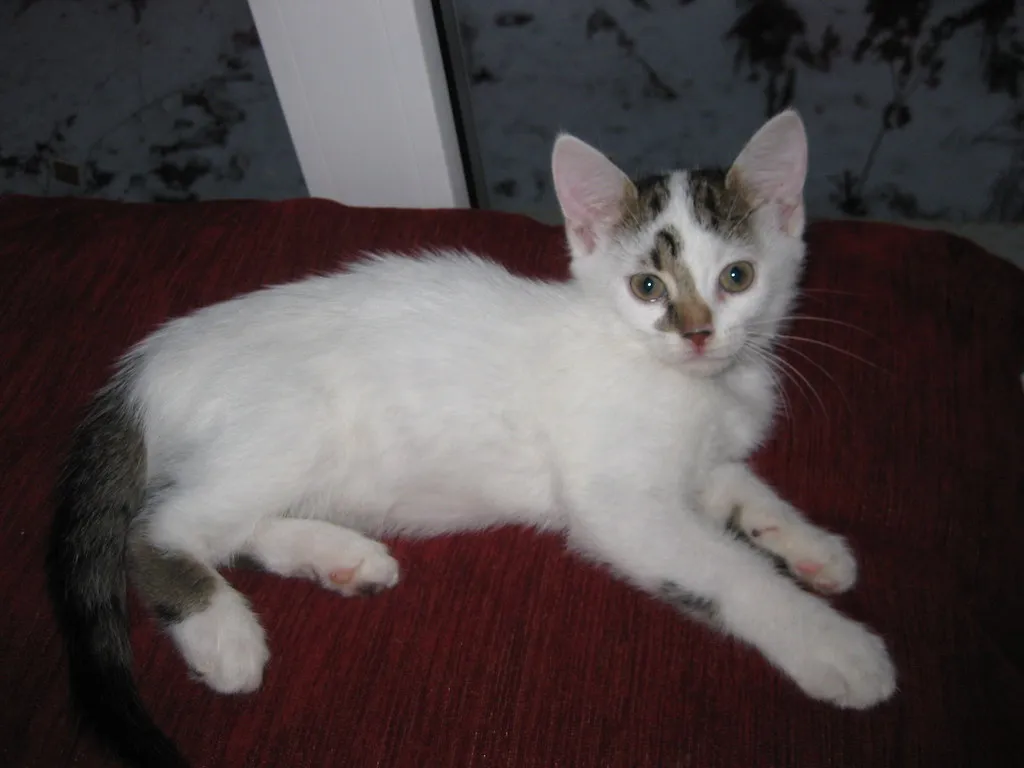
Cats who were kept indoors only and who lived in a home without dogs were more likely to fetch. This isn’t entirely surprising once you think about it. Indoor cats have fewer opportunities to act on their predatory instincts in natural settings, so games like fetch fill that gap.
Adult indoor-only cats have been found to be more interested in playing with toys than indoor-outdoor cats, possibly due to indoor-only cats being deprived of real prey and therefore showing more intense reactions when presented with a prey substitute. Fetch, in this light, becomes a creative outlet, not just a game.
Fetch Strengthens the Human-Cat Bond
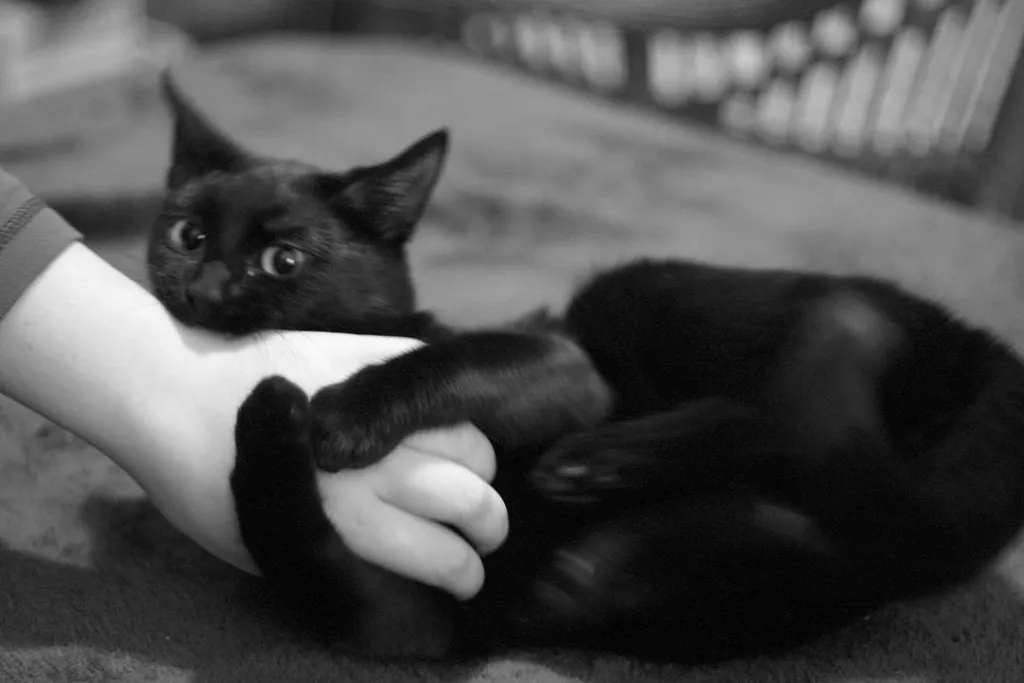
Several possible reasons for fetching have been outlined, including play, selection during domestication, and learning effects, and fetching reinforces the bonds that dogs and cats form with humans. The social dimension of fetch seems to matter as much as the physical one.
Recent findings related to the social and play behaviors of cats indicate they have a considerable capacity for bonding with humans and responding to human social cues. Fetching mimics the chase and capture elements of a hunt, providing mental and physical stimulation, and it also fosters a bond between the cat and its owner, adding a layer of social interaction that cats might crave more than we realize.
Sex, Age, and Health All Factor In
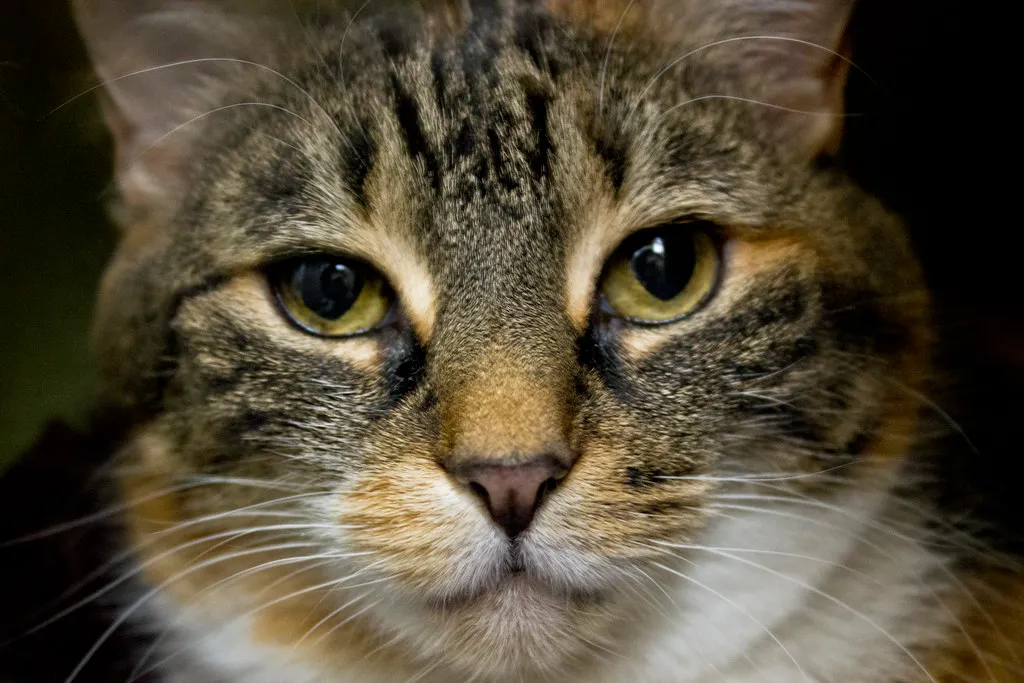
In both cats and dogs, being female, older, living with other dogs, and having health problems decreased the likelihood of fetching. Younger, healthier male cats are the most consistent fetchers, according to the Purdue data. Activity level also matters: in cats, fetching was correlated with play and activity more broadly.
This pattern suggests that fetch isn’t just a quirky habit. It’s connected to a cat’s overall energy, health, and social engagement. A cat that fetches regularly is probably a cat that is doing well in general, which is useful information for any owner paying attention.
Science Still Has Unanswered Questions
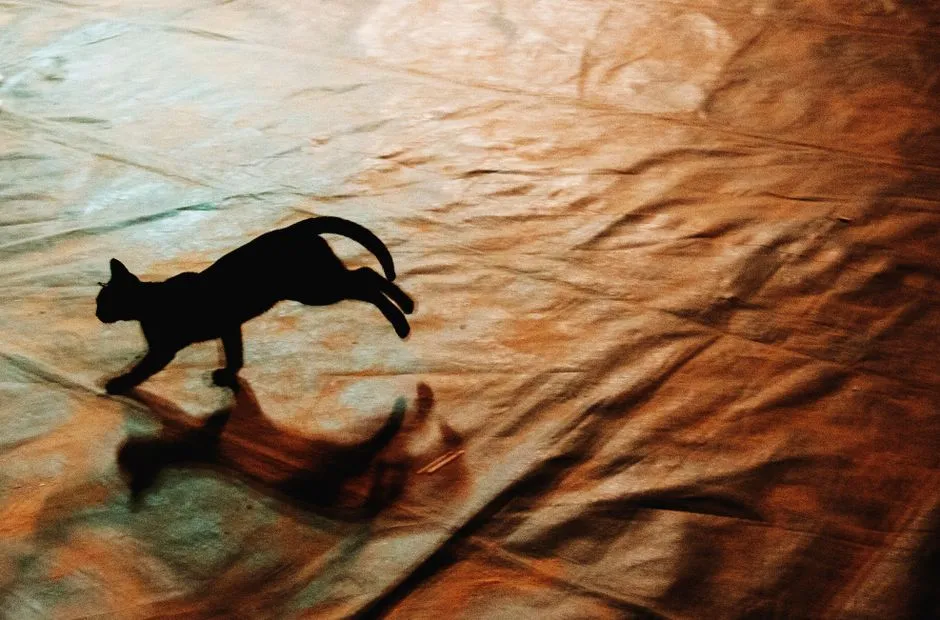
Fetching may have its roots in the natural hunting behaviors of cats and dogs, but how it was shaped by domestication into the playful actions we see in our pets today is unclear. That gap in understanding is honest and worth taking seriously. The behavior is well documented; the full explanation is still being worked out.
It is likely that fetching behavior, similar to other behavioral characteristics, is complex, influenced by several interacting environmental and genetic factors in both species. There is a need to more deeply explore the genetic components that might predispose certain animals to fetch and to differentiate between spontaneous and trained fetching behaviors more clearly. Future research will likely narrow the gap between what we observe and what we can actually explain.
The Takeaway

Cats that fetch are not broken dogs or unusual outliers. They are, according to the best research available, participating in a behavior that is surprisingly common, largely instinctive, and genuinely meaningful as a form of social play. The old image of the aloof, solitary cat turns out to be incomplete at best.
What the 2023 and 2024 studies make clear is that fetch in cats isn’t a trick or an accident. It emerges early, it runs on instinct, and crucially, the cat decides when it happens. Cats and dogs are very different in many aspects of their behavior and in how they ended up as companion animals, yet so many of them share this very interesting behavior: fetching. That shared thread, across two very different species, says something worth sitting with about how animals and people find ways to connect.
AI Disclaimer: This article was created with the assistance of AI tools and reviewed by a human editor.