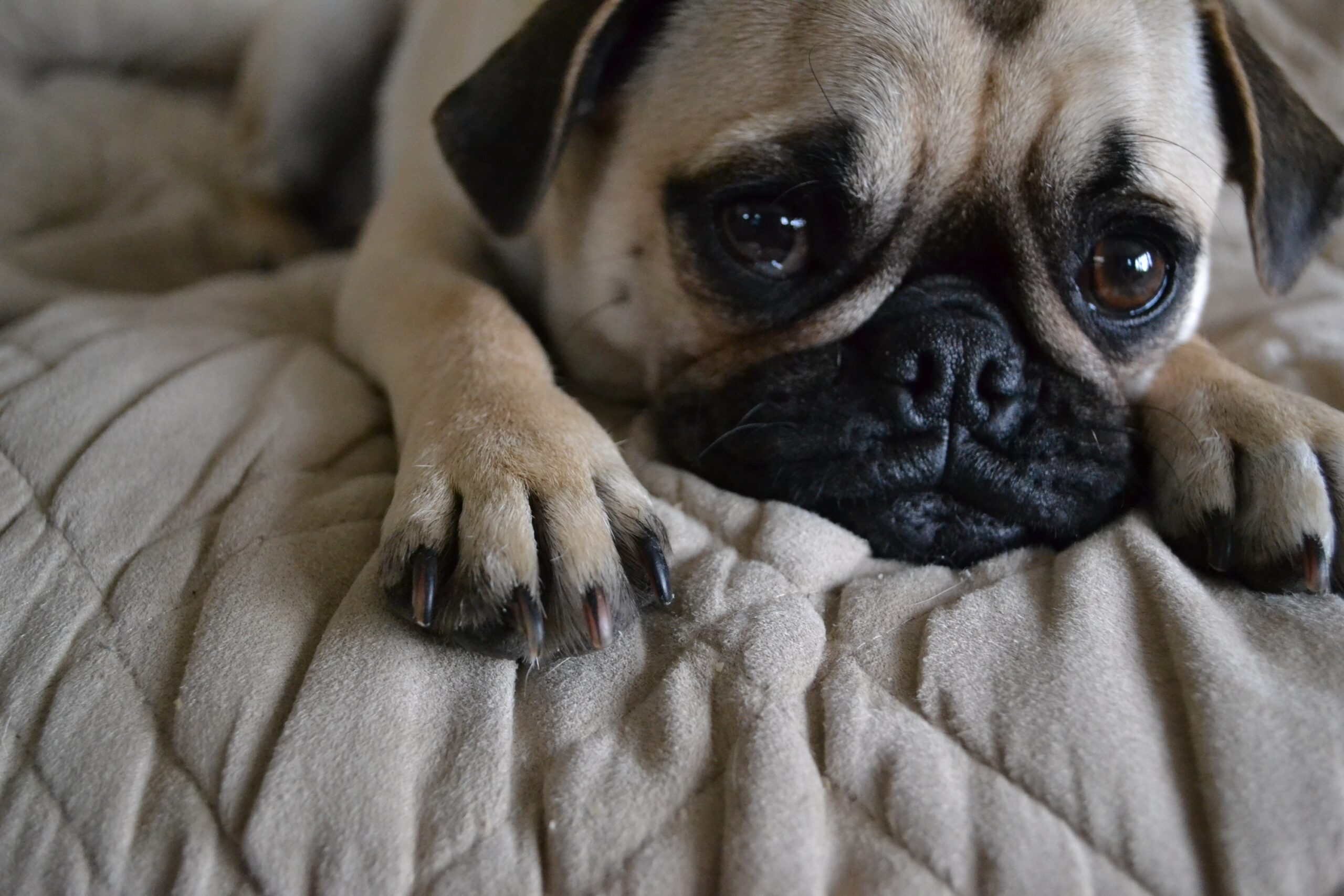

Their Paws Are Packed With Nerve Endings
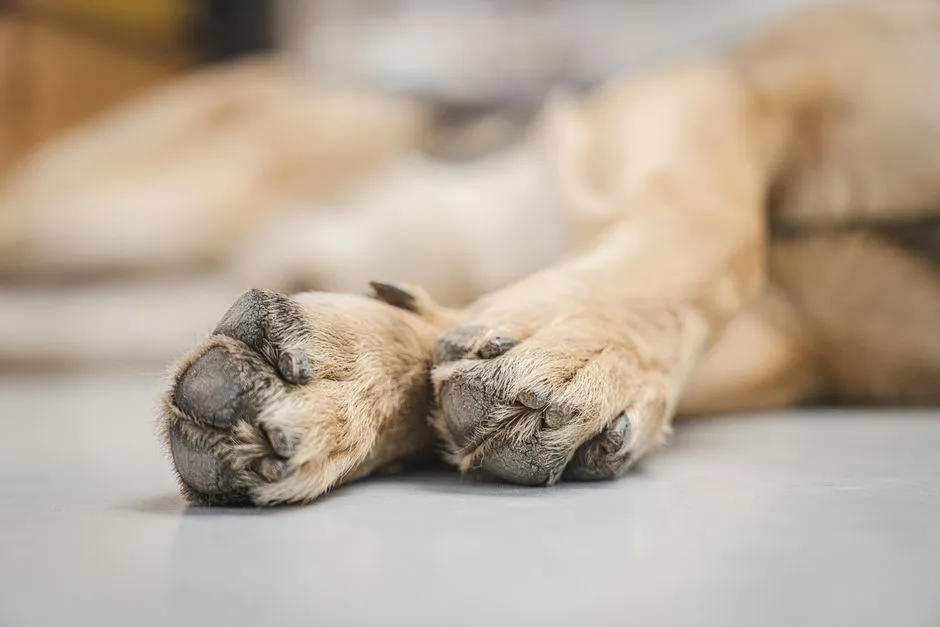
Research has shown that dogs have a high concentration of nerve endings in their paws, which makes them highly attuned to touch and pressure. This can lead to discomfort or pain when their paws are manipulated or handled roughly.
Dog paw pads contain a high concentration of mechanoreceptors, which are specialized nerve endings that detect physical sensations. Dogs’ paws are sensitive because they’re loaded with nerve endings that detect temperature, pressure, and pain. The density of these receptors is roughly comparable to the sensitivity we experience in our own fingertips, which makes the paw an extraordinarily reactive zone.
The Tops of the Paws Are Extra Vulnerable
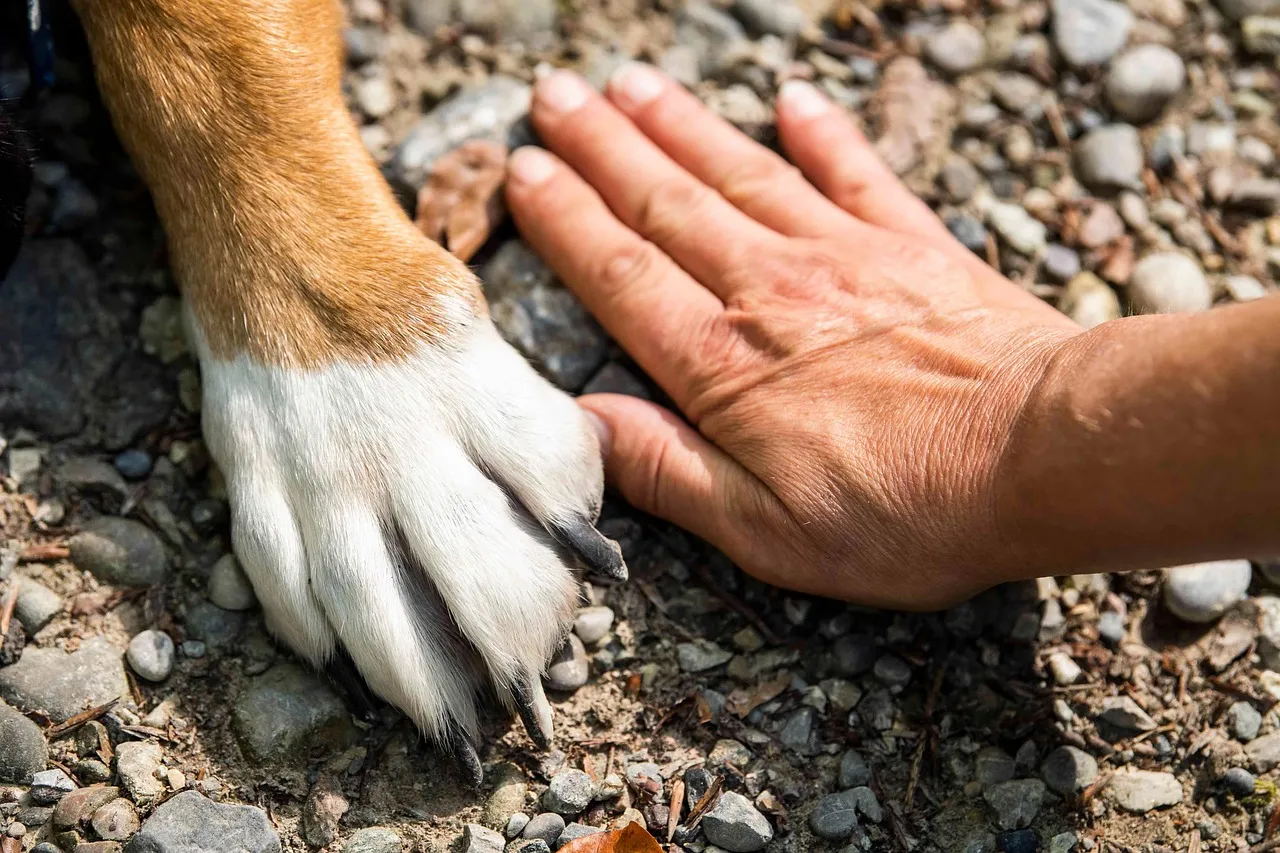
While the leathery bottoms are padded to withstand changing terrain and temperatures, the tops are among the most sensitive parts of a dog’s body. Most owners instinctively grab the paw from above, which is exactly the spot that triggers the sharpest reaction.
The spaces in between the paw pads are even more sensitive than the tops, and trying to get in between your dog’s paw pads might provoke a serious reaction. Paw sensitivity seems to be universal among dogs, although some dogs have stronger adverse reactions than others.
It’s a Deep Survival Instinct
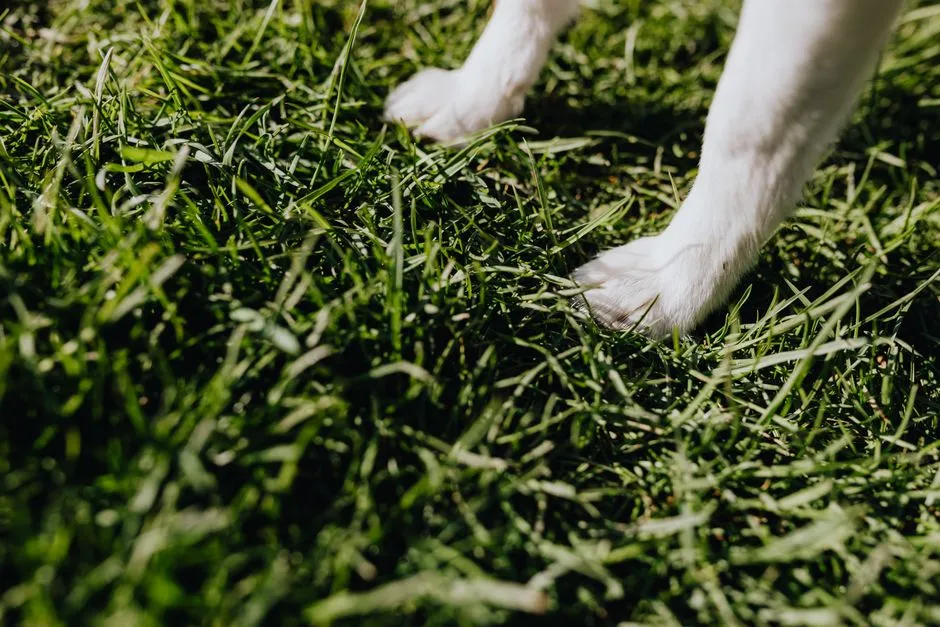
In the wild, dogs would need their paws for everything they do. Dogs would travel miles to find food and needed to be as strong as possible to survive. A hurt paw for a dog in the wild could be a death sentence because of their inability to continue searching for food, and they may become an easy target for predators.
Paw sensitivity is widely thought to be caused by a dog’s natural or instinctive desire to protect its crucial body parts from harm. Digging, hunting, self-defense, and moving around in general are all dependent in part or wholly upon the health of the dog’s paws. Nowadays, dogs are cuddly and overall very friendly. However, we can’t deny that they kept many of their instinctual behaviors.
Paws Are Their Primary Sensory Tool
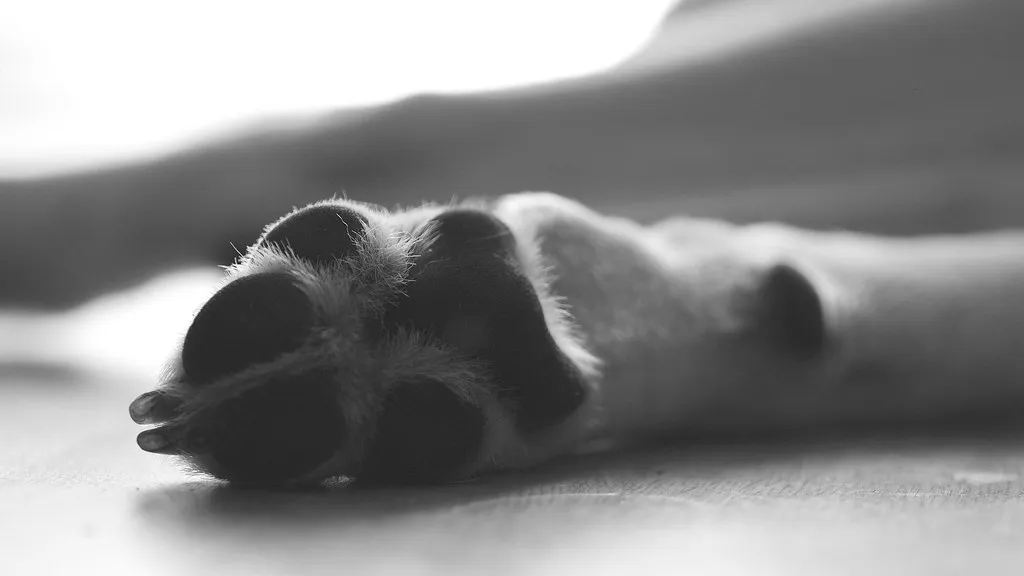
A dog’s paws are responsible for delivering a wide range of sensory information to the dog about its environment. These nerve endings make paws incredibly responsive to the world beneath them. Dogs rely on their pads to detect subtle changes in surface texture, temperature, and even danger, similar to how our fingertips function.
At first glance, a dog’s paw might look like a tougher version of our own feet, but under the surface, it’s a highly sophisticated, sensory-rich structure designed for survival, movement, and communication. Interrupting or restricting that sensory contact, even briefly, can feel deeply disorienting to a dog.
The Tickle Effect Is Very Real
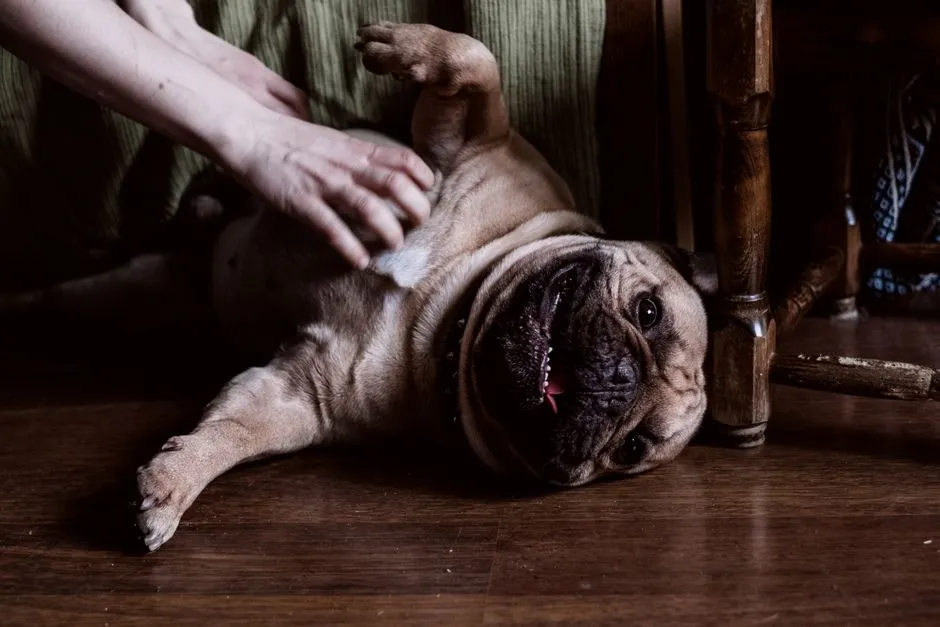
There is a concentration of nerve endings on the pads of a dog’s paws. Touching this region can generate an exaggerated response in your dog’s nervous system. This might be similar to when someone tickles the soles of our feet. It’s not that our feet aren’t robust, but the high concentration of nerve endings makes them ticklish when touched.
This involuntary response isn’t stubbornness. It’s more like a reflex, the same way humans flinch when someone unexpectedly touches the bottom of their foot. We also need to remember many of the demonstrations of affection employed by humans are not necessarily understood as such by dogs.
Past Negative Experiences Leave a Lasting Mark
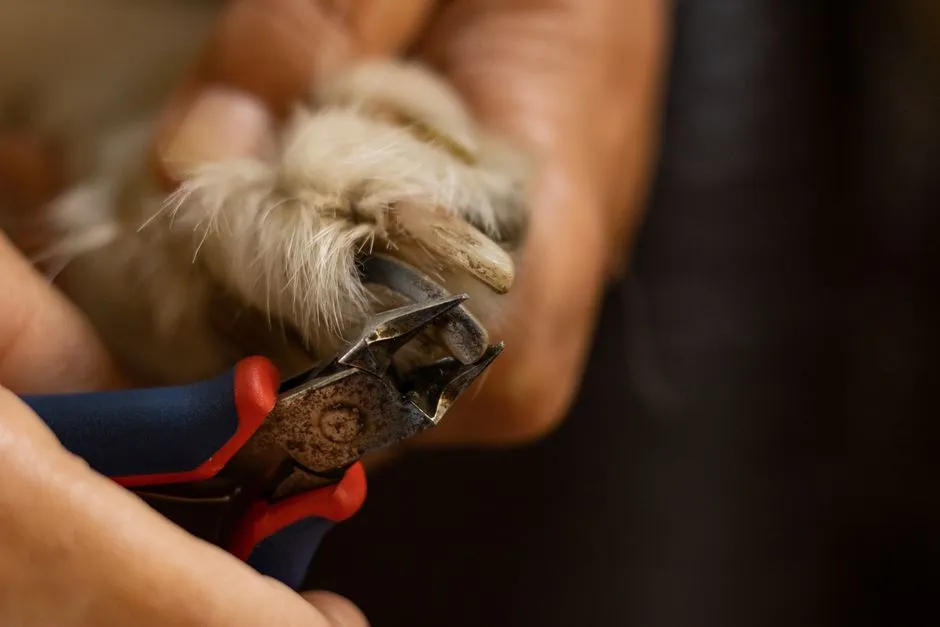
Until recently, experts didn’t know that dogs have episodic memory similar to humans. Episodic memory is the ability to recall events or circumstances that happened in the past. This matters significantly when it comes to paw handling, because a single painful or frightening experience can create a lasting association.
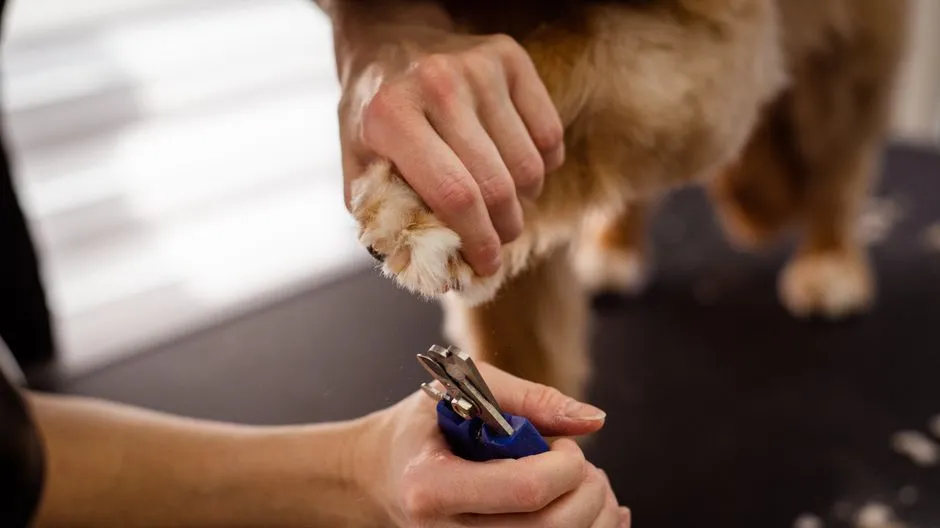
Despite the fact that dogs’ feet are pretty tough, canines are still sensitive about having their paws manhandled, especially if it involves toenail trimming. Dogs who’ve had their nails trimmed too aggressively may react negatively when they spot clippers in the future. Unlike human nails, which sit atop skin, a dog’s claws are directly attached to bone through a sensitive quick. If the trimming goes too deep, it’s not only uncomfortable. It can be painful, even traumatic. That’s why many dogs resist nail trims instinctively.
Poor Early Socialization Plays a Major Role
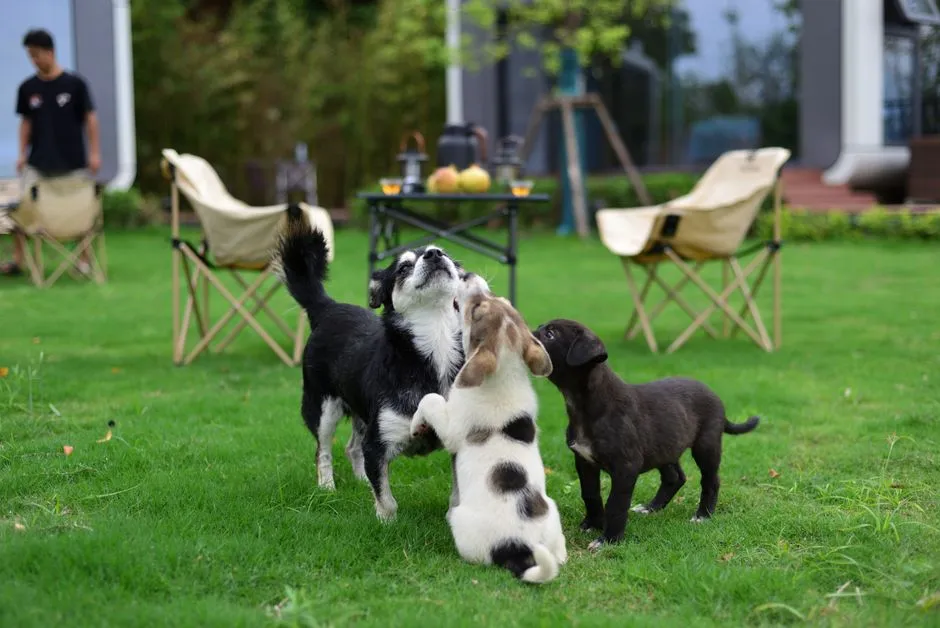
Early socialization and appropriate adoption time are crucial for canine behavior and welfare. Canine development includes sensitive periods, particularly the socialization phase from three to twelve weeks, when puppies adapt to novel stimuli and form bonds. Paw handling during this window can make an enormous difference throughout the dog’s life.
Puppies who are used to being handled and held at a young age will be much more comfortable with you handling their paws. However, if you adopted an older dog from a shelter or rescue group, they may be lacking in this important socialization. Missing meaningful, positive exposure to people, animals, surfaces, sounds, and environments in this timeframe frequently results in lingering caution, reactivity toward unfamiliar dogs, or pronounced anxiety during routine activities such as car travel and veterinary examinations.
Breed Differences in Pain Sensitivity Are Documented
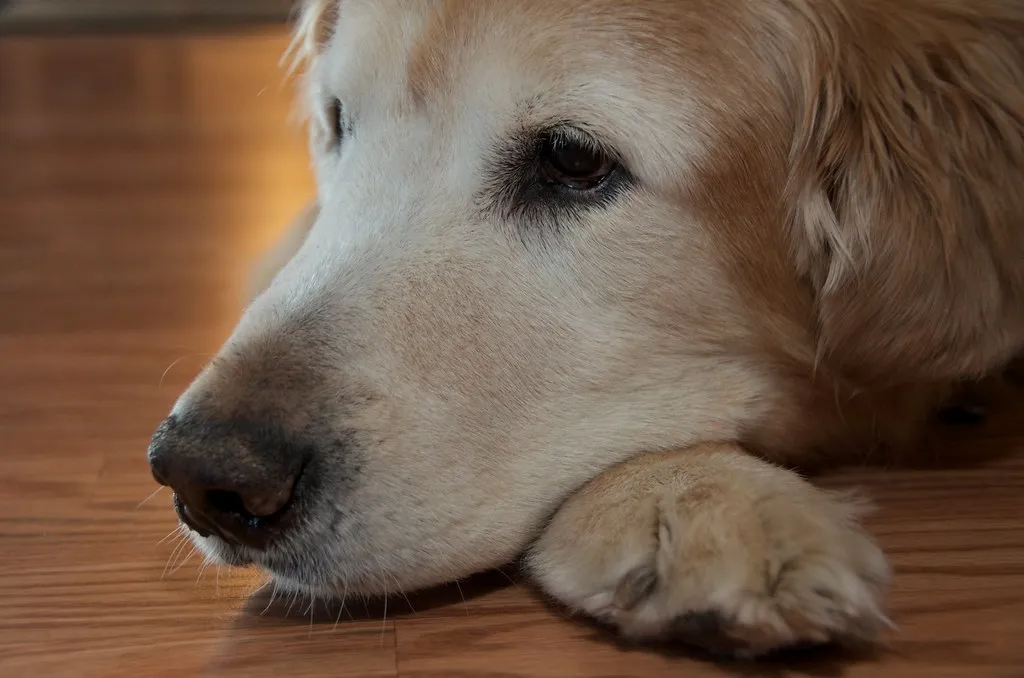
Quantitative sensory testing is an ideal method to assess pain sensitivity across dog breeds. Prior studies have demonstrated that this testing can detect differences in pain sensitivity thresholds in dogs diagnosed with osteoarthritis pain and healthy, pain-free dogs. This means the same light touch on a paw may register very differently depending on the individual dog and their breed.
Specific behavioral responses, such as the trajectory of the paw during withdrawal tests, are strain specific, and this type of behavioral analysis may be interesting to study pain responses in different breeds of dogs. Studies suggest that breed-specific characteristics can actually contribute to paw issues, such as nail problems or interdigital cysts. In short, some dogs are simply wired to be more reactive than others.
Underlying Health Problems Can Sharpen the Reaction
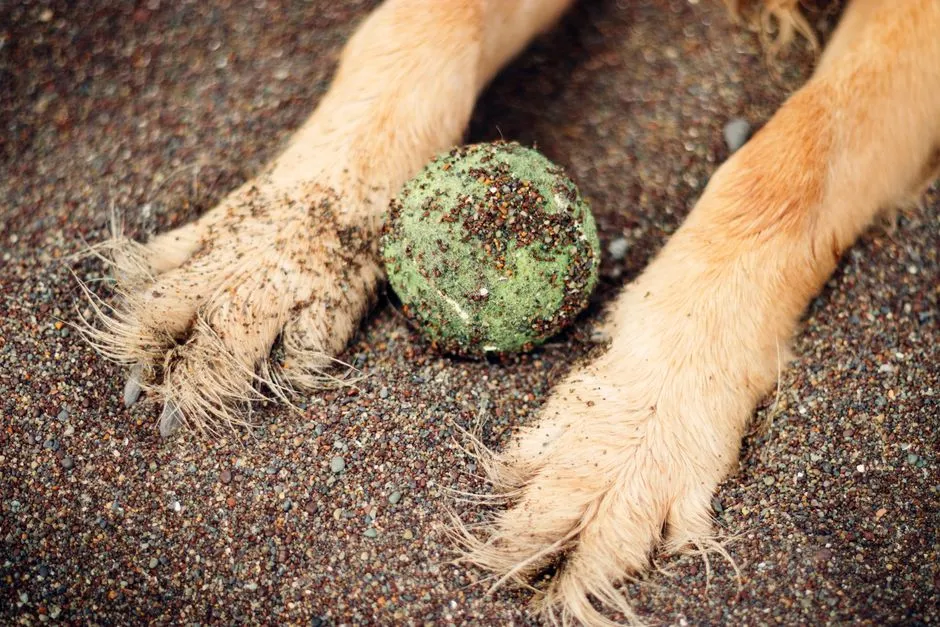
Some dogs may find paw handling uncomfortable or sensitive due to skin irritation or swelling due to allergies. If your dog displays signs of paw sensitivity, such as pulling away, licking, or biting their paws, have them examined by a veterinarian.
If your dog pulls away when you touch their paws, resists nail trims, or licks their feet after walks, it’s not only picky behavior. Paw sensitivity can be caused by environmental triggers, dry weather, painful terrain, or even emotional trauma, especially in rescues or dogs exposed to extreme conditions. Sensitive paws can affect a dog’s well-being as much as any illness or disease.
The Feeling of Vulnerability Is Its Own Factor
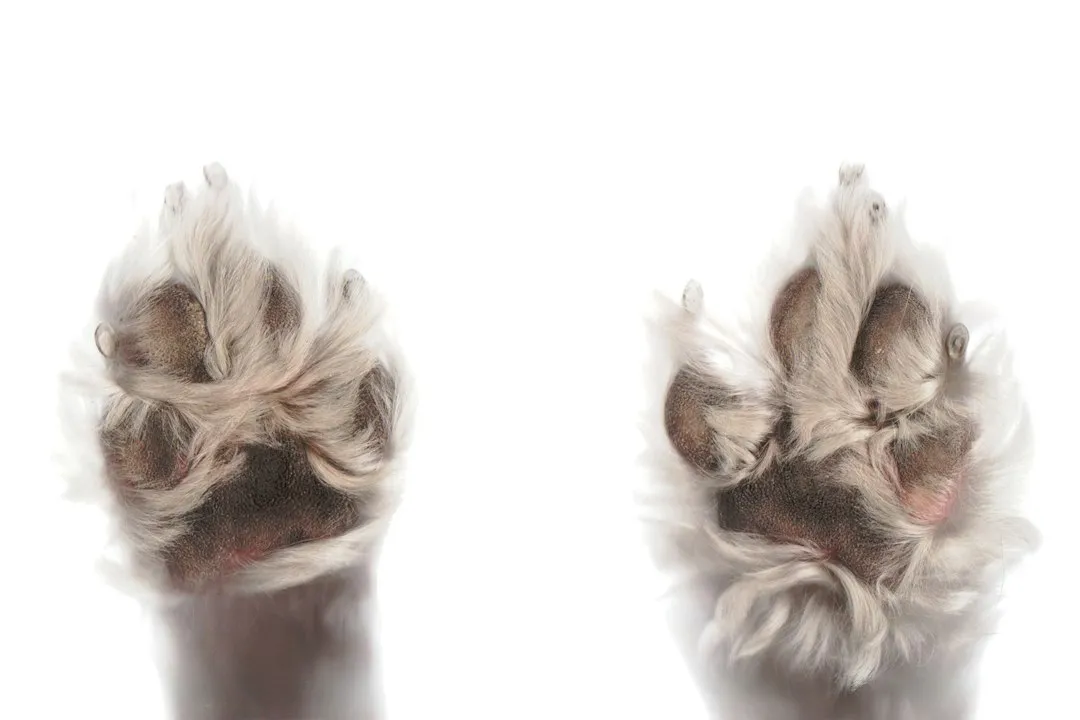
Some dogs might resist you touching their paws simply because it makes them feel awkward or vulnerable. Many dogs are naturally shy and careful about their paws, partly because dogs’ paws are one of the most crucial parts of a dog’s body, essential for mobility and defense. Some experts posit this is one reason dogs may be instinctually protective of their paws.
Dog paws have many nerve endings, but dogs naturally hide pain as a survival mechanism. They feel pain but may not show it as obviously as humans would, making careful observation by owners essential. This is worth keeping in mind: a dog that simply goes quiet and still during paw handling isn’t necessarily relaxed. Sometimes stillness is stress wearing a calm face.
How to Build Trust Around Paw Handling
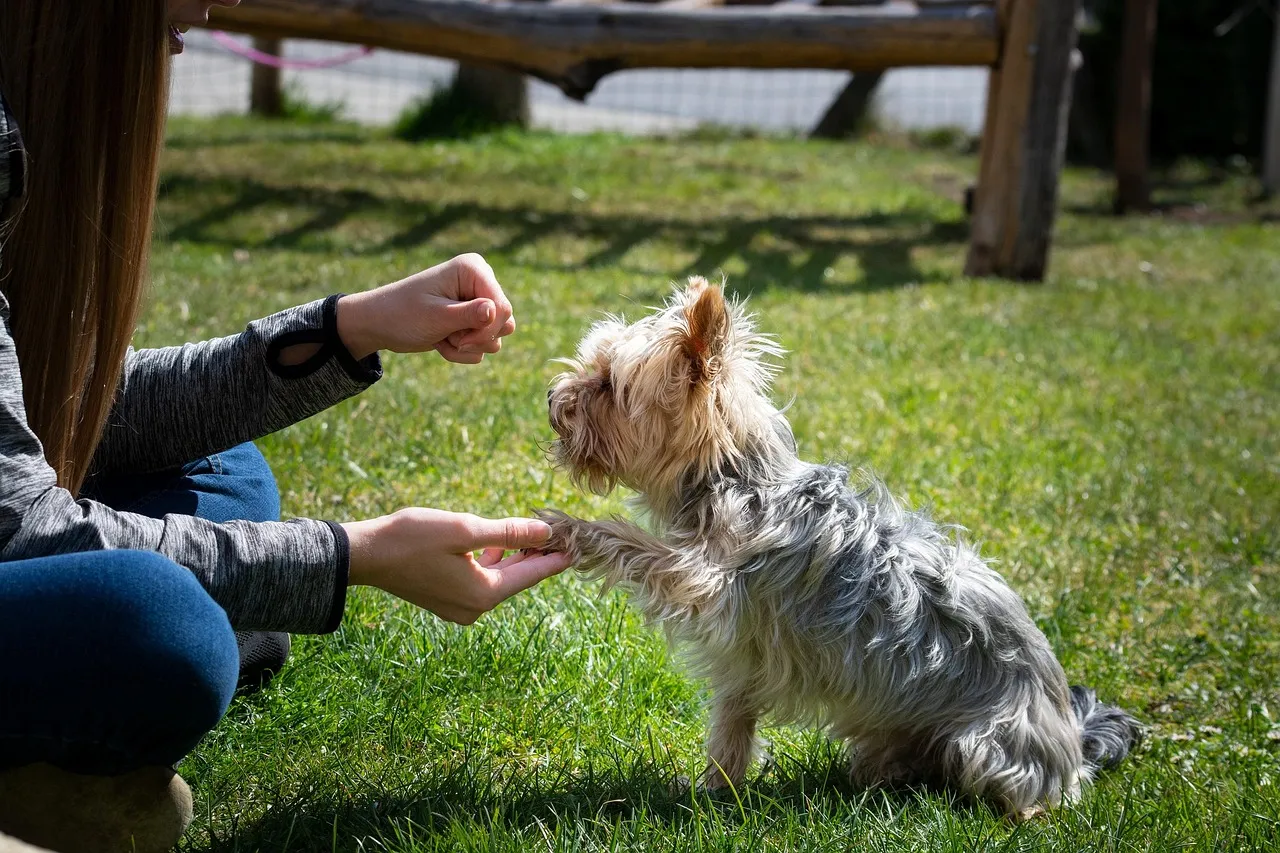
Start by associating positive experiences with paw handling. Offer treats or praise whenever you touch your dog’s paws gently. Gradually increase the duration and intensity of paw handling over multiple training sessions.
Gently teaching your dog to “shake” is a great way to reduce some of their anxiety. Use high-value treats and turn the training into a fun activity so your dog will look forward to it. Puppies are neurologically primed during their early weeks to form positive or negative associations rapidly. Sociability typically dominates over fear responses in this period, making it the ideal time to introduce novelty in controlled, enjoyable ways.
The Takeaway
When a dog yanks their paw away, they’re not being dramatic or difficult. They’re responding to a deeply rooted mix of anatomy, instinct, memory, and in some cases, genuine discomfort. Understanding that combination doesn’t just make grooming easier. It shifts the entire dynamic between owner and dog toward something built on actual trust rather than reluctant compliance.
The paw is a small thing to handle. What it represents, mobility, survival, sensory connection to the world, is anything but small. Treat it accordingly, and most dogs will eventually meet you halfway.
AI Disclaimer: This article was created with the assistance of AI tools and reviewed by a human editor.