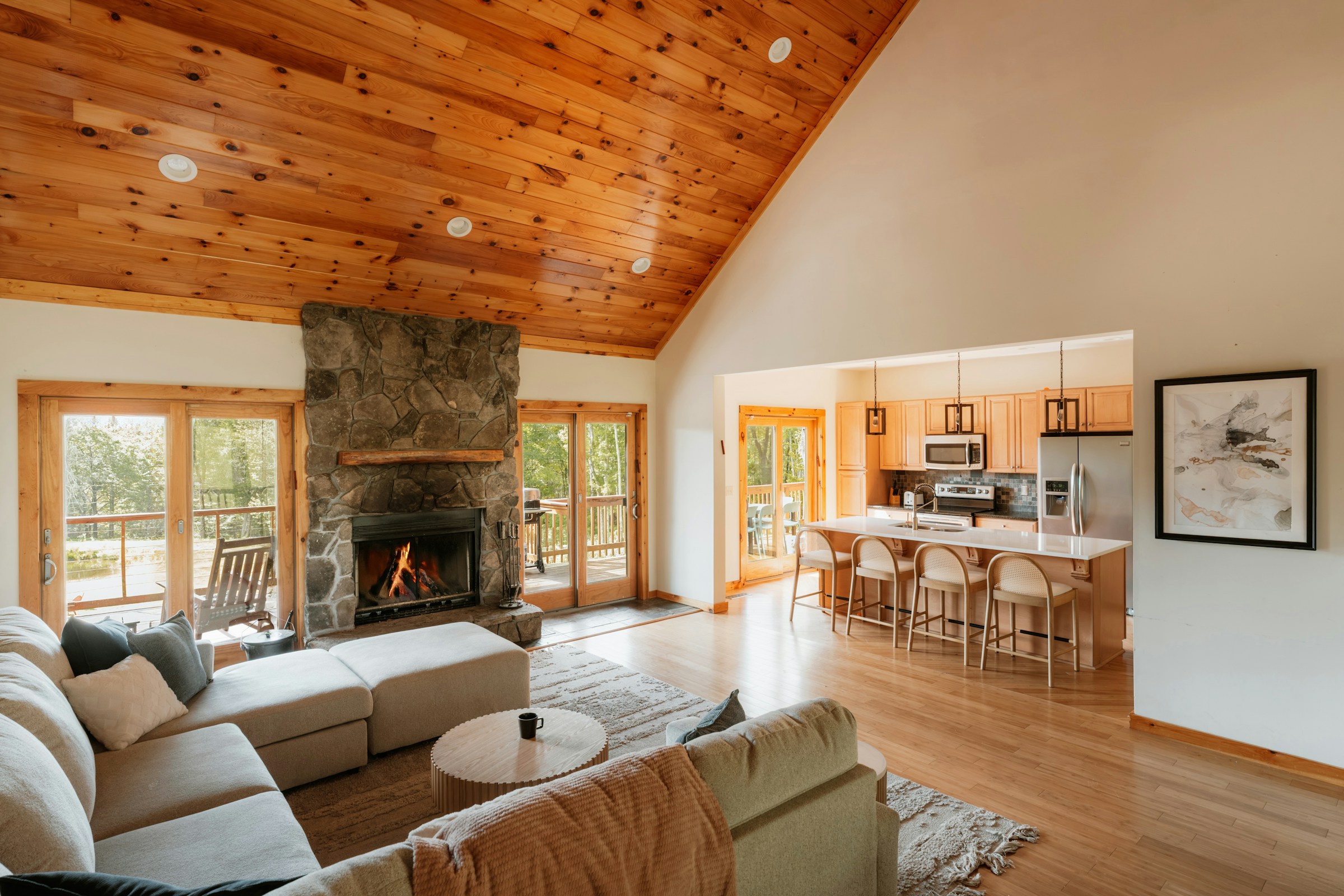

Walk into almost any house built between the 1950s and the mid-1980s and there’s a good chance the ceiling above you looks like the bottom of a styrofoam cup. That bumpy, rough, oddly familiar texture has a name – popcorn ceiling – and it’s been living above American families for decades. It never asked to be iconic. It just showed up, got used everywhere, and then gradually became the thing people most want to rip down before listing a house.
The story behind popcorn ceilings is more interesting than the texture itself. It involves post-war construction urgency, a material now known to cause cancer, decades of regulation, and a housing market that still wrestles with the stuff today. Here’s why it was everywhere, and why so many homes still have it.
It Came Out of the Post-War Housing Boom
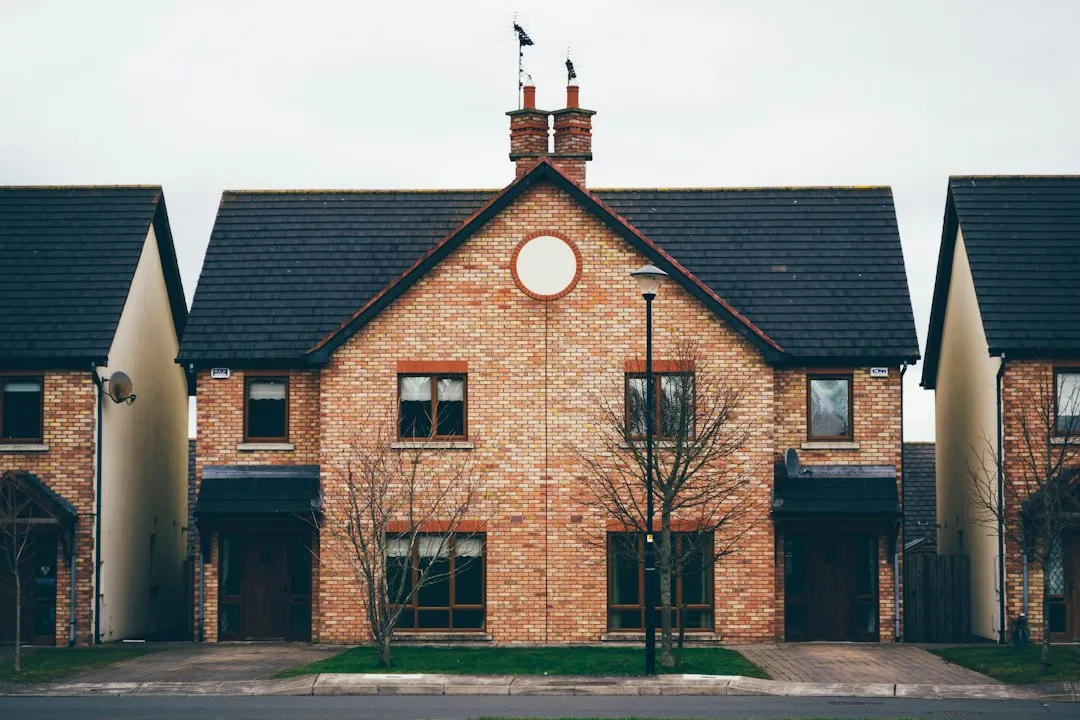
The popcorn ceiling’s rise is deeply connected to post-war construction: the United States experienced a housing boom after World War II. Developers were building entire neighborhoods almost overnight, and speed mattered more than finish quality. During the post-war housing boom, builders needed to finish thousands of homes quickly; spraying a texture onto a ceiling allowed them to bypass the grueling process of perfectly smoothing drywall tape and mud.
At peak popularity, the majority of new American homes included popcorn texture in at least one room. A crew could texture an entire house in a single day. That kind of efficiency was hard to argue with when you had hundreds of units to complete. It was a practical shortcut that became a default standard.
No One Person Invented It

The creator of the popcorn ceiling is not widely agreed upon, but brands like Homax were some of the first to make “spray-on popcorn ceiling” for commercial sale. The finish didn’t emerge from an architect’s vision or a designer’s blueprint. It evolved from a confluence of available materials, spray technology, and industry demand. It became popular in residential buildings, particularly in North America, from the 1950s through the 1980s.
Introduced in the late 1940s, these textured ceilings were initially created to conceal imperfections on ceiling surfaces, such as uneven joints or old plasterwork. The texture wasn’t a design statement. It was closer to a workaround. The industry adopted it en masse because it solved a problem cheaply and quickly.
It Hid a Multitude of Construction Flaws
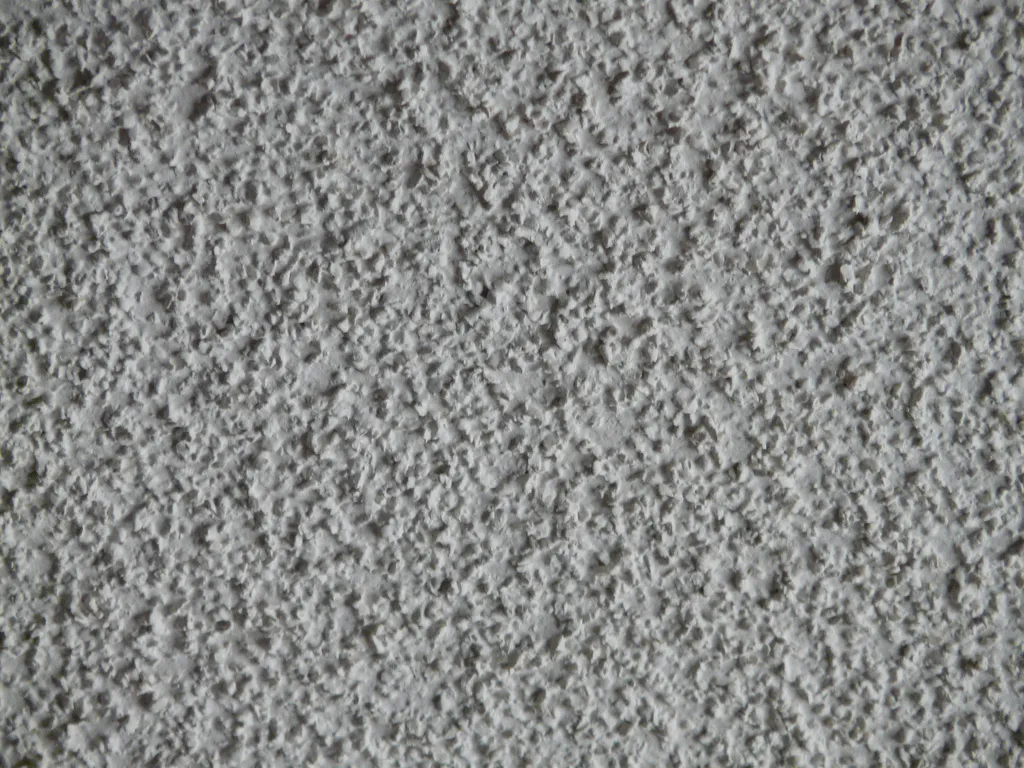
The texture was effective for covering ceiling imperfections, like cracks or uneven drywall, making it a quick, cost-effective choice for builders. When drywall seams weren’t perfect or nail heads poked through, spraying on a rough texture meant no one would ever notice. Popcorn texture covers drywall seams, nail pops, tape joints, and uneven surfaces without sanding or skim coating.
Compared to the labor-intensive process of finishing a ceiling to a smooth, paint-ready surface, popcorn texture cut both time and skill requirements dramatically. A smooth ceiling requires skilled hands, multiple coats of joint compound, careful sanding, and patience. A spray gun and a bag of texture mix required none of that. For mass housing construction, that difference was enormous.
It Actually Did Absorb Sound – Sort of
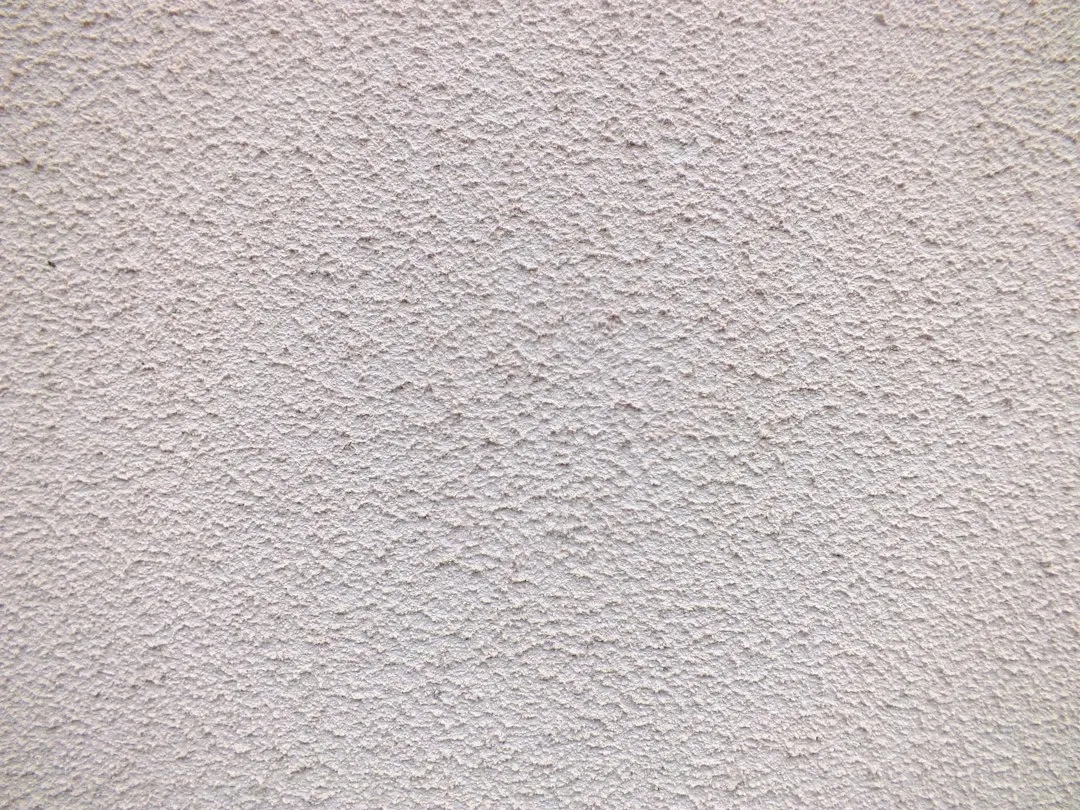
The product was originally marketed as “acoustic ceiling texture,” and the name wasn’t just branding. The bumpy, porous surface genuinely absorbed more sound than a flat painted ceiling. This made it appealing for bedrooms, hallways, and open living areas where echo was a concern. The tiny particles of vermiculite or polystyrene that created the bumpy texture also gave the ceiling sound-deadening properties. The rough surface absorbed and scattered sound waves rather than bouncing them around the room the way a hard, flat ceiling does.
That said, the acoustic benefit was modest at best. While proponents claimed the texture acted as acoustic insulation, the reality is that the soft, porous surface provides only a marginal reduction in echo. Still, marginal was enough for builders to market it as a feature rather than just a cost-cutting measure.
It Softened the Light in a Room
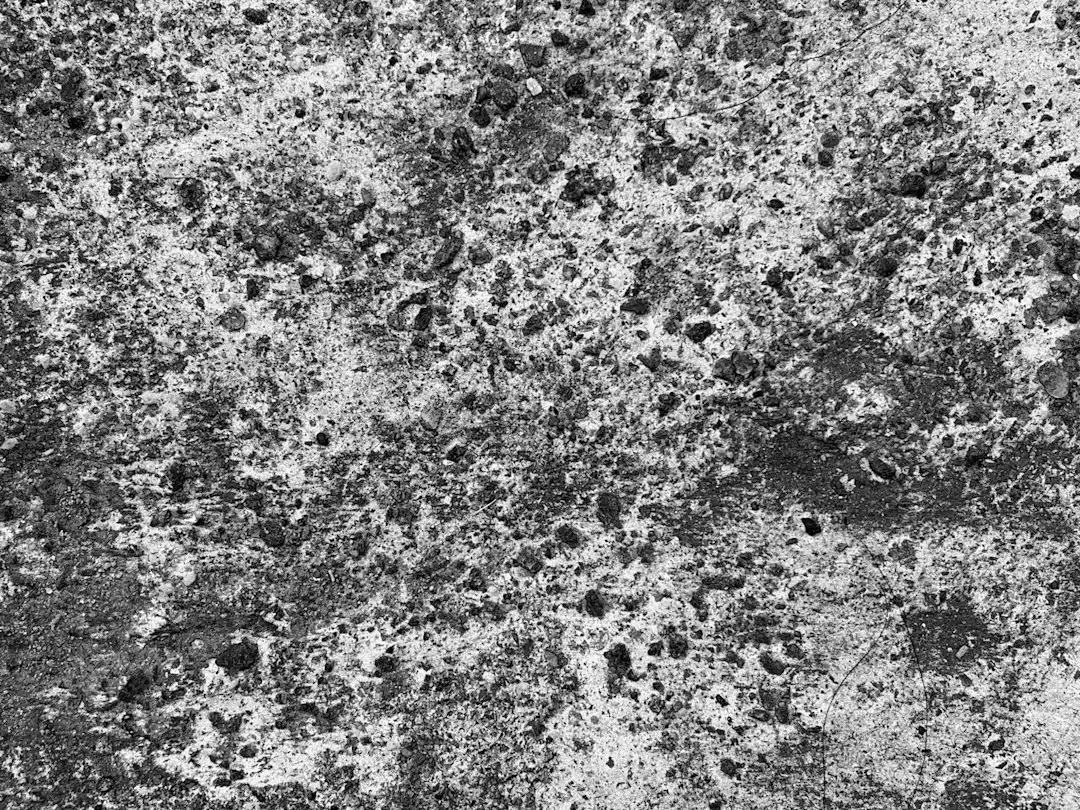
Popcorn texture scatters light in many directions at once, producing a softer, more diffused glow. In the mid-century home with incandescent bulbs and limited natural light, that mattered. A flat white ceiling reflects light harshly and can amplify glare, while a textured surface breaks it up gently. It was a subtle but real visual effect that homeowners appreciated at the time.
Many popcorn ceiling products contained minerals like vermiculite and perlite, both naturally fire-resistant. So beyond sound and light, the material also carried a mild fire-safety credential. A ceiling that resisted fire, dampened noise, and cost less to install checked a lot of boxes.
Asbestos Was a Core Ingredient for Decades
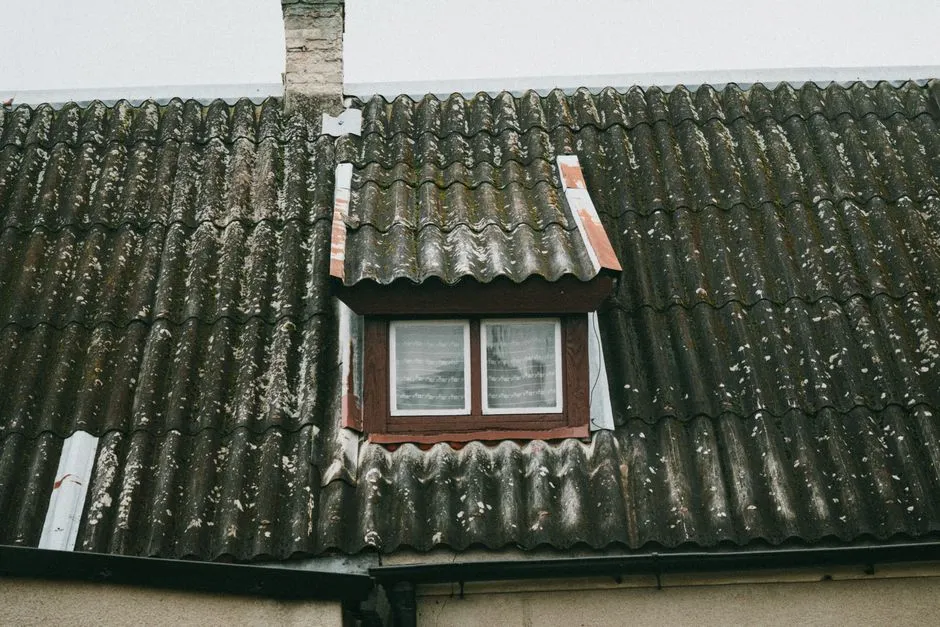
The popularity of acoustic texturing soared during the 1950s when asbestos-containing material was added as an ingredient due to its fireproofing properties. Asbestos was prized in construction at the time – it was cheap, abundant, and offered genuine fire resistance and durability. Nobody in the industry understood the full danger yet, and regulatory oversight was minimal. Asbestos was a common additive in spray-on ceiling texture through the mid-1970s, and in some products, chrysotile asbestos made up a staggering percentage of the material.
Popcorn ceilings installed before 1980 carry a significant asbestos risk since manufacturers routinely added chrysotile asbestos fibers to the texture compound, typically at concentrations between one and ten percent, to improve durability and fire resistance. That range made a difference. Some ceilings had a trace amount, others had far more. The problem was you couldn’t tell from a glance.
The Bans Came in Stages, Not All at Once

The ban was not a single event but a ten-year rolling retreat. Federal regulators took a gradual approach, which meant asbestos-containing popcorn ceilings kept going up long after the first restrictions were introduced. The EPA banned asbestos in spray-on ceiling materials in 1973, but manufacturers were allowed to sell existing inventory, so installations continued well into the mid-1980s.
In 1978, the EPA expanded that ban to cover all spray-applied surfacing materials, effectively ending the use of asbestos in decorative ceiling textures. Even so, the loophole for existing inventory kept the problem alive for years. The most significant recent action came on March 18, 2024, when the EPA finalized a ban on chrysotile asbestos, the last type still in active commercial use in the United States. The regulatory timeline stretched across five decades.
Millions of Homes Still Have It Today
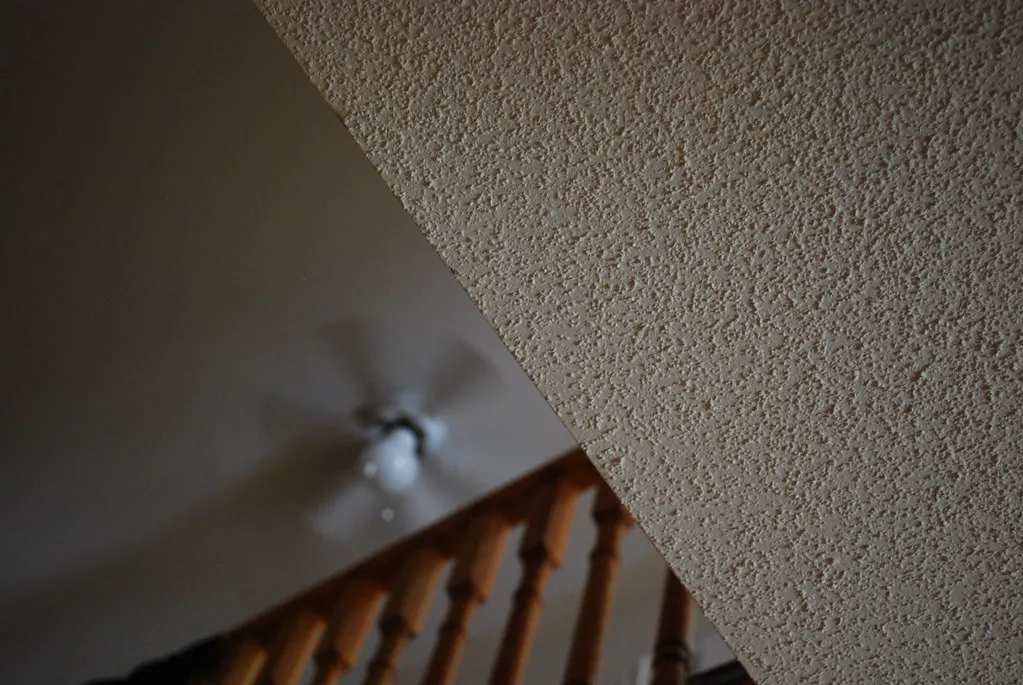
If your home was built or remodeled between roughly 1950 and 1985, there’s a good chance at least some ceilings were sprayed with texture at some point. That covers an enormous swath of the American housing stock. With over 40 million postwar homes originally fitted with the texture, removing them has become a cottage industry of its own.
Popcorn ceilings can still be found in older government buildings, schools, apartments, and private homes. The sheer volume of affected properties is part of why full removal has never been mandated by federal law. The ban did not require removal of existing asbestos ceilings, which is why so many homes still have them today. Out of sight, largely out of mind – until a renovation begins.
Removing It Carries Real Health and Legal Risks

Asbestos is a known carcinogen causing asbestosis, mesothelioma, and cancers of the lungs, larynx, and ovaries. When popcorn texture is left undisturbed, the risk is relatively contained. The danger spikes the moment someone scrapes, sands, or cuts into it. Visual inspection isn’t enough to confirm safety, and disturbing asbestos-containing material without assessment can violate EPA regulations while exposing you to serious health risks.
Unfortunately, asbestos-containing and non-asbestos popcorn ceilings look identical. While rough, lumpy, and irregular textures are characteristic of popcorn ceilings, they alone cannot confirm the presence of asbestos. Lab testing is the only reliable method. EPA, AHERA, and NIOSH all point to the same principle: professional testing before any disturbance is the single most protective step a homeowner can take.
It’s Now a Liability in the Real Estate Market
Popcorn ceilings are an outdated feature that is considered undesirable amongst most buyers. Removing a popcorn ceiling can increase your resale value. The texture that once signaled modern, affordable housing now signals the opposite. Since the mid-2000s, the popularity of textured popcorn ceilings has diminished significantly across North America. A trend toward more modern, clean-lined design features has influenced home improvement professionals to provide popcorn ceiling removal services.
Removing a popcorn ceiling can increase home value by adding around $2,500 to your home’s sale price, helping attract modern buyers. In higher-end markets, the stakes are bigger. One estimate suggests that removing a popcorn ceiling would add $25,000 to $35,000 in value for a large estate executive home. The return depends heavily on context, but the direction is consistent: smooth ceilings are worth more to today’s buyers.
The Final Takeaway
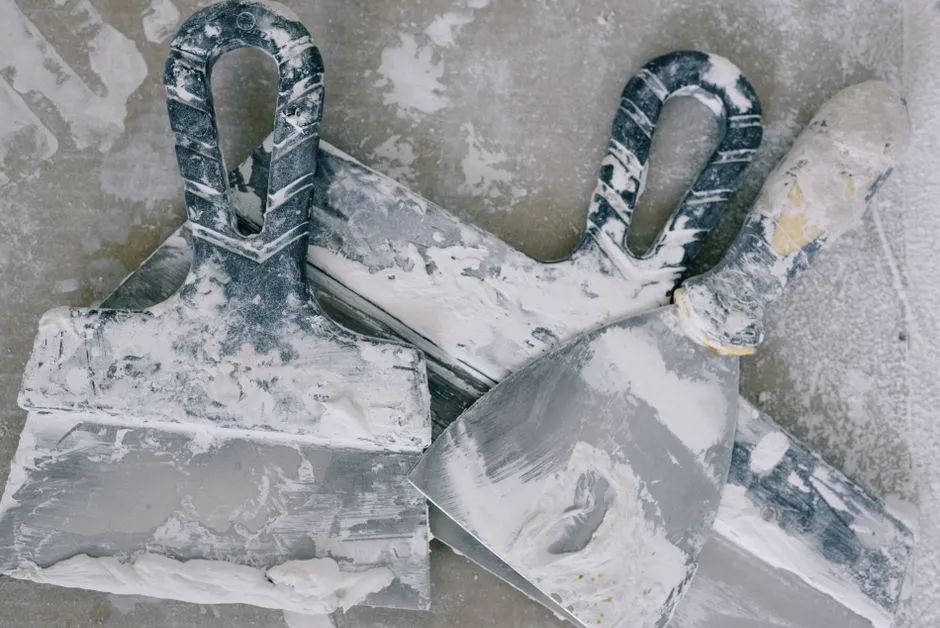
Popcorn ceilings weren’t a design trend that people loved and lost. They were a construction solution that made economic sense for a specific era, got used everywhere, and then quietly became a problem. The texture solved real issues – imperfect drywall, construction speed, modest acoustics – at a time when those tradeoffs seemed worth making.
Popcorn texture also proved to be a maintenance headache: it collected dust and cobwebs, yellowed from cigarette smoke, couldn’t be easily wiped clean, and was nearly impossible to patch invisibly if damaged. Over time, the drawbacks simply accumulated faster than the benefits. Removing popcorn texture became a common renovation project through the 1990s and 2000s, and today it’s one of the first things buyers and real estate agents flag in older homes.
What the ceiling above you says about your home’s history is worth knowing before you pick up a scraper. Test first, then decide. The texture may be old, but the asbestos underneath – if it’s there – isn’t going anywhere on its own.
AI Disclaimer: This article was created with the assistance of AI tools and reviewed by a human editor.