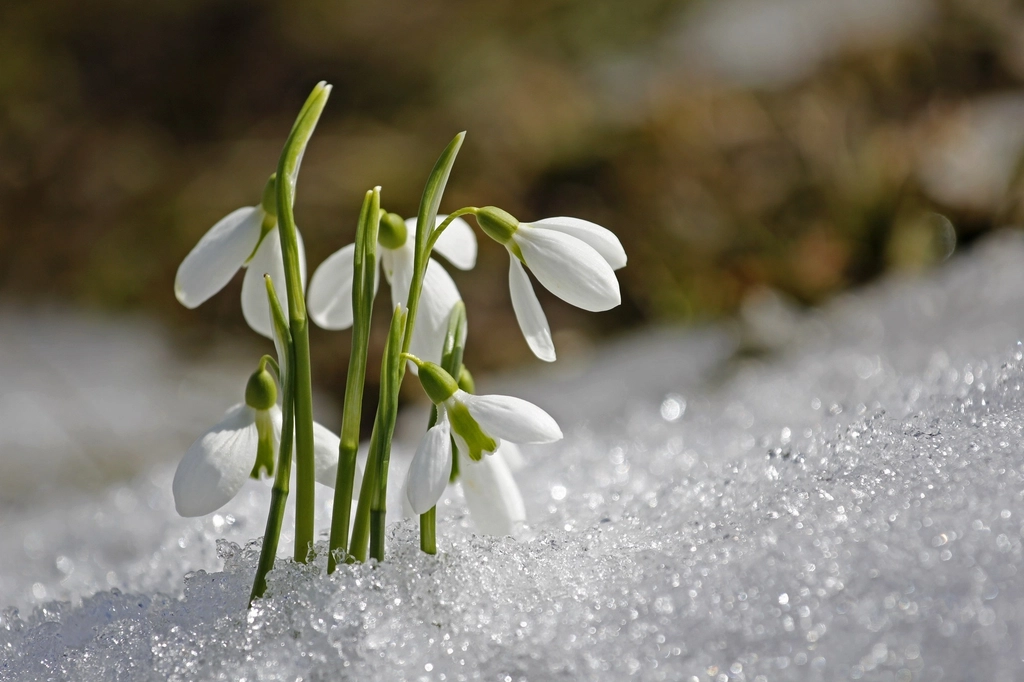

A Flower Built for Winter, Not Spring
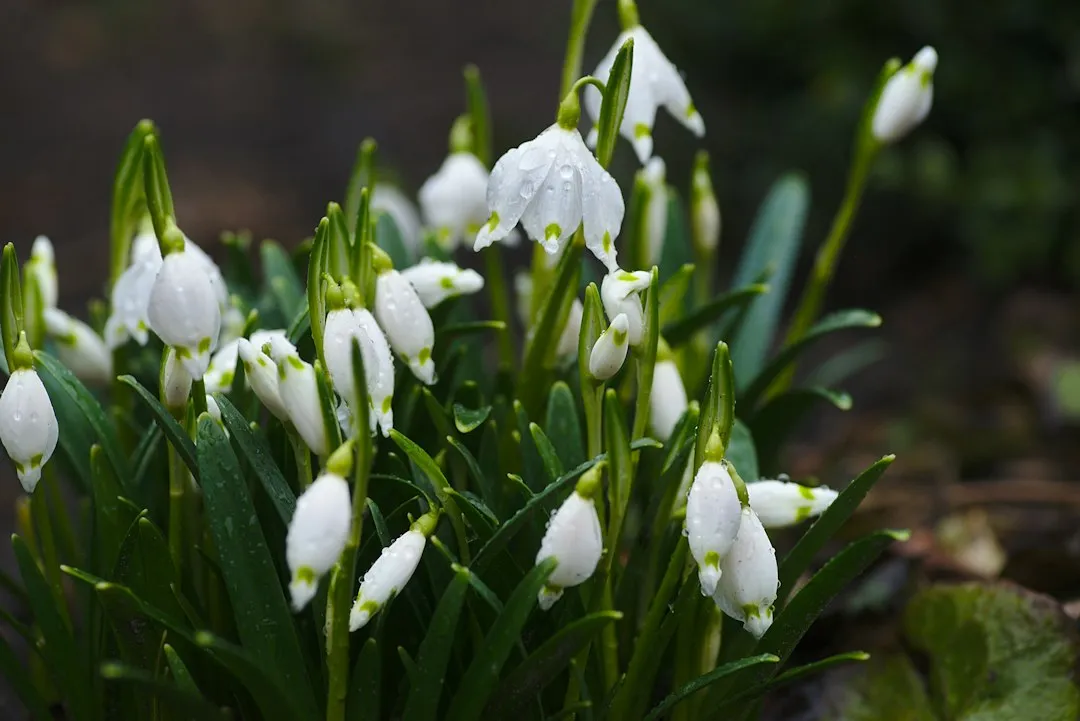
Snowdrops bloom in late January, February, or March, depending on the specific location and how cold a winter it is. Most flowering plants wouldn’t attempt this, and for good reason. Their incredibly early appearance requires that they sometimes grow in semi-frozen soil and withstand multiple snowfalls, and to accomplish these feats, snowdrops store an incredible amount of energy in their bulbs.
Standing at only 7 to 15 centimeters tall, snowdrops are rather small. Traditionally considered the first sign of spring, these droopy little plants have to be tough to withstand the cold temperatures of January and February, which many other flowering plants cannot. Their size is part of the design. Less mass means less energy required to push upward through resistant ground.
The Hardened Tips That Pierce Frozen Soil

The snowdrop’s resilience isn’t only symbolic; it’s built into the plant itself. Their sharp, hardened leaf tips are able to push through snow and frozen soil – the French word for the snowdrop, perce-neige, translates to “snow-piercer.”
For snowdrops to flower in the winter cold, they must first make it through the soil surface. For this, their leaves have specially hardened tips to puncture the frost layer and break out into the open. Here, it is even colder than below ground and the snowdrop must cope with frequent drops below zero.
Snowdrops have a small, simple, and sturdy structure that’s ideal for late winter conditions, along with leaves with hard tips that can easily break through frozen soil. It’s a mechanical solution as much as a biological one, the plant essentially using its own leaf tips as a drill bit.
Antifreeze Proteins: The Chemistry That Keeps Cells Alive
Plant tissue is often damaged or killed by ice crystals forming in the cells during freezing. However, many plants, including snowdrops, have antifreeze proteins that help inhibit ice crystals forming and limit their growth, protecting the plant cells from damage.
Snowdrops have evolved to produce specialized antifreeze proteins, known as AFPs. These proteins bind to small ice crystals forming inside the plant’s cells and physically stop them from growing larger. It is the large, jagged ice crystals that rupture cell walls and kill plants. By keeping the crystals microscopic, the snowdrop can freeze solid, droop flat against the ground, and then perk right back up as soon as the sun comes out, completely unharmed.
Glycoproteins: A More Specific Kind of Armor

This cold survival is made possible with antifreeze proteins, specifically glycoproteins, crammed into the plant tissue. These proteins prevent the formation and growth of ice crystals so that the tissue never freezes and instead thrives in conditions few other plants can.
Galanthus nivalis bulbs produce a natural antifreeze compound. This chemical, a type of lectin protein, lets the stem push through soil when ambient temperatures still hover near 28 degrees Fahrenheit, which is minus two Celsius. The flower literally breaks through ice.
Without these proteins, water inside the snowdrop would freeze and cause severe damage. This adaptation gives snowdrops an edge over other plants by allowing them to emerge earlier in the year, thus avoiding competition for light and other resources.
The Bulb: A Underground Energy Reserve

Snowdrops belong to the genus Galanthus, a small group of approximately 20 species within the Amaryllidaceae family. As true bulbs, they store energy underground, allowing them to initiate growth quickly when cold weather breaks.
Snowdrops store an incredible amount of energy in their bulbs. During the fall they also start pre-building next season’s roots and shoots. This means that when the conditions are barely survivable, the groundwork has already been laid months in advance. The plant doesn’t scramble in winter; it arrives prepared.
Thermogenesis: Generating Their Own Heat
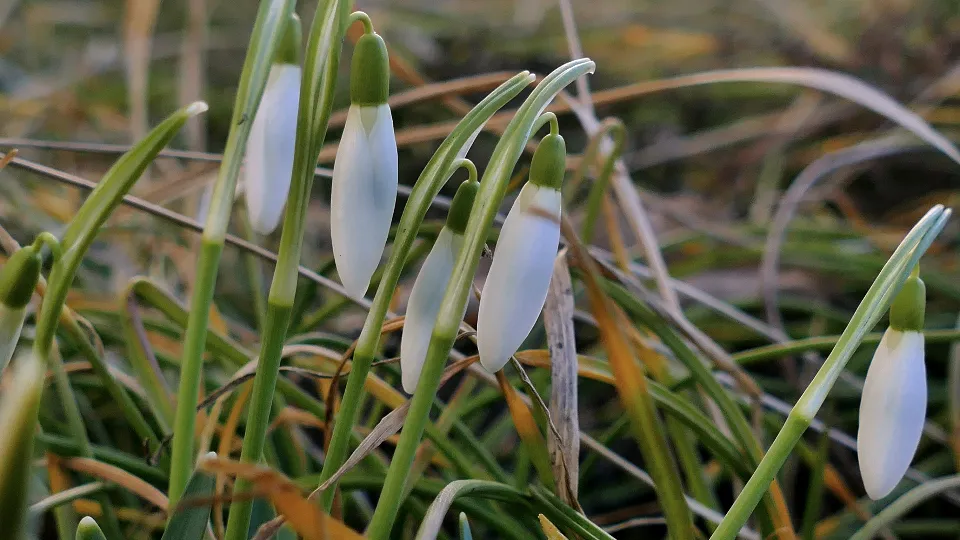
Some species of snowdrops can also generate small amounts of metabolic heat, a process known as thermogenesis, by rapidly breaking down stored starch. This isn’t the vigorous heat production you’d associate with large animals, but even a slight thermal advantage can make a meaningful difference at the cellular level.
Additionally, snowdrops generate a small amount of heat through a process called thermogenesis, which helps them melt the surrounding snow and emerge into the light. Combined with their antifreeze proteins, this creates a layered defense system that few other plants possess.
Responsive Petals and Temperature-Sensitive Movement

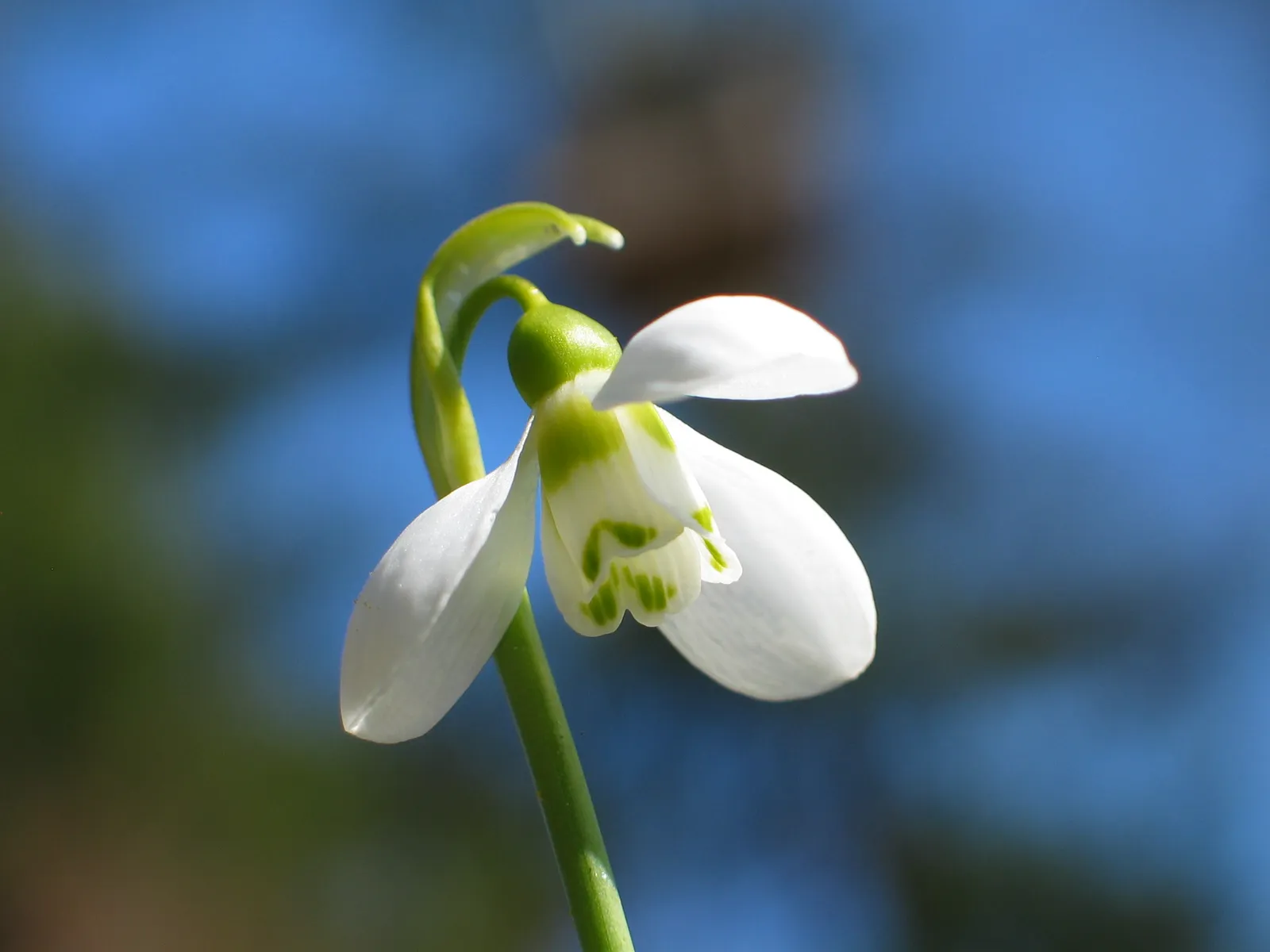
The outer segments of snowdrops move in response to changes in temperature. This is not incidental. The petals open in warmer daytime air and close again when temperatures drop, acting as a protective structure around the more delicate reproductive organs inside.
Snowdrop tepals face upwards in warm weather and downwards in cool weather. In cold spells you will often see snowdrops collapse to the ground, only to resurrect themselves once the temperature rises. That drooping appearance isn’t damage; it’s a deliberate posture that reduces exposure to harsh wind and cold.
Ecological Strategy: Winning by Going First
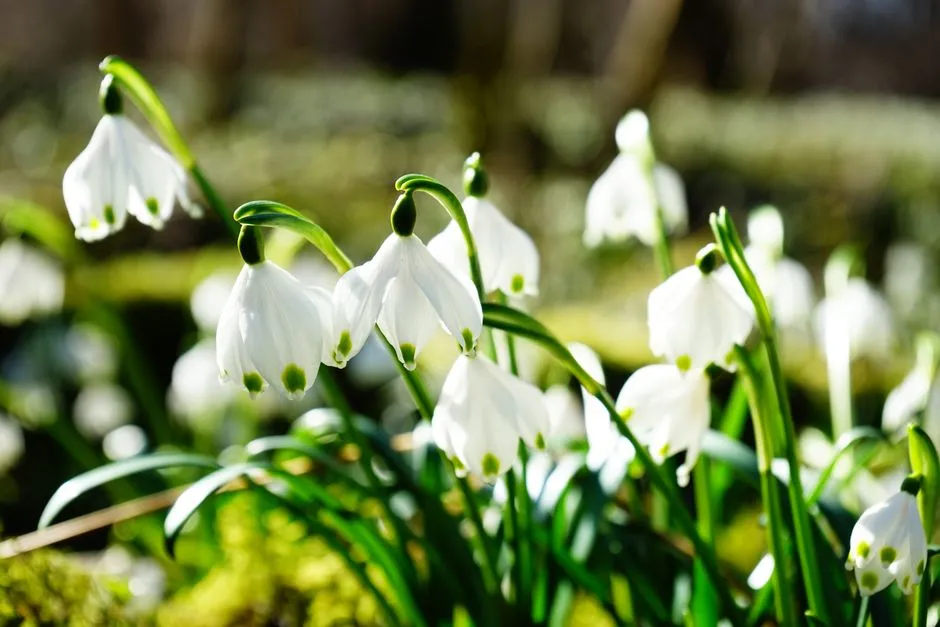
Insects emerging from hibernation early are desperate to find food in order to survive. Snowdrops provide this vital food source. However, they do not rely on pollinators to reproduce, spreading via bulb division. Nevertheless, they are appreciated by bees and other insects at a time when few other food sources are available.
The snowdrop has two routes to reproduction: sexual with pollen transfer via the flowers, and asexual through clonal propagation via bulbs, much like daffodils. This dual ability gives it freedom. When the snowdrop arrived in the UK, it left behind its associated winter-hardy pollinators, but reproduction via bulbs freed it from dependency on pollinators and seed production.
The Species and Their Diversity
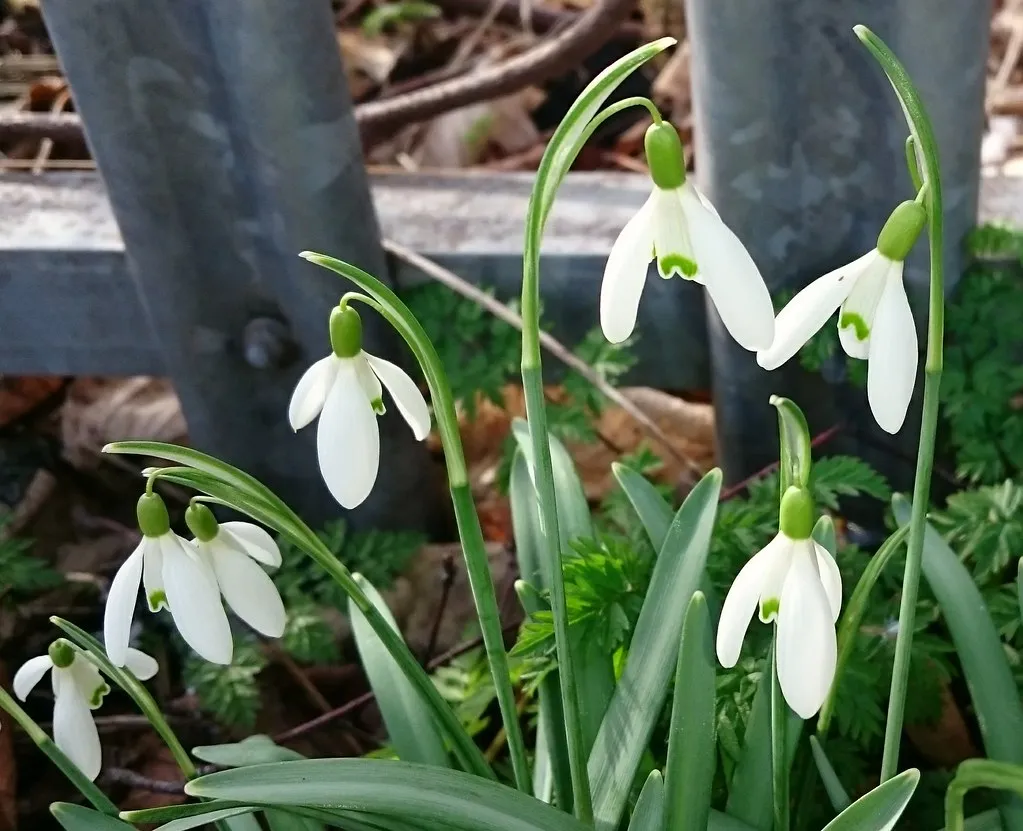
There are about 20 known species of snowdrop, native to Europe and the Middle East. Probably the most common species are Galanthus nivalis, Galanthus elwesii, and Galanthus plicatus. Many hybrid snowdrops have arisen from just these three species.
Carl Linnaeus, the Swedish botanist, formally classified the common snowdrop as Galanthus nivalis in 1753. The species name nivalis means “of the snow.” That naming decision captured the essence of the flower’s identity: small, white, and stubbornly alive in freezing weather. The genus name Galanthus itself comes from the Greek for “milk flower,” a reference to those clean white petals.
Medical Science Has Taken Notice

Numerous natural chemicals have been identified in the common snowdrop, including compounds with medical applications, such as galantamine and antifreeze proteins. Galantamine, a type of organic compound known as an alkaloid, is used to treat the symptoms of mild to moderately severe Alzheimer’s disease.
Galanthamine, a benzazepine alkaloid, is extracted from the Caucasian snowdrop Galanthus woronowii and bulbs of various species of the Amaryllidaceae family. It functions as a reversible, competitive inhibitor of acetylcholinesterase, a well-established therapeutic target in the treatment of Alzheimer’s disease.
Galantamine was approved for the indication of mild to moderate dementia of the Alzheimer’s type in 2001 and now has regulatory approval for this indication in at least 29 countries. The scalability of producing galantamine through heterologous systems remains a key challenge, but researchers are working to create efficient production platforms, paving the way for accessible and sustainable therapeutics for Alzheimer’s disease.
The Takeaway
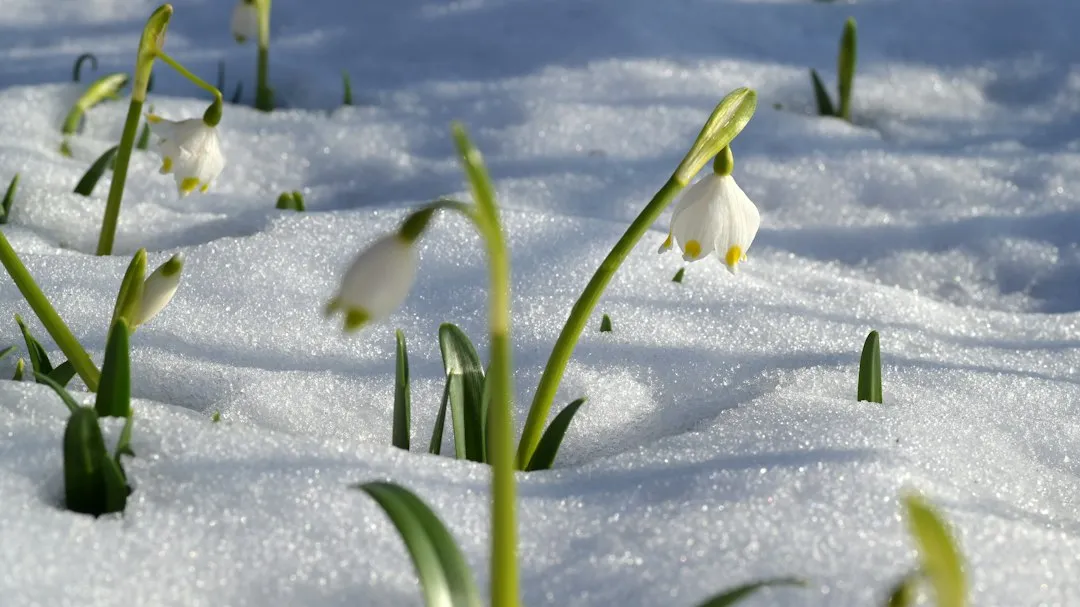
The snowdrop doesn’t push through frozen ground by accident or through some vague seasonal impulse. It does so because of a precise, layered set of biological tools: hardened leaf tips engineered to pierce ice, antifreeze glycoproteins working at the cellular level, energy reserves built up underground since autumn, and even a measured ability to generate warmth.
As climate change drives increasingly erratic weather patterns, it’s even more important for these hardy plants to provide food for pollinators. The common snowdrop is listed as Near Threatened on the global IUCN Red List of Threatened Species, which adds some weight to that point.
What looks like a fragile winter ornament is, in reality, one of the more sophisticated survival machines in the plant kingdom. The lesson it offers isn’t sentimental. It’s structural: build your reserves before the cold arrives, protect what matters at the cellular level, and move when others won’t.
AI Disclaimer: This article was created with the assistance of AI tools and reviewed by a human editor.