
The Numbers Tell a Clear Story
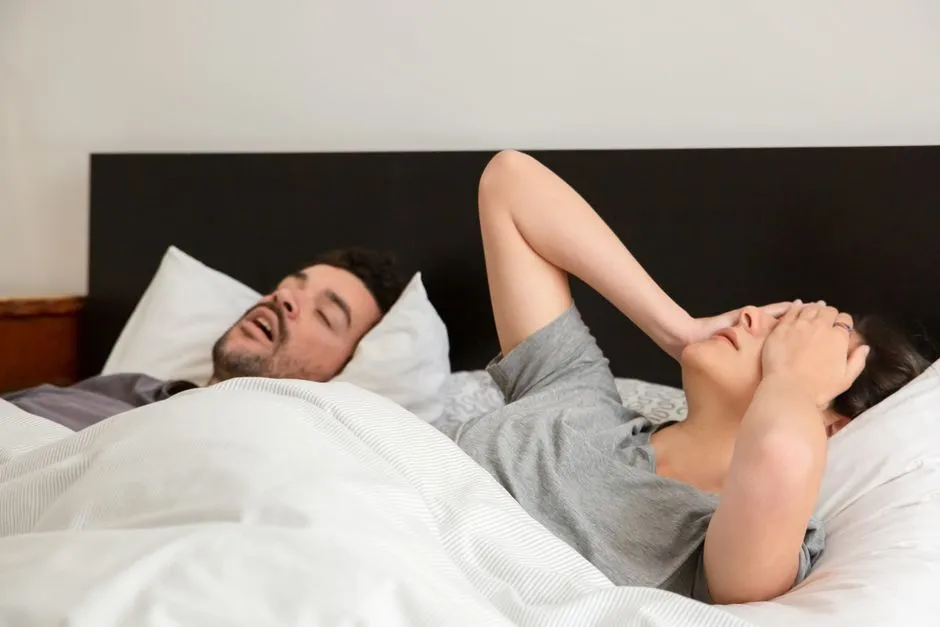
Roughly one in three adults snores regularly, and most don’t take it seriously until a partner does. That’s already a significant portion of the adult population, but the real shift happens as people move into their 50s and 60s.
Some sources show that fewer than 10% of 17 to 29 year olds say they frequently snore, while more than 40% of over-50s do. That’s a steep climb over a few decades. By the time adults reach their early 60s, those figures climb sharply, with roughly 60% of men and 40% of women aged 60 to 65 snoring habitually (Kim et al., 2023).
A study found that around 58% of snorers are aged between 50 and 59, making that decade the statistical peak. The pattern is consistent across large-scale studies, even across different ethnicities and healthcare systems.
Throat Muscles Lose Their Tone Over Time
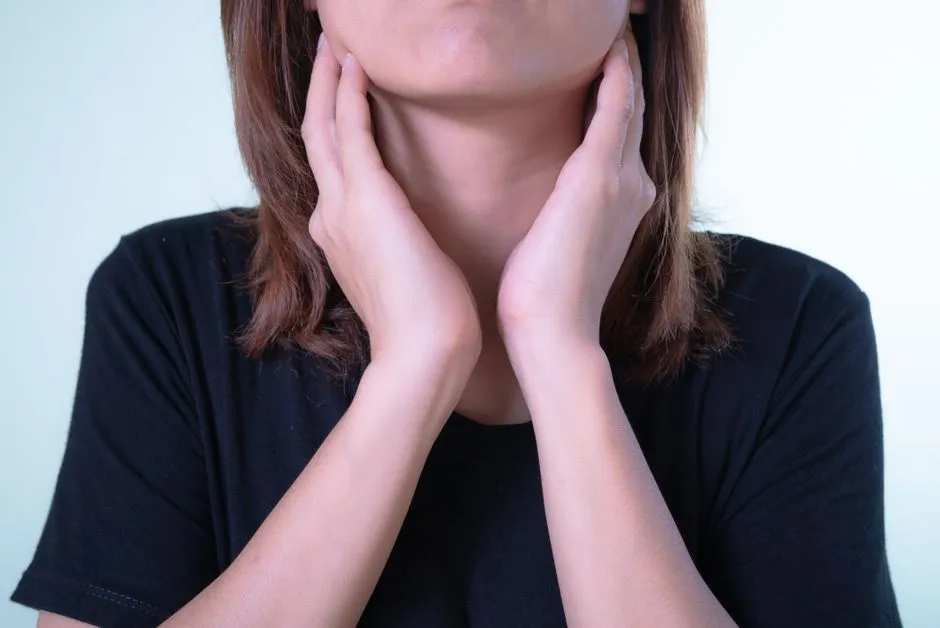
As we age, the muscles throughout the body naturally lose some strength and tone, including the muscles in the throat and airway that help keep breathing passages open during sleep. This is not optional, and it can’t be prevented by willpower alone.
When these muscles relax too much, the airway can narrow or partially collapse, making it easier for vibrations to occur as air moves through. Reduced muscle tone is one of the most common reasons snoring becomes more noticeable with age.
As one reaches middle age, the muscle tone in the throat gradually weakens or relaxes, increasing airflow and mucosal friction in the airway, leading to snoring. Think of it like a garden hose with a partially kinked section. The narrower the passage, the louder the turbulence.
Weight Gain Around the Neck Changes Everything

The pattern of weight gain changes as we get older, and people often gain weight around the neck. This makes the airway narrower when lying down at night, making it harder to breathe properly.
A larger neck circumference, generally over 17 inches for men and 16 inches for women, is a stronger predictor of snoring than general obesity. Fat deposits in this specific area directly compress the throat and narrow the airway.
This pressure can make the airway more likely to narrow during sleep, increasing both the frequency and intensity of snoring. As metabolism slows with age, maintaining a consistent weight can become more challenging, which may play a role in worsening symptoms.
Hormonal Changes in Women Are a Major Driver

Many women snore as they age, especially at the beginning of menopause, due to changes in hormone levels. Estrogen is essential for muscle and cell health, and when the female sex hormone is depleted, muscles tend to soften and lose their elasticity and form.
Menopause-related sleep apnea is a breathing disorder caused by the decline of estrogen and progesterone, which normally maintain the muscle tone of the throat. Clinical evidence supports that menopausal status is associated with visceral fat accumulation and the prevalence of obstructive sleep apnea symptoms (Wang et al., 2025).
According to researchers at the Johns Hopkins Sleep Disorders Center, postmenopausal women are two to three times more likely than premenopausal women to have sleep apnea. Women who develop sleep apnea after menopause also tend to experience more severe symptoms compared to younger women.
How Sleep Architecture Shifts With Age
Sleep patterns often shift as we get older. Many people spend more time in lighter stages of sleep and may wake more frequently throughout the night. These lighter sleep stages matter more than most people realize when it comes to airway control.
Our sleep changes as we age. We find it harder to fall asleep and stay there, get less sleep in general, and crucially, we’re likely to snore more. The body’s ability to regulate muscle activity during sleep also declines, which means the throat is less protected even during the same positions that were harmless years before.
Menopausal women often experience changes in sleep patterns, including more frequent awakenings and reduced deep sleep, which can exacerbate the symptoms of obstructive sleep apnea. The relationship between poor sleep quality and snoring is genuinely bidirectional. Each one feeds the other.
Alcohol Becomes a Bigger Problem With Age

A drink might help you fall asleep faster, but alcohol is a potent muscle relaxant. It causes the throat muscles to collapse much more easily, drastically worsening snoring and fragmenting sleep later in the night.
Older adults are more sensitive to alcohol’s sedative effects, and the underlying muscle tone in their airways is already reduced compared to younger adults. Even the same amount of alcohol consumed at 55 produces a notably different effect on the airway than it would have at 30.
Both smoking and drinking can damage the airway smooth muscles and mucosa, dull the autonomic nervous system’s response, and cause respiratory muscles to relax, leading to snoring during sleep. These effects don’t diminish with age. They compound.
Snoring Is Linked to Serious Health Risks

People with the common sleep disorder apnea, which has hundreds of millions of sufferers worldwide, are five times likelier to develop atrial fibrillation. That figure puts snoring in a different category than mere social nuisance.
The condition is already known to heighten the risk of serious health problems such as high blood pressure, type 2 diabetes, and depression, and researchers have uncovered further evidence about its impact on the heart, showing it significantly raises the risk of atrial fibrillation and stroke.
Snoring may be associated with obstructive sleep apnea and cardiometabolic diseases, and it is also associated with vascular damage, possibly through hypoxia-related inflammation and oxidative stress, as well as pressure waves from snoring vibrations transmitted to the carotid arterial wall. Those are not trivial mechanisms.
Sleeping Position Gets Harder to Control

Sleeping in certain positions, such as on the back, can make snoring worse. Younger people often naturally shift positions during the night without thinking about it. Older adults tend to move less during sleep, spending longer stretches in whatever position they settled into.
Gravity does real work here. When lying flat on the back, the tongue and soft palate fall backward toward the throat, narrowing the passage significantly. With less muscle tone to resist that pull, the airway becomes far easier to obstruct, even partially.
The back-sleeping position is thought to contribute to the majority of snoring episodes in adults. For older individuals with already-reduced muscle tone, it can transform light snoring into something louder and more disruptive. Side sleeping remains one of the simplest behavioral adjustments anyone can make.
When Snoring Crosses Into Sleep Apnea

For many, this escalation isn’t merely about noise. It signals a transition into obstructive sleep apnea, a serious condition where breathing stops intermittently during sleep. The boundary between simple snoring and sleep apnea isn’t always obvious from the outside.
A 2025 analysis projected over 80 million adults aged 20 and older in the U.S. to have obstructive sleep apnea. Older adults account for a disproportionately large share of that number. The physiological changes that come with aging, muscle loss, weight gain, hormonal shifts, are the same ones that push simple snoring toward clinical disorder.
Self-reported snoring behaves in a predictable manner, increasing with age, being more pronounced in men, and correlating with various cardiometabolic conditions. The fact that it’s predictable doesn’t make it inevitable. Identifying it early gives people real options.
What the Evidence Says About Managing It

Men snore more often than women for most of adult life, but the gap narrows significantly with age. Both sexes see snoring rates climb steadily until the 50 to 59 age window, which is the peak decade for snoring prevalence. Knowing when the risk is highest makes it easier to act before symptoms become severe.
Snoring is significantly associated with male sex, old age, increased body mass index, and cigarette consumption. Most of those factors are modifiable, at least partially. Weight management, sleep position, alcohol reduction, and stopping smoking all have evidence behind them as meaningful interventions.
For more severe cases, clinically proven options range from oral appliance therapy to continuous positive airway pressure devices. Neither is a cure, but both address the underlying airway mechanics. The first step, though, is recognizing that worsening snoring is a physiological signal worth paying attention to, not just an inconvenience to sleep through.
The Takeaway

Snoring that gradually gets louder or more frequent with age is not simply “getting older.” It reflects a collection of real anatomical, hormonal, and behavioral changes that build over time. It’s a sign that there’s an obstruction in breathing, caused by the narrowing of the airway during sleep and the muscles of the throat relaxing too much.
The research is clear that age is one of the strongest and most consistent predictors of habitual snoring. That doesn’t mean nothing can be done. It means the window to take it seriously is wide open, and earlier action tends to produce better outcomes than waiting until a partner reaches their limit.
The body gives plenty of signals as it ages. Snoring is one of the louder ones. Worth listening to.
AI Disclaimer: This article was created with the assistance of AI tools and reviewed by a human editor.