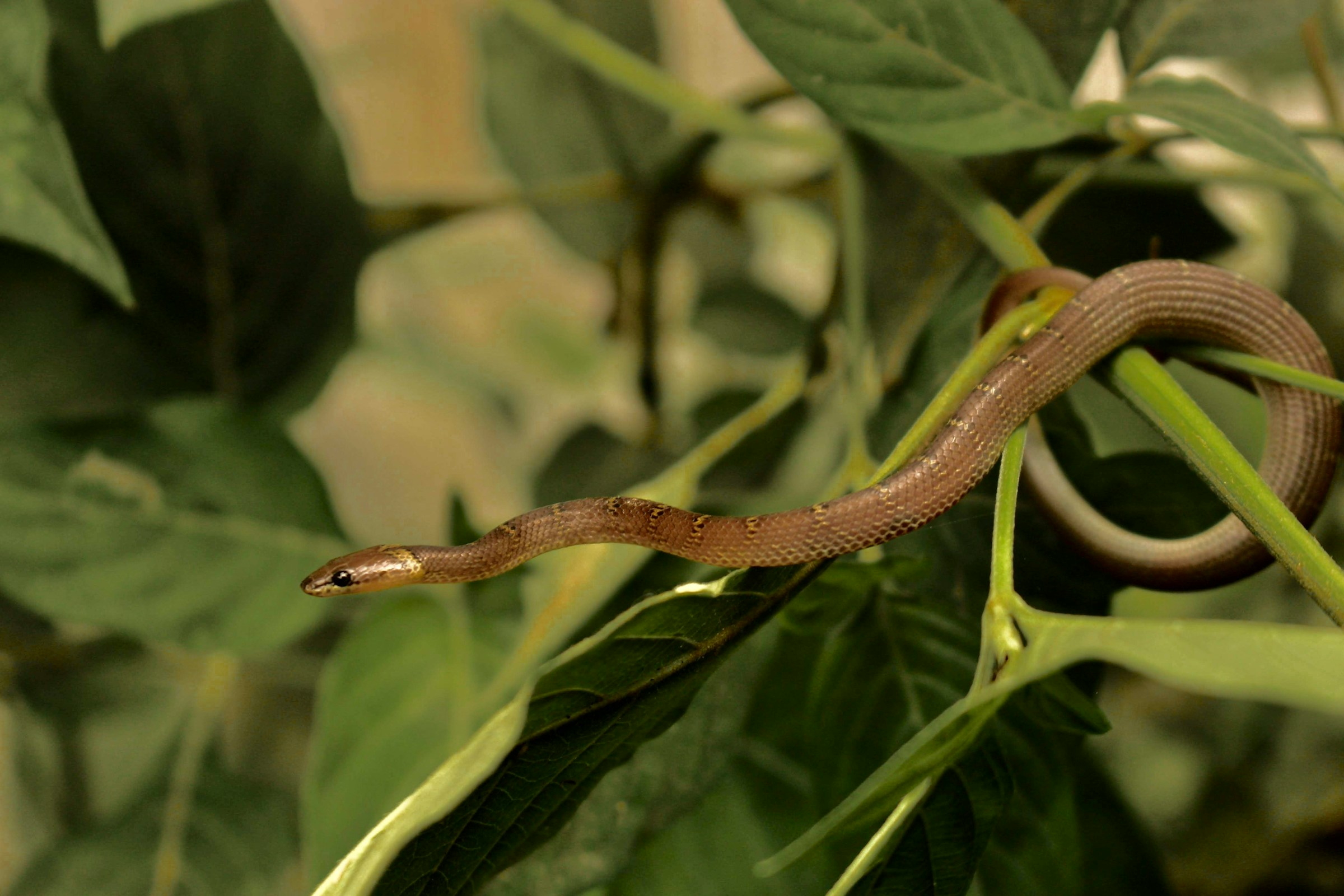

Most homeowners never think much about snakes until they spot one curled beside the garden hose or cutting across the lawn. Then the question hits: where did they all come from? The timing rarely feels random, and as it turns out, it isn’t. There’s a narrow window each spring when snake encounters in residential yards jump noticeably, and the reasons behind it have everything to do with biology, temperature, and the rhythms of the natural world pressing against the edges of our neighborhoods.
The Role of Brumation: Not Quite Hibernation
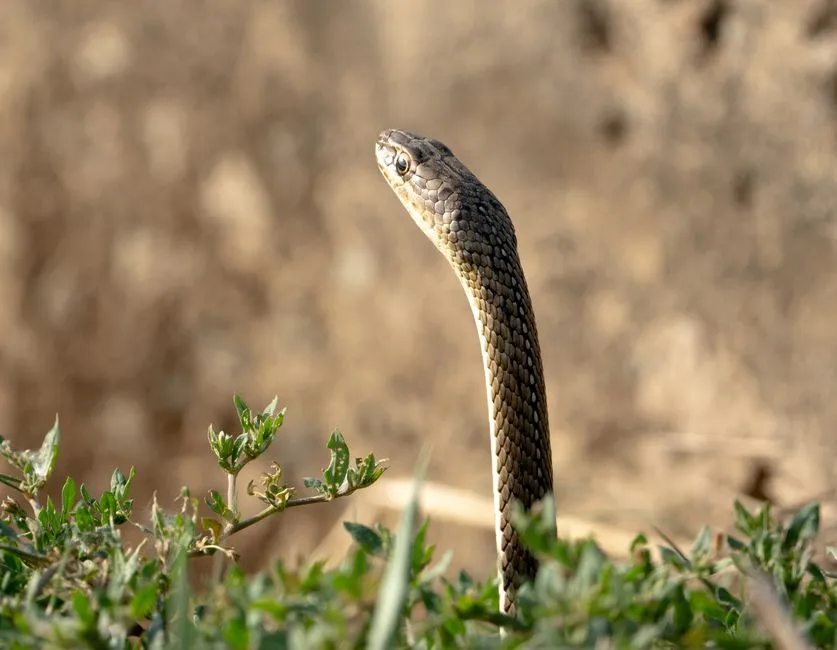
Spring is the season when snakes emerge from their winter brumation, a state of sluggishness during winter that is not as deep as hibernation. Unlike true hibernation in mammals, brumation doesn’t fully shut snakes down. They can still move on warmer days, but they stay mostly underground until conditions consistently improve.
Seasonally colder periods in temperate regions expose reptiles to temperatures exceeding their critical thermal minima, and a common strategy to survive such critically low temperatures is to retreat into subterranean refugia until external conditions become suitable for activity. Once those conditions finally arrive in spring, snakes emerge quickly and all at once, making the timing feel sudden to anyone who wasn’t watching for it.
The Temperature Trigger: Why a Single Warm Week Changes Everything
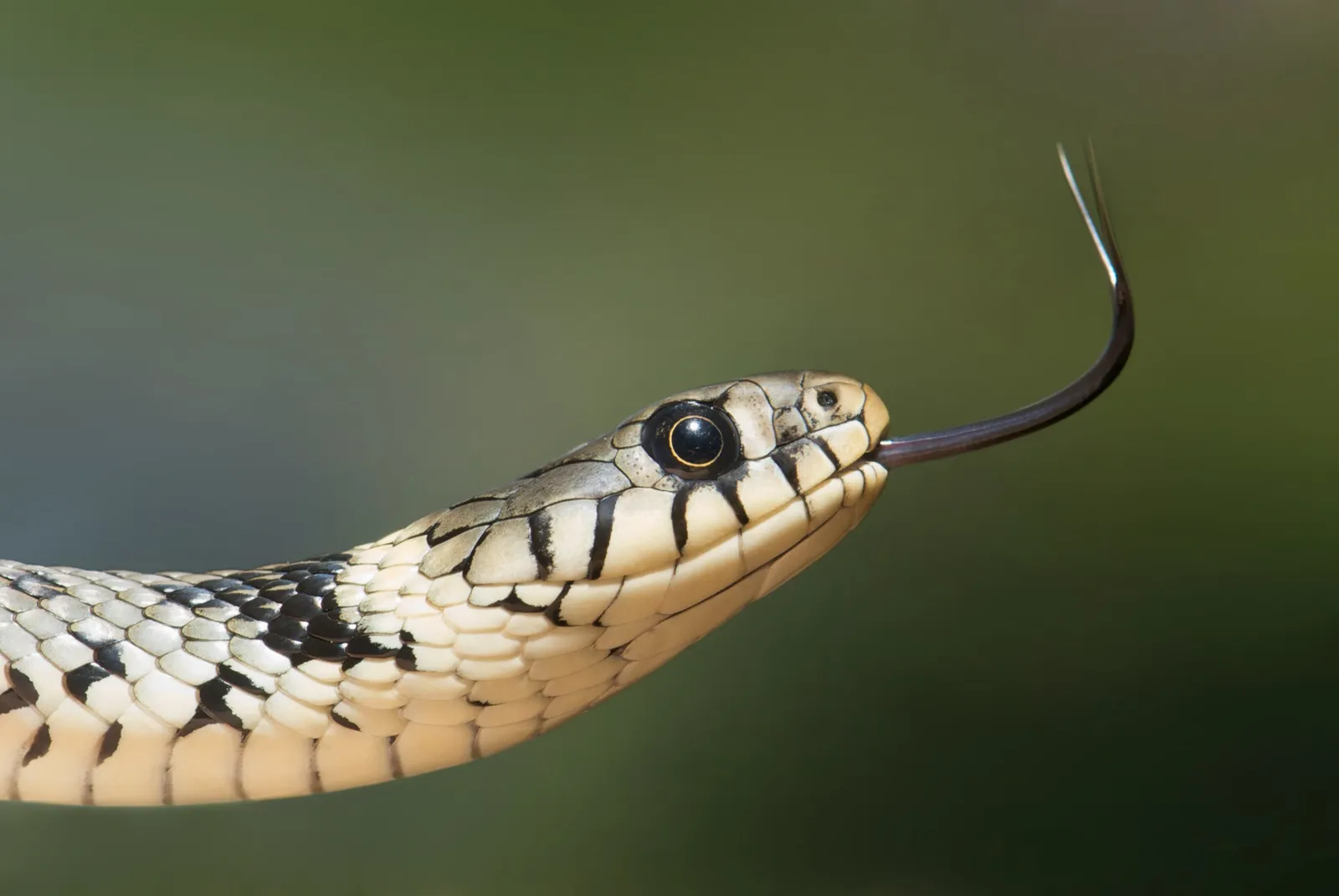
Snakes wake up from their dormancy when temperatures rise above 60 degrees, with two things in mind: food and mating. That threshold matters more than the calendar date. A week of sustained warmth in late March or early April can act like a starting gun for snake activity across an entire region.
Significantly more snakes emerge on days with high maximum air temperatures, which is why a string of warm, sunny afternoons tends to produce a visible surge in sightings almost overnight. The most reliable model for predicting surface presence included the additive effects of maximum daily temperature, accumulated degree days, and latitude, and this model accurately predicted the average emergence day for multiple populations, emphasizing the importance of temperature in influencing phenological patterns.
April: The Peak Month Backed by Data
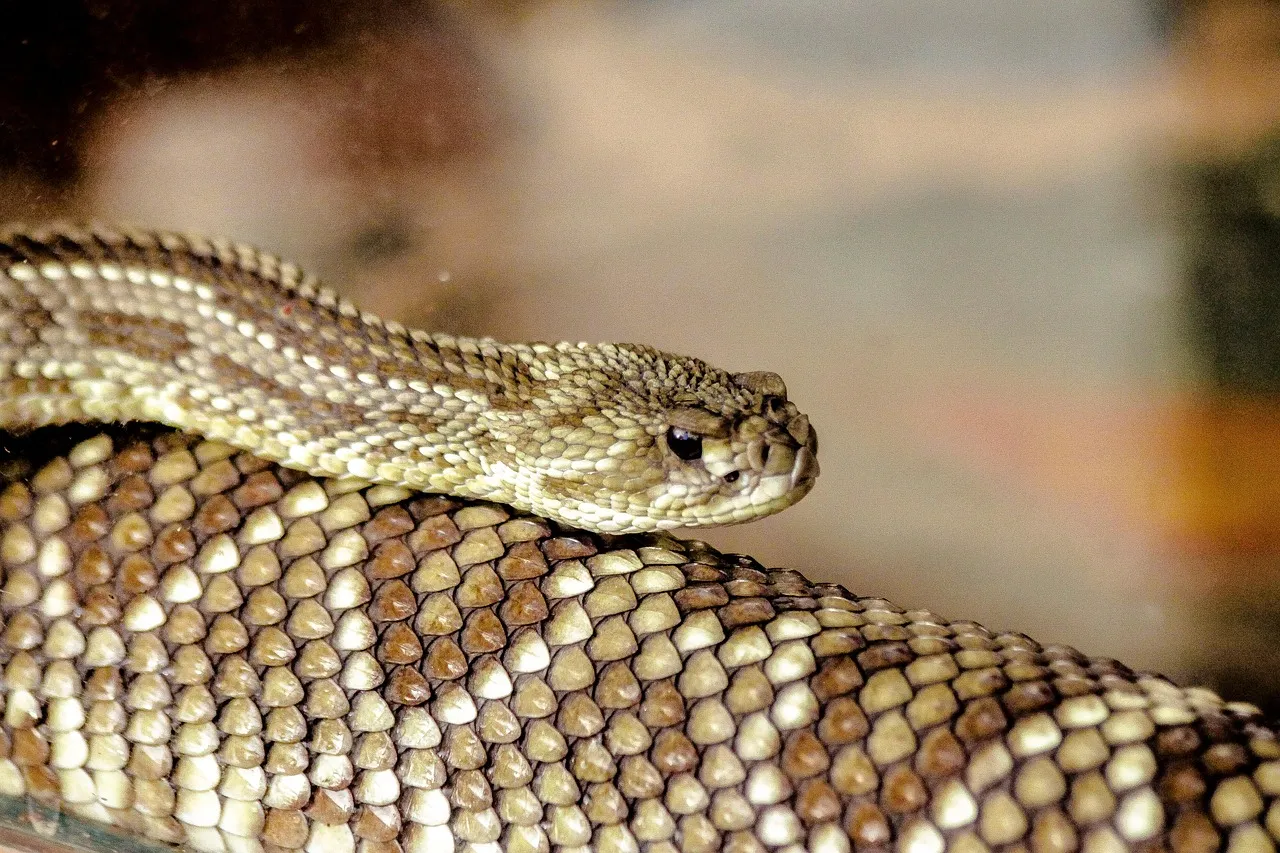
Warmer weather in spring draws both people and wildlife out, a combination that makes snake sightings much more common in April than any other time of the year. This isn’t just casual observation. Research and wildlife tracking consistently point to the same window.
Across all years studied, the mean date of peak captures of rattlesnakes occurred on April 23rd. That’s a strikingly precise date, and it lines up with similar peak patterns reported for other species. By April, rattlesnake activity is very high and sightings become common, as snakes have entirely left their dens and encounters are more likely to be random.
Mating Season Drives Snakes Into the Open
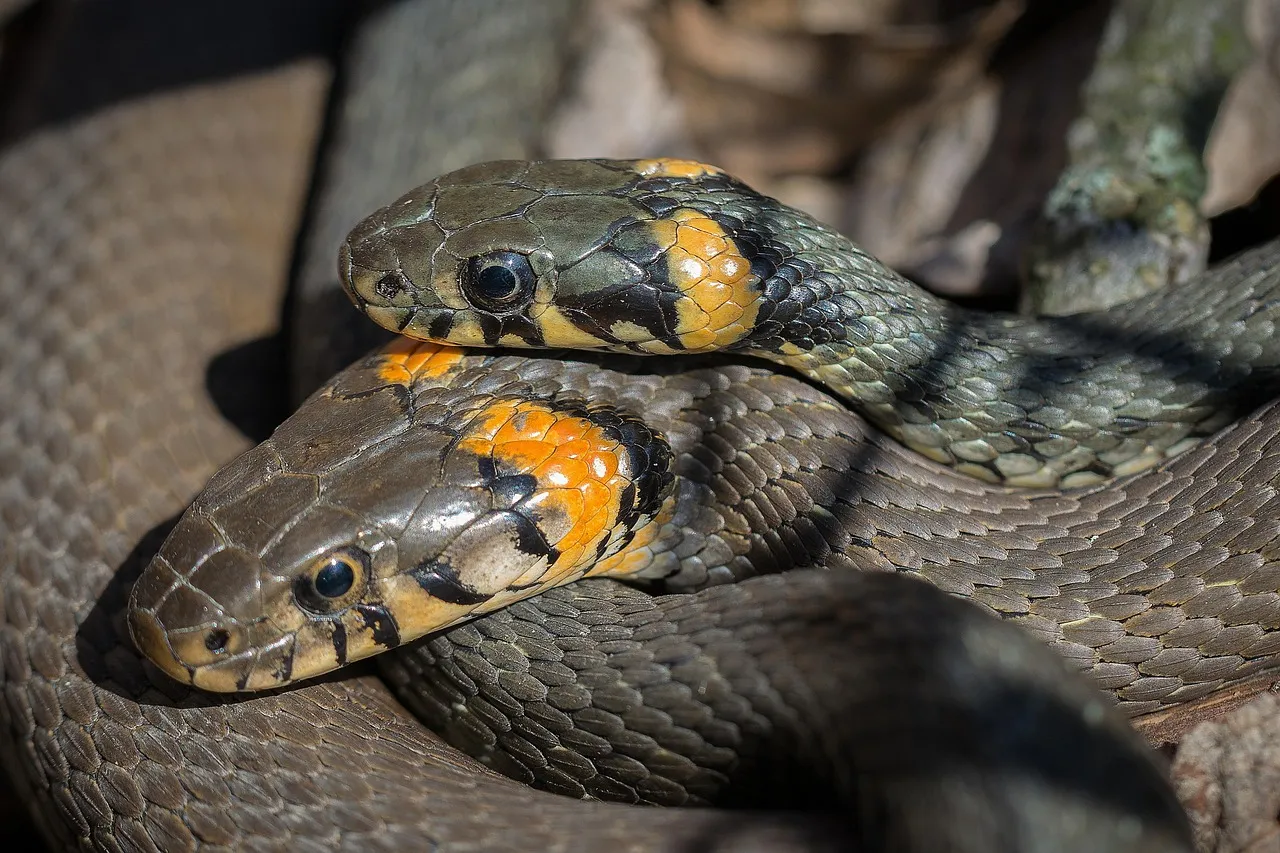
Spring is their primary mating season, and male snakes travel far and wide across neighborhoods to track down females with which to mate. During warm, sunny spring days, many homeowners have their first sightings of the year as snake season begins in earnest.
For most species, snakes breed in the springtime. Between March and May, temperatures rise and food becomes more plentiful, and mating season can last anywhere from a few weeks to a few months, depending on the species. Increased movement means snakes travel longer distances in search of mates, and typically shy species may become bolder and more visible during this period.
Food Scarcity After Winter Pushes Them into Yards
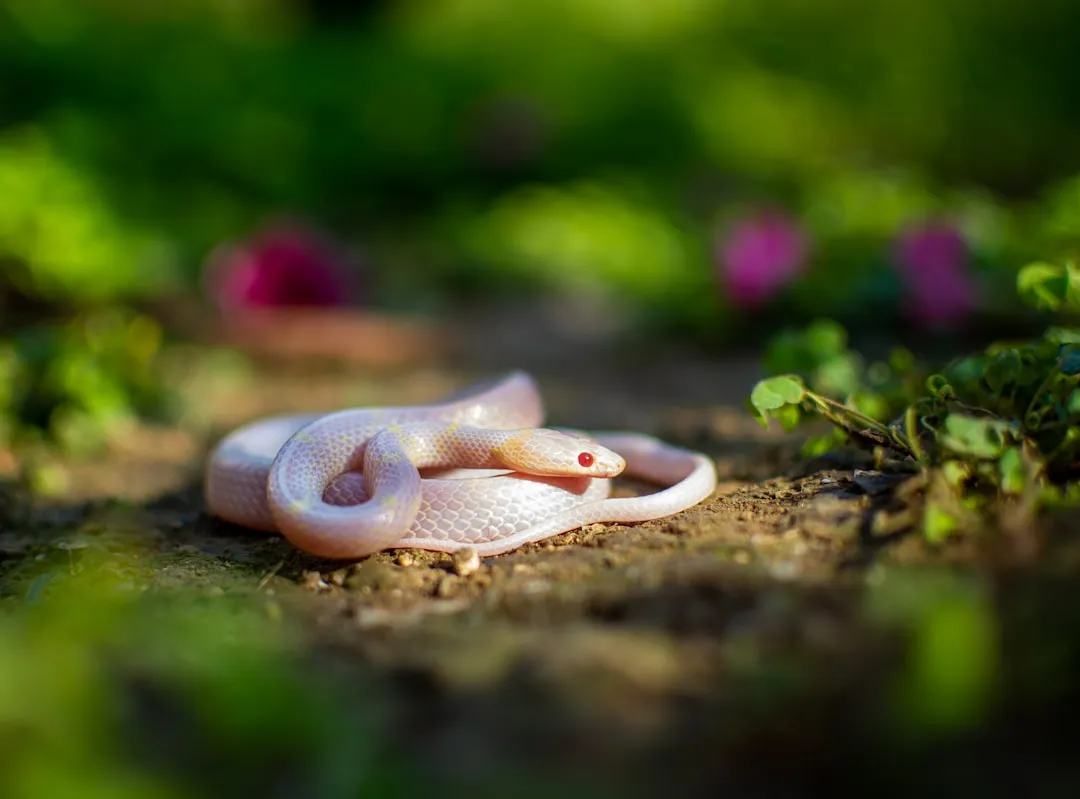
Spring is one of the busiest times of the year for snakes. After remaining relatively inactive during colder periods, they begin searching for food, and that increase in movement often leads to more sightings, especially in areas where people live.
Snakes come to yards for the same reasons other animals do: for food, water, and shelter. Residential yards often offer an abundance of all three, from bird feeders that attract mice, to garden beds that shelter frogs and lizards, to decorative rocks that hold warmth. Just as snakes begin looking for food and mates, homeowners are more active in planting gardens and landscaping their yards, which means both parties are outside at the same time.
More People Outside Means More Encounters, Not More Snakes
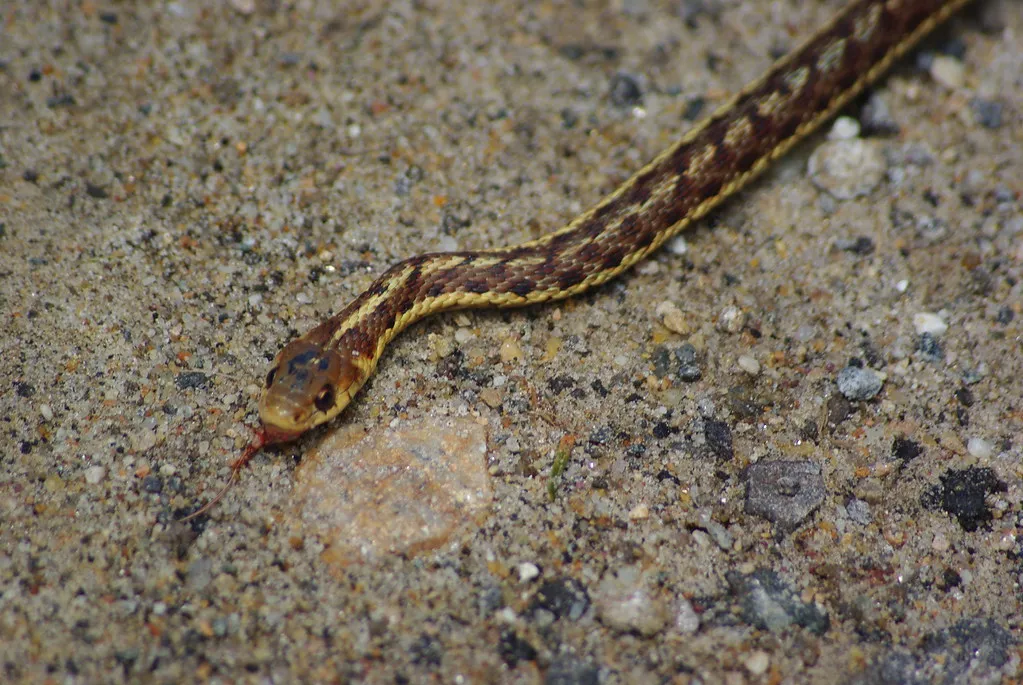
An increase in snake encounters doesn’t necessarily mean there are more snakes than usual. Instead, they are simply more visible as they move around more frequently in search of resources. This distinction matters and is easy to miss when a week suddenly feels full of snake stories from the neighborhood.
Warmer temperatures mean more people on hiking trails or doing yard work, but also mean an increase in snake sightings. The overlap is almost perfectly timed. Snakes are at peak movement, and humans are back outdoors after months of winter. The result is inevitably more face-to-face moments, even if snake populations haven’t changed at all.
Early Emergence Is Shifting Due to Climate Patterns
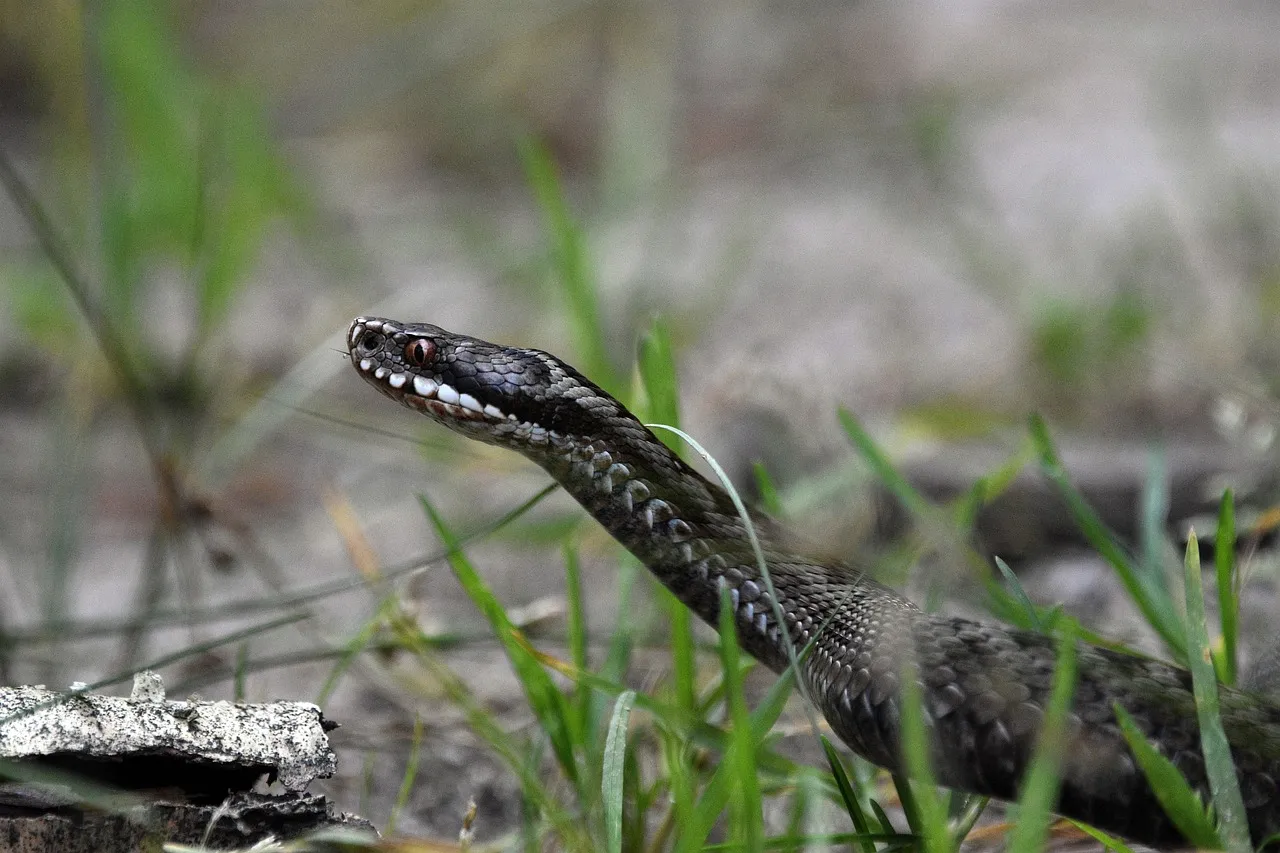
Research data suggests that grass snakes now emerge from hibernation approximately 10 days earlier in spring than they did 60 years ago, in line with climate warming permitting a longer annual period of foraging activity. A shift of that scale compresses the timeline for homeowners, meaning the spike in sightings can arrive earlier than many people expect.
Observations of earlier spring emergence of Great Basin rattlesnakes are consistent with predictions of a warmer and earlier spring. This doesn’t mean panic is warranted, but it does mean that the traditional mental calendar of “watch out in May” may be running a few weeks behind what’s actually happening in many parts of the country.
The Week’s Landscape: What Draws Snakes Specifically to Your Yard
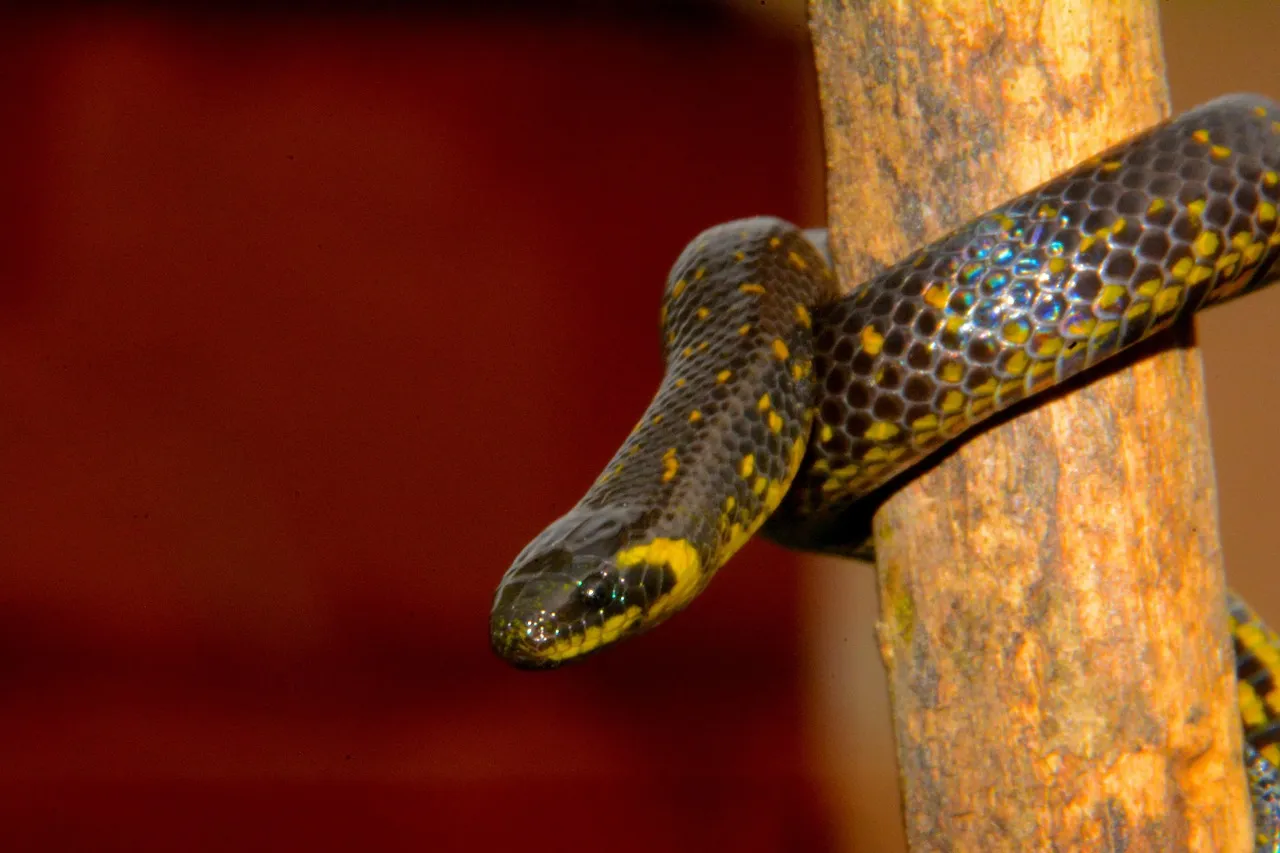
Eliminating hiding spaces that snakes like to hang out in can help keep a yard snake-free. Things like brush piles and items covering the ground tend to attract snakes. Freshly turned garden soil, low rock walls, and dense ground cover all create exactly the kind of warm, sheltered microhabitats that snakes seek out as they first emerge.
Another way to decrease the likelihood of snakes on your property is to eliminate their food source, like mice and rats. A yard that supports a healthy rodent population is effectively advertising itself to every hungry snake within range. That connection is especially direct during early spring, when snakes are depleted after months of dormancy and motivated to feed quickly.
Most Species You’ll See Are Harmless
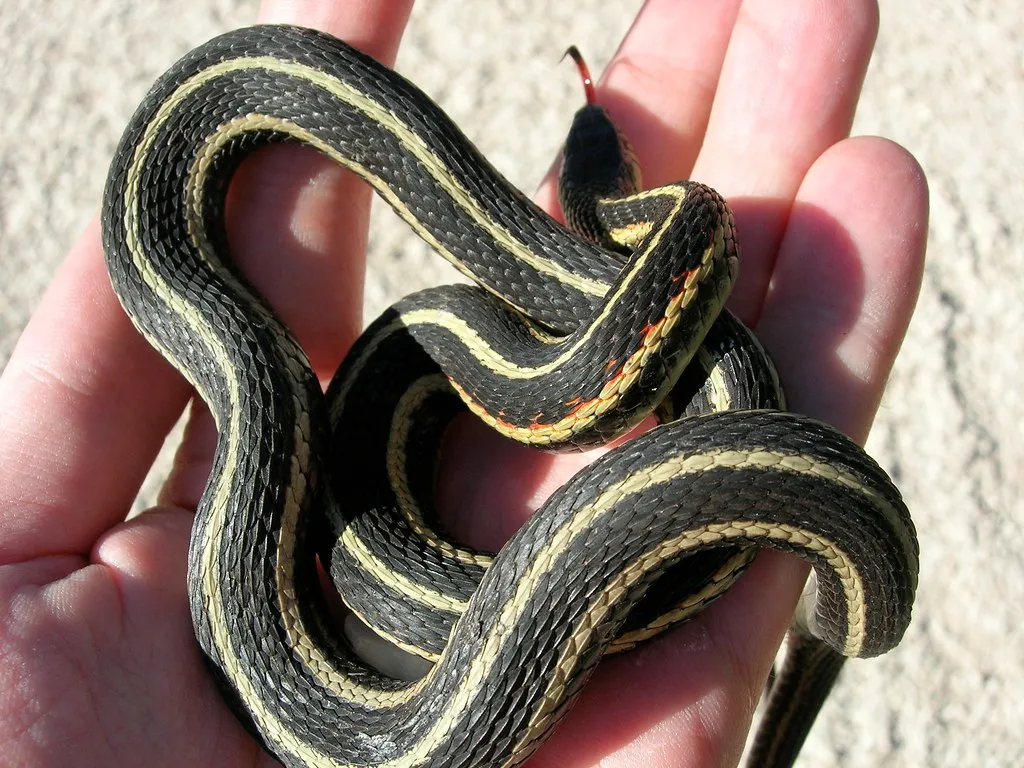
With spring, a variety of wildlife species become active and visible in and around homes, yards, and gardens, including snakes. While some species can be dangerously venomous to humans, the majority of snake species are nonvenomous and completely harmless. Rat snakes, corn snakes, black racers, and garter snakes make up the bulk of what most homeowners encounter.
In many areas, the eastern garter snake and copperhead are among the species frequently encountered in both urban and rural settings. Eastern garter snakes are generally non-venomous and can thrive in a variety of habitats, including gardens and yards, making them a common sight in residential areas. Snakes would rather avoid confrontations with people, and it’s best to admire the snake from a safe distance and call local animal control if you feel threatened. Simply leaving it alone is often the best choice.
What To Expect If You See Snakes Together
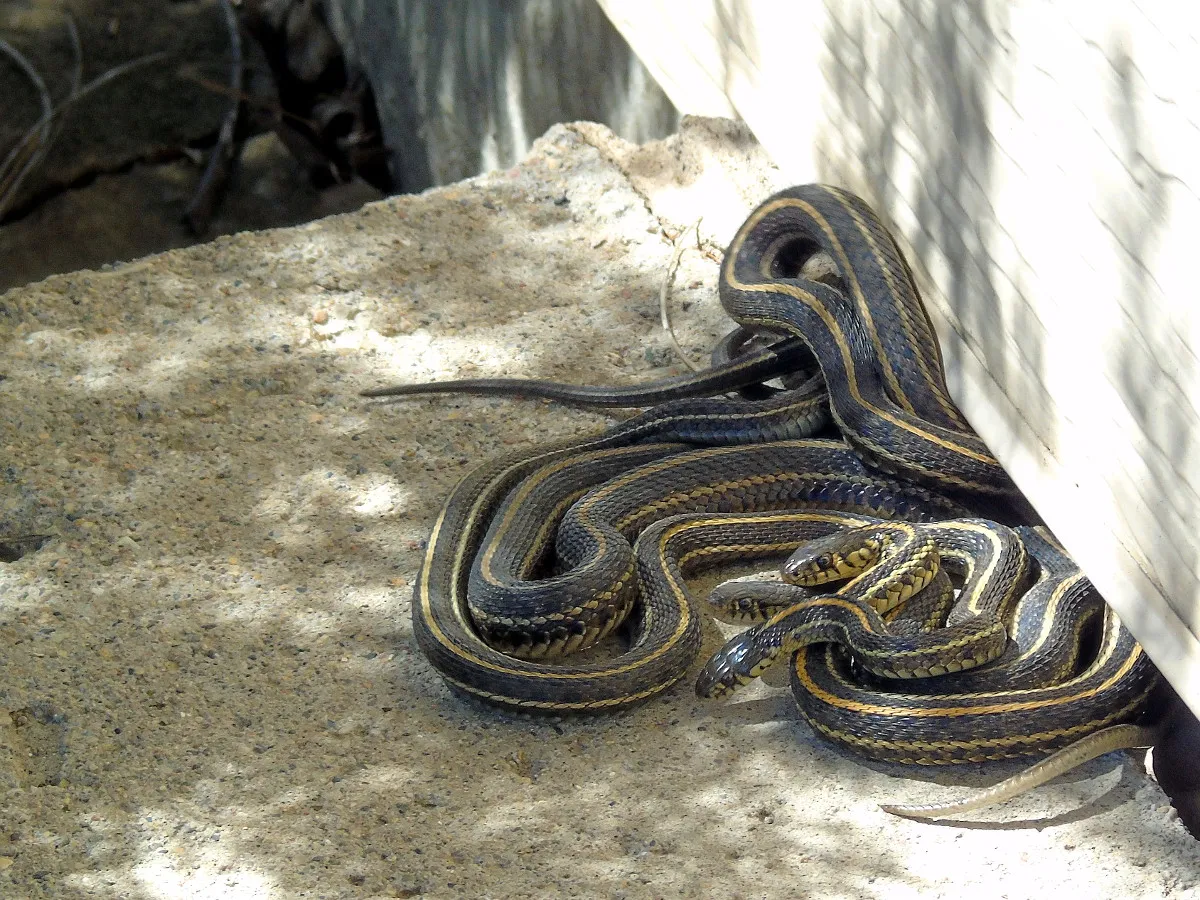
In April it is common to see several snakes together, usually a female being courted by one or more males. This can be an alarming sight for anyone unfamiliar with snake behavior, but it’s a normal part of the spring breeding process rather than a sign of an infestation.
In March and April, just outside the entrances to certain underground cavities, anywhere from dozens to thousands of garter snakes can share a small patch of ground. The dense concentrations that occur for a few weeks in spring are a result of the urge to mate, combined with their winter survival strategy. Once mating concludes, the snakes disperse and the visible activity drops off just as quickly as it appeared.
Final Thoughts
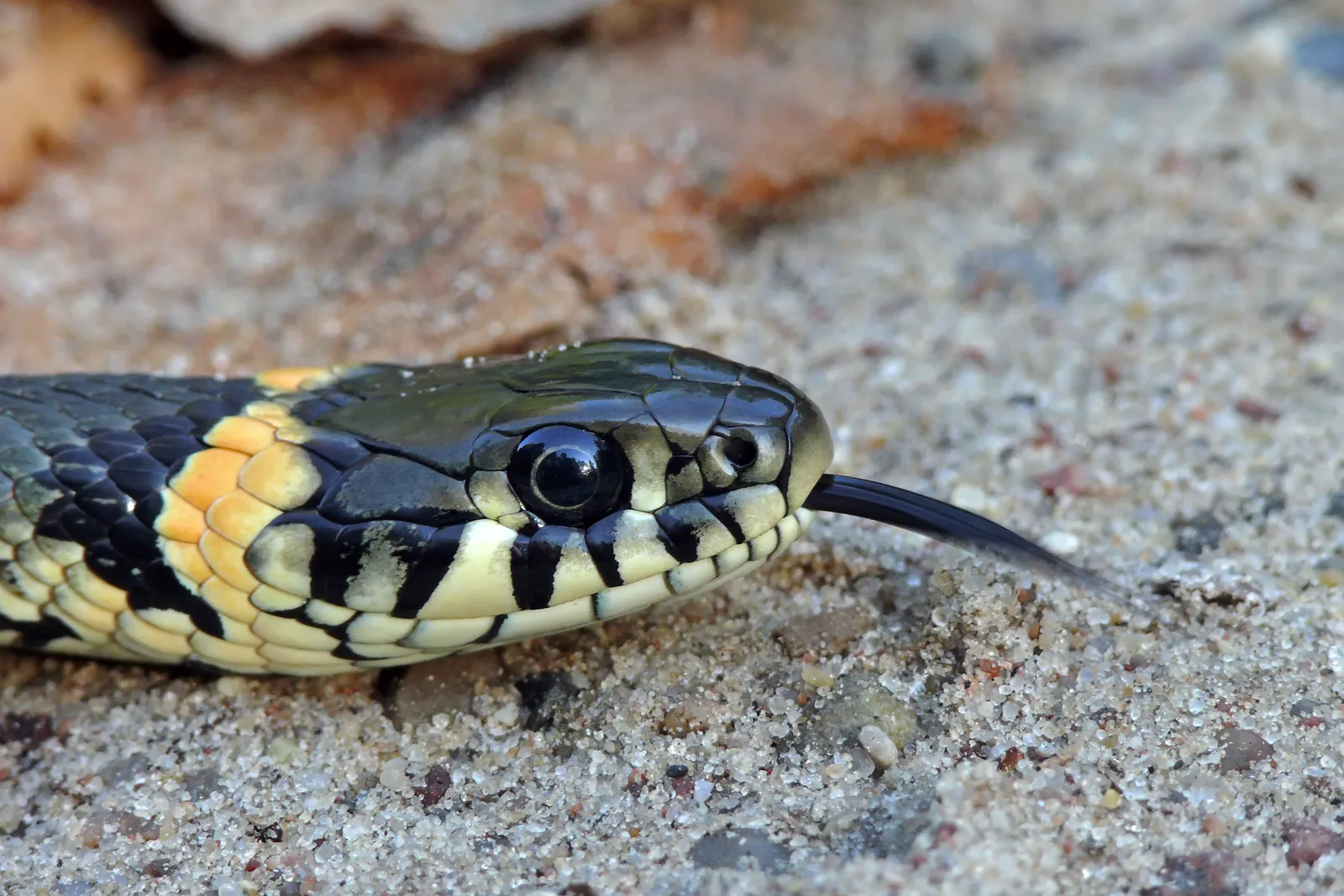
The spike in snake sightings each spring isn’t random or alarming. It follows a logic written into snake biology over millions of years: temperature wakes them up, hunger drives them forward, and the urge to mate sends them across open ground in broad daylight. The third or fourth week of April, give or take depending on your latitude and the year’s specific weather, tends to be the window when all of those forces align at once.
Understanding that timing takes some of the shock out of a yard encounter. The snake isn’t there because something has gone wrong. It’s there because the season is doing exactly what it’s supposed to do. A little awareness, a tidy yard, and a calm reaction are all most homeowners actually need.
AI Disclaimer: This article was created with the assistance of AI tools and reviewed by a human editor.