
The Electrical Fire Problem Is Bigger Than You Think

Home electrical fires account for an estimated 51,000 fires each year in the United States, resulting in nearly 500 deaths, more than 1,400 injuries, and roughly 1.3 billion dollars in property damage. That figure doesn’t appear in most home safety conversations, but it probably should.
Electrical fires cost Americans around 1.3 billion dollars annually in property damage, with faulty wiring, overloaded circuits, and malfunctioning appliances often being the culprits. Smart plugs won’t fix faulty wiring on their own, but they directly address overloaded circuits and inattentive appliance use, which are solvable problems.
Electrical distribution systems are the third leading cause of home structure fires. Knowing that makes even a modest step toward better electrical awareness feel worthwhile.
What a Smart Plug Actually Does
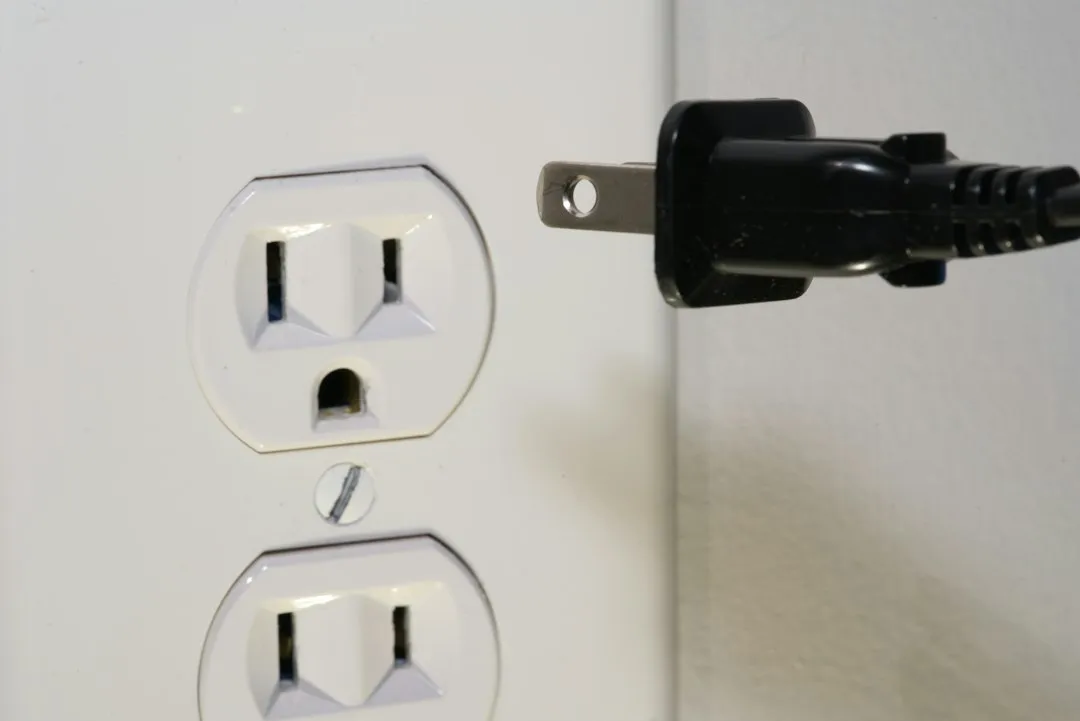
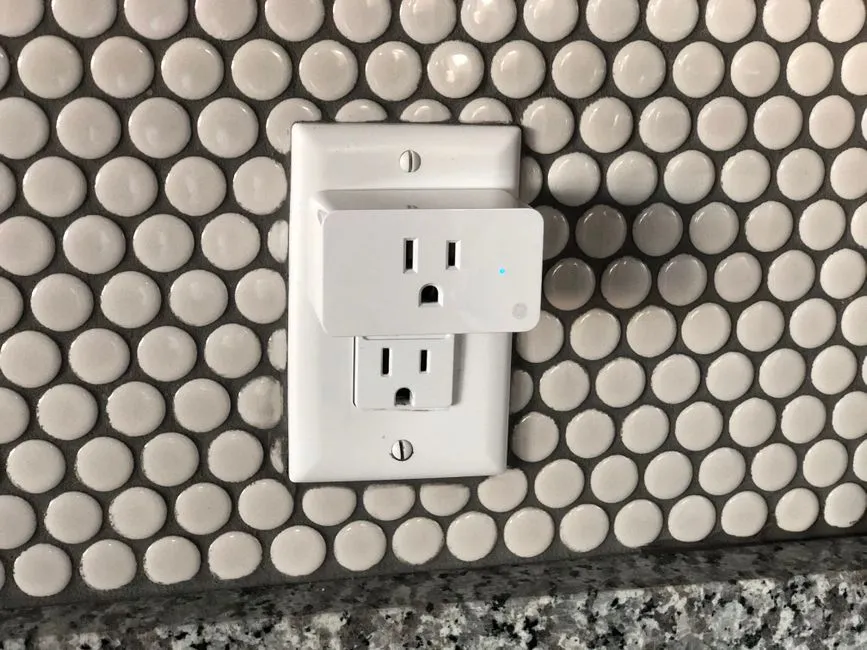
A smart plug is a small device that plugs into a standard electrical outlet and allows you to control connected devices remotely through a smartphone app or voice assistant. It transforms any appliance with an on/off switch into a smart device, enabling features like scheduling, remote control, and energy monitoring.
Setup is genuinely simple. The smart plug market is growing rapidly partly due to how easy the devices are to install. Users can buy them online and set them up themselves in just minutes, and they come in different sizes and features depending on customer needs.
You simply plug your existing appliance into the device and attach it to a power outlet. The smart plug becomes discoverable so you can link it to Wi-Fi for remote operation. That might look like turning off a lamp from your phone while you’re away, or having your smart speaker switch on a fan while you’re home.
Overload Protection You Didn’t Know You Needed
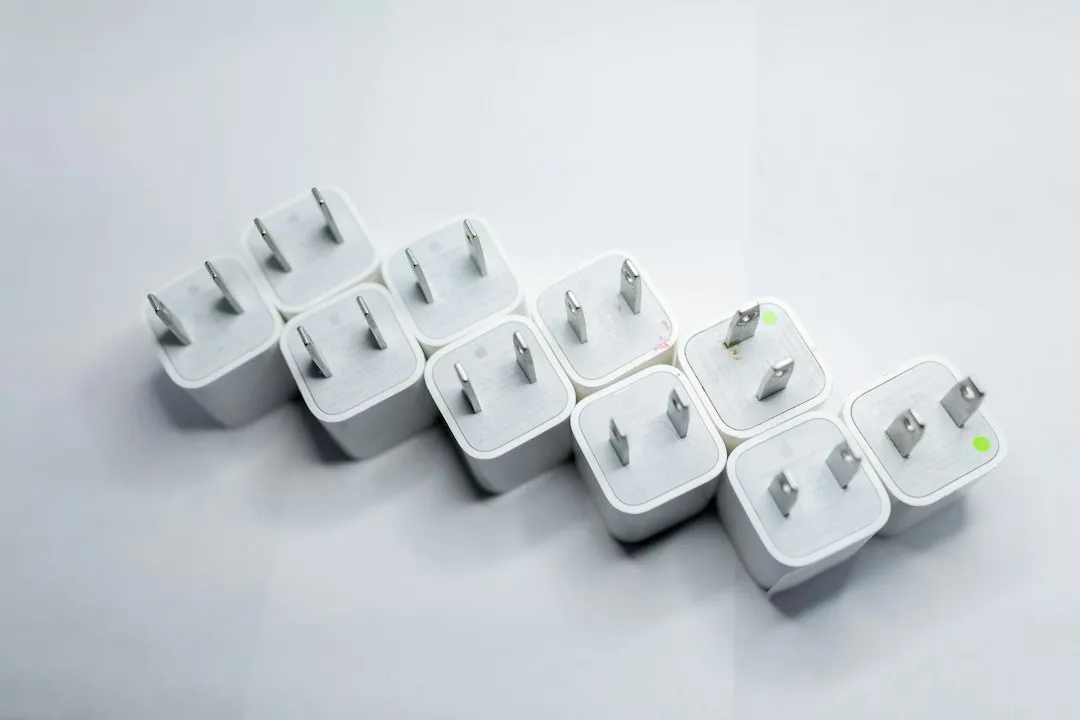
Smart plugs should include essential safety features such as overheat and overload protection. When the plug detects fluctuations, it automatically turns off the power instantly to the connected appliances, preventing damage. That kind of automatic response is something a standard outlet simply cannot do.
Overload protection on quality plugs cuts power automatically when the connected device exceeds the rated maximum, but relying on that protection regularly shortens the lifespan of both the plug and the connected device. The point isn’t to push the limits, but to have a safety net in place when the unexpected happens.
Smart plugs can lower the risk of short circuit or malfunction, because control is just a click away from your smartphone. That remote access matters most when you’re not at home and can’t physically check on an appliance.
The Unattended Appliance Problem
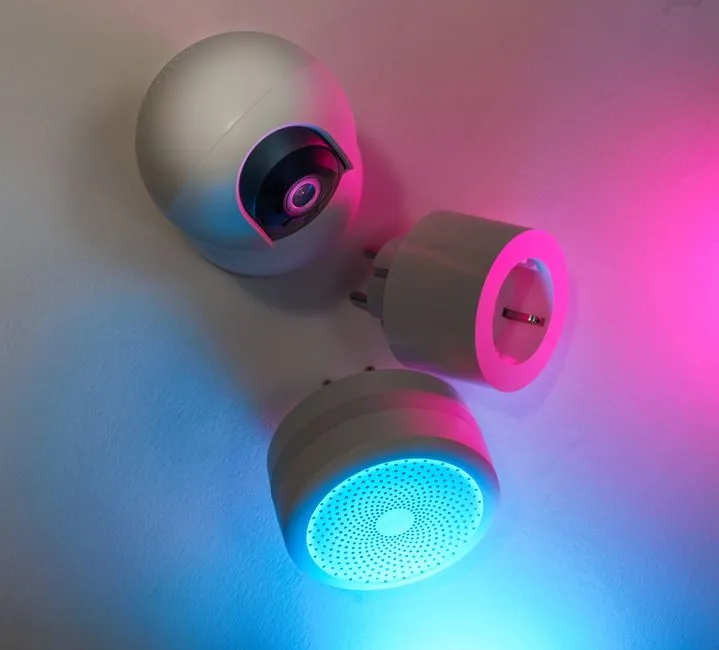
Most home electrical incidents don’t happen because of dramatic equipment failure. They happen because an ordinary appliance is left running when nobody is paying attention. Most electrical appliances can create dangerous situations when left unattended, and smart plugs increase the safety of devices that can be hazardous in exactly that scenario.
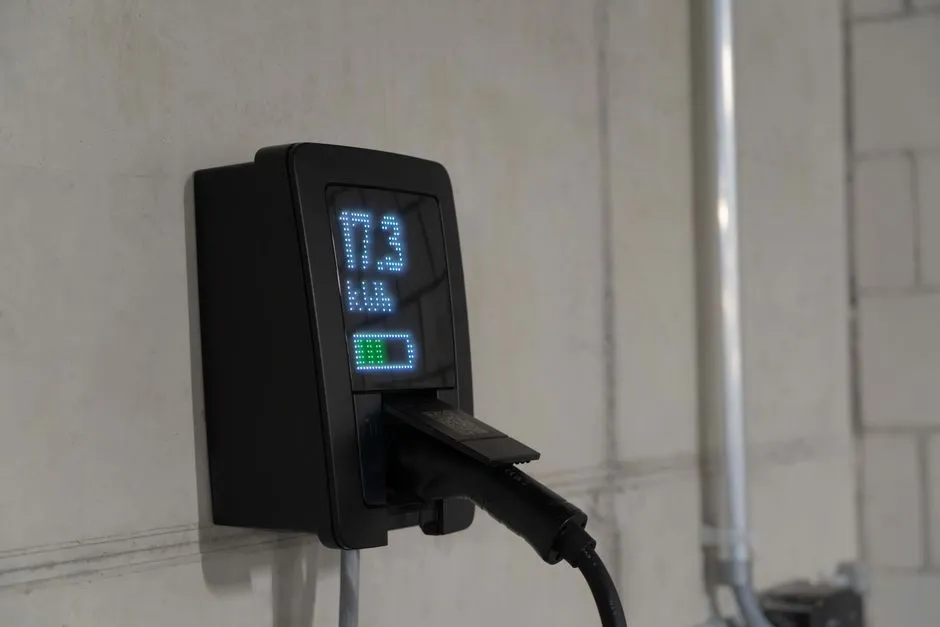
Many smart plugs include energy monitoring, so you can track exactly how much electricity an appliance uses. Once you see the data, you can adjust behavior or automate shutoffs when usage hits a certain threshold. That threshold feature alone is a meaningful safety tool.
Common candidates for this kind of protection include coffee makers, which can be automated to shut off after the morning routine, and space heaters, where set limits improve both safety and energy savings. These are exactly the appliances that tend to run longest without supervision.
Remote Control When You’re Away from Home
One of the more underappreciated aspects of smart plugs is the peace of mind that comes from being able to act remotely. If you’re already driving and suddenly unsure whether you left the iron on, you no longer have to turn around. A smart plug that allows remote control through a mobile app lets you monitor and manage your devices from anywhere, providing peace of mind and flexibility.
Remote access means you can control your plugs while away from home, which is particularly reassuring for people who travel or work long hours. The ability to verify and correct in real time changes the dynamic of home safety entirely.
Energy Monitoring as a Safety Tool
Energy monitoring tends to get framed purely as a money-saving feature. That’s fair enough, since it does save money. However, it’s also a safety tool in a less obvious way. A device that suddenly draws significantly more power than usual may be overheating or malfunctioning, and energy data can surface that pattern before it becomes a problem.
Choosing energy monitoring smart plugs with real-time data helps identify high-usage devices and optimize power consumption, while models with scheduling, timers, and automation features can reduce standby power without sacrificing comfort.
A single device in standby mode, like a game console or printer, might draw power constantly. Multiplied across a household, that passive consumption adds up, and automated shutoffs address it without requiring any daily effort from the occupant.
Scheduling and Automation for Safer Routines
Safety routines tend to fail because they depend on human memory. Schedules built into smart plugs remove that dependency. Having the ability to set schedules can help you control when devices are powered on or off, helping you save on energy costs while giving you greater convenience. The safety benefit is quiet but consistent.
Most savings, and most safety benefits, come from scheduling and automation rather than just using them as remote on/off switches. That distinction is worth making. The real value of the technology is in building reliable habits into the system rather than relying on yourself to remember.
You can schedule devices to turn on or off during off-peak hours, and the plugs also feature auto-shutoff to prevent overloads and smart charging to avoid overcharging batteries, extending device life. Those functions work in the background, every day, without any additional input needed.
Choosing a Plug That’s Actually Safe
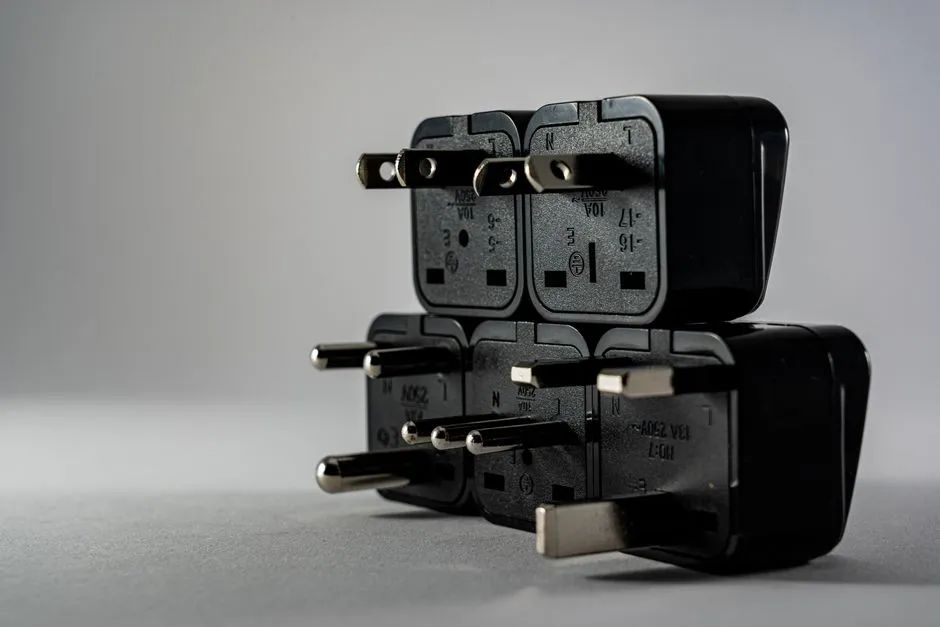
Not all smart plugs are created equal, and this is worth taking seriously before purchase. Most smart plugs are safe when used correctly, but before buying, it’s worth asking whether the device has safety features such as surge or overheat protection, whether it’s made from flame-retardant material, and whether it carries a recognized safety certification such as a UL Listing or UL Mark.
Safety certifications tell you more than the brand name about build quality. ETL certification means Intertek tested the plug against UL safety standards, while UL certification comes from direct testing by Underwriters Laboratories. Checking for one of those marks before buying takes about ten seconds and is a genuinely useful filter.
In the United States, it’s important to ensure that electrical installations and equipment are safe and suitable for their intended use, and electrical products should meet applicable U.S. safety requirements and be tested and certified by a recognized safety testing organization.
The Matter Protocol and Easier Integration
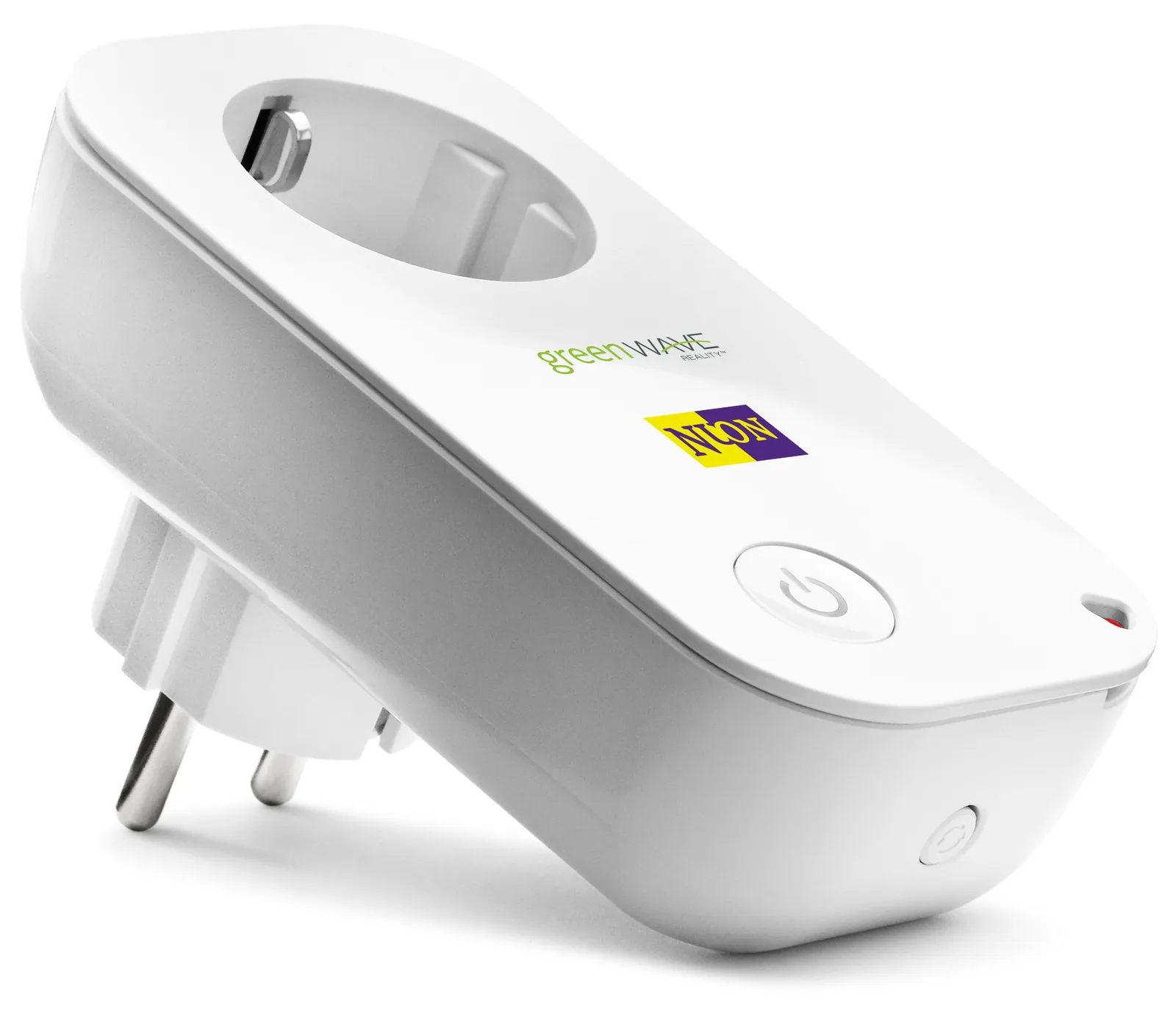
For a while, one of the frustrations with smart home devices was compatibility. A plug from one brand wouldn’t reliably work with a hub from another, which made building a cohesive system frustrating. That’s changed considerably. 2025 marked the first full year of Matter implementation across most leading devices, and this protocol eliminated many compatibility barriers that frustrated consumers.
The Matter unified connectivity standard aims to simplify integration and improve interoperability, security, and reliability. A Matter-compatible plug can work seamlessly with major platforms like Google Home, Alexa, and Apple HomeKit. That means fewer excuses to avoid setting things up properly.
The best smart plugs and energy monitors give you control over idle loads and visibility into which appliances quietly drive your bill. For 2025 and beyond, the key priorities are Matter and Thread reliability, energy tracking accuracy, and smooth automation across major platforms.
A Fast-Growing Market with Real-World Stakes
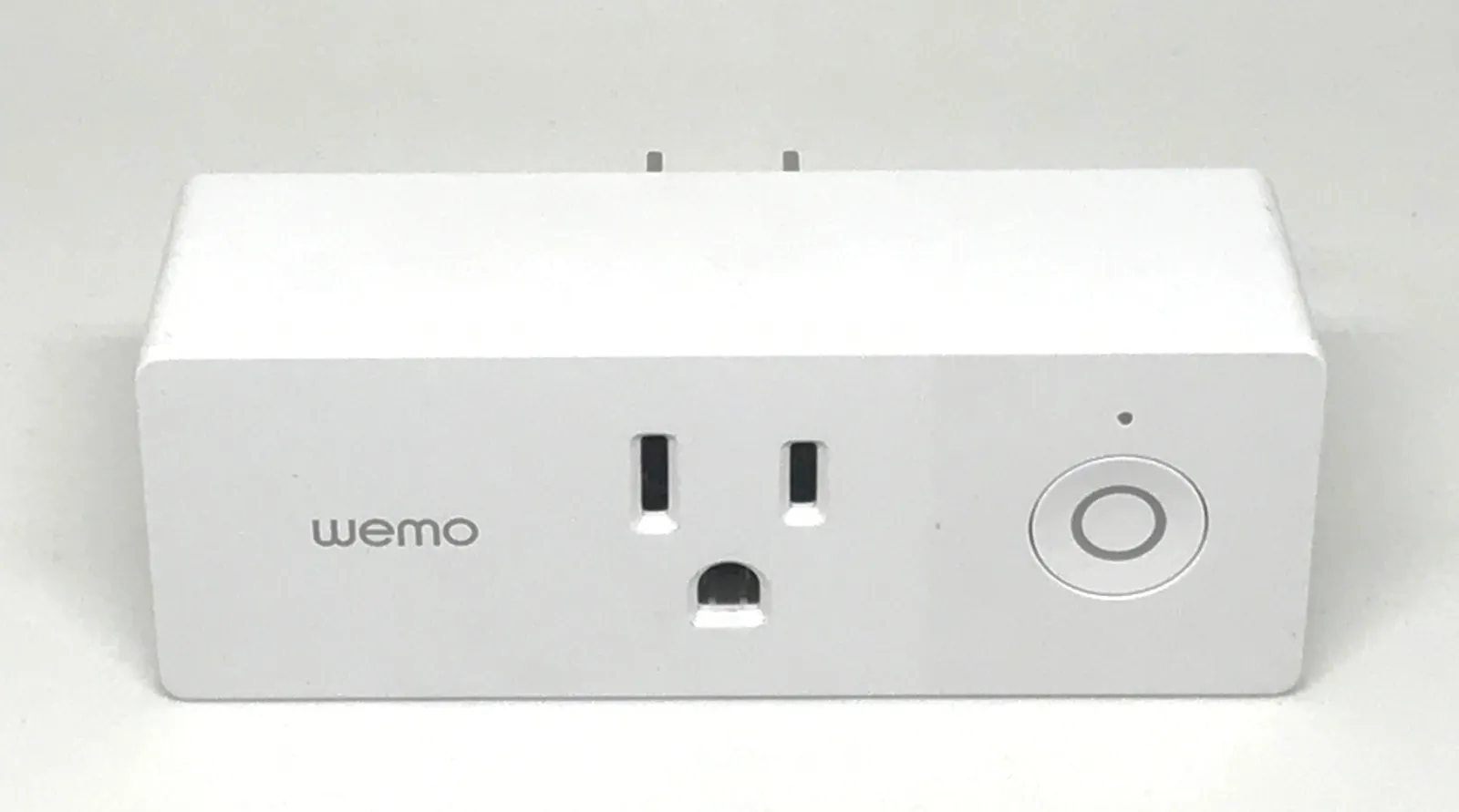
The adoption curve for smart plugs reflects something real. The smart plug market was valued at roughly 3.15 billion dollars in 2024 and is projected to reach over 17 billion dollars by 2032, growing at a compound annual rate of more than 26 percent. That’s not a niche gadget trajectory.
Increasing smart home adoption, expanding IoT ecosystems, and growing consumer demand for energy-efficient connected devices are key factors driving this overall market growth. Safety is becoming part of the value proposition in a more explicit way as the category matures.
Products in the smart safety space illustrate how smart technology is evolving beyond theft prevention into full-spectrum household protection. Smart plugs fit that evolution well, even if they don’t always get credit for it.
The Takeaway
Smart plugs rarely get mentioned alongside smoke detectors or carbon monoxide alarms when people talk about home safety essentials. Yet they address a set of genuinely common risks: unattended appliances, overloaded outlets, and the inability to act when you’re not physically present. The technology is mature, affordable, and increasingly simple to deploy.
The real case for smart plugs isn’t that they’re exciting. It’s that they work reliably, in the background, on problems that quietly cause significant harm every year. That’s usually the best kind of safety upgrade.
AI Disclaimer: This article was created with the assistance of AI tools and reviewed by a human editor.