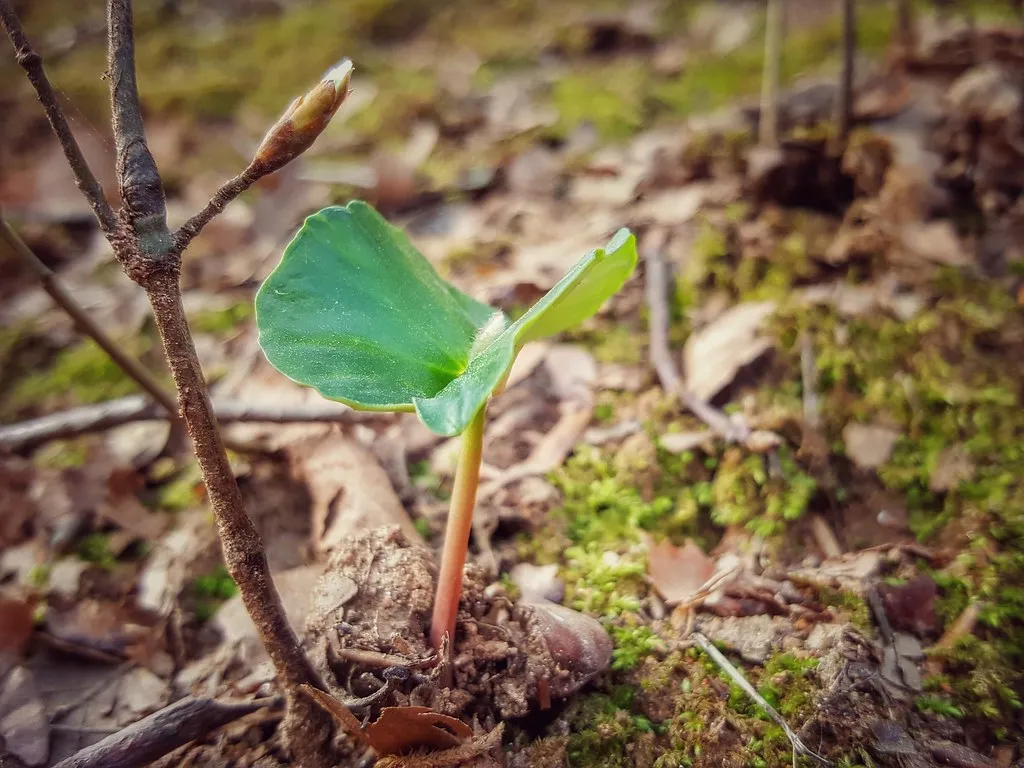

There’s something quietly satisfying about the idea that a spice sitting in your kitchen cupboard could be doing double duty in the garden. Cinnamon has been used by home growers for years to give fragile seedlings a better shot at survival, and the reasons behind this habit are more grounded in science than most people realize.
The practice isn’t folk magic. It ties directly to the chemistry of cinnamon itself and the very specific threat that young seedlings face in their first days of life. Understanding both sides of that equation makes it clear why this low-cost, low-effort technique has stuck around.
The Hidden Threat: What Is Damping Off?
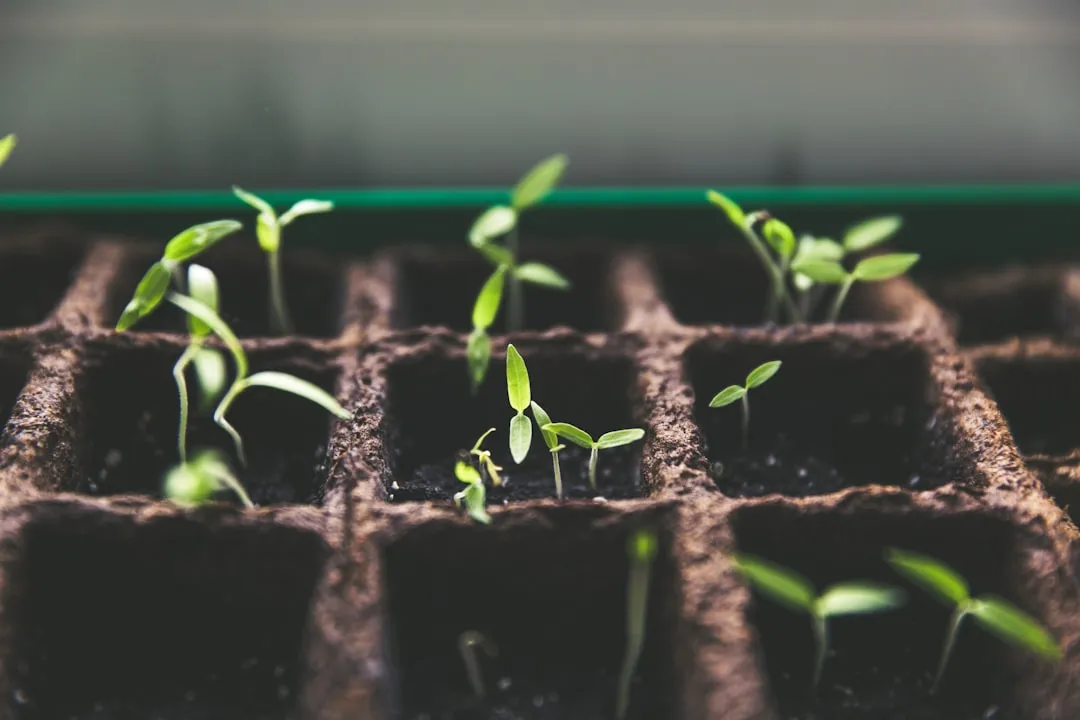
Damping off isn’t a single disease but a catch-all term for a handful of soilborne pathogens, mostly fungi and fungus-like organisms such as Pythium, Rhizoctonia, and Fusarium. These organisms thrive precisely in the warm, moist conditions that gardeners carefully create to encourage germination.
Damping off is the bane of seedlings. It appears as a gray, white furry fungus that forms on the stems of seedlings right where they meet the starting mix. Once it takes hold, the damage is swift and usually irreversible. Infected seedlings are unlikely to recover, and if they are lying on the ground, they are definitely gone.
Cinnamon’s Active Compounds and What They Do
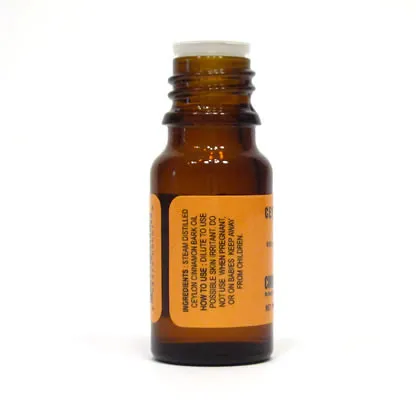
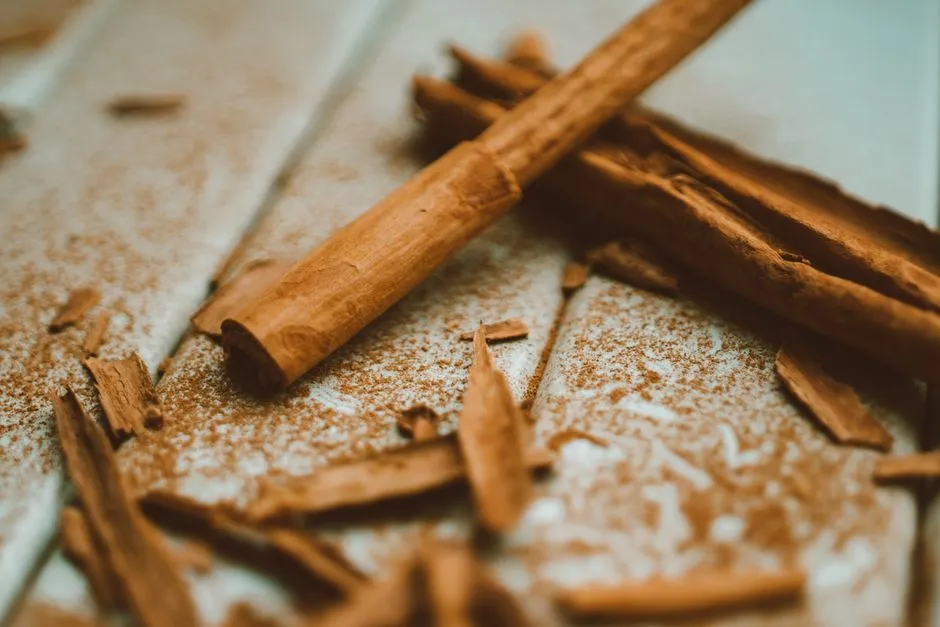
Ground cinnamon contains cinnamaldehyde, eugenol, and related phenolics that disrupt fungal cell membranes and suppress spore germination. When dusted onto moist compost, these compounds create a micro-thin, mildly hydrophobic layer that hinders pathogen contact with stems and cotyledons.
Cinnamaldehyde and eugenol are part of the cinnamon tree’s natural defense system of chemicals that act as a sort of immune system for the tree. Ground cinnamon contains these two chemicals, which is why it can also protect garden plants. It’s essentially a plant borrowing the defensive chemistry of another.
The bioactive compounds found in cinnamon oil, particularly cinnamaldehyde, interfere with the growth and development of pathogenic fungi. The mechanisms involve disrupting membrane integrity and permeability, causing leakage of cellular components, generating reactive oxygen species, and influencing protease activity.
What the Science Actually Shows
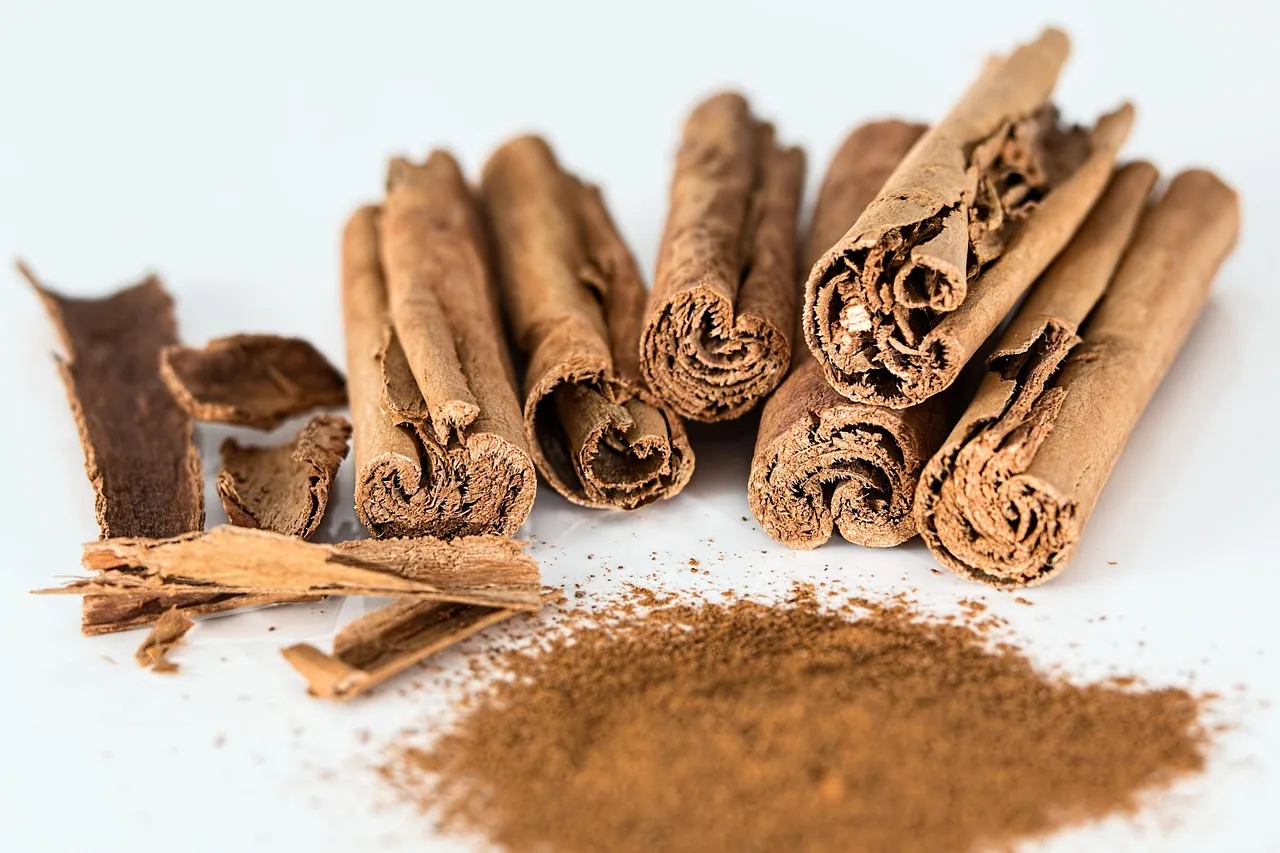
The antifungal and antimicrobial properties of cinnamon have been studied and confirmed. At least one of the active antifungal components, cinnamaldehyde, has been well studied and there is some understanding about how it controls fungi at a chemical level.
One study tested 49 essential oils against grey mould (Botrytis cinerea), and cinnamon leaf was the strongest antifungal. A separate 2024 study published in Food Technology and Biotechnology confirmed significant inhibition of the growth of the pathogen Fusarium sporotrichioides when grown on a medium with cinnamon bark extract.
Scientific studies indicate that cinnamon works against fungal pathogens. Under laboratory conditions, scientists have shown that elements in cinnamon powder inhibit the development of grey mould (Botrytis cinerea) and various species of Phytophthora. That said, most of these studies are conducted in controlled lab environments, not directly in seed trays.
The Honest Limits of the Evidence
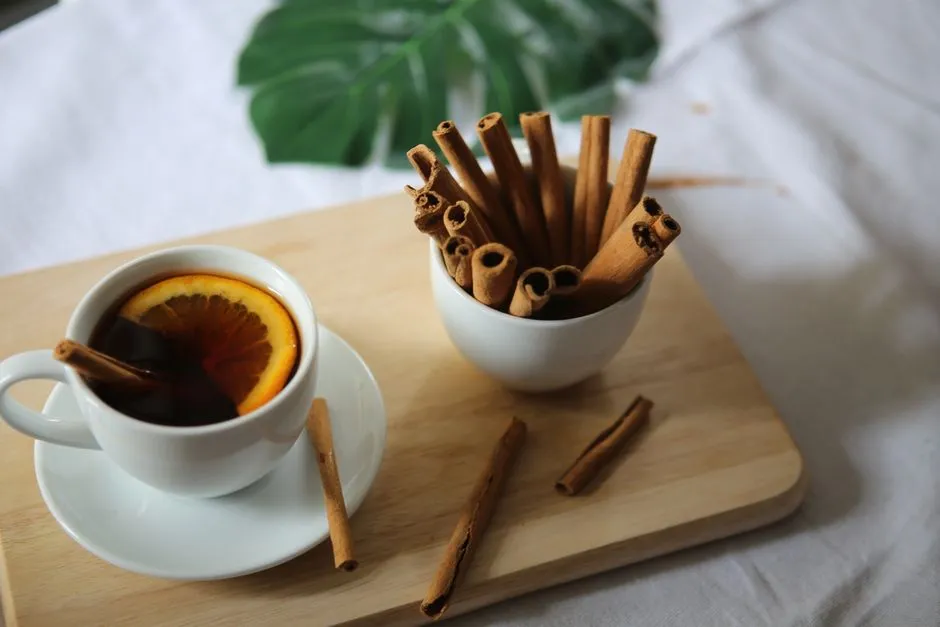
No study has been found that specifically sprinkled dry cinnamon powder on the surface of soil, which is the common method used by gardeners. This is an important gap. Lab results showing antifungal activity in petri dishes do not automatically translate into identical outcomes in a pot of damp compost.
While cinnamon has antifungal properties in lab tests, there’s no scientific proof that household cinnamon prevents damping off. It won’t hurt, but relying on good sanitation and moisture control is still essential. Smart gardeners treat cinnamon as a supplementary tool, not a silver bullet.
The bottom line is that we don’t have scientific proof that cinnamon powder works in the garden, but a lot of gardeners do report success with it. Anecdotal evidence, when it is consistent and widespread, is still worth taking seriously, even if it demands a cautious interpretation.
True Cinnamon vs. Cassia: Does the Type Matter?
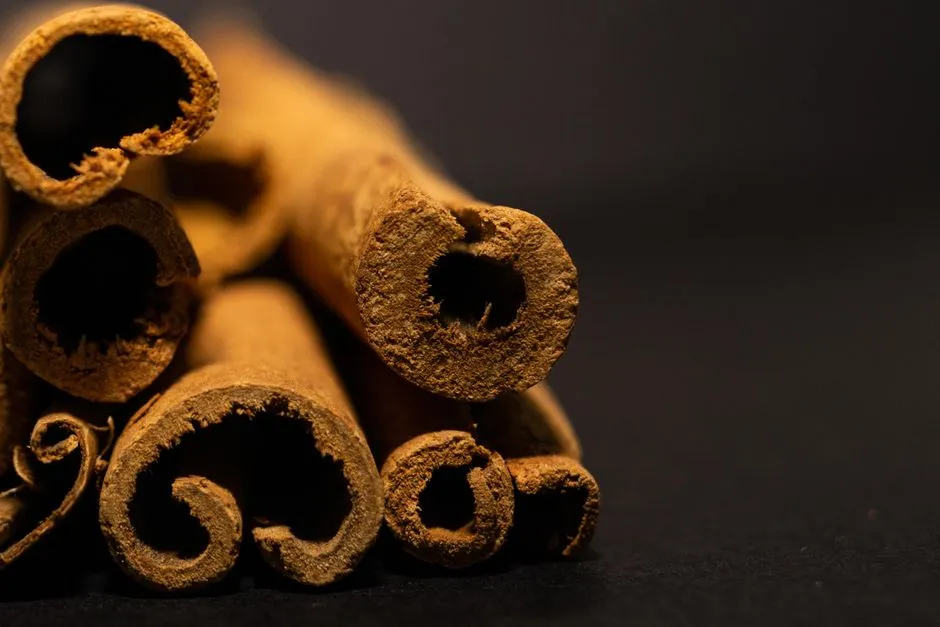
Cinnamon is a powder formed by grinding bark from a number of different trees in the genus Cinnamomum. This genus contains over 300 species, and at least four or five are used to make commercial cinnamon. What’s sold in most supermarkets is often cassia, not true Ceylon cinnamon.
One study compared the essential oils of several cinnamon species and found that all of them had some antifungal properties, but some were much more effective than others. The true cinnamon, Cinnamomum verum, was the most effective. For gardening purposes, this distinction matters if you’re looking to maximize what little active compound reaches the soil.
How Gardeners Apply It to Seedlings
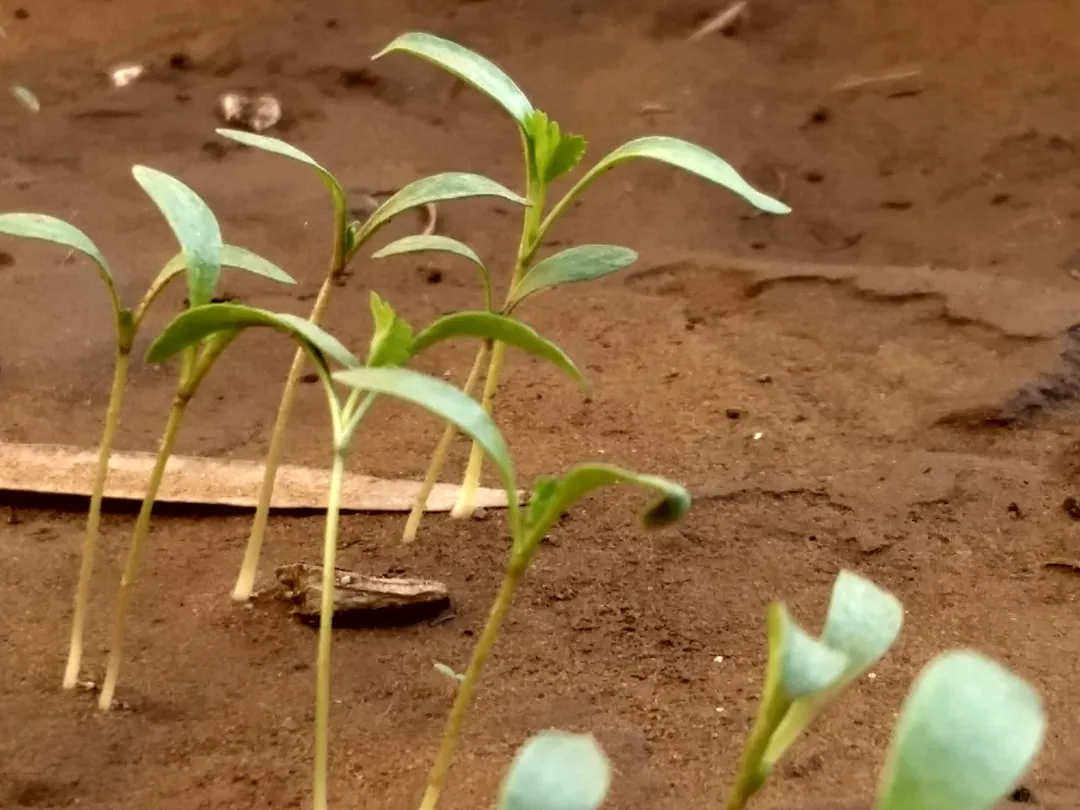
Gardeners usually use dry powdered cinnamon and sprinkle it on newly germinated seedlings in the hopes that it stops damping off. The application is straightforward: a light, even dusting across the surface of the seed-starting mix, concentrated near the base of the stems where damping off typically begins.
The aim is subtlety: a whisper of spice, not a crust. Too much cinnamon can dry the surface excessively or inhibit the germination of sensitive species. A thin, barely visible layer is sufficient. Going heavy-handed defeats the purpose.
Another application method involves mixing a few tablespoons of powdered cinnamon in warm water, combining the ingredients in a spray bottle, and letting the cinnamon steep overnight. The following day, strain the powder through a sieve or coffee filter and use the water as an antifungal spray.
Cinnamon as a Natural Rooting Aid
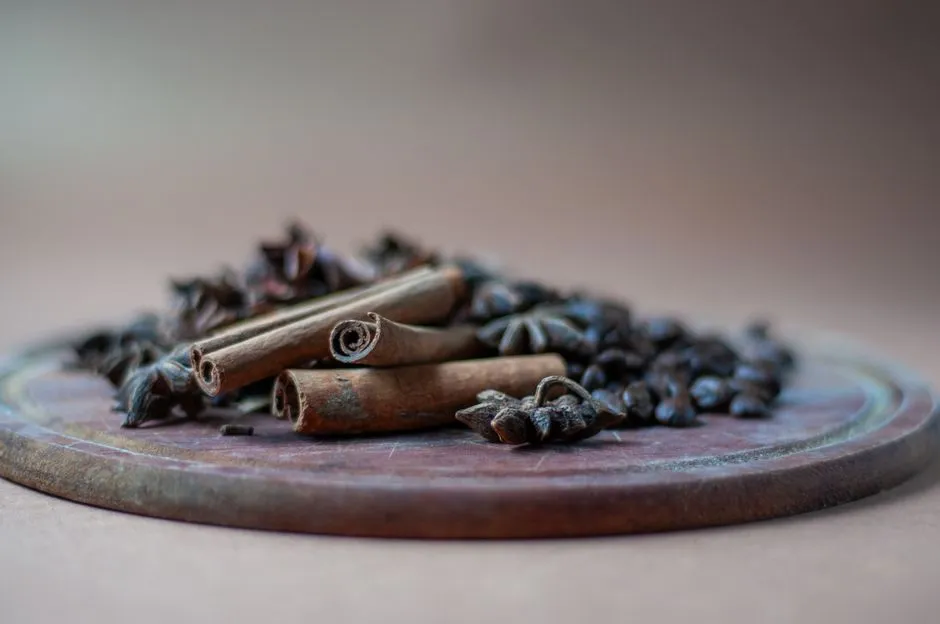
Cinnamon can also be used to propagate cuttings. Applying a little ground cinnamon to the bottom of the cutting accelerates wound repair and stimulates root formation. These combined effects make cinnamon a useful alternative to synthetic rooting hormones.
Cinnamon powder can be used to propagate plants. It doesn’t directly promote root growth, but its antifungal properties slow rot in cuttings and buy time for roots to sprout. It’s a protective measure more than a hormonal trigger, but the practical result for the cutting is much the same.
Keeping Fungus Gnats Away from Seedling Trays

As a bonus, the aroma compounds in cinnamon can deter fungus gnat adults from laying eggs, reducing larval grazing on hair-fine roots. For seedlings, this is a meaningful secondary benefit, since fungus gnat larvae are a common source of root damage during the early weeks of growth.
The potent scent of cinnamon, largely due to cinnamaldehyde and other aromatic compounds, is believed to overwhelm or disrupt the sensory perception of some insects, making an area less attractive to them. Ants rely on chemical trails for navigation, and a line of cinnamon can disrupt those trails. Fungus gnats, often found in overly moist potting soil, are reportedly repelled by the scent as well. It acts as a deterrent rather than a direct killing agent.
Cinnamon and the Broader Context of Natural Fungicides
The use of plant extracts in the biological control of fungal plant diseases can reduce the reliance on synthetic fungicides and residues in food. The broader goal is finding plant extracts that have antifungal properties and are not toxic to organisms, so that they can be used for the biological control of economically important phytopathogenic fungi.
Plant-derived cinnamaldehyde is emerging as a promising alternative to synthetic pesticides because of its potent antifungal activity and favorable biocompatibility. Research published in 2025 through ACS Sustainable Chemistry and Engineering even explored nanofunctionalized forms of cinnamaldehyde for targeted disease management in agriculture, pointing to just how seriously the scientific community is now treating this compound.
Pairing Cinnamon With Good Seedling Hygiene
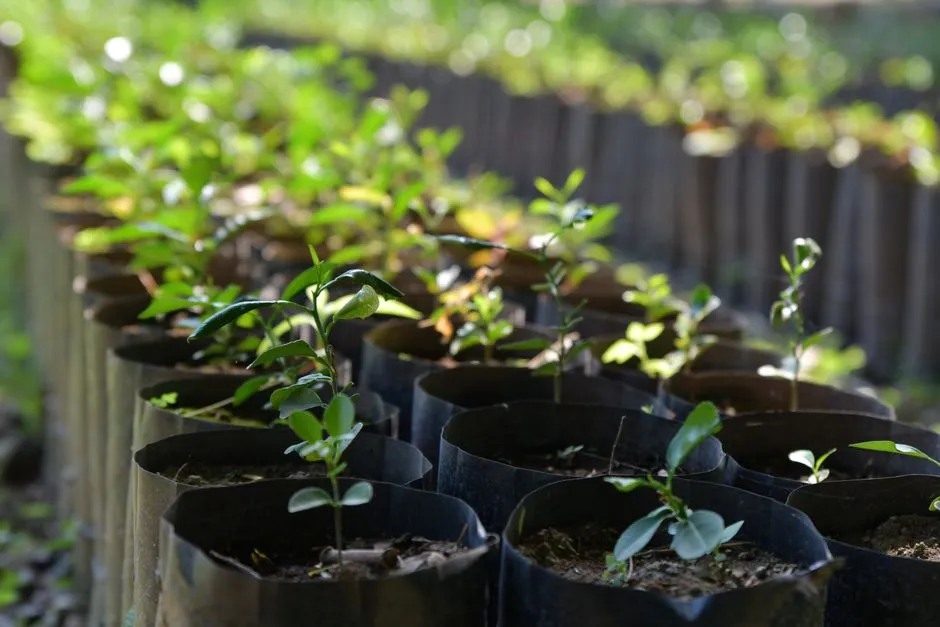
Preventing damping off comes down to prevention: clean equipment, good airflow, fresh soil, and proper watering. Cinnamon works best when it sits within a broader strategy, not as a standalone fix applied after problems appear.
This low-cost, low-tech tactic dovetails with good hygiene, careful watering, and airflow to create a safer start for herbs, vegetables, and ornamentals. Watering from below, running a small fan, and avoiding overcrowded trays all reduce the humidity conditions that pathogens depend on.
Application methods range from dusting dry powder directly onto cuts and soil surfaces to mixing cinnamon water for soil drenches and sprays. Best of all, cinnamon is inexpensive, non-toxic, and safe for most plants when used correctly.
Conclusion
The case for cinnamon in the seedling tray is genuinely interesting precisely because it sits at the intersection of folk practice and emerging science. Lab research consistently confirms real antifungal activity in cinnamon’s compounds, particularly cinnamaldehyde, though the translation from petri dish to pot still needs more direct study.
What’s clear is that cinnamon poses no meaningful risk to seedlings when used sparingly, carries real chemical properties that inhibit certain pathogens, and doubles as a deterrent against fungus gnats. For a tool that costs almost nothing, the calculus is reasonable.
Perhaps the most honest summary is this: smart gardeners don’t rely on cinnamon instead of proper technique. They use it alongside proper technique, as one more quiet advantage in a process that rewards patience and attention over shortcuts.
AI Disclaimer: This article was created with the assistance of AI tools and reviewed by a human editor.