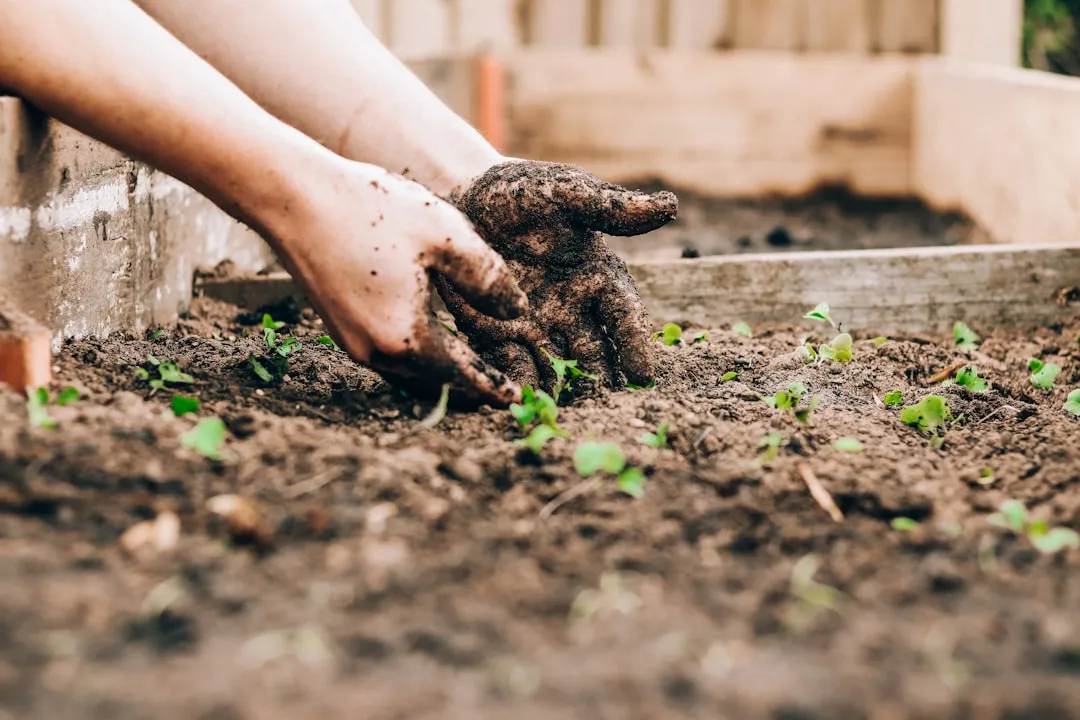

Every morning, millions of people make a cup of coffee, toss the grounds in the bin, and never think twice about it. Gardeners who know better do something else entirely. They save those used grounds, and they put them to work in the soil before a single seed goes in the ground.
Coffee grounds are among the most overlooked soil amendments available, and they cost nothing. The science backing their use has grown steadily over the past few years, with researchers and university extension services confirming what experienced growers have long suspected. Used thoughtfully, this everyday kitchen scrap can genuinely improve what happens underground.
A Nutrient Profile That Actually Means Something
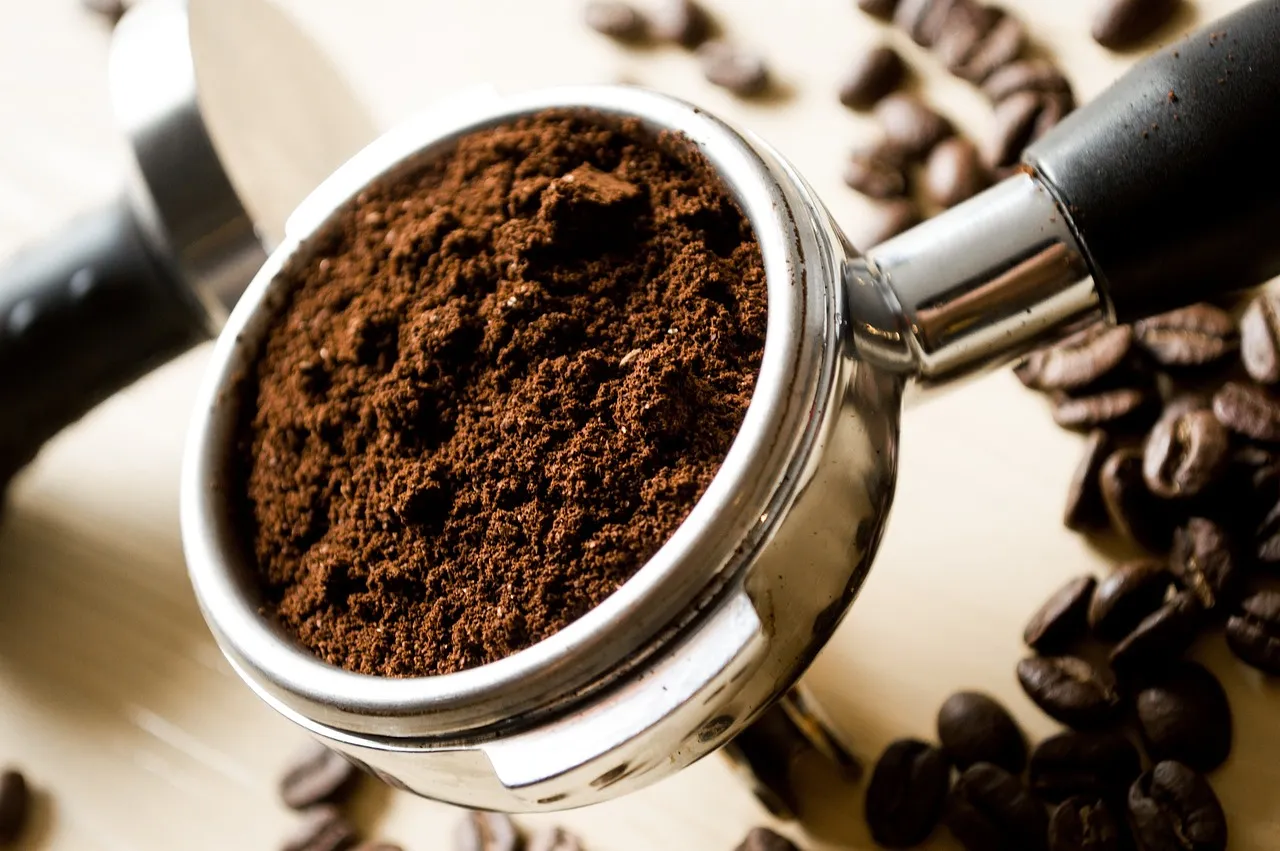
That pile of wet grounds left from your fresh pot of coffee contains nitrogen, phosphorous, potassium, magnesium, calcium, and iron. That’s a respectable list of plant essentials from something that would otherwise end up in a landfill. Coffee grounds contain approximately two percent nitrogen, along with beneficial amounts of phosphorus, potassium, magnesium, and copper.
Coffee grounds are comprised of around ten percent protein, which is a fairly high amount, making them useful as a rich source of nitrogen for the garden, much like fertilizers. Nitrogen drives leafy green growth, supports chlorophyll production, and helps young plants establish quickly after transplanting.
Slow-Release Fertilizing Without the Burn

When mixed into the soil, coffee grounds decompose slowly and release nutrients over time. This slow-release process prevents nutrient burn and creates a healthier, more active soil environment. Synthetic fertilizers can deliver an overwhelming nutrient spike that damages roots. Grounds don’t work that way.
Used coffee grounds can be applied directly to the soil as a slow-release fertilizer. They contain small amounts of nitrogen, potassium, magnesium, and other trace minerals that support plant health. Simply sprinkle a thin layer around the base of your plants and gently mix it into the topsoil. Over time, the grounds break down and enrich the soil, promoting better root growth and greener foliage without synthetic chemicals.
Soil Structure Gets a Real Upgrade
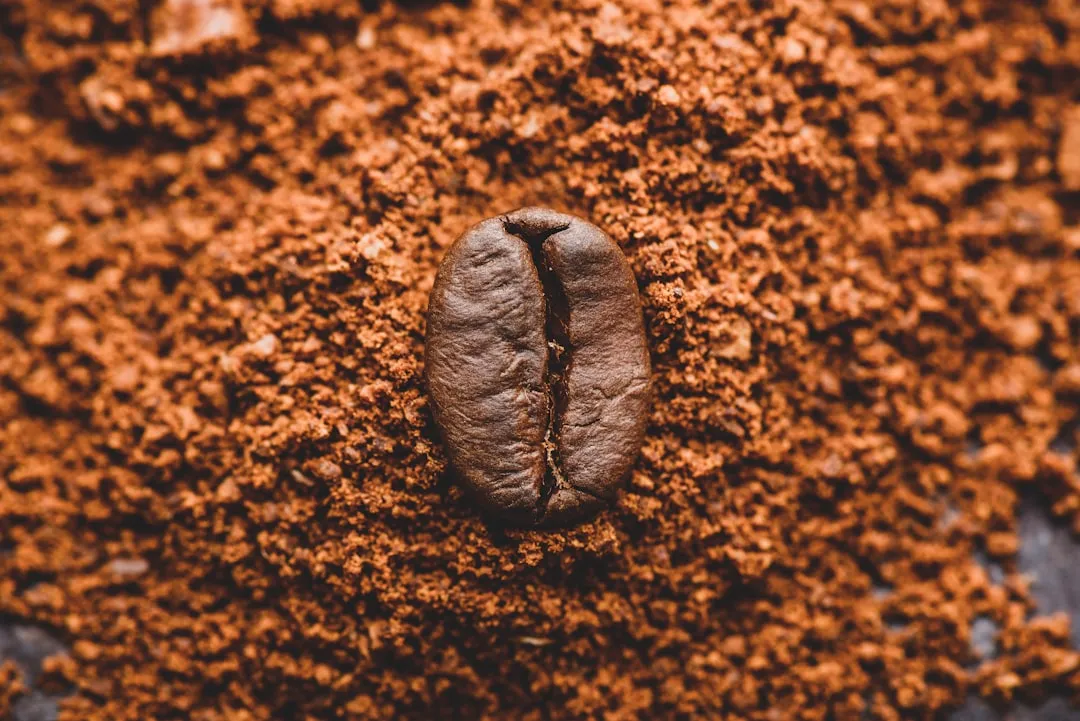
Coffee grounds can significantly improve the structure and texture of garden soil. Their physical properties contribute to better drainage, aeration, and moisture retention. This is crucial for plant roots, allowing them to access water and nutrients more efficiently.
The grounds help break up heavy clay soils and increase the organic matter content, making the soil more crumbly and easy for roots to penetrate. This is especially beneficial for raised beds or compacted areas. For gardeners dealing with heavy, dense soil, even a modest amount of grounds worked in before planting can noticeably improve texture over a single growing season.
The Microbiome Connection
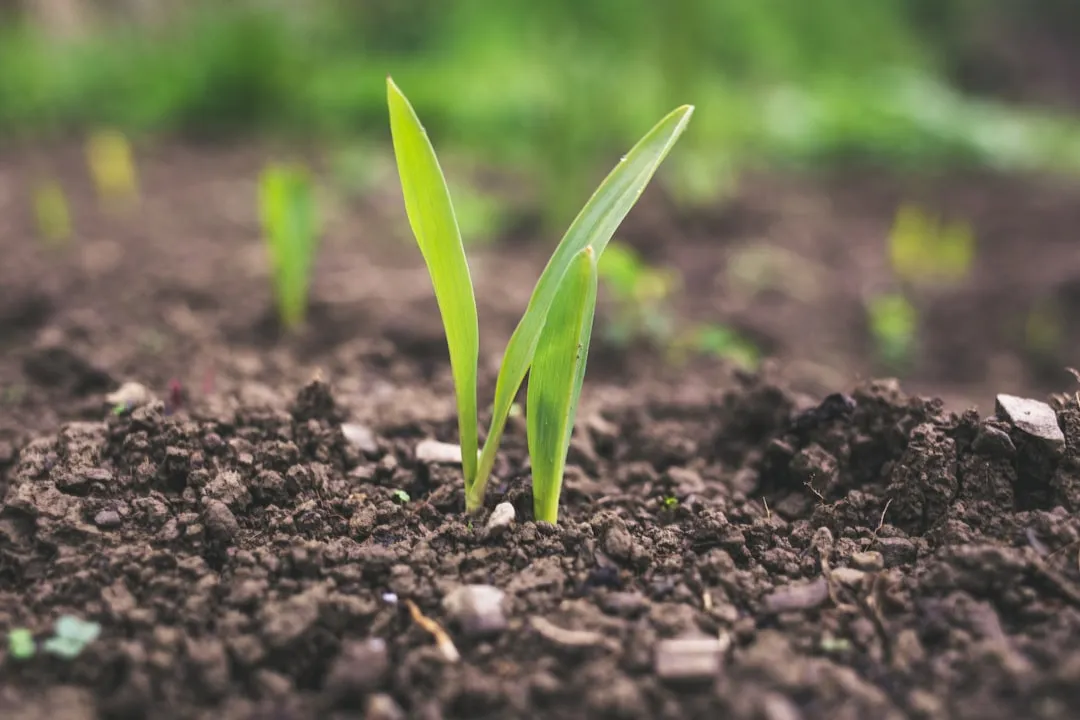
Coffee grounds are great for improving soil biodiversity. They not only make the soil richer but also help beneficial microorganisms thrive. This is arguably more important than any direct nutrient contribution, since a thriving soil microbiome determines how effectively plants can access everything already present in the ground.
Grounds add nitrogen, which helps beneficial bacteria and fungi grow. These microorganisms are vital for a healthy soil microbiome, doing things like nutrient cycling, where they break down organic matter and release important nutrients for plants. Beneath our feet, billions of microorganisms are working hard to break down organic matter, cycle nutrients, and support plants in ways we’re only beginning to understand. Taking care of these microorganisms can be a gardening game changer.
Earthworms Love Them

Earthworms are attracted to coffee grounds in the soil, as they can consume coffee grounds and deposit them deep in soil, which likely leads to improvements in soil structure, such as increased soil aggregation. More earthworms in your beds is never a bad outcome. They also play a crucial role in soil health by aerating the soil and producing nutrient-rich worm castings which further enrich the soil.
Earthworms can promote the mineralization of nitrogen and phosphorus, and thereby enhance the availability of soil nutrients. When coffee grounds draw more worms into your planting zone, they essentially bring free labor with them, labor that improves soil texture, drainage, and fertility all at once.
What the pH Myth Gets Wrong
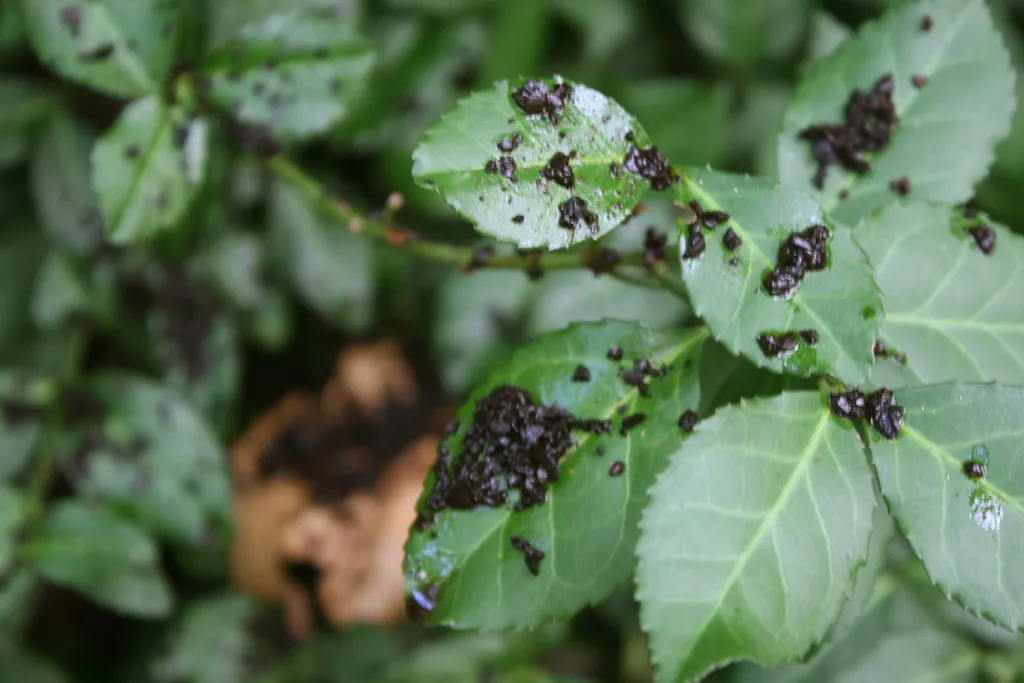
Many gardeners avoid coffee grounds because they assume they’ll acidify the soil too aggressively. The reality is more nuanced. Contrary to popular belief, it’s a myth that coffee grounds are acidic and will lower the pH of the soil. After brewing, the grounds are close to pH neutral, between 6.5 and 6.8.
Research shows that whatever change coffee grounds bring to the soil is short-lived. So, don’t depend on them to keep a lower soil pH. Some plants like rhododendrons, azaleas, blueberries, gardenias, and blue-flowering hydrangeas require a lower soil pH to thrive and coffee grounds won’t do that. This is a useful correction. If you’re trying to acidify soil for specific plants, you’ll need a dedicated amendment, not just grounds from your morning brew.
Natural Slug and Pest Deterrence
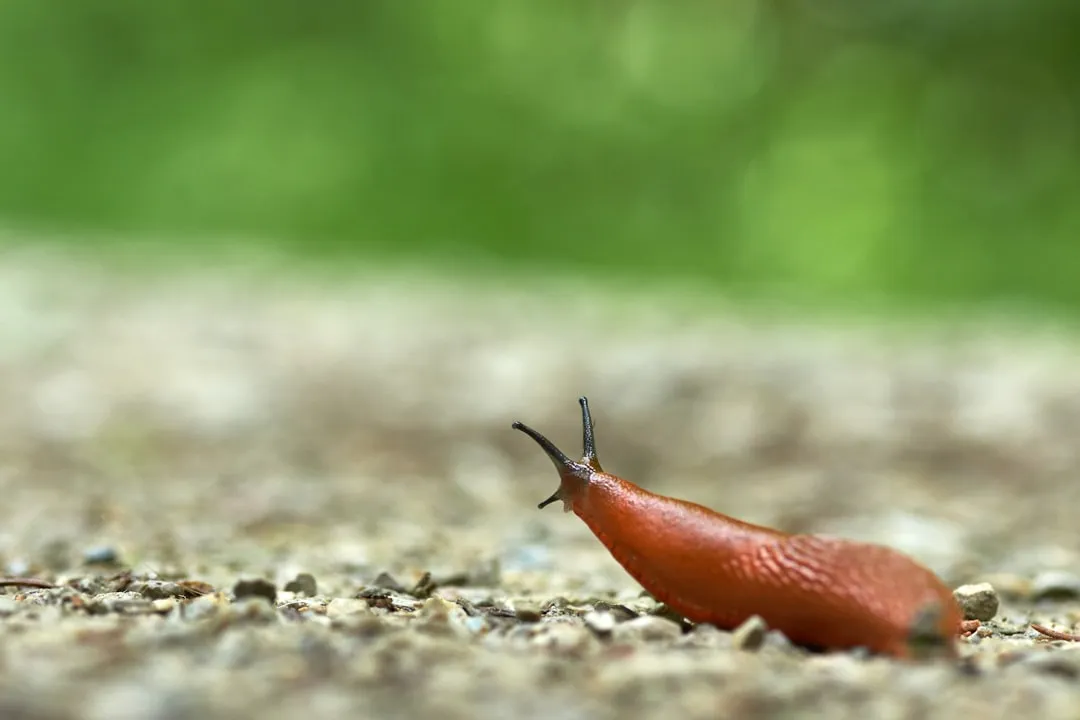
If there’s one pest coffee grounds genuinely work against, it’s slugs and snails. Research from Oregon State University found that a one to two percent caffeine solution used as a soil drench caused one hundred percent of slugs to leave the treated soil and subsequently die of caffeine poisoning.
A two percent solution of caffeine applied to the growing medium of orchids killed ninety-five percent of orchid snails and gave better control than a liquid metaldehyde product, the common slug bait. Waste coffee grounds offer an effective, low-risk, and accessible option for deterring slugs and snails, with credible research supporting their mode of action. For organic gardeners especially, this is a meaningful alternative to chemical slug controls.
Eggshells: The Other Kitchen Scrap Worth Knowing

This byproduct of your breakfast is loaded with calcium carbonate, an essential nutrient for the soil. Eggshells often get mentioned alongside coffee grounds, and for good reason. Eggshell amendments benefit plants that require high calcium levels, like tomatoes, peppers, and eggplants. Calcium helps prevent blossom end rot in tomatoes and peppers, a common problem caused by calcium deficiency.
Farmers should be encouraged to experiment with eggshells as a liming material due to their potential benefits in neutralizing soil acidity. A 2024 study published in the journal Agronomy confirmed that the liming potential of ground eggshells is comparable to agricultural lime and positively affects phosphorus availability in acidic soils. Ground finely and mixed in before planting, eggshells work quietly over several months as they dissolve.
Composting Grounds: The Smarter Long Game
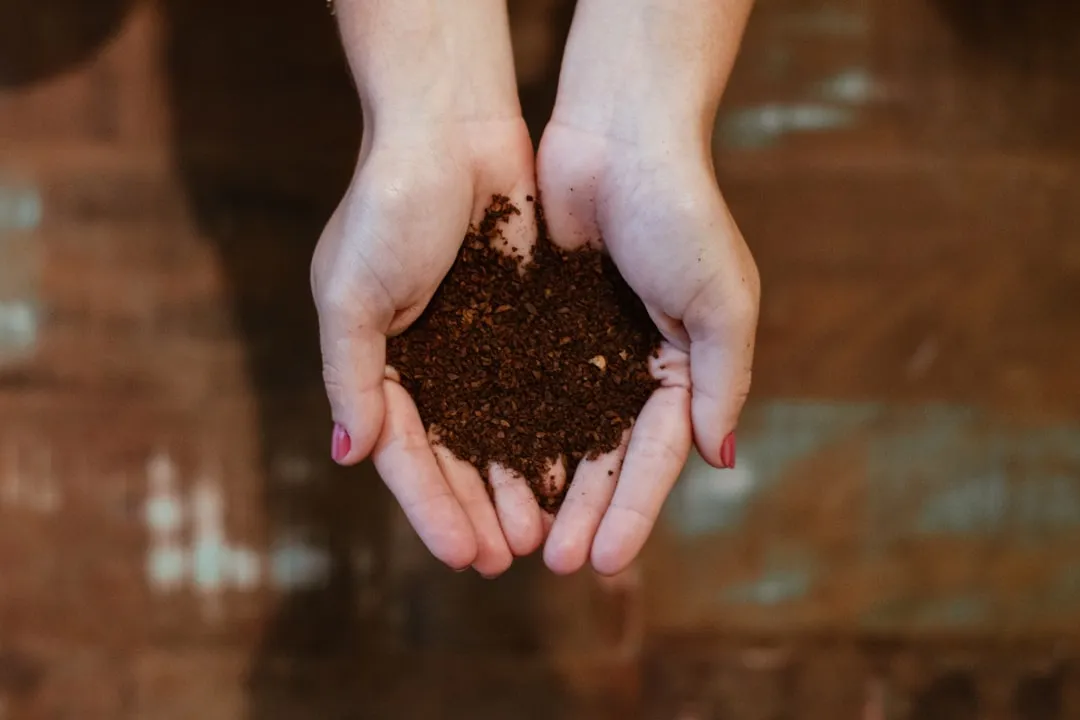
Coffee grounds are a fantastic addition to compost heaps. They serve as a “green” material rich in nitrogen, balancing out carbon-rich “browns” like dried leaves and cardboard. Composting them first is often the smartest approach, particularly for gardeners who want maximum benefit with minimal risk of overdoing it.
Composting grounds first breaks down much of the caffeine and makes them safer for garden use. Research suggests that coffee grounds be limited to no more than twenty percent of the compost pile. In a compost pile, mix three parts leaves to one part fresh grass clippings to one part coffee grounds by volume. That ratio keeps things balanced and prevents the grounds from clumping or crusting over.
How Much Is Too Much

Linda Brewer, a soil scientist with the Oregon State University Extension Service, said coffee grounds can be valuable for gardens and compost piles, if used in moderation. “The big message is that generally people are too enthusiastic.” Overloading beds with grounds can backfire, suppressing the very microbes you’re trying to feed.
The residual caffeine in spent grounds can suppress seed germination and slow the growth of some plants. Research on allelopathic effects found that coffee extracts reduced germination in lettuce and several weed species. If you’re direct-sowing seeds, avoid applying fresh grounds to the soil surface nearby. Used as a surface dressing rather than a bulk amendment, and mixed with other organic matter, grounds perform reliably without causing problems.
Closing Thought
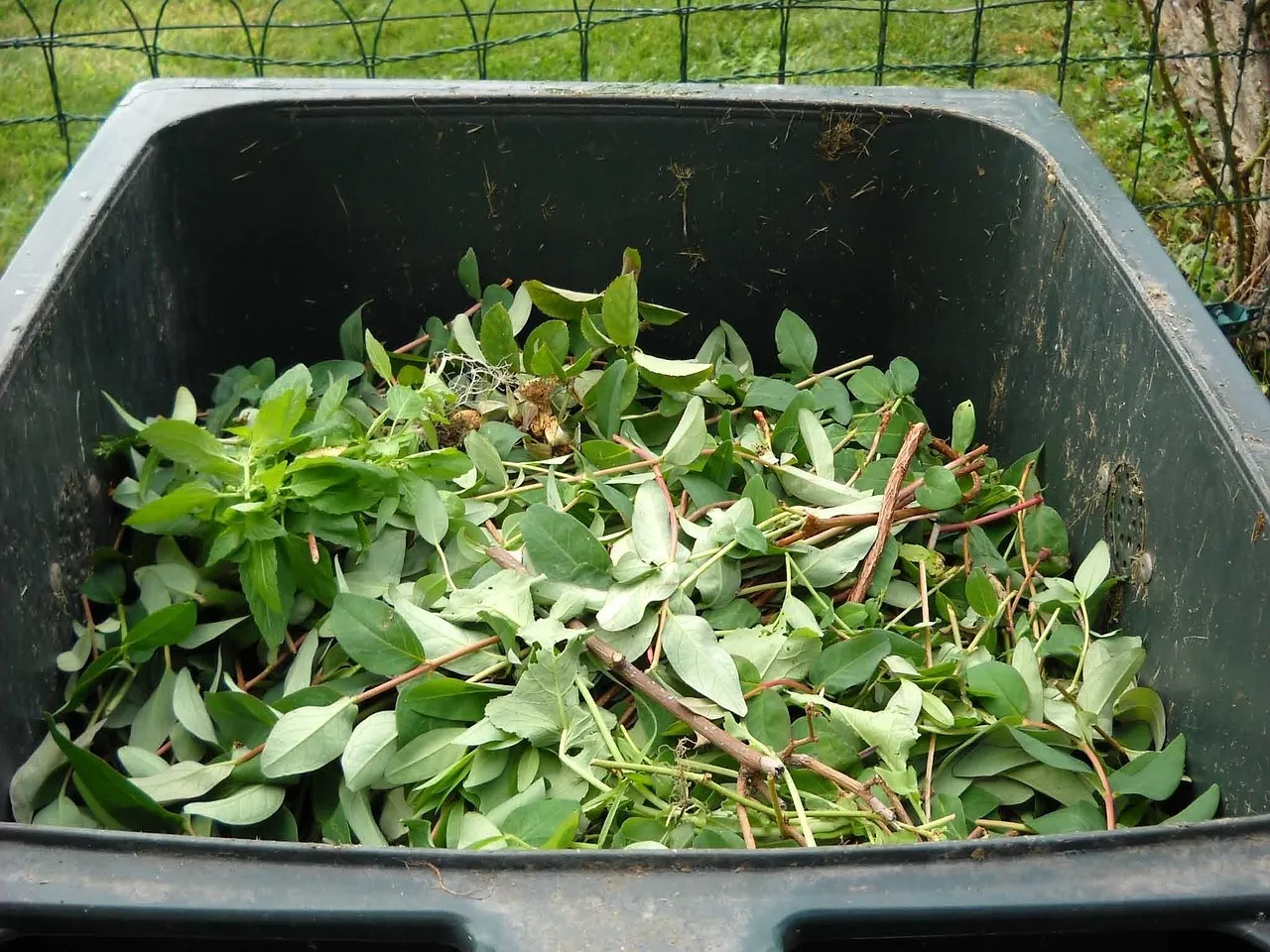
The habit of saving coffee grounds for the garden is one of those small decisions that compounds quietly over time. That’s a lot of grounds that might otherwise end up in the waste stream. Using coffee grounds in the garden keeps them out of landfills and gives gardeners another option for improving soil and controlling pests.
Soil health isn’t built overnight, and no single amendment fixes everything. Still, coffee grounds check a surprising number of boxes for a material that costs nothing and requires almost no effort to collect. The smartest thing about this particular kitchen scrap isn’t any individual benefit. It’s the fact that it quietly improves several things at once, and it was going in the bin anyway.
AI Disclaimer: This article was created with the assistance of AI tools and reviewed by a human editor.