

Few gardening frustrations match the sinking feeling of walking out on a June morning to find your hostas riddled with ragged holes. The culprit is almost always there in spirit, even if the slug itself has retreated to a damp corner by dawn. Hostas are magnets for these pests, and anyone who grows them seriously will eventually need a strategy that goes beyond wishful thinking.
Copper tape has been recommended as a slug deterrent for years, and yet plenty of gardeners remain unclear on whether it actually works, why it works, and how to apply it correctly. The answers are more nuanced than most garden center packaging suggests.
Why Hostas Are a Slug’s Favorite Target
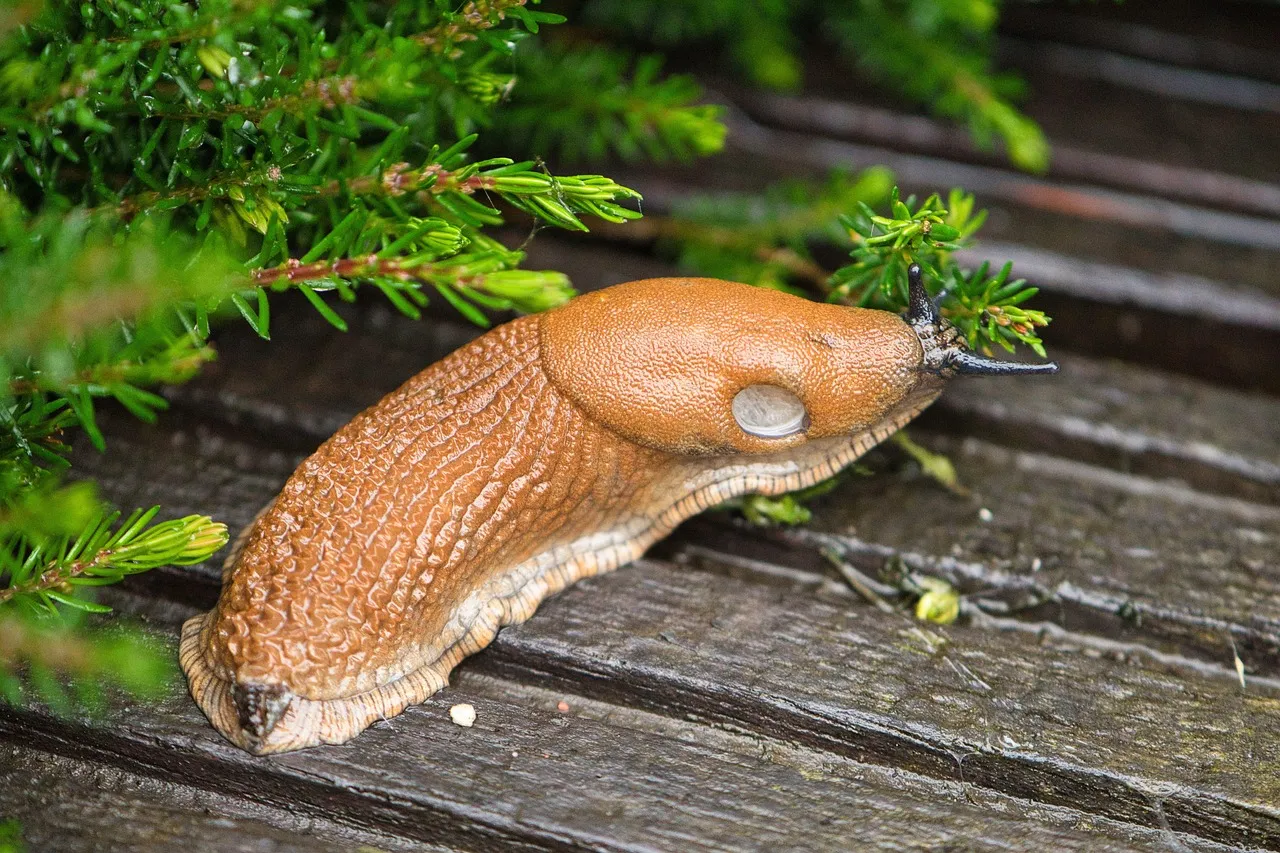
Hostas are soft-leafed plants. Their large, tender leaves hold a lot of moisture and provide a cool, shady place for insects and pests to hide, especially underneath their big canopy of foliage. This makes them an easy target for pests like slugs.
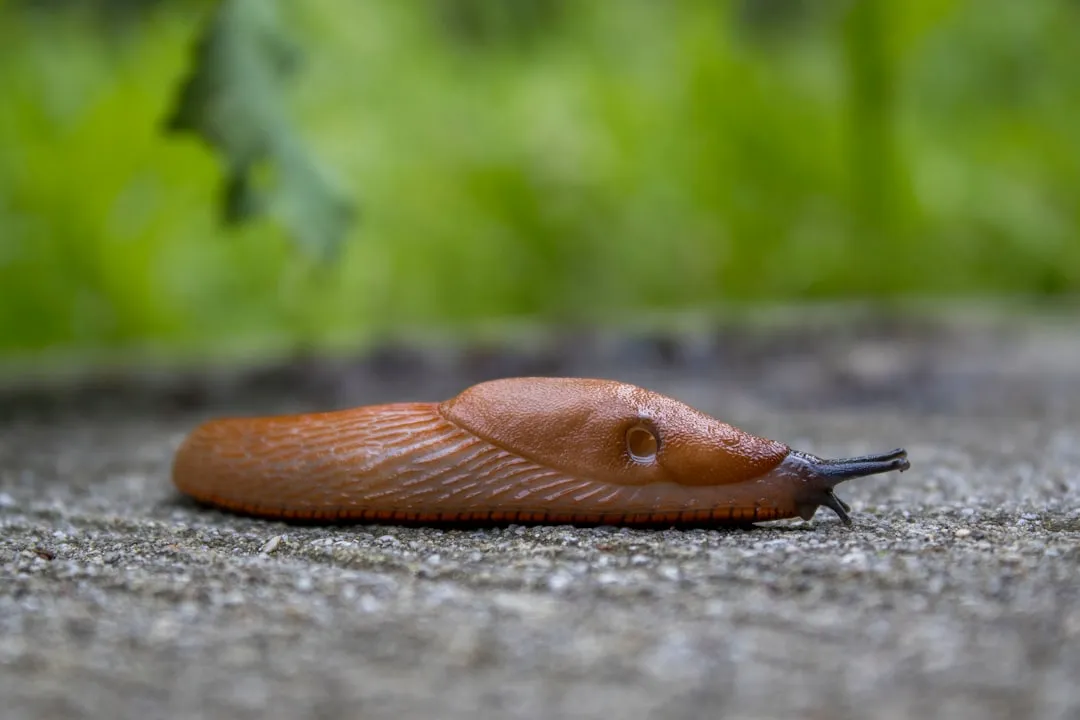
Slugs are especially damaging. They come out at night or in damp, shady conditions and can chew large holes in hosta leaves. Even worse, slugs don’t eat in just one spot – they usually move from leaf to leaf, leaving ragged edges and damage all over.
Generally, slugs will go for fleshier leaves and will avoid thick, tough ones. If you placed a softer-leaved variety next to a thick-leaved variety like ‘Blue Mouse Ears,’ without any slug protection, the slugs would more than likely target the fleshier one first.
The Science Behind Copper and Slugs
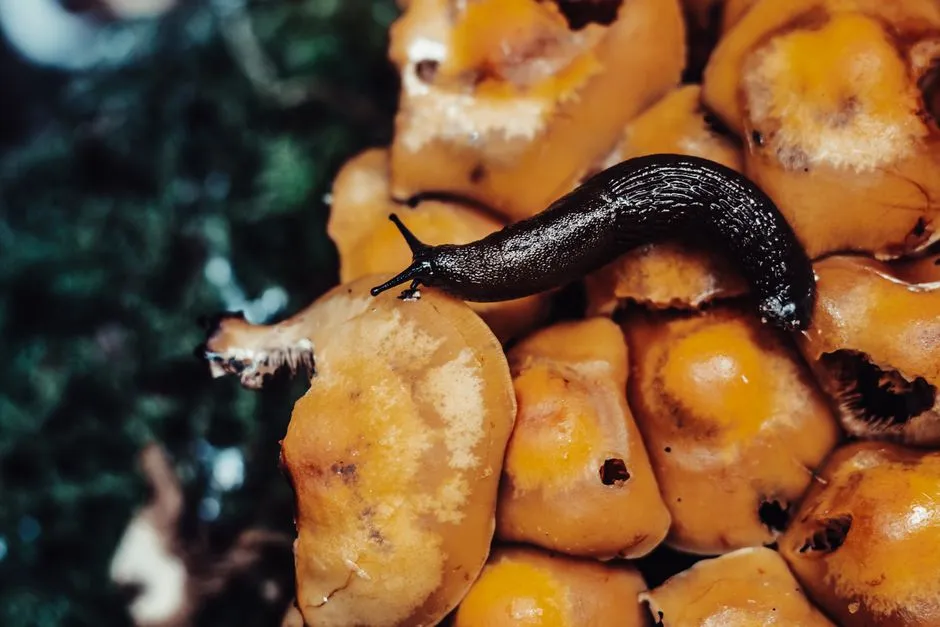
The answer lies in the slug’s own physiology. Slugs have a moist, mucus-covered body that allows them to glide smoothly across surfaces. When they encounter copper, things take a surprising turn: copper has unique electrical properties, and when a slug comes into contact with it, it experiences a mild electric shock.
When a slug’s mucus comes into contact with copper, it creates a galvanic reaction that produces a mild electrical current. The process involves copper ions dissolving into the slug’s mucus, which contains salt and other electrolytes. Research measured voltages ranging from 0.3 to 1.8 volts depending on copper purity and slug species.
The more likely explanation for slug aversion is that copper reacts with their slime and produces a compound similar to copper sulphate. This is partly because the compound interferes with their circulatory systems. While humans use iron-based haemoglobin to carry oxygen, molluscs use a copper-based carrier known as haemocyanin.
What Copper Actually Does to a Slug’s Body
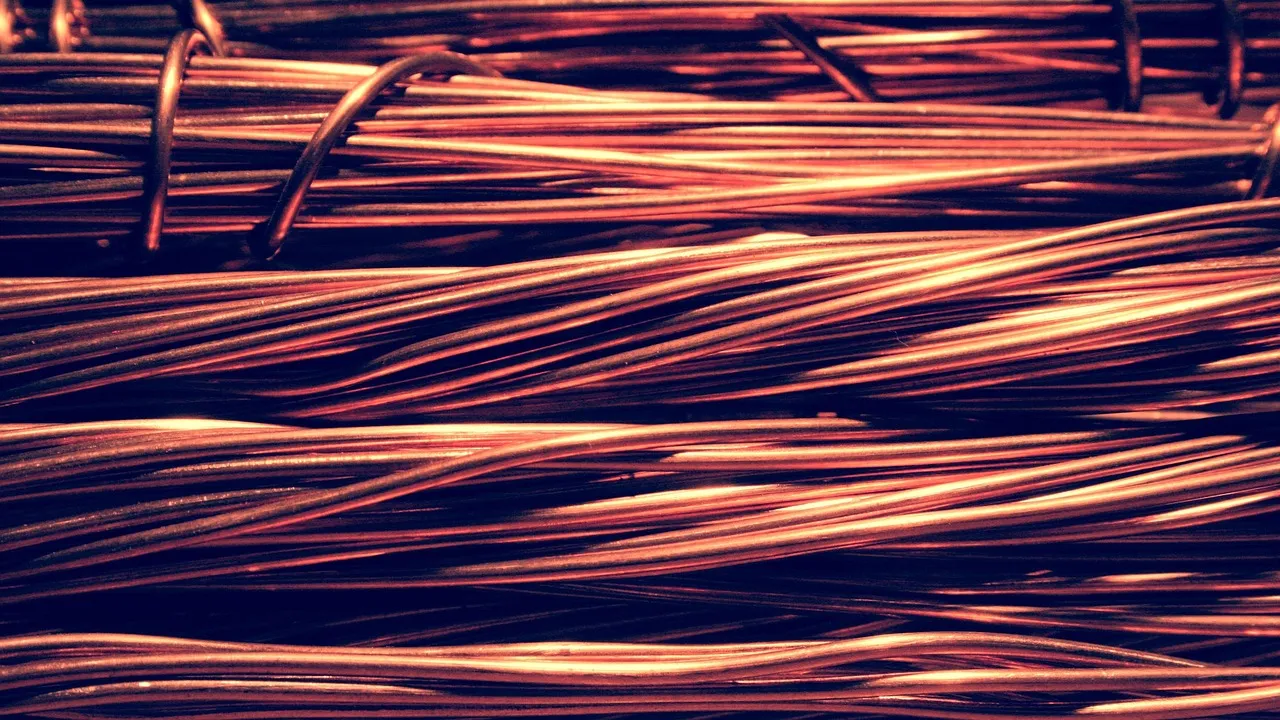
Other possible reasons for slugs and snails disliking copper include that it slows down their production of slime, limits how much they can eat, and harms their ability to reproduce.
The precise reason slugs find copper offensive is not entirely clear. It is possible that the “taste” of the copper metal is offensive to them, causing them to avoid it. It is also possible that a non-lethal electrical stimulation is delivered by copper’s electron transfer. Another possibility is that the copper-uptake processes by which slugs incorporate copper into their diet are simply overloaded by the concentration present in the barrier.
The copper-slime reaction generates its own microcurrent without any external power source. You do not need to ground the tape or connect it to a battery. The electrical charge is produced purely through the chemical interaction of copper ions with the slug’s mucus – it’s a passive barrier, not an electric fence.
Does Copper Tape Actually Work? The Honest Answer

Copper tape can be effective against slugs, but success varies widely depending on installation quality, environmental conditions, and slug species. Research shows effectiveness rates between 60 and 85 percent when properly applied. The tape works by creating a mild electrical reaction when slugs encounter it, though it’s not a perfect solution and requires proper maintenance to remain effective.
Controlled experiments have shown that copper barriers were largely effective in most cases. Only two slugs managed to escape while all others were deterred by the copper. In a sense, both sides of the debate were right: copper both works and doesn’t, depending on the circumstances.
Experiments also revealed that copper did not stop every slug – some were able to cross barriers. However, this doesn’t mean copper has no repellent effect; rather, it demonstrates that slugs are capable of overcoming it under certain conditions. Larger species like leopard slugs show only around 45 to 55 percent deterrence rates due to their size and ability to retain moisture.
Width Is Everything: Why Size Matters
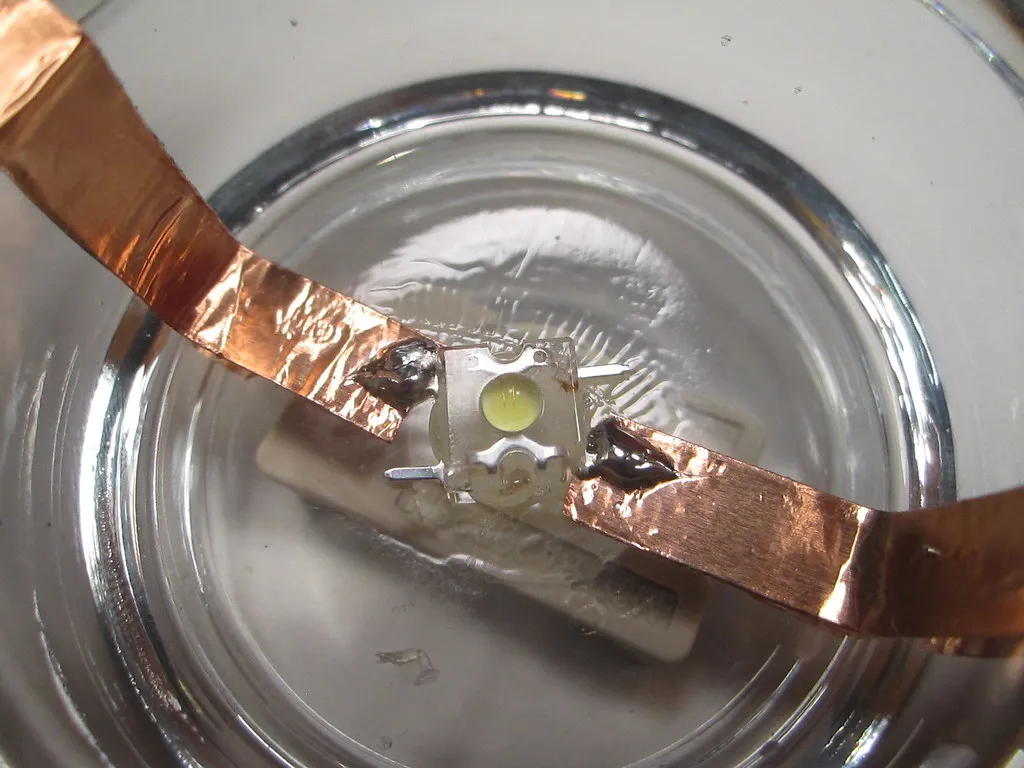
A narrow strip that snails or slugs can easily stretch across is simply insufficient. Only a sufficiently wide copper barrier proves effective. Copper tape can be an effective deterrent against snails and slugs, provided the barrier is wide enough.
Copper tape width should be at least 1.5 inches (38mm) for a reliable slug deterrent effect. Research indicates that narrower tapes allow some slugs to bridge the barrier by simply extending their bodies.
As a general rule, the wider the copper barrier, the more effective it will be. A broad strip prevents slugs and snails from simply stretching across it. For small pots, aim for a minimum width of 20 to 30mm, while for raised beds and rough timber surfaces, 30 to 50mm provides a more reliable stop.
How to Apply Copper Tape to Hostas in Pots
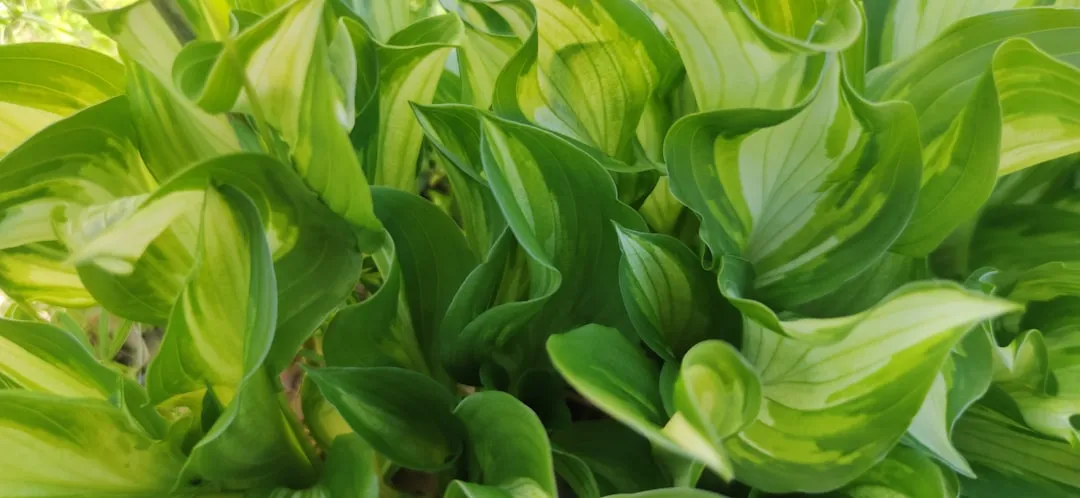
Hostas in pots are much easier to defend against slugs and snails than ones grown in the ground. By growing in a pot, you’re able to restrict slug access without killing them. Copper bands wrapped around the pot create a barrier that slugs will not cross in most cases.
For optimal use, verify that the tape is sufficiently wide (no less than 3.5cm) and possesses a high percentage of copper alloy. This ensures maximum effectiveness in deterring slugs. Apply the tape securely to the appropriate surfaces with no gaps in the barrier.
Wipe the surface with soapy water or rubbing alcohol to remove dirt and grease before applying the tape. Let it dry completely. Then unroll the tape and press it firmly along the outer edge of the pot or bed, ensuring it is smooth and continuous with no gaps or overlaps where slugs could bypass.
Common Mistakes That Make Copper Tape Useless

Heavy rain can spatter soil onto the tape, forming a “bridge” that a slug uses to sidestep the copper reaction entirely. Tarnish also reduces effectiveness over time. Keep the copper surface exposed and free from grime for it to continue working.
The barrier needs to form a continuous band around the container or bed. If leaves, mulch, or other materials bridge over the copper, slugs may simply crawl across without ever touching the metal.
Impure or thinly plated copper may look the part but fail to produce the deterrent effect. Full copper foil or solid copper mesh ensures the barrier remains effective as long as it stays in place. Dust, dirt, moisture, and organic residue will prevent even the strongest adhesive from bonding properly. Clean, dry surfaces give the tape its best chance of holding through rain and wind.
Copper Tape vs. Copper Mesh vs. Copper Rings
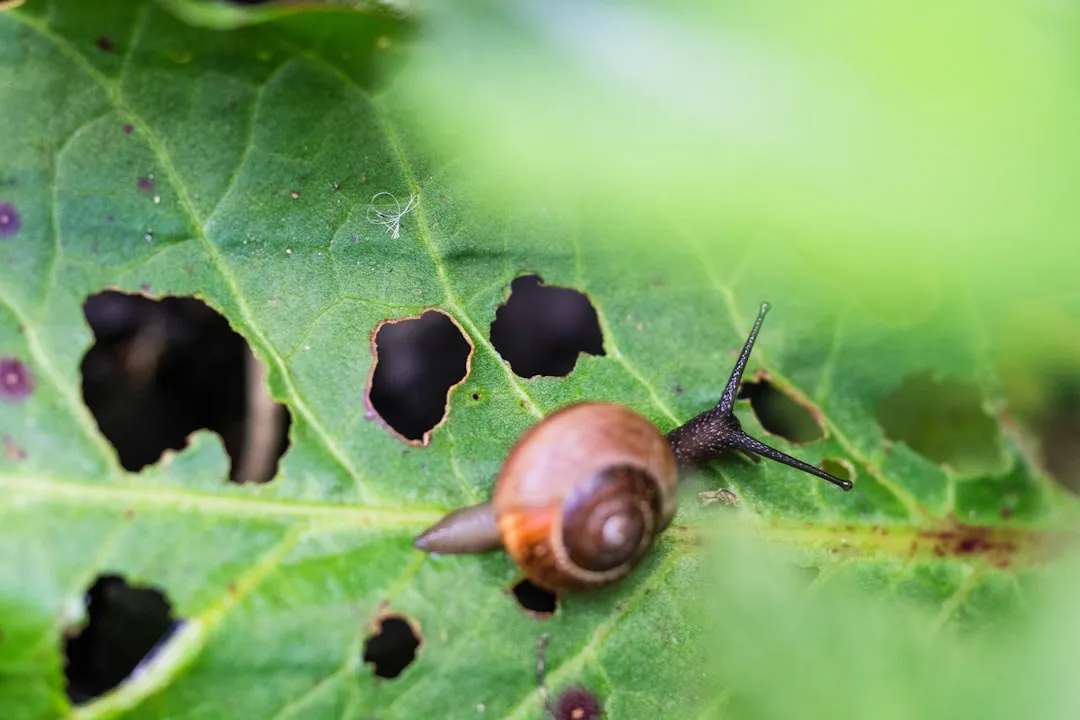
Researchers have tested copper in various forms including tape, mesh, and rings to determine which is most effective and whether any can serve as a reliable natural slug deterrent.
Copper mesh operates differently from foil tape. Instead of relying on adhesive and a flat conductive surface, woven mesh creates a physical and chemical barrier at the same time. Slugs must crawl over the sharp, bristly copper wires, which delivers both an electrical charge and an uncomfortable texture.
Copper rings are placed directly around individual plants on the ground. These rings are particularly popular in the UK, though they tend to be considered slightly less effective than slug collars. They may cost a bit more than copper mesh or tape, but they are more stable and don’t require a mounted surface to work.
How to Choose Slug-Resistant Hosta Varieties
No hosta is completely slug-proof, but some are less likely to sustain heavy damage. Slugs often prefer thinner, softer leaves. Hostas with thick, waxy, puckered, corrugated, or heavily textured foliage tend to be more resistant to visible slug damage.
Blue hostas often have a waxy coating that may make them less appealing to slugs, although that coating can wear off during the season. Thick-leaved varieties are usually a better choice in gardens with heavy slug pressure.
Hostas do vary in their susceptibility. The heavier the leaf thickness, the less tasty they tend to be for slugs. Considering thick-leaved varieties when planning a planting can make a meaningful difference, especially in gardens where slug populations are consistently high.
Combining Copper Tape with Other Methods for Better Results

Natural slug control works best when you use several methods together. No single method fixes every slug problem, especially in cool, rainy, or shaded gardens. The most effective approach focuses on reducing slug habitat, removing slugs before they reproduce heavily, and protecting the most valuable hostas.
Watering hostas and other plants in the morning is a simple yet effective complementary measure. By allowing the soil to dry out by evening, you minimize the damp conditions slugs love, especially since they’re most active at night. Dry soil creates a less inviting environment for these pests.
Encouraging natural predators like birds, frogs, and beetles is another effective way to control slug populations. These creatures actively hunt slugs, including their eggs. Creating diverse habitats near your garden – such as small ponds, log piles, and areas with dense plant cover – invites these allies, naturally keeping slug numbers in check.
Conclusion: Copper Tape Is a Tool, Not a Cure
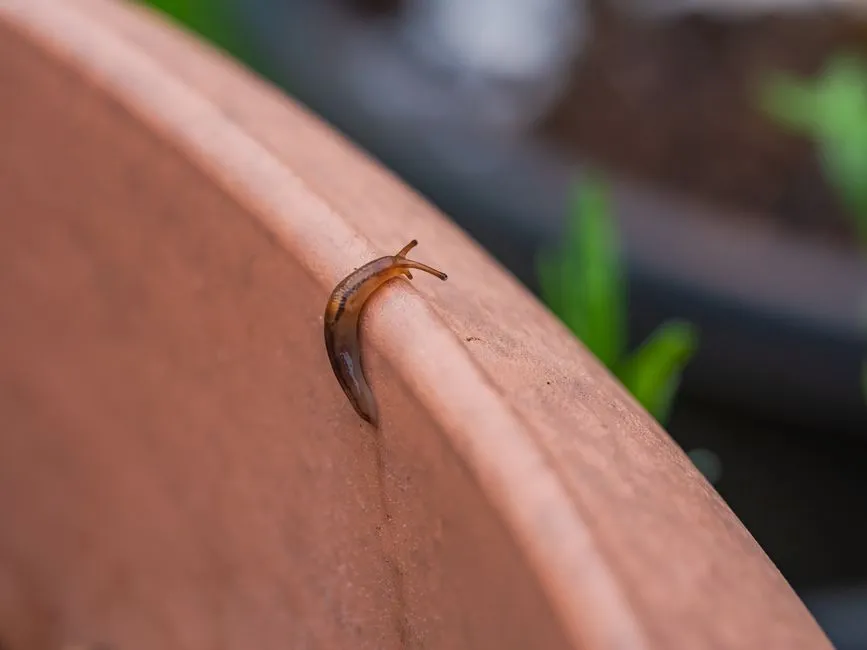
Copper tape genuinely deters slugs in most situations, particularly when protecting hostas grown in containers or raised beds. The science behind the reaction is real, even if the precise mechanism is still debated among researchers. When applied correctly, to a clean surface, at sufficient width, and without gaps or leaf bridges, it reduces slug damage measurably.
Copper provides reliable protection for pots, tubs, and planters, though it cannot guarantee complete security. Its durability and ease of use make it a method worth trying. The price per yard is generally lower than many other anti-slug solutions, and while it may not stop every slug, it will keep the majority at bay.
Think of copper tape as one solid layer in a broader defense rather than a standalone fix. Pair it with smart variety selection, morning watering, and a tidy garden, and your hostas stand a genuinely good chance of making it through the season looking the way they should.
AI Disclaimer: This article was created with the assistance of AI tools and reviewed by a human editor.