

Most people who sleep with a fan running at night think of it as a simple comfort choice. It keeps the room cool, fills the silence with a steady hum, and costs almost nothing to operate. What far fewer people connect, though, is why they wake up with a stuffy nose, a sandpaper throat, or itchy eyes that take an hour to settle down after getting out of bed.
The fan itself isn’t making you sick in the way a virus would. The mechanism is more subtle, and once you understand it, those groggy, congested mornings start to make a lot more sense.
Your Nasal Passages Dry Out Overnight

The most legitimate health concern linked to sleeping with a fan on is dryness. When a fan blows continuously toward your face throughout the night, it accelerates evaporation from nasal passages, the throat, and the surface of the eyes. This happens gradually over several hours, which is why you often feel perfectly fine when you fall asleep but rough when you wake up.
Drying of nasal passages reduces the mucus layer that normally traps irritants, which can lead to congestion or stuffiness upon waking. That mucus layer is not just there for comfort. It is a functional barrier, and when it thins out, the underlying tissue becomes vulnerable and irritated.
The Paradox: Dry Air Actually Causes Swelling

Dry air causes congestion, not merely dryness of sensation. The nasal mucosa responds to irritation and drying with vasodilation and increased blood flow as an attempt to deliver more moisture, and that engorgement narrows the airway. You feel blocked despite the air being bone dry.
What you’re feeling is early mucosal swelling, which is your nasal lining’s response to being dried out. It’s a protective mechanism. In other words, your nose is not actually congested in the usual sense. It is reacting defensively to being parched all night.
Fans Redistribute Allergens Already in Your Room

Fans circulate the air that already exists in your bedroom rather than filtering, purifying, or introducing new contaminants. That distinction matters. Dust mites, pollen, mold spores, and pet dander that may have settled on surfaces can get stirred up and redistributed around the room when the fan is switched on.
While fans improve air circulation, they do not affect filtration. What this means is that instead of allergens staying in one spot in the room, they move around, leading to more consistent exposure while you sleep. For anyone with even mild sensitivities, that exposure adds up across eight hours.
Dirty Fan Blades Make It Worse
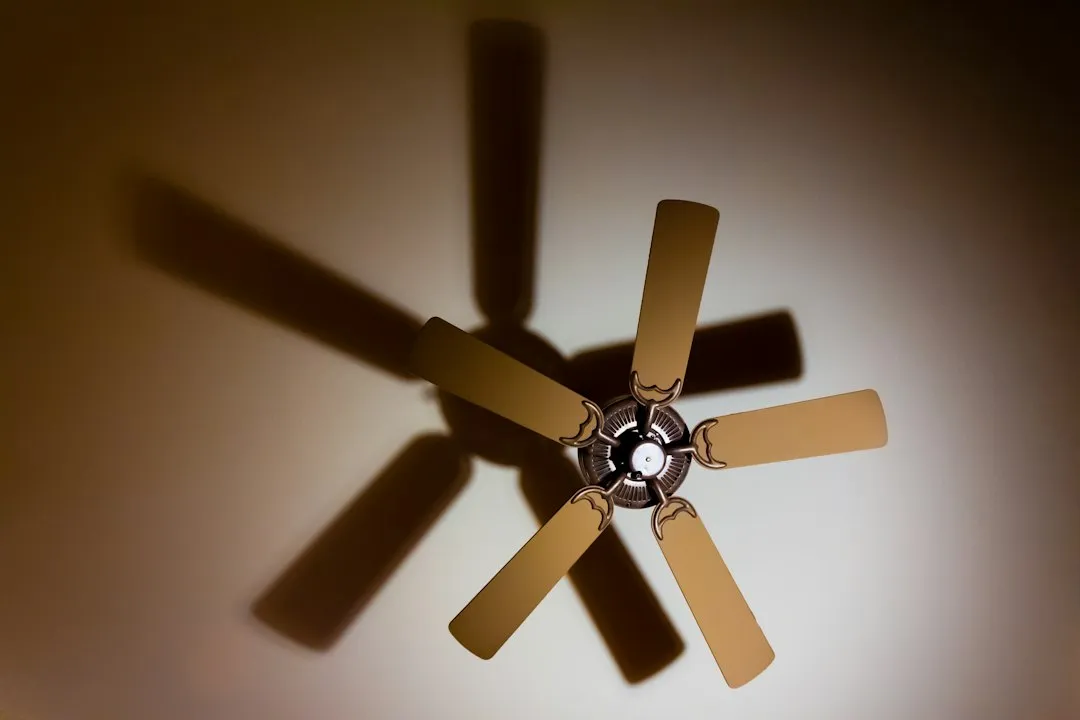
Any dust and other particles that are sitting on the fan blades can be distributed when the fan is turned on. This increases the amount of irritants in the air and, in turn, what you’re breathing in throughout the night. Most people clean their fans far less often than they clean other household surfaces.
A fan doesn’t just circulate air. It also circulates dust mites, pollen, and dirt. If not cleaned regularly, this dust can be redistributed into the air, leading to dirtier surfaces in the bedroom and potentially contributing to respiratory discomfort. Wiping the blades down every few weeks is one of the simplest things you can do if you sleep with a fan running.
People With Allergies and Asthma Feel It Most

Risk depends significantly on individual health status and the environment itself. People with allergic rhinitis or asthma face the highest concern because circulating allergens during sleep can trigger flares at a time when the body is not actively managing its environment.
People with asthma may experience increased airway irritation from circulating dust and allergens. The constant air movement can trigger bronchospasm in sensitive individuals, particularly when fans haven’t been cleaned regularly or when bedroom dust levels are elevated. If you already wake up wheezing or with a tight chest, your nighttime fan habit is worth reconsidering.
Children Are More Vulnerable Than Adults
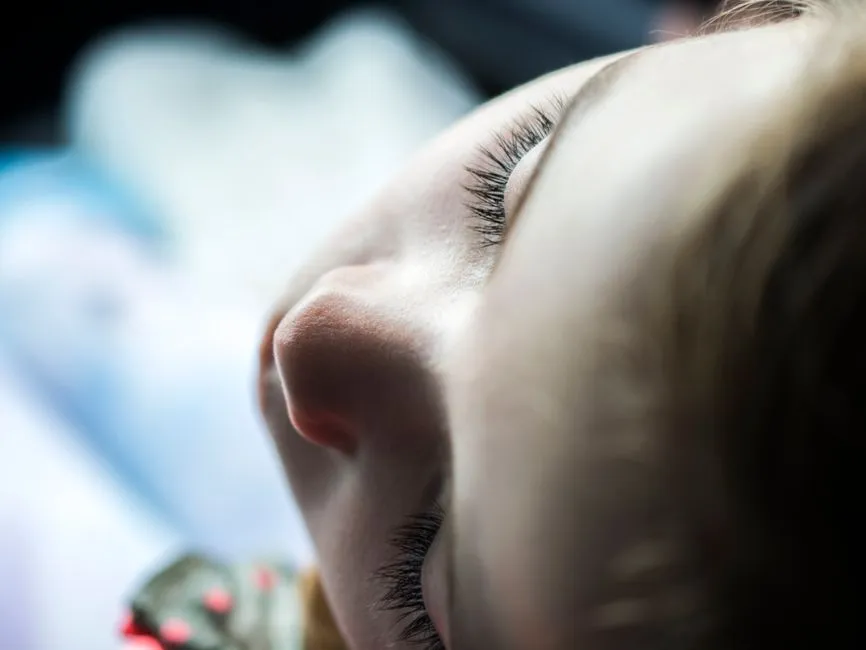
Children’s nasal passages are narrower, their adenoids are proportionally larger, and their mucosal surfaces are more reactive to environmental changes. A child sleeping directly in front of a strong fan is at higher risk of nasal congestion, mouth-breathing, and interrupted sleep.
Mouth breathing during sleep is particularly disruptive for growing children. It bypasses the nose’s natural filtering and humidifying role, meaning the airway gets hit with dryer, less filtered air for the entire night. The result is often poor sleep quality and more frequent morning congestion.
Your Body Produces Excess Mucus as a Response

Constant airflow can dry out your nose, mouth, and throat, prompting your body to produce more mucus in an attempt to combat the dryness. This is why some people wake up feeling genuinely congested rather than simply dry. The body overcorrects, flooding the nasal passages with mucus that then sits and blocks airflow.
Dry, irritated nasal passages may contribute to symptoms such as stuffy nose, dry or sore throat, coughing, burning or itching in the nose, and nosebleeds. These symptoms can easily be mistaken for the beginning of a cold, which sends people reaching for medicine they may not actually need.
Bedroom Humidity Levels Play a Key Role

The upper airway relies on moist mucosal surfaces to warm, humidify, and filter inspired air. Dry air thickens mucus secretions and impairs ciliary function. The cilia are the tiny hair-like structures inside your nose responsible for sweeping irritants away. When they slow down, debris accumulates and congestion follows.
Keeping bedroom humidity between 40 and 60 percent counteracts the drying effect of continuous air movement and supports healthier nasal passage function throughout the night. A simple plug-in hygrometer costs very little and can tell you exactly what your bedroom air is doing while you sleep. Many people are surprised by how dry their rooms actually get.
How Fan Placement Changes Everything
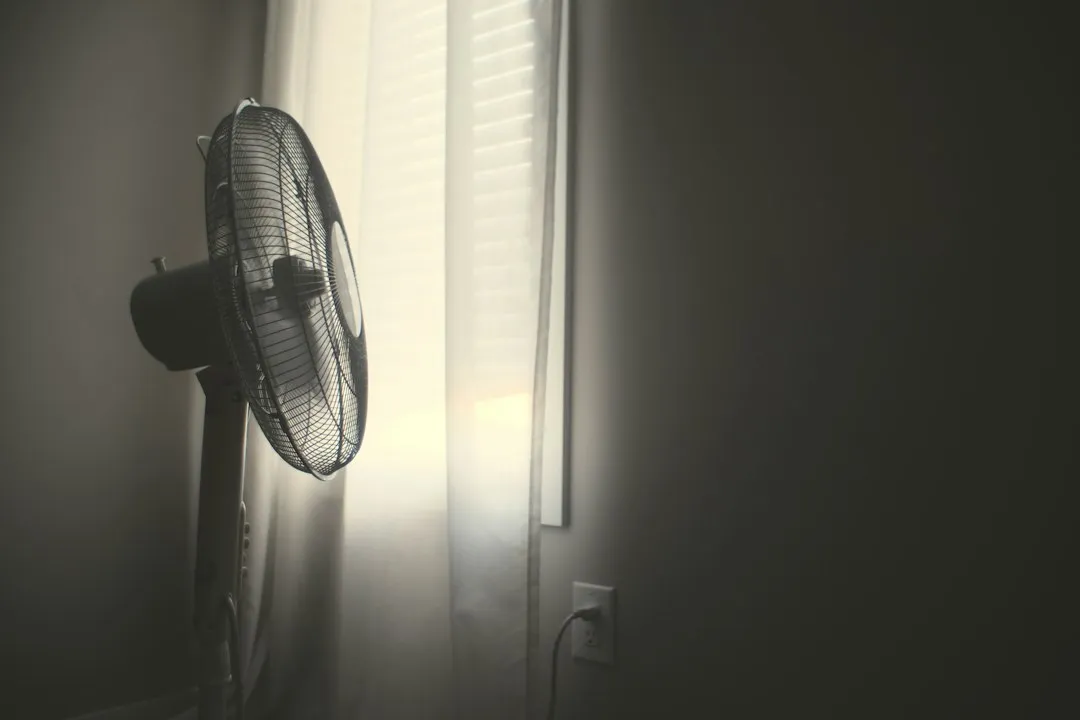
Circulating air dries out your nasal passages, skin, and throat, triggering allergy symptoms by stirring up dust mites and pollen. The intensity of that drying effect, though, depends heavily on where the fan is pointing. A fan aimed directly at your face creates a concentrated stream of moving air across your most sensitive membranes all night long.
Instead of directing airflow at your face, have the fan face the ceiling or the wall to avoid blowing allergens at your face or irritating your airways. Keeping the fan two to three feet away from your bed can also reduce drying of the nasal passages. Small positional changes can make a measurable difference in how you feel in the morning.
Recognizing Dryness vs. a Real Infection

Morning symptoms like a mildly sore throat, slight nasal congestion, or watery eyes that resolve within an hour or so after waking are most likely environmental irritation tied to fan use rather than signs of infection. This is an important distinction that saves a lot of unnecessary worry and unwarranted trips to the medicine cabinet.
If you wake with a scratchy throat that clears after a glass of water and a shower, that points to dryness. If the scratchiness fades within an hour of getting up, it was probably dryness. A genuine infection lingers, worsens through the day, and usually comes with additional symptoms like fever or body aches. Fan-related congestion almost always improves once you’re up and moving.
What You Can Actually Do About It
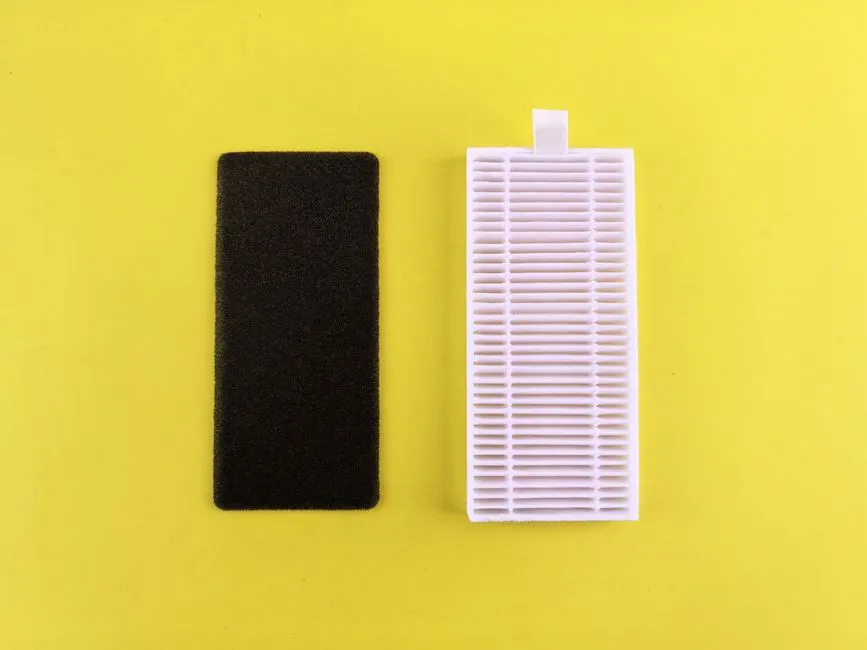
Fans move existing air around, but they don’t filter it. That means they can spread allergens that are already in the room, such as dust, dust mites, and pollen. Pairing your fan with an air purifier with a HEPA filter is one of the most practical steps you can take to address the allergen side of the problem.
An oscillating fan moves air around the room instead of directing a steady blast at one spot. Using the oscillating setting, running a humidifier to keep moisture levels in a healthy range, and keeping the fan itself clean are three straightforward adjustments that most fan sleepers never think to make. White noise machines with fan settings can also offer the benefits of sound without harsh drafts, which is worth considering if the sound is the main reason you keep the fan on at night.
The Takeaway

The fan on your nightstand isn’t your enemy. For most people, used thoughtfully, it’s a genuine sleep aid. The problems surface when it runs all night, pointed directly at your face, in a dusty room with no humidity control. That combination is a reliable recipe for waking up feeling like you’ve caught something you haven’t.
A few small adjustments, including angling the fan away, cleaning the blades regularly, and keeping an eye on bedroom humidity, can preserve everything you like about sleeping with a fan while eliminating most of what’s making your mornings miserable. Sometimes the most effective health fix is also the simplest one.
AI Disclaimer: This article was created with the assistance of AI tools and reviewed by a human editor.