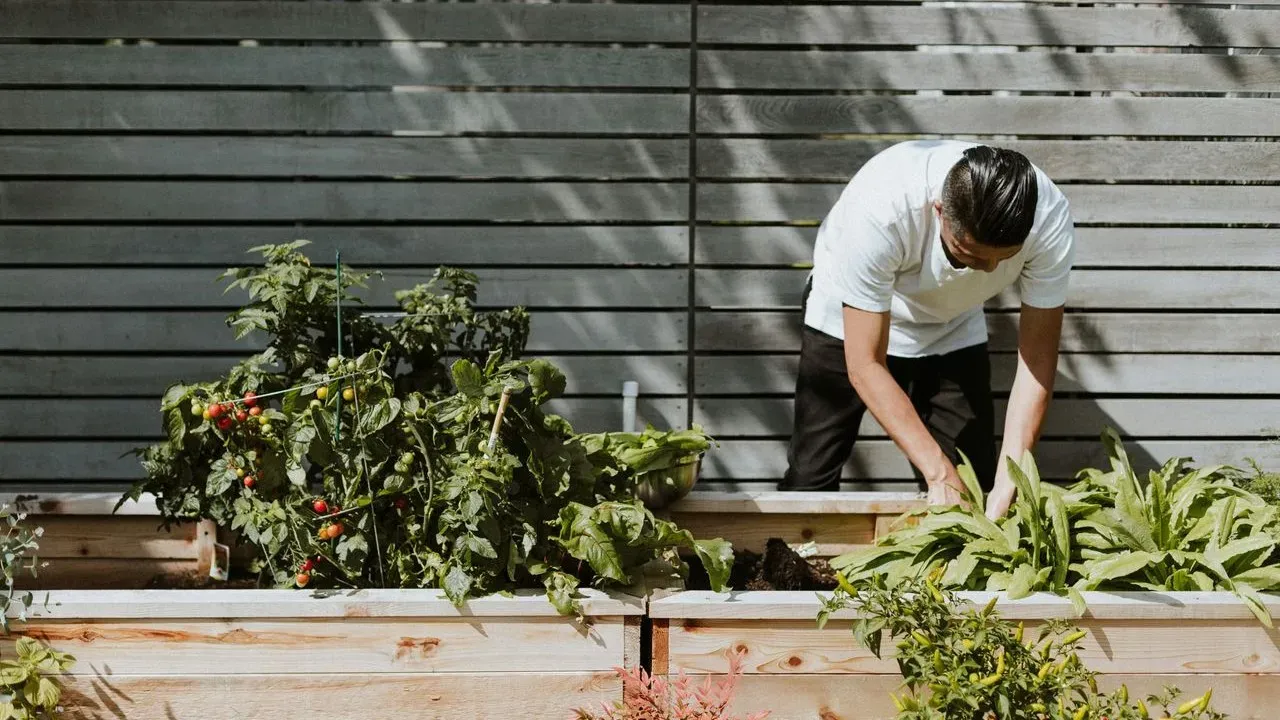

Gardeners have long debated how thoroughly to clear vegetable beds once the growing season ends. Recent guidance favors a more selective approach that removes only what poses real risks while preserving elements that support soil life and beneficial insects. The shift reflects better understanding of how certain pests and plant pathogens survive winter in crop debris. Acting before cold weather sets in can reduce problems that otherwise carry over into the following year. ([1])
The Science Behind Selective Removal
Warm-season crops such as tomatoes, cucumbers, and squash often harbor insects or disease organisms that remain viable through winter. Leaving their vines and fruit in place provides shelter and a food source that allows populations to rebound quickly in spring. In contrast, some cold-hardy vegetables like carrots or Brussels sprouts can stay in the ground without creating the same issues. The key distinction lies in the biology of the plants involved. Annual vegetable debris from tender crops breaks down slowly in cold months and can shelter fungal spores or insect eggs. Removing those materials interrupts the cycle without stripping the entire bed bare. This targeted approach has replaced earlier blanket recommendations to clear every scrap of plant matter.
Protecting Soil Health Through Cover and Mulch
Bare soil left exposed over winter loses nutrients to erosion and becomes vulnerable to early weed establishment. Applying a layer of organic mulch or sowing a cover crop such as winter rye creates a protective barrier that also feeds soil microbes as it decomposes. Both methods improve structure and water retention for the next planting season. Perennial crops like asparagus and strawberries benefit from similar protection. Frost heaving can push crowns out of the ground, exposing roots to damaging temperatures. A modest layer of straw or shredded leaves around these plants insulates them without smothering growth. The same treatment helps hardy herbs such as thyme and sage survive fluctuating conditions.
Balancing Cleanup With Habitat for Beneficial Insects
Not every piece of garden debris needs removal. Leaving some healthy stems and leaf litter can shelter overwintering pollinators and predatory insects that return to control pests the following year. Butterfly chrysalides and moth cocoons often hide in fallen leaves, so raking everything into bags can unintentionally reduce spring biodiversity. The decision hinges on plant health. Diseased or heavily infested material should still be taken away and disposed of rather than composted, because home compost piles rarely reach temperatures high enough to kill pathogens. Healthy debris, however, can remain in out-of-the-way piles or lightly mulched areas where it supports the broader garden ecosystem.
Tool Care and Long-Term Soil Planning
Fall also offers a practical window for maintaining equipment. Cleaning soil from shovels, hoes, and pruners, then applying a light coat of oil, prevents rust and extends their useful life. Sharp, well-maintained tools make spring tasks easier and reduce the chance of spreading disease through cuts. Crop rotation planning fits naturally into the same period. Noting which vegetables grew where helps avoid planting related crops in the same spots, limiting the buildup of soil-borne pests and diseases. This simple record-keeping step complements physical cleanup and contributes to healthier harvests over multiple seasons. What matters now is matching the level of cleanup to the actual risks present in each bed. A measured approach that removes problem plants while protecting soil and beneficial life sets the stage for stronger growth when warmer weather returns.
AI Disclaimer: This article was created with the assistance of AI tools and reviewed by a human editor.