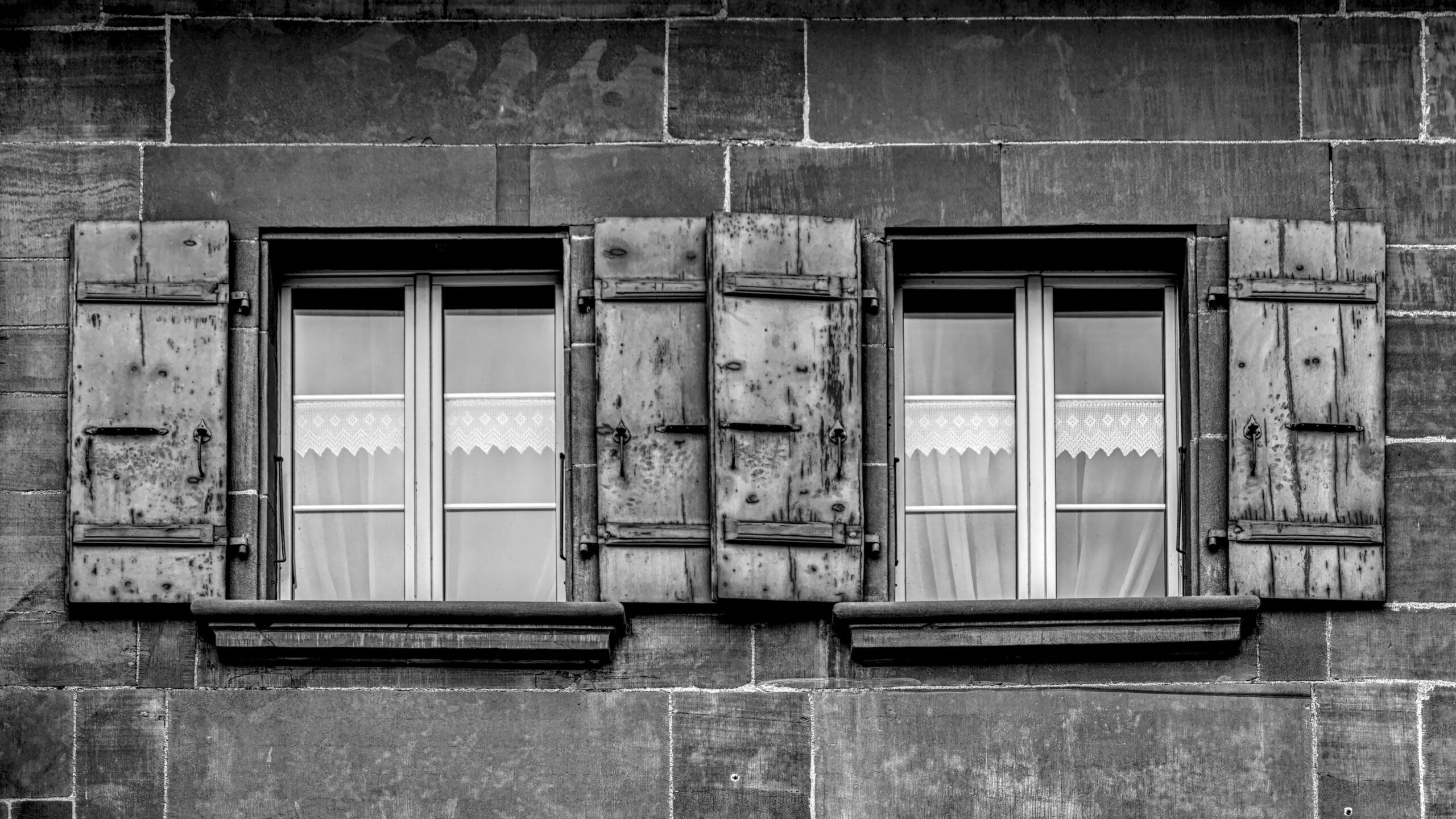

Walk through almost any older neighborhood in America and you’ll notice them: pairs of wooden shutters flanking windows, painted green or white, frozen open and nailed to the wall. They look charming. They look intentional. They also look completely useless, which, by the way, is not how their makers intended them to be.
The story of the window shutter is really a story about forgetting. Somewhere between the Victorian era and the postwar housing boom, one of the most practical features of domestic architecture got quietly stripped of its purpose and left as a cosmetic afterthought. Here’s what shutters actually did, and why that matters more than most homeowners realize.
Shutters Came Before Glass Windows Did
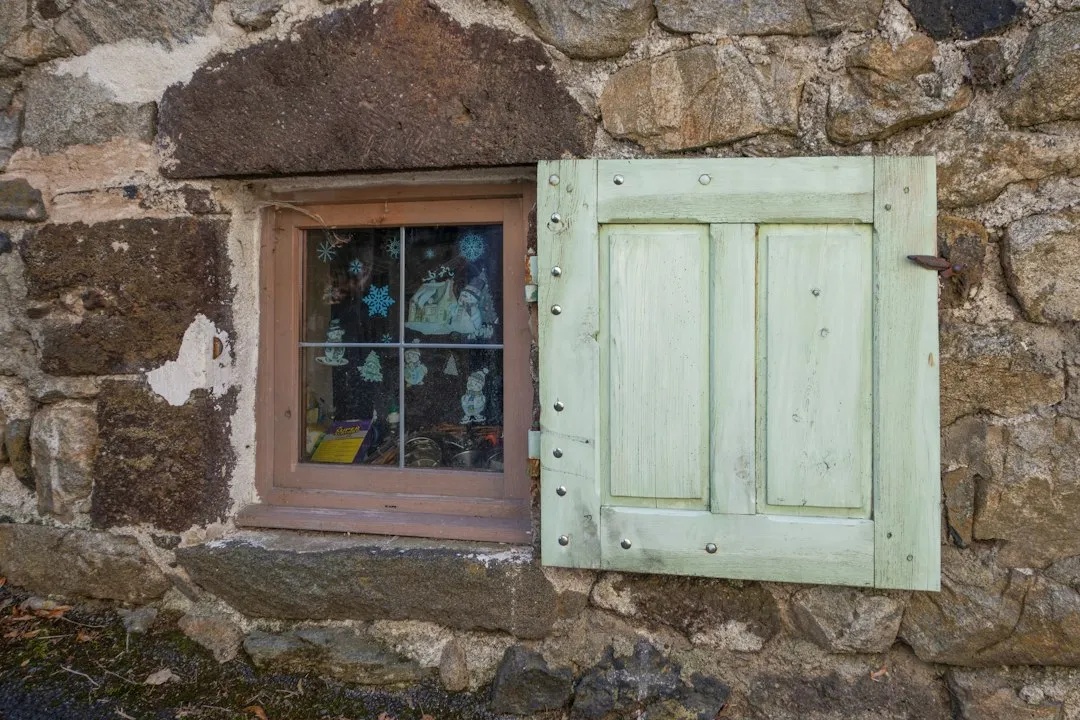
Before there was glass in windows, only the wealthy could afford it, so there were shutters covering simple openings in a wall. These were not decorative in any sense. Historical shutters could be closed during inclement weather and opened again when weather was pleasant. If you think about it simply, the first windows functioned like doors: you would swing open the shutters when you wanted fresh air and close them when you wanted to keep bugs and weather out.
Historians believe shutters were first used in Ancient Greece and were constructed of marble with fixed louvers. Greeks employed shutters to regulate sunlight, provide ventilation during hot summers, and maintain privacy. From there, the idea traveled west through centuries of construction practice, evolving in material and form but keeping its core purpose entirely intact.
Medieval Europe Made Shutters Serious Business
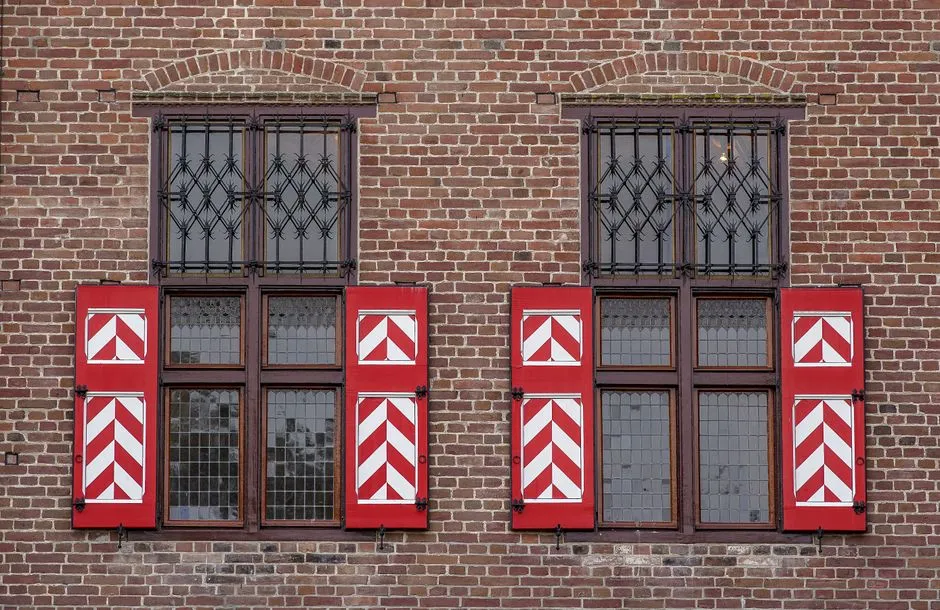
In medieval Europe, homes featured solid wood shutters that could be barred with heavy iron for security. These weren’t just weather barriers. Shutters covered openings in walls, acting as a defense against intruders, harsh weather, and unwanted light.
In Tudor England during the reigns of Henry VIII and Elizabeth I (1558–1603), it was common for homes to have shutters. Shutters were initially used for security. Before glass windows became widespread, they provided a protective layer against external threats, shielding homes from vandalism and keeping intruders out. The idea that shutters were primarily decorative would have confused a 16th-century carpenter considerably.
Proper Shutters Were Sized to Actually Cover the Window
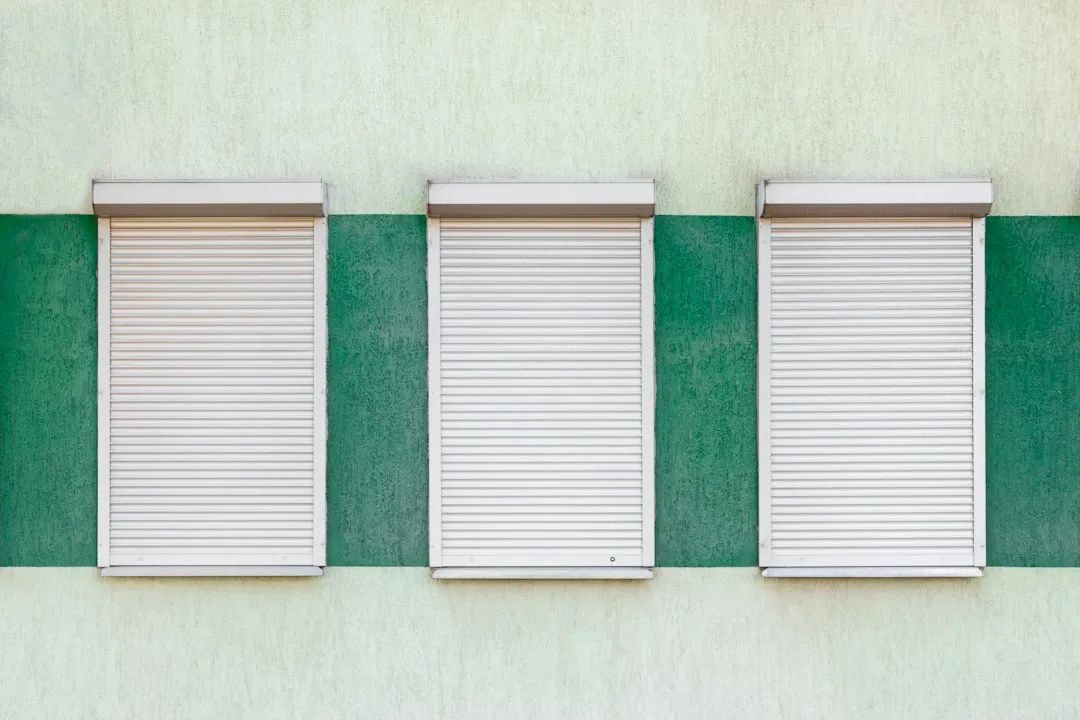
This is the detail that most modern homeowners miss entirely. Properly sized shutters were built to fully cover the window opening when closed. That meant each shutter panel was exactly half the width of the window, so when swung shut, the two panels met in the middle and sealed the glass completely.
Shutters should be sized to properly cover the window. Seeing a pair of 12-inch shutters on a 36-inch window is a common mistake, and a painful one. Shutter size is found by measuring the reveal of the window opening as if the shutters were closed. The overall width of both shutters is determined by measuring the space between the right and left window jambs. That standard was treated as non-negotiable on any historically correct building.
Louvers Were Engineered for Airflow, Not Appearance
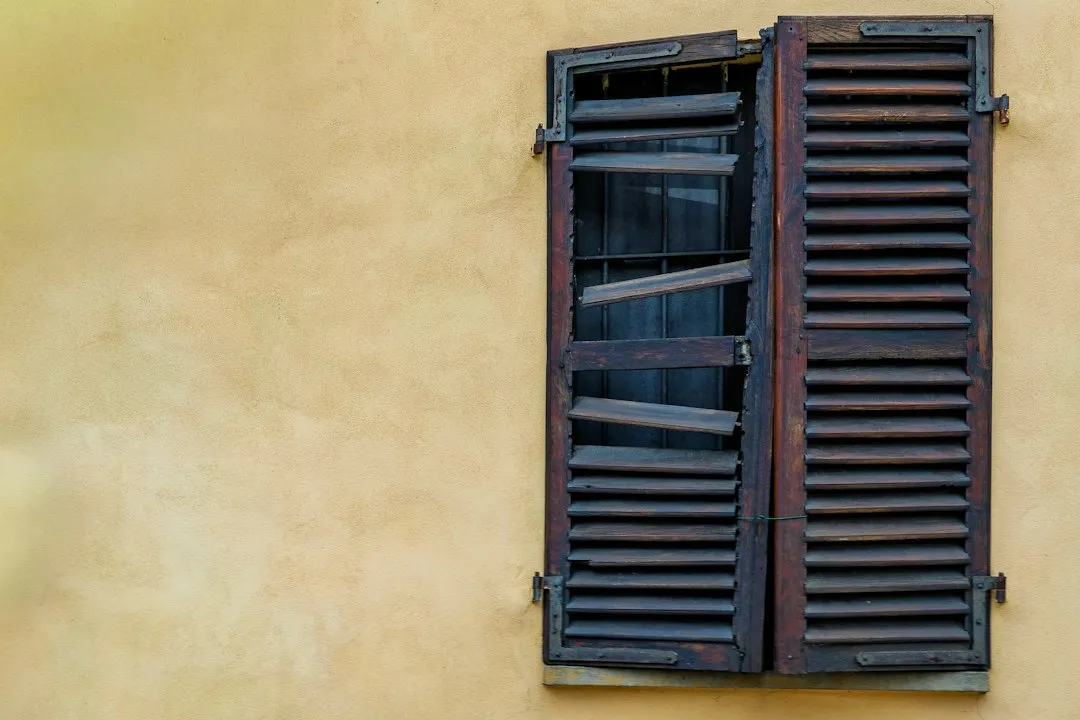
In the late 1700s, louvered shutters came into use and were particularly favored in warmer climates. Operable with functional hinges, they could easily swing closed to minimize heat while allowing air to circulate into the house. The angle of the louver slats was not random. Louvers should angle towards the house when open and away from the house when closed.
Operable louvered shutters, with louvers regulated by a tilt rod, began to be manufactured around 1830 to 1840. Before this the louvers were fixed in an open position. After that innovation, the slats could be moved up and down to regulate ventilation and light entering the room, or for privacy. This was a genuine technological improvement in home climate management, not a styling trend.
Different Floors Got Different Shutter Types for a Reason
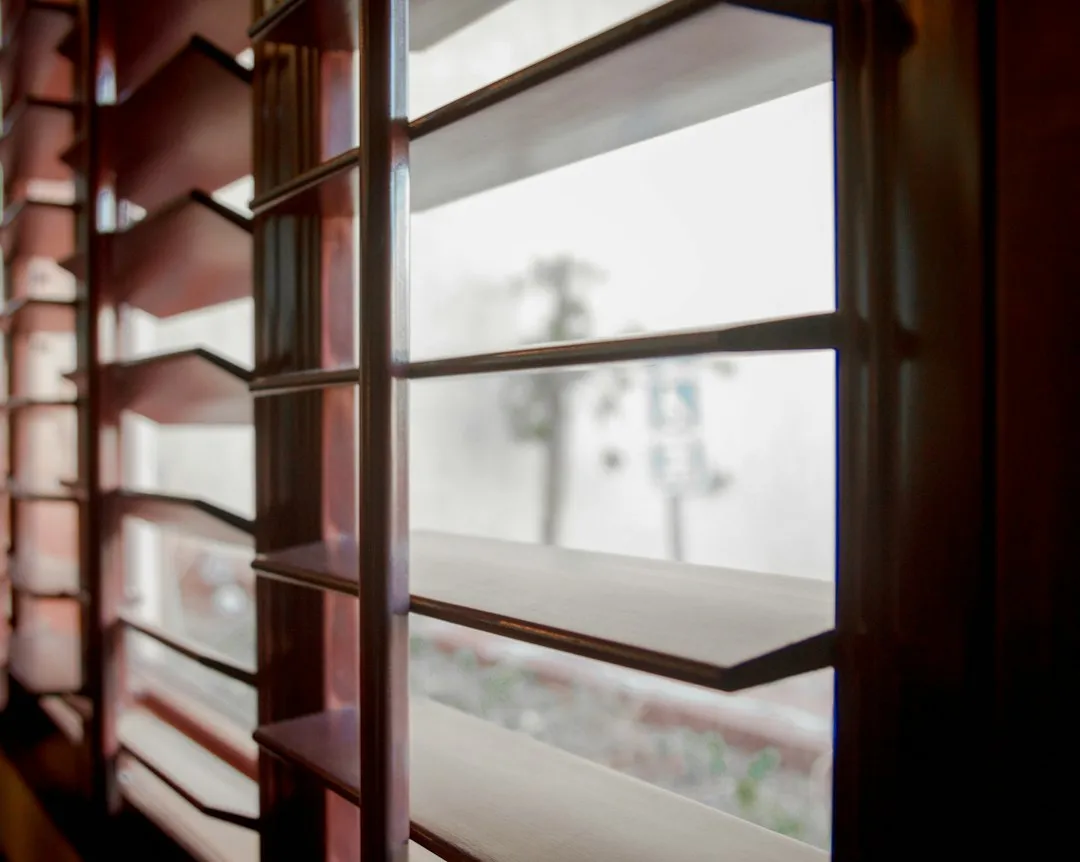
Through the middle of the 19th century, most homes would have solid raised panel shutters on the first floor for privacy and security. Sometimes the first floor had white shutters. Dark-colored louvered shutters on the second floor would provide darkness for daytime napping. This wasn’t arbitrary. It reflected a clear logic about how different parts of a house were used.
Following a precedent found in Charleston, South Carolina, architects specified louvered shutters on upper levels and paneled shutters below. Historically, this addressed ventilation upstairs (before air conditioning) and privacy at street level. Many buildings used paneled shutters on the first floor where protection from outside elements was most important and louvered shutters above. The building itself was zoned, floor by floor, through the choice of shutter type.
Shutters Were Opened and Closed Every Single Day
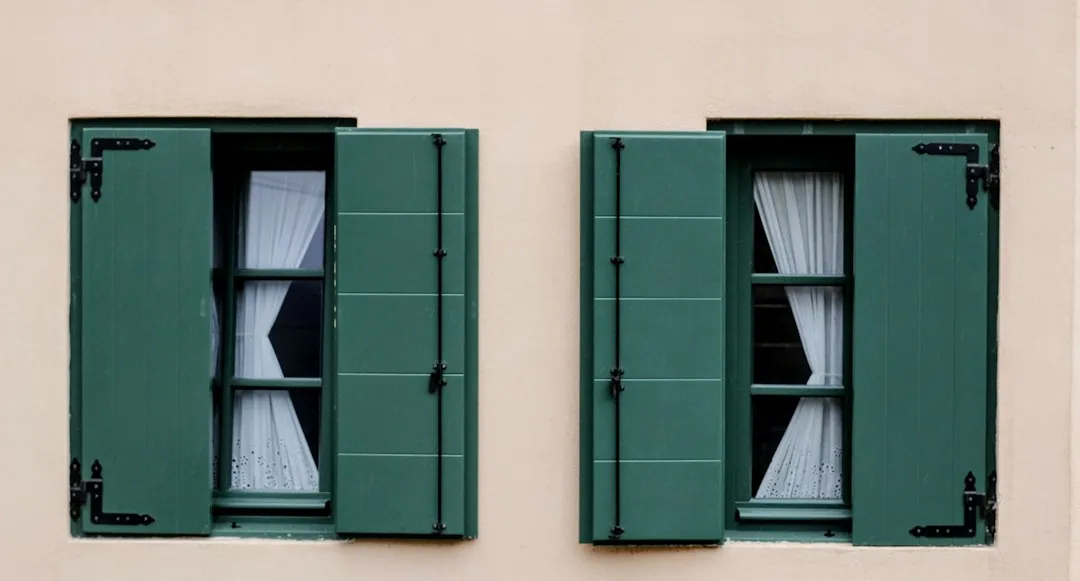
By the early 1800s many windows were fitted with exterior shutters, which were typically painted dark green or a shade of green that weathered to a deeper hue. Shutters were opened and closed daily to provide shade or to protect from oncoming storms. When closed, these shutters fully covered the window and were as important then as window screens are today.
Think of them the way you’d think of a modern thermostat. They were actively managed tools, not static fixtures. Before air conditioning, homeowners used shutters strategically to manage ventilation and temperature. Morning sun would be let in on the east side. By midday, the south-facing shutters would close. Evening breezes meant opening up again. This was daily life in a pre-mechanical climate-control world.
Wood Shutters Also Provided Real Insulation
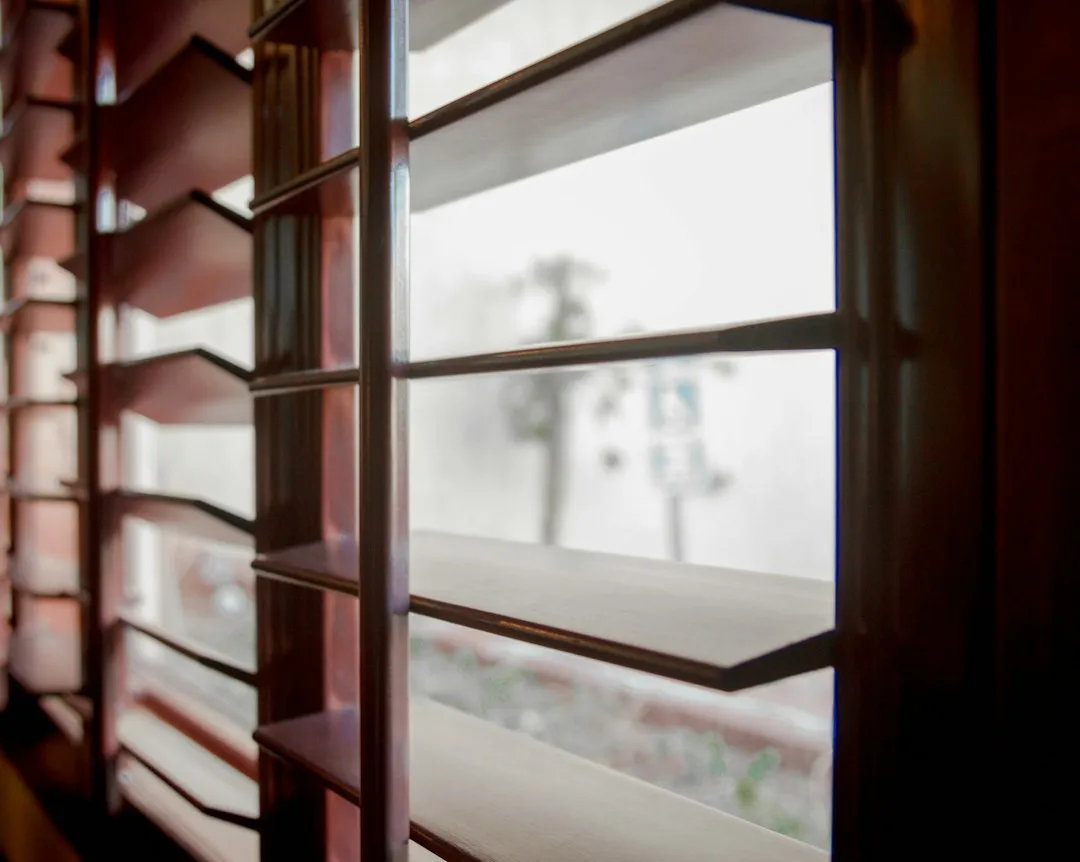
Exterior wood window shutters over the course of history were not only aesthetically pleasing but provided a necessary function with their many uses. They were used for security, provided privacy from outsiders passing by, added an extra layer of insulation during winter weather (with wood having a high R value) and blocked out the sun, preventing damage to furniture.
The necessity for shutters has changed over time, but they can still provide many of the same benefits as they did historically. Shutters can be a “green” way to insulate your home year round. You can also prolong the life of your historic windows by using shutters to protect the wood frames and thin glass from the elements. On a cold night with a stiff wind, a closed pair of solid paneled shutters made a measurable difference to the interior of a home.
Hurricane Protection Was Part of the Original Design
Shutters become especially relevant throughout the Southeast. Historic homes in Florida, coastal Georgia, and South Carolina have faced hurricanes for generations. Long before impact glass existed, property owners relied on shutters for protection. Functional shutters pivot from the open position to the closed position and operate to protect windows, doors, and other openings of the dwelling during inclement weather, such as precipitation storms, wind storms, and hurricanes.
The rise of wood-frame house construction during the Victorian period made exterior shutters more practical. Earlier stone and brick buildings had recessed windows that made exterior shutters difficult to operate, but with thinner wooden walls, homeowners could easily reach and operate exterior shutters from inside. The storm shutter and the everyday shutter were often one and the same piece of hardware, pulled double duty without fanfare.
The Shift to Decorative Happened Gradually, Then All at Once
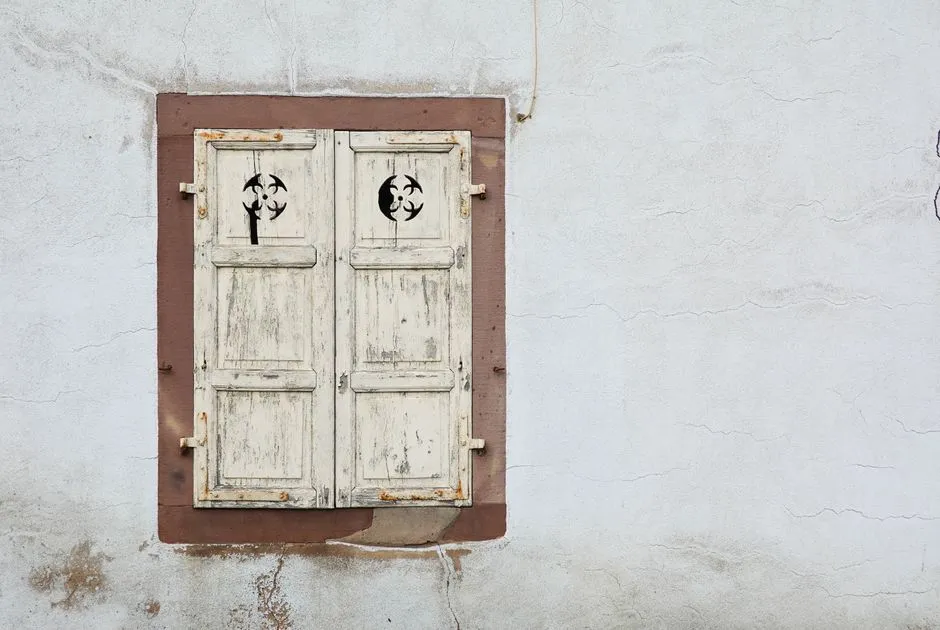
Shutters made a comeback with the revival of classical architecture, but the development of new building technologies like storm windows, screens, and HVAC systems, along with the popularity of postwar building materials such as aluminum and plastics, relegated them to a mostly decorative role in the 20th century. The function did not disappear because shutters became less useful. It disappeared because other systems took over.
The popularity of aluminum and vinyl products in the 1950s helped to relegate shutters to non-operable decoration instead of practical building components. In some styles of architecture, exterior shutters also began to fall out of fashion. By the 1920s, although some exterior window shutters were still used for practical reasons, most were strictly decorative. The nailing-to-the-wall habit followed shortly after, and that’s the version most of us grew up seeing.
Preservation Professionals Are Pushing Back
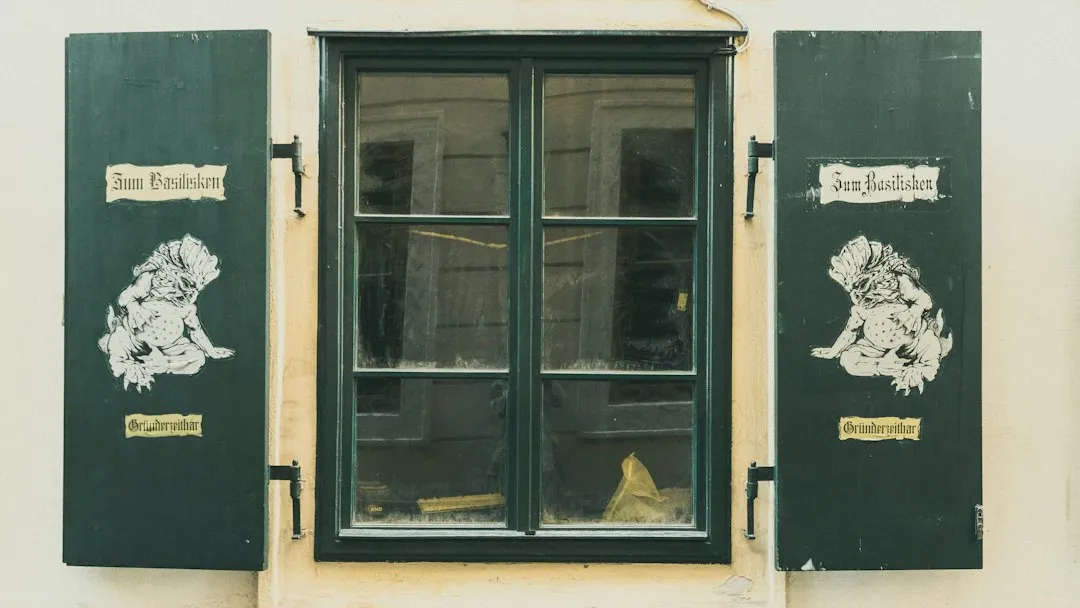
Recently, shutters have begun receiving renewed attention from architects, designers, and preservation professionals, not simply because they’re attractive, but because functional shutters solve real problems while preserving historic authenticity. This is not purely a nostalgia argument. Operable louvered shutters give homeowners daily control over solar gain and ventilation on west-facing windows.
One of the things preservation professionals appreciate most about historic architecture is that the best design elements were rarely created for appearance alone. Shutters protected. Functional shutters remain one of the clearest examples of that philosophy. A shutter, or pair of shutters, should always be operable. In historically accurate drawings, shutters are specified as fully functional and include the appropriate hardware. Getting back to that standard is less about recreating the past and more about understanding why it worked.
The Takeaway: They Were Never Just for Looks
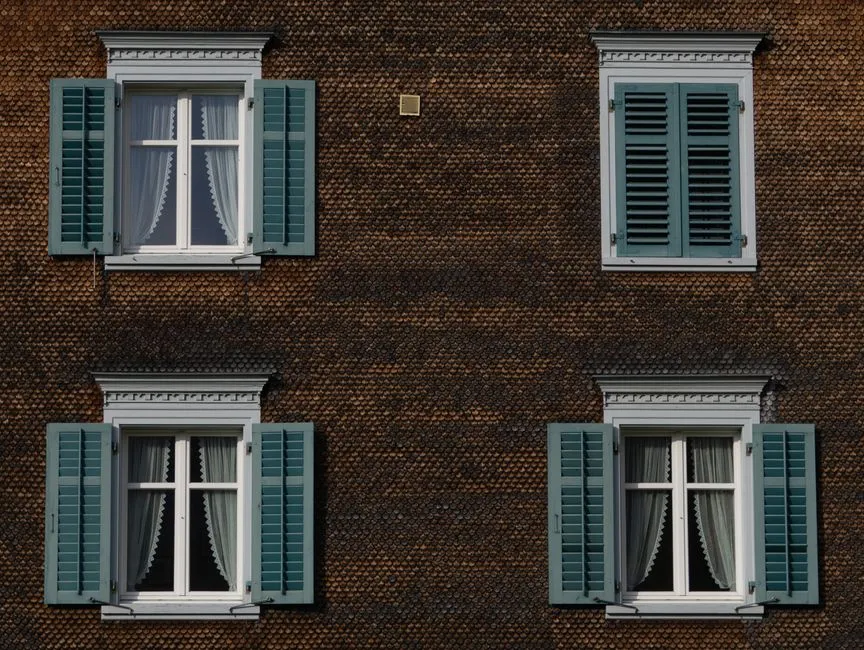
The decorative shutter, nailed flat against brick and sized to cover barely a third of the window it flanks, is a relatively recent invention. It carries the shape of something useful without any of the function. That’s a strange design inheritance when you think about it.
Originally, shutters were designed to control light, provide privacy, and protect the interior from inclement weather. The construction of functional window shutters has remained essentially unchanged for well over 100 years. The craft knowledge was never lost. The habit of using it correctly just quietly faded out.
If you own an older home and the shutters don’t reach the edges of your windows, now you know exactly what that means. They weren’t sized for appearance. They were sized for closing, and somewhere along the way, that purpose got forgotten.
AI Disclaimer: This article was created with the assistance of AI tools and reviewed by a human editor.