
The USDA made it official in late 2023: the country’s plant hardiness map had not been updated in over a decade, and the new version told a different story than the last. Warmer winters, earlier springs, and repositioned zone boundaries have quietly redrawn the rules for when and what gardeners can grow. For many, the instinct to follow the same planting calendar from five or ten years ago no longer holds up against the evidence.
This isn’t just a map revision. It reflects a measurable shift in how cold winters actually get, and by extension, when the soil is ready for seeds. If your planting dates haven’t shifted alongside the zones, you may already be leaving weeks of productive growing time on the table.
The 2023 USDA Map Update Changed Everything
In November 2023, the USDA released a new version of its Plant Hardiness Zone Map, updating this valuable tool for the first time since 2012. The revision wasn’t minor. The 2023 map includes data measured at weather stations from 1991 to 2020, replacing the older 1976 to 2005 window used previously.
The 2023 map is, on average, about 2.5 degrees Fahrenheit warmer than the 2012 map. Roughly half of the grid cells shifted a half zone warmer, and the remaining grid cells didn’t change zone. That’s a significant nationwide shift in the baseline conditions gardeners and growers rely on for timing decisions.
The data that went into the newest version of the map derived from over 13,000 weather stations spread across the U.S. and Puerto Rico – a roughly 70 percent increase over the number of stations that informed the 2012 map. More data points mean a more accurate picture, and that picture is consistently warmer.
Half the Country Has Moved Into a New Zone
When compared to the 2012 map, the 2023 version reveals that about half of the country shifted to the next warmer half zone, and the other half of the country remained in the same half zone. For those in the shifted regions, that translates directly into a recalibrated set of expectations about what winter will do to your plants, and when spring is genuinely safe.
On average, the coldest days of winter in the current climate, based on temperature records from 1991 through 2020, are 5 degrees Fahrenheit warmer than they were between 1976 and 2005. Five degrees is enough to make the difference between a plant surviving outdoors and dying back completely.
In some areas, including the central Appalachians, northern New England, and north central Idaho, winter temperatures have warmed by 1.5 hardiness zones over the same 30-year window. For gardeners in those pockets, the change isn’t subtle. It’s a complete zone reclassification.
The Southeast Has Shifted Noticeably
The new map shows that more than half of the Southeast has shifted its category by half a zone towards a warmer climate. This is not a surprise since the global as well as regional temperature has been rising due to global warming.
Practically, it means that gardeners can plant species that can take a little warmer weather and less frost than in previous years. That’s a real opening for expanding plant choices and for adjusting when outdoor planting begins in spring.
There can still be outliers like the cold blast that occurred around December 2022, which was much colder than anything else that occurred in the last 30 years. Zone data captures averages, not absolutes. That caveat matters, and experienced growers know to keep it in mind.
Last Frost Dates Are Arriving Earlier
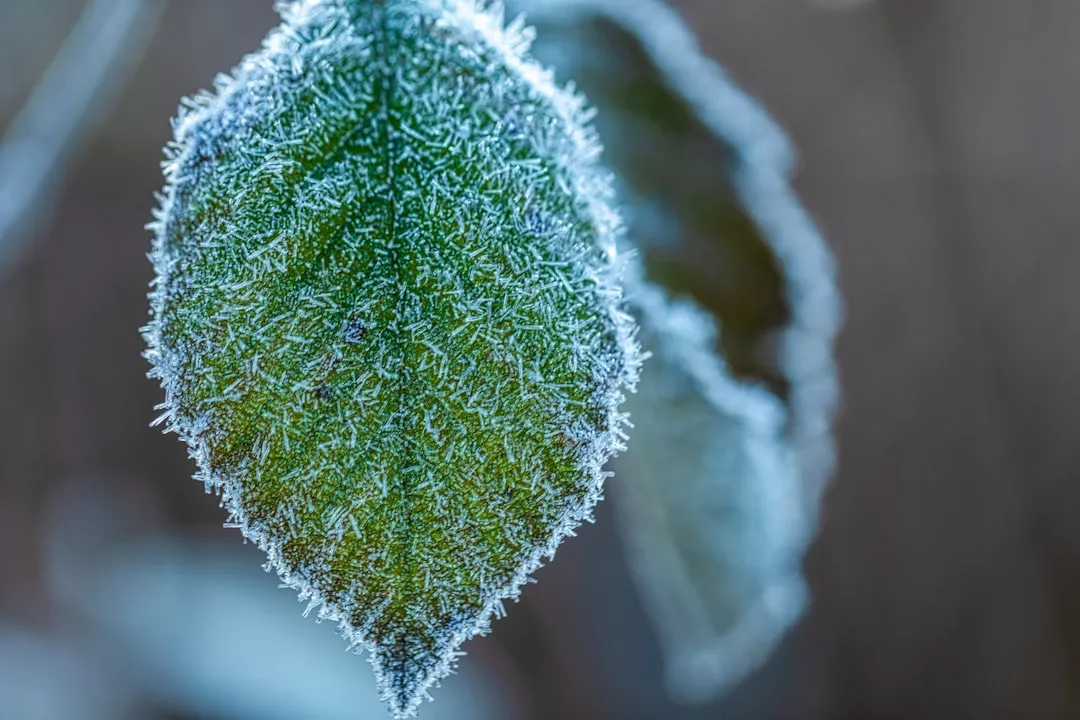
The average date of the last spring freeze is shifting earlier in the year, extending the pollen and growing season. This is one of the most practically useful signals for gardeners trying to decide when outdoor planting is safe.
Consistently warmer weather helps pests survive longer while also stressing crops and potentially decreasing yields. Each crop thrives in a favored temperature range, so net warming can lead to a geographical shift in areas that have been historically productive for a particular crop. The door opens earlier, but it also brings complications worth monitoring.
Still, for most home gardeners and small-scale growers, an earlier last frost date is the most direct, actionable piece of information the zone shift provides. Getting seeds and transplants into warmer soil sooner means longer establishment time before summer heat sets in.
Spring Is Arriving Earlier, and Plants Know It
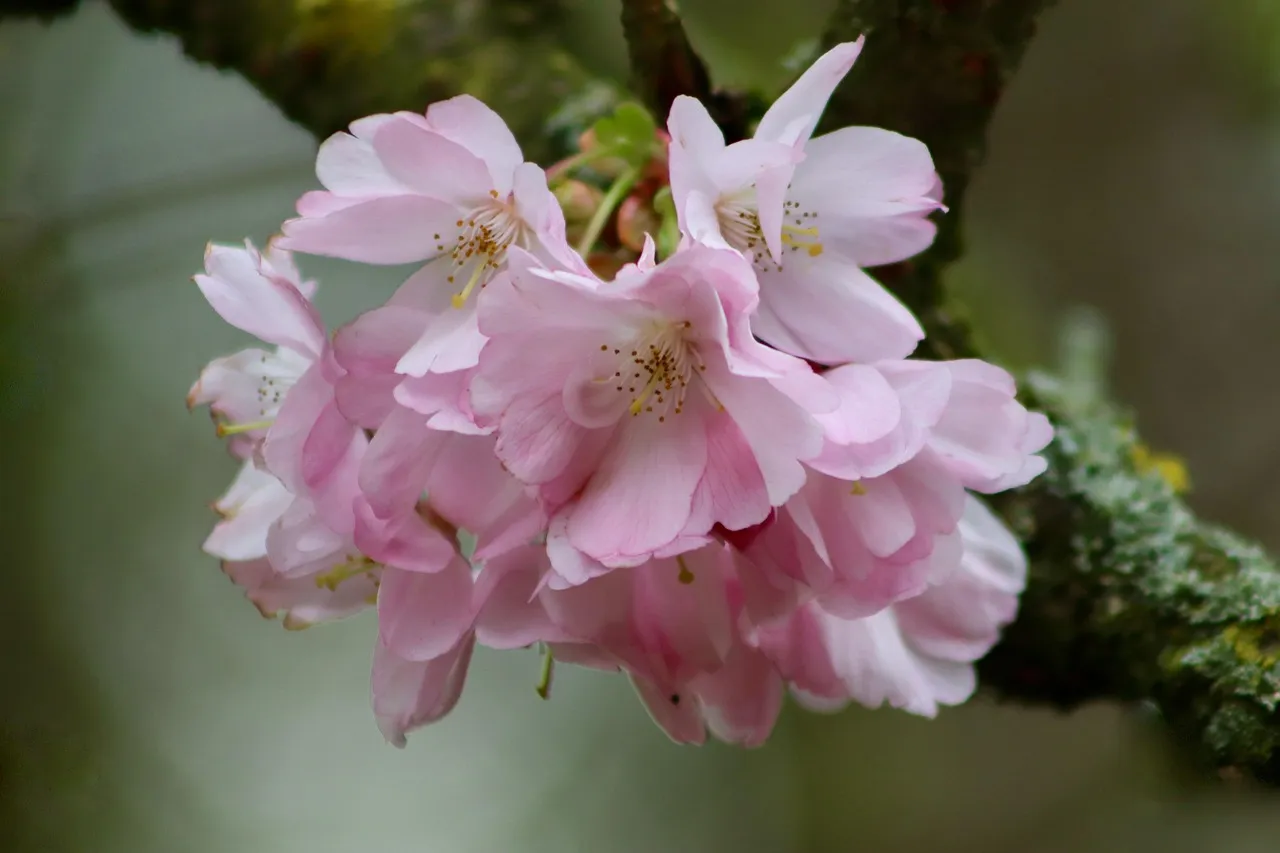
The National Phenological Network measures the arrival of spring by the leaf and bloom dates of plants such as lilacs and honeysuckles. Its report for spring 2024 indicates that spring leaf-out and bloom occurred much earlier than usual in the lower Mid-Atlantic region. For example, cherry blossoms in Washington, DC, reached their peak bloom on March 17.
There is a fairly consistent pattern across the West, the Plains, the Great Lakes, and the Northeast. All of these areas experienced earlier leaf-out dates compared to the 20th-century average. Plants themselves are acting as indicators, and they’re consistently signaling that biological spring arrives sooner than traditional calendars suggest.
Changes in the bloom times of plants can affect their usual synchrony with emerging insect pollinators and migrating birds, such as hummingbirds, who seek floral nectar. Earlier planting, when timed thoughtfully, can align better with these biological rhythms than sticking to outdated schedules.
Corn and Soybean Farmers Are Already Planting Earlier
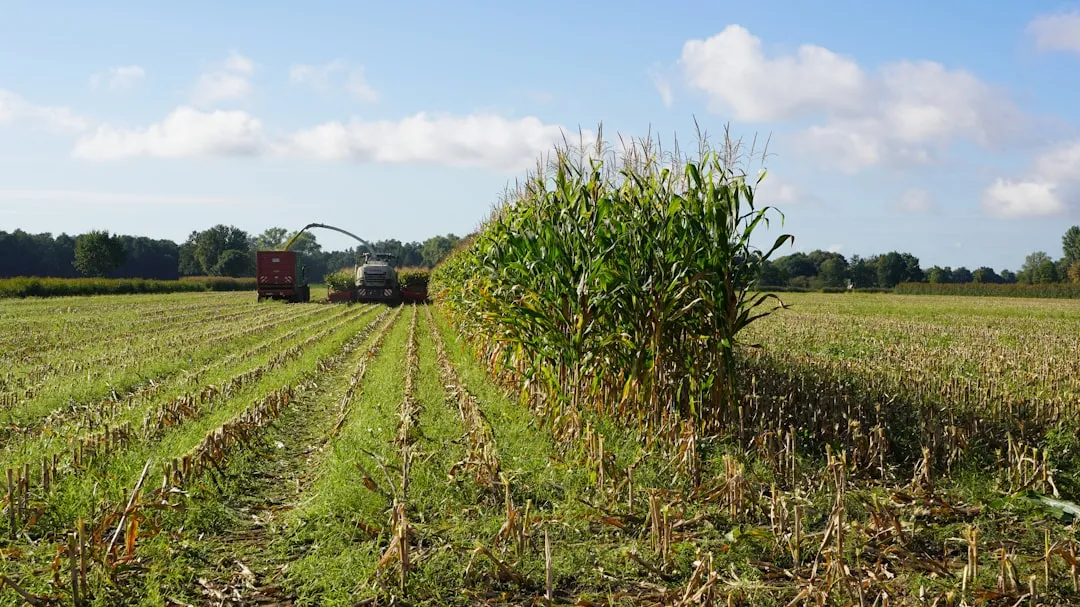
U.S. corn planting dates have steadily moved earlier in the season, driven by multiple factors. A warming climate has allowed farmers to enter fields sooner, reducing the risks of late spring frost.
Soybean planting dates in Illinois, Indiana, and Iowa have shifted earlier over the past two decades. USDA records from 1979 to the present confirm that the first reported planting date continues to move earlier, reflecting improved farming efficiency and a warming climate.
The acceleration of soybean planting has outpaced that of corn in recent years. The shift is driven by early-planted soybeans consistently producing higher yields. What commercial agriculture has been quietly doing for years, home gardeners are only now being prompted to catch up with.
The Growing Season Itself Is Getting Longer
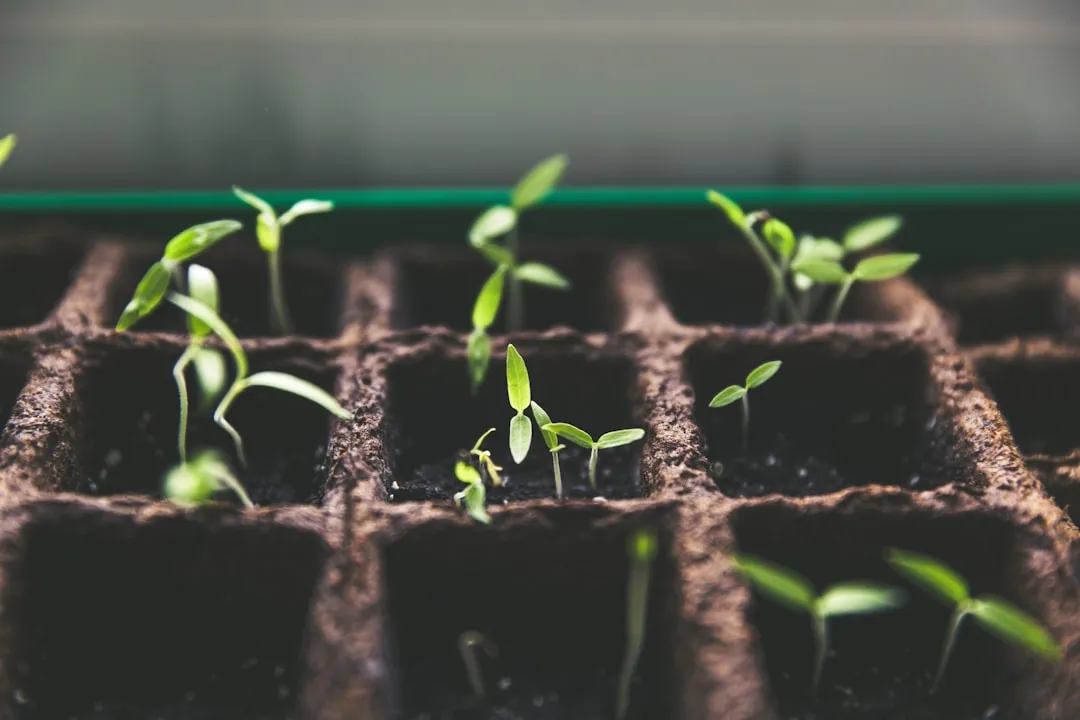
Observations of both spring and autumn phenological events were made annually over 29 years, from 1993 to 2021, for 22 taxa of multiple growth forms in a mature deciduous forest remnant near Urbana, Illinois. The findings point to measurable lengthening on both ends of the season.
Data supports that, in a semi-arid system, warming advances leaf emergence and flower production, but also expedites seed maturation. However, the additive effect can be an overall lengthening of the growing and reproductive seasons since elevated CO2, particularly when combined with warming, contributed to a longer growing season by delaying plant maturation and senescence.
Across the past century, phenological shifts increased species’ flowering durations by 11.5 days on average, which resulted in nearly all species experiencing greater flowering overlap at the community level. A longer window at both ends of the season is a genuine opportunity, provided planting strategies are adjusted to take advantage of it.
New Zone Classifications Open Up New Plant Choices

With warmer zone shifts, you might be able to grow plants that were previously considered too tender for your region. This opens up opportunities to experiment with a wider variety of species. That’s not a small thing, especially for gardeners who have spent years watching certain fruit trees or perennials fail during cold snaps that simply don’t arrive the way they used to.
You can now consider extending your growing season by planting earlier in the spring or later in the fall, and introducing ornamental plants that add unique visual interest to your garden. The zone shift isn’t just about timing. It’s about expanding what’s possible in a given plot of land.
In some locations, people may find they can grow new types of flowers, fruits, vegetables, and plants. The map update, at least in part, gives official backing to what many gardeners had already noticed through trial and error over recent seasons.
Zone Maps Have Real Limits Worth Understanding
While hardiness zones have shifted by a small margin, the new map is not predictive of climate patterns or plant longevity. It captures one variable, the average annual extreme minimum temperature, and leaves other conditions like soil moisture, summer heat, and precipitation out of the picture entirely.
Frost dates are statistical averages. Weather varies year to year, and climate change is shifting patterns in many regions. The practical fix is to build in a buffer, watch forecasts closely, and keep frost protection ready through late spring and early fall.
These shifts are not uniform, which means carefully consulting the map is critical when selecting plants for the current planting season. A half-zone shift in one county might mean something meaningfully different from a half-zone shift two states over, depending on elevation, proximity to water, and local microclimates.
How to Actually Use This Information Right Now
Updated USDA Plant Hardiness Zones significantly impact your planting strategy by providing more precise temperature data, influencing variety selection, planting dates, and overall garden planning to ensure optimal plant survival and growth in your region. The first step is simply checking whether your zip code has moved zones since 2012.
In addition to short-term adjustments, consider implementing long-term gardening strategies to adapt to changing climate conditions. These strategies include selecting climate-resilient plant varieties, improving soil health, and conserving water. Earlier planting works best when the soil has been prepared for it, not just when the calendar says it’s time.
While zone averages are helpful, the most accurate frost dates come from local sources that account for your specific geography and microclimate. Cooperative Extension offices maintain detailed climate records for your area. For any gardener serious about optimizing their window, checking local extension data alongside the national map is well worth the few minutes it takes.
A Practical Takeaway
The zone shift is real, well-documented, and verified by thousands of weather stations. For roughly half the country, the coldest nights of the year are measurably milder than they were when many current planting guidelines were written. That’s not reason for alarm, but it is reason to update the assumptions behind your planting calendar.
Whether you grow tomatoes, perennials, fruit trees, or cool-season greens, the evidence consistently points toward earlier starts being not just viable but more aligned with what the climate is actually doing. Checking your current zone against the 2023 map, looking up your local last frost probability, and adjusting accordingly is about as grounded a response as any gardener can make.
The plants, frankly, have already adapted. The question is whether the calendar you’re using has caught up with them.
AI Disclaimer: This article was created with the assistance of AI tools and reviewed by a human editor.