

September is such a perfect month for kicking off a new compost pile! As the summer gardening season winds down, we’re often left with a bounty of garden clippings, spent plants, and those pesky fallen leaves that can quickly become a chore if left unchecked. Starting a compost pile now not only helps you manage this garden debris, but it also sets you up with a rich, homemade soil amendment for next spring. I know how overwhelming it can be to deal with all that yard waste, but composting is like turning your trash into gardening treasure—it’s both satisfying and incredibly beneficial for your garden!
Composting in September also takes advantage of the warm weather that’s still lingering, helping your compost pile break down more efficiently before winter sets in. It’s a great way to extend the gardening season just a bit longer and keep that connection to your garden going even as the days start to shorten. Plus, there’s something deeply rewarding about knowing that the scraps and clippings you’re tossing into your pile today will be feeding your garden in just a few months’ time. Let’s dive into why September is truly the best time to get that compost pile started and all the fantastic benefits that come with it.
Taking Advantage of Fall Leaves
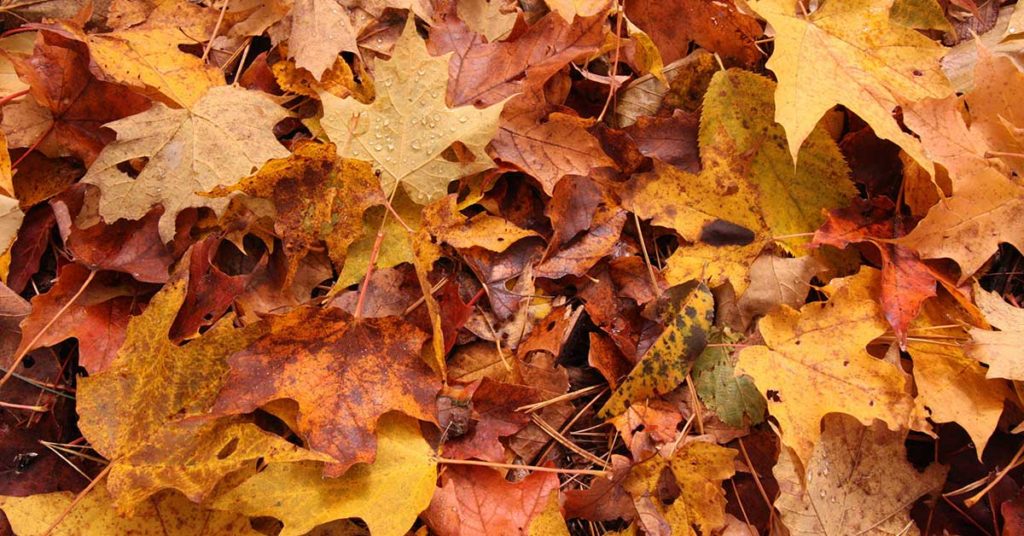
One of the absolute joys of starting a compost pile in September is the abundance of fallen leaves. Leaves are a fantastic source of carbon, one of the essential components of a healthy compost pile. As you rake up those vibrant red, orange, and yellow leaves, you’re not just tidying up the yard—you’re collecting a goldmine of composting material! And if you’ve ever wondered what to do with all those leaves, composting is your answer. I’ve always found it so satisfying to see those piles of leaves transform into rich, dark compost over time.
Leaves also provide an excellent habitat for beneficial insects and microorganisms that help speed up the composting process. Many native leaf varieties, like oak and maple, break down beautifully in a compost pile without introducing any invasive issues. They provide the perfect balance of carbon to the nitrogen-rich green materials, like grass clippings and kitchen scraps. Just be sure to shred or chop up the leaves if possible—whole leaves can mat together and slow down the decomposition process. And don’t worry if you’ve got more leaves than you know what to do with—extra leaves can be stored for later use in your pile or as mulch in your garden!
Perfect Weather Conditions

September’s weather offers the perfect conditions for starting a compost pile. The lingering warmth of late summer combined with the cooler nights creates an ideal environment for composting microbes to thrive. These microbes, including bacteria and fungi, are the real stars of the composting show, breaking down organic matter into that black gold we gardeners love so much. I always feel a little rush of excitement when I turn a compost pile and see it steaming—that’s when you know the microbes are hard at work!
Additionally, the fluctuating temperatures of early fall can help your compost pile reach the optimal range of 135 to 160 degrees Fahrenheit, which is hot enough to kill off weed seeds and pathogens, making your compost safer to use in your garden. If you’re starting your compost pile in September, you’re also taking advantage of those early autumn rains, which can help keep your pile moist—another key factor in successful composting. Just make sure your pile isn’t too soggy; a good mix of browns (carbon-rich materials) and greens (nitrogen-rich materials) will help maintain the right moisture balance.
Garden Clean-Up Made Easy
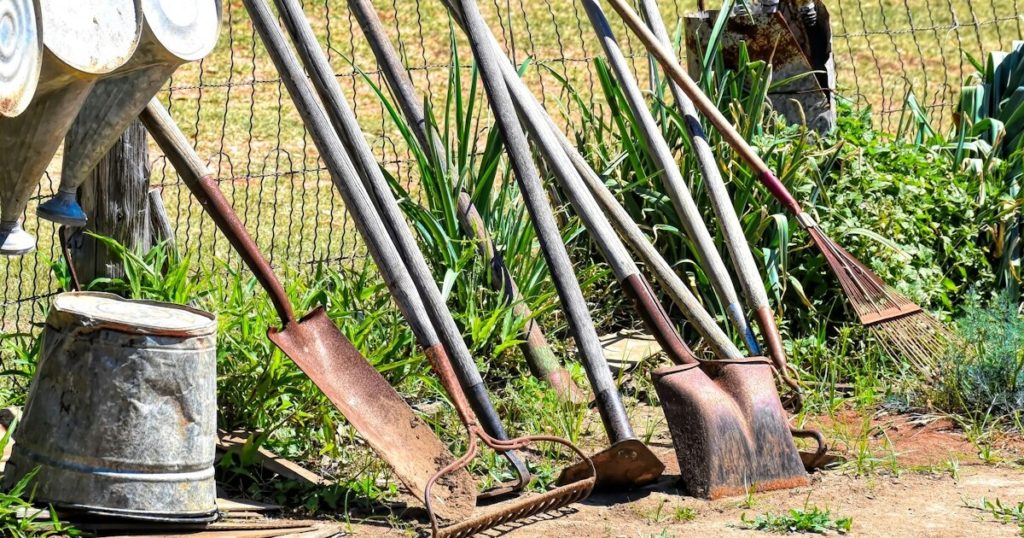
September is prime time for garden clean-up, and all those spent plants, prunings, and other organic debris are just begging to be composted. I know how daunting it can feel to tackle the mess of the garden after a long growing season, but instead of seeing it as a chore, think of it as gathering ingredients for your compost! From faded flower stalks to pulled-up vegetable plants, nearly everything can find a second life in your compost pile. It’s like a natural recycling process right in your own backyard.
As you add these garden leftovers to your pile, remember to chop them up a bit—smaller pieces break down faster and more evenly. And don’t forget, composting your garden debris is also a great way to prevent pests and diseases from overwintering in your garden. By turning those spent plants into compost, you’re removing potential hiding spots for pests and breaking the cycle of disease. Just be mindful of any invasive plants or weeds with seeds—they’re best left out of the pile unless you’re confident your compost will get hot enough to kill them off.
Boosting Soil for Next Season
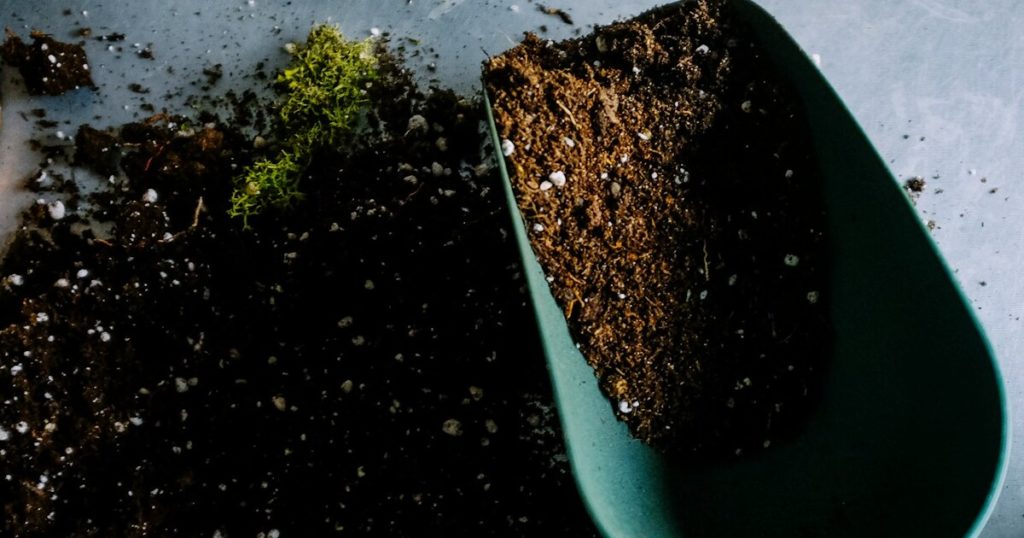
Starting a compost pile in September isn’t just about dealing with garden waste; it’s also about setting yourself up for success in the next growing season. By starting now, you’re giving your compost several months to break down, so it’s ready to enrich your soil by spring. There’s nothing quite like the feeling of spreading that dark, crumbly compost over your garden beds, knowing it’s packed with nutrients and organic matter that will help your plants thrive. I’ve seen firsthand how a garden fed with compost outperforms those that aren’t—it’s like giving your plants a supercharged start!
Compost improves soil structure, increases water retention, and provides a slow-release source of nutrients that keeps feeding your plants all season long. It’s especially beneficial if you’re working with challenging soil types, like heavy clay or sandy soils. Compost can help loosen up clay and add much-needed organic matter to sandy soils, making them more conducive to healthy plant growth. Plus, using your own compost reduces the need for synthetic fertilizers, which can sometimes harm beneficial soil organisms. It’s a sustainable way to nurture your garden, all while reducing waste!
Turning Food Scraps into Garden Gold
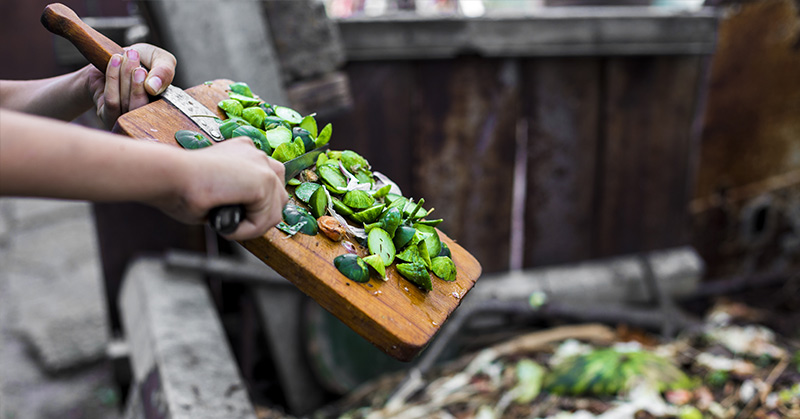
Another fantastic reason to start composting in September is the opportunity to recycle your kitchen scraps. All those vegetable peels, coffee grounds, eggshells, and fruit rinds are perfect additions to your compost pile and are a great way to reduce household waste. I always get a little thrill from knowing that the same scraps I might have thrown away are now being transformed into something beneficial for my garden. It’s like having a tiny ecosystem of transformation right at home!
When adding kitchen scraps, make sure to balance them with plenty of brown materials, like leaves or shredded paper, to keep the pile balanced and odor-free. Too many greens can make the pile too wet and smelly, but a good mix will keep everything decomposing smoothly. It’s also important to bury food scraps under a layer of brown materials to deter critters like raccoons or rodents from sniffing around. If done right, composting kitchen scraps is not just a smart way to reduce waste—it’s also a way to turn everyday leftovers into a valuable resource for your garden.
Creating a Habitat for Beneficial Creatures

Starting a compost pile doesn’t just benefit your garden—it also creates a mini-habitat for a variety of beneficial creatures. Earthworms, beetles, and a host of other decomposers thrive in compost piles, breaking down organic material and helping to speed up the composting process. I always love turning my pile and spotting those wriggly earthworms—they’re like little indicators that everything’s working as it should be! And beyond the immediate composting benefits, these critters can migrate into your garden beds, further enhancing soil health.
Some birds and small mammals might also find your compost pile an appealing spot, especially if you’re using open bins. While that might not sound ideal at first, remember that many of these animals also help control garden pests. Birds, for example, can pick through the pile for insects, adding another layer of natural pest management to your gardening ecosystem. Just be mindful to keep your compost pile well-balanced and turned regularly to avoid it becoming a more permanent nesting site for less desirable critters!
Starting a compost pile in September is a great way to manage garden waste, enrich your soil, and support a more sustainable gardening practice. With the right mix of greens and browns, a little turning, and some patience, you’ll be well on your way to creating beautiful, nutrient-rich compost that your garden will love.