
1. Feline Cognitive Dysfunction Syndrome: The Feline Version of Dementia
Feline cognitive dysfunction syndrome (CDS) is an age-related cognitive deterioration that presents with specific behavioral changes that, after thorough investigation, cannot be attributed to any other medical condition. It shares notable similarities with human Alzheimer’s disease.
This condition is similar in many ways to Alzheimer’s disease, including amyloid beta and tau protein accumulation. Researchers at the University of Edinburgh and other institutions have studied these neurological overlaps extensively.
In practice, feline CDS is likely underreported and often unrecognised. One survey found that roughly 28% of cats aged 11 to 14 years exhibited at least one clinical sign of CDS, with this rising to half of cats aged over 15 years.
2. Night Disorientation: When the Dark Becomes Frightening
During the day, a cat has plenty of sensory input to keep them grounded: natural daylight, familiar sounds, and the reassuring sight of you moving around the house. At night, when everything is dark and quiet, a cat with declining cognitive function or sensory impairment can become disoriented. They may genuinely not know where they are, or may be unable to find you, which causes real distress.
This confusion frequently triggers excessive meowing, particularly when the household is dark and quiet. These cats are, in essence, crying out because they feel lost and anxious in a space that no longer feels familiar.
CDS neuropathology shares features with Alzheimer’s disease, and the nighttime vocalization may parallel “sundowning,” though researchers note this analogy requires further investigation in cats.
3. What Owners Perceive as the Cause
Out of 37 responses in a peer-reviewed survey published in the journal MDPI Animals, the majority of owners reported that the main cause of their cat’s vocalization appeared to be disorientation (40.5%) or attention seeking (40.5%), followed by seeking a resource such as food (16.2%), and pain (2.7%).
Importantly, the majority of owners, about nearly two thirds, believed there was more than one cause driving their cat’s increased vocalization. That finding matters. It suggests night meowing in senior cats is often not a single-issue problem but a layered one.
When owners were asked how stressful they found their cat’s increased vocalization, more than two fifths scored it at three or higher on a five-point scale. It takes a real toll on households, not just the cat.
4. Hyperthyroidism: The Overactive Thyroid That Won’t Let Anyone Rest
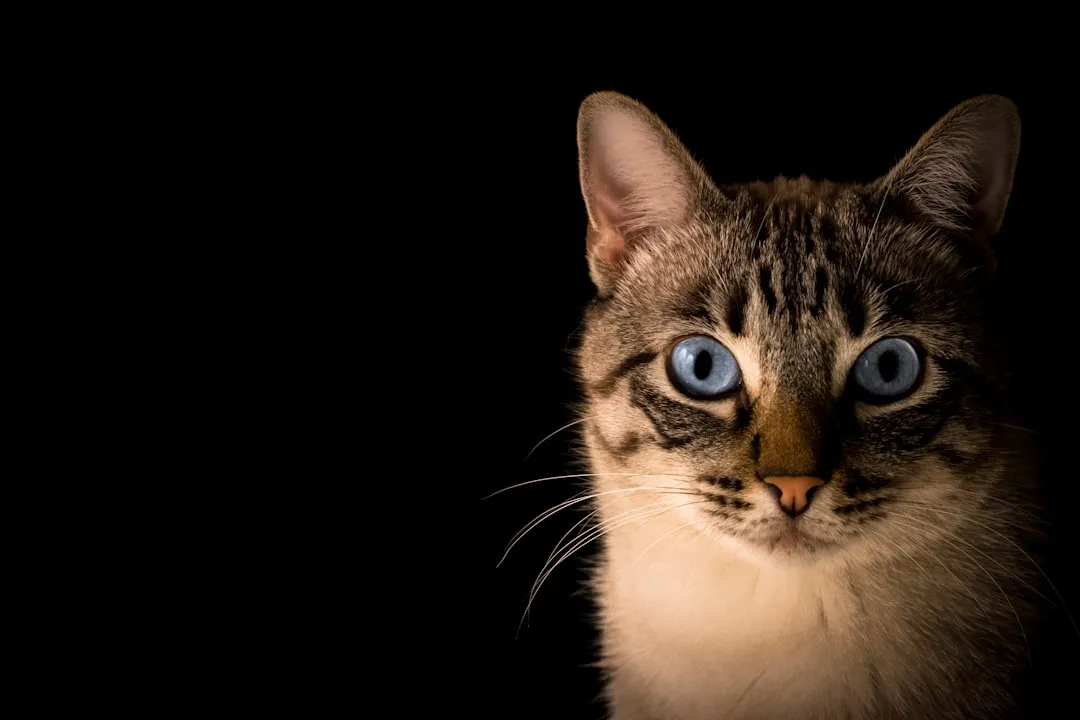
Hyperthyroidism is the most common hormonal disease in cats over the age of 10, and it’s one of the more treatable serious diseases a senior cat can develop when it’s caught and staged correctly.
It is common for hyperthyroid cats to exhibit increased vocalizing, particularly at night. Hyperthyroidism causes an increased metabolic rate, and clinical signs often include hyperactivity, excessive vocalization, and weight loss despite a normal or increased appetite.
About one in ten cats aged ten years or older develops hyperthyroidism. Left untreated, the disease can eventually become severe enough to lead to complications such as heart disease and, in some cases, high blood pressure.
5. High Blood Pressure and the Risk of Sudden Vision Loss
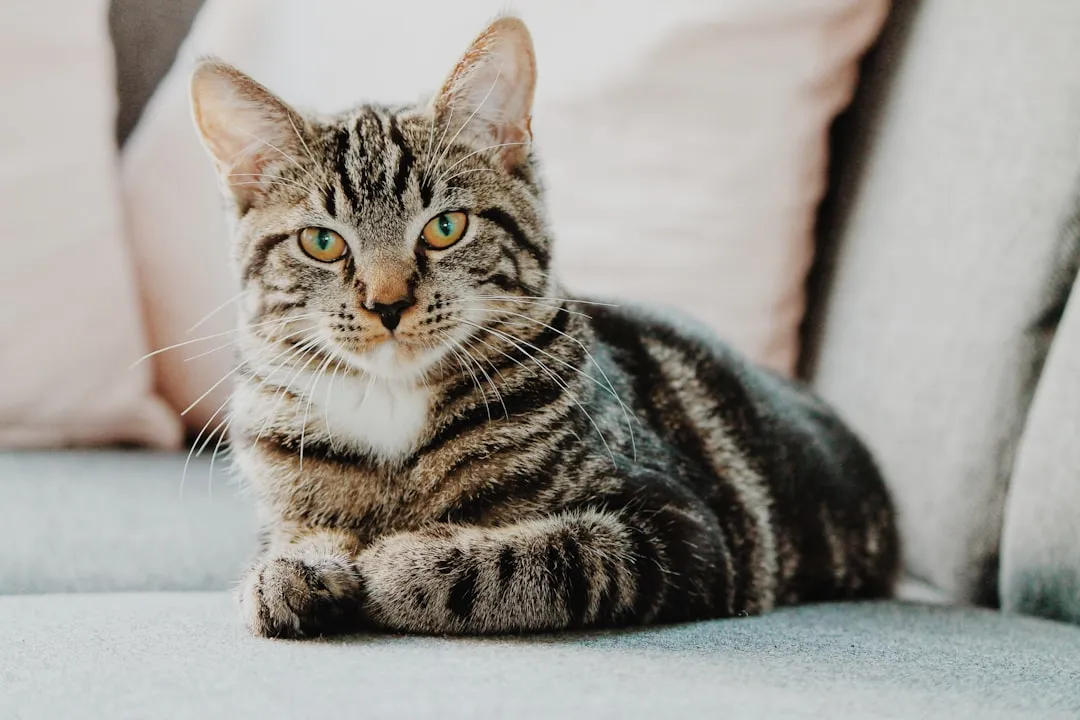
Night-time vocalizing is relatively common in hyperthyroid cats or cats with hypertension, and hypertension can also cause retinal detachment and blindness, leading to anxiety and confusion. This is documented by the Cornell Feline Health Center.
About one in five cats with hyperthyroidism becomes hypertensive. In some of these cats, blood pressure can become so high that retinal bleeding or retinal detachment will occur, resulting in sudden blindness.
Excessive vocalization and gait abnormalities are often associated with feline hypertension. A cat that suddenly goes blind, especially at night when lighting is already low, will understandably panic and cry out.
6. Chronic Pain: Arthritis and Dental Disease
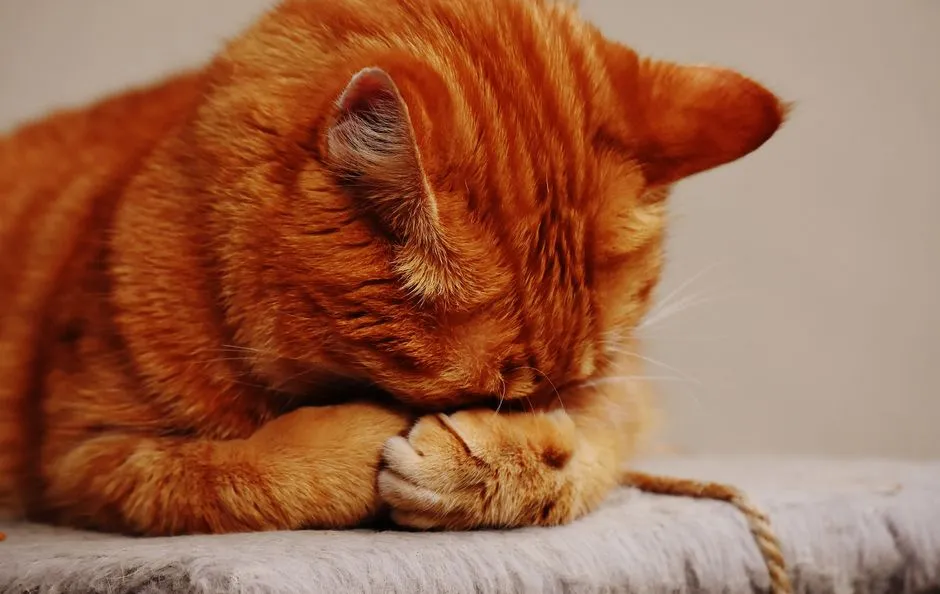
Chronic pain from conditions like dental disease, arthritis, gastrointestinal issues, urinary tract infection pain, or neurological pain can cause excessive vocalization. These conditions become increasingly common as cats age.
Dental disease and severe periodontal disease can cause throbbing oral pain that disrupts sleep entirely. Gastrointestinal distress or pain from a urinary tract infection can also cause a cat to vocalize with urgency throughout the night.
Pain can be challenging to diagnose in cats; a vet may use trial medications to identify and manage pain, and pain management should be tailored to the individual cat’s needs and condition.
7. Kidney Disease: A Silent but Common Cause
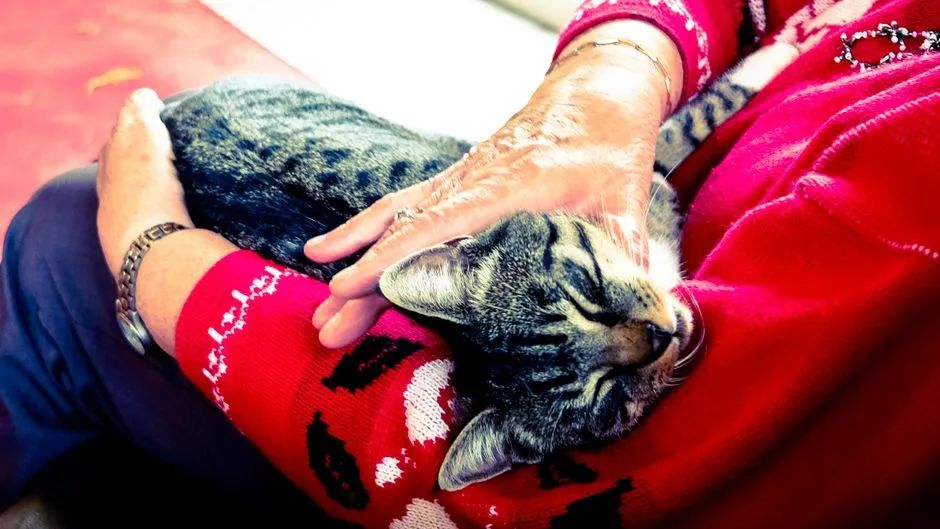
Kidney disease is unfortunately quite common in senior cats. As their kidneys become less efficient, it can lead to discomfort and changes in their behavior, which might include more meowing. A key sign often associated with kidney issues is increased thirst and urination, so more frequent trips to the water bowl or litter box can be an early clue.
A study published in the Journal of Feline Medicine and Surgery emphasised the correlation between increased vocalisation and medical conditions such as hyperthyroidism and hypertension, particularly in older cats. Kidney disease frequently overlaps with both.
About a quarter of hyperthyroid cats have kidney disease that cannot be detected until hyperthyroidism resolves. Therefore, kidney function must be carefully monitored during and after treatment.
8. Disrupted Sleep-Wake Cycles
Cats with CDS display behavioral abnormalities, including excessive vocalization, altered interaction with owners, altered sleep-wake cycles, house soiling, disorientation, alterations in activity, anxiety, and learning or memory deficits. These often cluster together rather than appearing in isolation.
Changes in sleep patterns were reported much less commonly in younger cats compared to CDS-positive cats, where they were noted in roughly one in eight affected animals. A cat that sleeps heavily during the day and then paces at night may be showing a classic pattern of disrupted circadian rhythm.
A 2020 study of senior cats found that increased vocalization was reported in over half of elderly cats during the day and more than 30% at night, and more than a third showed increased affection and dependency on their owners.
9. Anxiety and Sensory Decline
As cats age, they may become more prone to developing anxiety for several reasons, including declining health, sensory decline such as hearing or vision loss, and changes in their sleep patterns. These shifts can make the quiet of night feel much more unsettling than it once did.
Older cats can become more anxious in general, and the stillness of the night can amplify this. A warm, enclosed sleeping space near where you rest may provide some comfort.
Cognitive dysfunction is also associated with broader shifts in a cat’s behavior, including increased irritability, altered interactions with other pets, and a gradual loss of previously learned habits like consistent litter box use. These are signs that the brain, not just the body, is changing.
What You Can Actually Do About It
For senior cats, veterinarians recommend a medical-first approach: rule out CDS, hyperthyroidism, hypertension, kidney disease, pain, and hearing loss before moving to behavioral intervention. For confirmed CDS, practical environmental strategies include night lights, multiple resource stations per floor, an antioxidant-enriched diet, and keeping the environment consistent.
If night-time meowing has become a regular occurrence, it’s worth keeping a note of the pattern: when it happens, how long it lasts, and whether anything seems to trigger or soothe it, as this information can be very useful for your vet.
For hyperthyroidism specifically, treatment options include radioiodine therapy, antithyroid medication, thyroidectomy, and an iodine-deficient therapeutic diet. After other potentially causative conditions such as hyperthyroidism and kidney disease are ruled out, a veterinarian may prescribe an anti-anxiety drug such as fluoxetine to allay some of the more alarming signs of cognitive dysfunction.
The Takeaway
A senior cat suddenly calling out in the dark is not being difficult. It’s communicating something it has no other way to express. The list of possible causes is long, but almost all of them are diagnosable and most are at least manageable with proper veterinary care.
Senior cats who begin to yowl like this may be suffering from something serious and treatable. The word treatable matters here. A vet visit isn’t just about ruling things out; it’s about giving your cat a real shot at more comfortable nights.
The earlier a diagnosis is made, the more options exist. Don’t wait for the behavior to resolve on its own, because in most cases it won’t.
AI Disclaimer: This article was created with the assistance of AI tools and reviewed by a human editor.