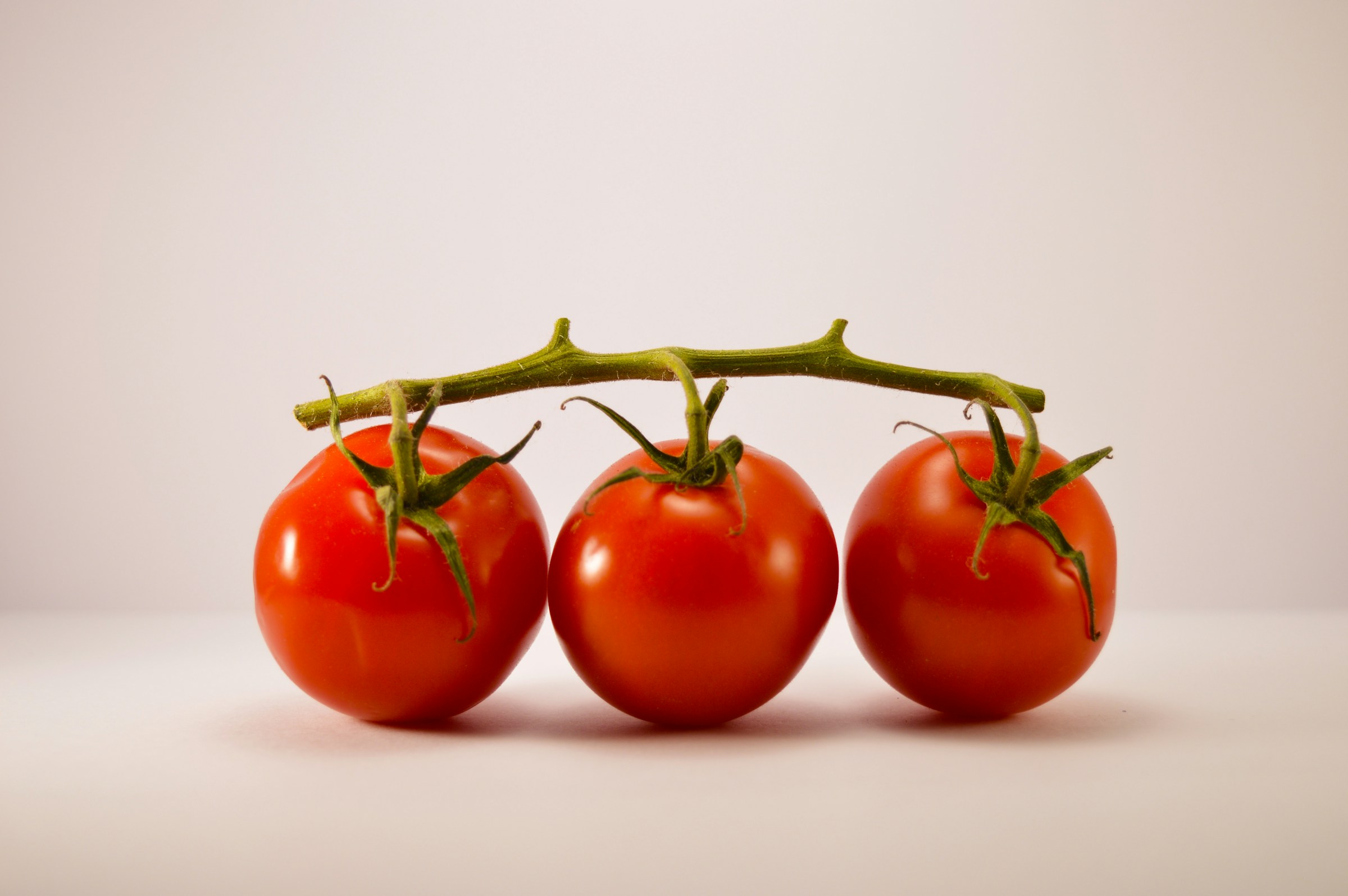

Most Supermarket Tomatoes Are F1 Hybrids
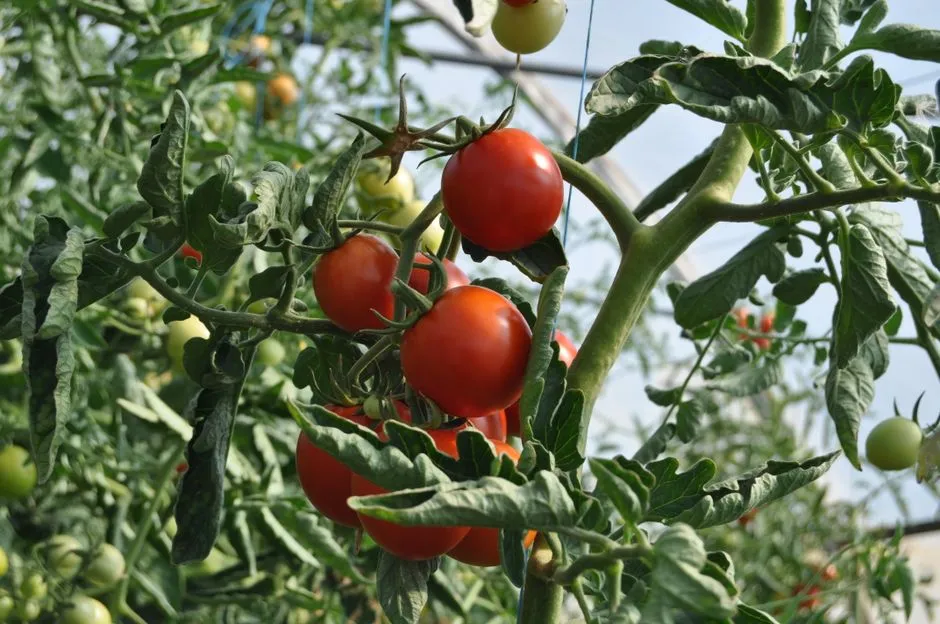
Most ordinary tomatoes you buy from the supermarket are not suitable for seed saving, because they are F1 hybrids. This designation, F1, stands for “first filial generation,” meaning the fruit on the shelf was grown from a carefully controlled cross between two distinct parent plant lines. Hybrid tomatoes are created through a controlled cross between two distinct parent lines, and the resulting seeds often exhibit superior traits like disease resistance or higher yield, a phenomenon known as hybrid vigor. That vigor is real and reliable in the first generation. The problem begins the moment you try to replicate it.
The Genetics Behind Why Seeds Don’t Come True
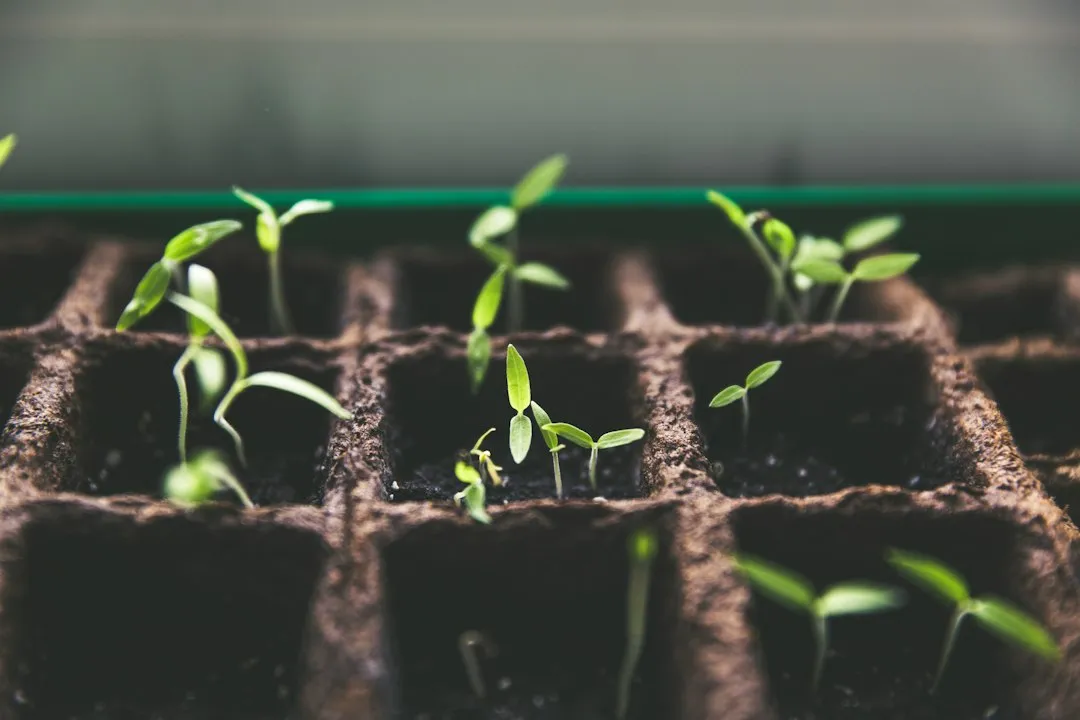
F1 hybrid seeds fail to reproduce true to type because of their heterozygous genetic composition. Think of the plant’s genetic instructions as two overlapping sets of commands from two different parent plants. In the F1 fruit, those instructions combine into something stable and predictable. If a homozygous red-fruited breeding line were crossed with a homozygous pink-fruited breeding line, all of the F1 progeny would bear red fruit, since red is dominant over pink. However, when the heterozygous F1 pollinates itself, the result will be both red and pink-fruited plants in the ratio of three red for every one pink. That shuffling applies to every trait at once: size, color, flavor, texture, and disease resistance all get reshuffled in unpredictable ways.
What Actually Grows From a Saved Hybrid Seed
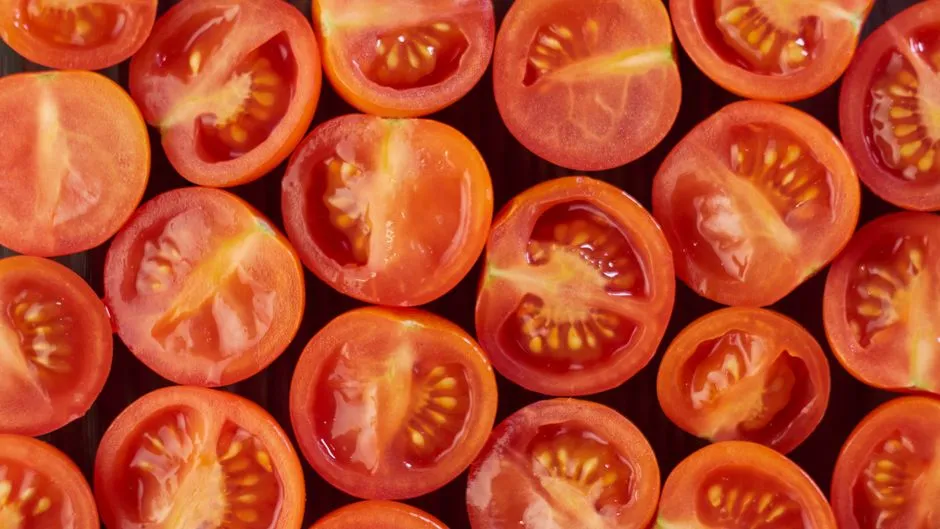
The parent plants are not necessarily genetically stabilized and they don’t breed quite true, so you will get some plants that produce fruit like either of the parents. You may get some plants with small red fruits and some with large yellow fruits. The results are a mixed bag in the truest sense of the phrase. If you save seeds from an F1 hybrid, the plants you grow will be different from the original plant. One grower attempting to recover the flavor of a supermarket Sungold tomato through multiple generations of seed saving found that the original flavor profile was not recovered in any of the descendants even after working with a population of 72 plants, and the offspring turned out to be decent but average tomatoes.
The Difference Between Hybrid and Open-Pollinated Varieties
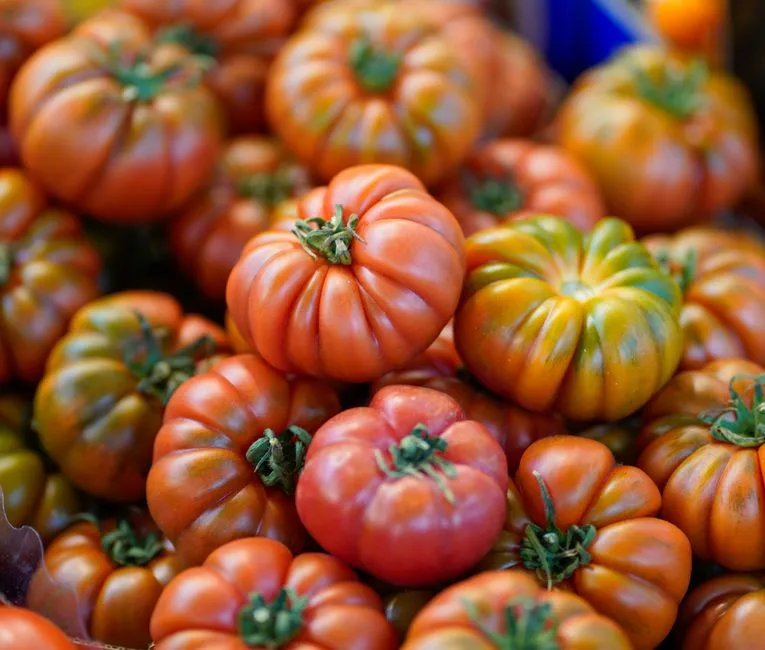
Open-pollinated varieties are genetically stable, meaning their seeds will grow plants that are true to the parent type, provided they are not cross-pollinated by another variety. This stability results from consistent self-pollination over many generations. Heirloom tomatoes fall into this category, and they’re the gold standard for seed savers. Heirloom tomatoes are a type of open-pollinated variety passed down through generations, often for at least 50 years, due to desirable traits like flavor or regional adaptation. Supermarket shelves, in contrast, are stocked almost entirely with hybrid varieties bred for shelf life and uniformity rather than seed stability.
How Hybrid Seeds Are Created in the First Place

To create an F1 hybrid, the two parent plants have to be selected and reselected for many generations through inbreeding or linebreeding. Although this stabilizes certain traits, the lack of genetic diversity leads to reduced vigor and often undesirable side effects. The process is complex and costly, which is why hybrid seeds can’t simply be saved and replanted at home. The crosses have to be done under controlled conditions, sometimes by hand, which makes F1 hybrid seed more expensive to produce than normal open-pollinated seed. Seed companies must recreate those controlled crosses from scratch every single season to maintain consistency in what ends up on your supermarket shelves.
F1 Hybrids Are Not Genetically Modified
A common misconception deserves clearing up. F1 hybrids are not genetically modified. They are completely natural plants developed and bred conventionally. Genetic modification involves inserting or editing genes in a laboratory; hybridization is simply selective cross-breeding, a process that has occurred naturally throughout plant evolution. Hybridization happens between two somewhat different parent plants, and it is something that happened well before any proto-human ever walked the Earth. The confusion is understandable, but the distinction matters: the unpredictability of hybrid seeds is a feature of natural genetics, not of laboratory engineering.
What Ethylene Ripening Does to Supermarket Tomatoes
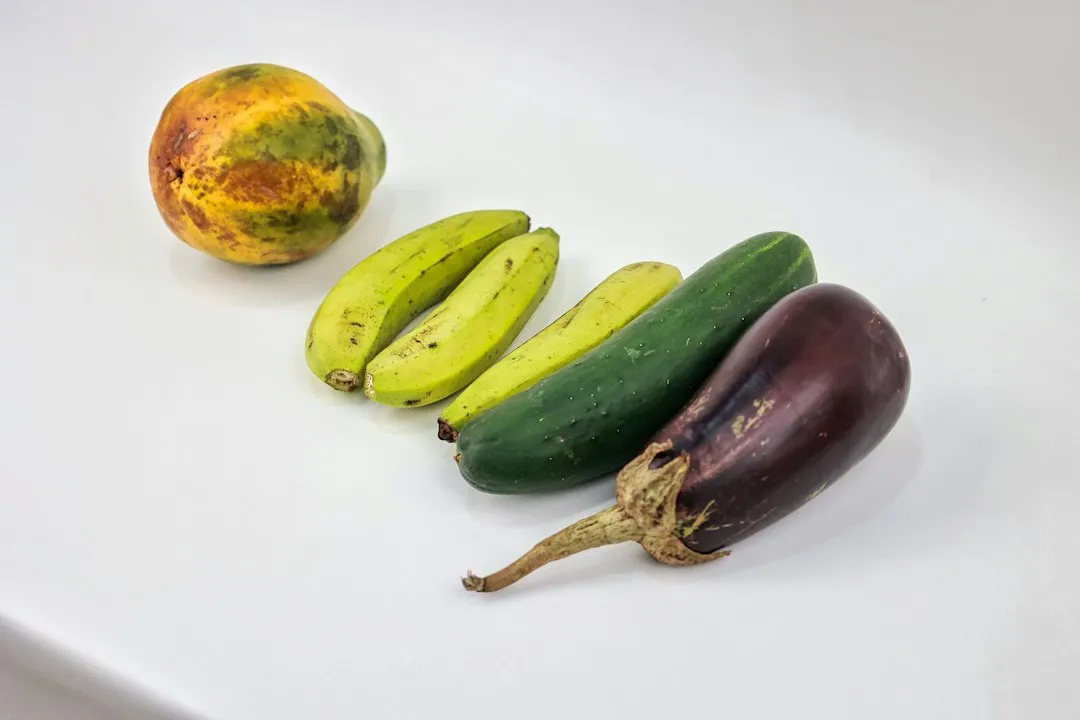
Beyond genetics, supermarket tomatoes go through a process that most home gardeners never consider. Ethylene gas can be applied to the tomato fruit to ripen it right before selling, or a liquid precursor to ethylene can be applied to the tomato plant while the fruit is still attached. This practice means the tomatoes are often picked green or underripe and brought to color artificially during transport or in the warehouse. The plant hormone ethylene has a profound influence on plant physiology, actively affecting processes such as fruit ripening, seed germination, plant growth, and the interaction of plants with their environment. Whether artificial ripening meaningfully affects seed viability remains an open question for home gardeners, but it adds yet another variable to an already uncertain process.
When Supermarket Seed Saving Actually Does Work

It’s worth being honest: sometimes it does work, at least partially. You can save seeds from any variety, but you will have the best results from ones that are open-pollinated, meaning the seeds will produce the same variety of plant as the parent. This may not be true of hybrid varieties, and saving them is a bit riskier because you can’t be sure their progeny will be the same as the parent plant. A small number of specialty or artisan tomatoes sold in supermarkets are open-pollinated varieties, and seeds from these can sometimes produce plants that closely resemble the original. The tricky part is that the packaging rarely tells you which category a tomato falls into.
The Seed Sovereignty Dimension
The widespread use of F1 hybrid seeds for food production produces several problematic issues. Breeding commercial F1s is a costly, black-box technology that is difficult to reproduce, and it also actively threatens seed sovereignty by undermining the knowledge and practice of preserving cultural heritage and adapted land races. Researchers and community groups have recognized this as a long-term risk. Research has shown that one of the most practical ways for communities to preserve, restore, and distribute heritage tomato varieties is to create seed exchange networks in local communities. The practice of saving seeds from open-pollinated varieties, rather than hybrids, is increasingly seen as a form of agricultural resilience, especially in the face of climate uncertainty.
What to Grow If You Want to Save Seeds Successfully
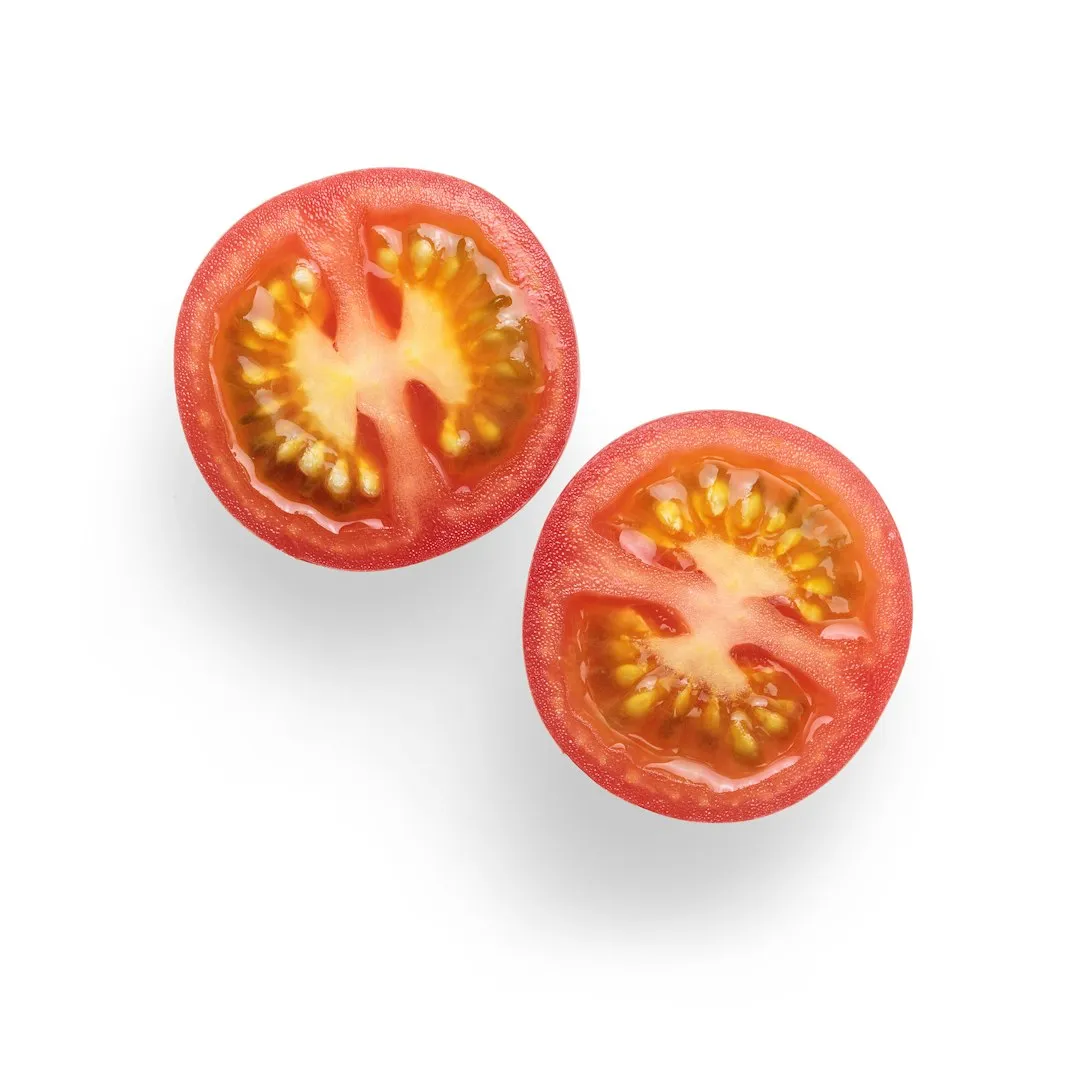
To ensure saved tomato seeds grow true to the parent plant, gardeners must select an open-pollinated variety. The selection process begins by choosing seeds from the best, most characteristic fruits on the healthiest plants. From there, proper seed processing makes a real difference. When tomatoes rot naturally on the ground, beneficial bacteria break down the gelatinous coating that inhibits germination and can harbor diseases. Research shows fermented seeds sprout faster and show fewer pathogen-related issues compared to seeds that aren’t fermented. Once you’ve processed and dried your seeds properly, studies demonstrate that home-saved seeds from open-pollinated varieties maintain very high germination rates when properly processed and stored.
The Takeaway
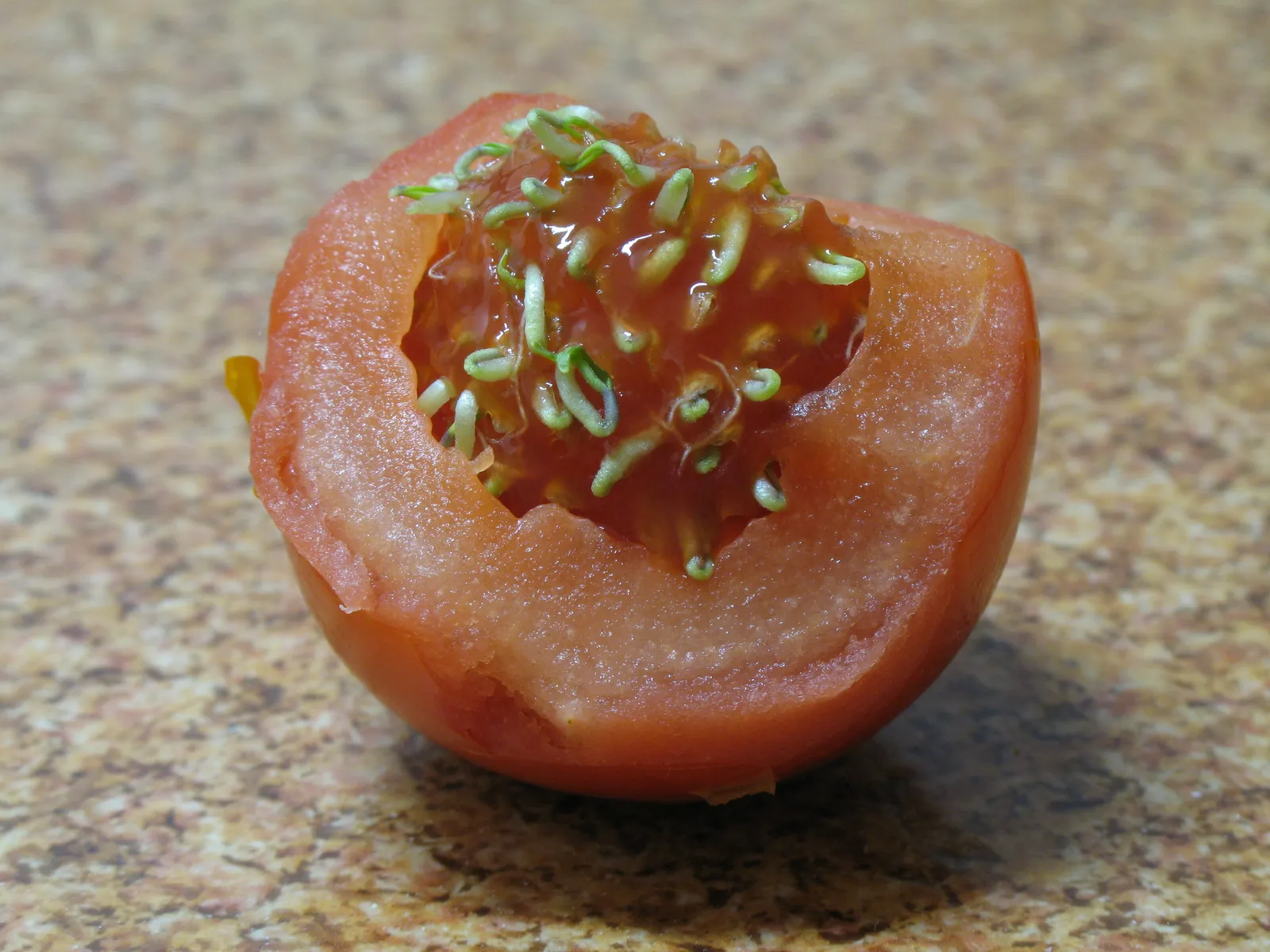
Saving seeds from a supermarket tomato isn’t a pointless exercise. It’s a useful lesson in how modern plant breeding actually works, and occasionally it produces something worth growing. The fundamental issue is that the tomato on the shelf was the product of a controlled genetic event that cannot be casually replicated in a home garden. Understanding the difference between hybrid and open-pollinated varieties is the single most useful piece of knowledge any seed-saving gardener can carry into the growing season.
If a specific flavor or fruit is worth chasing, the more reliable path is to find an open-pollinated or heirloom variety that comes close, save seeds from that, and refine year after year. That’s how seed saving has worked for millennia, long before supermarkets existed. The seeds in your grocery tomato aren’t lying to you. They’re just telling a more complicated story than they first appear to.
AI Disclaimer: This article was created with the assistance of AI tools and reviewed by a human editor.