
The Real Reason Pipes Burst (It’s Not Just the Freezing)
Most people assume that a pipe bursts simply because ice forms inside it. The actual mechanism is more nuanced than that. Pipes don’t usually fail just because water freezes. The real danger happens when frozen water blocks the pipe and pressure builds behind it.
As water freezes, ice expands by roughly nine percent. In a closed plumbing system, this expansion can cause pressure to increase dramatically, from around 60 PSI to over 200 PSI. That increased pressure is ultimately what causes the plumbing to fail.
It’s not that a small flow of water prevents freezing outright. Rather, opening a faucet provides relief from the excessive pressure that builds between the faucet and the ice blockage when freezing occurs. If there is no excessive water pressure, there is no burst pipe, even if the water inside the pipe freezes.
How a Trickle Keeps Pressure From Building
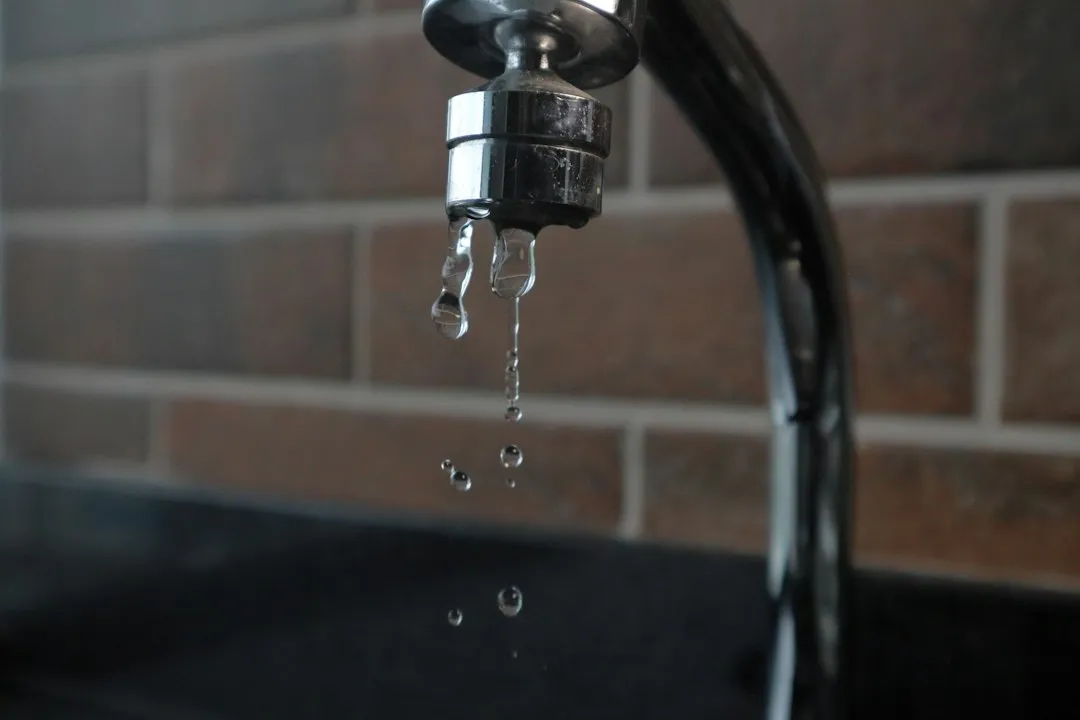
When the weather is very cold outside, letting cold water drip from the faucet served by exposed pipes makes a measurable difference. Running water through the pipe, even at a trickle, helps prevent pipes from freezing.
A dripping faucet wastes some water, so only pipes vulnerable to freezing should be left with water flowing. The drip can be very slight. Even the slowest drip at normal pressure will provide pressure relief when needed.
Where both hot and cold lines serve a spigot, make sure each one contributes to the drip, since both are subjected to freezing. That detail often gets overlooked, but it matters in bathrooms and kitchens where dual-line fixtures are common.
The Pipes Most at Risk Overnight
The pipes most at risk are those in unheated interior spaces such as basements, attics, and garages. Even pipes running through cabinets or exterior walls can freeze.
Plumbers say outdoor faucets, hoses left connected, and pipes running along exterior walls are especially at risk. These locations see the coldest ambient temperatures and often have the least insulation around them.
Likely places for frozen pipes also include against exterior walls or where your water service enters your home through the foundation. These entry points are easy to miss during a home inspection and easy to forget on a cold night.
What the Claims Data Actually Shows
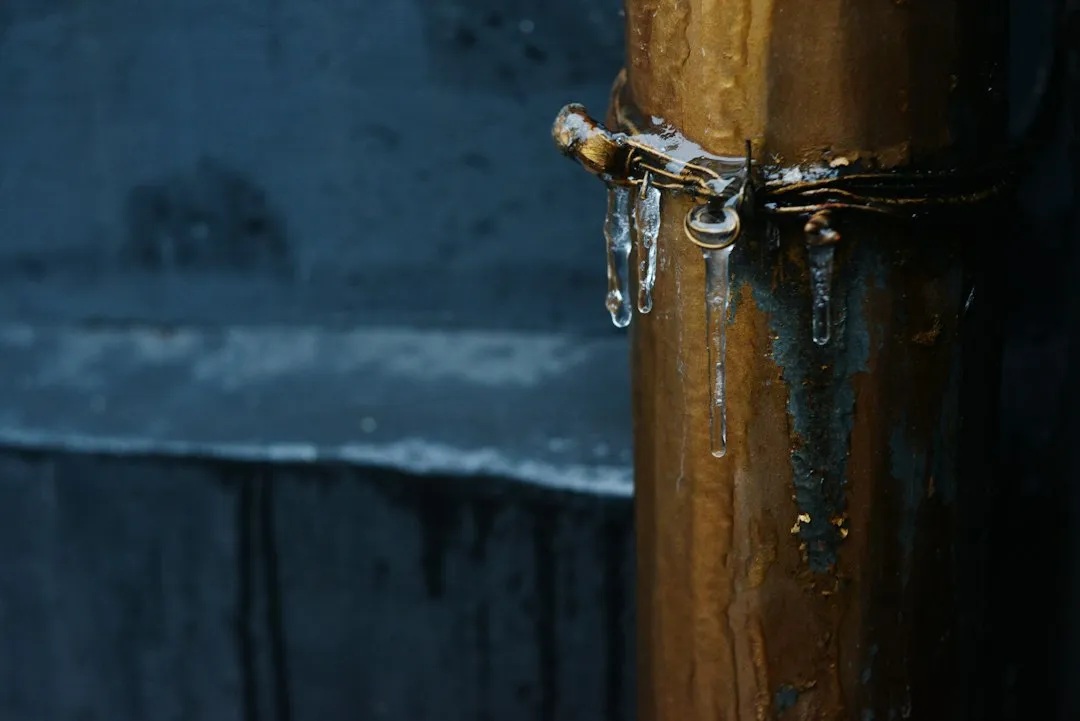
From 2024 through June 2025, more than 20,000 claims were filed with State Farm alone, totaling over $628 million in paid losses. The average claim payment exceeded $30,000. That data covers water damage caused by freezing, including damage to foundations and slabs.
Water damage and freezing are the second most common type of homeowners insurance claim after wind and hail damage. In 2022, they accounted for more than a quarter of all homeowners insurance claims. The average insurance payout for water damage and freezing claims between 2018 and 2022 was close to $14,000 per claim.
Approximately 250,000 homes experience frozen or burst pipes annually in the United States. Water damage from freezing pipes accounts for between roughly one in ten and one in five of all homeowner insurance claims. Those are not rare events. They happen every winter, often to people who were simply unaware of the precaution.
How Much a Burst Pipe Actually Costs to Fix
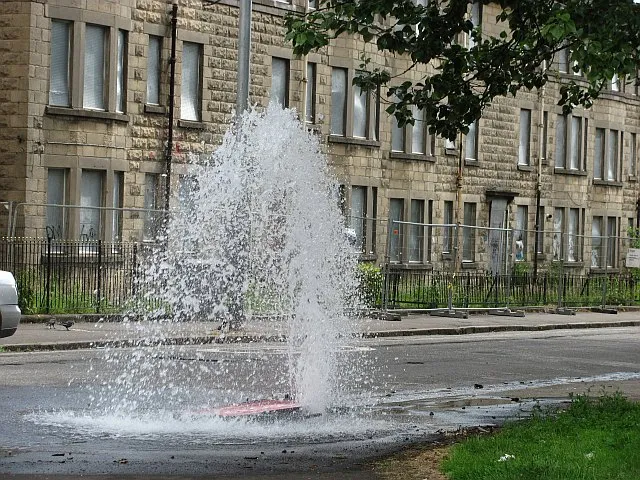
The typical burst pipe repair costs around $500, or anywhere from $200 to $3,000. The damage from a burst pipe, on the other hand, can be extensive and include water damage to furniture and possessions, structural damage, and even mold growth.
Professional water damage restoration averages about $3,864, with most projects landing between $1,383 and $6,378. The scope depends heavily on how long the water sat and how far it spread, so a fast response keeps costs down.
The EPA advises that wet or damp materials be dried within 24 to 48 hours, because in most cases mold will not grow if areas are dried within that window. Miss that window, and a burst pipe quickly becomes a mold remediation project on top of a plumbing repair.
The Temperature Threshold You Should Know
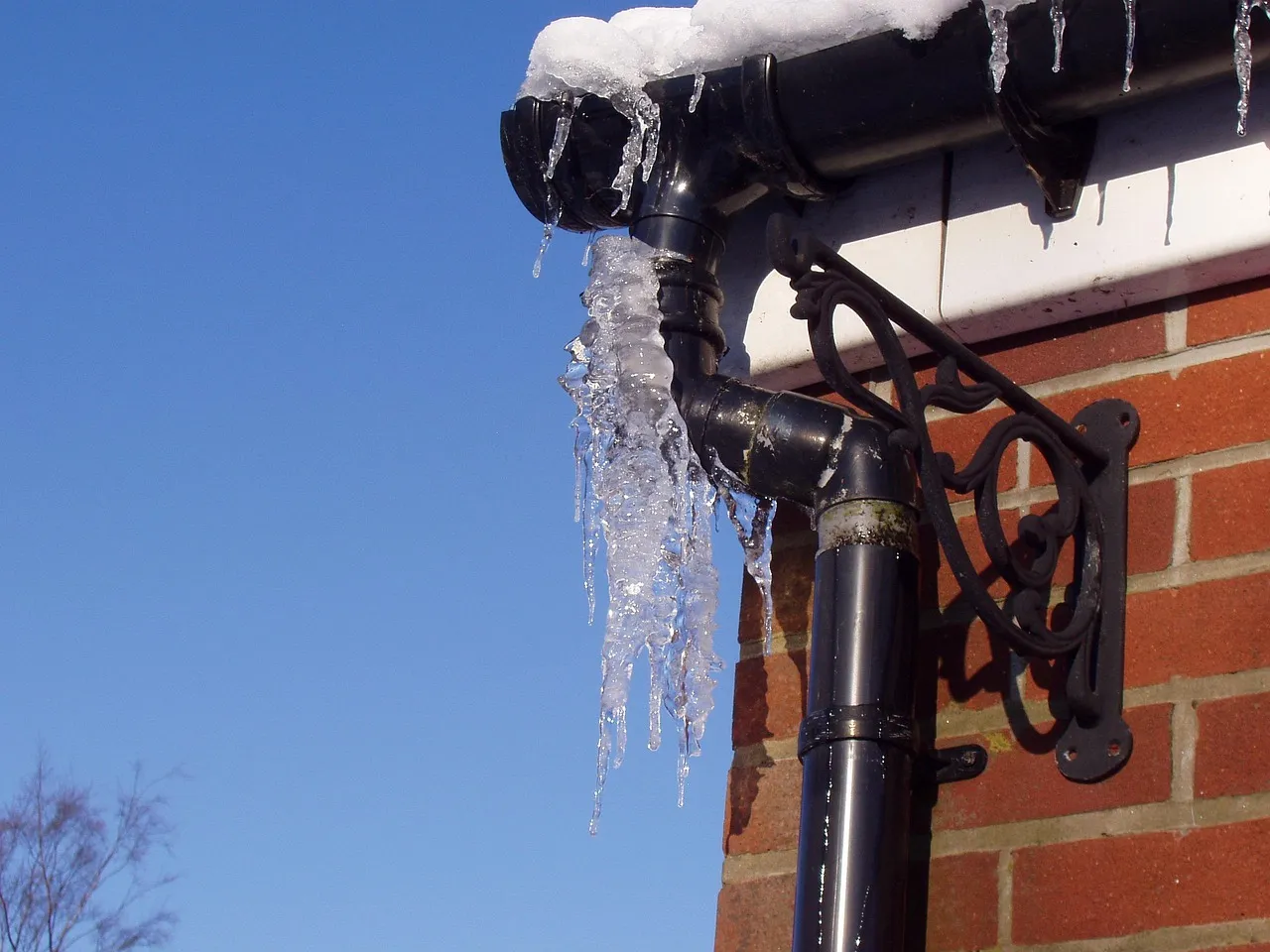
Weather scientists advise taking plumbing precautions at around 20 degrees Fahrenheit. The greatest risk of damage is when temperatures hit single digits over several days. A single night at 18 degrees is not the same risk as three consecutive nights below 10 degrees.
When temperatures plummet, the risk of pipes freezing and bursting skyrockets, a reality that can end up costing a lot of time and money. Burst pipes are one of the most common causes of property damage during frigid weather, according to the Insurance Institute for Business and Home Safety.
Knowing your threshold temperature matters because it determines when to act. Waiting until ice has already formed inside the pipe is usually too late to prevent the pressure problem entirely.
Southern Homes Face a Particular Vulnerability
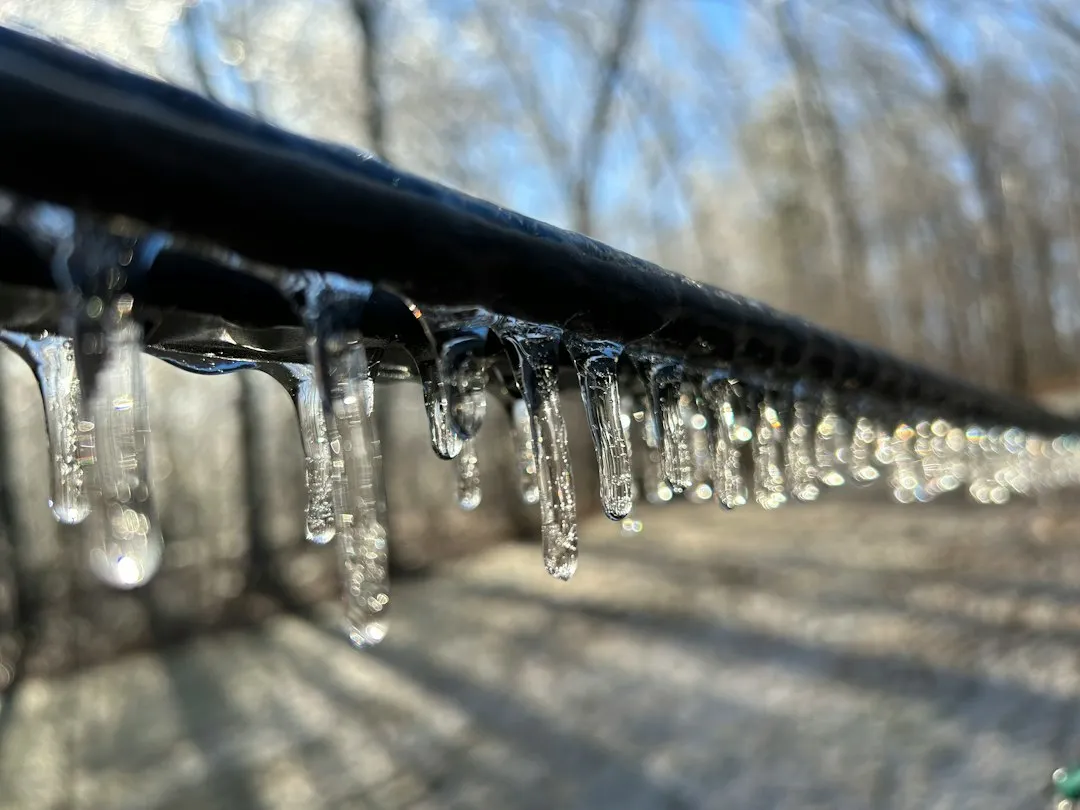
Home builders in the south often do not consider the threat of freezing weather and thus place water pipes in vulnerable locations. This structural reality means that homes in warmer climates can be more exposed to burst pipes during occasional cold snaps than homes built in consistently cold regions.
The five states with the highest total claim costs for frozen pipe damage include Texas and Tennessee. Both are states where extreme cold is less routine, meaning insulation and pipe placement are rarely designed with severe freezing in mind.
When temperatures in those regions do drop sharply overnight, homeowners who rely on the assumption that it “doesn’t get that cold here” are often the most caught off guard. Letting water run costs very little compared to what follows.
The Small Cost of a Dripping Faucet vs. a Burst One
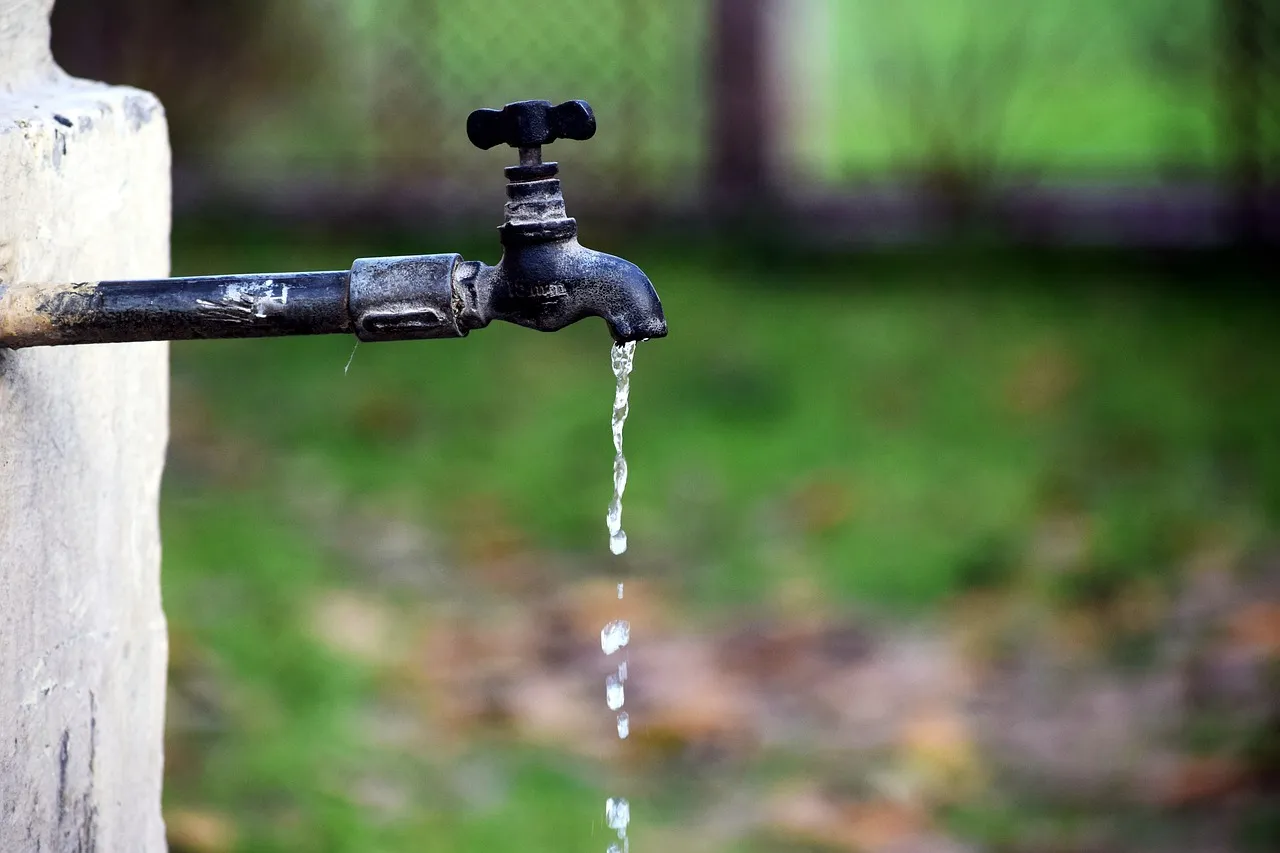
The average slow drip can waste approximately 3,000 gallons of water annually, which is roughly about 250 gallons a month. Depending on local water rates, that adds an extra five to ten dollars per month in water costs. Running a preventive drip for just a few nights during cold weather costs a fraction of that.
According to the Insurance Institute for Business and Home Safety, repairs for burst pipes can cost homeowners $5,000 or more. That figure doesn’t include the stress, the temporary displacement, or the ripple effect on the rest of a home’s systems.
The math here requires no calculator. A few cents of extra water usage on a cold night is simply not a meaningful comparison to a five-figure repair bill. Addressing leaks and plumbing vulnerabilities immediately prevents exponentially higher costs later. A modest preventive step today prevents significant water damage restoration costs tomorrow.
What to Do If You Suspect a Pipe Is Already Frozen
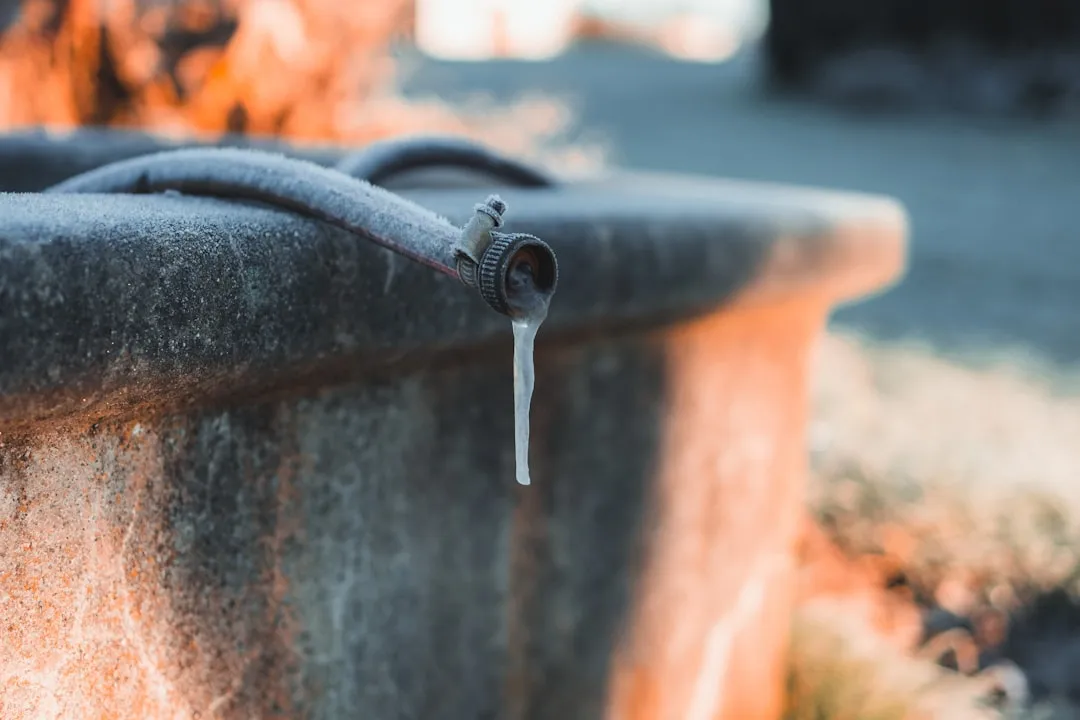
If you turn on a faucet and only a trickle comes out, you may well have a frozen pipe. If you suspect the pipes are frozen, be careful when thawing them out, because if the pipe has already burst, the water will come flowing out and flood your home.
Turn off the water immediately at the main shutoff valve. Open the faucet so that water will flow through the pipe once the area is melted. This will help melt more ice. Apply heat to or around the pipe using a hair dryer.
Keep all sources of heat away from flammable materials and do not use any open flame devices, kerosene heaters, or blow torches. Do not use devices that will cause the melted ice to boil, as that can also cause pipes to break. Patience is essential here. Rushing the thaw can cause just as much damage as the freeze itself.
Insulation and Other Backup Measures That Work Alongside Running Water
One of the most effective and affordable ways to protect your plumbing is pipe insulation. Available at most hardware stores, insulation costs just pennies per foot and can make a significant difference in preventing freezing.
Opening kitchen and bathroom cabinets allows warm air to circulate around exposed pipes and can help prevent freezing. Letting faucets drip combines with this to keep pipes from freezing. These two steps together are more effective than either one alone.
Despite the risks, fewer than one in five homeowners say they take precautionary steps to protect their home against water damage. That gap between awareness and action is where most burst pipe disasters live. Simple precautions, taken before a cold night rather than during one, are consistently what separates a minor inconvenience from a major repair.
The Takeaway
Running water overnight during a cold snap is one of those rare cases where the simplest possible action has a disproportionately large protective effect. The science behind it is real, the cost comparison is lopsided in your favor, and the data from insurers across recent winters makes the risk of doing nothing very concrete.
A trickle from your faucet won’t guarantee that nothing goes wrong, but it relieves the pressure that actually causes the damage. That distinction matters. It’s not about keeping water warm. It’s about keeping your pipes from becoming a pressure vessel with nowhere to go.
When overnight temperatures look threatening, the quiet sound of water moving through your pipes is genuinely reassuring. It means the system is working. Silence, in that context, is the thing worth worrying about.
AI Disclaimer: This article was created with the assistance of AI tools and reviewed by a human editor.