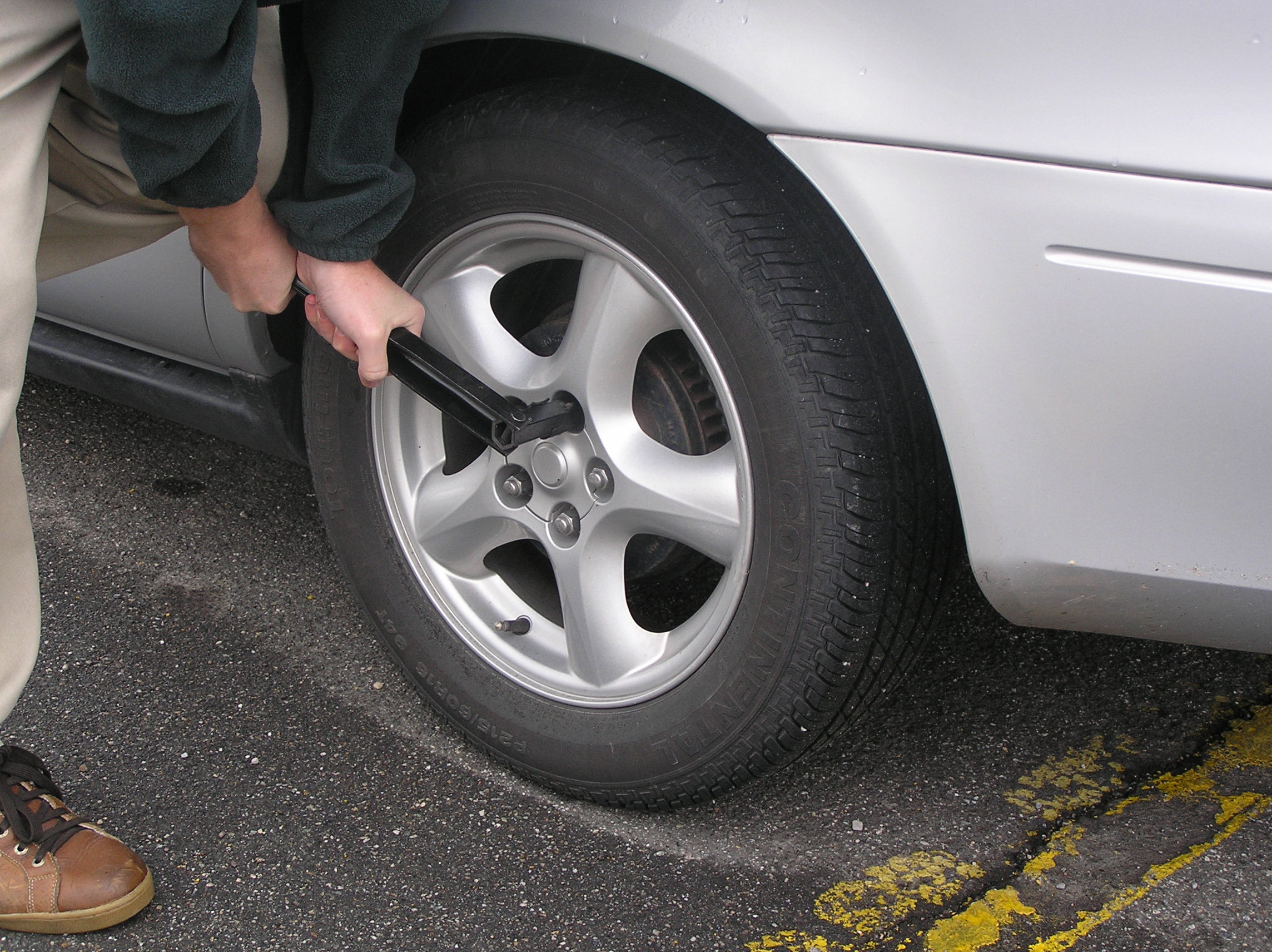

Most drivers know they’re supposed to rotate their tires. Most also skip it. It tends to feel like one of those optional maintenance tasks that gets pushed back until “next time,” somewhere behind an oil change reminder and a windshield wiper that’s been streaking for three months. The thing is, tire rotation has a real and measurable impact on how long your tires last, how safe your vehicle is, and how much money stays in your pocket. The evidence is surprisingly strong, and the cost of ignoring it adds up fast.
What Tire Rotation Actually Is
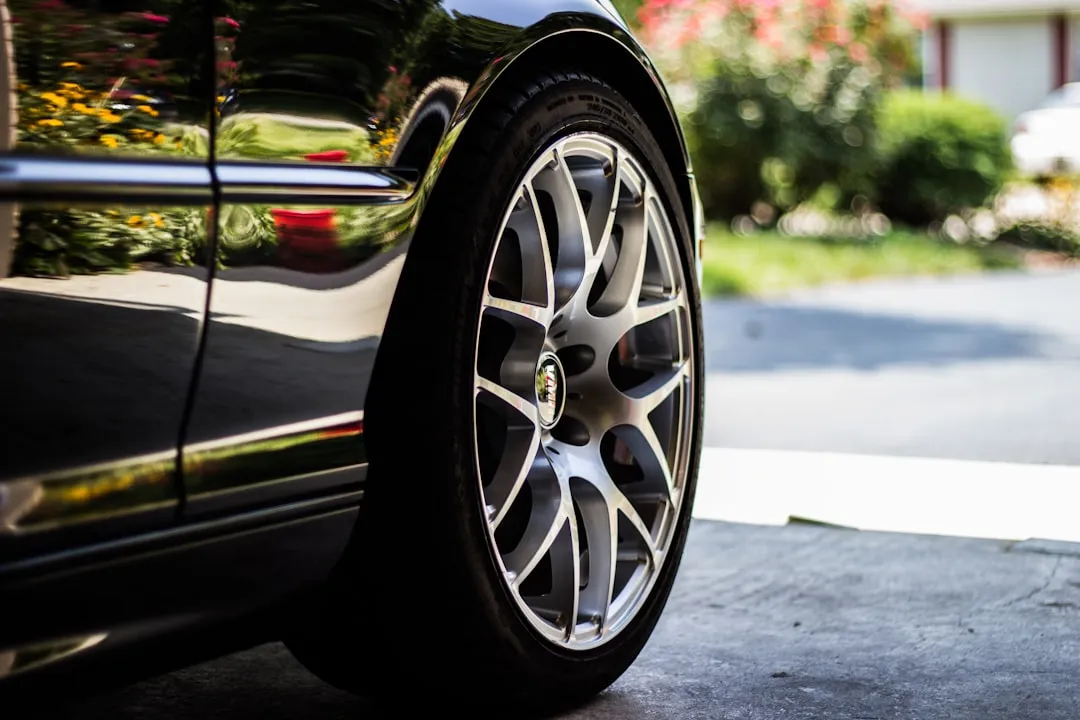
Tire rotation means switching your tires from one position to another, such as moving the front tires to the back and vice versa, to help them wear down more evenly. It’s a straightforward service, but the reasoning behind it goes deeper than most drivers realize.
Each specific position on your vehicle requires a different give from each tire. For example, tires on the front of a front-wheel drive vehicle take a larger proportion of the torque and friction needed for turning, accelerating, and braking, which leads to more wear on those tires.
When rotating your tires, it’s important to use the correct rotation pattern. The appropriate pattern depends on your vehicle’s drivetrain (front-wheel drive, rear-wheel drive, or all-wheel drive) and the type of tires you have.
Why Front Tires Wear Out Much Faster
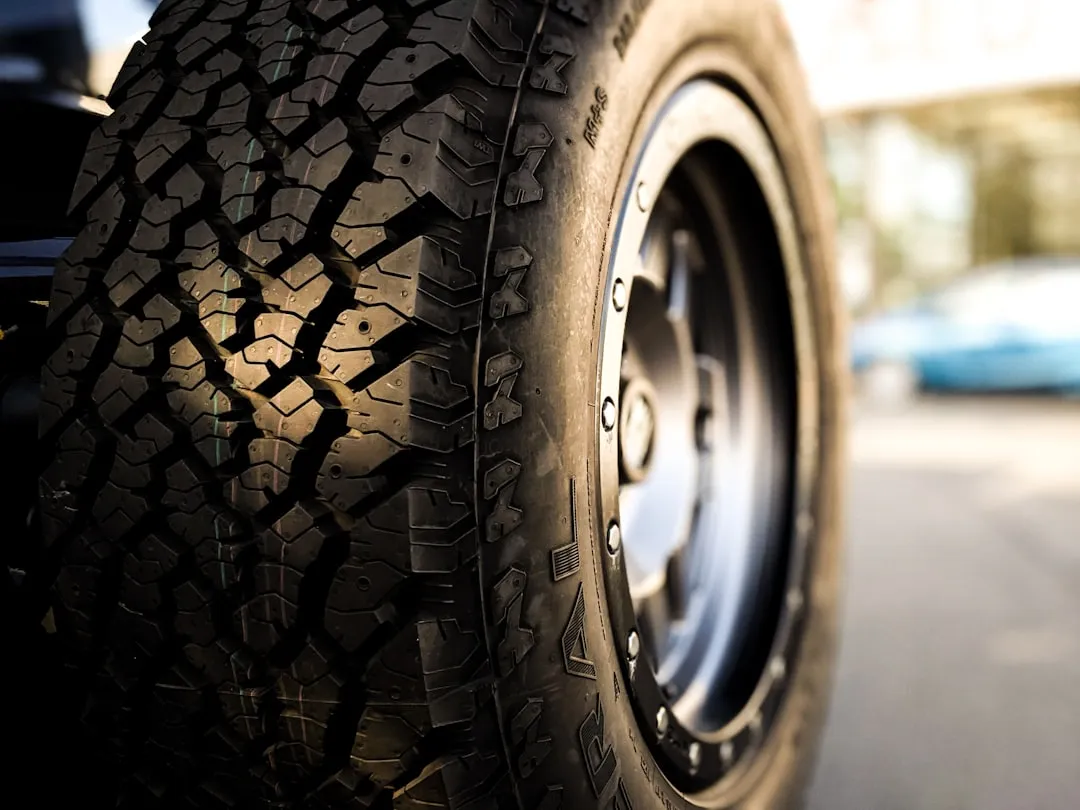
Tires don’t all wear out at the same pace. Front tires take more of a beating since they handle most of the steering and braking. On front-wheel drive cars, which represent the majority of passenger vehicles on the road today, this difference is even more pronounced.
Without rotation, tires won’t wear evenly. Front tires play a larger role in braking, and on front-wheel drive vehicles they must claw for traction, which means they wear out more quickly. Minute variations in suspension and alignment can also introduce uneven wear patterns.
On a vehicle with FWD, power is distributed to the front tires. On a car with RWD, the power is directed to the rear tires. The tires receiving the power will naturally wear out faster than the others, which is why rotation exists in the first place.
The Real Safety Numbers Behind Worn Tires
In 2024, a total of 511 people died on the road in tire-related crashes. That figure comes directly from the National Highway Traffic Safety Administration (NHTSA), and it underscores something important: tire condition is genuinely a matter of life and death.
Worn-out tires are three times more likely to be involved in a crash than tires with sufficient tread depth, according to NHTSA. That’s not a marginal risk increase. It’s a dramatic one.
Poor tire maintenance, including not having enough air in your tires and failing to rotate your tires, can lead to a flat tire, blowout, or the tread coming off your tire. Regular rotation helps catch these issues before they become emergencies on the highway.
How Rotation Directly Extends Tire Life
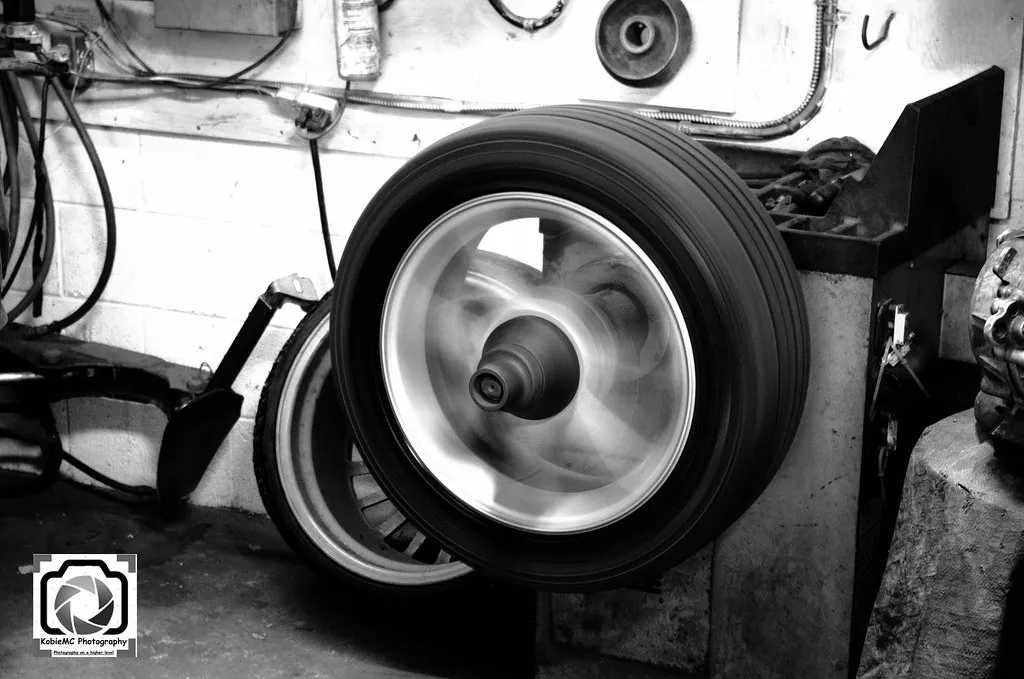
Uneven wear is a common issue that leads to premature tire replacement. Rotating your tires regularly ensures that the tread wears at an even rate, which prolongs tire lifespan and saves you money in the long run.
Rotating every 5,000 to 7,500 miles can increase tire life by as much as 20%. That’s a meaningful extension, especially when a quality set of tires can run anywhere from several hundred to well over a thousand dollars to replace.
It is especially important to rotate new tires by 5,000 miles because deep, fresh tire tread is more susceptible to uneven wear. Many drivers assume new tires need less attention. The reality is actually the opposite early on.
The Fuel Efficiency Connection
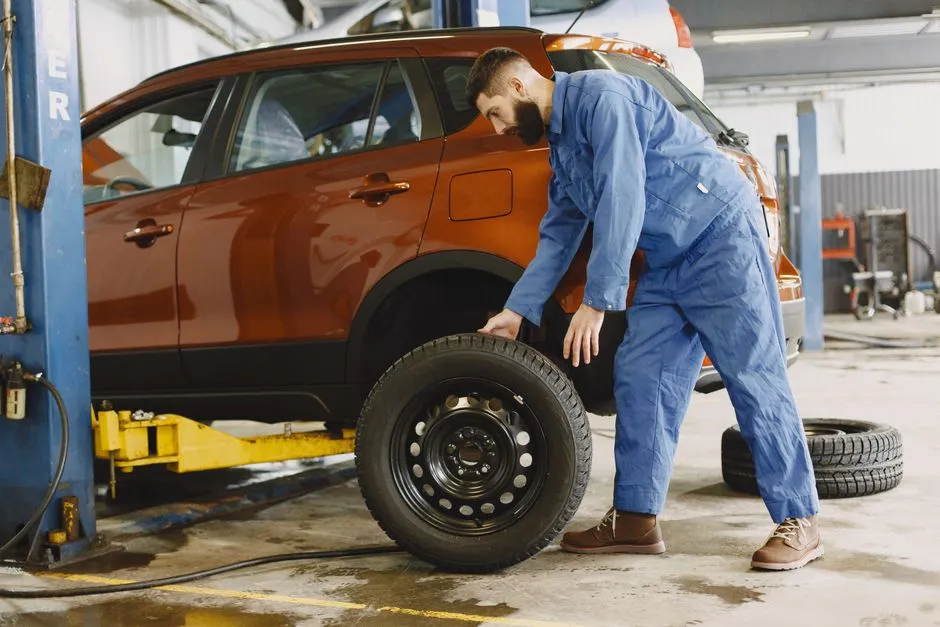
Properly rotated tires reduce rolling resistance, which means that your engine doesn’t have to work as hard to move the vehicle. This translates to improved fuel efficiency and less money spent at the gas pump.
Even tire wear and proper alignment have a direct impact on fuel efficiency. When tires have balanced tread, vehicles experience less rolling resistance. The U.S. Department of Energy states that proper tire maintenance can improve gas mileage by up to 3%, translating into significant cost savings over time.
Due to driving habits or the roads you frequent, one or more of your tires can wear significantly compared to the others. When this happens, the other tires have to compensate, which can result in a decrease in fuel efficiency and overall performance. Rotating your tires regularly promotes even wear throughout, allowing you to prevent these issues and maximize gas mileage.
What It Does for Traction and Handling
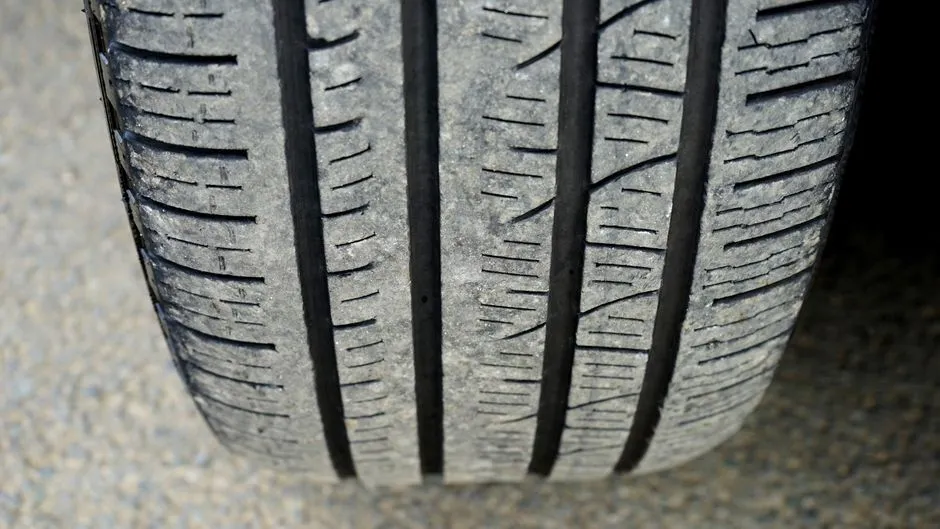
Even tread wear keeps the tread depth on your tires uniform, which can help keep traction and handling consistent across all four tires. This improves cornering and braking performance and keeps your vehicle safer for driving overall.
Regular rotation keeps all your tires ready to grab the road when you hit the brakes. Better grip means shorter stopping distances and less wear on brake parts. Balanced tires also take pressure off your whole braking system, which can save you money on costly brake repairs down the road.
When tread wears down, the tire is unable to properly grip the road and easily loses traction, making turning, reacting to hazards, and stopping much more difficult. On wet roads, that loss of grip happens far sooner than most drivers expect.
AWD and 4WD Vehicles Need It Even More

Tires that get rotated regularly provide improved traction and control. On All-Wheel Drive vehicles, unevenly worn tires may also put added stress on the drivetrain and cause undue wear on its components.
For all-wheel-drive vehicles, regular rotations also protect expensive drivetrain parts from premature wear. Replacing drivetrain components is significantly more expensive than a routine tire rotation, so the math here is straightforward.
Light trucks, pickups, and AWD or 4WD vehicles should rotate tires every 5,000 miles or less, especially with heavy hauling or off-road use. Drivers who tow trailers or carry heavy loads regularly may need to shorten that interval even further.
How Often Should You Actually Rotate?
Rotating tires every 5,000 to 7,000 miles, or every other oil change, is Michelin’s standard recommendation; however, as always, the vehicle manufacturer’s guidelines should be followed.
Some tire warranties specify a rotation interval as well, and missing it can void the mileage coverage. That’s worth checking before assuming your warranty covers you when a tire fails prematurely.
Rotation may be needed sooner if uneven wear is noticeable or if you drive frequently in stop-and-go traffic, carry heavy loads, or travel on rough road surfaces. City commuters and highway drivers have genuinely different needs here, and it pays to know which category you fall into.
The Cost of Skipping It vs. Doing It
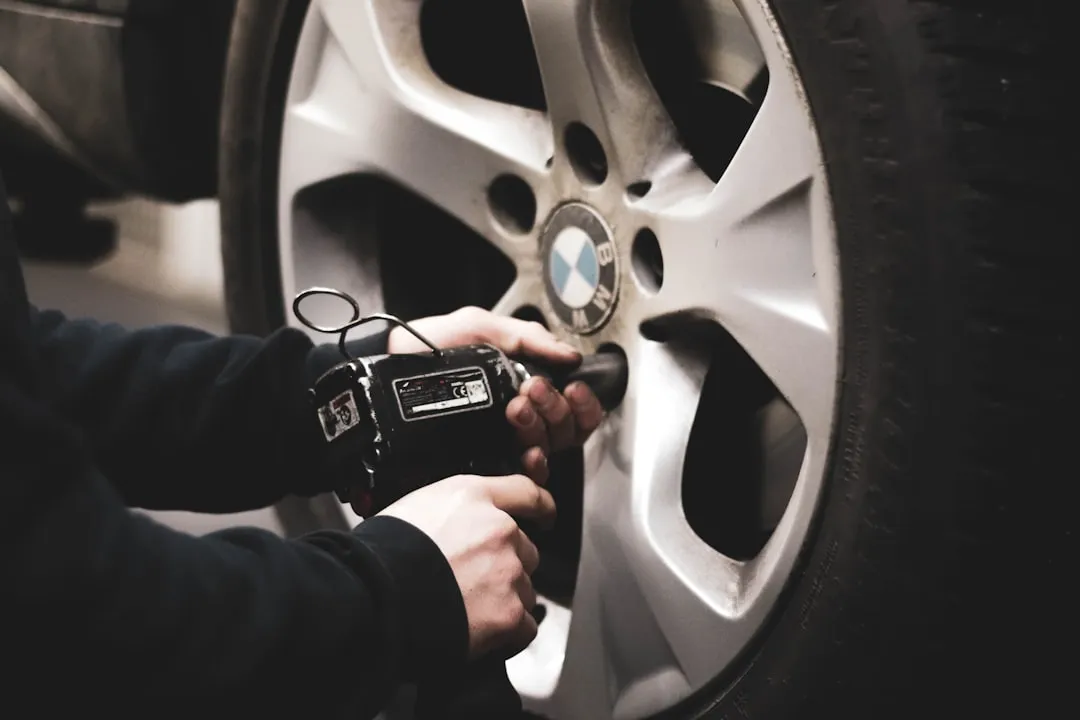
Tire rotation typically runs between $20 and $50, about what you’d pay for an oil change. Compare that to $400 to $1,000 or more for a full set of new tires. Add in the fuel savings and extended tire life, and you’re looking at serious money saved over time.
Neglecting tire rotations can lead to a series of expenses. Premature tire wear, lower fuel efficiency, and a higher risk of mechanical problems all contribute to higher maintenance costs. These are costs that compound quietly over time, usually without any single dramatic moment to signal there’s a problem.
Neglecting tire rotation can lead to premature tire wear, which results in added costs for replacements. It can also affect the vehicle’s performance, reducing fuel efficiency and damaging other car components such as suspension and braking systems.
Pairing Rotation with Other Tire Maintenance
Tire rotation is often performed during scheduled maintenance alongside wheel balancing and wheel alignment checks, which further support even tire wear and vehicle stability. Grouping these services together is efficient and keeps the total cost manageable.
Regularly rotating your tires also gives you a good opportunity to visually inspect them for damage, check their air pressure, have them rebalanced if you’re noticing any vibration, and check their tread depth.
Additional proper tire maintenance such as rotation, balance, and alignment can help your tires last longer, which will in turn save you money. Think of it as a system rather than a series of individual tasks, each one reinforcing the others.
The Takeaway
Tire rotation sits in an odd place in most drivers’ minds: widely recommended, rarely prioritized. The data tells a clearer story. With 511 people killed in tire-related crashes in 2024 alone, and with worn-out tires three times more likely to be involved in a crash than those with sufficient tread depth, the stakes are real.
The service itself costs relatively little, takes under an hour, and directly extends the life of one of the most critical components on any vehicle. It’s genuinely one of the better deals in car ownership, which is exactly why it’s worth taking seriously rather than treating it as a suggestion.
If you can’t remember when your last rotation was, that’s probably your answer. Check the mileage, pull out the owner’s manual, and put it on the calendar alongside your next oil change.
AI Disclaimer: This article was created with the assistance of AI tools and reviewed by a human editor.