
Few things are as noticeable in a backyard as the sudden absence of a bird you’ve grown used to seeing every day. From early spring through midsummer, robins are everywhere: hopping across lawns, pulling worms from damp soil, and filling mornings with song. Then, almost without warning, they’re gone.
Most people assume the worst, or assume the birds have left for good. The reality is more interesting than that. Robins don’t disappear, they simply change their routines in ways that make them nearly invisible. Here’s what’s actually happening.
The Breeding Season Ends, and So Does the Show
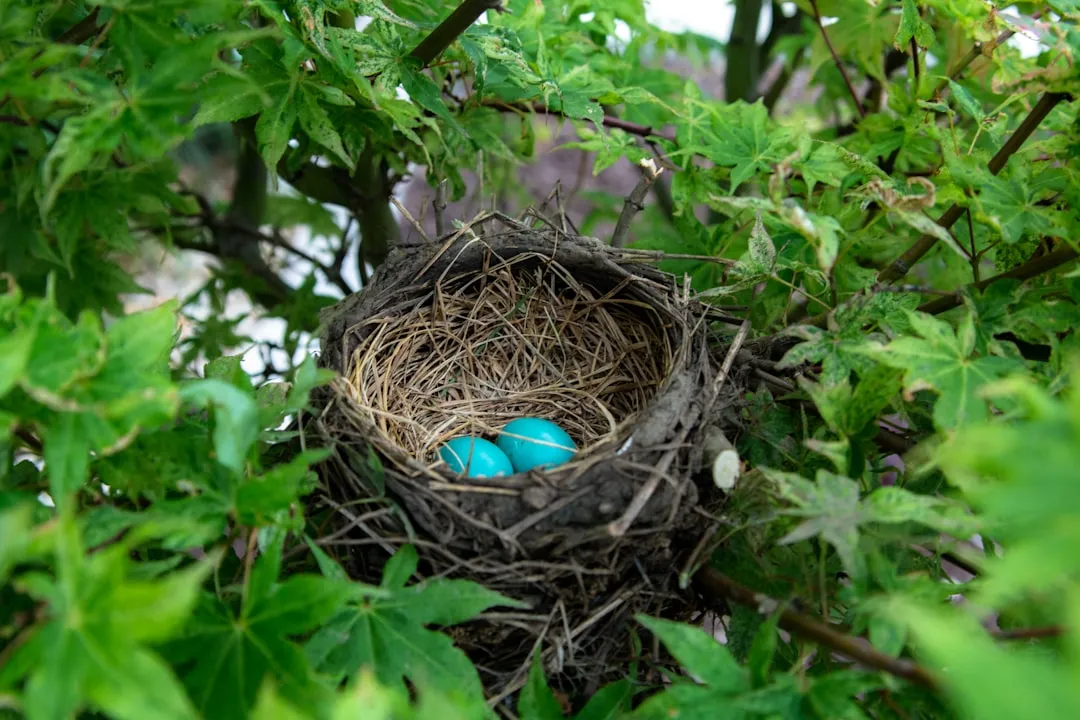
During spring and early summer, robins establish and protect nesting territories, which requires them to be both visible and quite vocal. That high visibility is intentional. The singing, the lawn-hopping, the territorial displays – all of it is tied to reproduction.
Once the robin’s young have fledged and can fly along with the adults, there is no longer any need to defend or even use their territory. They will then disperse, often heading out of a city to spend the rest of the summer in more wild habitats.
It’s a clean break. The moment the reason for all that visible activity disappears, so do the birds.
They’re Molting, and Staying Out of Sight
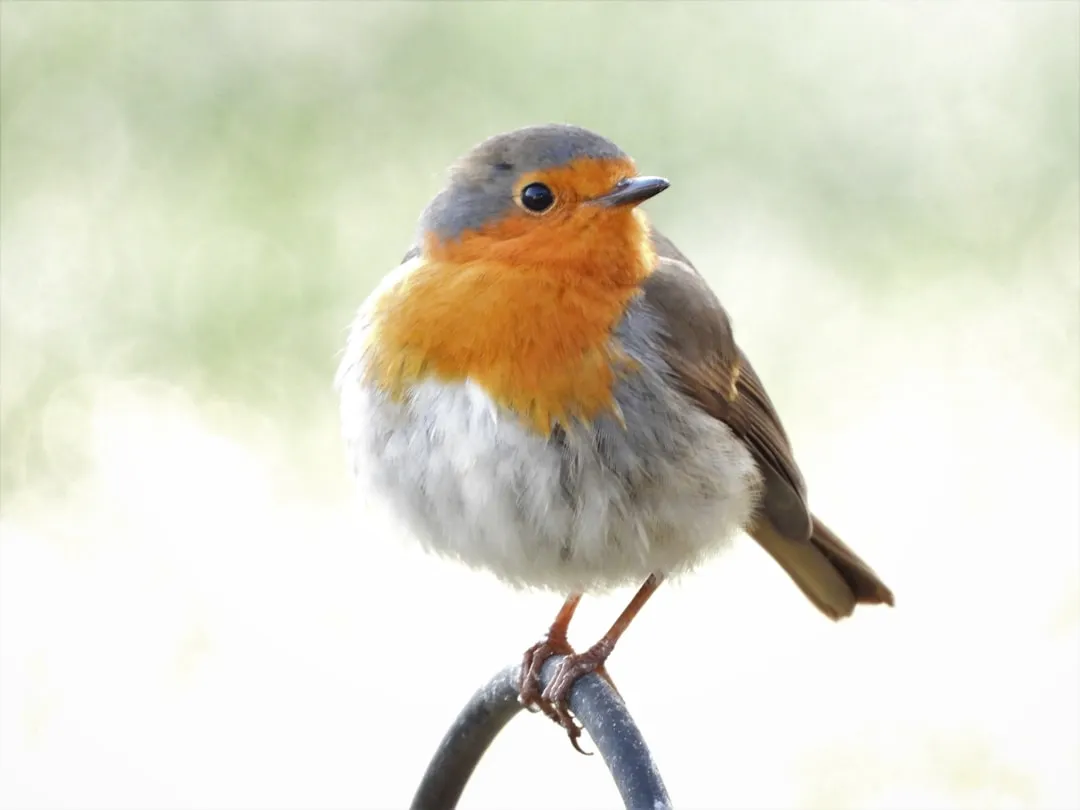
Adult robins abandon breeding territories, becoming nomadic and secretive during their annual molt. The simultaneous wing feather replacement impairs flight capability, making robins vulnerable to predation.
They hide in dense vegetation, foraging quietly rather than singing and displaying as they do during the breeding season. The apparently disappeared birds remain in the general area but become nearly invisible through behavioral changes.
After breeding, the molting season kicks in, heralding major changes in both the appearance and behavior of birds. Molt is the systematic replacement of feathers, and all birds do it. They have to molt in order to survive, because feathers wear out from physical abrasion and bleaching from the sun. So in a sense, a quiet yard is just evidence that the birds are doing necessary maintenance work nearby.
They’ve Moved Into the Woods
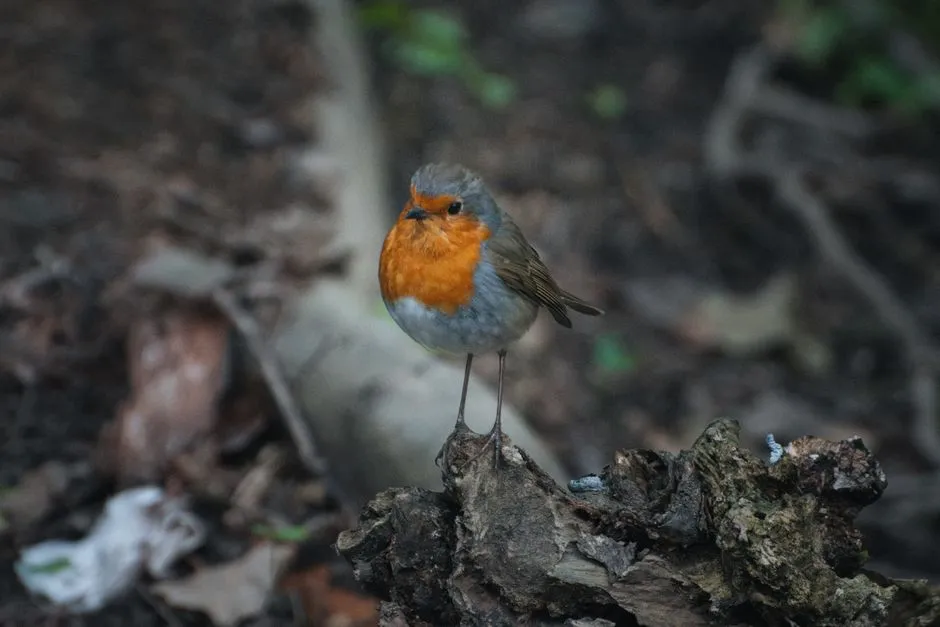
In August, their numbers drop noticeably, but that doesn’t mean most of the robins have departed to migrate south. Instead, they’re often concentrated in local wildlife refuges, feasting on fruits of native dogwoods and other plants.
As summer progresses and natural food sources become more abundant, robins tend to move away from gardens and spend more time foraging in woodland areas. Your yard simply can’t compete with a dense stand of fruiting trees and shrubs.
Many robins in the continental US stay within their general area year-round, just shifting from open lawns to forested berry-producing habitat. The key change is behavior and diet, not always location.
Their Diet Shifts Completely
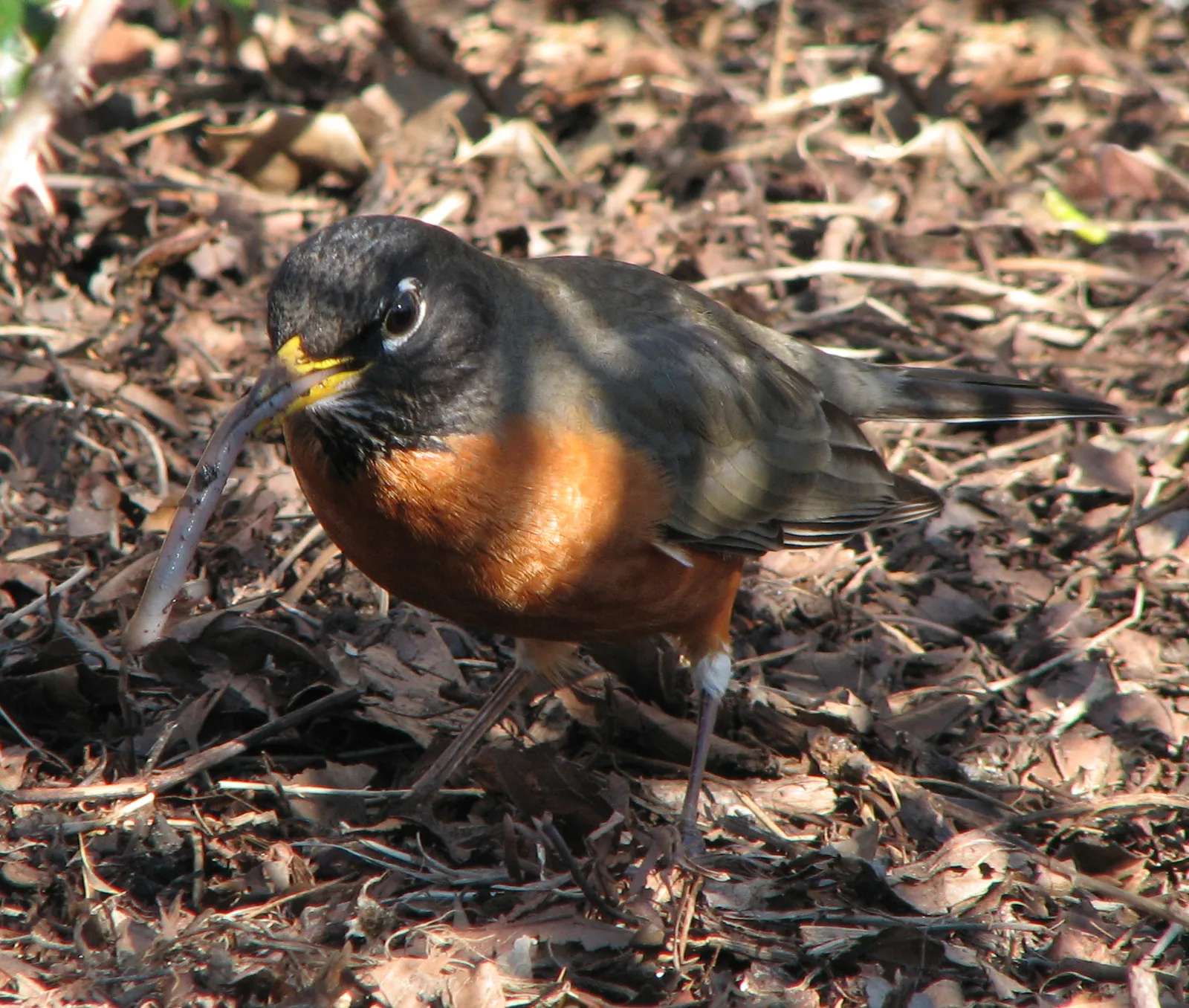
A robin’s diet is highly seasonal. In the spring and summer, up to roughly two-fifths of their food intake consists of invertebrates like worms and insects. That’s what brings them to your lawn in the first place.
In fall and winter, robins shift their diet from invertebrates to fruit, and start to form large flocks that wander across the landscape in search of both native and ornamental fruiting shrubs and trees.
In fall and winter, when many populations move southward or to lower elevations, their diet shifts from soft invertebrates to berries and small fruits. Flocks of hungry robins check berry bushes frequently, monitoring the status of the fruit. A typical backyard feeder filled with seed holds no appeal for them at any time of year.
The Silence Is the First Sign Something Has Changed
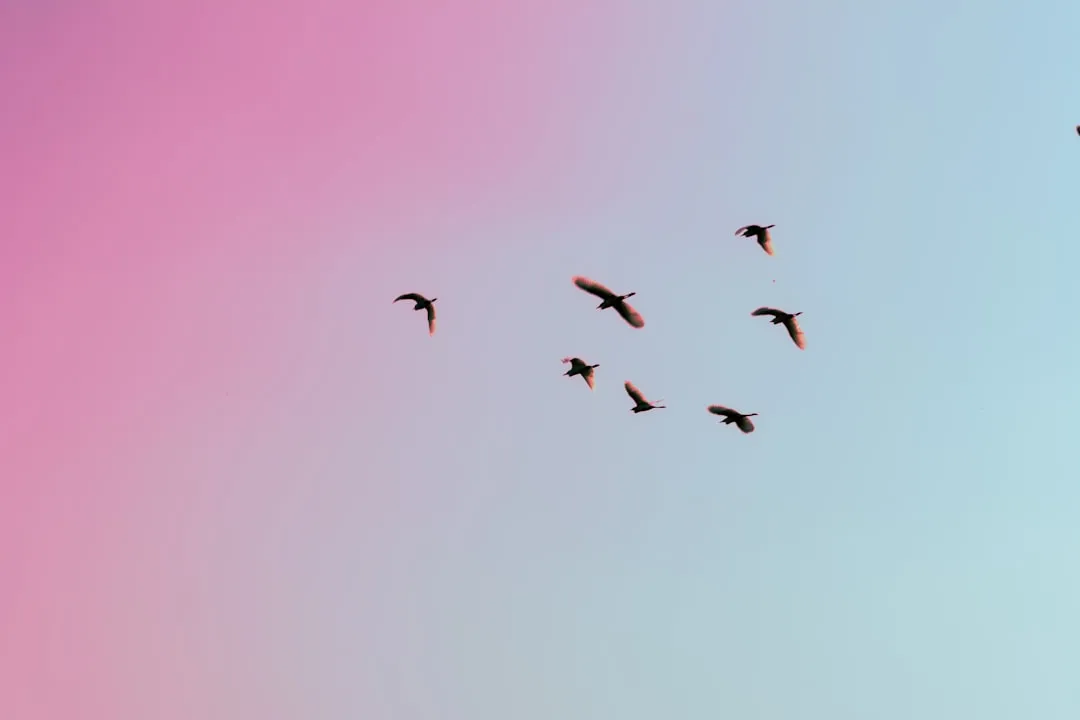
Birds sing for two basic reasons: to attract a mate and to defend a territory. By July, many baby birds in North America have fledged, and even birds that have multiple nests per year have finished by early August.
Many birds, such as American Robins and Red-winged Blackbirds, stop holding territories and start to join flocks, and territorial singing just isn’t compatible with flocking. One by one, each species drops out of the morning chorus.
It’s worth pausing on that. The robin doesn’t disappear quietly. It goes silent first. That fading morning song is often the earliest signal that summer is winding down, before you’ve even noticed the bird itself is gone.
They Form Large Communal Flocks
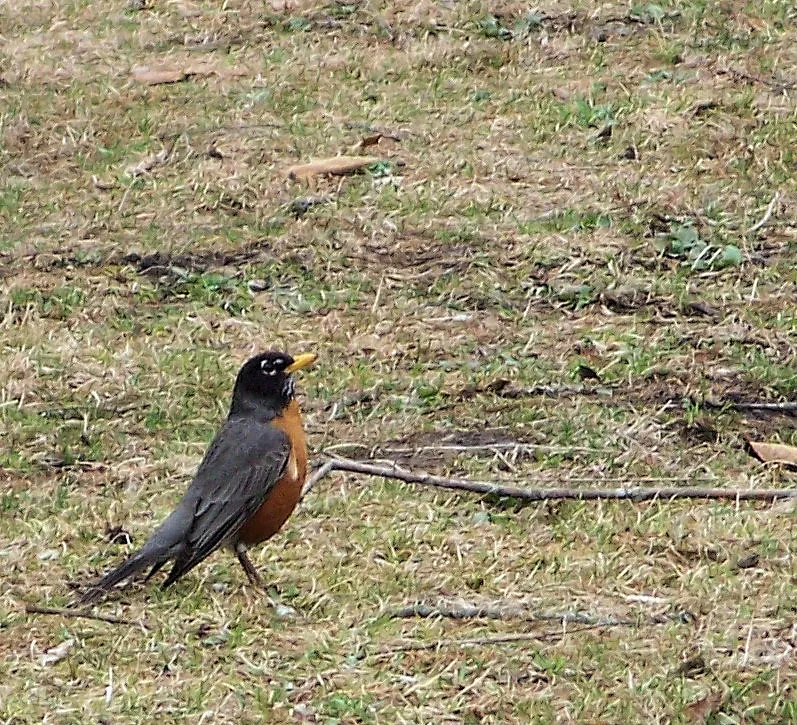
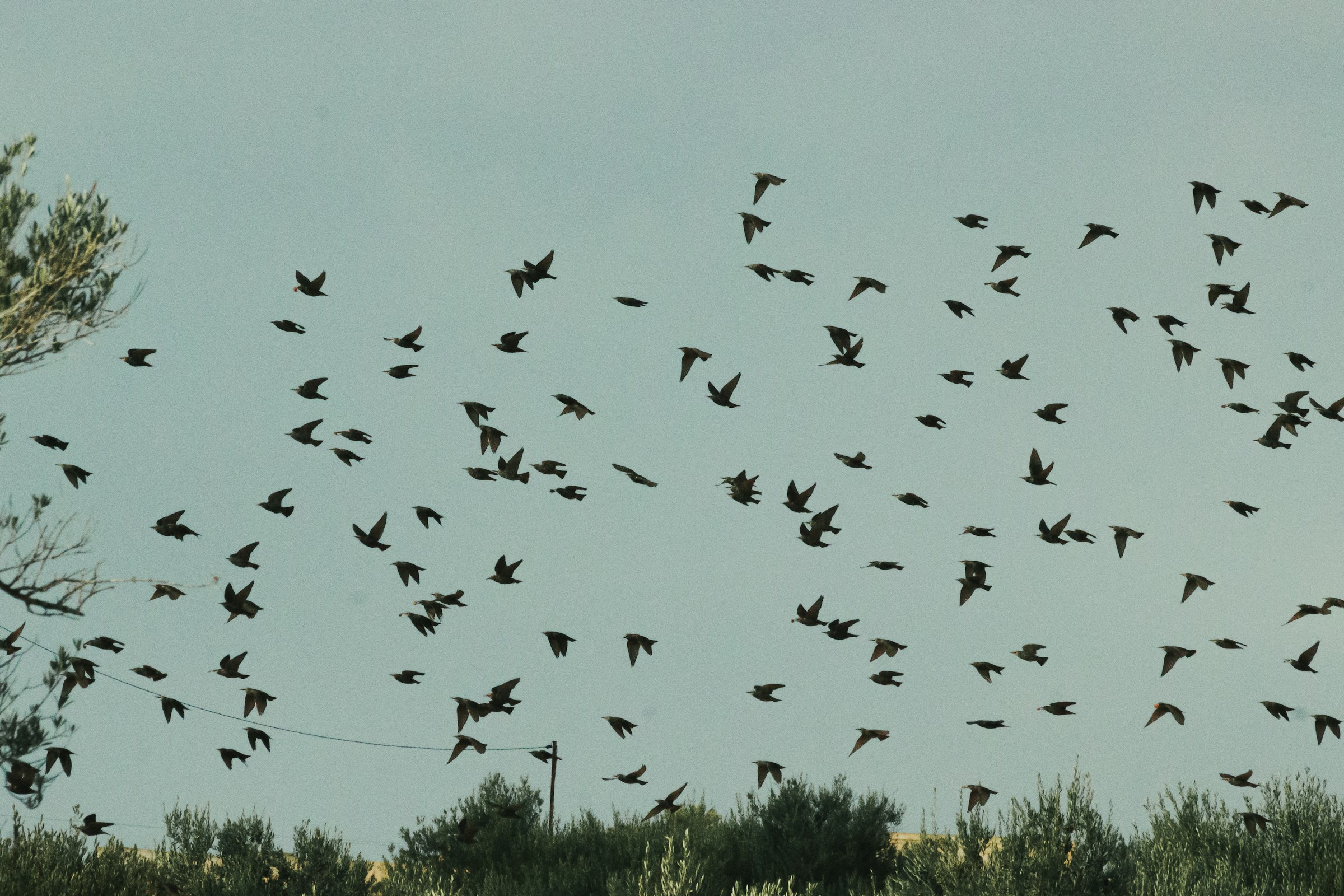
As fall progresses, robins begin to form large, social flocks. They gather at communal roosts, sometimes numbering in the tens of thousands, to share information about food sources and to stay warm.
While a single robin would be vulnerable to a predator, a large group offers safety in numbers. The solitary birds seen on lawns all summer have now joined a massive, bustling community, a behavior that explains their sudden, collective disappearance from individual yards.
In fall and winter, robins may gather by the hundreds in roaming flocks, concentrating at sources of food. When that food source is a stand of crabapples a few miles from your yard, that’s simply where they’ll be.
Migration Is More Complex Than Most People Realize
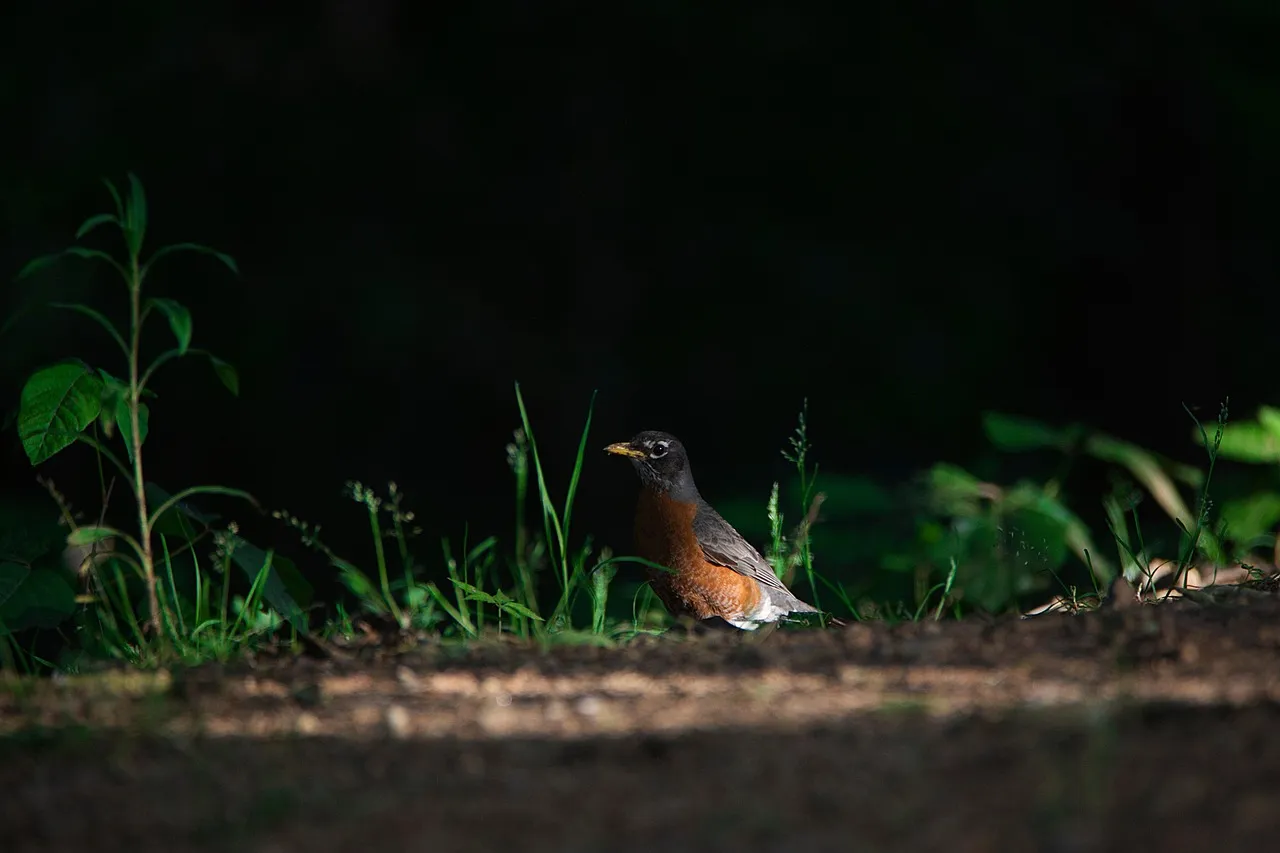
While many people think of robins as non-migratory birds, the majority of them do migrate. The key to understanding their disappearance is recognizing that this migration is often less of a long-distance journey and more of a local relocation.
The American Robin is one of the most widespread, common bird species in North America, yet very little is known about its migratory connectivity and routes. Using archival GPS tags, researchers tracked the movements of seven individual robins from three breeding populations in the United States. Four robins captured in Denali National Park, Alaska, overwintered in Texas, Nebraska, Oklahoma, and Montana, up to roughly 4,500 km away. One robin captured in Massachusetts overwintered in South Carolina, whereas two robins captured in Washington, D.C., spent the entire year within about 6 km of their capture location.
That last finding is striking. Two birds from the same species, almost side by side, with completely different winter strategies. Migration for the robin is individual, not uniform.
The Fledglings Are Easy to Miss
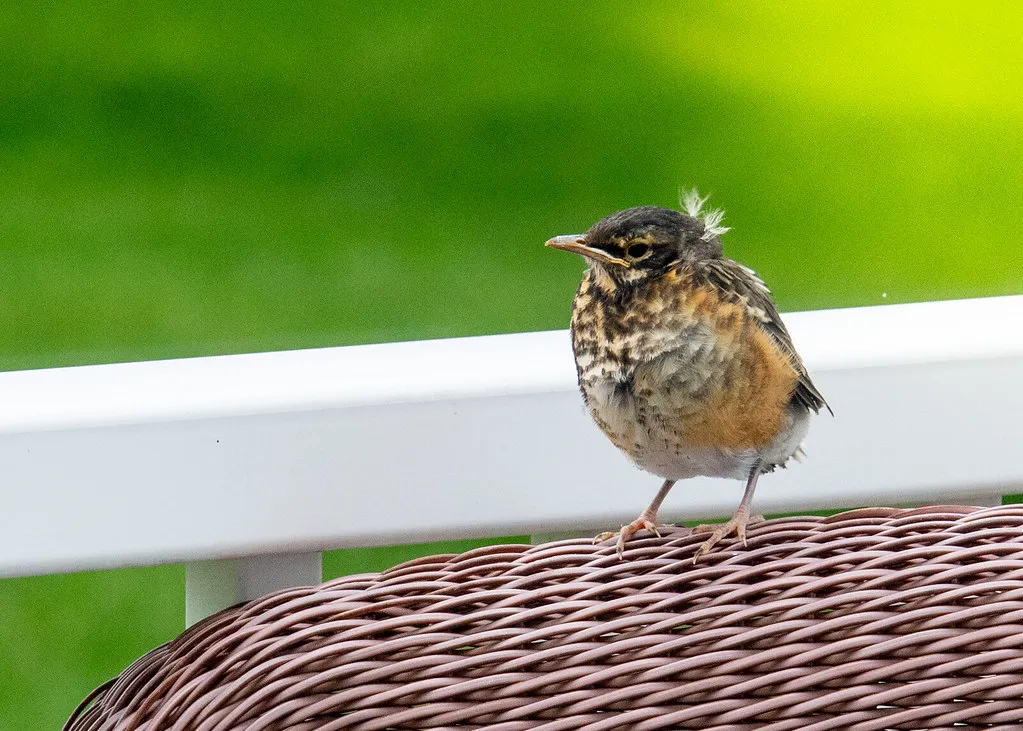
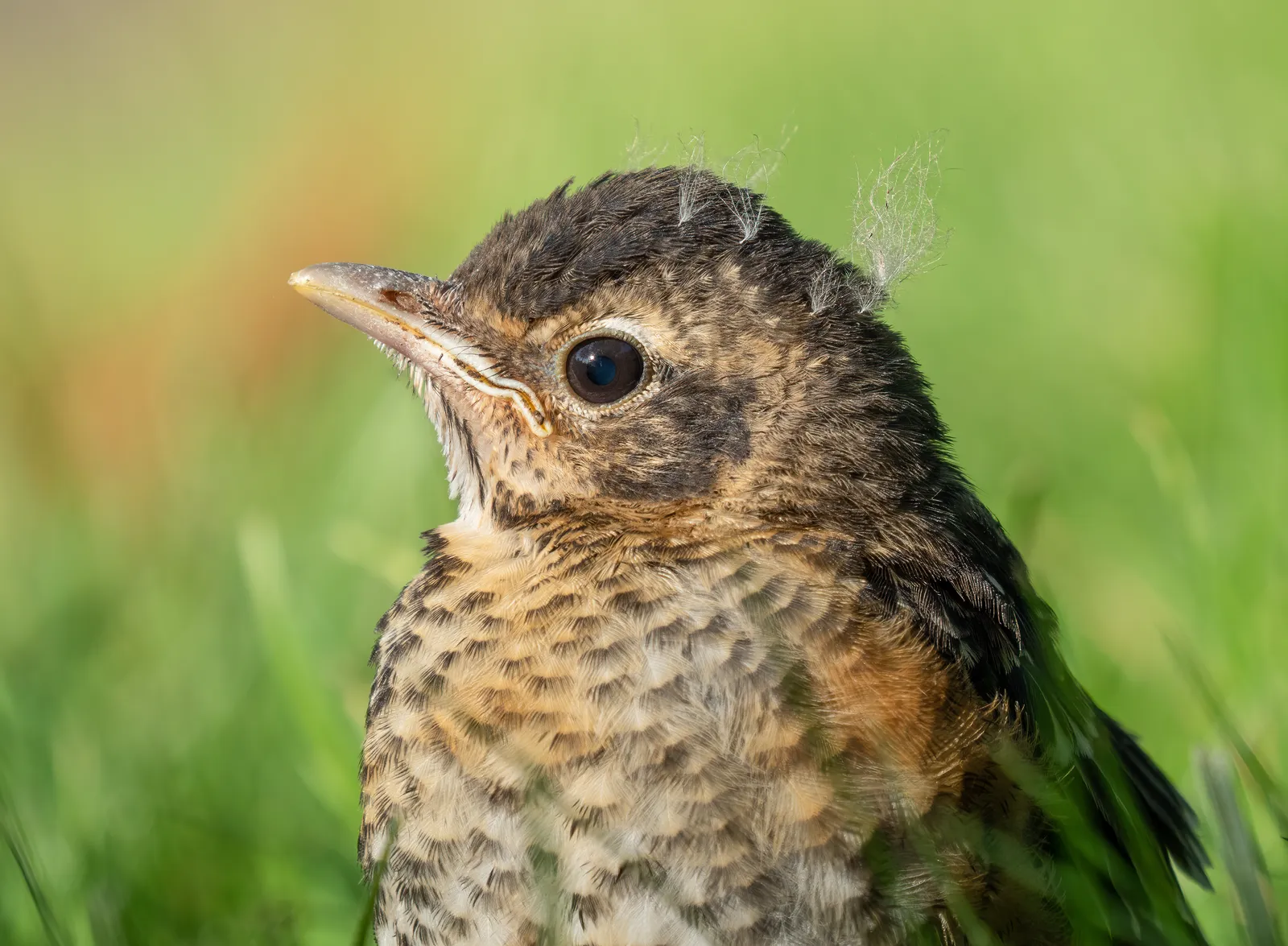
Baby robins and juvenile birds look strikingly different from adults and often confuse new birders. Fledglings sport heavily spotted, speckled breasts on a pale background, a typical pattern for thrushes that provides camouflage in dappled light. The spotting fades through the first summer as juveniles complete their post-juvenile molt.
American robins often raise two to three broods per season, with the female sometimes beginning her second nest while the male continues feeding fledglings from the first brood. This overlap means the yard can be busy with activity that’s easy to overlook if you’re only watching for the adults.
Fledglings spend up to three weeks hiding in low vegetation while their parents continue to feed and protect them. They’re present, just invisible to a casual glance across the lawn.
Population Trends Are Worth Watching
Despite their adaptability, robins have started to show signs of decline across much of their range, usually starting in the 1990s or early 2000s. Although populations in some states remain stable, those in neighboring states and provinces have dropped by somewhere between a fifth and roughly two-fifths since 2000, and there are no clear explanations.
Because it is so familiar and occurs around places where humans live, the American Robin sometimes serves as an early warning of environmental problems, such as overuse of pesticides. That’s worth keeping in mind when deciding how to manage a lawn.
Reducing pesticide use can have a direct impact on robin populations. A yard treated heavily with chemicals may offer less and less reason for robins to return each spring.
They Will Come Back, on Their Own Schedule
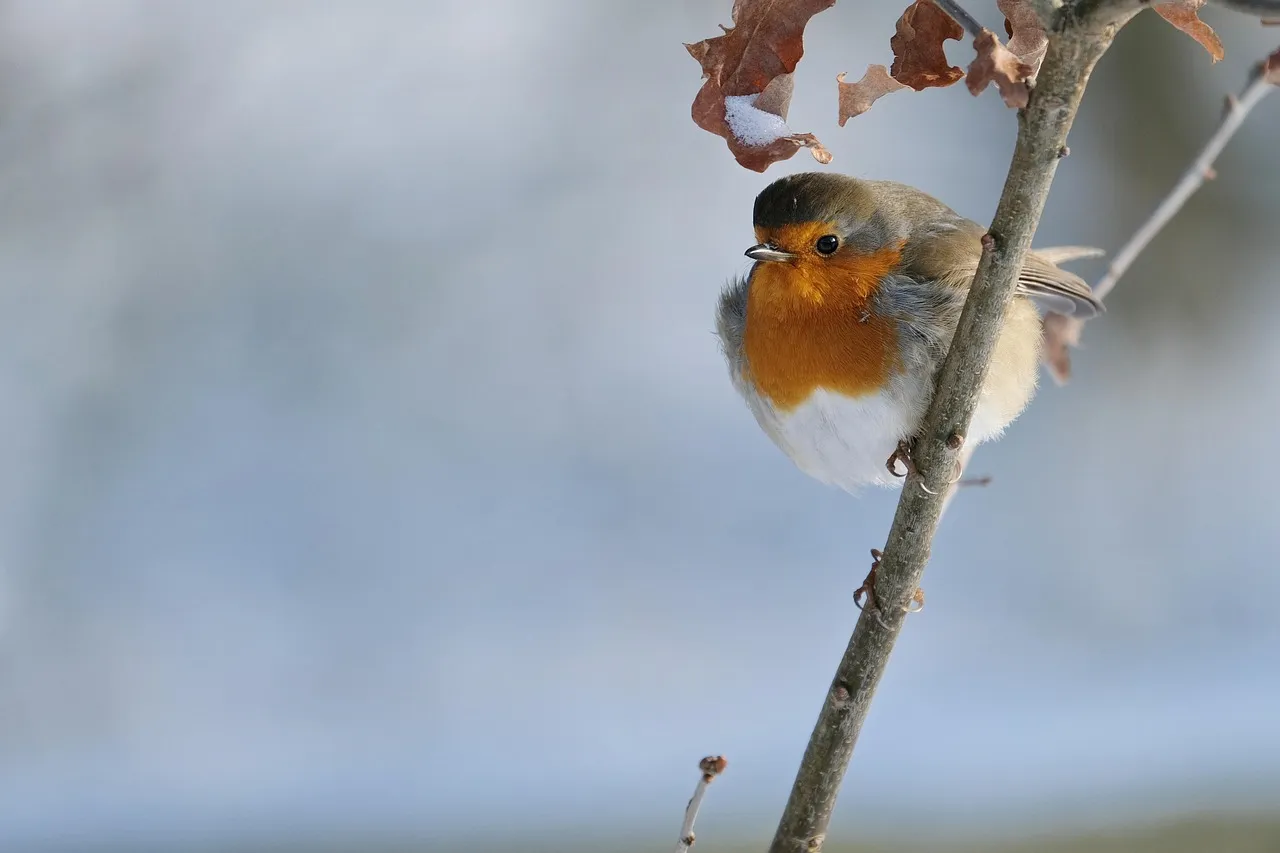
During September and October, robins appear irregularly, passing through in flocks, often large flocks. Numbers drop again sharply in November. In December and January, they’re usually absent from yards entirely, although a flock can typically be found a few miles away, in deep woods with many fruiting vines or in a cemetery with plantings of fruiting trees.
As the days lengthen and the ground begins to thaw, a robin’s instincts kick back in. Their return is directly tied to the availability of food. When the topsoil becomes soft enough for them to pull out invertebrates, they will begin to migrate back from their winter foraging grounds.
Expect their return to visibility by late August or September when molt completes. After that, the cycle of spring flocks and territorial song starts over again.
The Takeaway
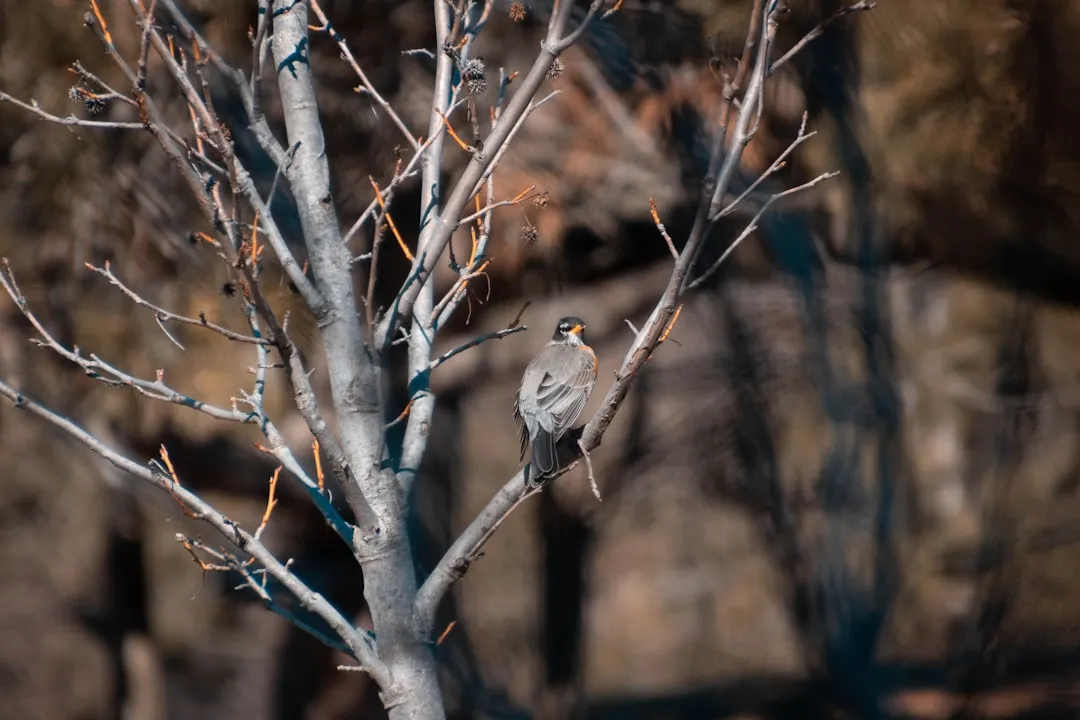
A yard without robins in August isn’t a yard the birds have abandoned. It’s a yard that fulfilled its purpose. It provided food during nesting, a place to raise young, and enough cover to support the transition into late summer. The birds move on because their needs have shifted, not because something went wrong.
The most useful thing a yard can offer year-round is variety: moist soil for foraging, fruiting native plants for fall food, and minimal pesticide use. Robins notice all of it. They may not be visible every day, but they tend to return to the places that treated them well.
AI Disclaimer: This article was created with the assistance of AI tools and reviewed by a human editor.