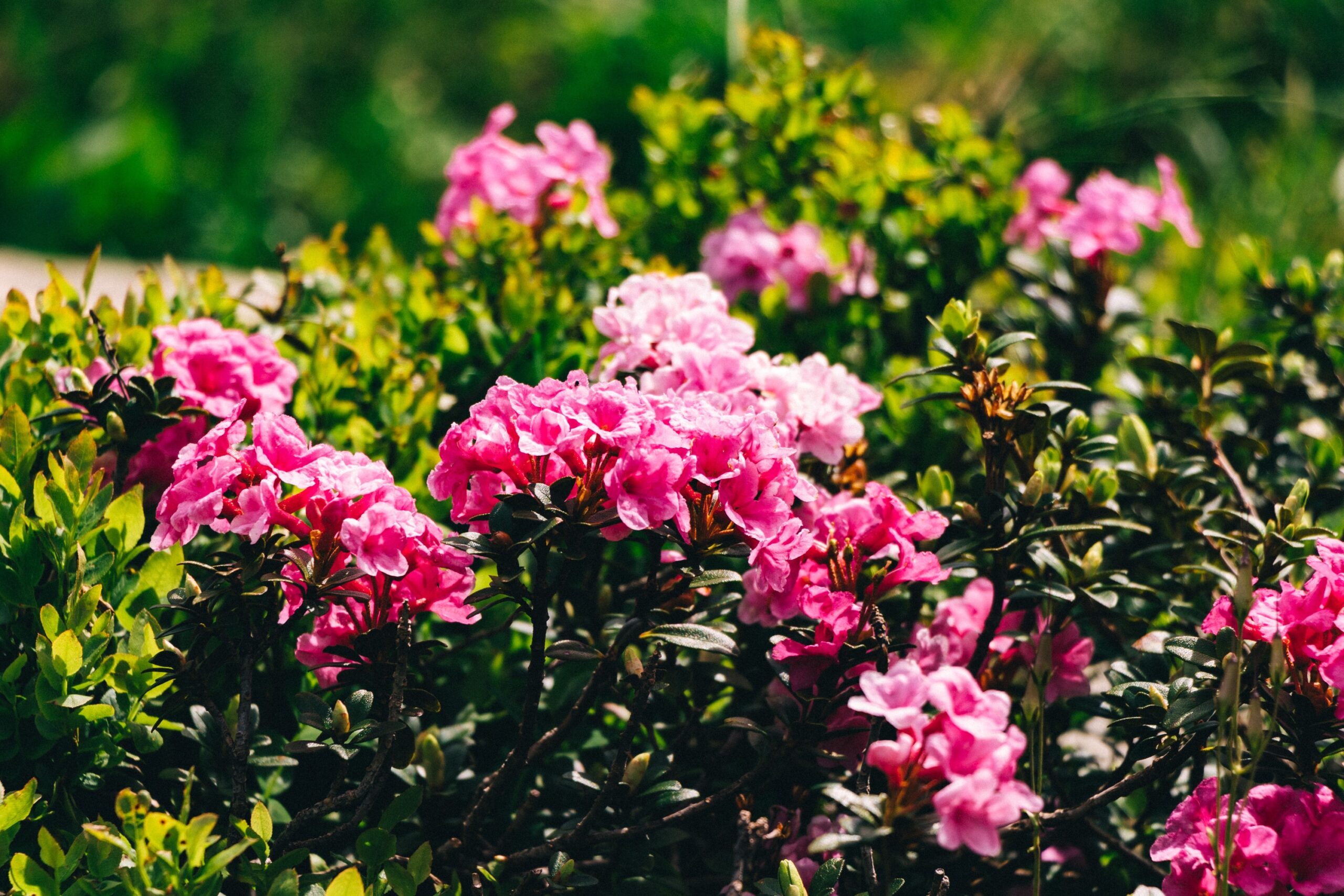

The Name for What’s Happening: Thermonasty
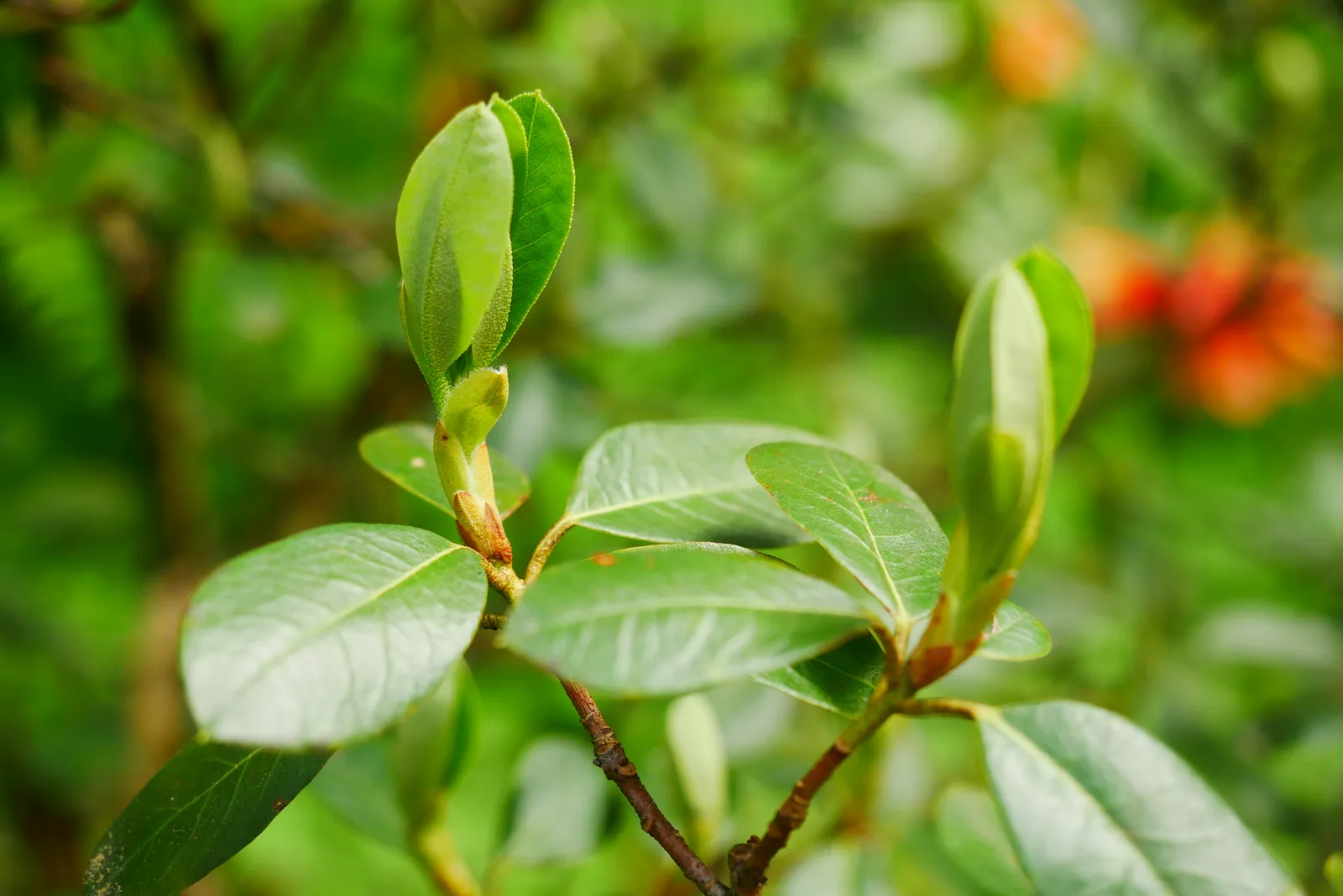
This phenomenon has a botanical name: thermonasty. Normally, rhododendron leaves are flat and extend horizontally from the plant, but in the winter, the leaves of some rhododendron species will droop and they might curl around as if the leaf is giving itself a big hug. The word “thermonasty” refers to a plant movement triggered by temperature change rather than by touch or light.
Adaptations to freezing air temperature in temperate understory species of Rhododendron include physiological processes, anatomical changes, and thermonastic leaf movements. Although the exact mechanism for thermonasty is still not fully understood, there has been research conducted to reveal more.
Reading the Leaves Like a Thermometer
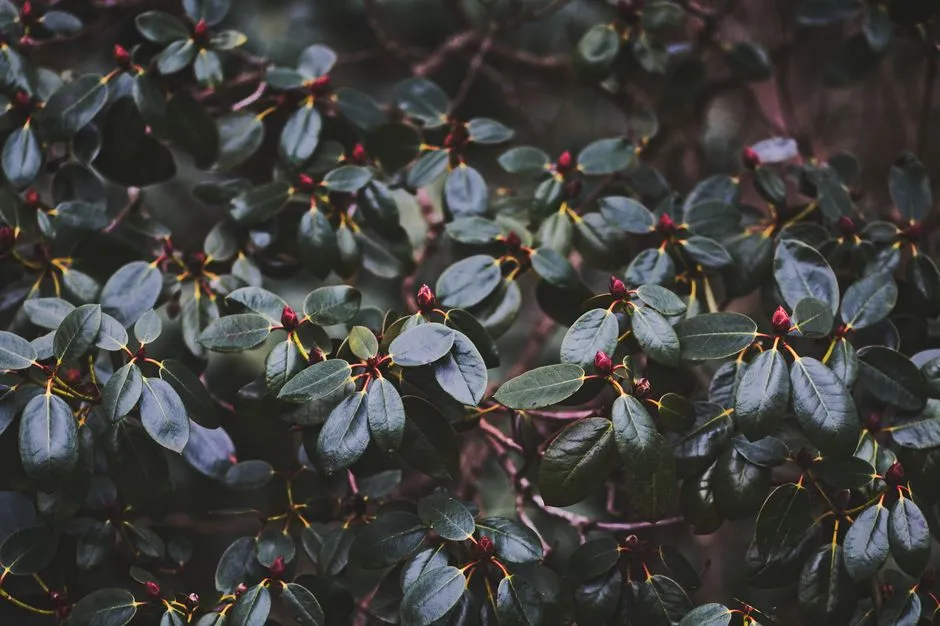
Many a Rhodo lover has said that they can tell how cold it is outside by looking at Rhododendron leaves. Indeed, as temperatures drop, the leaves of these evergreen shrubs frequently droop and curl up like green cigars. The correlation between curl and cold is remarkably consistent.
Drooping leaves occur the closer the temperature gets to 32°F (0°C). It’s thought that lack of water in the stem causes this. Curling starts to be noticeable at 25°F (-4°C). They are very tightly curled by the time the temps have dropped below 20°F (-7°C). So the plant is essentially offering a free weather reading to anyone paying attention.
It Starts with How the Leaf Is Built
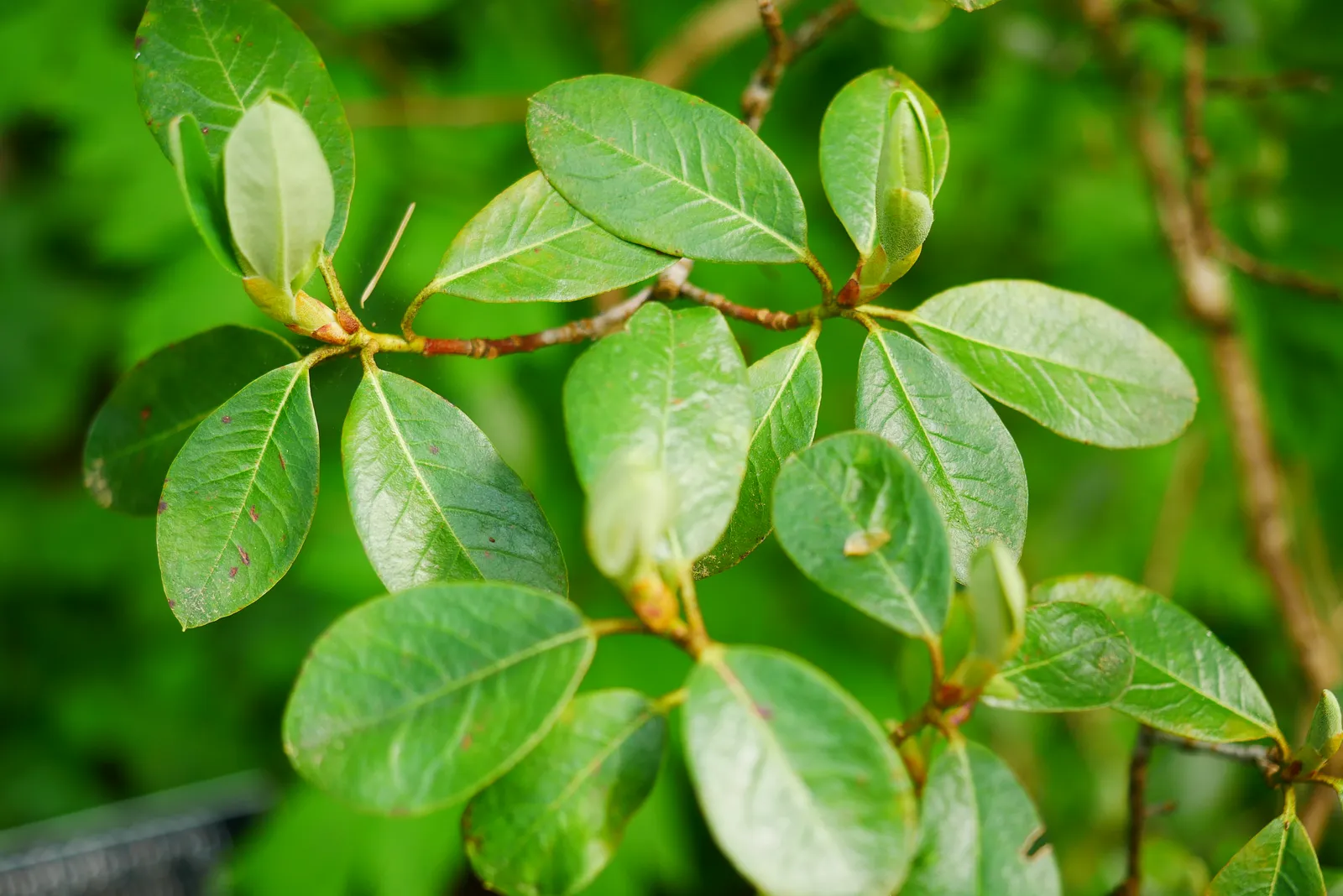
Many Rhododendron species are broad-leaf plants that are typically exposed to both high radiation and freezing temperatures simultaneously during winter when photosynthetic electron consuming assimilation reactions are inhibited. That combination of cold and intense sunlight is precisely what makes broad leaves so vulnerable in winter.
Cold-induced leaf movement, termed “thermonasty,” can reduce the amount of leaf area exposed to solar radiation and has been associated with photoprotection in some overwintering rhododendrons; thermonasty in rhododendrons includes both petiole curling (change in leaf angle) and inward rolling of the leaf lamina. These two movements happen together, though they appear to have somewhat different triggers.
The Photoprotection Theory: Blocking Dangerous Winter Sun
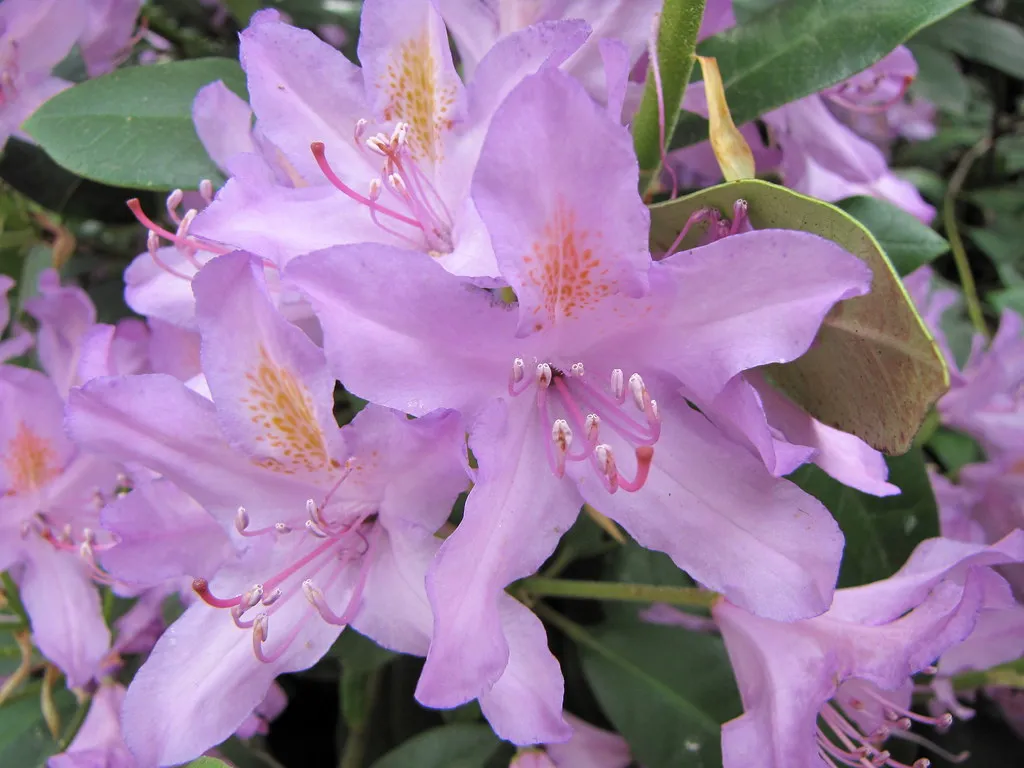
Research suggests that rhododendron leaves curl to prevent photo-oxidation (bleaching of chlorophyll) by high irradiance during cold temperatures. This might seem counterintuitive. Sunlight in winter seems weaker, not stronger. The issue, though, isn’t the intensity of the light alone but how the leaf handles it when it’s frozen.
Leaf cell membranes are susceptible to damage by intense radiation when they are cold, particularly the membranes of chloroplasts, which are responsible for converting the energy from sunlight into food for green plants. Rhododendrons are understory shrubs that are typically exposed to the most sunlight in the winter, when they are dormant, and too much sun may cause photo-oxidative damage, reducing the plant’s ability to photosynthesize.
Experiments have shown that leaves that were forced to stay horizontal during the winter experienced permanent sun damage and photosynthesized considerably less than leaves that were allowed to droop once favorable temperatures returned. This is some of the strongest direct evidence that the movement is genuinely protective.
Protecting Frozen Cells from Thawing Too Fast
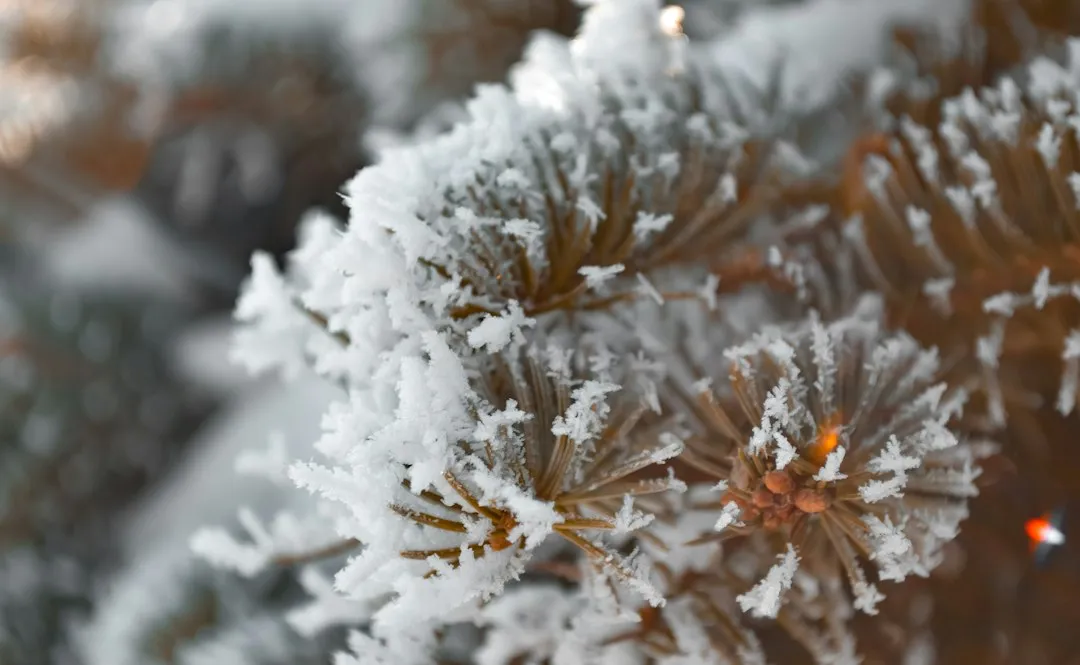
Researchers found that Rhododendron leaves freeze completely at temperatures below -8 degrees Celsius (17.6 degrees Fahrenheit), temperatures that occur regularly throughout the range of temperate Rhodo species. Once a leaf is frozen solid, the question becomes not just how to survive freezing, but how to survive thawing.
Since the leaves actually freeze at 18°F (-8°C), it’s thought that they curl to protect frozen cells from damage due to rapid thawing. With less surface area exposed to the sun, the ice crystals in the leaves thaw more slowly, and cell membranes remain intact. Experiments were able to demonstrate that flat leaves thaw much more rapidly than curled leaves.
Water Conservation: Closing Up When the Ground Is Frozen
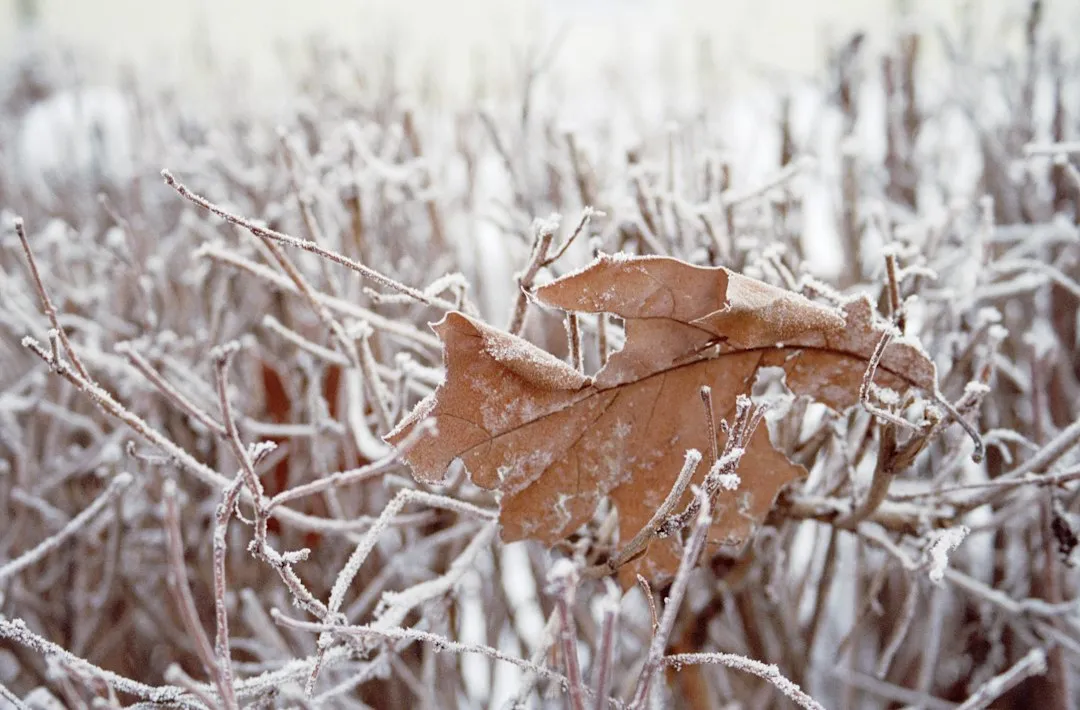
Having broad flat leaves poses some physiological challenges for plants in the winter. Rather than curl up to stay warm like an animal might, they curl to conserve water in winter when it’s frozen in soil. When the ground freezes, roots simply cannot pull up water, leaving the plant in a state of physiological drought even if it’s sitting in snow.
Rhododendrons are loved for their evergreen, large leaves, which are covered with stomata, the small pores typically on the underside of a leaf that allow for gas exchange. One theory is that, in the winter, with water being locked up in snow and ice, rhododendrons can’t afford to lose water, so the stomata close, and the curling of leaves helps protect the stomata and prevent water loss, or desiccation.
Curled leaves may also limit the amount of water they lose, thereby possibly keeping the leaves hydrated during the winter when the soil is frozen. Both the stomata and the curl work in concert on this front.
The Role of Aquaporins: Water Channels at the Cellular Level
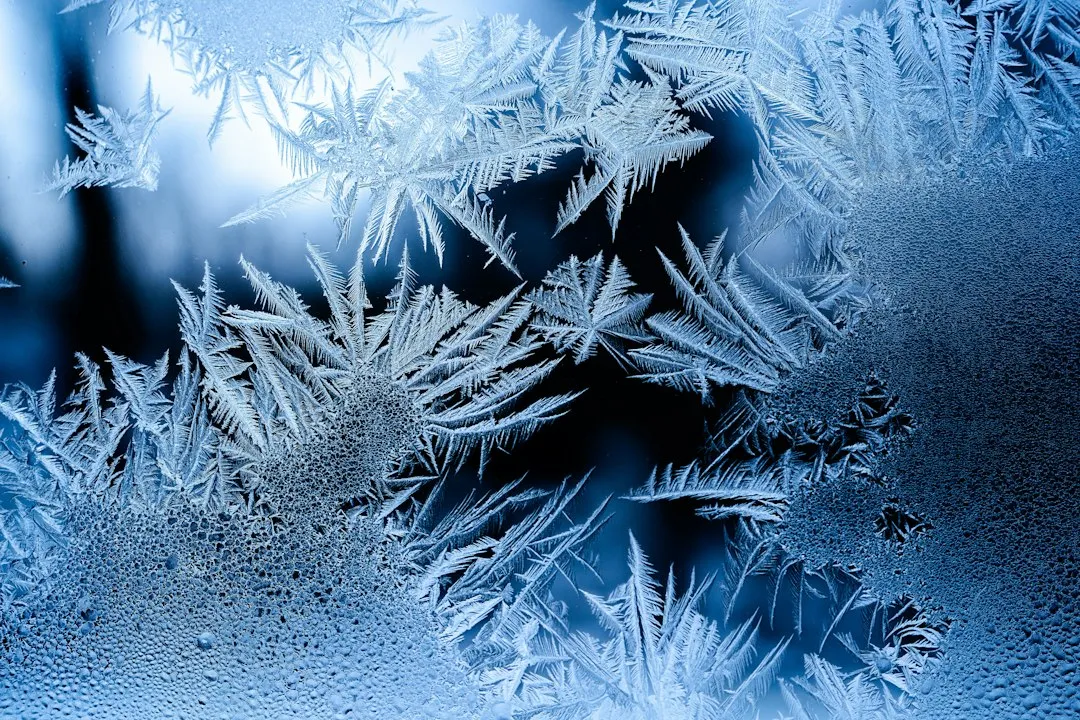
It is postulated that leaf thermonasty (leaf curling) in rhododendrons under sub-freezing temperatures is caused by water redistribution due to extracellular freezing. We hypothesize that aquaporins, the transmembrane water-channels, may be involved in regulating water redistribution and thus leaf curling.
Researchers exposed leaves from the thermonastic Rhododendron species to freezing temperatures, but some leaves had water that froze on the surface, and others did not. Leaves with extracellular water freezing curled at a higher temperature than leaves without, indicating that the extracellular freezing was necessary for curling at a higher temperature. This helped confirm that the curl is not simply a passive mechanical collapse but a process linked to what happens inside the cells at a molecular level.
Not All Rhododendrons Curl, and That Matters
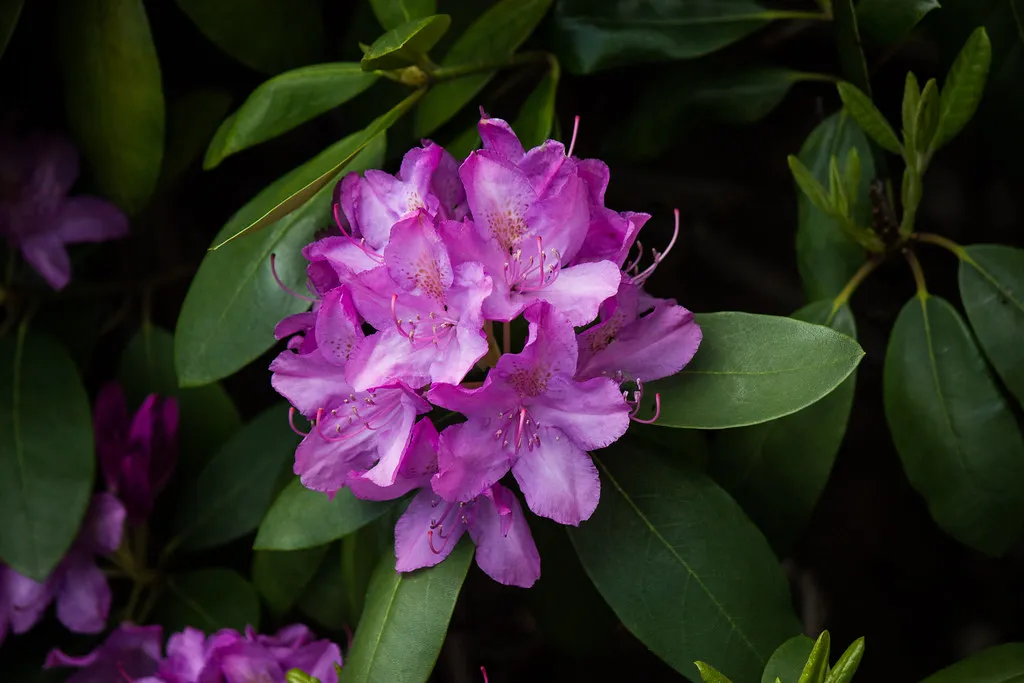
There was a gradient in the degree of leaf curling among species in the following order from the greatest curling to the least curling: Rhododendron catawbiense, R. maximum, R. minus, R. macrophyllum, R. ponticum. The species that curl most aggressively tend to come from colder, harsher climates.
Those species found to be tolerant of winter conditions had the most intense leaf movements, both curling and angle, while those species with minimal cold tolerance had limited or no leaf movements. Within the genus Rhododendron, tolerance of cold conditions is greater in species with thermonastic leaf movements than species without. This link between curl intensity and cold hardiness has held up across multiple studies.
What Happens When Curling Is Prevented
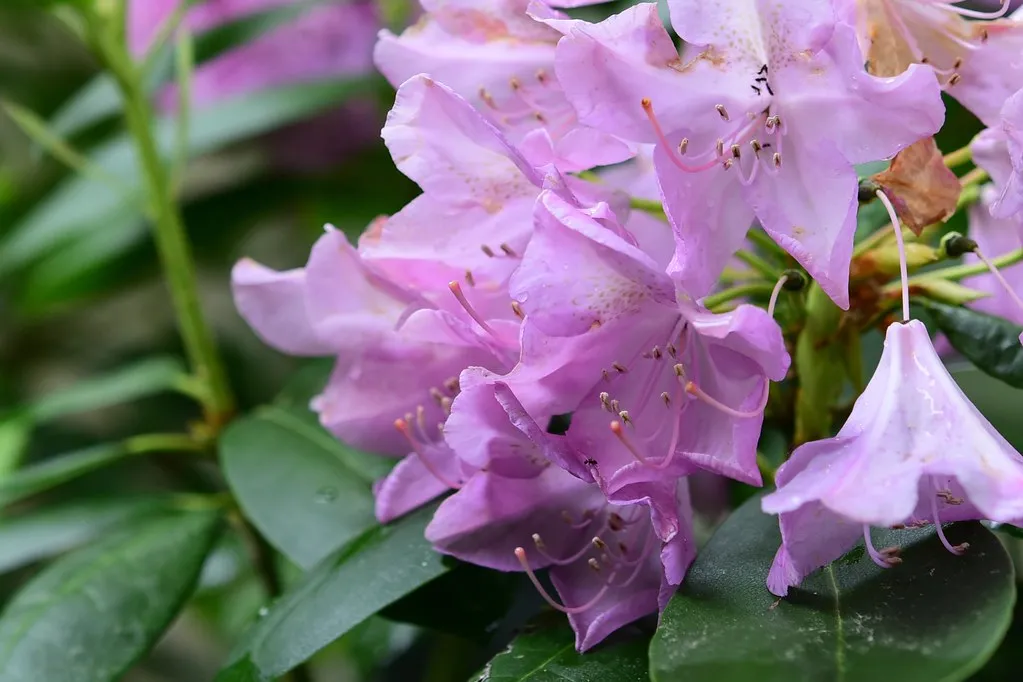
If the leaves are not allowed to curl during the winter, up to roughly three in ten die. The remaining leaves have a much reduced photosynthetic rate. The leaves which are not able to curl or droop become chlorotic, turning yellow, before death. These are not trivial consequences. Losing a large proportion of your leaves in winter is a serious setback for a plant that relies on those same leaves to fuel spring growth.
Within the genus Rhododendron, tolerance of cold conditions is greater in species with thermonastic leaf movements than species without. The leaf movements protect critical physiological processes such as photosynthesis from damage due to the synergistic effects of cold temperatures, and high light common to winter conditions in temperate forests.
Genetics, Hormones, and the Mechanics Behind the Curl
Leaf movements in hybrids suggest that leaf rolling and curling are additive and dominant genetic traits. This means the tendency to curl is encoded in the plant’s genes and passes on reliably, which explains why some cultivars curl faithfully every winter while others remain flat regardless of how cold it gets.
A plant hormone called abscisic acid triggers the leaf-curling. A section at the base of the leaf called a “pulvinus” rapidly changes the orientation of the leaf. Scientists postulate that the combined effect of the leaf morphology, anisotropy in rolling forces and the geometrical constraints due to the relatively stiff midrib causes leaf rolling, consistent with the mechanics of a thin plate with anisotropic spontaneous curvature. In other words, the midrib acts like a spine that channels the curl into that tight cigar shape.
The Science Is Settled, the Mechanism Is Not
Though several hypotheses have been advanced, the precise mechanism of thermonasty is not yet well understood. That’s worth noting plainly. The broad protective function of the curl is well supported by experimental evidence. The cellular and molecular chain of events that actually drives the rolling is still being worked out, with aquaporins and extracellular ice formation currently at the center of the debate.
Leaf curling may be either an indicator of cold tolerance, or a major mechanism of cold tolerance in Rhododendron species. Those are meaningfully different roles, and distinguishing between them requires more targeted research. Research on Rhododendron leaf thermotropism suggests that the curling response might help prevent damage to cell membranes caused by rapid thawing after a freeze.
Final Thoughts
There’s something quietly impressive about a plant that developed a built-in cold response so reliable you can read the temperature by looking at it. The rhododendron doesn’t panic when frost arrives. It folds.
What began as folk observation, that tightly curled leaves meant a hard freeze was coming, turned out to be a window into genuine plant physiology, one involving cell membranes, water channels, hormones, and genetic programming. The cigar shape you see on a cold morning is not random. It’s the result of millions of years of adaptation compressed into a few hours of leaf movement.
Science hasn’t nailed down every detail yet, and that’s fine. The rhododendron doesn’t need a final answer to do what it does every winter, without fail.
AI Disclaimer: This article was created with the assistance of AI tools and reviewed by a human editor.