

There’s a quiet but consistent pattern that researchers have been noticing for years: retired adults who give their time to others tend to carry themselves differently. They move with more energy, they talk about the future with more interest, and they consistently describe themselves as feeling younger than their years. This isn’t just a feel-good observation.
The science behind it has grown sharper and more compelling, especially in research published between 2024 and 2026. What’s driving that feeling of renewed youth turns out to be biological, psychological, and social, all at once.
Volunteering May Actually Slow Biological Aging
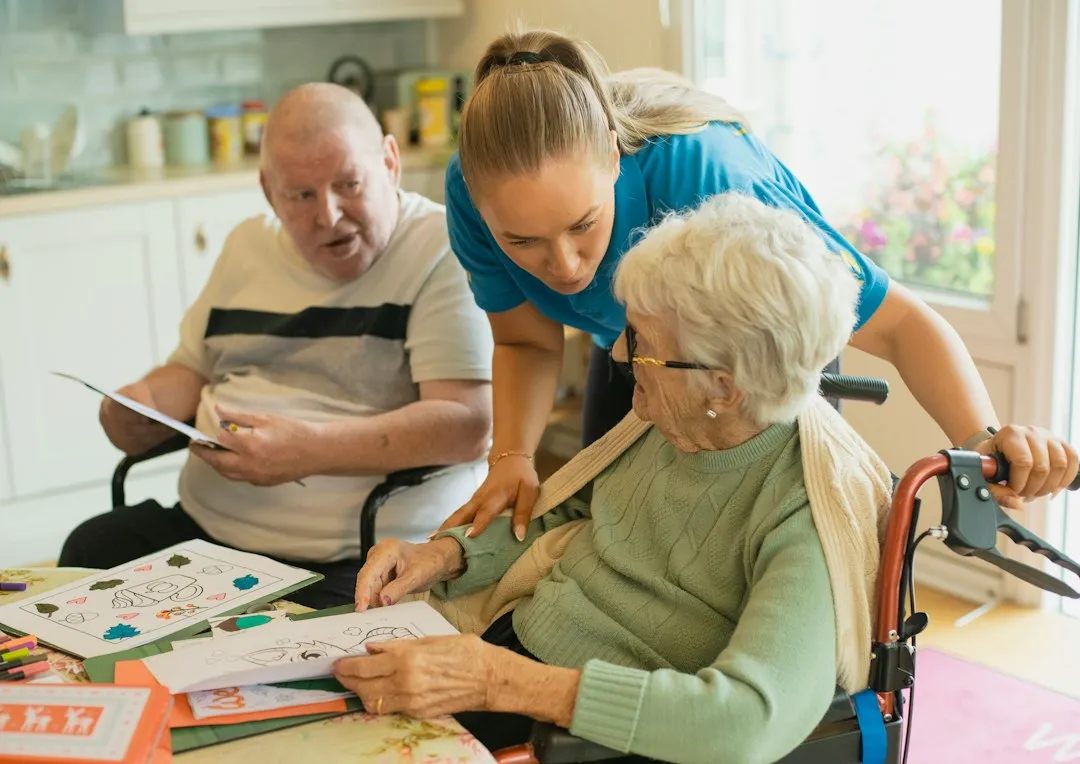
Volunteering, even in small amounts, is linked to slower age acceleration for both retirees and working people, according to a study from the Brown School at Washington University in St. Louis. The research used epigenetic clocks, tools that measure biological aging at the cellular level, not just a person’s birth year. The findings in Social Science & Medicine suggested that a moderate amount of volunteer work may be enough to slow the aging process at the biological level, allowing for more years of living a healthier and more active lifestyle.
Even with lower amounts of volunteering, between one and 49 hours per year, the benefits were more pronounced for those who were retired. That’s a notably low bar. It suggests that even occasional, light volunteering can move the needle in meaningful ways for people who have left the workforce.
The Identity Gap That Retirement Creates

Retirement removes more than a paycheck. It quietly takes away something harder to replace: a role. For decades, most people organize their daily identity around their work. When that ends, a sense of purposelessness can drift in. Working older adults may seek to enhance their careers or knowledge, while retirees may aim to compensate for loss of identity or social functions.
Volunteering serves as a protective factor for older adults, with formal volunteering especially offering structure and social identity that mimics the work role. In a real sense, it gives people somewhere to be, someone to help, and a reason to show up, which is a combination that turns out to matter enormously for how old people feel from the inside.
Physical Health Markers Improve Too
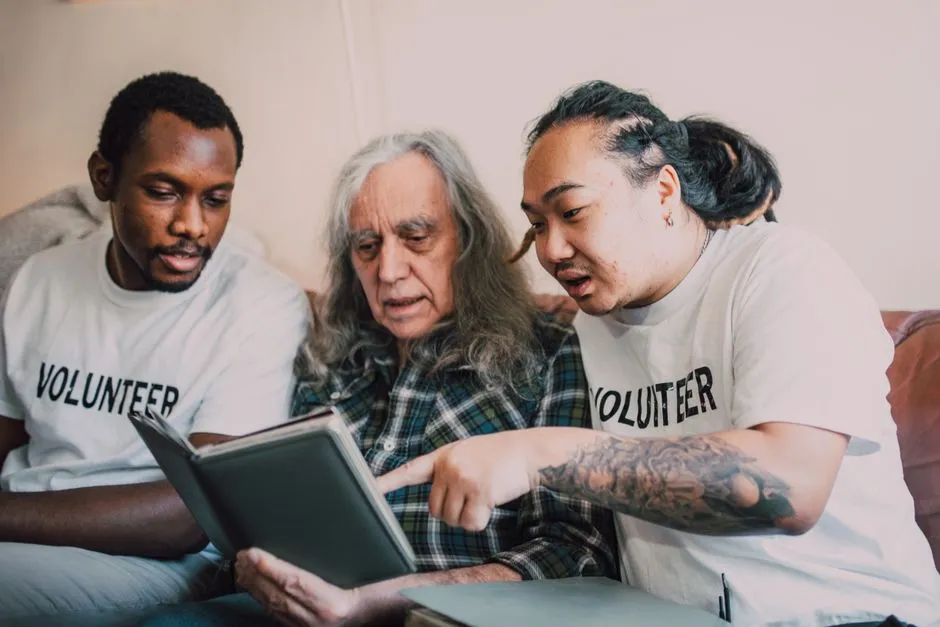
The 2025 study from Social Science & Medicine found volunteering to be associated with lowered hypertension and chronic inflammation, while assisting with stress regulation, cognitive function, and the ability to perform daily functions. These aren’t minor outcomes. High blood pressure and chronic inflammation are among the most common contributors to serious illness in older age.
A Carnegie Mellon University study found that older adults who volunteered for at least 200 hours annually decrease their risk of high blood pressure by roughly two fifths, thus lowering their risk of heart disease and stroke, among other health problems. That’s a substantial shift, and it comes from an activity rather than a medication.
Loneliness Is a Real Enemy, and Volunteering Fights It
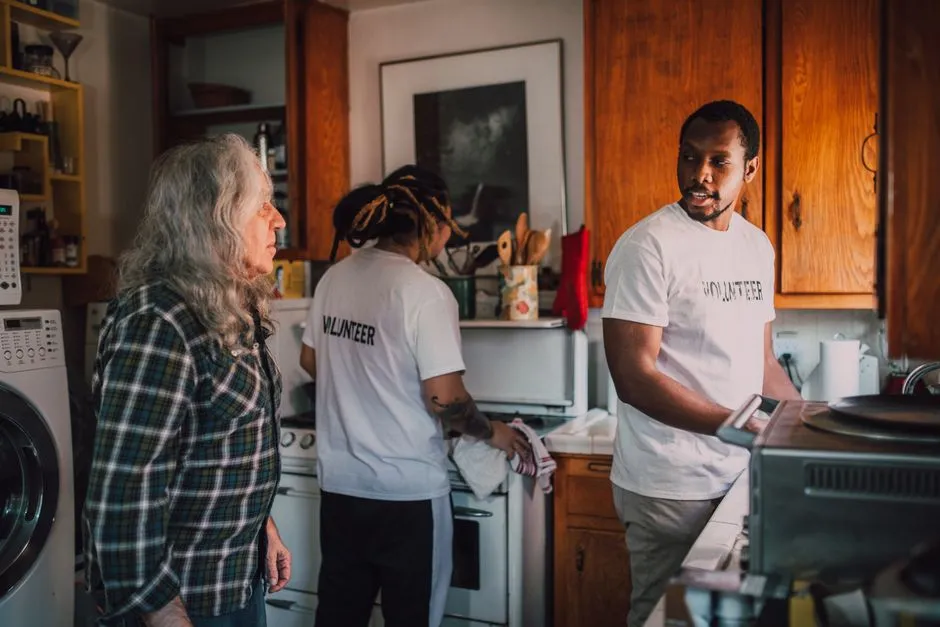
Regular volunteering builds sustained social contact, purpose, and belonging, which the U.S. Surgeon General cited when declaring loneliness a public health epidemic in 2023. For retirees, the social world can narrow quickly. Colleagues disappear. Routines dissolve. Without deliberate effort, isolation can set in faster than most people expect.
A 12-year longitudinal study published in the Journal of Gerontology and Social Work found a significant inverse relationship between formal volunteering and the occurrence of loneliness among older adults over time. Consistent engagement, not just occasional participation, was the key factor. These findings underscore the significance of consistent volunteering for more than two hours per week to sustain lasting positive effects on wellbeing.
Mental Sharpness Gets a Boost
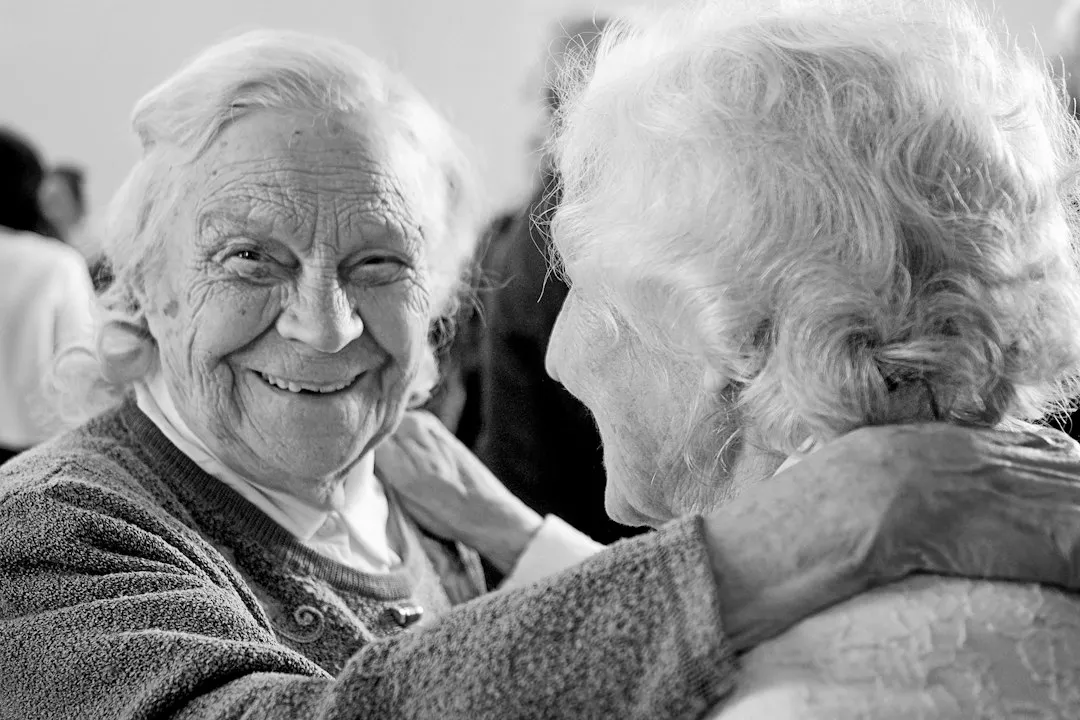
Studies show that older adults who volunteer regularly experience lower rates of depression, anxiety, and cognitive decline. The sense of purpose that comes with volunteering stimulates brain function, enhancing memory and problem-solving skills. The brain, much like a muscle, responds to regular use and genuine engagement.
Volunteering can help keep the mind active and sharp. Many volunteer roles involve learning new skills or information, which can be beneficial for general cognitive health. Whether that’s learning how to run a food distribution program, mentoring a young professional, or navigating a new community organization, the mental demands are real and beneficial.
The Role of Purpose in Aging Well
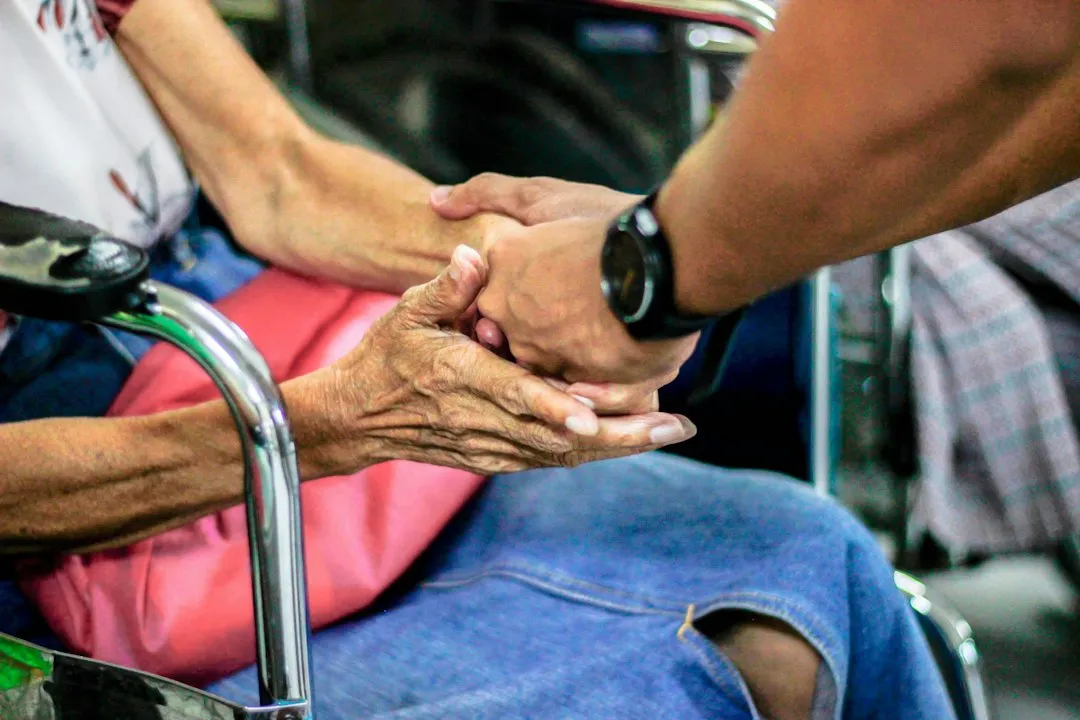
There’s a growing body of evidence suggesting that having a clear reason to get up in the morning isn’t just emotionally nice, it may be physiologically protective. Persons who volunteer in old age perform better than non-volunteers in their self-perceived quality of life, mental health, and physical health markers. Older volunteers almost always report stronger cognitive performance, improved happiness, and reduced negative symptoms associated with loneliness and depression.
Volunteering can significantly improve life satisfaction, purpose in life, cognitive health, physical health, and psychosocial wellbeing. Notably, the threshold for these benefits is low, with benefits observable at just one hour of volunteering per week. That accessibility matters. Purpose doesn’t require a grand commitment to be real.
Mortality Risk Decreases Among Consistent Volunteers
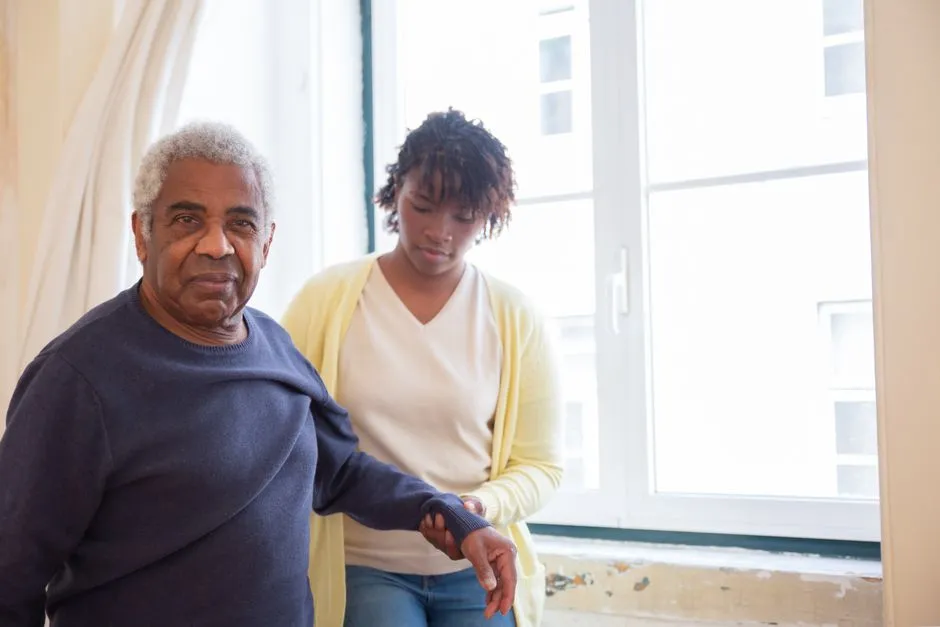
The connection between volunteering and living longer is not new territory, but the evidence keeps accumulating. A study published in the American Journal of Preventive Medicine found that people over the age of 50 who volunteered more than 100 hours a year had better physical and mental health outcomes than those who don’t regularly volunteer. Data shows that those who volunteered had a lower risk of mortality, fewer limits on physical functioning, and lower rates of depression and loneliness.
Results were predominantly in favor of reduced mortality rate amongst volunteers, with 16 papers reporting significant associations between volunteering and reduced mortality rate in a broad systematic review of older adult volunteering outcomes. That’s a consistent signal across a large and diverse body of research.
Intergenerational Volunteering Carries Extra Benefits
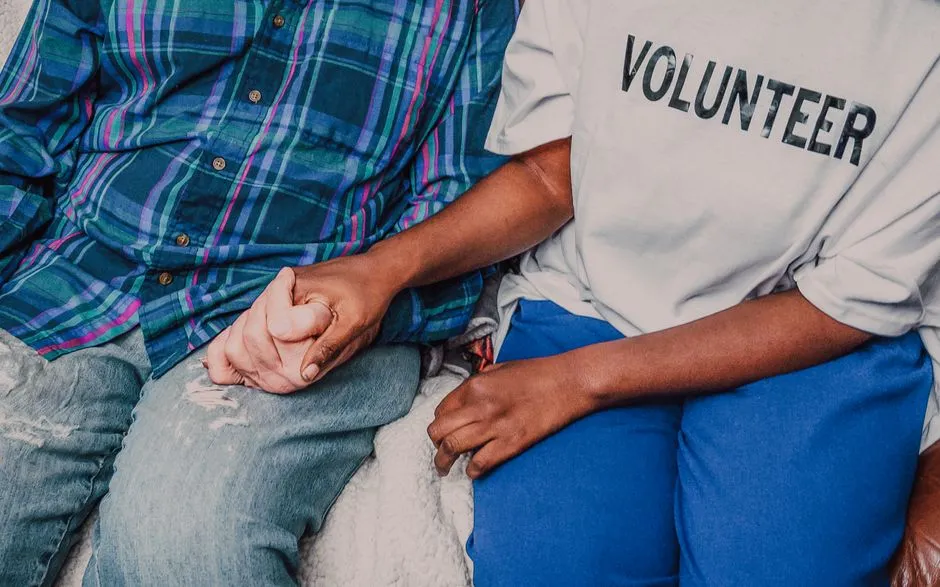
One of the more interesting findings in recent years involves what happens when retirees volunteer alongside or directly for younger people. The energy exchange seems to flow both ways. Qualitative data from older adult classroom volunteers revealed that the experience offers multi-layered engagement, including intergenerational connection for children and older adults alike, as well as a new role and identity in later years for the volunteers themselves.
Engaging with younger generations stimulates cognitive function and provides a sense of purpose, lowering rates of depression and anxiety among seniors. There’s something about crossing generational lines that seems to reset a person’s sense of where they are in life. Being needed by someone younger, specifically, may tap into a psychological drive that runs deep.
Volunteering Buffers the Psychological Stress of Aging
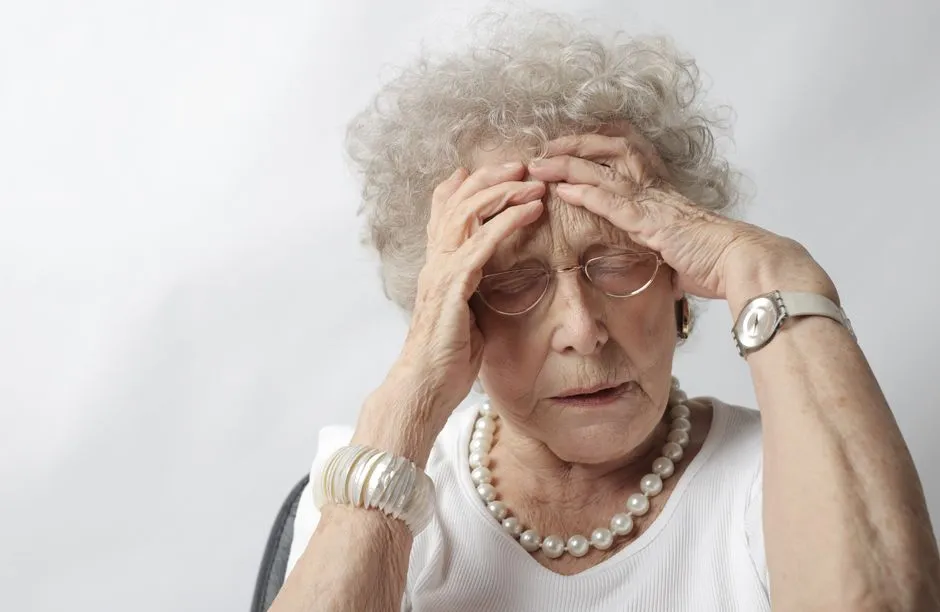
Aging comes with stressors that are hard to avoid. Health worries accumulate, physical limitations gradually arrive, and the awareness of mortality sharpens. Volunteering appears to create a meaningful buffer against some of these psychological pressures. The feelings of fulfillment people get from volunteering trigger chemicals related to happiness like serotonin, dopamine, and endorphins that counteract stress or anxiety.
Compared to consistently non-volunteering older adults, those who engaged in volunteering during the study period exhibited better cognitive function and fewer depressive symptoms, even as their involvement declined over time. Even a history of volunteering, not just current engagement, appeared to carry forward some protective effect on mental health.
Feeling Needed Is Its Own Kind of Medicine
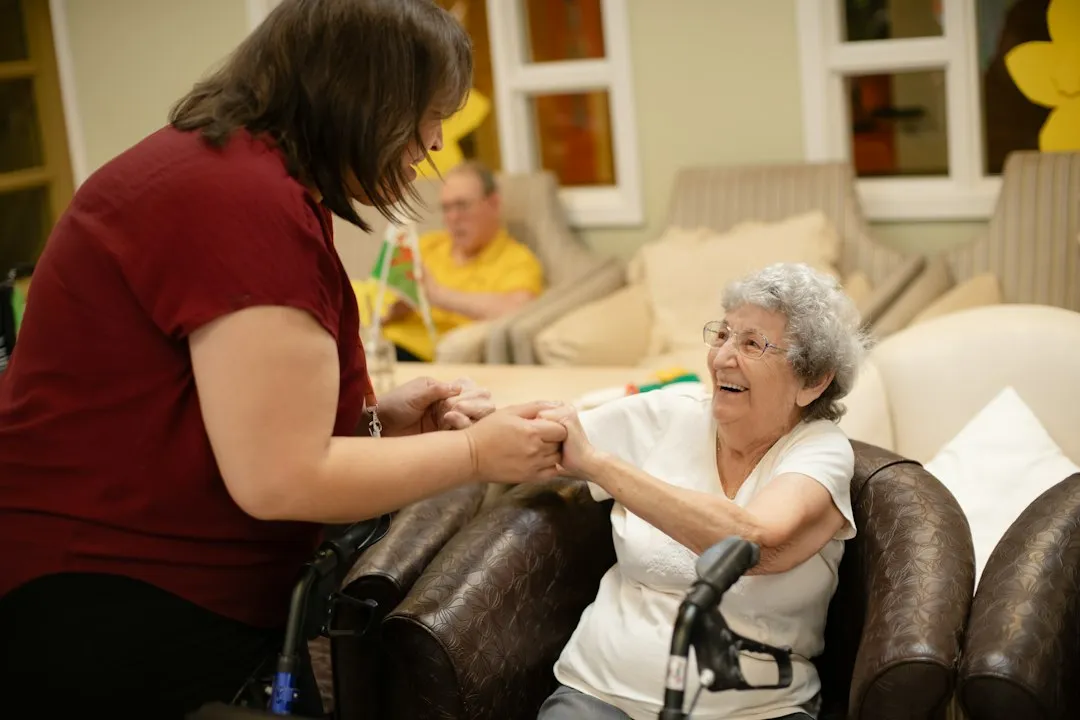
The phrase “feeling useful” gets dismissed sometimes as sentimental, but the research treats it more seriously. Retirees are motivated to give back, and like feeling needed and appreciated for their time and effort. That experience of mattering to someone else, of being genuinely wanted in a role, is one of the most consistently cited reasons retirees report feeling younger through volunteering.
These benefits are stronger with a greater variety of activities and also when the individual feels appreciated. Appreciation isn’t a small variable. It appears to amplify the health benefits of the activity itself. Numerous studies have found that volunteering intuitively correlates in a positive way with subjective quality of life for older persons, and the feeling of being genuinely valued sits at the center of that relationship.
The Takeaway
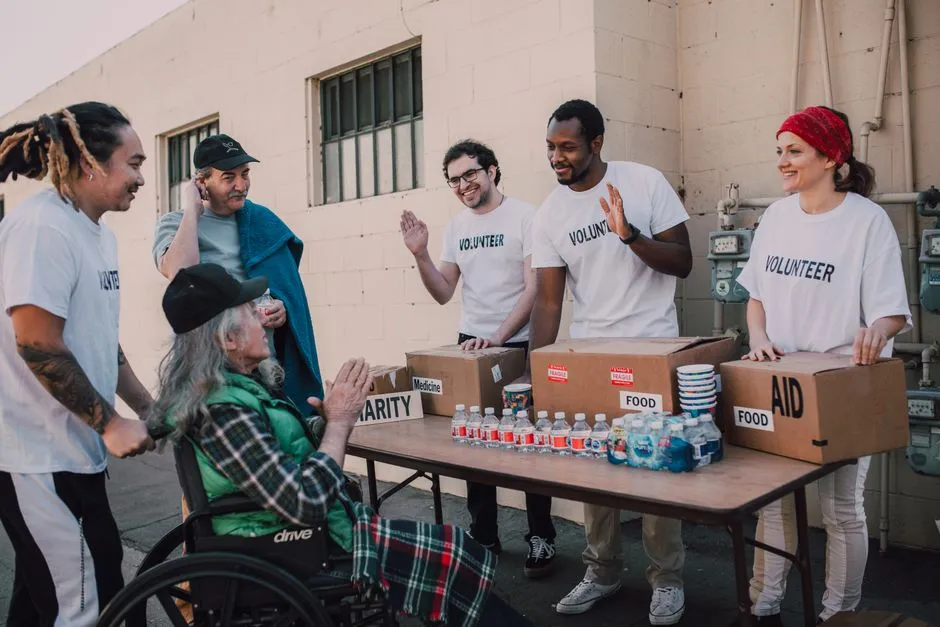
The evidence that volunteering makes retirees feel younger is no longer just anecdotal. It shows up in epigenetic clocks, in blood pressure readings, in mortality data, and in how people describe their own sense of vitality. The mechanism is layered: purpose replaces the identity that work once provided, social contact fights isolation, and physical activity keeps the body moving.
What’s striking is how modest the required commitment is. A January 2025 study published in the journal Social Science & Medicine found that giving back as a volunteer not only makes older people feel younger but also stymies the aging process, leading to better mental and physical health. A few hours a week, given freely to something that matters, seems to be enough to shift the trajectory in a real and measurable direction. That’s a straightforward prescription, and it doesn’t require a doctor to write it.
AI Disclaimer: This article was created with the assistance of AI tools and reviewed by a human editor.