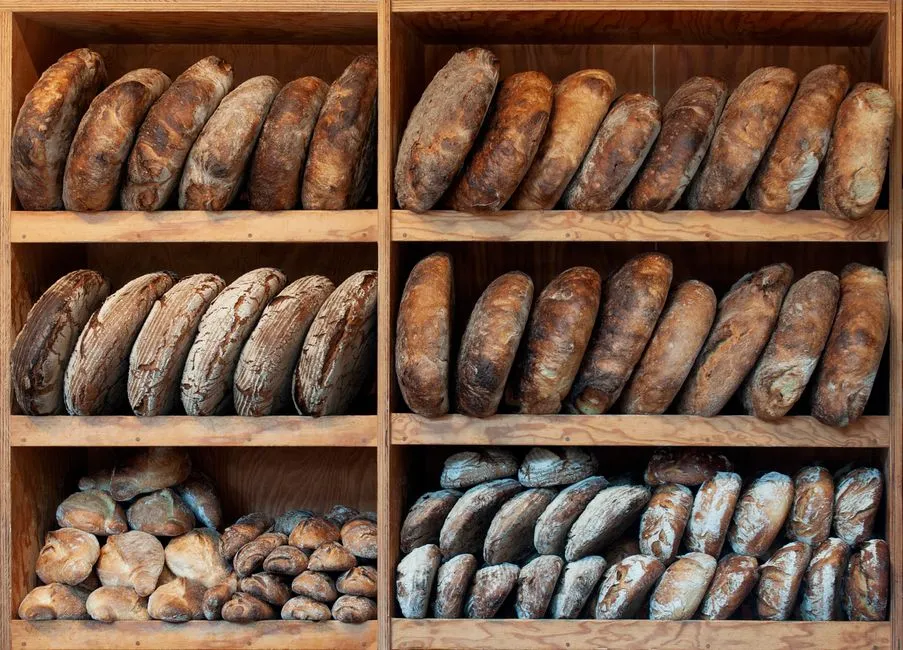

Walk into almost any professional kitchen and you’ll notice something odd if you’re paying attention. The walk-in refrigerator hums along, packed with dairy, produce, and proteins, yet the bread rarely sits anywhere near it. That’s not an accident or a space-saving quirk. It comes down to food science that most home cooks never learn, and it explains a habit that separates trained kitchens from the rest of us.
The Fridge Feels Safe, But Bread Disagrees
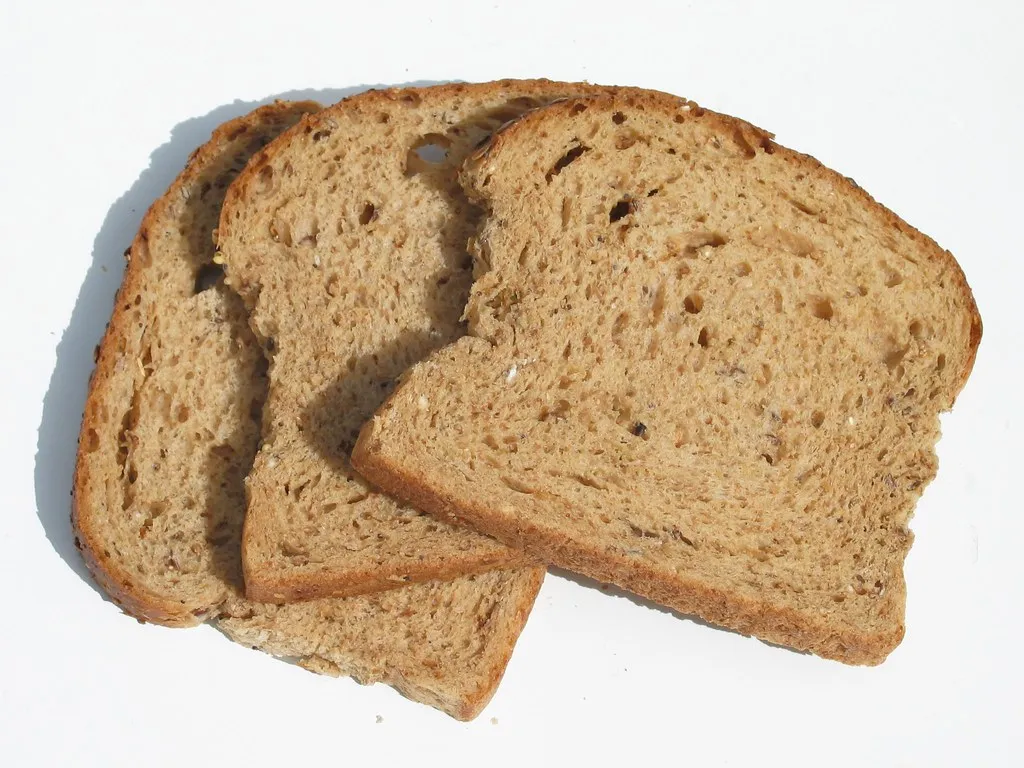
Most people assume cold storage protects food, and for meat, dairy, and leftovers that’s generally true. Bread breaks that rule entirely. Scientific studies have consistently shown that bread stales significantly faster at refrigerator temperatures than it does at room temperature, with some research suggesting the rate of staling can increase by as much as six times. That single fact is reason enough for chefs to keep loaves far from the cold box.
The Chemistry Chefs Learn Early: Starch Retrogradation
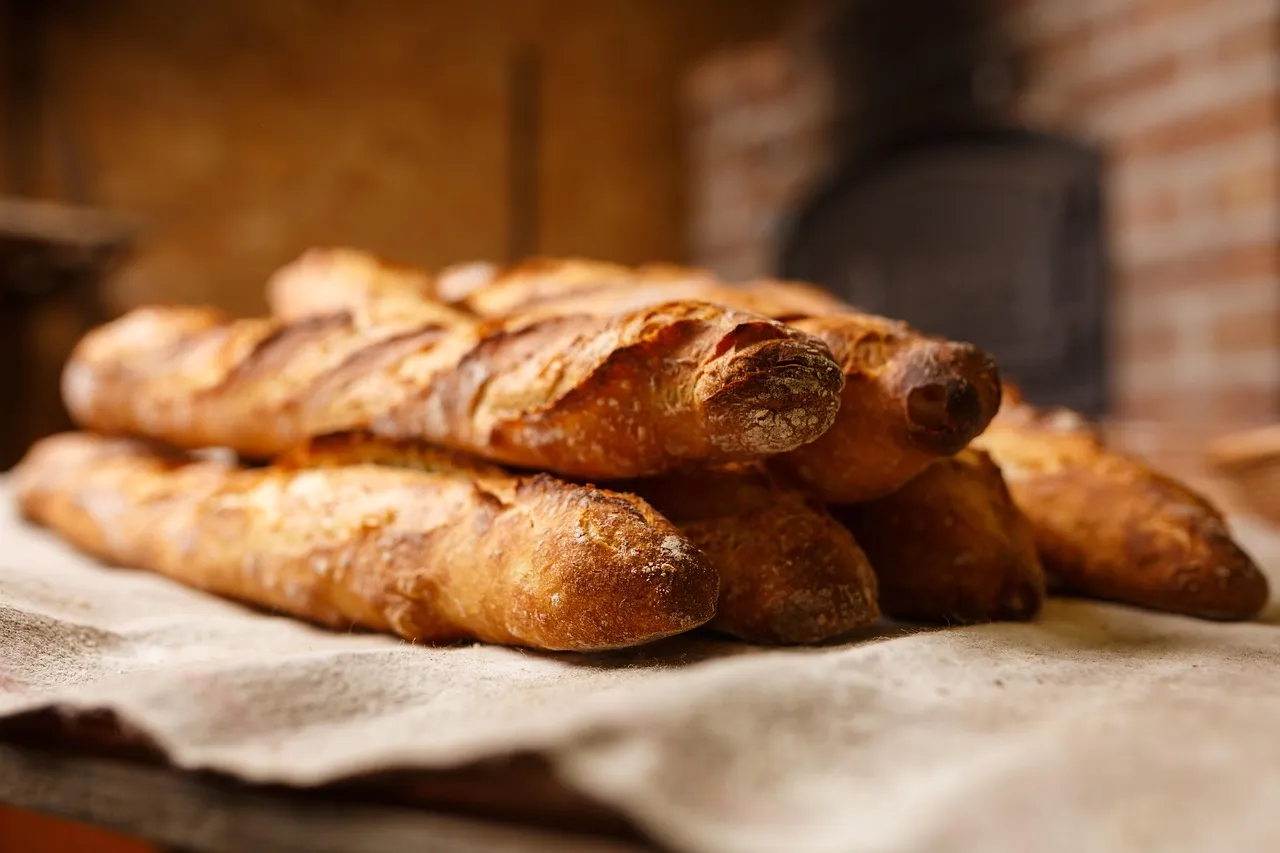
The culprit has a name: starch retrogradation. When bread is baked, its starch granules absorb water and swell into a gel-like network that gives fresh bread its texture, but as it cools and ages, these starch molecules begin to reorganize themselves. This reorganization forces moisture out of the crumb structure, leading to that tough texture we associate with stale bread. Professional kitchens don’t need to know the molecular details, but they’ve learned through trial and error that cold storage wrecks texture fast.
Why the Refrigerator Sits in the Worst Possible Temperature Zone
There’s a specific reason the fridge is uniquely bad, and it’s a matter of temperature range rather than cold in general. At room temperature, retrogradation happens but more slowly, at freezing temperatures the process essentially stops because starch molecules can’t reorganize when everything is frozen solid, and at high temperatures above 140°F, retrogradation actually reverses. Unfortunately, a standard refrigerator sits directly in the danger zone. A typical refrigerator, set between 35 and 40°F, creates close to the perfect environment for this staling reaction to accelerate.
Room Temperature: The Default Setting in Professional Kitchens
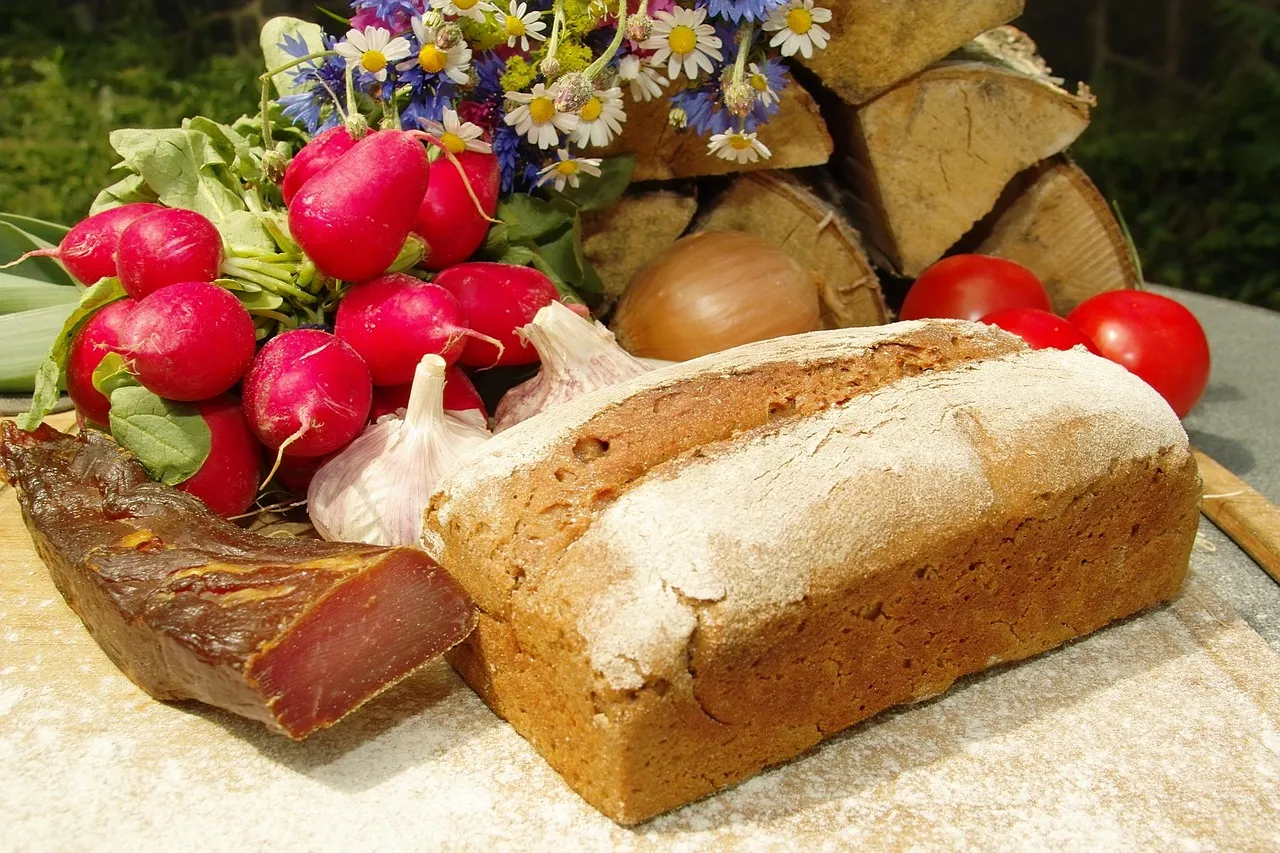
Because of this, most working kitchens simply leave bread out, wrapped and away from direct sun, until it’s needed for the day. Kitchen consultants and food writers alike point to the same guidance for anyone managing bread on a schedule. If you plan to eat bread within a day or two, room temperature storage in a bread box or sealed bag is better than the fridge. It’s a low-tech solution, but it’s the one that consistently produces better results on the line.
The Freezer, Not the Fridge, Is the Real Preservation Tool
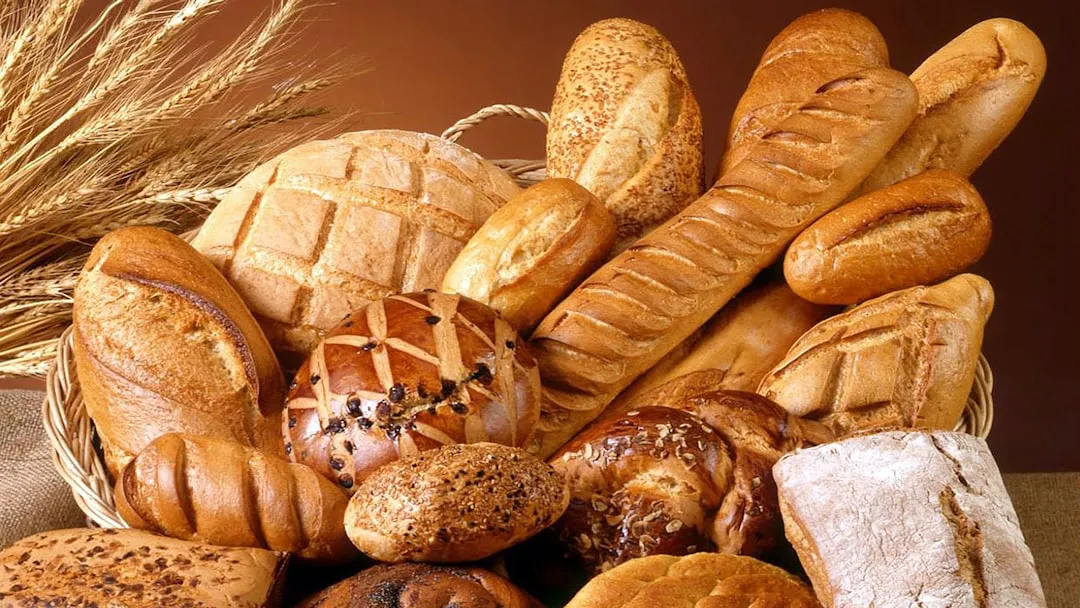
When a kitchen needs to hold bread for more than a couple of days, the answer isn’t colder refrigeration, it’s full freezing. While refrigeration accelerates staling, freezing puts the entire process on pause, and bread can stay fresh in the freezer for three to six months without significant changes in taste or texture. The logic makes sense once you understand the chemistry. At freezing temperatures below 32°F, the process essentially stops because starch molecules can’t reorganize when everything is frozen solid. That’s why walk-in freezers, not walk-in coolers, hold the backup bread supply in most well-run operations.
Breathable Bags Beat Sealed Containers on the Counter
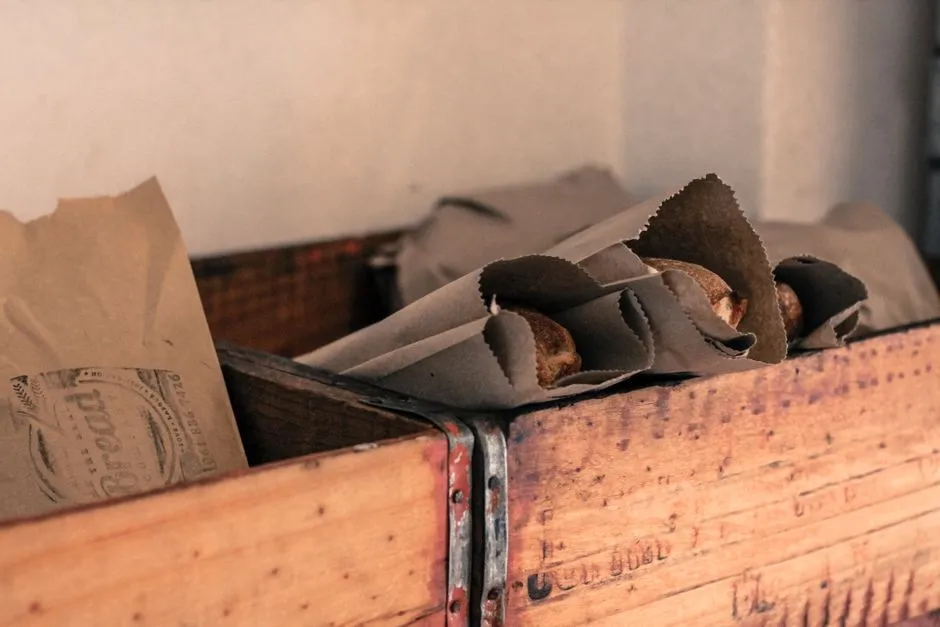
Packaging matters almost as much as temperature, and restaurant supply guides are fairly consistent on this point. Paper bread bags allow the bread to breathe, and bread needs to be in an environment where it can maintain its moisture levels. At the same time, plastic isn’t villainized entirely. Plastic retains moisture but may lead to mold if not managed properly, while paper allows for airflow, which can prevent mold but may dry out bread faster. Most kitchens end up choosing based on how quickly a given bread moves through service, not on a single universal rule.
Humidity Is the Quiet Second Enemy

Temperature gets most of the attention, but moisture in the air plays its own role in how bread holds up on a shelf. Bread is sensitive to moisture, and excess humidity can cause it to become stale or moldy, while bacteria thrive in humid environments, increasing contamination risk, and moisture can also make bread soft and mushy. Commercial kitchens generally aim for a dry, well-ventilated storage spot rather than anything damp or sealed too tightly. Keeping food in a well-ventilated, clean, dry area at a properly monitored temperature helps prevent spoilage and humidity from affecting it.
FIFO Discipline Keeps Bread From Sitting Too Long in the First Place
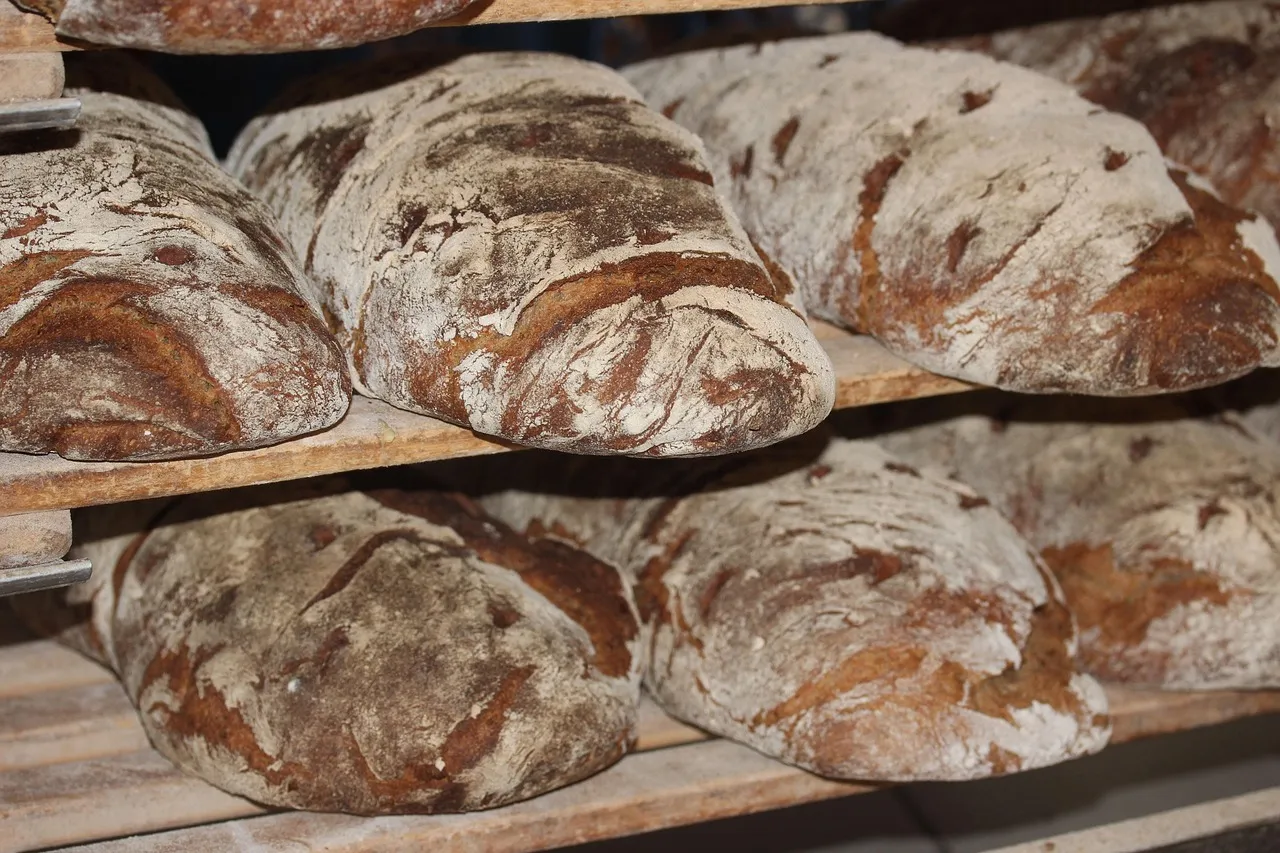
No storage method fixes bread that’s simply been sitting around too long, which is why inventory rotation matters as much as temperature. Kitchens are trained to always remember FIFO, first in first out, meaning items in storage should be used in the order they were put in. For bread specifically, the stakes are higher than for canned goods or dry staples. Bread is the foodstuff that probably gets the biggest rise out of chefs and kitchen managers because its shelf life is little to none, and fresh bread has to be just that, fresh. That urgency is exactly why many upscale kitchens bake in small batches rather than storing large quantities at all.
Par-Baking: How Larger Operations Sidestep the Storage Problem Entirely
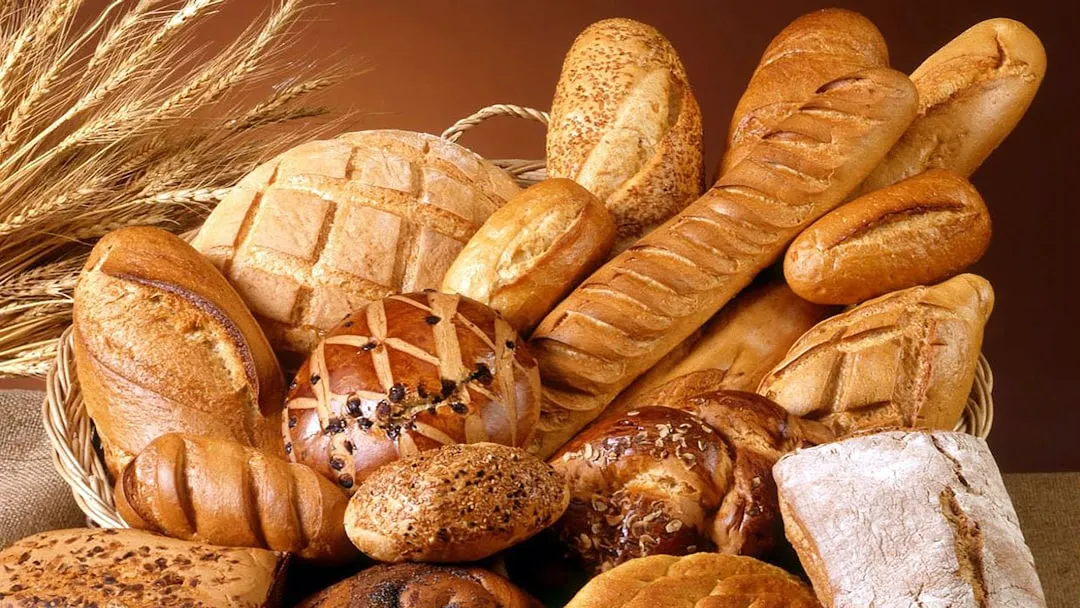
Chains and busy foodservice operators have found a workaround that avoids the storage question altogether: par-baking. Par-baked products are partially baked, typically to about 80 to 90 percent of the full bake, then rapidly cooled or frozen, and finished at the point of sale, which locks in volume while allowing fresh aroma and crust development just before serving. This lets a kitchen freeze bread in an unfinished state, sidestepping the staling clock, then bring it back to life with real heat right before it hits the table. Par-baked bread is partially baked, then flash-frozen to be finished fresh on site, and this final bake takes just minutes while reactivating the moisture in the interior.
Reviving Bread Properly Instead of Tossing It
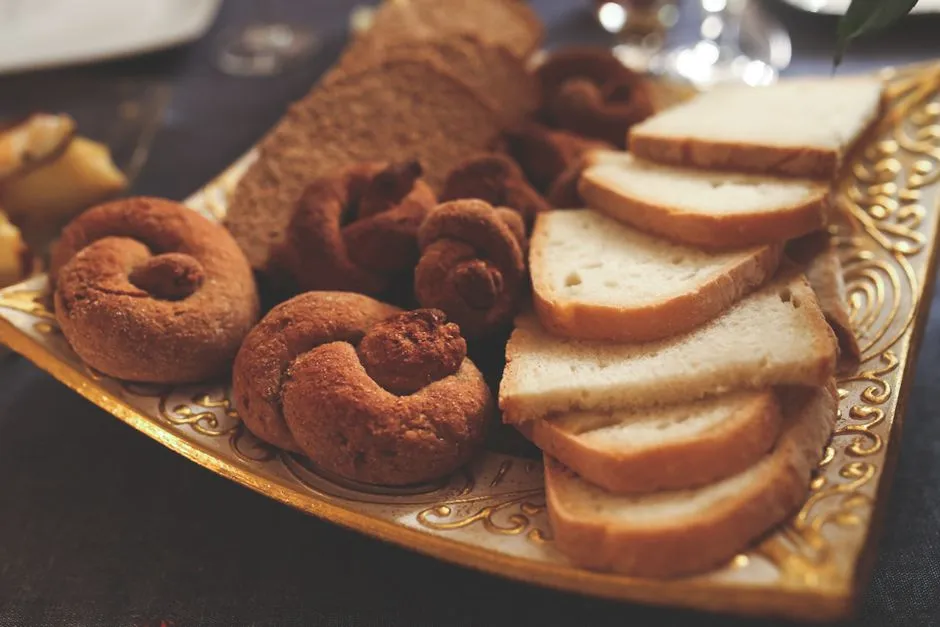
Even in kitchens that get storage right, some bread edges toward staleness before it’s used, and there’s a fix that professionals rely on more than home cooks realize. Warming stale bread in the oven actually works, since heat above 140°F reverses retrogradation temporarily, softening the starch back toward its gelatinized state. The trick works because stale bread isn’t necessarily dry bread. Stale bread often contains nearly as much moisture as fresh bread, the water is just structurally trapped, which is why reviving it with a splash of water and time in a hot oven works. Given how much bread already goes to waste globally, that revival trick isn’t a minor kitchen hack, it’s part of a bigger effort. An estimated 10% of global bread production is wasted, and roughly a third of consumers find themselves regularly having to throw bread away.
Bread storage sounds like a small detail in a kitchen full of bigger decisions, yet it’s one of the few places where basic chemistry overrules instinct. The refrigerator, so reliable for nearly everything else, turns out to be the wrong tool for a job it seems built for. Once you understand what starch is actually doing at those temperatures, the workaround that professional kitchens rely on stops looking like a quirky rule and starts looking like common sense.
AI Disclaimer: This article was created with the assistance of AI tools and reviewed by a human editor.